
 English
 Chinese
 Dutch
 Arabic
 Spanish
 Portuguese
 Russian
 French
 Italian
 German
 Japanese
Honoring your parents in the Bible means respecting them and, as they age, providing for them.
The fifth commandment says “Honor your father and your mother” (Exodus 20:12). Jesus showed what it requires when he criticized a rule that let people declare their money “Corban,” devoted to God, and so stop supporting their parents (Mark 7:9-13). The nineteen verses below cover the command itself, what it meant in practice, listening to parents, the law’s warnings, and the example of Jesus.
The command

Exodus 20:12
“Honor your father and your mother, so that you may live long in the land the Lord your God is giving you.”
Reflection: The commandment carries a promise, the first to do so, as Ephesians 6:2 notes. It applies to grown children as well as young ones, as Jesus’ use of it in Mark 7 shows.
Leviticus 19:3
“Each of you must respect your mother and father, and you must observe my Sabbaths. I am the Lord your God.”
Reflection: Here the mother is named first, and respect for parents is set beside keeping the Sabbath; both are among the Ten Commandments. For more on mothers, see Bible verses about a mother’s love.
Ephesians 6:1-3
“Children, obey your parents in the Lord, for this is right. ‘Honor your father and mother’—which is the first commandment with a promise.”
Reflection: Paul addresses children directly in a letter meant to be read aloud to the church, so he expected them to be listening. The next verse tells fathers not to exasperate their children (6:4).
Colossians 3:20
“Children, obey your parents in everything, for this pleases the Lord.”
Reflection: The next verse turns to fathers: “do not embitter your children, or they will become discouraged” (3:21). The instructions run both ways.
What it meant in practice

Mark 7:9-13
“You have a fine way of setting aside the commands of God in order to observe your own traditions! For Moses said, ‘Honor your father and mother,’ and, ‘Anyone who curses their father or mother is to be put to death.’ But you say that if anyone declares that what might have been used to help their father or mother is Corban (that is, devoted to God)—then you no longer let them do anything for their father or mother. Thus you nullify the word of God by your tradition that you have handed down. And you do many things like that.”
Reflection: Corban meant an offering dedicated to God. A son could declare his money Corban and so keep it from his parents while appearing devout. Jesus says this nullifies the word of God.

1 Timothy 5:4
“But if a widow has children or grandchildren, these should learn first of all to put their religion into practice by caring for their own family and so repaying their parents and grandparents.”
Reflection: Paul calls caring for aging parents and grandparents “repaying” them, and says it pleases God. It is the first place faith is to be put into practice.
Matthew 15:4-6
“For God said, ‘Honor your father and mother’ and ‘Anyone who curses their father or mother is to be put to death.’ But you say that if anyone declares that what might have been used to help their father or mother is ‘devoted to God,’ they are not to ‘honor their father or mother’ with it. Thus you nullify the word of God for the sake of your tradition.”
Reflection: Matthew records the same confrontation as Mark. In both accounts Jesus quotes the commandment and the law’s penalty for cursing parents before exposing the loophole.
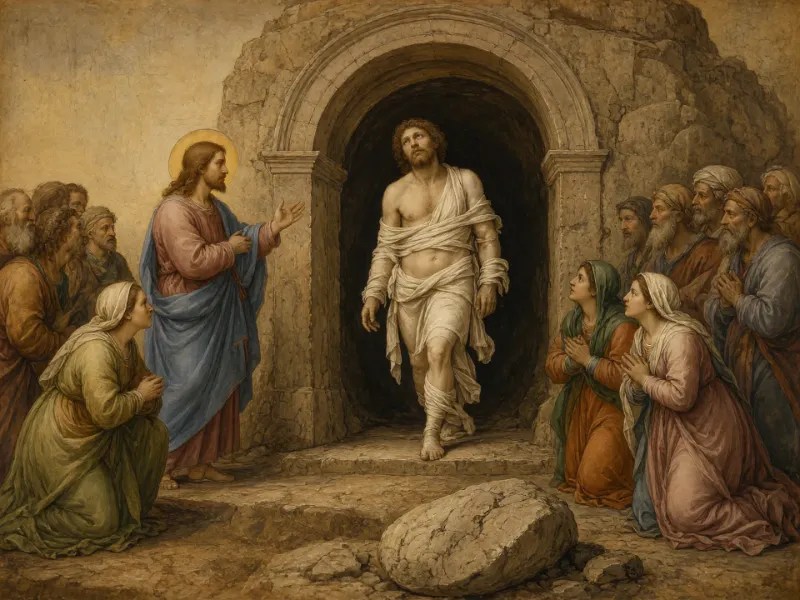
Genesis 9:23
“But Shem and Japheth took a garment and laid it across their shoulders; then they walked in backward and covered their father’s naked body.”
Reflection: Noah lay drunk and uncovered in his tent (9:21). Shem and Japheth walked in backward so as not to see their father’s nakedness, and covered him.
Listening, which is most of it
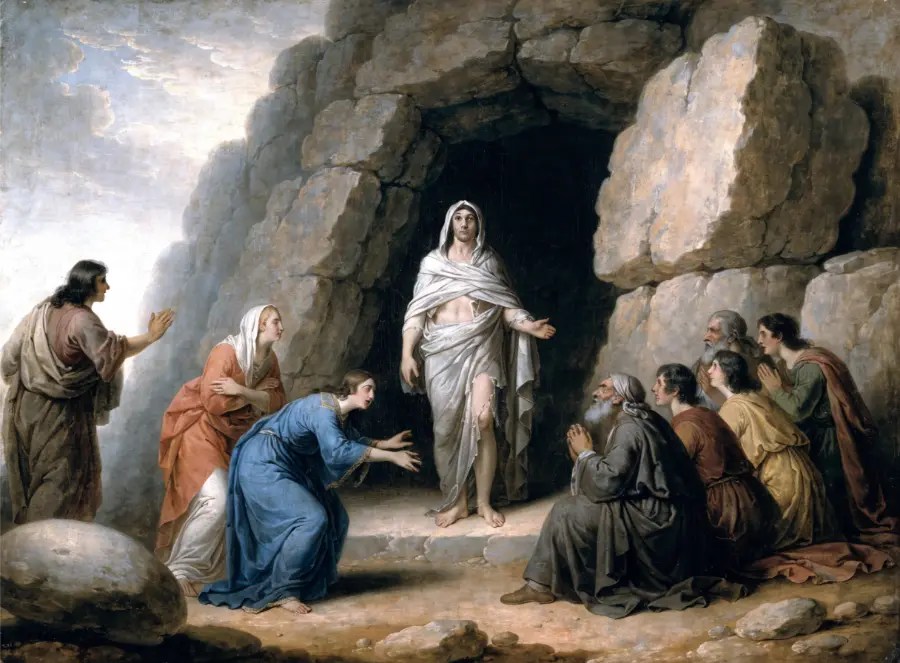
Proverbs 1:8-9
“Listen, my son, to your father’s instruction and do not forsake your mother’s teaching. They are a garland to grace your head.”
Reflection: A parent’s teaching is described as a garland and a chain, ornaments worn with honor.
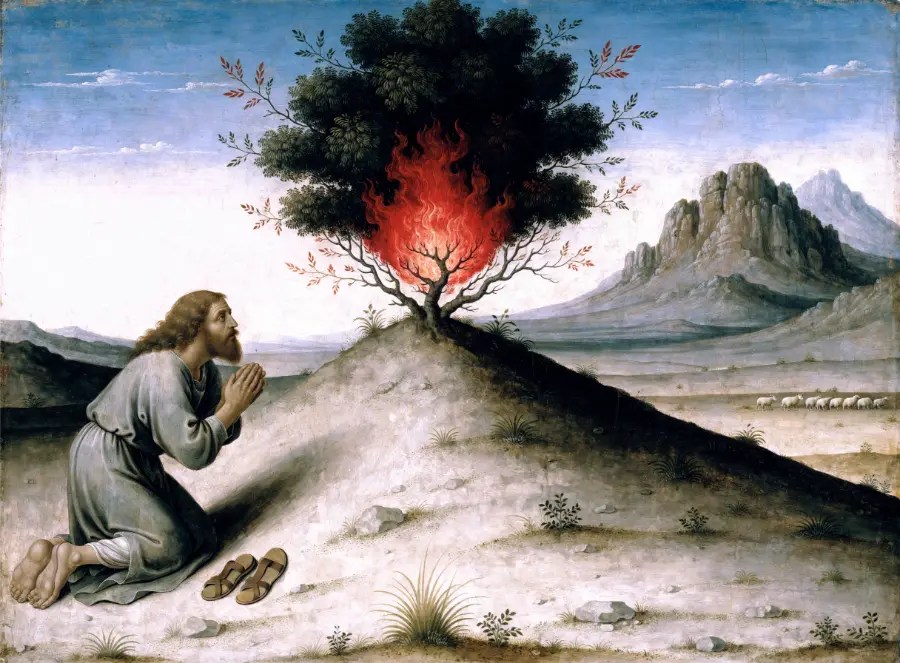
Proverbs 6:20-21
“My son, keep your father’s command and do not forsake your mother’s teaching. Bind them always on your heart; fasten them around your neck.”
Reflection: The language echoes Deuteronomy 6:8, where the commandments themselves are to be bound on the hands.

Proverbs 13:1
“A wise son heeds his father’s instruction, but a mocker does not respond to rebukes.”
Reflection: The difference between the wise son and the mocker is how each responds to correction.

Proverbs 15:5
“A fool spurns a parent’s discipline, but whoever heeds correction shows prudence.”
Reflection: Heeding correction is called prudence, good sense for one’s own sake.
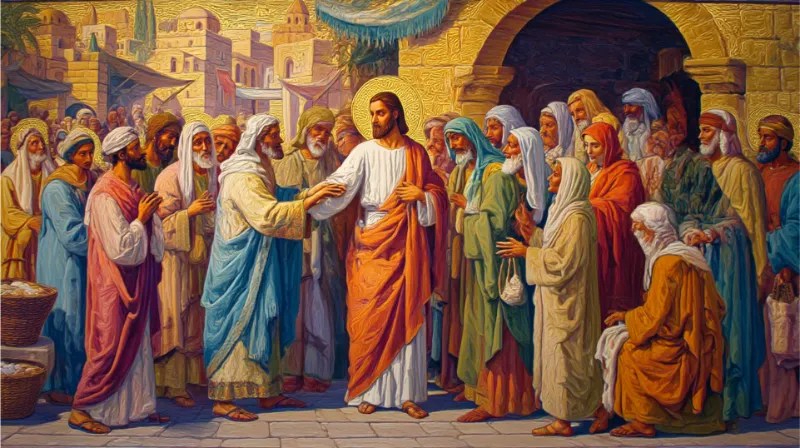
Proverbs 23:22
“Listen to your father, who gave you life, and do not despise your mother when she is old.”
Reflection: The proverb looks ahead to the time when a mother is old. It is addressed to a grown child.
The warnings, and how to read them

Exodus 21:17
“Anyone who curses their father or mother is to be put to death.”
Reflection: This is part of Israel’s civil law, which goes on to deal with injuries, oxen and property (21:18-36). It shows how seriously the offense was taken; it is not a sentence for anyone to carry out today.
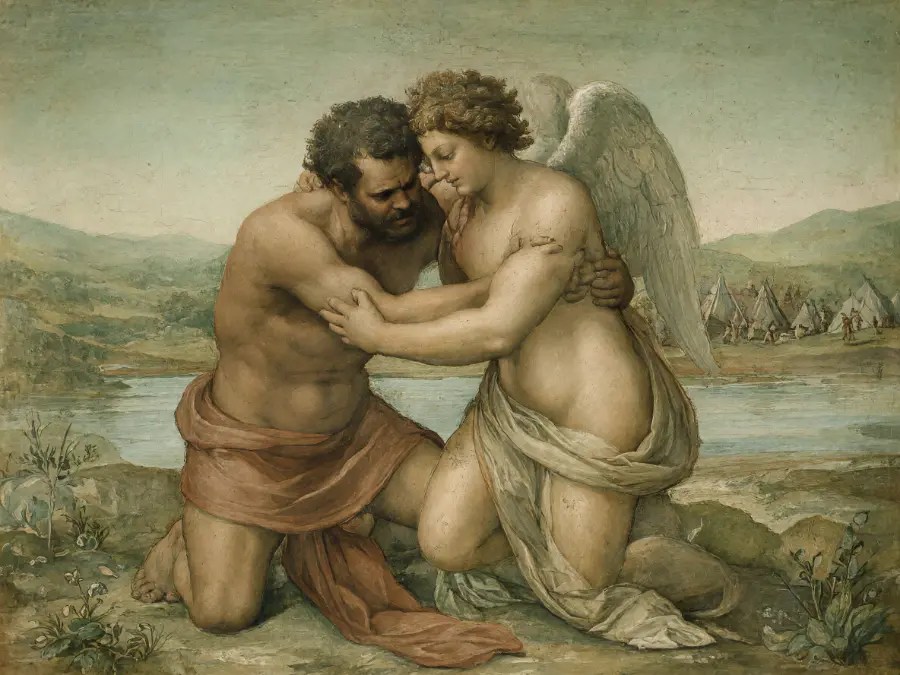
Deuteronomy 27:16
“Cursed is anyone who dishonors their father or mother.”
Reflection: The Levites pronounced these curses aloud, and all the people answered “Amen!” (27:14-15).
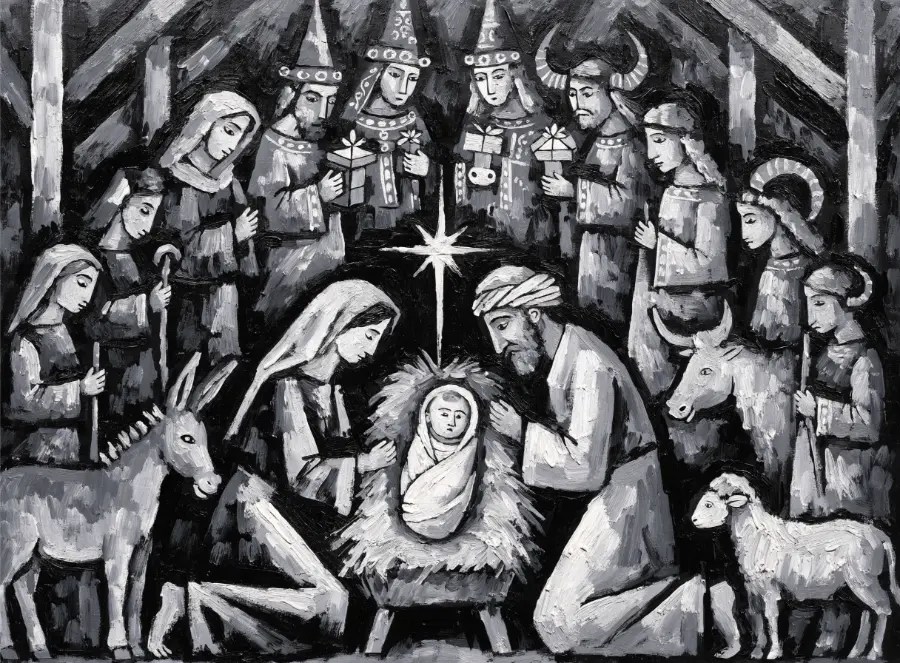
Proverbs 20:20
“If someone curses their father or mother, their lamp will be snuffed out in pitch darkness.”
Reflection: A lamp going out was a picture of a family line ending. The proverb describes a consequence rather than a court’s penalty.
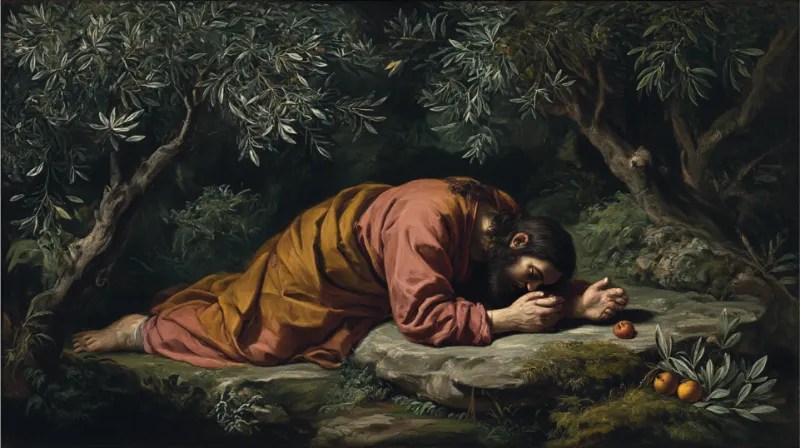
Proverbs 28:24
“Whoever robs their father or mother and says, ‘It’s not wrong,’ is partner to one who destroys.”
Reflection: The proverb singles out the excuse, “It’s not wrong.” The same kind of reasoning lay behind the Corban rule.
Honoured, by someone who had to
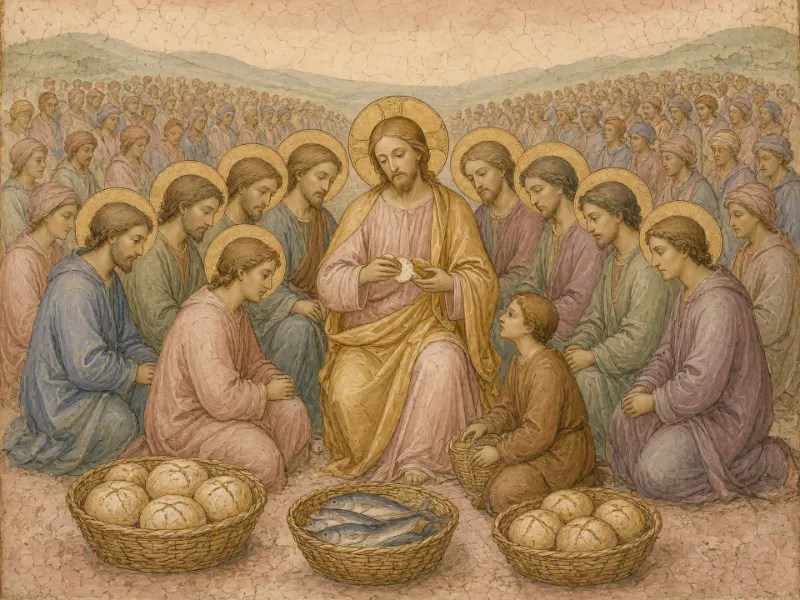
Luke 2:51
“Then he went down to Nazareth with them and was obedient to them. But his mother treasured all these things in her heart.”
Reflection: After astonishing the teachers in the temple at twelve (2:47), Jesus went home to Nazareth and obeyed his parents. Luke says nothing more about the years that followed.
Proverbs 23:25
“May your father and mother rejoice; may she who gave you birth be joyful!”
Reflection: The proverb names the mother specifically: “she who gave you birth.” A grown child’s conduct is meant to give both parents joy.
What this asks of us now
If your parents are alive and difficult, the commandment still asks for honor in what you do, as it did in the Corban dispute. Honor in these passages is practical: covering a father’s shame, providing for a widowed mother, repaying parents and grandparents. None of it requires agreeing with them.
If what happened at home was worse than difficult, notice what Jesus criticized. It was not children who struggled to feel warmth; it was adults who used religion to avoid supporting their parents. The commandment as he read it concerns conduct rather than feelings.


Leave a Reply