
 English
 Chinese
 Dutch
 Arabic
 Spanish
 Portuguese
 Russian
 French
 Italian
 German
 Japanese
The Bible praises a mother’s love and more than once uses it as a picture of God’s love.
Isaiah writes, “As a mother comforts her child, so will I comfort you” (Isaiah 66:13), and asks whether a mother can forget the baby at her breast, adding that even if she does, God will not forget (Isaiah 49:15). The twenty verses below also include the mothers in the Bible’s stories, from Hannah and Naomi to Mary, what mothers are said to teach, what children owe them, and two passages about a mother in despair and a woman without children.
God, described as a mother
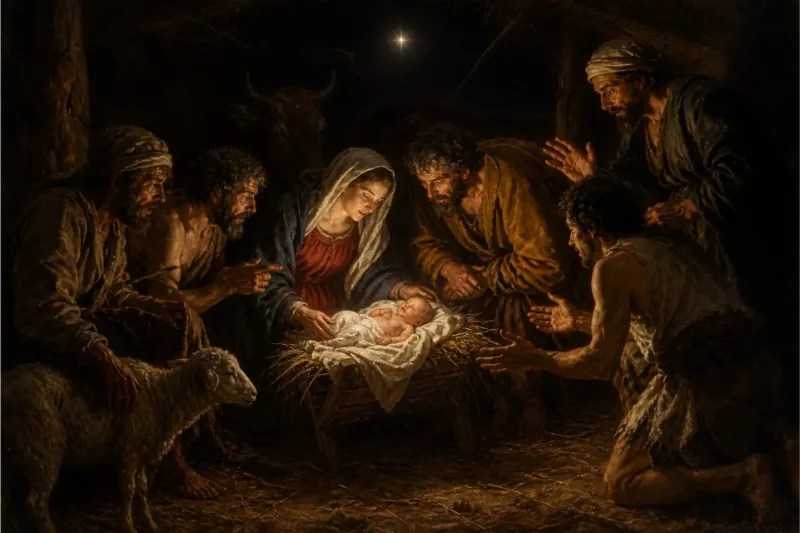
Isaiah 66:13
“As a mother comforts her child, so will I comfort you; and you will be comforted over Jerusalem.”
Reflection: God is the one being described, and a mother’s comfort is the comparison readers are expected to recognize. The promise was given to people mourning over Jerusalem (66:10).
Isaiah 49:15
“Can a mother forget the baby at her breast and have no compassion on the child she has borne? Though she may forget, I will not forget you.”
Reflection: Isaiah names the strongest human attachment he can and admits that even it can fail. The verse before gives the complaint it answers: “The Lord has forsaken me, the Lord has forgotten me” (49:14).
1 Thessalonians 2:7-8
“Just as a nursing mother cares for her children, so we cared for you. Because we loved you so much, we were delighted to share with you not only the gospel of God but our lives as well.”
Reflection: Paul uses the picture to describe how he and his companions behaved in Thessalonica. A few verses later he uses a father’s image as well (2:11-12).
What the love looks like in the stories
1 Kings 3:26
“The woman whose son was alive was deeply moved out of love for her son and said to the king, ‘Please, my lord, give her the living baby!’”
Reflection: Solomon’s test works because the real mother would rather lose her son to the other woman than see him killed.
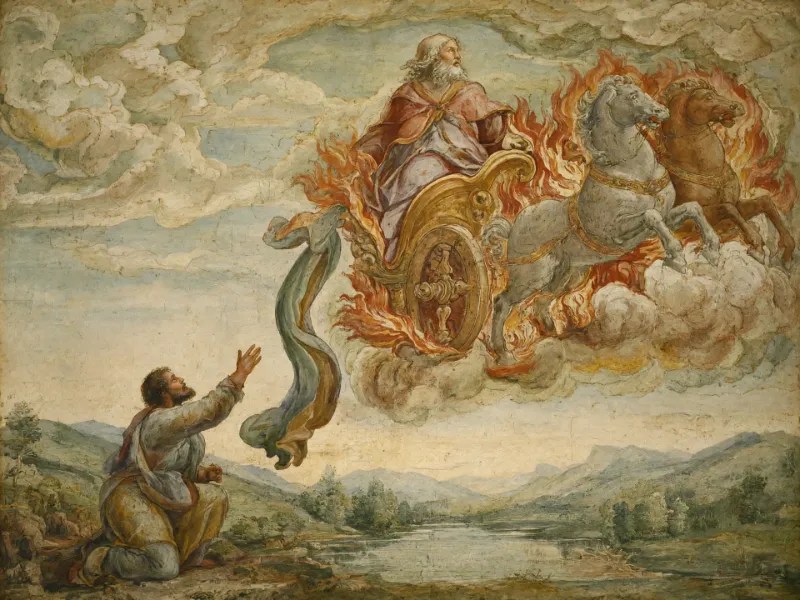
1 Samuel 1:27-28
“I prayed for this child, and the Lord has granted me what I asked of him. So now I give him to the Lord.”
Reflection: Hannah had prayed so intensely that Eli thought she was drunk (1:13-14). Here she brings the weaned Samuel to the house of the Lord, as she had vowed. Her prayer is among those the Bible records as answered.
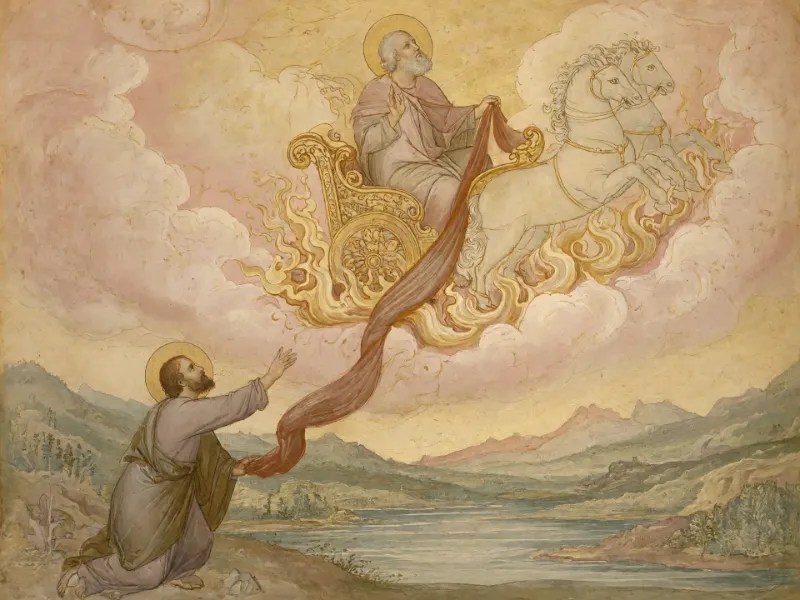
Ruth 4:16
“Then Naomi took the child in her arms and cared for him.”
Reflection: Naomi is not the boy’s mother; Ruth, her widowed daughter-in-law, is. Naomi had come back from Moab asking to be called Mara, meaning bitter (1:20), and the book ends with the women saying, “Naomi has a son!” (4:17).
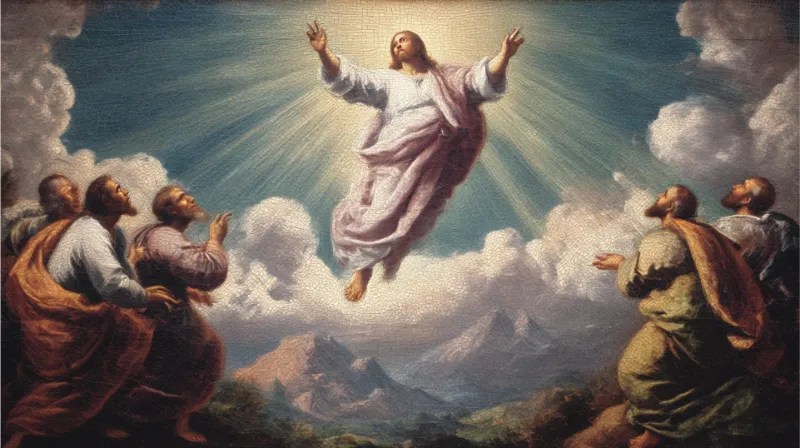
Luke 2:51
“Then he went down to Nazareth with them and was obedient to them. But his mother treasured all these things in her heart.”
Reflection: Luke says twice that Mary treasured what happened (2:19, 2:51). Here it follows the episode of the twelve-year-old Jesus, found in the temple after three days of searching (2:46).
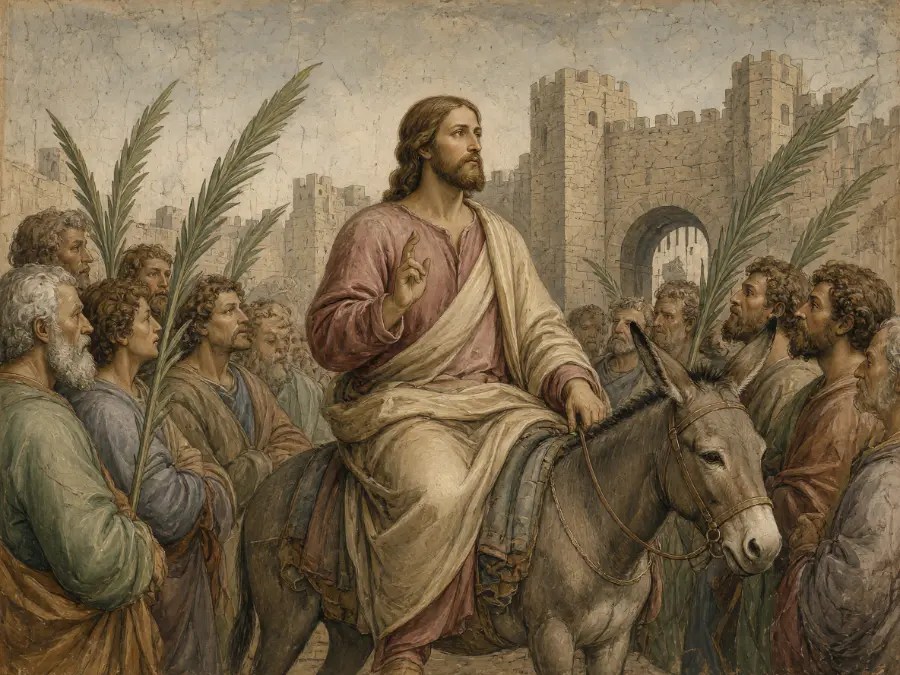
John 19:25-27
“Near the cross of Jesus stood his mother, his mother’s sister, Mary the wife of Clopas, and Mary Magdalene. When Jesus saw his mother there, and the disciple whom he loved standing nearby, he said to her, ‘Woman, here is your son,’ and to the disciple, ‘Here is your mother.’ From that time on, this disciple took her into his home.”
Reflection: Mary stood near the cross with other women. While he was dying, Jesus put her in the care of the disciple he loved.

Acts 12:12
“When this had dawned on him, he went to the house of Mary the mother of John, also called Mark, where many people had gathered and were praying.”
Reflection: Peter, freed from prison, went to the house of Mary the mother of John Mark, where the church had gathered to pray. Luke identifies her by her son.
What mothers are said to do
Deuteronomy 6:6-7
“These commandments that I give you today are to be on your hearts. Impress them on your children. Talk about them when you sit at home and when you walk along the road.”
Reflection: The teaching happens at home and on the road, at bedtime and on waking (6:7). It is part of daily life rather than a separate lesson.
2 Timothy 1:5
“I am reminded of your sincere faith, which first lived in your grandmother Lois and in your mother Eunice and, I am persuaded, now lives in you also.”
Reflection: Paul traces Timothy’s faith through his grandmother and his mother. Acts 16:1 says his mother was a Jewish believer and his father was Greek.
2 Timothy 3:14-15
“Continue in what you have learned and have become convinced of, because you know those from whom you learned it, and how from infancy you have known the Holy Scriptures.”
Reflection: Timothy had known the Scriptures from infancy, and the people he learned them from were most likely the two women named in 1:5. Paul gives that as a reason to continue.
Proverbs 1:8-9
“Listen, my son, to your father’s instruction and do not forsake your mother’s teaching. They are a garland to grace your head.”
Reflection: A mother’s teaching is given the same standing as a father’s instruction, and Proverbs repeats the pairing in 6:20.
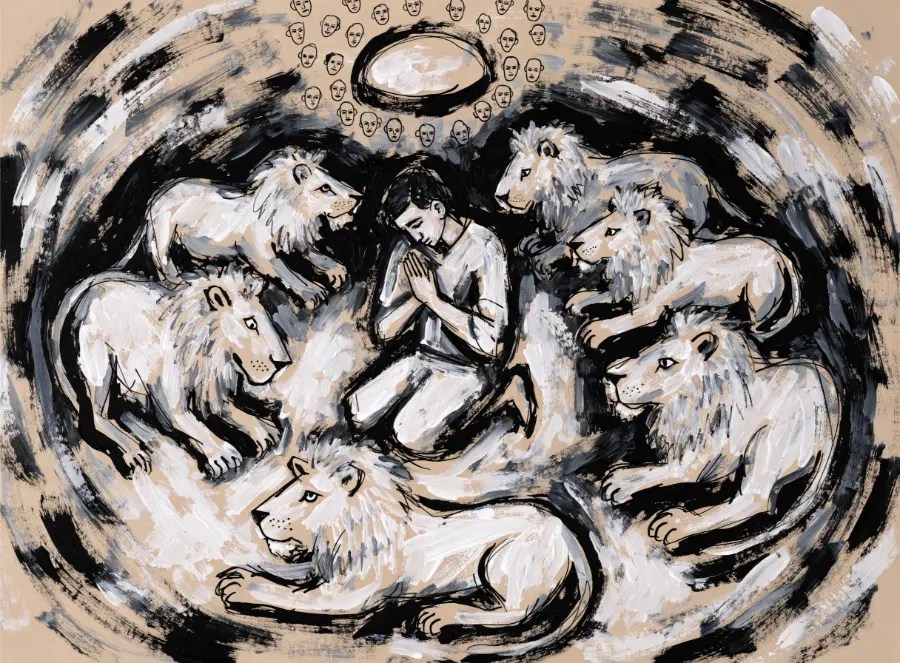
Proverbs 31:25
“She is clothed with strength and dignity; she can laugh at the days to come.”
Reflection: The woman described here faces the future without fear. The chapter opens with the teaching King Lemuel’s mother gave him (31:1).
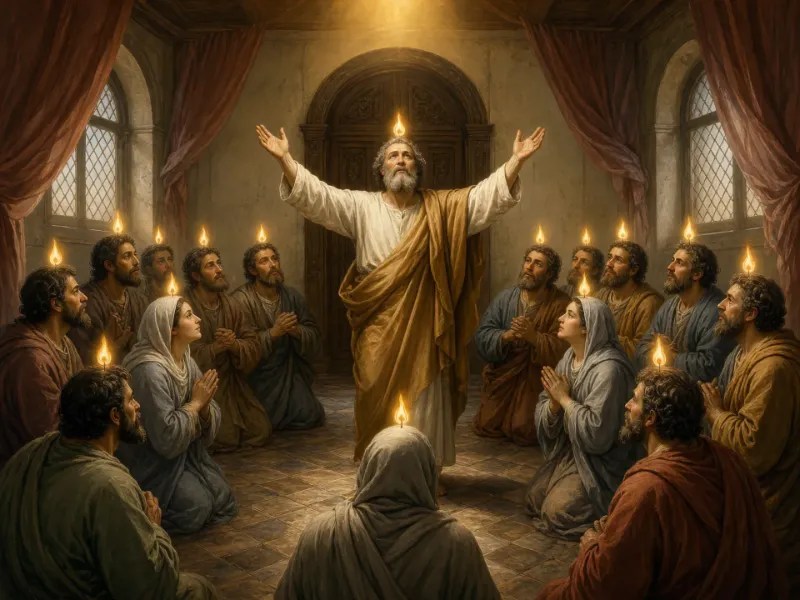
Proverbs 31:28
“Her children arise and call her blessed; her husband also, and he praises her.”
Reflection: The praise comes from her own household: her children and her husband.
What is owed back
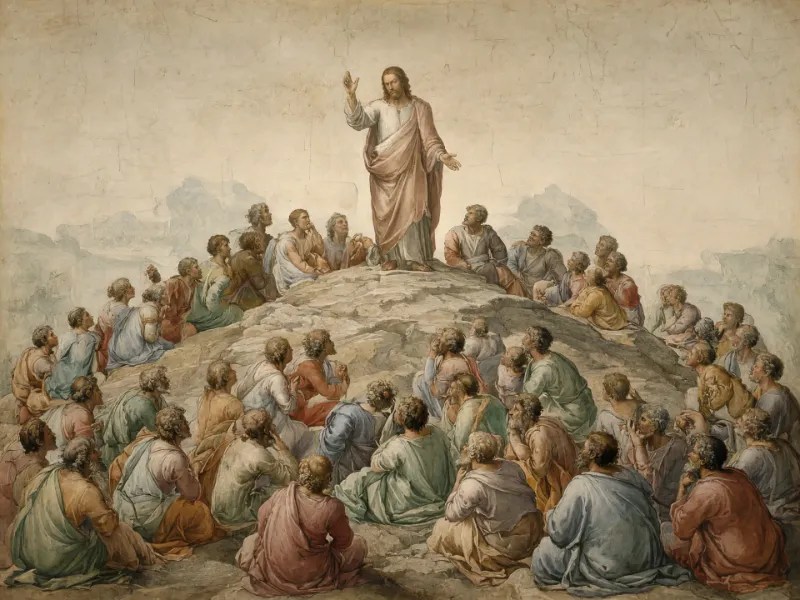
Exodus 20:12
“Honor your father and your mother, so that you may live long in the land the Lord your God is giving you.”
Reflection: This is the first commandment with a promise, as Ephesians 6:2 notes. It applies to grown children as well as young ones; Jesus applied it to adults supporting their aging parents (Mark 7:10-12).
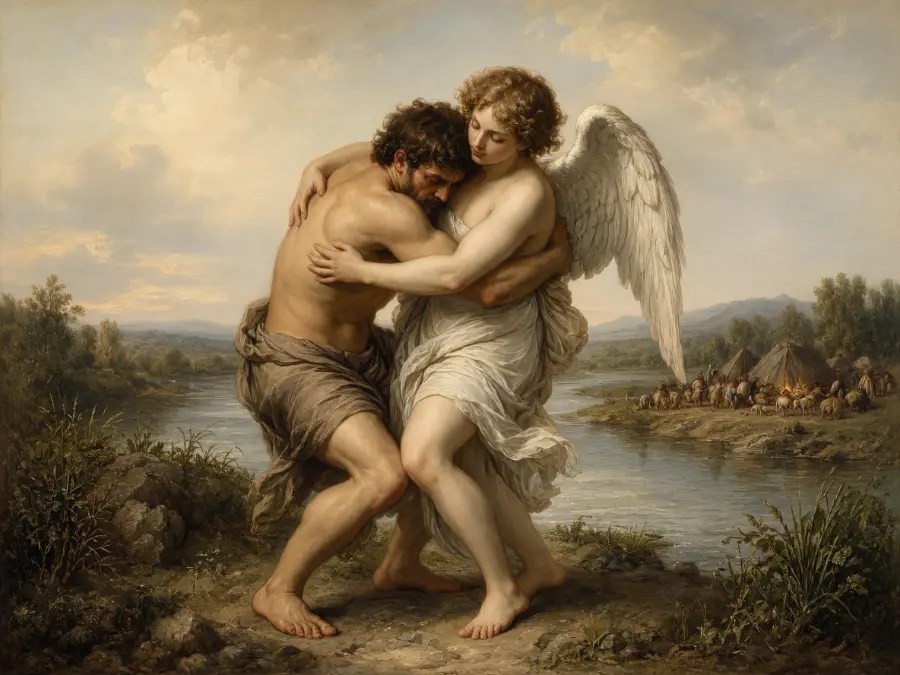
Proverbs 23:25
“May your father and mother rejoice; may she who gave you birth be joyful!”
Reflection: The proverb names the mother specifically: “she who gave you birth.” The verse before says the father of a righteous child has great joy (23:24).
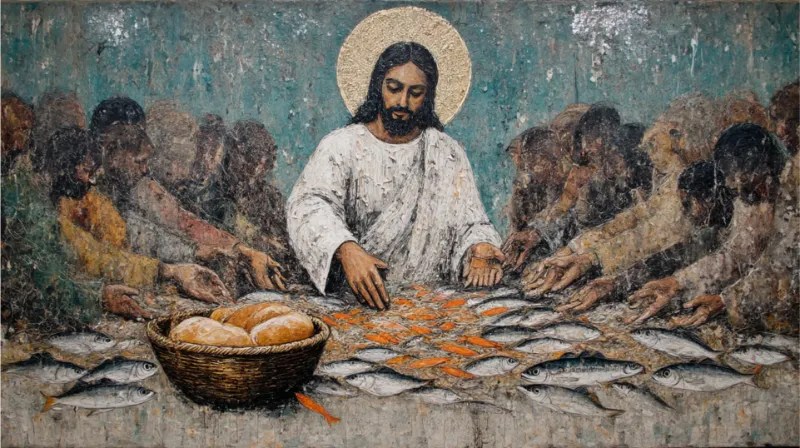
Luke 1:46-48
“And Mary said: ‘My soul glorifies the Lord and my spirit rejoices in God my Savior, for he has been mindful of the humble state of his servant.’”
Reflection: Mary sings this after Elizabeth’s greeting (1:41-45). Much of the song is about God lifting the humble and filling the hungry (1:52-53), and it echoes Hannah’s song in 1 Samuel 2.
For readers this page might hurt
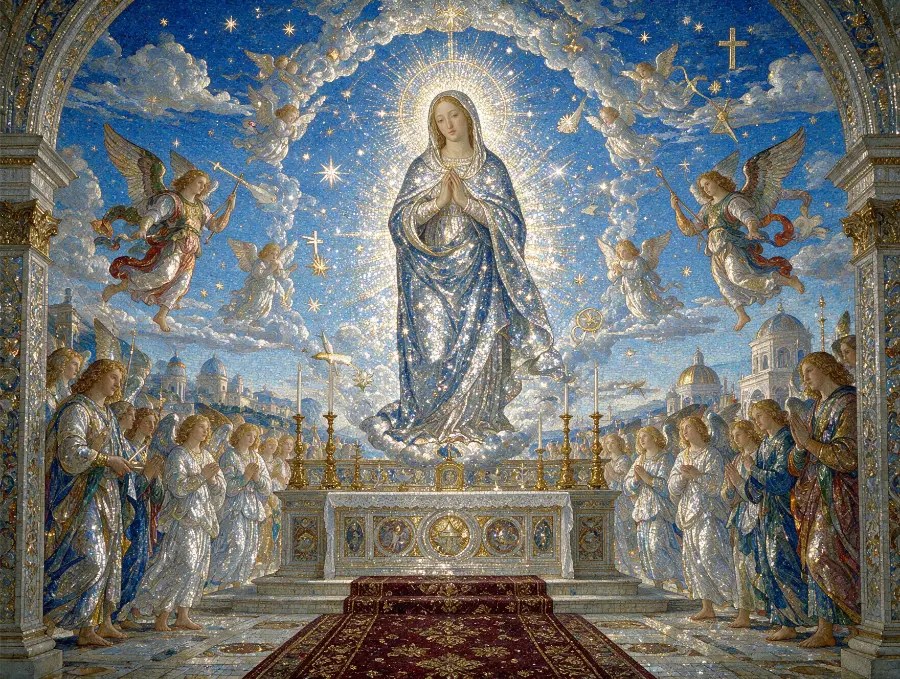
Genesis 21:16
“Then she went off and sat down about a bowshot away, for she thought, ‘I cannot watch the boy die.’ And as she sat there, she began to sob.”
Reflection: Hagar and her son had been sent into the desert, and the water was gone. She moved away so she would not watch him die. In the next verse God hears the boy crying, and the angel of God calls to her (21:17).
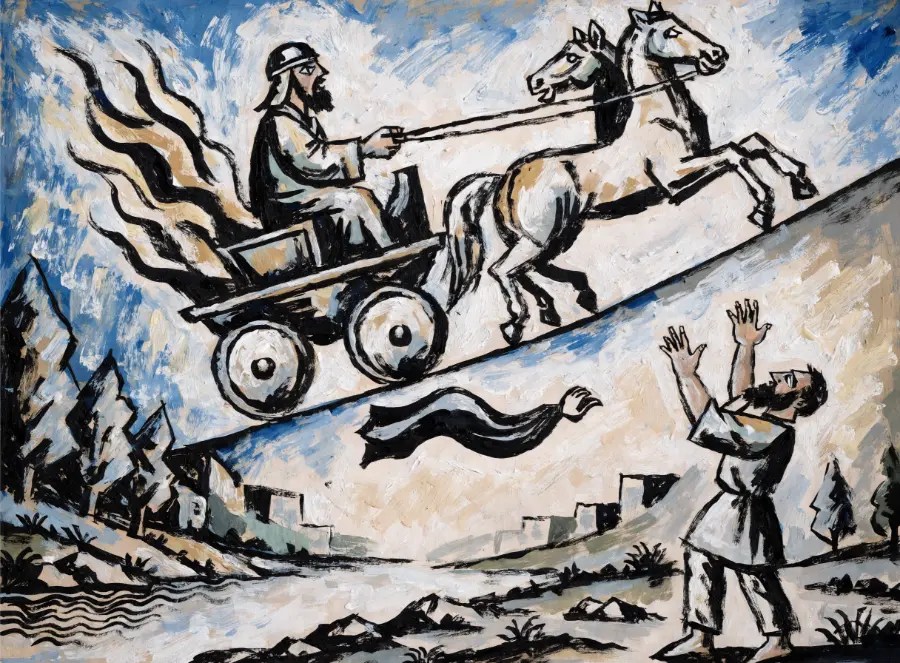
Psalm 113:9
“He settles the childless woman in her home as a happy mother of children. Praise the Lord.”
Reflection: The psalm ends with the childless woman given a home and children. Psalms 113 to 118 were sung together at the festivals, including Passover.
What to do with all this
If you had a good mother, Exodus 20:12 still applies: honor her. The children in Proverbs 31 do it by saying out loud what she has done.
If you did not, Isaiah says the hard thing plainly: a mother may forget. His promise is that God will not. The comparison does not claim that every mother is like God; it says that God’s care is like the best of a mother’s, and more reliable.


Leave a Reply