
 English
 Chinese
 Dutch
 Arabic
 Spanish
 Portuguese
 Russian
 French
 Italian
 German
 Japanese
Scripture records parents praying for a child, waiting for one and receiving one, and it treats the child as God’s gift. Hannah named her son Samuel, “because I asked the Lord for him” (1 Samuel 1:20), Zechariah was told “your prayer has been heard” (Luke 1:13), and Sarah bore a son in old age (Genesis 21:6).
Luke 1:44 and John 16:21 speak of pregnancy and birth: an unborn child leaping in the womb, and a mother’s anguish giving way to joy when her baby is born. Psalm 139 and Jeremiah 1:5 speak of God knowing a person before birth, Psalm 127:3 calls children “a heritage from the Lord”, and three passages in Isaiah describe God in a mother’s or a shepherd’s terms (Isaiah 66:13, Isaiah 49:15, Isaiah 40:11). What Scripture asks of parents in raising a child is gathered under Bible verses about parenting responsibilities.
A child longed for and given
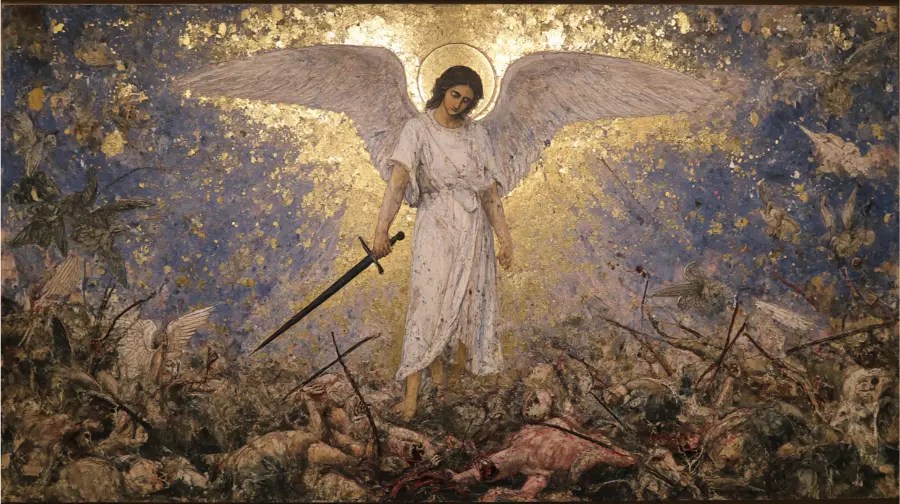
1 Samuel 1:27
“I prayed for this child, and the Lord has granted me what I asked of him.”
Reflection: Hannah says this to Eli the priest when she brings the weaned Samuel to the house of the Lord at Shiloh. Earlier, at the same place, she had prayed “in her deep anguish” and vowed that if the Lord gave her a son, she would give him to the Lord “for all the days of his life” (1:10-11). She named the boy Samuel, “because I asked the Lord for him” (1:20), and in the next verse she gives him to the Lord as she had vowed.
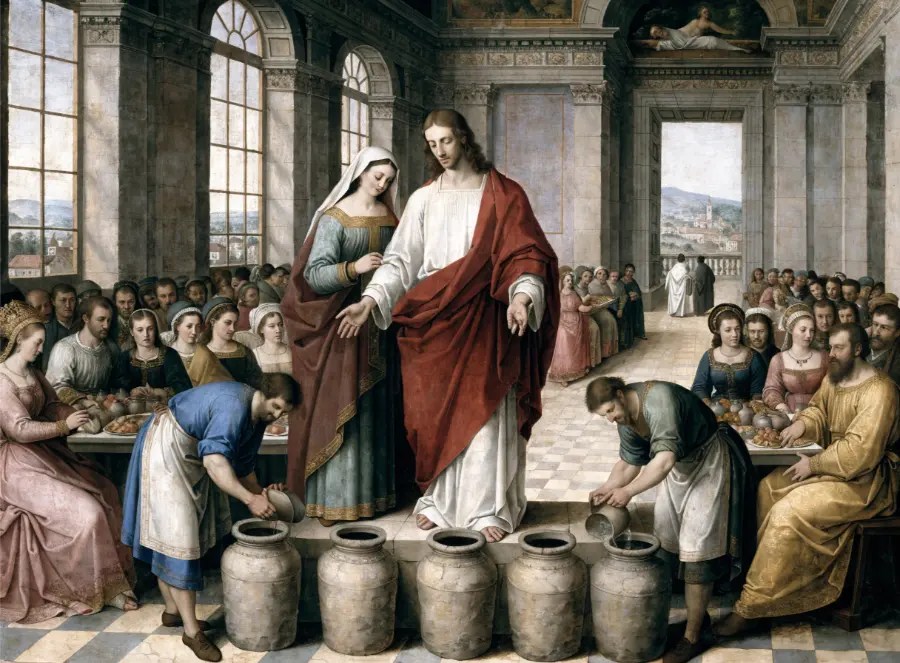
Luke 1:13-14
“But the angel said to him: ‘Do not be afraid, Zechariah; your prayer has been heard. Your wife Elizabeth will bear you a son, and you are to call him John. He will be a joy and delight to you, and many will rejoice because of his birth.’”
Reflection: Zechariah and Elizabeth were “both very old” and childless because Elizabeth “was not able to conceive” (1:7). The angel speaks to Zechariah while he is burning incense in the temple, and the son promised is John. The joy the angel announces reaches past the parents: “many will rejoice because of his birth.”
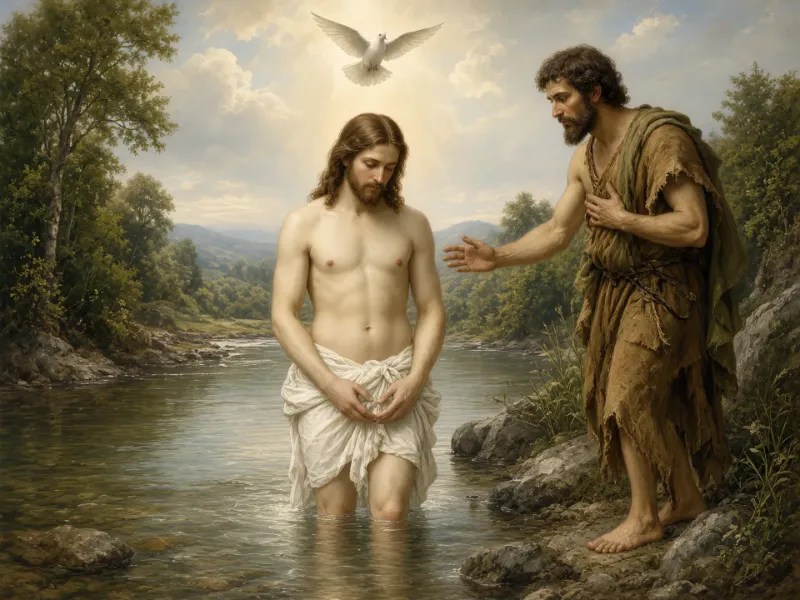
Genesis 21:6
“Sarah said, ‘God has brought me laughter, and everyone who hears about this will laugh with me.’”
Reflection: Sarah bore Isaac when Abraham was a hundred years old (21:5), “at the very time God had promised him” (21:2). She speaks of laughter that others will share, and adds in the next verse, “Who would have said to Abraham that Sarah would nurse children?”
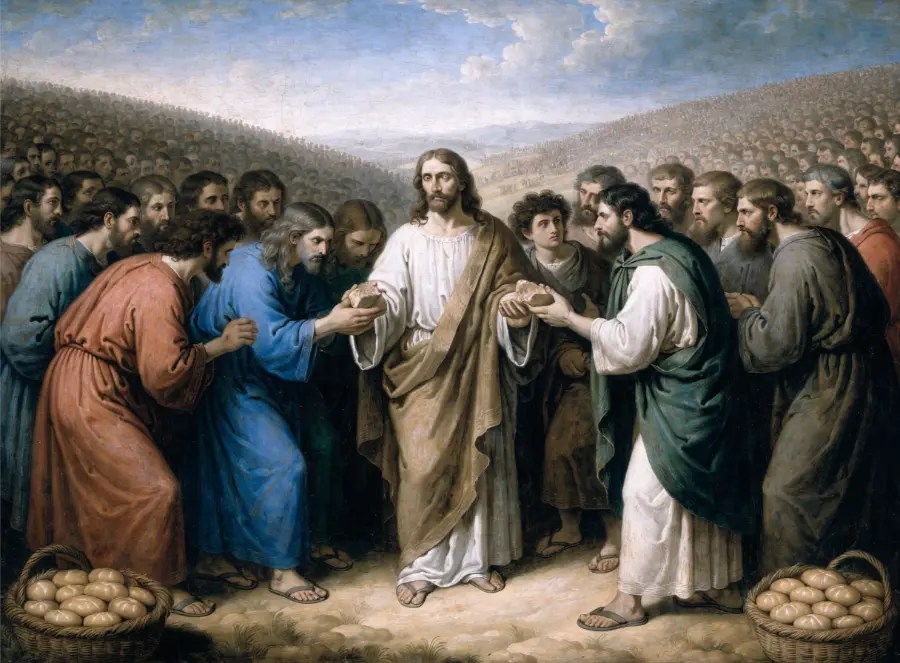
Psalm 113:9
“He settles the childless woman in her home as a happy mother of children. Praise the Lord.”
Reflection: The psalm praises the Lord who “sits enthroned on high” and yet “stoops down to look on the heavens and the earth” (113:5-6). Its examples are the poor raised from the dust to sit with princes and, in the last verse, the childless woman settled in her home as a happy mother.
Pregnancy and birth
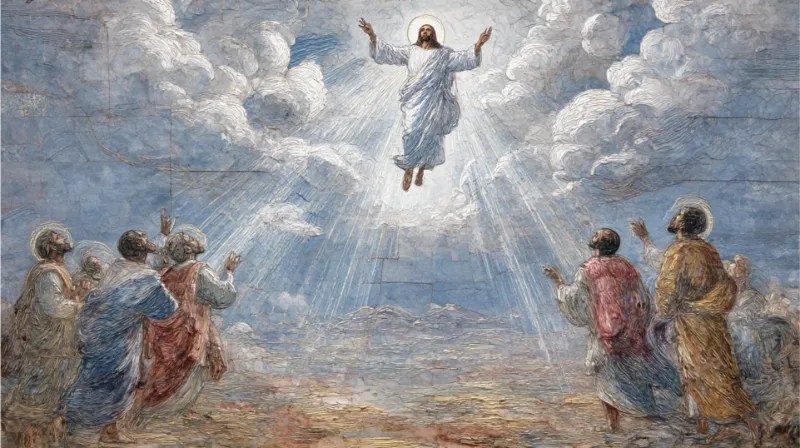
Luke 1:44
“As soon as the sound of your greeting reached my ears, the baby in my womb leaped for joy.”
Reflection: Mary visits Elizabeth at Zechariah’s home in the hill country of Judea (1:39-40). Luke records the movement of the unborn John twice, first in his own narration (1:41) and then in Elizabeth’s words here, where the baby “leaped for joy.” In the same breath Elizabeth calls Mary “the mother of my Lord” (1:43).
John 16:21
“A woman giving birth to a child has pain because her time has come; but when her baby is born she forgets the anguish because of her joy that a child is born into the world.”
Reflection: Jesus tells his disciples they will grieve while the world rejoices, and that their grief will turn to joy (16:20). The comparison he chooses is labor: the anguish is real, and the joy at the birth overtakes it. Verse 22 applies it to the disciples: “I will see you again and you will rejoice.”
A person formed and known before birth
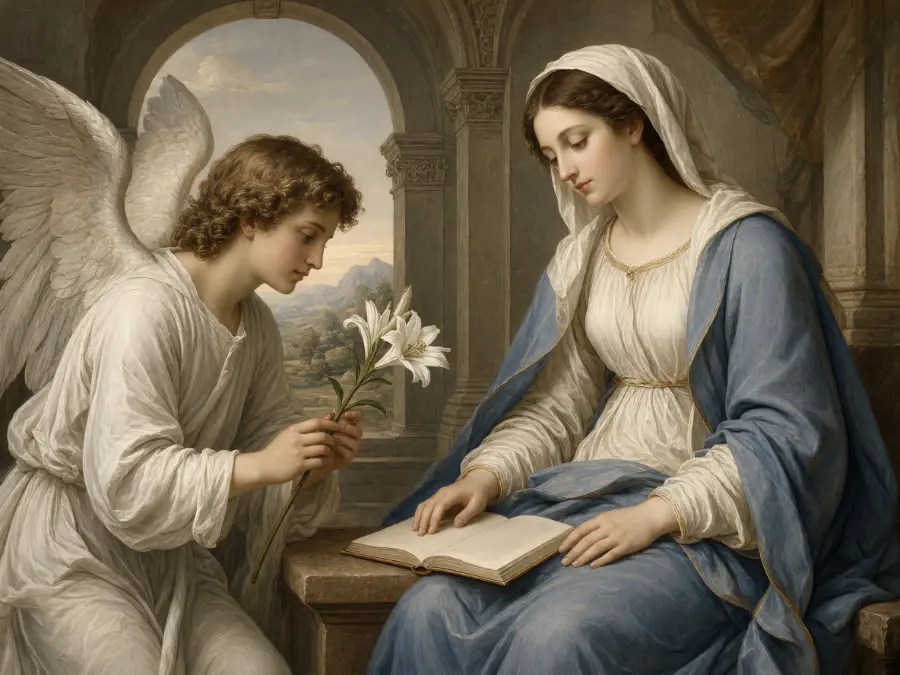
Psalm 139:13-14
“For you created my inmost being; you knit me together in my mother’s womb. I praise you because I am fearfully and wonderfully made; your works are wonderful, I know that full well.”
Reflection: David, named in the psalm’s heading, speaks to God about his own making: God created his “inmost being” and knit him together in his mother’s womb. Verse 16 carries the thought further: “Your eyes saw my unformed body; all the days ordained for me were written in your book before one of them came to be.” The lines follow the psalm’s opening, where God knows when the speaker sits and when he rises (139:2).
Jeremiah 1:5
“Before I formed you in the womb I knew you, before you were born I set you apart; I appointed you as a prophet to the nations.”
Reflection: The Lord says these words to Jeremiah when calling him as a prophet, so the verse is first about one man’s calling: he was set apart and appointed “as a prophet to the nations” before he was born. Jeremiah answers that he is too young to speak, and the Lord tells him not to say so (1:6-7). Its first line, that God knew him before forming him in the womb, says of one prophet what Psalm 139:16 says of the psalmist.
Psalm 22:9-10
“Yet you brought me out of the womb; you made me trust in you, even at my mother’s breast. From birth I was cast on you; from my mother’s womb you have been my God.”
Reflection: Psalm 22, headed “A psalm of David”, opens with “My God, my God, why have you forsaken me?” In the middle of that complaint the speaker recalls that God brought him out of the womb and has been his God “from my mother’s womb.” Jesus cries out the psalm’s first line from the cross (Matthew 27:46).
Children as a gift from the Lord
Psalm 127:3-5
“Children are a heritage from the Lord, offspring a reward from him. Like arrows in the hands of a warrior are children born in one’s youth. Blessed is the man whose quiver is full of them. They will not be put to shame when they contend with their opponents in court.”
Reflection: The psalm, headed “Of Solomon”, opens with the house and the city that are built and guarded in vain unless the Lord builds and watches over them (127:1). Children come next as a heritage and a reward from the same Lord. The arrows in a warrior’s hand are “children born in one’s youth”, and the last line says “they will not be put to shame” when they contend with opponents in court.
Genesis 33:5
“Then Esau looked up and saw the women and children. ‘Who are these with you?’ he asked. Jacob answered, ‘They are the children God has graciously given your servant.’”
Reflection: Jacob says this to his brother Esau on the day they meet, after Esau has run to embrace him and both have wept (33:4). Asked who the women and children are, Jacob answers by naming God as the giver of the children.
God described in a parent’s terms

Isaiah 66:13
“As a mother comforts her child, so will I comfort you; and you will be comforted over Jerusalem.”
Reflection: The chapter pictures Jerusalem as a mother: Zion gives birth before her labor pains come (66:7-8), and her people “nurse and be satisfied at her comforting breasts” (66:11). In verse 13 the Lord takes the mother’s place himself and promises to comfort his people as a mother comforts her child.
Isaiah 49:15
“Can a mother forget the baby at her breast and have no compassion on the child she has borne? Though she may forget, I will not forget you!”
Reflection: Zion has said, “The Lord has forsaken me, the Lord has forgotten me” (49:14), and this verse is the Lord’s answer. It asks whether a nursing mother could forget her child, allows that she may, and says the Lord will not forget Zion.
Isaiah 40:11
“He tends his flock like a shepherd: He gathers the lambs in his arms and carries them close to his heart; he gently leads those that have young.”
Reflection: The verse before announces that the Sovereign Lord comes “with power” and rules “with a mighty arm” (40:10). This verse shows the same Lord as a shepherd, carrying the lambs close to his heart. The last line is about the ewes: he “gently leads those that have young.”
Prayer before a child is born
Hannah’s prayer at Shiloh (1 Samuel 1:10-11) was made before she conceived, and 1 Samuel 1:27 is her own account of its answer.


Leave a Reply