
 English
 Chinese
 Dutch
 Arabic
 Spanish
 Portuguese
 Russian
 French
 Italian
 German
 Japanese
The Bible calls children a gift from God. Psalm 127:3 says so directly, “Children are a heritage from the Lord, offspring a reward from him,” and Psalm 128 counts children around the table as the blessing of a household. In the Gospels Jesus takes children in his arms and blesses them (Mark 10:13-16).
In Psalm 127:3 the Hebrew word the NIV translates “children” is banim, the plural of ben, which means son and is also used for a child or descendant. Genesis 1:28 sets “Be fruitful and increase in number” inside God’s blessing on the first man and woman. The same Scriptures that count children a blessing give parents work to do: Deuteronomy 6:7 and Ephesians 6:4 tell them to teach their children the Lord’s commands, and Isaiah 44:3 and Acts 2:39 extend God’s promises to the next generation.
Children given and formed by God
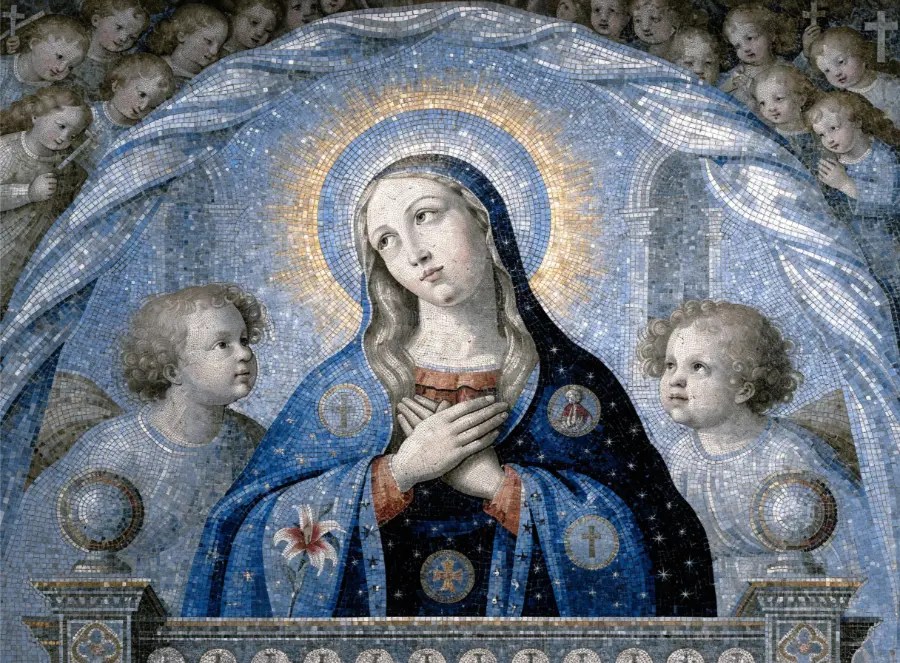
Psalm 127:3
“Children are a heritage from the Lord, offspring a reward from him.”
Reflection: Psalm 127 is a song of ascents whose heading names Solomon. Verse 1 says that building a house and guarding a city are in vain unless the Lord builds and watches, and verse 2 says the same of rising early and toiling late, “for he grants sleep to those he loves.” Verse 3 then turns to the family and says children come from the Lord as a heritage and a reward.
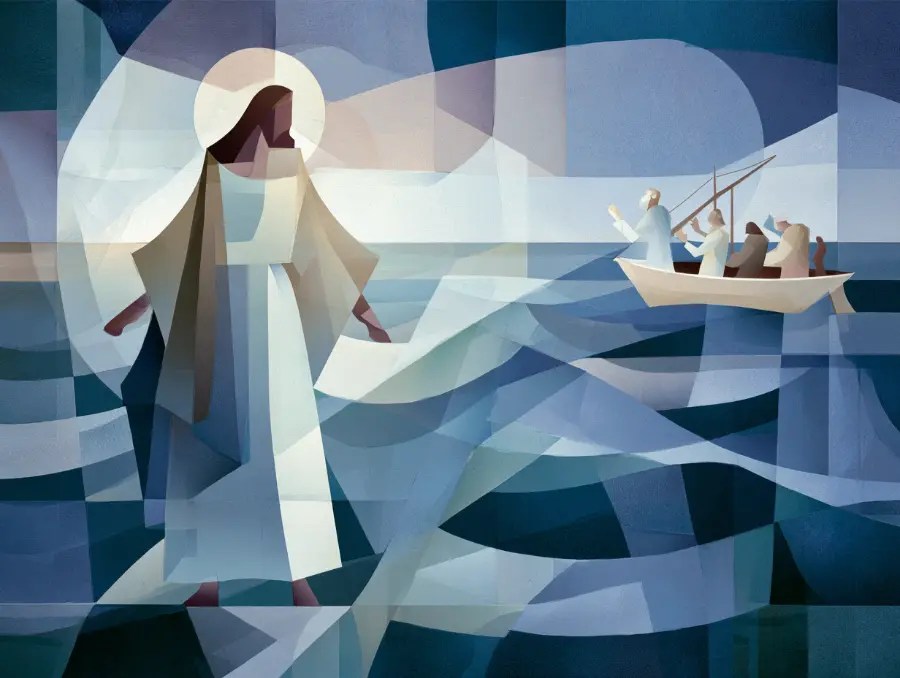
Psalm 127:4-5
“Like arrows in the hands of a warrior are children born in one’s youth. Blessed is the man whose quiver is full of them. They will not be put to shame when they contend with their opponents in court.”
Reflection: The psalm compares children born while their father is young to arrows in a warrior’s hand, and calls the man whose quiver is full of them blessed. The last line moves from the battlefield to a lawsuit: “They will not be put to shame when they contend with their opponents in court.”
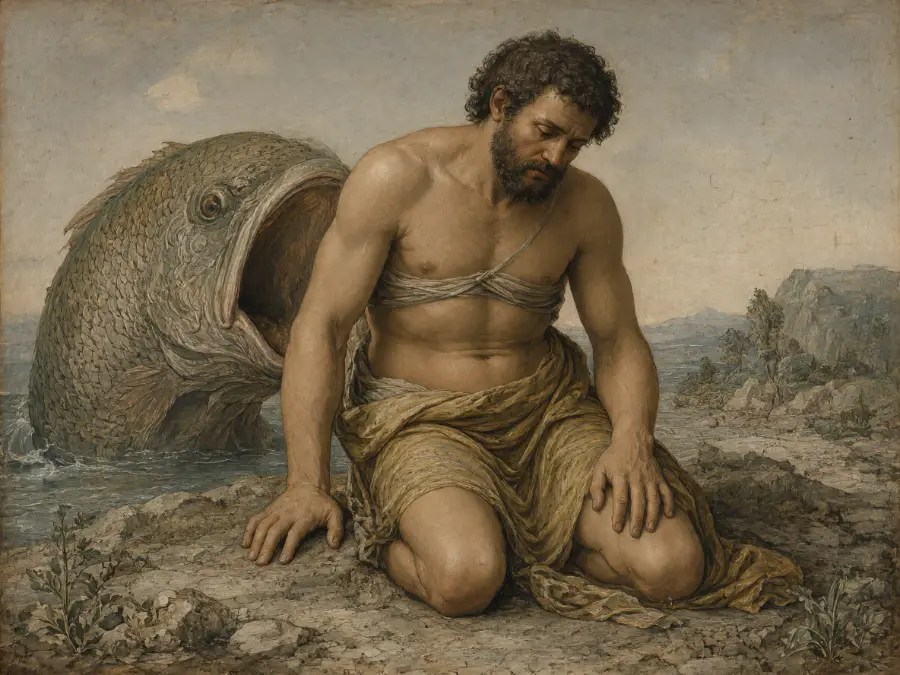
Genesis 1:28
“God blessed them and said to them, ‘Be fruitful and increase in number; fill the earth and subdue it.’”
Reflection: In Genesis 1 the first words God addresses to the man and woman he has made in his image are a blessing. The blessing begins with having children, “Be fruitful and increase in number,” and continues with filling the earth and ruling over the fish, the birds and every living creature.
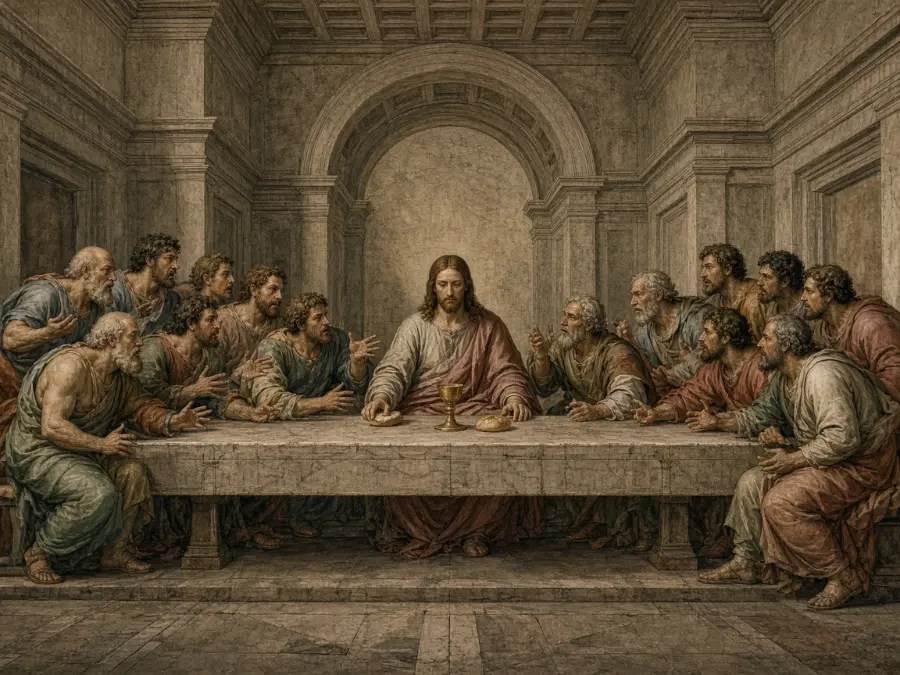
Genesis 33:5
“Then Esau looked up and saw the women and children. ‘Who are these with you?’ he asked. Jacob answered, ‘They are the children God has graciously given your servant.’”
Reflection: Esau is coming with four hundred men, and Jacob divides his wives and children into groups, goes on ahead and bows to the ground seven times as he approaches his brother. Esau runs to meet him, and the brothers embrace and weep. When Esau asks who the women and children are, Jacob introduces his family as the children God has graciously given him.
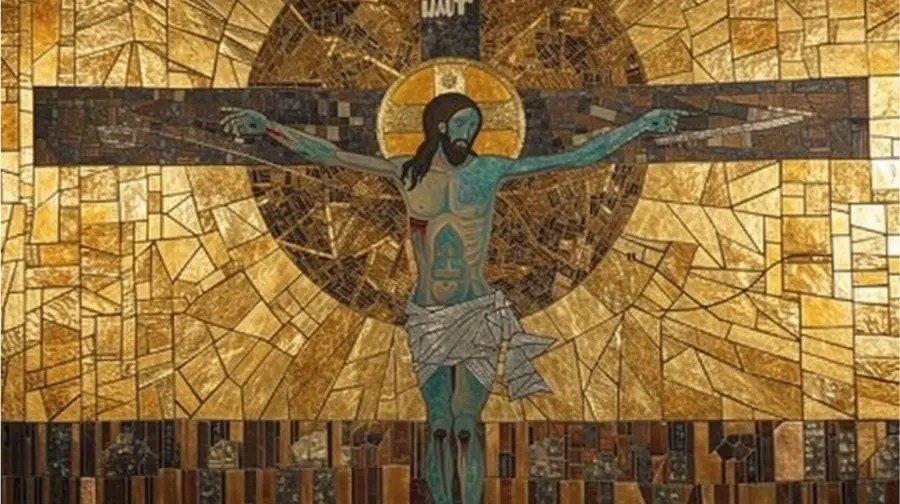
1 Samuel 1:27
“I prayed for this child, and the Lord has granted me what I asked of him.”
Reflection: Hannah says this to Eli the priest at Shiloh when she brings the weaned Samuel to the house of the Lord. Earlier in the chapter she had prayed “in deep anguish” and vowed that if the Lord gave her a son, she would give him to the Lord for all the days of his life (1 Samuel 1:10-11). She named the boy Samuel, “Because I asked the Lord for him,” and in the next verse she gives him over to the Lord.
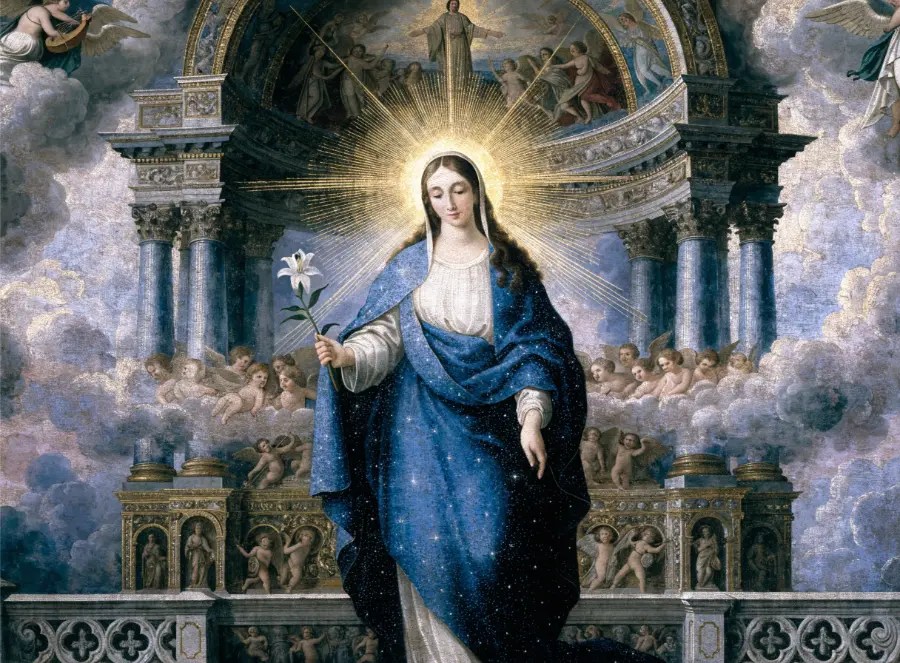
Psalm 113:9
“He settles the childless woman in her home as a happy mother of children. Praise the Lord.”
Reflection: Psalm 113 praises a God enthroned on high who “stoops down to look on the heavens and the earth.” Verses 7 and 8 say he raises the poor from the dust and seats them with princes, and verse 9 sets the childless woman made a happy mother beside them as another person God lifts up. The verse ends with “Praise the Lord.”
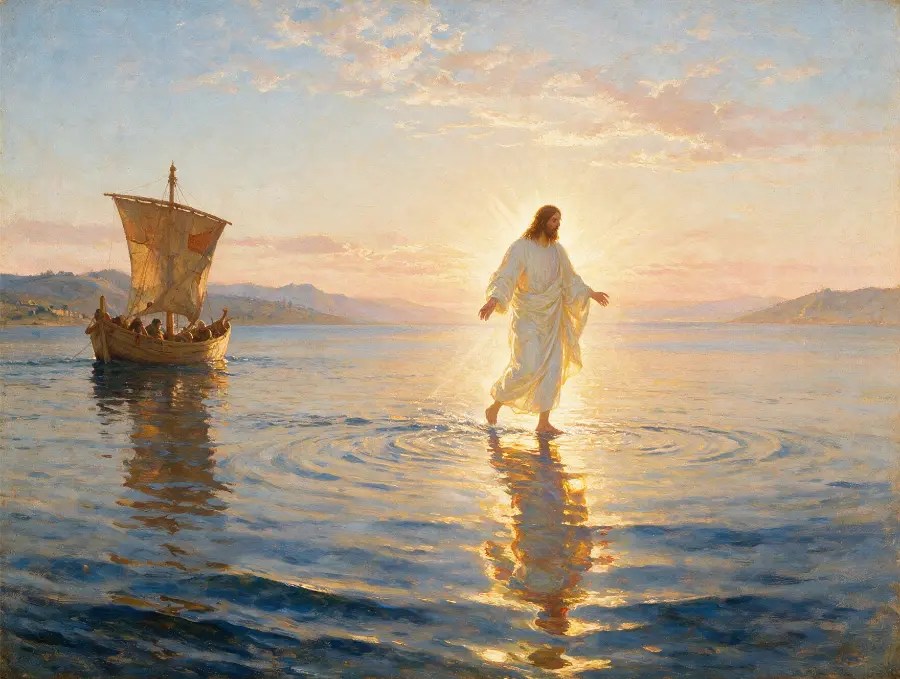
Psalm 139:13-14
“For you created my inmost being; you knit me together in my mother’s womb. I praise you because I am fearfully and wonderfully made; your works are wonderful, I know that full well.”
Reflection: The psalmist praises God for forming him in his mother’s womb, knitting his inmost being together. The verses that follow carry the thought further: God’s eyes saw his “unformed body,” and all his days were written in God’s book “before one of them came to be” (Psalm 139:16). The psalm speaks of the writer’s own life, and it places God’s care for a child before birth.
Children in the household and across generations
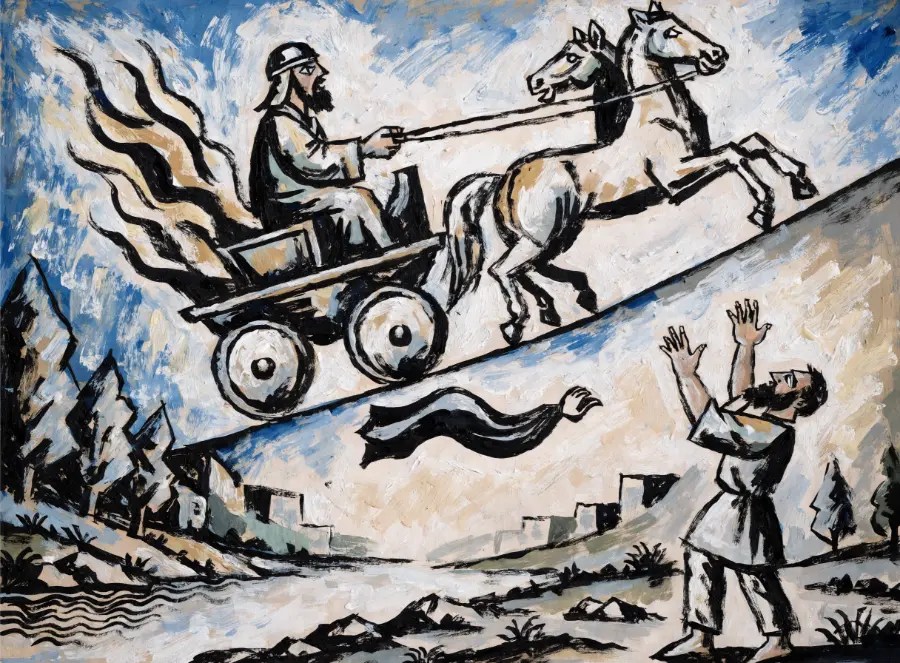
Psalm 128:3
“Your wife will be like a fruitful vine within your house; your children will be like olive shoots around your table.”
Reflection: Psalm 128 opens “Blessed are all who fear the Lord,” and verse 3 describes that blessing at home: a wife like a fruitful vine and children like olive shoots around the table. Verse 4 names it outright: “this will be the blessing for the man who fears the Lord.” The psalm closes by wishing the one it addresses will live to see “your children’s children.”
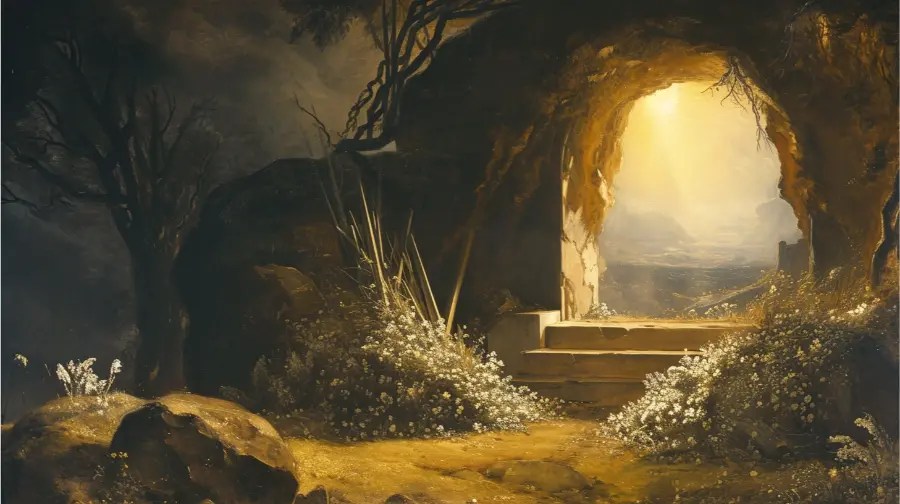
Proverbs 17:6
“Children’s children are a crown to the aged, and parents are the pride of their children.”
Reflection: The proverb names honour running both ways in a family. Grandchildren are a crown to the old, and children take pride in their parents.
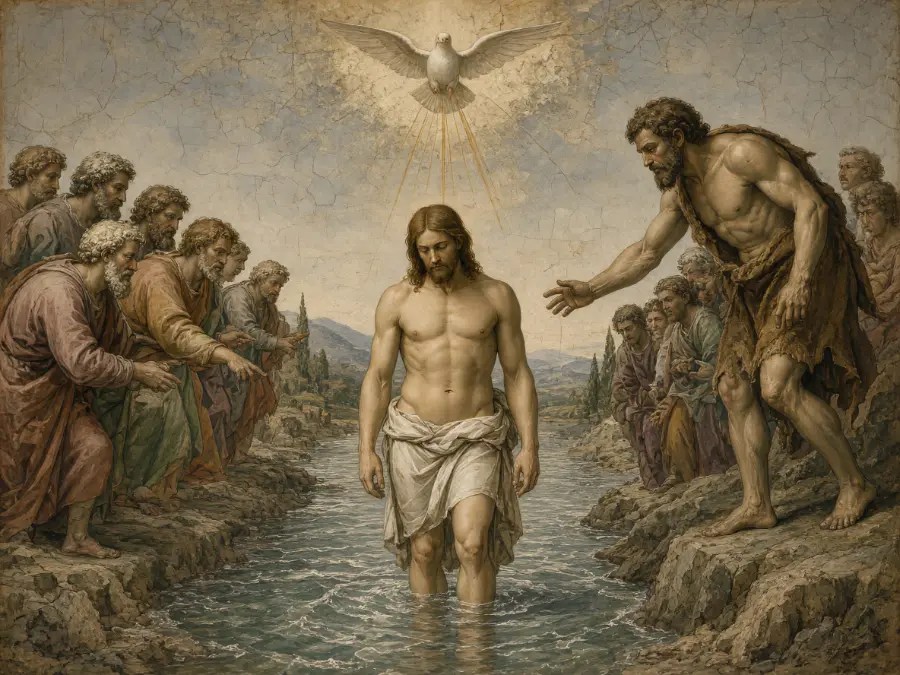
Proverbs 23:24
“The father of a righteous child has great joy; a man who fathers a wise son rejoices in him.”
Reflection: The saying belongs to a passage that begins “Listen to your father, who gave you life, and do not despise your mother when she is old” (Proverbs 23:22). The father’s joy is tied to the child being righteous and wise, and the next verse extends it to the mother: “may she who gave you birth be joyful!”
Jesus on children and “little ones”
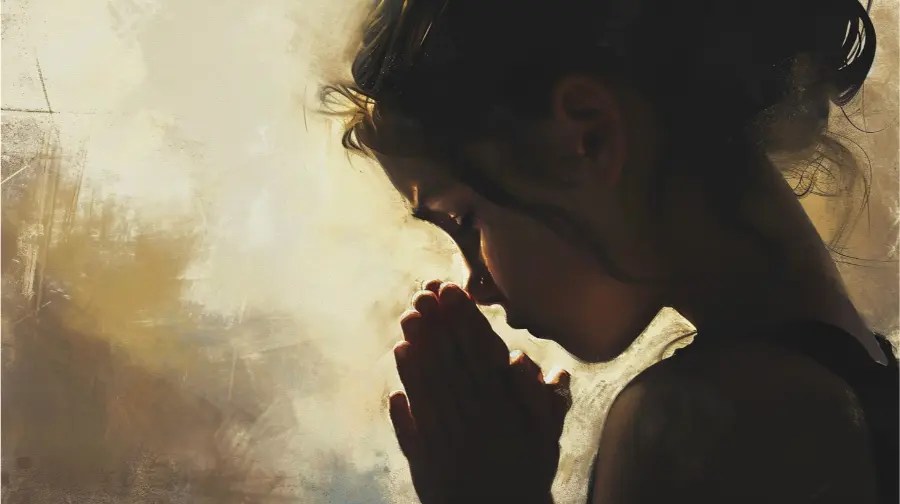
Mark 10:14
“Let the little children come to me, and do not hinder them, for the kingdom of God belongs to such as these.”
Reflection: People were bringing little children for Jesus to place his hands on them, and the disciples rebuked them. Mark records that Jesus was indignant. After saying that the kingdom belongs to such as these, he took the children in his arms, placed his hands on them and blessed them (Mark 10:16).

Matthew 18:3
“And he said: ‘Truly I tell you, unless you change and become like little children, you will never enter the kingdom of heaven.’”
Reflection: The disciples had asked who is the greatest in the kingdom of heaven. Jesus called a little child, placed the child among them, and answered that entering the kingdom at all depends on becoming like little children. The next verse names the quality he means: “whoever takes the lowly position of this child is the greatest.”

Matthew 18:5
“And whoever welcomes one such child in my name welcomes me.”
Reflection: With the child still among them, Jesus says that welcoming such a child in his name is welcoming him. In the warning that follows, the phrase “one of these little ones” is explained as “those who believe in me” (Matthew 18:6).
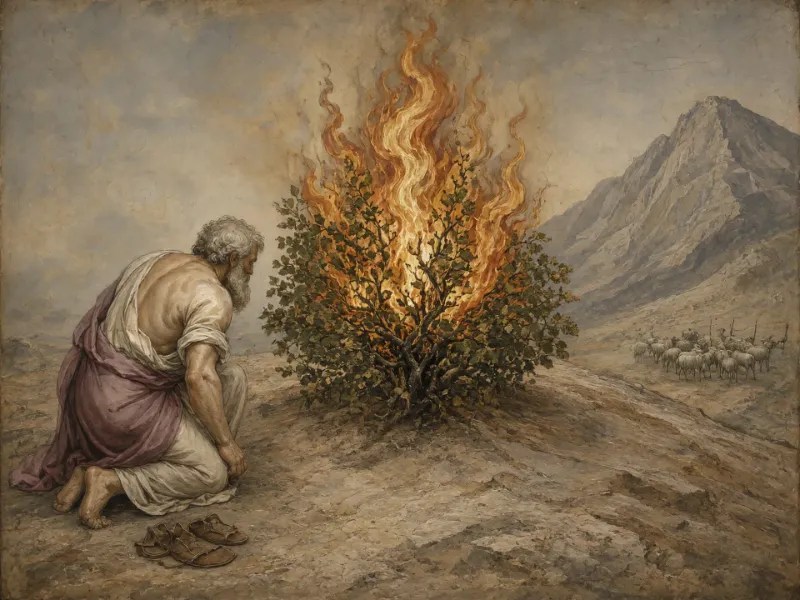
Matthew 18:10
“See that you do not despise one of these little ones. For I tell you that their angels in heaven always see the face of my Father in heaven.”
Reflection: Jesus tells the disciples not to look down on these little ones. The reason he gives concerns heaven: their angels there always see the face of his Father.
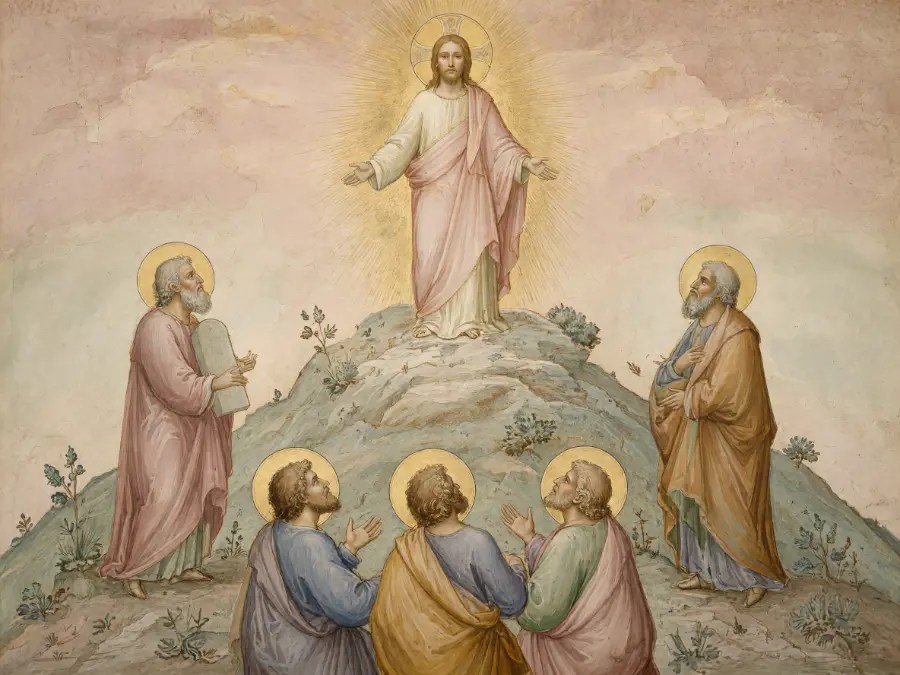
Matthew 21:16
“’Do you hear what these children are saying?’ they asked him. ‘Yes,’ replied Jesus, ‘have you never read, “From the lips of children and infants you, Lord, have called forth your praise”?’”
Reflection: Jesus had healed the blind and the lame at the temple, and children in the temple courts were shouting “Hosanna to the Son of David.” The chief priests and teachers of the law were indignant and asked whether he heard them. Jesus answers with Psalm 8:2, which the NIV renders differently in the psalm itself: “Through the praise of children and infants you have established a stronghold against your enemies.”
Promises that reach the next generation
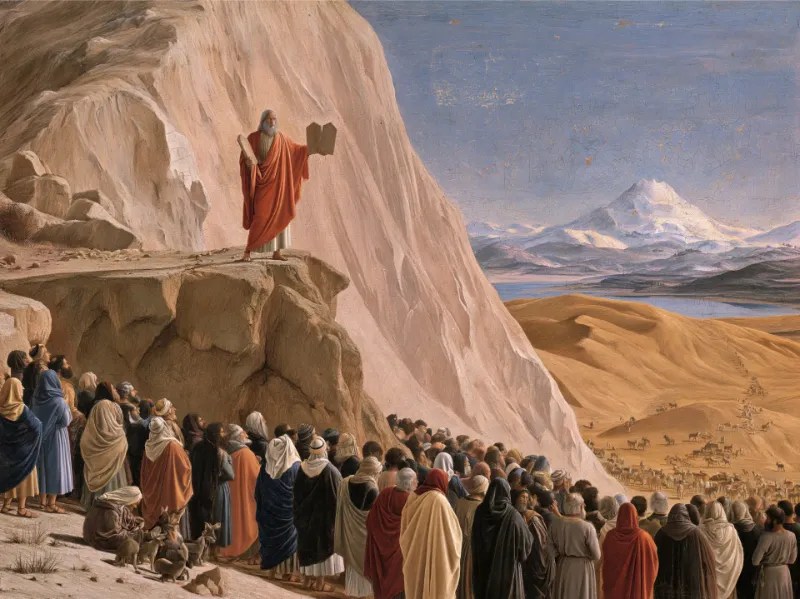
Isaiah 44:3
“For I will pour water on the thirsty land, and streams on the dry ground; I will pour out my Spirit on your offspring, and my blessing on your descendants.”
Reflection: God speaks to Israel as “Jacob, my servant” and promises water on dry ground and his Spirit on their offspring. In verse 5 the descendants speak for themselves: some say “I belong to the Lord,” and others write “The Lord’s” on their hand.
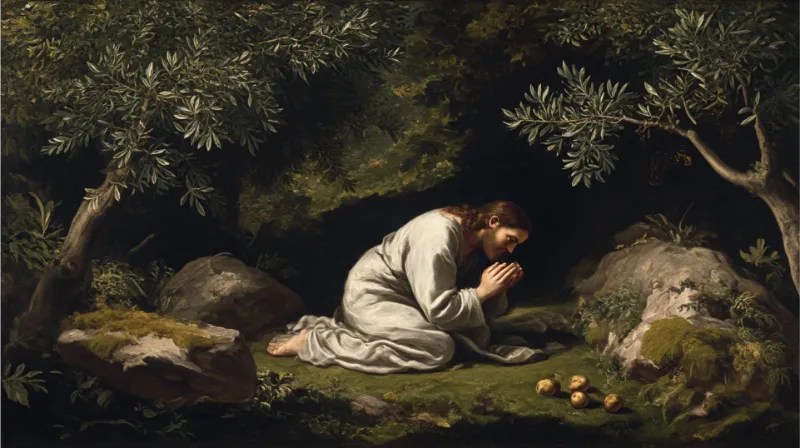
Isaiah 54:13
“All your children will be taught by the Lord, and great will be their peace.”
Reflection: Isaiah 54 opens by telling a barren woman to sing, because “more are the children of the desolate woman than of her who has a husband.” By verse 11 the chapter addresses an afflicted city that God will rebuild with precious stones, and verse 13 promises that all her children will be taught by the Lord and have great peace.
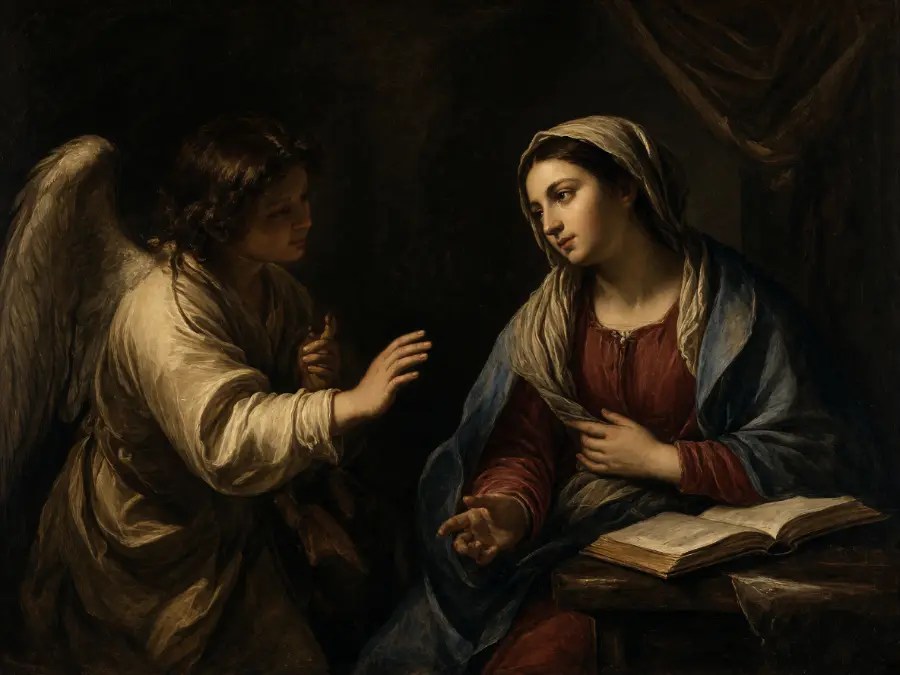
Acts 2:39
“The promise is for you and your children and for all who are far off—for all whom the Lord our God will call.”
Reflection: Peter has just told his hearers to repent and be baptized in the name of Jesus Christ for the forgiveness of sins, and that they will receive the gift of the Holy Spirit (Acts 2:38). The promise, he says, is for them, for their children, and for all who are far off, “for all whom the Lord our God will call.”
Raising children in the faith
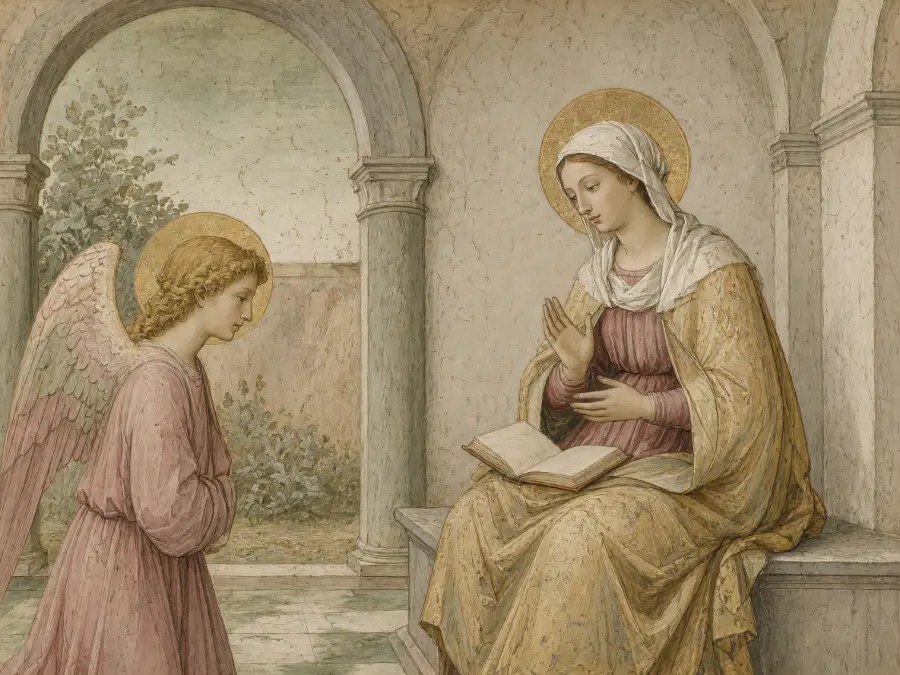
Deuteronomy 6:7
“Impress them on your children. Talk about them when you sit at home and when you walk along the road, when you lie down and when you get up.”
Reflection: The commands to be impressed on children are the ones Moses has just given, beginning “Hear, O Israel: The Lord our God, the Lord is one. Love the Lord your God with all your heart” (Deuteronomy 6:4-5). The teaching happens in ordinary life, at home, on the road, at bedtime and on rising, and verses 8 and 9 add symbols on the hands and forehead and words on the doorframes and gates.
Ephesians 6:4
“Fathers, do not exasperate your children; instead, bring them up in the training and instruction of the Lord.”
Reflection: Paul first tells children to obey their parents in the Lord and quotes “Honor your father and mother,” the commandment “with a promise” (Ephesians 6:1-3). Verse 4 turns to fathers with a limit and a duty: do not exasperate the children, and bring them up in the training and instruction of the Lord.
Proverbs 22:6
“Start children off on the way they should go, and even when they are old they will not turn from it.”
Reflection: Like the sayings around it, the verse stands alone, with no named speaker or setting. It links the way a child is started to the way the same person keeps when old, and it places the parent’s part at the beginning.
Childlessness in the same Scriptures
The books that call children a blessing also record the grief of waiting for them. Rachel tells Jacob, “Give me children, or I’ll die!” and he answers, “Am I in the place of God, who has kept you from having children?” (Genesis 30:1-2).


Leave a Reply