
 English
 Chinese
 Dutch
 Arabic
 Spanish
 Portuguese
 Russian
 French
 Italian
 German
 Japanese
In the Bible, grandchildren are heirs of what God promises and warns: his covenant, his Spirit and his judgment reach past a person’s children to their children. Genesis 17:7 makes the covenant with Abraham “and your descendants after you for the generations to come,” and Ezekiel 37:25 promises the land to “their children and their children’s children.”
Exodus 34:7 carries the punishment for the parents’ sin “to the third and fourth generation,” while Deuteronomy 7:9 carries God’s covenant love “to a thousand generations.” Deuteronomy 4:25 and 2 Kings 17:41 warn about what grandchildren may inherit, and Genesis 48:20 turns two grandsons’ names into a blessing.
The covenant made with a family’s future

Genesis 17:7
“I will establish my covenant as an everlasting covenant between me and you and your descendants after you for the generations to come, to be your God and the God of your descendants after you.”
Reflection: God appears to Abram at ninety-nine, renames him Abraham, “father of many nations” (verse 5), and states the covenant. It is made with Abraham and with his descendants “for the generations to come,” and God’s part in it is to be their God as well as his. The next verse adds the land of Canaan “as an everlasting possession” for the same descendants.

Deuteronomy 7:9
“Know therefore that the LORD your God is God; he is the faithful God, keeping his covenant of love to a thousand generations of those who love him and keep his commandments.”
Reflection: Moses tells Israel that God did not choose them for their numbers, “for you were the fewest of all peoples” (verse 7), but because he loved them and kept the oath he swore to their ancestors. The covenant love that reached them is promised to a thousand generations of those who love him. Verse 10 gives the other side: “those who hate him he will repay to their face by destruction.”
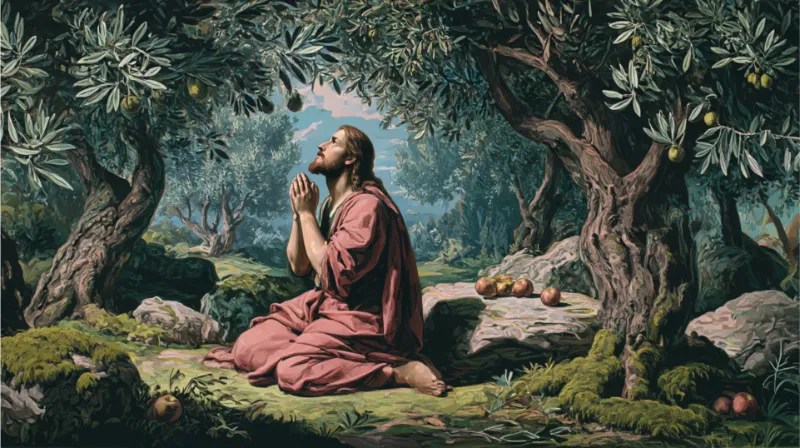
Deuteronomy 6:1-2
“These are the commands, decrees and laws the LORD your God directed me to teach you to observe in the land that you are crossing the Jordan to possess, so that you, your children and their children after them may fear the LORD your God as long as you live by keeping all his decrees and commands that I give you, and so that you may enjoy long life.”
Reflection: Moses names the purpose of the laws he was told to teach before Israel crosses the Jordan: that three generations, the people, their children and their grandchildren, fear the Lord. The Shema follows two verses later, “Hear, O Israel: The Lord our God, the Lord is one” (verse 4), with the command to impress these words on the children (verse 7).
Promises to descendants not yet born
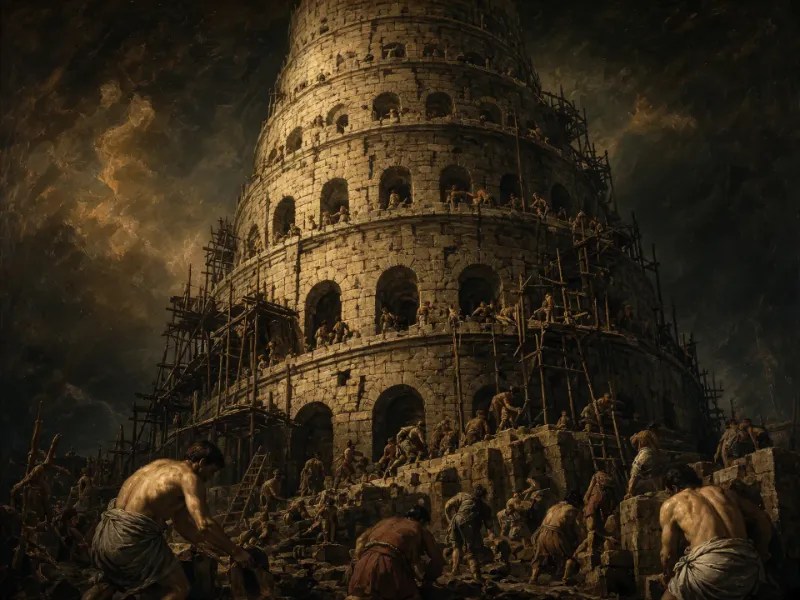
Isaiah 44:3
“For I will pour water on the thirsty land, and streams on the dry ground; I will pour out my Spirit on your offspring, and my blessing on your descendants.”
Reflection: God addresses Israel as “Jacob, my servant, Jeshurun, whom I have chosen” (verse 2) and pairs water on dry ground with his Spirit poured on their offspring. Verse 5 describes those descendants answering for themselves: “Some will say, ‘I belong to the Lord’; others will call themselves by the name of Jacob,” and some will write “The Lord’s” on their hands.
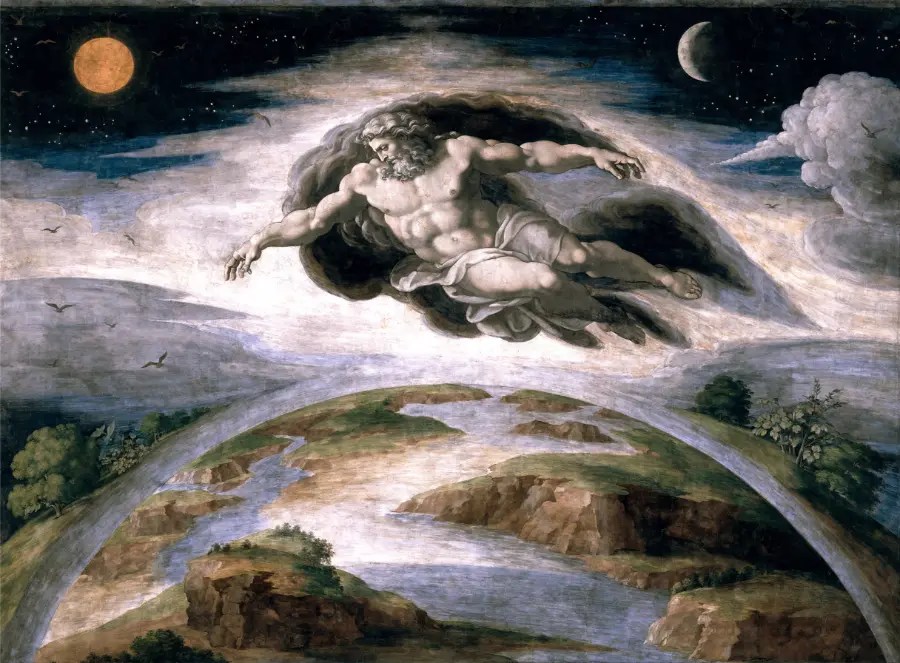
Isaiah 59:21
“‘As for me, this is my covenant with them,’ says the LORD. ‘My Spirit, who is on you, will not depart from you, and my words that I have put in your mouth will always be on your lips, on the lips of your children and on the lips of their descendants—from this time on and forever,’ says the LORD.”
Reflection: The verse before promises that “The Redeemer will come to Zion, to those in Jacob who repent of their sins.” The covenant that follows keeps God’s Spirit on the people and his words on the lips of their children and of their descendants after them, “from this time on and forever.”
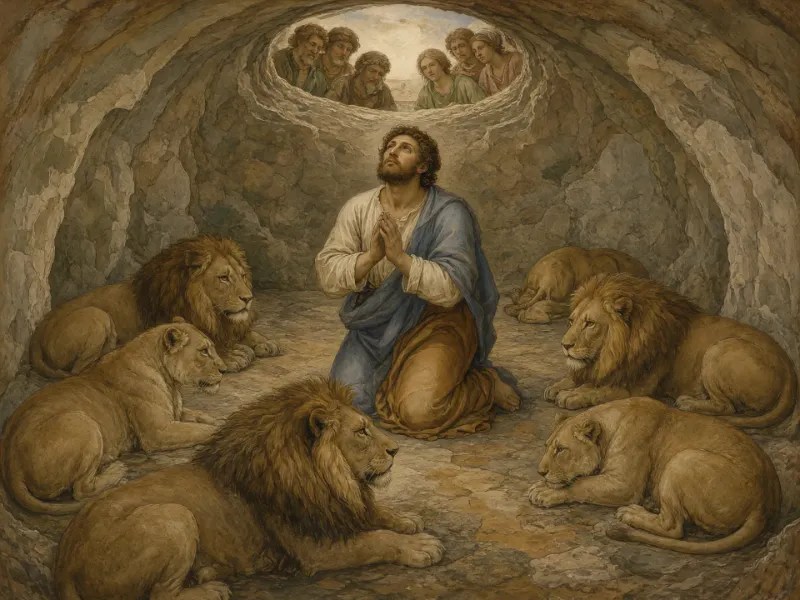
Ezekiel 37:25
“They will live in the land I gave to my servant Jacob, the land where your ancestors lived. They and their children and their children’s children will live there forever, and David my servant will be their prince forever.”
Reflection: After the vision of the dry bones, God promises to gather the Israelites from the nations, make them one nation under one king and cleanse them from their idols (verses 21-23). The grandchildren are written into that promise: they will live in the land forever, with “David my servant” as their prince. Verse 26 calls it “a covenant of peace” and “an everlasting covenant.”
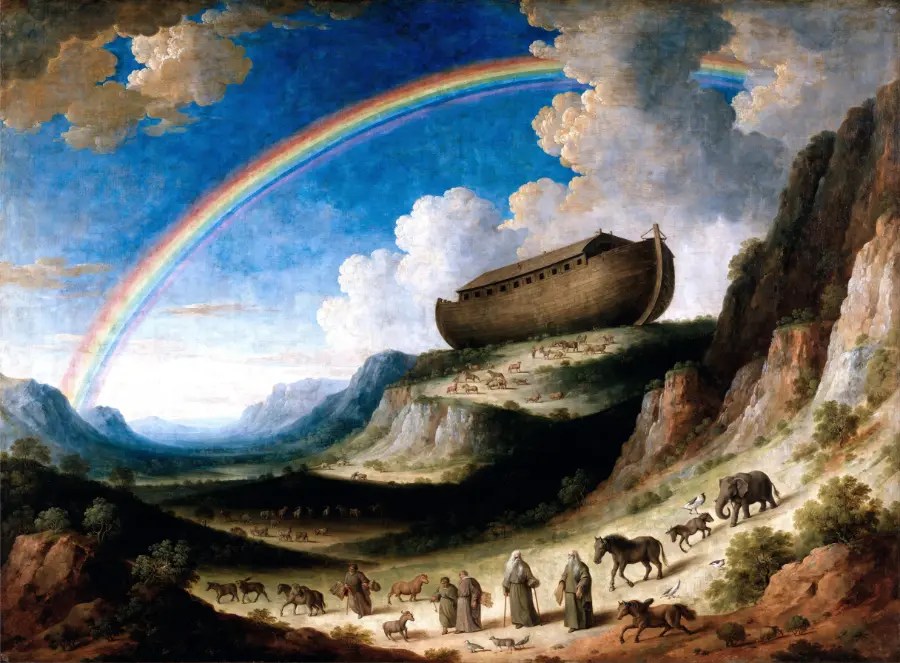
Psalm 102:28
“The children of your servants will live in your presence; their descendants will be established before you.”
Reflection: The heading calls Psalm 102 “a prayer of an afflicted person who has grown weak.” In its last verses the psalmist sets the earth and the heavens, which “will all wear out like a garment” (verse 26), against God, who remains the same. The psalm ends with the children of God’s servants living in his presence and their descendants established before him.
Warnings that reach the grandchildren
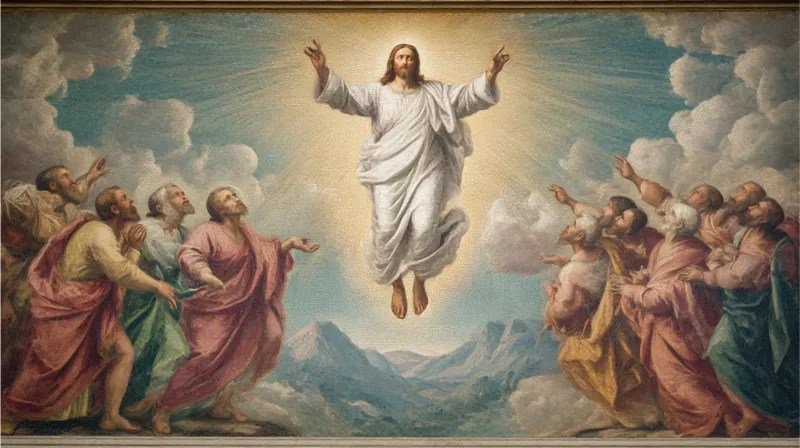
Exodus 34:6-7
“And he passed in front of Moses, proclaiming, ‘The LORD, the LORD, the compassionate and gracious God, slow to anger, abounding in love and faithfulness, maintaining love to thousands, and forgiving wickedness, rebellion and sin. Yet he does not leave the guilty unpunished; he punishes the children and their children for the sin of the parents to the third and fourth generation.’”
Reflection: The Lord passes in front of Moses on Sinai and proclaims his own name. Love is kept to thousands, and the punishment for the parents’ sin reaches the children and grandchildren to the third and fourth generation. Exodus 20:5-6 states the same pattern with “of those who hate me.” In Numbers 14:18 Moses quotes these words back to God and asks him to “forgive the sin of these people” (verse 19). Deuteronomy 24:16 forbids putting children to death for their parents’ sin, and Ezekiel 18:20 says, “The child will not share the guilt of the parent.”
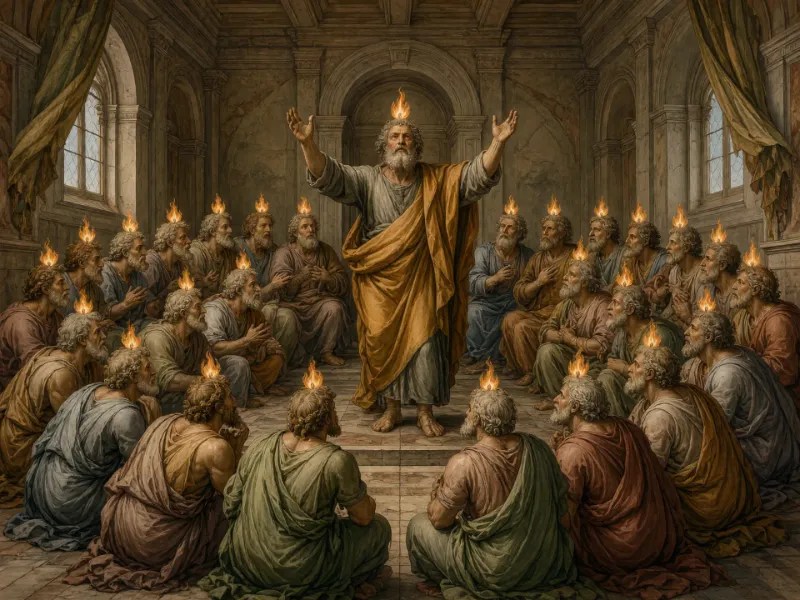
Deuteronomy 4:25-26
“After you have had children and grandchildren and have lived in the land a long time—if you then become corrupt and make any kind of idol, doing evil in the eyes of the LORD your God and arousing his anger, I call the heavens and the earth as witnesses against you this day that you will quickly perish from the land that you are crossing the Jordan to possess. You will not live there long but will certainly be destroyed.”
Reflection: Moses places this warning in a later generation, once the people have had children and grandchildren and have lived in the land a long time. If they then make idols, he calls heaven and earth as witnesses that they “will quickly perish from the land” they are about to enter.
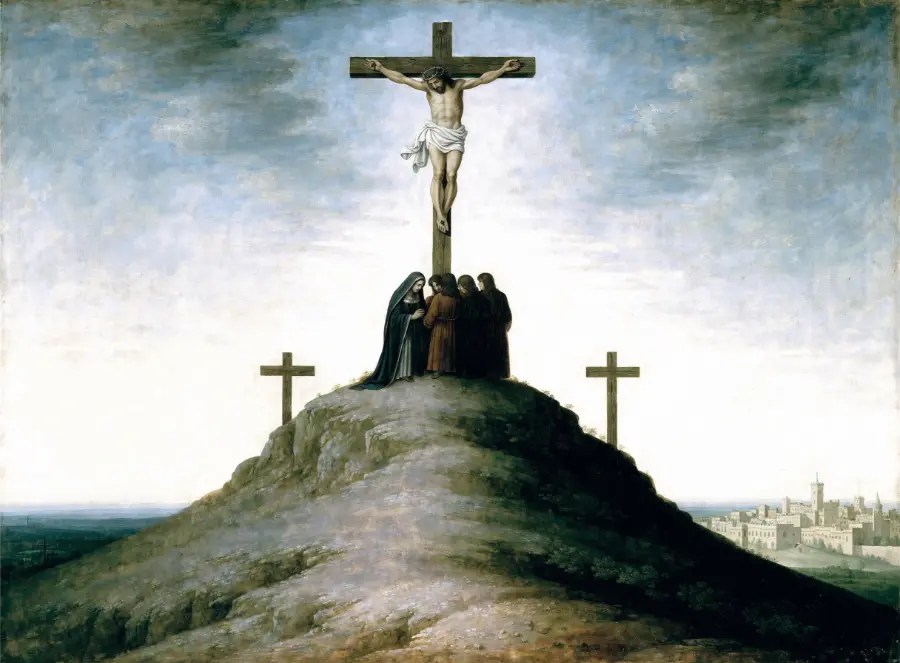
2 Kings 17:41
“Even while these people were worshiping the LORD, they were serving their idols. To this day their children and grandchildren continue to do as their ancestors did.”
Reflection: The people in this verse are the settlers the king of Assyria brought into the towns of Samaria to replace the Israelites (verse 24). They worshiped the Lord and served their own gods at once (verse 33), and their grandchildren kept both. The verse records what was handed down: the mixed worship of the settlers themselves.
Grandchildren named in a blessing
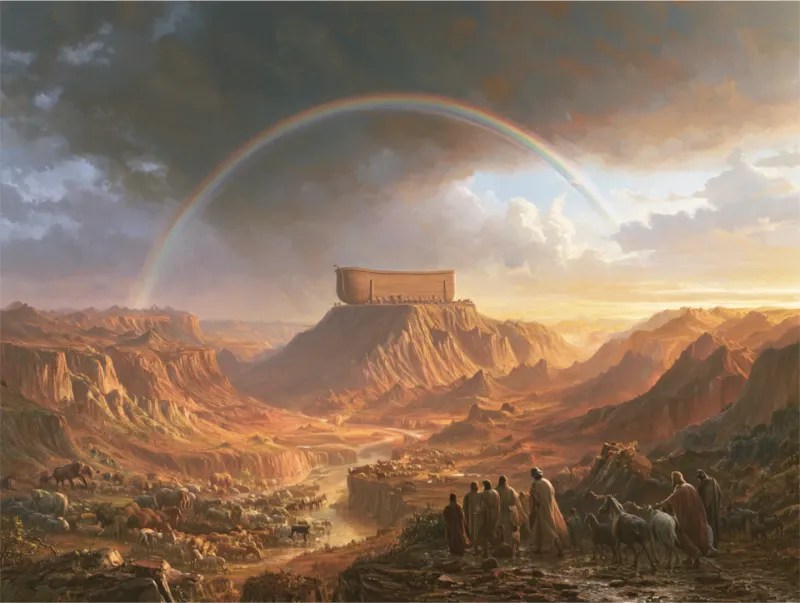
Genesis 48:20
“He blessed them that day and said, ‘In your name will Israel pronounce this blessing: “May God make you like Ephraim and Manasseh.”’ So he put Ephraim ahead of Manasseh.”
Reflection: Jacob blesses Joseph’s sons and makes their names into a blessing for the whole people: Israel is to say, “May God make you like Ephraim and Manasseh.” In the same act he puts Ephraim, the younger grandson, ahead of Manasseh, and when Joseph objects, Jacob answers that the younger “will be greater than he” (verse 19).
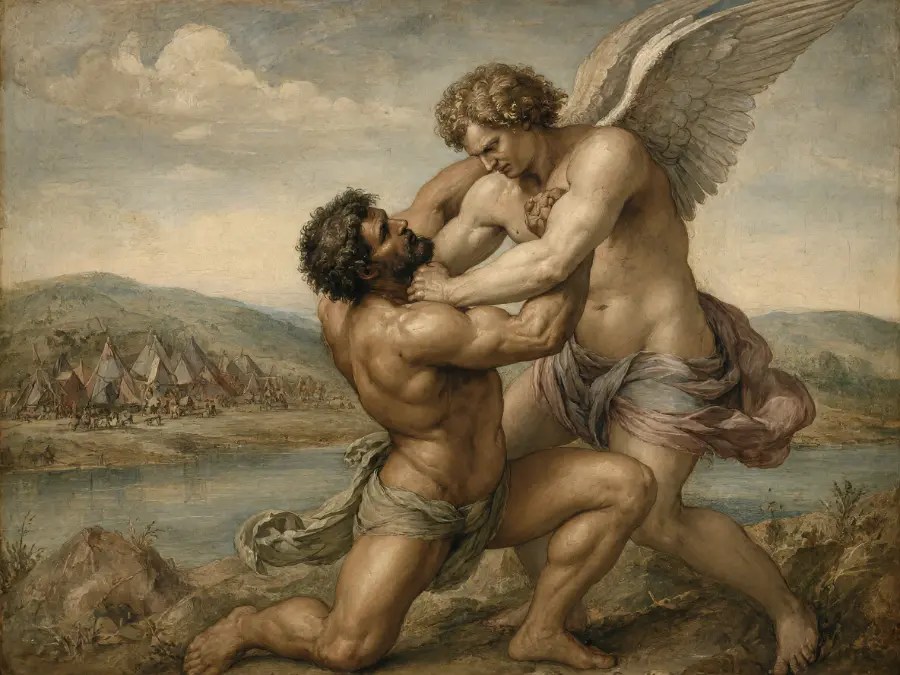
Job 42:16
“After this, Job lived a hundred and forty years; he saw his children and their children to the fourth generation.”
Reflection: Job had lost his sons and daughters in the first chapter of the book. In the last chapter the Lord blesses “the latter part of Job’s life more than the former part” (verse 12): he has seven sons and three daughters again, and he lives long enough to see four generations of descendants before he dies “an old man and full of years” (verse 17).


Leave a Reply