
 English
 Chinese
 Dutch
 Arabic
 Spanish
 Portuguese
 Russian
 French
 Italian
 German
 Japanese
The Bible shows parents bringing their children before God. Hannah prayed for a son and gave him to the Lord (1 Samuel 1:27), and people brought children to Jesus so that he would bless them (Mark 10:16).
The words Scripture gives for such prayers were first spoken to others: the priestly blessing of Numbers 6:24-26 to Israel, and Paul’s prayers to the churches at Ephesus and Colossae (Ephesians 3:16-19; Colossians 1:9-12). Isaiah 44:3 is a promise about descendants: “I will pour out my Spirit on your offspring.”
Children brought before God
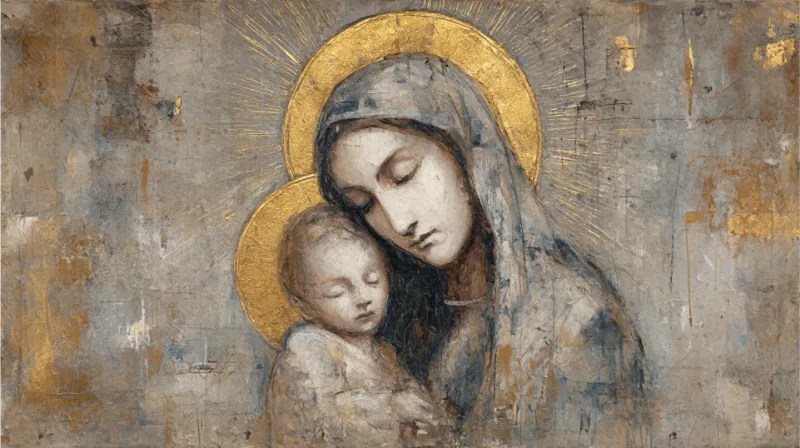
Job 1:5
“When a period of feasting had run its course, Job would make arrangements for them to be purified. Early in the morning he would sacrifice a burnt offering for each of them, thinking, “Perhaps my children have sinned and cursed God in their hearts.” This was Job’s regular custom.”
Reflection: Job’s sons held feasts in their homes and invited their three sisters (Job 1:4). After each round of feasting Job rose early and offered a burnt offering for each child, in case one of them had “cursed God in their hearts.” The narrator calls it “Job’s regular custom,” so this was something he did repeatedly for children who were grown and living in their own houses.

1 Samuel 1:27
“I prayed for this child, and the Lord has granted me what I asked of him.”
Reflection: Hannah says this to Eli, the priest who had watched her pray at Shiloh and thought she was drunk. Her earlier prayer, in verse 11, was a vow: if the Lord gave her a son, she would give him to the Lord “for all the days of his life.” She named the boy Samuel, “Because I asked the Lord for him” (1 Samuel 1:20), and here she keeps the vow, leaving him at the house of the Lord once he is weaned.
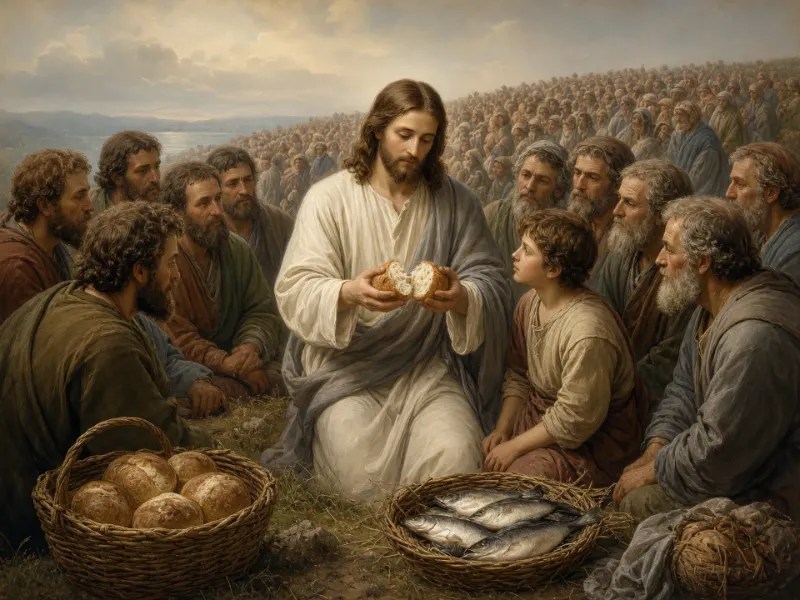
Lamentations 2:19
“Arise, cry out in the night, as the watches of the night begin; pour out your heart like water in the presence of the Lord. Lift up your hands to him for the lives of your children, who faint from hunger at every street corner.”
Reflection: The setting is Jerusalem after its fall, where “children and infants faint in the streets of the city” and ask their mothers for bread (Lamentations 2:11-12). The poet tells the city to rise in the night and pour out its heart before the Lord for those children. The prayer asked for is for their lives, in a famine, and the chapter records no answer.

Mark 10:16
“And he took the children in his arms, placed his hands on them and blessed them.”
Reflection: People brought children to Jesus for him to place his hands on them, and the disciples rebuked them. Jesus was indignant and said, “Let the little children come to me, and do not hinder them, for the kingdom of God belongs to such as these” (Mark 10:14). Matthew’s account says the people brought the children so that he would “place his hands on them and pray for them” (Matthew 19:13).
Blessings and prayers to say over a child

Numbers 6:24-26
“The Lord bless you and keep you; the Lord make his face shine on you and be gracious to you; the Lord turn his face toward you and give you peace.”
Reflection: The Lord gives Moses these words for Aaron and his sons, the priests, to speak over the Israelites. The next verse gives its purpose: “So they will put my name on the Israelites, and I will bless them” (Numbers 6:27). Each of the three lines names the Lord and asks something of him: to bless and keep, to be gracious, to give peace.
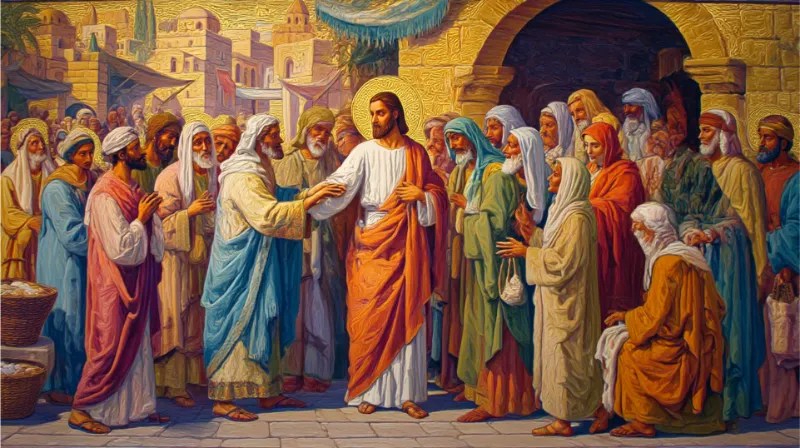
Ephesians 3:16-19
“I pray that out of his glorious riches he may strengthen you with power through his Spirit in your inner being, so that Christ may dwell in your hearts through faith. And I pray that you, being rooted and established in love, may have power, together with all the Lord’s holy people, to grasp how wide and long and high and deep is the love of Christ, and to know this love that surpasses knowledge—that you may be filled to the measure of all the fullness of God.”
Reflection: Paul tells the believers at Ephesus what he prays for them, kneeling “before the Father, from whom every family in heaven and on earth derives its name” (Ephesians 3:14-15). The first request is for strength in the “inner being” and for Christ to dwell in their hearts through faith. The second builds on the first: rooted in love, they are to grasp the size of Christ’s love and be filled “to the measure of all the fullness of God.”
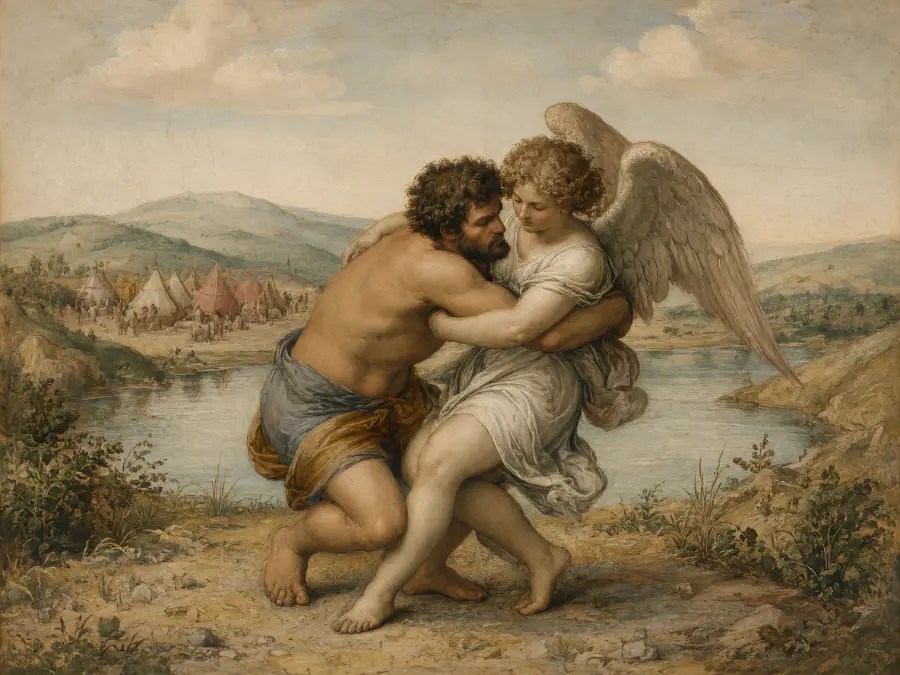
Colossians 1:9-12
“For this reason, since the day we heard about you, we have not stopped praying for you. We continually ask God to fill you with the knowledge of his will through all the wisdom and understanding that the Spirit gives, so that you may live a life worthy of the Lord and please him in every way: bearing fruit in every good work, growing in the knowledge of God, being strengthened with all power according to his glorious might so that you may have great endurance and patience, and giving joyful thanks to the Father, who has qualified you to share in the inheritance of his holy people in the kingdom of light.”
Reflection: Paul and Timothy say they have not stopped praying for the Colossians since the day they heard about them. They ask God to fill the Colossians with the knowledge of his will so that they may live a life worthy of the Lord, and the rest of the sentence spells out that life: fruit, growth in knowing God, endurance, patience and thanks. The thanks goes to the Father, who has already “qualified you” to share in the inheritance.

3 John 1:2
“Dear friend, I pray that you may enjoy good health and that all may go well with you, even as your soul is getting along well.”
Reflection: The elder writes this to his “dear friend Gaius,” asking for his health and his affairs to go as well as his soul already does. Two verses later he says, “I have no greater joy than to hear that my children are walking in the truth” (3 John 1:4), calling the believers he cares for his children.
Protection by day and by night
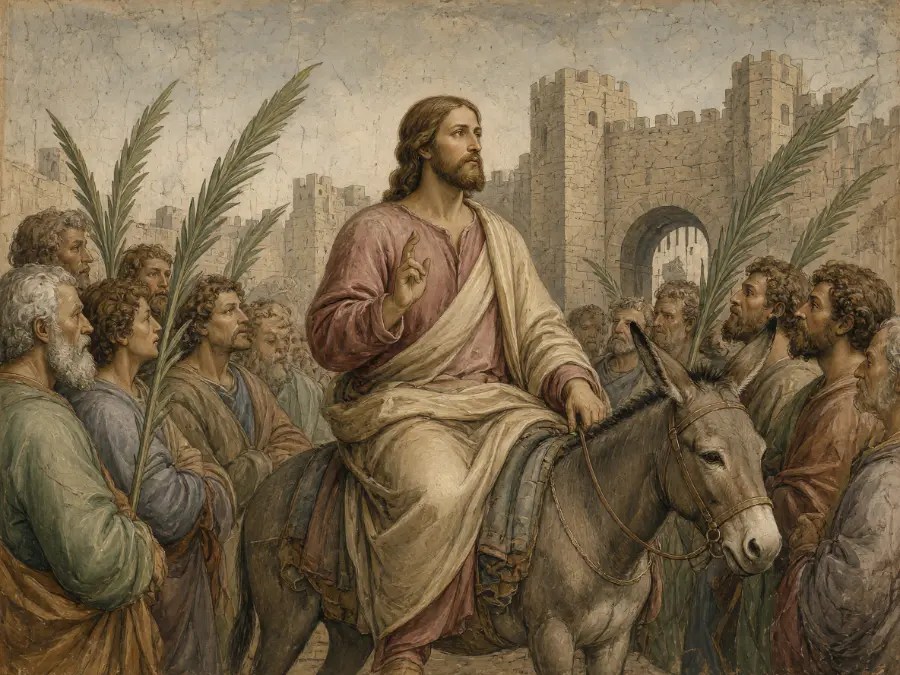
Psalm 91:11-12
“For he will command his angels concerning you to guard you in all your ways; they will lift you up in their hands, so that you will not strike your foot against a stone.”
Reflection: The promise is made to the one who says “The Lord is my refuge” and makes the Most High a dwelling (Psalm 91:9). In the temptation of Jesus the devil quotes part of these verses, leaving out “to guard you in all your ways,” and urges him to throw himself down from the temple. Jesus answers, “Do not put the Lord your God to the test” (Matthew 4:6-7).
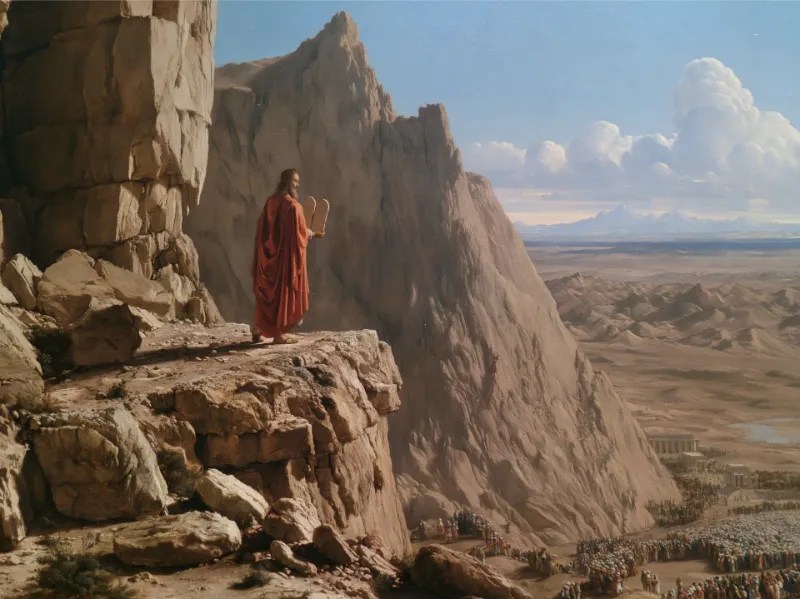
Psalm 121:7-8
“The Lord will keep you from all harm—he will watch over your life; the Lord will watch over your coming and going both now and forevermore.”
Reflection: Psalm 121 is a song of ascents. It begins in the first person, “My help comes from the Lord,” and from verse 3 speaks to “you”: the Lord who watches over Israel “will neither slumber nor sleep” (Psalm 121:4). “Coming and going” covers every departure and return, and the last line extends the watch “both now and forevermore.”

Psalm 4:8
“In peace I will lie down and sleep, for you alone, Lord, make me dwell in safety.”
Reflection: Psalm 4 is David’s prayer in distress. Earlier it tells its hearers, “when you are on your beds, search your hearts and be silent” (Psalm 4:4), and it closes with this line about lying down to sleep. The line is addressed to the Lord in the first person, and the safety it names comes from the Lord “alone.”
Promises about children and descendants
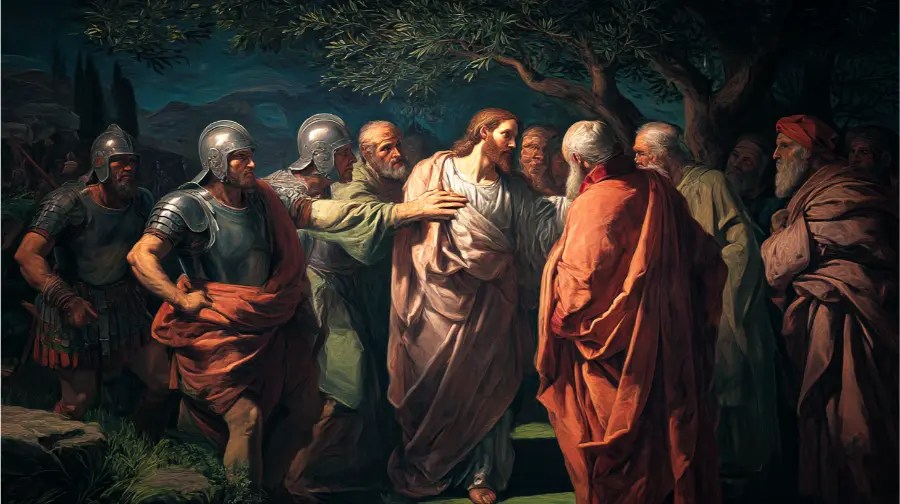
Isaiah 44:3
“For I will pour water on the thirsty land, and streams on the dry ground; I will pour out my Spirit on your offspring, and my blessing on your descendants.”
Reflection: The Lord speaks to Jacob, “whom I have chosen,” and pairs water on dry ground with his Spirit poured on their offspring. Verse 4 says those descendants “will spring up like grass in a meadow.” In verse 5 some of them say “I belong to the Lord,” while others take the name of Jacob or write “The Lord’s” on their hands.
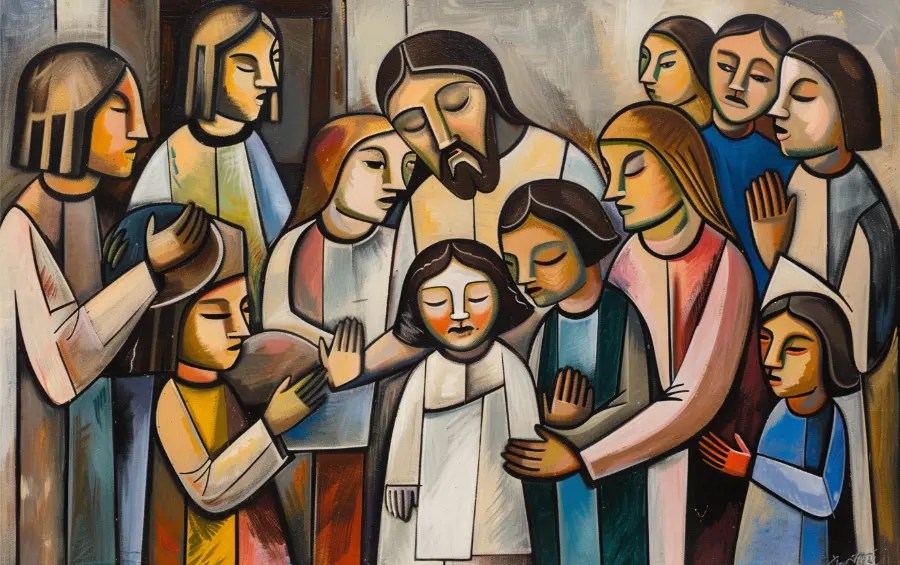
Isaiah 54:13
“All your children will be taught by the Lord, and great will be their peace.”
Reflection: Isaiah 54 is addressed to Jerusalem as a woman who was barren and desolate (Isaiah 54:1) and as an “afflicted city” the Lord will rebuild with precious stones (Isaiah 54:11-12). The children here are the people of that rebuilt city, promised that they will be taught by the Lord and have great peace. The same chapter ends with “no weapon forged against you will prevail” (Isaiah 54:17).
A father’s instruction
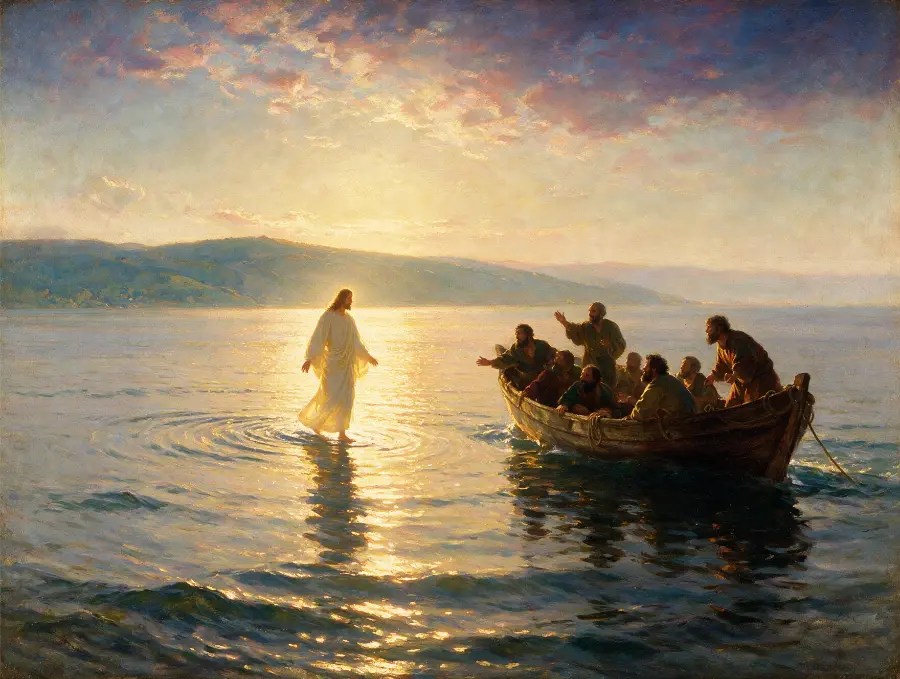
Proverbs 3:5-6
“Trust in the Lord with all your heart and lean not on your own understanding; in all your ways submit to him, and he will make your paths straight.”
Reflection: Proverbs 3 opens with a father’s words, “My son, do not forget my teaching” (Proverbs 3:1). Trusting the Lord with all the heart is part of that teaching, handed from a parent to a child. The promise of straight paths is tied to submitting to the Lord “in all your ways.”
When a parent is anxious
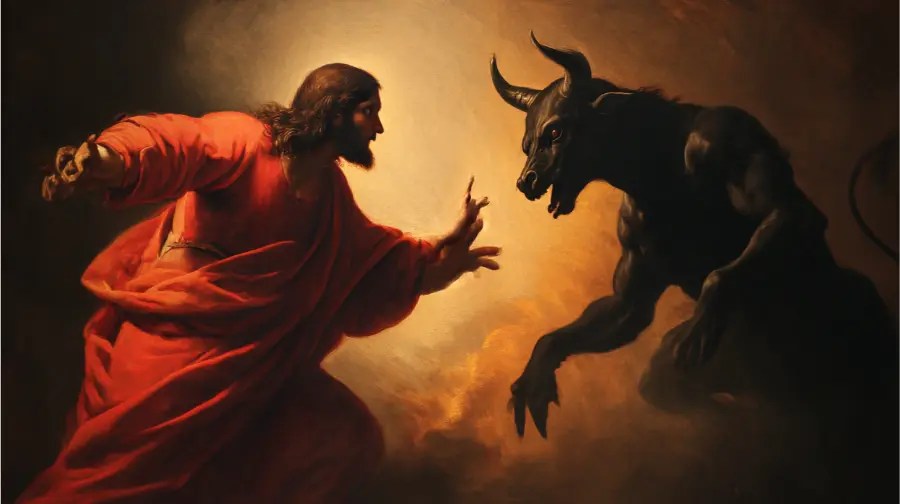
Philippians 4:6-7
“Do not be anxious about anything, but in every situation, by prayer and petition, with thanksgiving, present your requests to God. And the peace of God, which transcends all understanding, will guard your hearts and your minds in Christ Jesus.”
Reflection: Paul writes this to the church at Philippi just after “The Lord is near” (Philippians 4:5). “Every situation” is to go to God “by prayer and petition, with thanksgiving.” What follows is the peace of God, which “will guard your hearts and your minds in Christ Jesus.”
Praying for a child in Scripture’s words
Psalm 4:8 is the one verse here addressed to God, and it is in the first person, so a child can say it at bedtime as written. Numbers 6:24-26 is spoken to a person rather than to God, which is why it can be said aloud over a child, as the priests said it over Israel. Ephesians 3:16-19 and Colossians 1:9-12 report what Paul asked God for a church; a parent can ask the same for a child by name. Psalm 91:11-12, Psalm 121:7-8 and Isaiah 44:3 are promises, and praying them means asking God to do what the verse says he will do.


Leave a Reply