
 English
 Chinese
 Dutch
 Arabic
 Spanish
 Portuguese
 Russian
 French
 Italian
 German
 Japanese
Scripture tells believers to pray for one another, enemies included, and Paul’s recorded prayers show what to ask for: wisdom, knowledge of God’s will, love with insight, and hope.
Paul tells the churches he prays for them constantly, and his requests are mostly about their faith and understanding rather than their circumstances. Jesus tells his followers to pray for those who persecute them (Matthew 5:44), and James tells the sick to call the elders to pray over them (James 5:14). The eighteen verses below cover the instructions, what Paul asked, praying for people who have hurt you, praying for the sick, praying for others who have not asked, and the prayer Jesus prayed for later believers.
What we are told to do
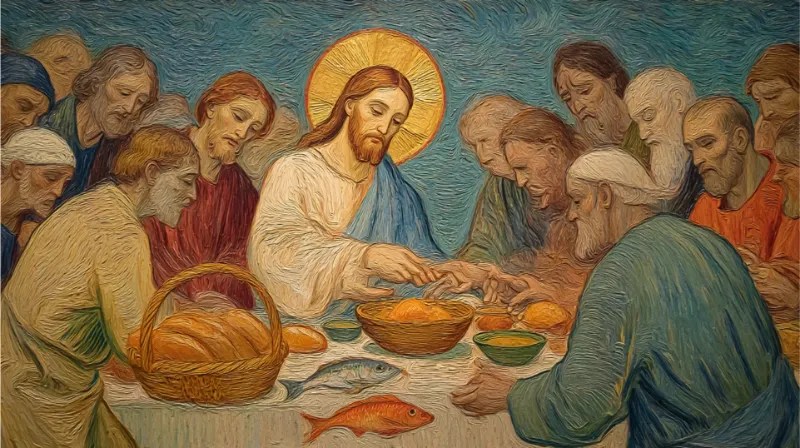
1 Timothy 2:1
“I urge, then, first of all, that petitions, prayers, intercession and thanksgiving be made for all people.”
Reflection: Paul uses four words for prayer in one sentence. The next verse names “kings and all those in authority” (2:2), and verse 4 says God “wants all people to be saved.”

Ephesians 6:18
“And pray in the Spirit on all occasions with all kinds of prayers and requests. With this in mind, be alert and always keep on praying for all the Lord’s people.”
Reflection: Paul ends his description of the armor of God with prayer “for all the Lord’s people,” and then asks them to pray for him as well (6:19-20).

James 5:16
“Therefore confess your sins to each other and pray for each other so that you may be healed. The prayer of a righteous person is powerful and effective.”
Reflection: The prayer is mutual: each person confesses and each prays for the others. James then points to Elijah, “a human being, even as we are,” as an example of a righteous person’s prayer (5:17).
What Paul actually asked for
Colossians 1:9
“For this reason, since the day we heard about you, we have not stopped praying for you. We continually ask God to fill you with the knowledge of his will.”
Reflection: Paul prays this for a church he had not visited in person (2:1). The request is for knowledge of God’s will, and the verse continues, “through all the wisdom and understanding that the Spirit gives.”

Ephesians 1:16-17
“I have not stopped giving thanks for you, remembering you in my prayers. I keep asking that the God of our Lord Jesus Christ, the glorious Father, may give you the Spirit of wisdom and revelation, so that you may know him better.”
Reflection: The aim of the request is that they may know God better. Paul writes this letter from prison (3:1; 4:1), and his prayer is for their understanding.

Philippians 1:9-11
“And this is my prayer: that your love may abound more and more in knowledge and depth of insight, so that you may be able to discern what is best.”
Reflection: Paul asks for love that grows “in knowledge and depth of insight,” so that it can tell what is best. He wants their love to be well directed as well as larger.

Romans 15:13
“May the God of hope fill you with all joy and peace as you trust in him, so that you may overflow with hope by the power of the Holy Spirit.”
Reflection: Paul asks that they be filled with joy and peace “as you trust in him,” and that they overflow with hope by the Spirit’s power.
Praying for people who have hurt you

Matthew 5:44
“But I tell you, love your enemies and pray for those who persecute you.”
Reflection: Jesus gives the reason in the next verse: the Father “causes his sun to rise on the evil and the good” (5:45).

Luke 6:28
“Bless those who curse you, pray for those who mistreat you.”
Reflection: Luke’s version gives four instructions in two verses: love, do good, bless, pray (6:27-28). The cursing and mistreatment are happening now, and the instruction does not wait for them to stop.
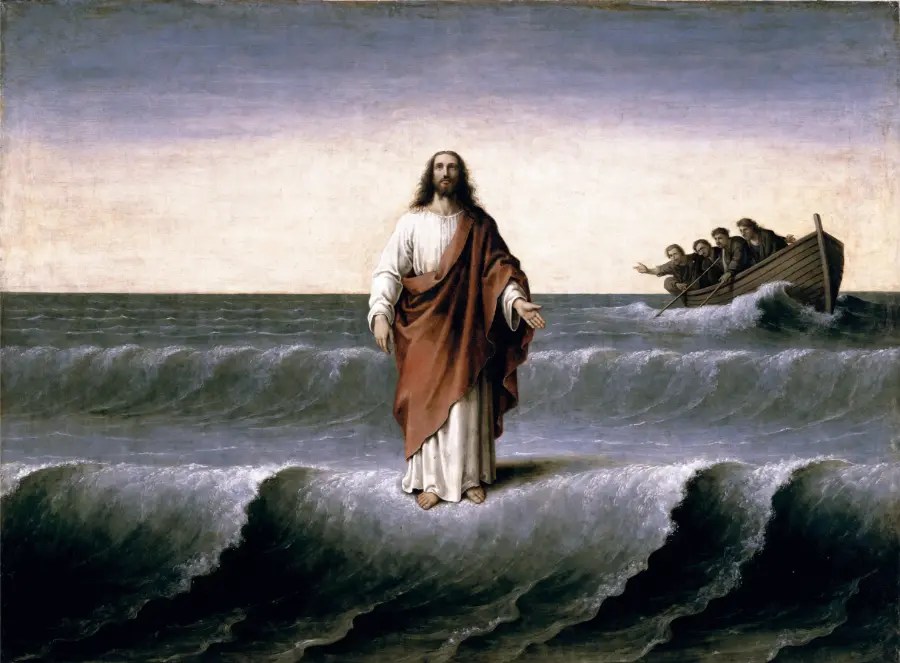
Job 42:10
“After Job had prayed for his friends, the Lord restored his fortunes and gave him twice as much as he had before.”
Reflection: God told the three friends they had not spoken the truth about him, and that Job would pray for them (42:7-8). Job’s fortunes were restored after he prayed.
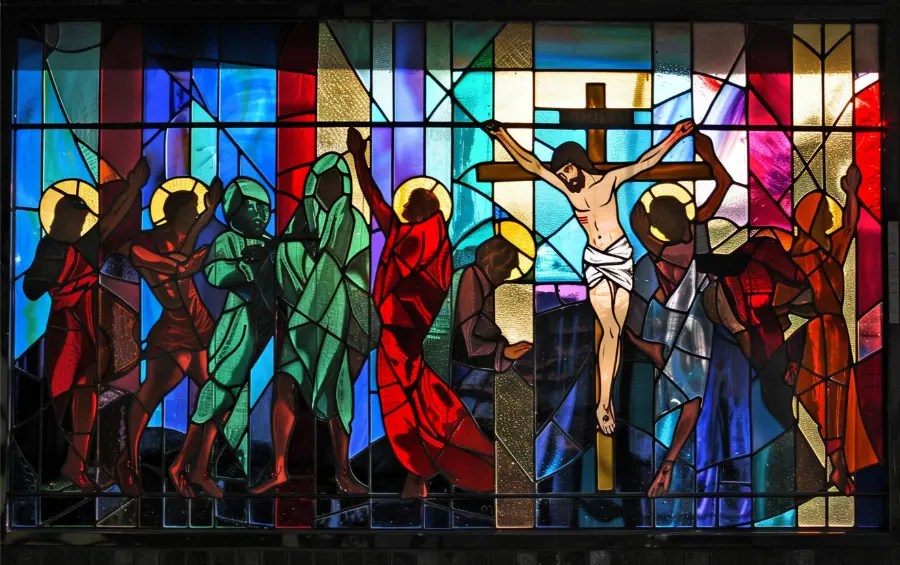
Luke 23:34
“Jesus said, ‘Father, forgive them, for they do not know what they are doing.’ And they divided up his clothes by casting lots.”
Reflection: Luke sets the soldiers dividing Jesus’ clothes in the same verse as the prayer, which is offered while the crucifixion is under way. Some early manuscripts do not have this sentence.
Praying for the sick, and what the text promises

James 5:14-15
“Is anyone among you sick? Let them call the elders of the church to pray over them and anoint them with oil in the name of the Lord.”
Reflection: The sick person calls for the elders, and the elders come to pray and anoint. James goes on to say the prayer offered in faith “will make the sick person well” (5:15).

Psalm 107:28-30
“Then they cried out to the Lord in their trouble, and he brought them out of their distress. He stilled the storm to a whisper; the waves of the sea were hushed.”
Reflection: This is the story of the sailors, the last of four rescues in the psalm, and it ends with them brought “to their desired haven” (107:30).
Praying for people who have not asked

Daniel 9:3
“So I turned to the Lord God and pleaded with him in prayer and petition, in fasting, and in sackcloth and ashes.”
Reflection: The prayer that follows confesses Israel’s sins in the first person plural: “we have sinned and done wrong” (9:5). Daniel includes himself.

2 Thessalonians 3:3
“But the Lord is faithful, and he will strengthen you and protect you from the evil one.”
Reflection: Paul has just asked for their prayers (3:1-2). He answers with a statement about God: he will strengthen them and protect them.

Psalm 121:7-8
“The Lord will keep you from all harm—he will watch over your life; the Lord will watch over your coming and going both now and forevermore.”
Reflection: Psalm 121 is one of the Songs of Ascents, sung on the way up to Jerusalem. From verse 3 on it speaks to “you,” as a blessing said over someone else.
The prayer that reached us

John 17:20-21
“My prayer is not for them alone. I pray also for those who will believe in me through their message, that all of them may be one.”
Reflection: Jesus prays for those “who will believe in me through their message,” the believers who would come after the first disciples. His request is that they may be one.

2 Corinthians 1:3-4
“Praise be to the God and Father of our Lord Jesus Christ, the Father of compassion and the God of all comfort, who comforts us in all our troubles, so that we can comfort those in any trouble with the comfort we ourselves receive from God.”
Reflection: Paul describes comfort passed on: what he receives from God he gives to others in trouble. The next verses tell of hardships in Asia so severe that he “despaired of life itself” (1:8).
When we do not know what to ask
Paul’s requests make a usable list: knowledge of God’s will, wisdom to know him better, love with insight, and hope that overflows. None of them depends on knowing what the other person needs or how their situation should turn out.
The harder instructions concern people who have done harm. Job prayed for the friends who had accused him, and Jesus prayed for the people crucifying him. For what Scripture says about how prayers are answered, see Bible verses about answered prayer.


Leave a Reply