
 English
 Chinese
 Dutch
 Arabic
 Spanish
 Portuguese
 Russian
 French
 Italian
 German
 Japanese
In the Bible, intercession is prayer made on behalf of someone else. Christ and the Holy Spirit both intercede for believers: Christ “always lives to make intercession” for those who come to God through him (Hebrews 7:25), and the Spirit “intercedes for us with groanings too deep for words” (Romans 8:26).
In the Old Testament, Abraham pleads for Sodom (Genesis 18:23), Moses pleads for Israel (Exodus 32:11-12; Numbers 14:19-20), and Daniel pleads for Jerusalem (Daniel 9:18-19). In the New Testament, Jesus prays for Peter (Luke 22:31-32), and 1 Timothy 2:1-2 asks that “intercessions” be made for all people, kings included.
Christ and the Spirit intercede for believers
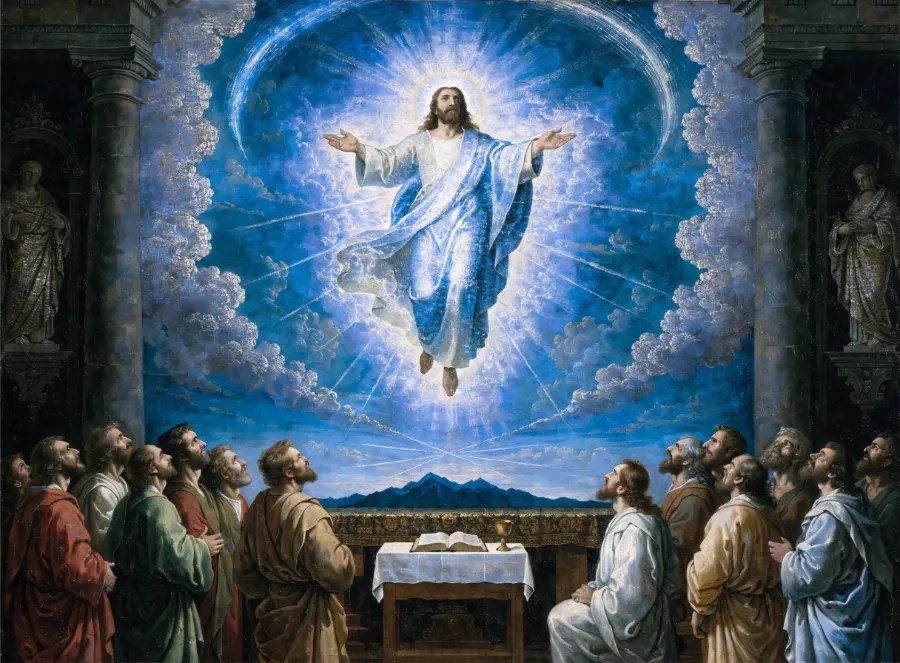
Isaiah 53:12
“Therefore I will divide him a portion with the many, and he shall divide the spoil with the strong, because he poured out his soul to death and was numbered with the transgressors; yet he bore the sin of many, and makes intercession for the transgressors.”
Reflection: The last verse of Isaiah 53 sets two statements about the servant side by side: he “was numbered with the transgressors” and he “makes intercession for the transgressors.” At the Last Supper Jesus quoted the first of them about himself: “this Scripture must be fulfilled in me: ‘And he was numbered with the transgressors’” (Luke 22:37).
Romans 8:34
“Who is to condemn? Christ Jesus is the one who died—more than that, who was raised—who is at the right hand of God, who indeed is interceding for us.”
Reflection: Paul answers his own question, “Who is to condemn?”, with four statements about Christ: he died, he was raised, he is at the right hand of God, and he is interceding. The question comes straight after another: “Who shall bring any charge against God’s elect? It is God who justifies” (8:33).
Hebrews 7:25
“Consequently, he is able to save to the uttermost those who draw near to God through him, since he always lives to make intercession for them.”
Reflection: Hebrews contrasts Christ with the former priests, who “were prevented by death from continuing in office” (7:23). He “continues forever,” and the verse ties his ability to save “to the uttermost” to the fact that his intercession does not stop.

1 John 2:1
“My little children, I am writing these things to you so that you may not sin. But if anyone does sin, we have an advocate with the Father, Jesus Christ the righteous.”
Reflection: John writes so that his readers “may not sin,” and then provides for the case where they do. An advocate speaks for someone else, and here the one speaking to the Father is “Jesus Christ the righteous.” The next verse adds: “He is the propitiation for our sins, and not for ours only but also for the sins of the whole world.”

Luke 22:31-32
“Simon, Simon, behold, Satan demanded to have you, that he might sift you like wheat, but I have prayed for you that your faith may not fail. And when you have turned again, strengthen your brothers.”
Reflection: Jesus tells Simon at the Last Supper that Satan has asked to sift him like wheat, and that he has prayed for Simon’s faith. He does not say the sifting will be prevented: two verses later he tells Peter he will deny him three times before the rooster crows. The prayer is that Peter’s faith will not fail, and Jesus already speaks of the time after, when Peter has “turned again” and is to strengthen the others.
John 17:20-21
“I do not ask for these only, but also for those who will believe in me through their word, that they may all be one, just as you, Father, are in me, and I in you, that they also may be in us, so that the world may believe that you have sent me.”
Reflection: Earlier in this prayer Jesus says, “I am praying for them… those whom you have given me” (17:9). Here he widens it to people who had not yet heard, “those who will believe in me through their word.” What he asks for them is unity, and the stated purpose reaches past the church: “so that the world may believe that you have sent me.”
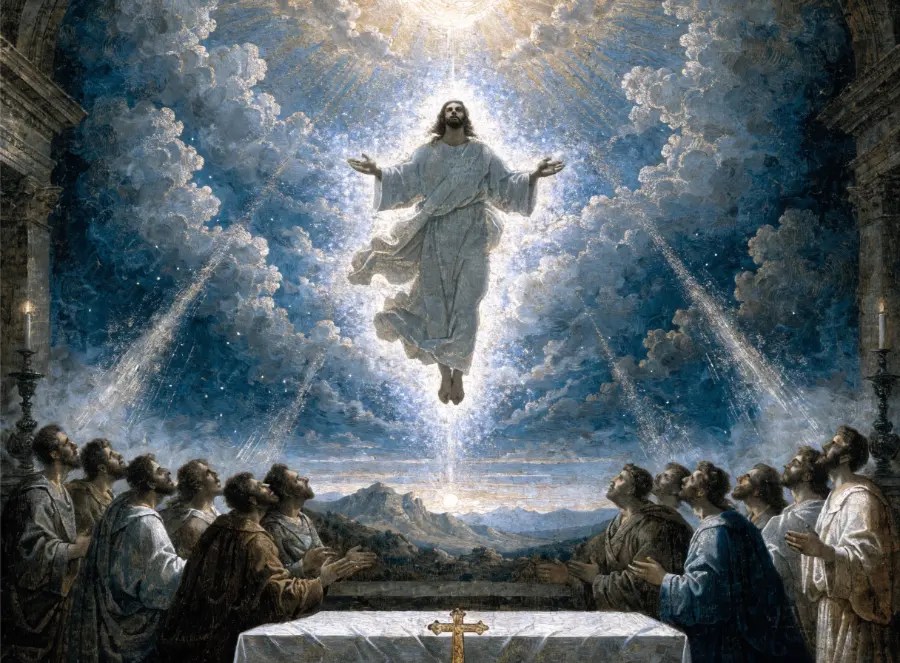
Romans 8:26
“Likewise the Spirit helps us in our weakness. For we do not know what to pray for as we ought, but the Spirit himself intercedes for us with groanings too deep for words.”
Reflection: The same chapter that has Christ interceding at God’s right hand (8:34) has the Spirit interceding within believers. The weakness named is specific: “we do not know what to pray for as we ought.” The next verse says God, “he who searches hearts,” knows the mind of the Spirit, “because the Spirit intercedes for the saints according to the will of God.”
Standing between God and a people under judgment
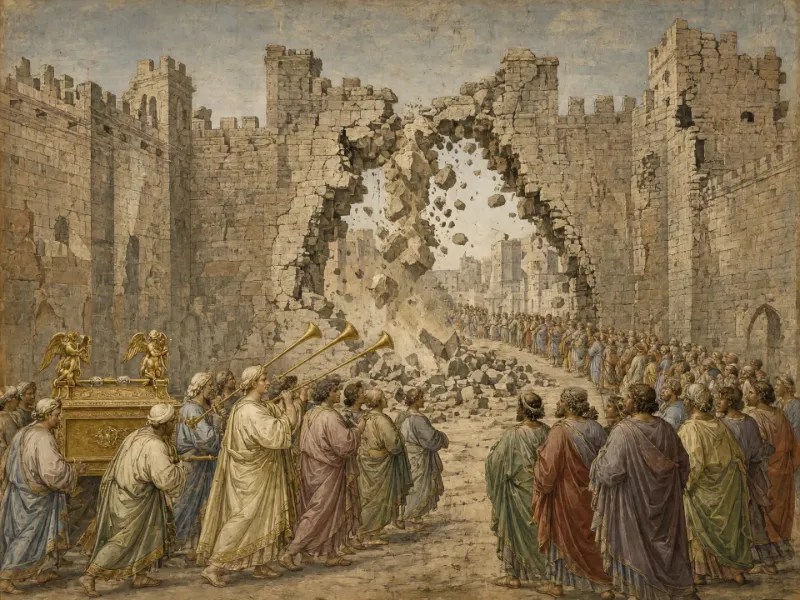
Genesis 18:23
“Then Abraham drew near and said, ‘Will you indeed sweep away the righteous with the wicked?’”
Reflection: Abraham asks this as the Lord’s visitors set out toward Sodom, the city where Lot lived. He asks the number down from fifty righteous people to ten, and each time the Lord agrees. His appeal rests on God’s own justice: “Shall not the Judge of all the earth do what is just?” (18:25). When the cities were destroyed, “God remembered Abraham and sent Lot out” (19:29).
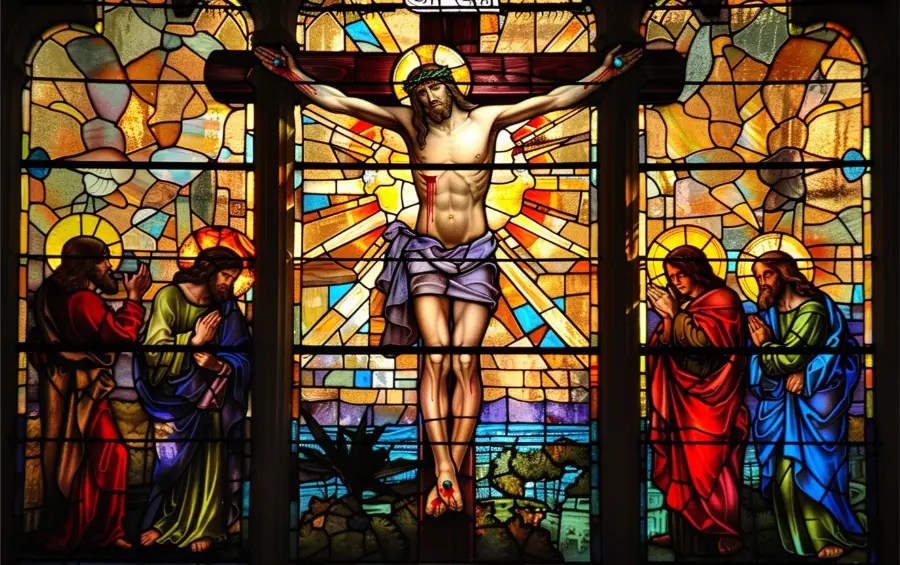
Exodus 32:11-12
“But Moses implored the Lord his God and said, ‘O Lord, why does your wrath burn hot against your people, whom you have brought out of the land of Egypt with great power and with a mighty hand? Why should the Egyptians say, “With evil intent did he bring them out, to kill them in the mountains and to consume them from the face of the earth”? Turn from your burning anger and relent from this disaster against your people.’”
Reflection: After the people make “gods of gold” (32:31), the Lord tells Moses, “let me alone, that my wrath may burn hot against them,” and offers to make a great nation of Moses instead. Moses argues back: the Egyptians would say God brought Israel out to kill them, and God swore to Abraham, Isaac and Israel (32:13). Verse 14 records that “the Lord relented from the disaster.” The next day Moses goes further and asks to be blotted out of God’s book if the people are not forgiven (32:32).

Numbers 14:19-20
“Please pardon the iniquity of this people, according to the greatness of your steadfast love, just as you have forgiven this people, from Egypt until now.’ Then the Lord said, ‘I have pardoned, according to your word.’”
Reflection: The Lord asks, “How long will this people despise me?” and again offers to make a nation from Moses (14:11-12), as in Exodus 32:10. Moses quotes back the Lord’s description of himself, “slow to anger and abounding in steadfast love” (14:18), and asks for pardon on that basis. The answer comes in the next verse: “I have pardoned, according to your word.”
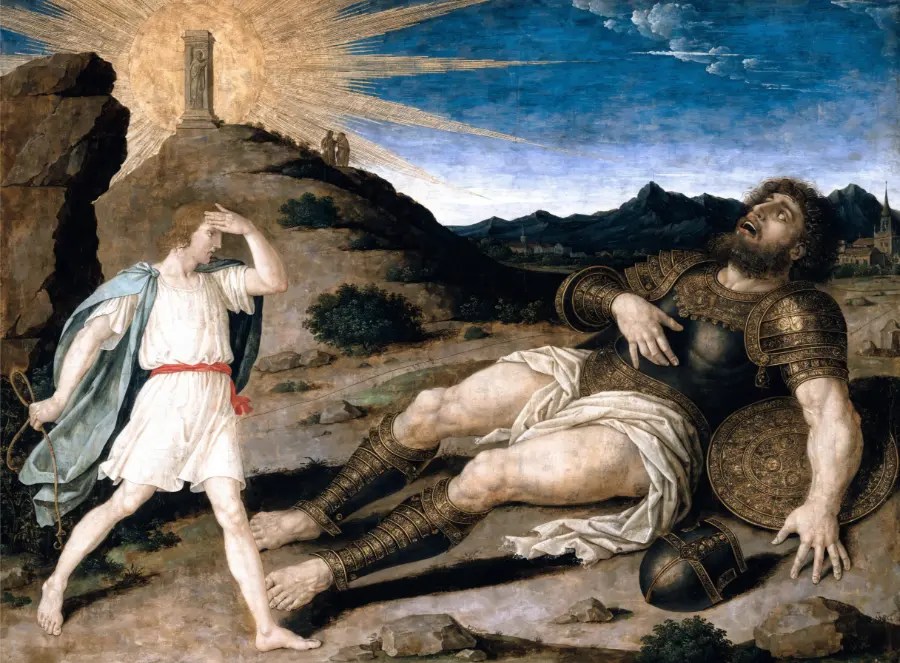
Ezekiel 22:30
“And I sought for a man among them who should build up the wall and stand in the breach before me for the land, that I should not destroy it, but I found none.”
Reflection: The Lord looks for someone to “build up the wall and stand in the breach” for the land and finds no one. The verse before lists the land’s sins: extortion, robbery, and oppression of the poor, the needy and the sojourner. Psalm 106:23 uses the same picture for Moses, who “stood in the breach before him, to turn away his wrath.”
Daniel 9:18-19
“…We do not present our pleas before you because of our righteousness, but because of your great mercy. O Lord, hear; O Lord, forgive; O Lord, pay attention and act.”
Reflection: Daniel prays after reading in Jeremiah that the desolation of Jerusalem would last seventy years (9:2), “with fasting and sackcloth and ashes.” He confesses “my sin and the sin of my people Israel” (9:20) and rests the plea on God’s mercy, not on the people’s righteousness. The rest of verse 19 adds God’s name as a reason: “because your city and your people are called by your name.” Gabriel then tells him that “at the beginning of your pleas for mercy a word went out” (9:23).
Praying for people who have done wrong
1 Samuel 12:23
“Moreover, as for me, far be it from me that I should sin against the Lord by ceasing to pray for you. And I will instruct you in the good and the right way.”
Reflection: The people ask Samuel to pray for them after he called down thunder and rain at wheat harvest as a sign against their asking for a king (12:17-19). Samuel calls ceasing to pray for them a sin against the Lord. He pairs the prayer with teaching: “I will instruct you in the good and the right way.”
Job 42:10
“And the Lord restored the fortunes of Job, when he had prayed for his friends. And the Lord gave Job twice as much as he had before.”
Reflection: The Lord tells Eliphaz that he and his two friends have not spoken rightly of God, and that “my servant Job shall pray for you, for I will accept his prayer” (42:8). Job prays for the three men whose speeches the Lord has just rejected. The restoration of his fortunes is dated to that prayer: “when he had prayed for his friends.”
Matthew 5:44
“But I say to you, Love your enemies and pray for those who persecute you.”
Reflection: Jesus sets this command against the saying “You shall love your neighbor and hate your enemy” (5:43). Prayer for persecutors is part of the love he commands. The reason he gives is to be “sons of your Father who is in heaven,” who “makes his sun rise on the evil and on the good” (5:45).
Intercession as the church’s work

1 Timothy 2:1-2
“First of all, then, I urge that supplications, prayers, intercessions, and thanksgivings be made for all people, for kings and all who are in high positions, that we may lead a peaceful and quiet life, godly and dignified in every way.”
Reflection: Paul lists four kinds of prayer, intercessions among them, and says who they are for: all people, with kings and those in high positions named. The next verses give the reason: God “desires all people to be saved,” and “there is one mediator between God and men, the man Christ Jesus” (2:4-5).
James 5:16
“Therefore, confess your sins to one another and pray for one another, that you may be healed. The prayer of a righteous person has great power as it is working.”
Reflection: The verse closes James’s instructions about the sick, who are to call the elders to pray over them and anoint them with oil (5:14). Confession to one another and prayer for one another go together here. The example of “a righteous person” that follows is Elijah, “a man with a nature like ours,” whose prayer stopped the rain and whose second prayer brought it back (5:17-18).

Ephesians 6:18
“…praying at all times in the Spirit, with all prayer and supplication. To that end, keep alert with all perseverance, making supplication for all the saints.”
Reflection: The instruction follows the armor of God that begins in 6:11. Paul asks for supplication “for all the saints, and also for me,” and says what he wants prayed for himself: boldness to proclaim the gospel as “an ambassador in chains” (6:19-20).
Paul and his colleagues pray for churches, and ask for prayer
Colossians 1:9
“And so, from the day we heard, we have not ceased to pray for you, asking that you may be filled with the knowledge of his will in all spiritual wisdom and understanding.”
Reflection: Paul writes that since hearing of the Colossians’ faith and love (1:4), “we have not ceased to pray for you.” The request is for knowledge of God’s will, and the next verse gives its purpose: “so as to walk in a manner worthy of the Lord… bearing fruit in every good work” (1:10).
Colossians 4:12
“Epaphras, who is one of you, a servant of Christ Jesus, greets you, always struggling on your behalf in his prayers, that you may stand mature and fully assured in all the will of God.”
Reflection: Epaphras is “one of you,” a member of the Colossian church who sends greetings from where Paul is. His praying is described as struggling, and Paul adds that “he has worked hard for you and for those in Laodicea and in Hierapolis” (4:13).
2 Corinthians 1:11
“You also must help us by prayer, so that many will give thanks on our behalf for the blessing granted us through the prayers of many.”
Reflection: Paul has just described an affliction in Asia so heavy that “we despaired of life itself” (1:8), and his hope that God “will deliver us again” (1:10). He counts the Corinthians’ prayers as help in that deliverance, and expects the answer to bring thanks from many people for what came “through the prayers of many.”


Leave a Reply