
 English
 Chinese
 Dutch
 Arabic
 Spanish
 Portuguese
 Russian
 French
 Italian
 German
 Japanese
The Bible teaches prayer mostly through Jesus: the prayer he gave his disciples, the way he prayed himself, and promises about asking that come with conditions attached.
In Luke’s Gospel the Lord’s Prayer is his answer when a disciple asks, “Lord, teach us to pray” (Luke 11:1). It asks first for God’s name to be kept holy, his kingdom to come and his will to be done, and only then for bread, forgiveness and protection. Its requests for ourselves are all in the plural. The nineteen verses below cover the prayer he gave, how he prayed, the conditions attached to asking, what to do when we do not know what to pray, how Scripture describes coming before God, and praying continually.
The prayer he gave
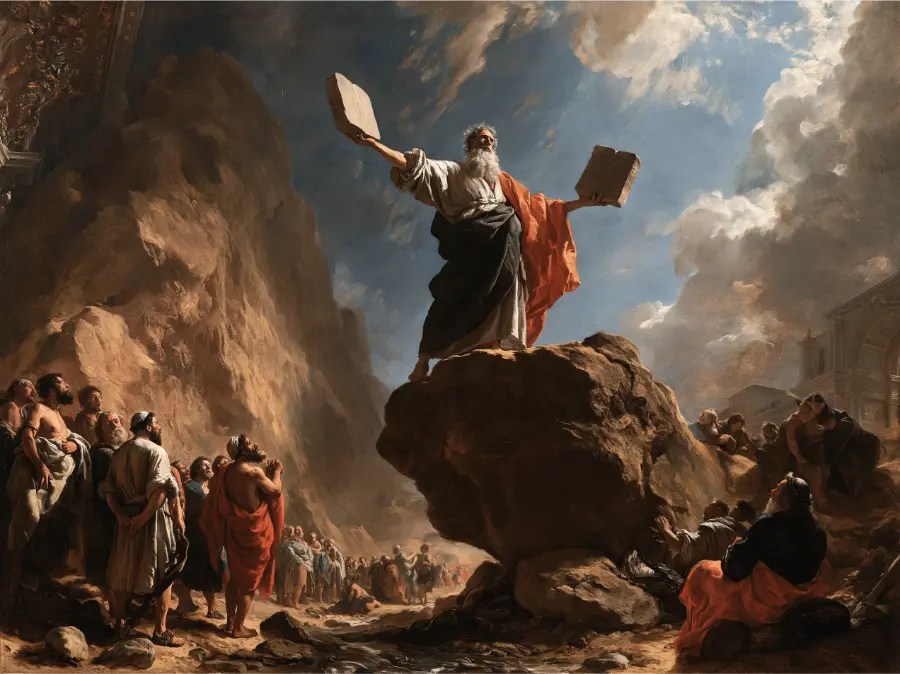
Matthew 6:9-13
“Our Father in heaven, hallowed be your name, your kingdom come, your will be done, on earth as it is in heaven. Give us today our daily bread.”
Reflection: The prayer asks three things about God first: that his name be kept holy, his kingdom come and his will be done. Then it turns to daily bread, forgiveness and deliverance, and every request for ourselves is in the plural: give us, forgive us, lead us, deliver us.

Matthew 6:6
“But when you pray, go into your room, close the door and pray to your Father, who is unseen.”
Reflection: Jesus says this shortly before he teaches a prayer in the plural. The warning in the verse before is against praying on street corners “to be seen by others” (6:5), and the private room is his answer to that.
How he prayed himself
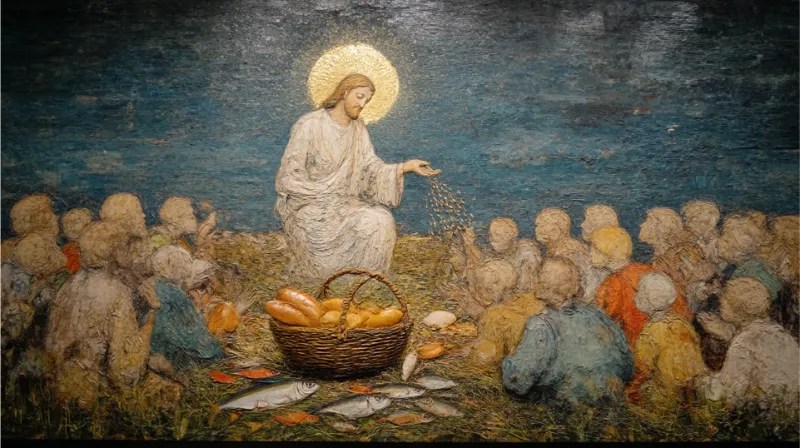
Mark 1:35
“Very early in the morning, while it was still dark, Jesus got up, left the house and went off to a solitary place, where he prayed.”
Reflection: The evening before, the whole town had gathered at the door and Jesus had healed many who were sick (1:32-34). When Simon and his companions found him and said, “Everyone is looking for you!”, he went on to the nearby villages to preach (1:37-38).
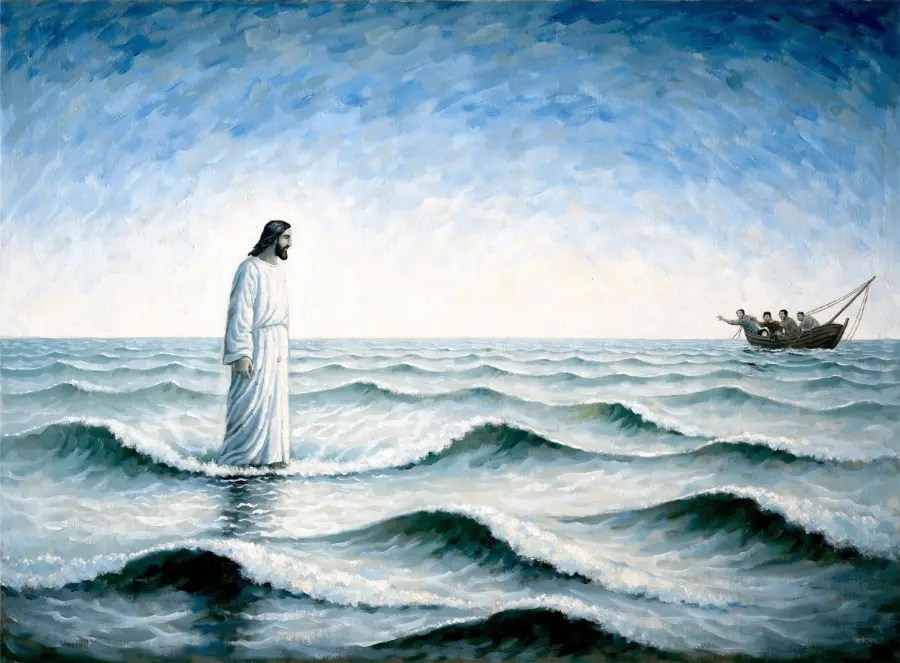
Luke 22:42
“Father, if you are willing, take this cup from me; yet not my will, but yours be done.”
Reflection: Jesus prays this on the Mount of Olives on the night of his arrest (22:39). He asks plainly for the cup to be taken away and then yields the request to his Father’s will. Mark gives the same prayer beginning with “Abba, Father” (Mark 14:36).
Luke 18:1
“Then Jesus told his disciples a parable to show them that they should always pray and not give up.”
Reflection: The parable that follows is about a widow who keeps coming to a judge who “neither feared God nor cared what people thought” (18:2). He gives her justice to be rid of her, and Jesus argues that God will “bring about justice for his chosen ones, who cry out to him day and night” (18:7).
The conditions attached to asking
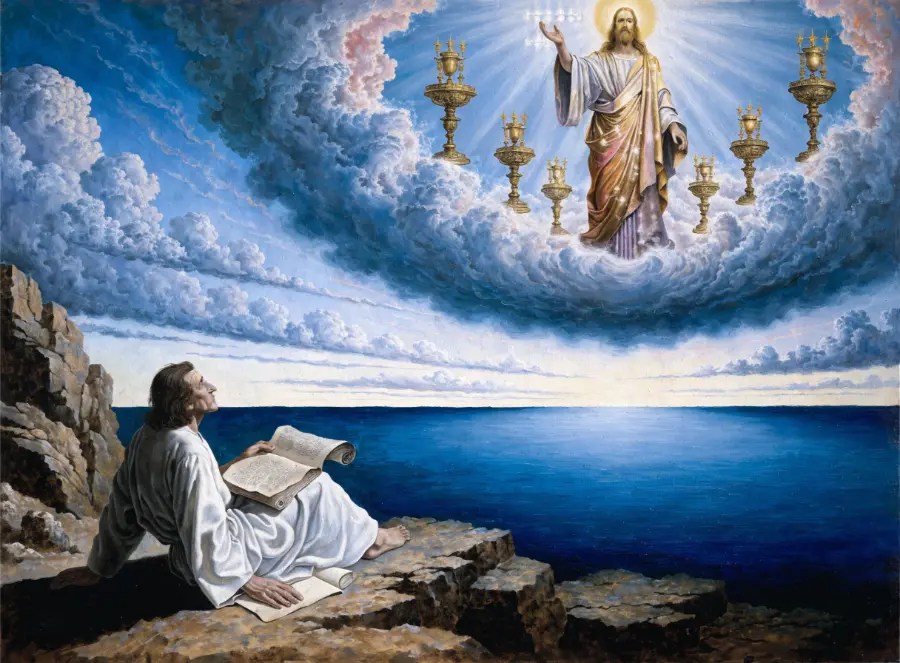
Matthew 7:7-8
“Ask and it will be given to you; seek and you will find; knock and the door will be opened to you.”
Reflection: The three verbs are present imperatives in Greek, a form often read as ongoing action: keep asking, keep seeking, keep knocking. Jesus then argues from human parents, who give their children good gifts, to “how much more” the Father in heaven will give to those who ask him (7:11).
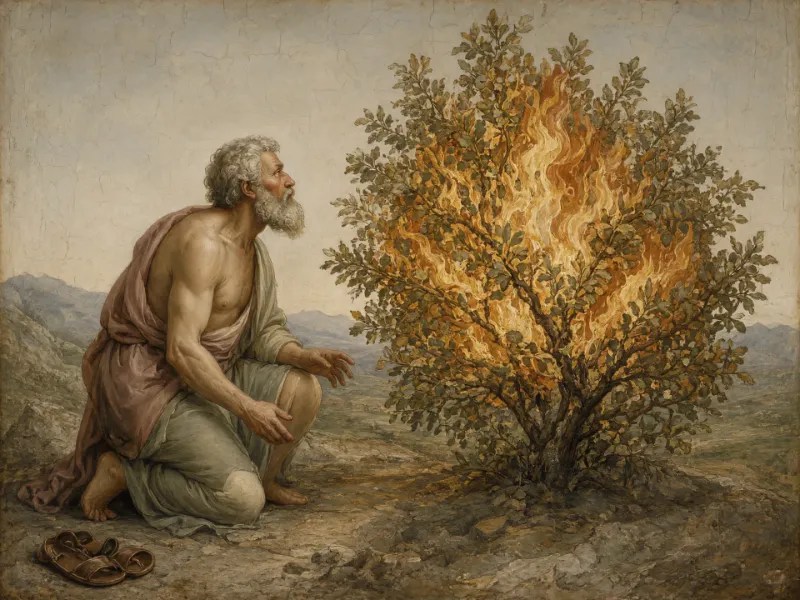
John 14:13
“And I will do whatever you ask in my name, so that the Father may be glorified in the Son.”
Reflection: The verse gives the purpose of the promise: “so that the Father may be glorified in the Son.” Asking in Jesus’ name is usually understood as asking on his authority and in keeping with that purpose.

John 15:7
“If you remain in me and my words remain in you, ask whatever you wish, and it will be done for you.”
Reflection: Two conditions come before the promise: remaining in Christ, and his words remaining in the person who asks. The verse belongs to the passage about the vine and the branches (15:1-8), where remaining is the main instruction.

1 John 5:14
“This is the confidence we have in approaching God: that if we ask anything according to his will, he hears us.”
Reflection: John gives “according to his will” as a reason for confidence. The next verse goes on: if we know he hears us, “we know that we have what we asked of him” (5:15).
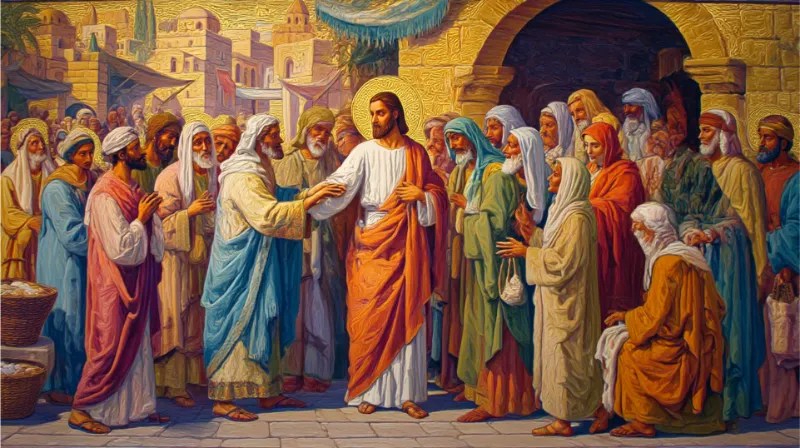
Mark 11:24
“Therefore I tell you, whatever you ask for in prayer, believe that you have received it, and it will be yours.”
Reflection: Jesus says this the morning after he cursed the fig tree, when Peter points out that it has withered (11:20-21). The verse has sometimes been used to blame people whose prayers went unanswered, and the next verse adds a condition to it.
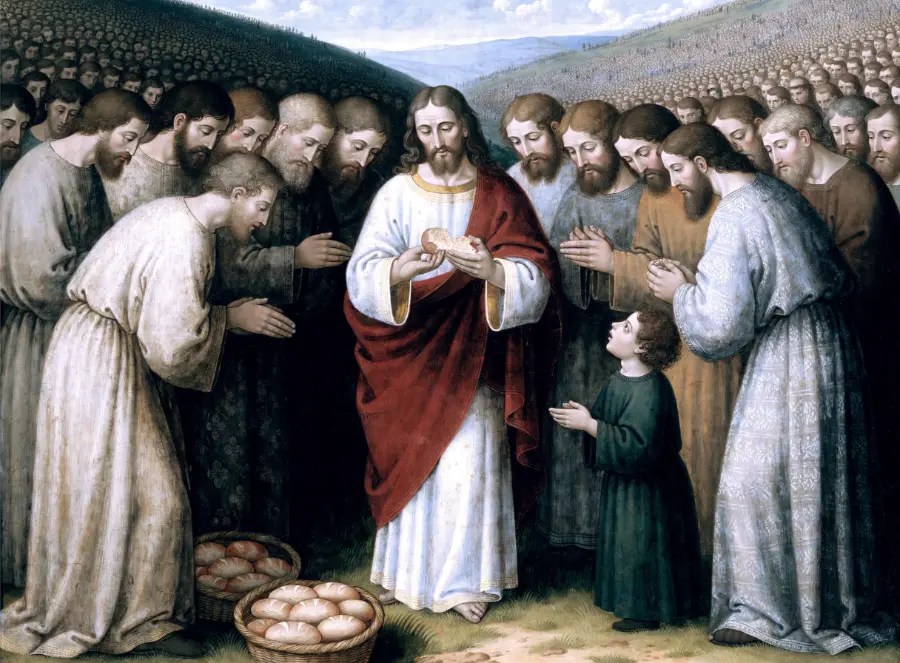
Mark 11:25
“And when you stand praying, if you hold anything against anyone, forgive them.”
Reflection: This is the very next sentence. Jesus attaches forgiving others to the promise about prayer, “so that your Father in heaven may forgive you your sins.”
When we have nothing to say

Romans 8:26
“In the same way, the Spirit helps us in our weakness. We do not know what we ought to pray for, but the Spirit himself intercedes for us through wordless groans.”
Reflection: Paul says plainly that we do not know what we ought to pray for, and the Spirit’s help starts there. The next verse adds that the Spirit intercedes “in accordance with the will of God” (8:27).

James 1:5-6
“If any of you lacks wisdom, you should ask God, who gives generously to all without finding fault, and it will be given to you.”
Reflection: The promise is made to anyone who lacks wisdom, and God gives “without finding fault.” Verse 6 asks for faith in the asking and compares the one who doubts to “a wave of the sea, blown and tossed by the wind.”
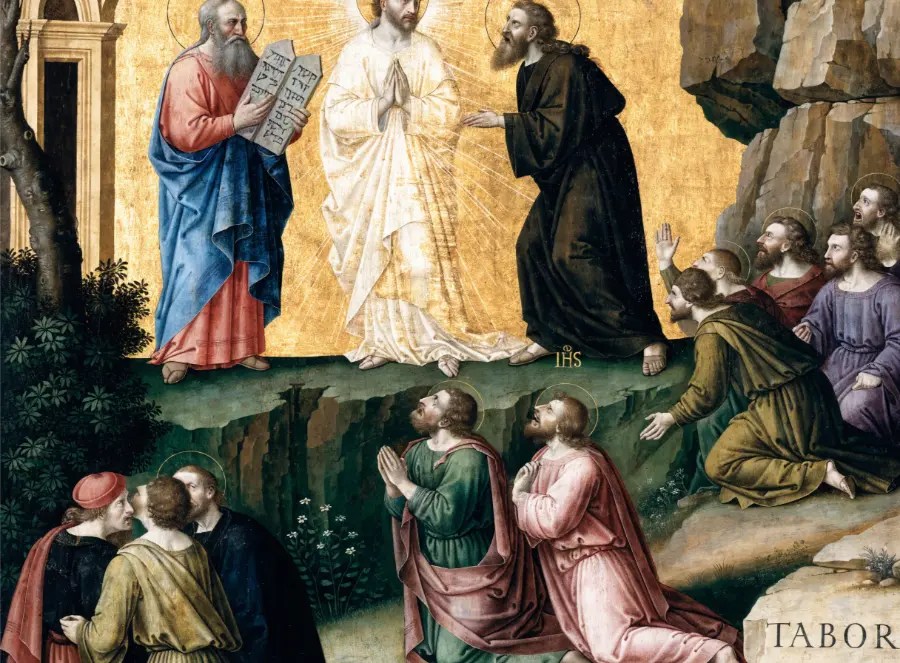
2 Corinthians 12:9
“My grace is sufficient for you, for my power is made perfect in weakness.”
Reflection: This is the answer Paul received after pleading three times for “a thorn in my flesh” to be taken away (12:7-8). The answer was no, and he goes on: “Therefore I will boast all the more gladly about my weaknesses.”
How Scripture describes standing there
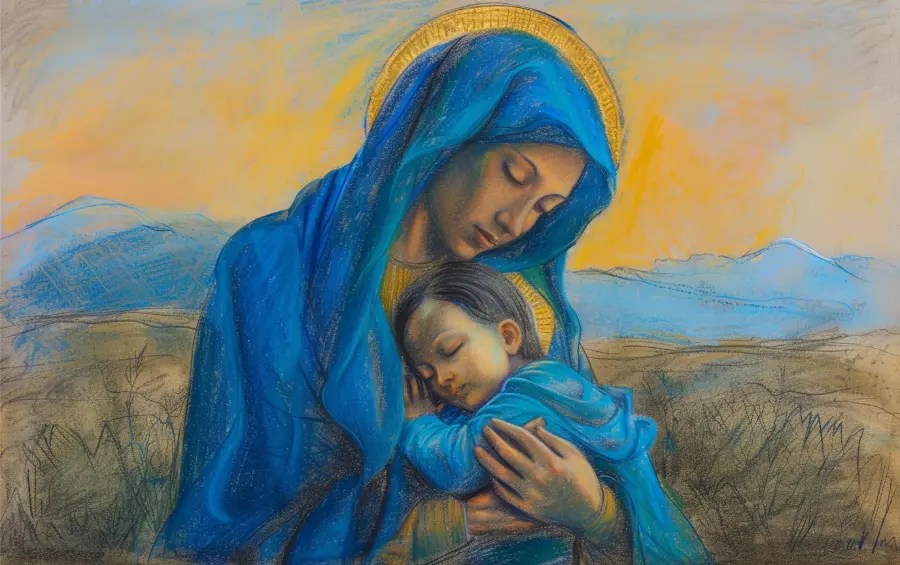
Luke 18:13-14
“But the tax collector stood at a distance. He would not even look up to heaven, but beat his breast and said, ‘God, have mercy on me, a sinner.’”
Reflection: Jesus sets this prayer beside a Pharisee’s, which thanks God that he is not like other people (18:11). The tax collector asks only for mercy, and Jesus says that he, “rather than the other, went home justified before God.”

Hebrews 4:16
“Let us then approach God’s throne of grace with confidence, so that we may receive mercy and find grace to help us in our time of need.”
Reflection: The word translated confidence, parrēsia, means speaking openly and frankly. The verse before gives the reason: we have a high priest who “has been tempted in every way, just as we are—yet he did not sin” (4:15).

James 5:16
“Therefore confess your sins to each other and pray for each other so that you may be healed.”
Reflection: Confession and prayer are joined in one sentence, and both are done among believers, “to each other” and “for each other.” James goes on to Elijah, “a human being, even as we are,” whose prayers stopped the rain and started it again (5:17-18).
Keeping at it
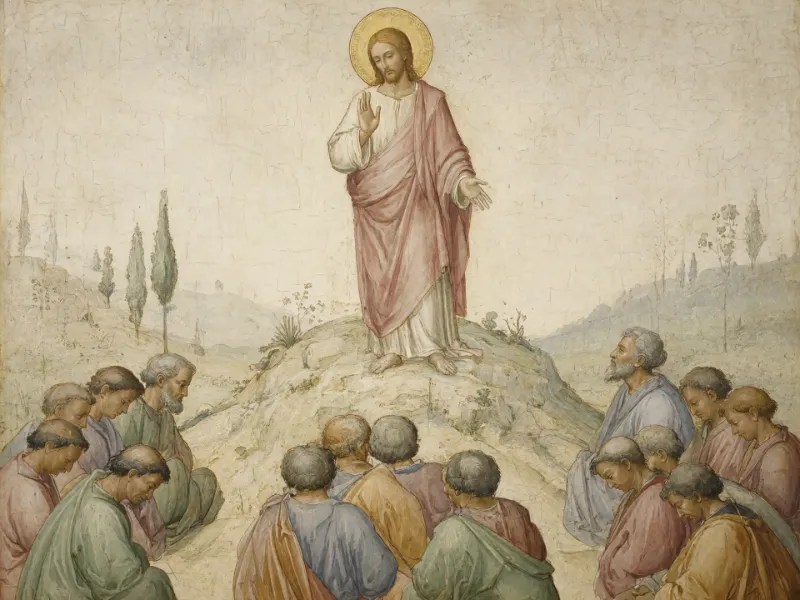
1 Thessalonians 5:17
“Pray continually.”
Reflection: The command sits between “Rejoice always” and “give thanks in all circumstances” (5:16, 18). The adverb behind continually, adialeiptōs, is the word Paul uses for his own thanks earlier in the letter: “we also thank God continually” (2:13).

Ephesians 6:18
“And pray in the Spirit on all occasions with all kinds of prayers and requests. With this in mind, be alert and always keep on praying for all the Lord’s people.”
Reflection: This verse follows the list of armor in 6:14-17 and is the one instruction there that is not a piece of equipment. Paul then asks for prayer for himself, that he would “fearlessly make known the mystery of the gospel” (6:19).
What the order was teaching
The prayer Jesus gave asks for God’s name, kingdom and will before it asks for bread, and its requests for ourselves are in the plural. He prayed the same way on the night of his arrest: he asked for the cup to be taken from him, then said, “not my will, but yours be done.”
The promises about asking come with conditions, sometimes in the next verse, and the New Testament records a request that was refused. Paul asked three times and was told, “My grace is sufficient for you” (2 Corinthians 12:9). An unanswered prayer is not proof that it was prayed wrongly. For more on this, see Bible verses about answered prayer.


Leave a Reply