
 English
 Chinese
 Dutch
 Arabic
 Spanish
 Portuguese
 Russian
 French
 Italian
 German
 Japanese
Scripture calls God the one who heals and records many healings, and it also records believers who stayed ill.
Paul asked three times for his thorn in the flesh to be removed, and it stayed (2 Corinthians 12:7-9). He left Trophimus sick at Miletus (2 Timothy 4:20), and he told Timothy to take a little wine for his stomach and frequent illnesses (1 Timothy 5:23). The twenty verses below hold the promises and that record together: God as healer, what Jesus did, what the sick are told to do, what happens when healing does not come, and the healing promised to everyone.
God described as the one who heals
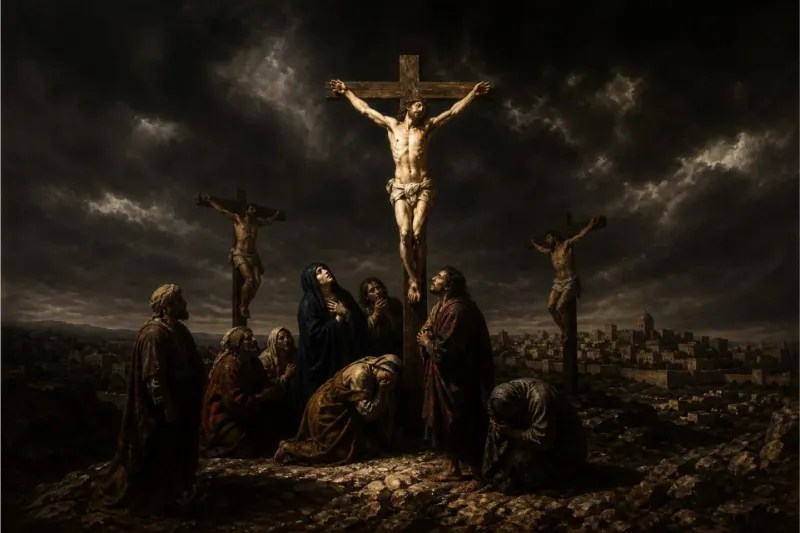
Exodus 15:26
“He said, ‘If you listen carefully to the Lord your God and do what is right in his eyes, if you pay attention to his commands and keep all his decrees, I will not bring on you any of the diseases I brought on the Egyptians, for I am the Lord, who heals you.’”
Reflection: Israel had traveled three days in the desert without water, and at Marah God made the bitter water drinkable (15:22-25). Then he names himself: “I am the Lord, who heals you.”
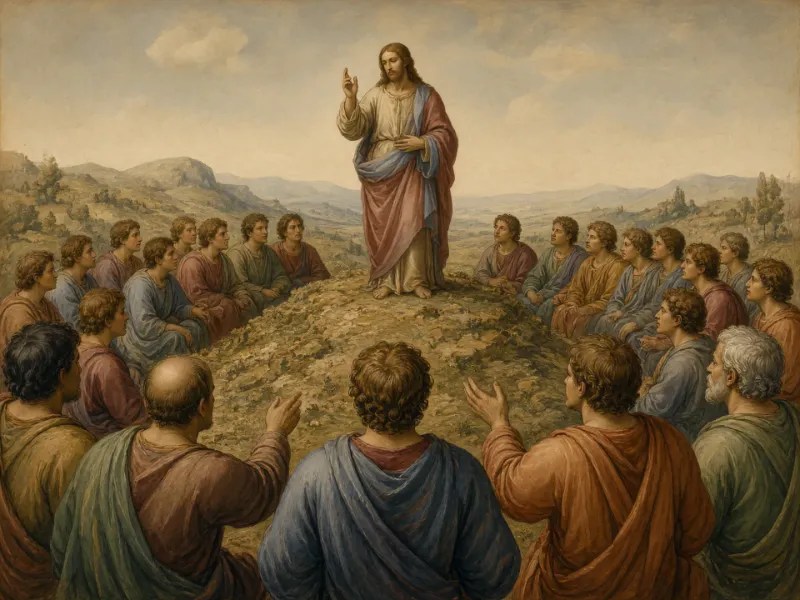
Psalm 103:2-3
“Praise the Lord, my soul, and forget not all his benefits—who forgives all your sins and heals all your diseases.”
Reflection: The psalm lists forgiveness and healing together among the benefits not to be forgotten. It does not explain how the two are related.

Psalm 147:3
“He heals the brokenhearted and binds up their wounds.”
Reflection: Binding up wounds is what a person does with a dressing. The psalm uses a physical image for the healing of a broken heart.
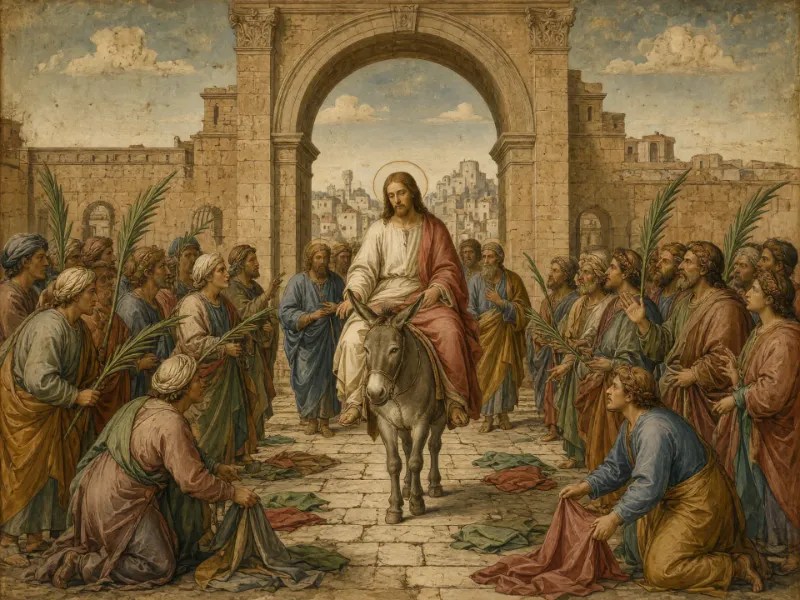
Jeremiah 30:17
“But I will restore you to health and heal your wounds,’ declares the Lord.”
Reflection: The same verse gives the reason: “because you are called an outcast, Zion for whom no one cares.” God answers for the people others had written off.
What Jesus actually did
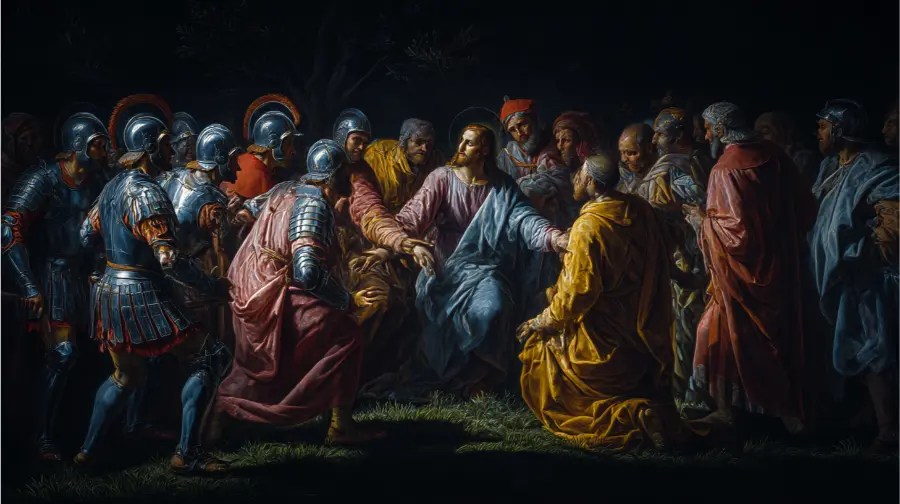
Matthew 9:35
“Jesus went through all the towns and villages, teaching in their synagogues, proclaiming the good news of the kingdom and healing every disease and sickness.”
Reflection: Matthew summarizes the work of Jesus as teaching, proclaiming and healing. The next verse says he had compassion on the crowds, “harassed and helpless” (9:36).
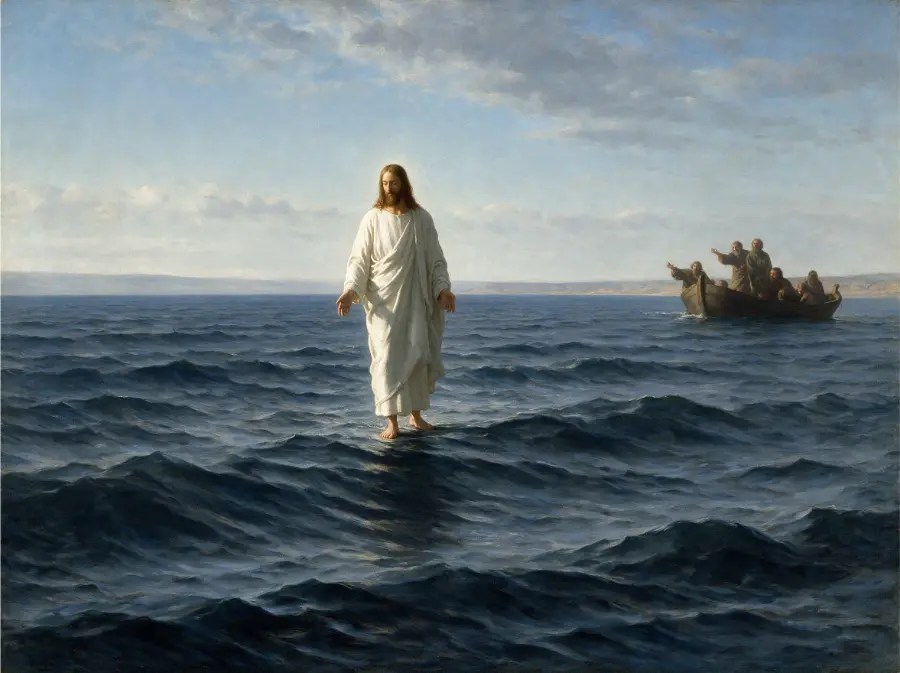
Luke 4:40
“At sunset, the people brought to Jesus all who had various kinds of sickness, and laying his hands on each one, he healed them.”
Reflection: Luke, traditionally identified with “Luke, the doctor” whom Paul mentions (Colossians 4:14), notes that Jesus laid his hands on each one, one person at a time.
Matthew 8:16-17
“When evening came, many who were demon-possessed were brought to him, and he drove out the spirits with a word and healed all the sick. This was to fulfill what was spoken through the prophet Isaiah: ‘He took up our infirmities and bore our diseases.’”
Reflection: Matthew applies Isaiah 53:4 to the healings Jesus performed. It is the clearest New Testament basis for expecting physical healing in this life.
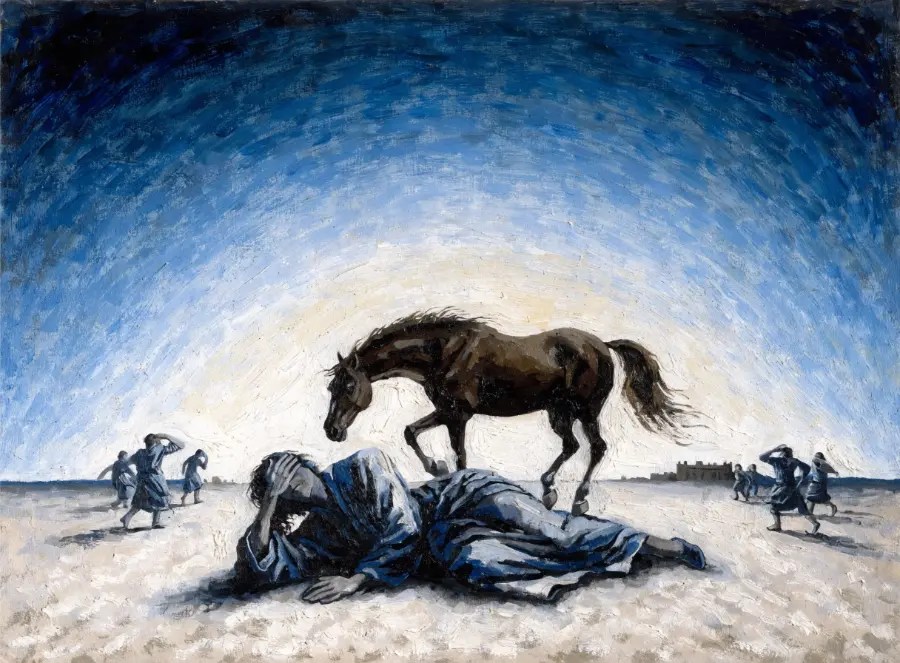
Mark 5:34
“He said to her, ‘Daughter, your faith has healed you. Go in peace and be freed from your suffering.’”
Reflection: The woman had been bleeding for twelve years and had spent all she had on doctors (5:25-26). She tried to touch his cloak unnoticed, and Jesus called her forward and addressed her as “Daughter.”

Acts 10:38
“How God anointed Jesus of Nazareth with the Holy Spirit and power, and how he went around doing good and healing all who were under the power of the devil, because God was with him.”
Reflection: Peter gives this summary of the ministry of Jesus to Cornelius, a Roman centurion (10:1). Doing good and healing appear in the same clause.
What we are told to do
James 5:14-15
“Is anyone among you sick? Let them call the elders of the church to pray over them and anoint them with oil in the name of the Lord. And the prayer offered in faith will make the sick person well.”
Reflection: The sick person calls for the elders, and the elders come, pray and anoint with oil. It is the most direct instruction about sickness in the New Testament letters.
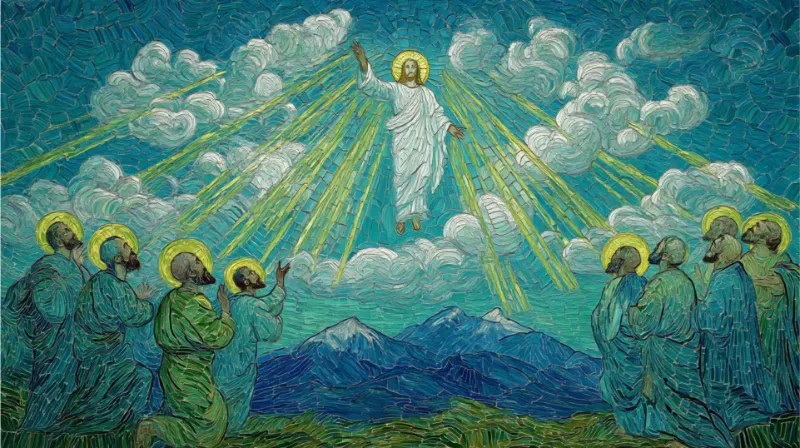
Jeremiah 17:14
“Heal me, Lord, and I will be healed; save me and I will be saved, for you are the one I praise.”
Reflection: A short prayer that asks without bargaining. The next verse shows the prophet’s situation: people were mocking him, “Where is the word of the Lord?” (17:15).

Psalm 30:2
“Lord my God, I called to you for help, and you healed me.”
Reflection: The psalm is written after the healing, in the past tense. Later it says, “weeping may stay for the night, but rejoicing comes in the morning” (30:5).
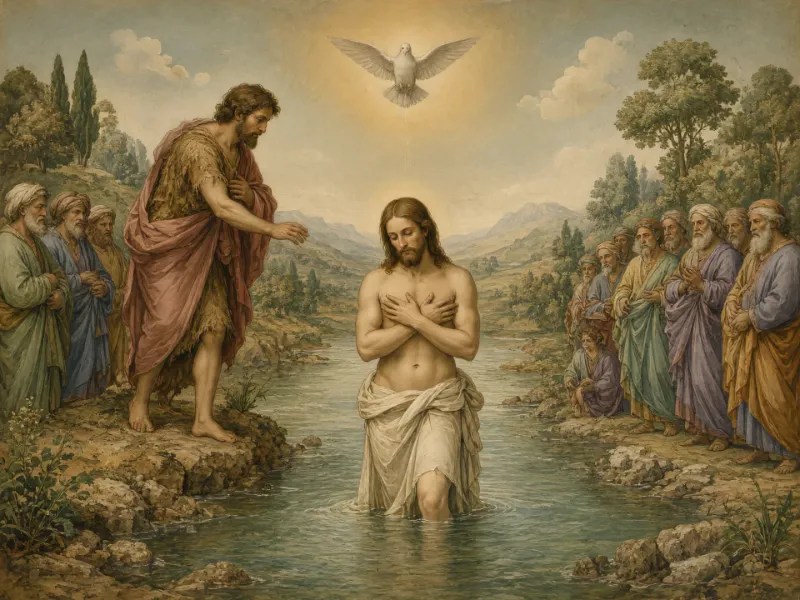
Matthew 18:19
“Again, truly I tell you that if two of you on earth agree about anything they ask for, it will be done for them by my Father in heaven.”
Reflection: Jesus says this while teaching how a church should deal with a brother or sister who sins (18:15-17). It encourages believers to pray together, and it is best read in that setting rather than as a formula.

Romans 8:26
“In the same way, the Spirit helps us in our weakness. We do not know what we ought to pray for, but the Spirit himself intercedes for us through wordless groans.”
Reflection: Paul expects that believers will not always know what to pray for. The Spirit intercedes for them when they cannot form the words.
When healing does not come
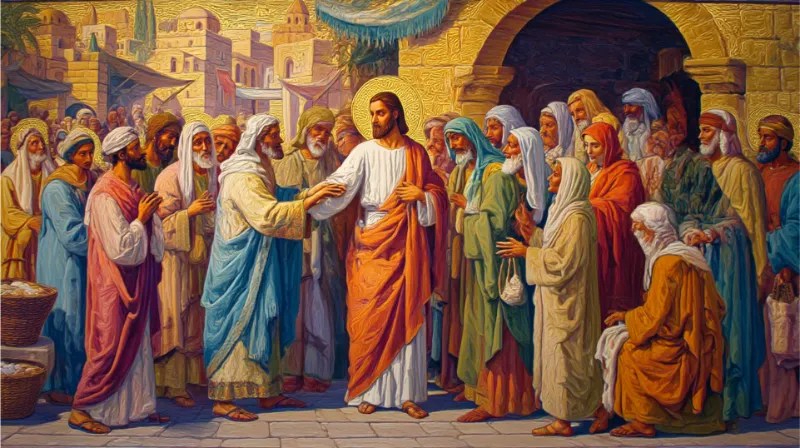
2 Corinthians 12:9
“But he said to me, ‘My grace is sufficient for you, for my power is made perfect in weakness.’ Therefore I will boast all the more gladly about my weaknesses, so that Christ’s power may rest on me.”
Reflection: Paul had asked three times for the thorn to be removed (12:8). The answer was no, and grace was promised instead.
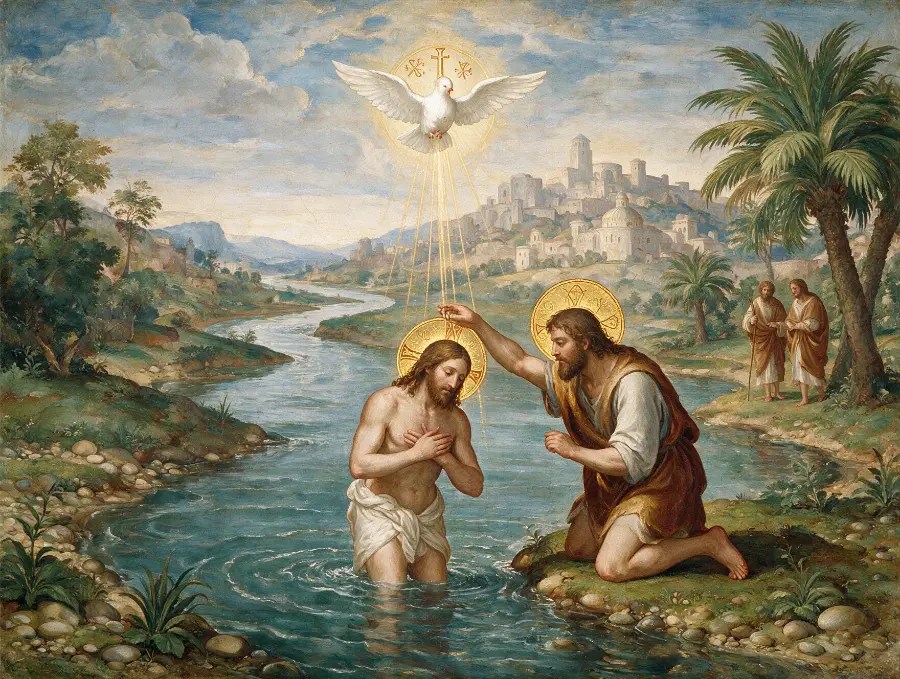
Isaiah 53:5
“But he was pierced for our transgressions, he was crushed for our iniquities; the punishment that brought us peace was on him, and by his wounds we are healed.”
Reflection: The lines around this verse speak of transgressions and iniquities. The New Testament uses Isaiah 53 in two ways: Matthew applies it to physical healing (Matthew 8:17), and Peter applies it to sin (1 Peter 2:24).
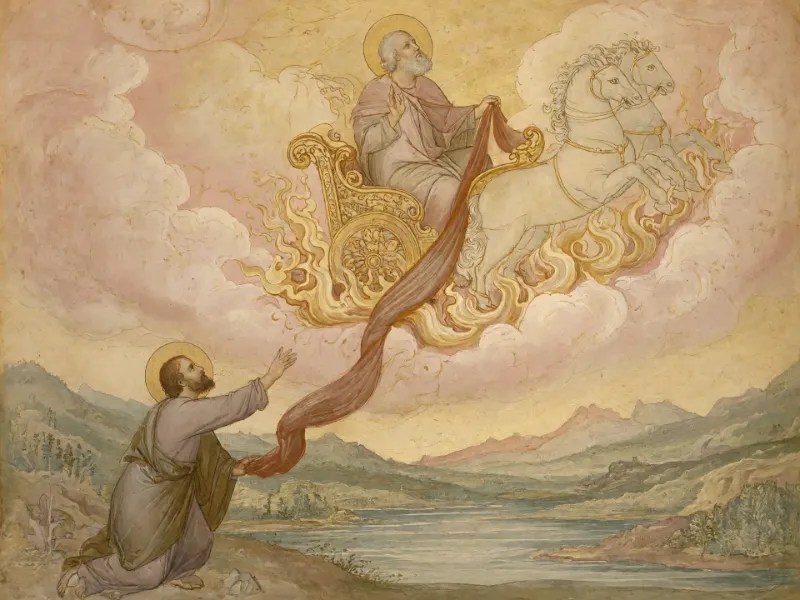
1 Peter 2:24
“‘He himself bore our sins’ in his body on the cross, so that we might die to sins and live for righteousness; ‘by his wounds you have been healed.’”
Reflection: Peter is writing to slaves who suffered under harsh masters (2:18). He applies Isaiah’s line to the cross and to dying to sin.
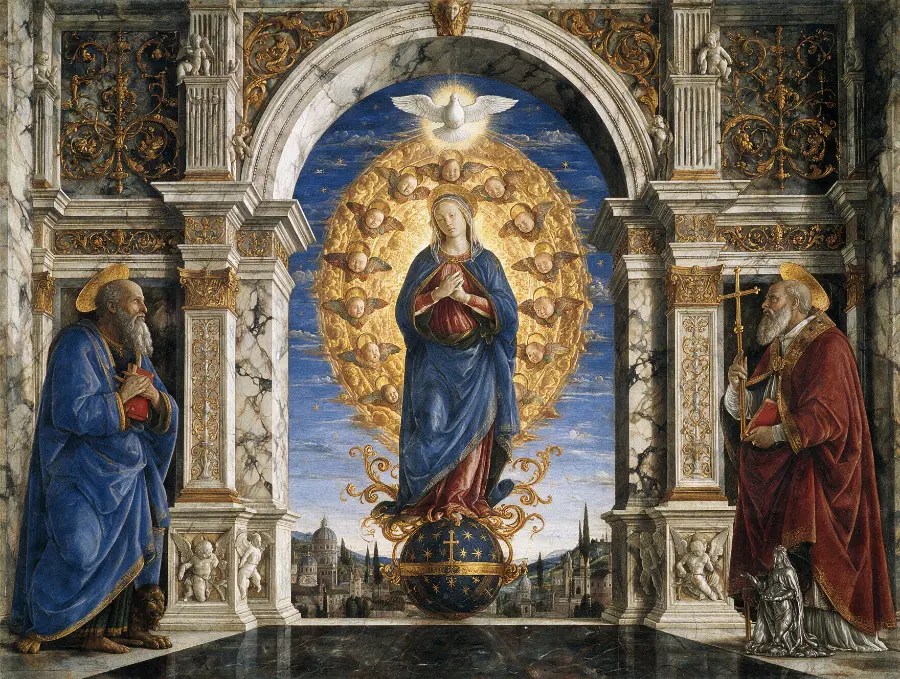
Proverbs 17:22
“A cheerful heart is good medicine, but a crushed spirit dries up the bones.”
Reflection: Proverbs connects a person’s spirit with the health of the body. It describes a pattern and should not be read as blaming the sick for their illness.
The healing that is promised to everyone
Philippians 3:20-21
“But our citizenship is in heaven. And we eagerly await a Savior from there, the Lord Jesus Christ, who, by the power that enables him to bring everything under his control, will transform our lowly bodies so that they will be like his glorious body.”
Reflection: Paul promises that Christ will transform the believer’s body to be like his glorious body. The hope is a transformed body, not an escape from the body.
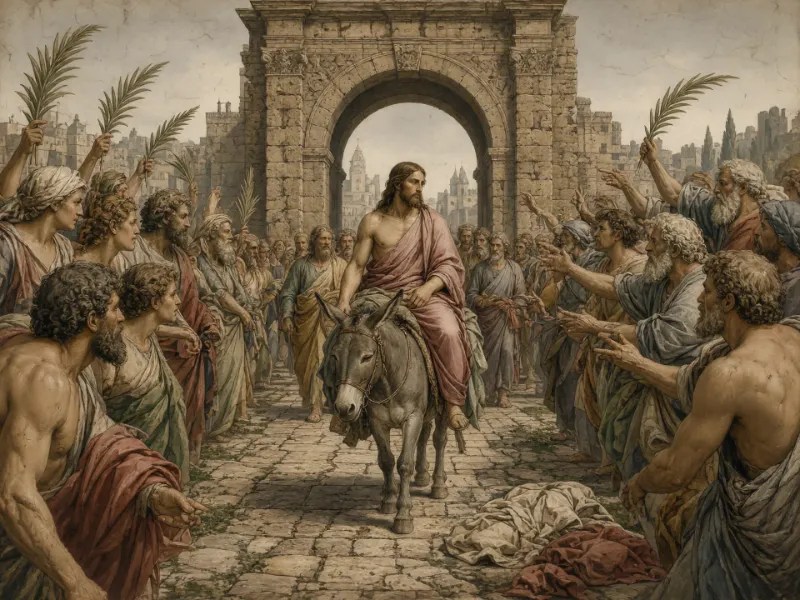
Revelation 21:4
“‘He will wipe every tear from their eyes. There will be no more death’ or mourning or crying or pain, for the old order of things has passed away.”
Reflection: John echoes Isaiah 25:8, where the Sovereign Lord wipes away the tears from all faces. Death, mourning and pain belong to “the old order of things.”
If you are ill, or sitting beside someone who is
If you are ill, pray as Jeremiah did, and follow James’s instruction: call the elders of your church to pray over you and anoint you with oil. It is the one procedure for sickness the New Testament gives.
If healing has not come, you are in company Scripture records: Paul’s thorn stayed, Trophimus was left sick, and Timothy kept his stomach trouble. Their hope was the transformed body of Philippians 3:21. For words to pray, there are prayers for healing.


Leave a Reply