
 English
 Chinese
 Dutch
 Arabic
 Spanish
 Portuguese
 Russian
 French
 Italian
 German
 Japanese
The Bible treats the family as a household God blesses and gives work to. Parents teach their children (Deuteronomy 6:6-7), children honour their parents (Exodus 20:12), and Joshua answers for his whole house (Joshua 24:15).
Scripture is just as plain about families that fail. The first brothers in Genesis end in a murder, Proverbs weighs a plain meal with love against a feast with hatred, and Jesus warns that following him can divide a household.
How a family begins and what counts as its blessing
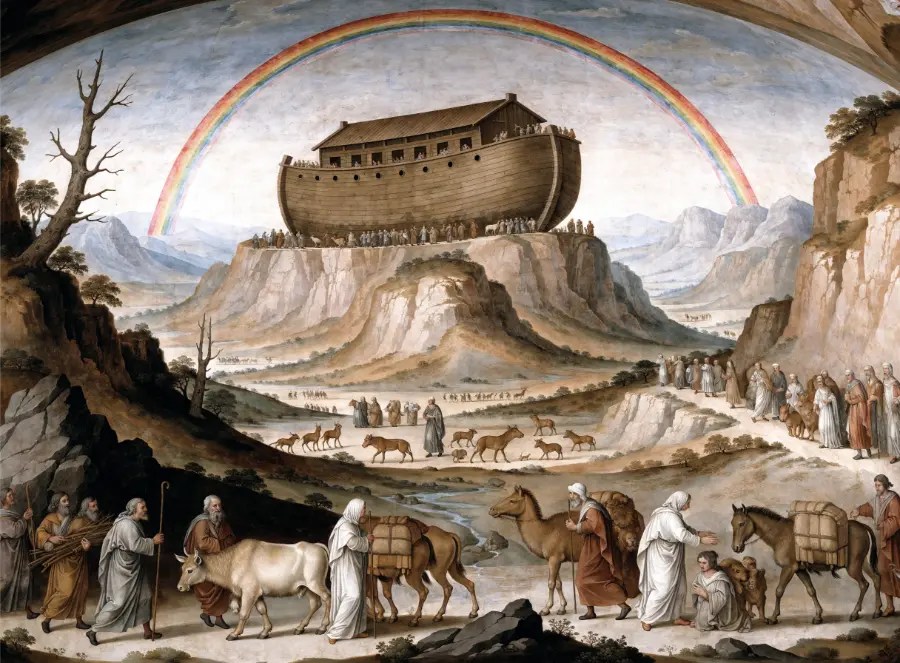
Genesis 1:28
“And God blessed them. And God said to them, ‘Be fruitful and multiply and fill the earth and subdue it, and have dominion over the fish of the sea and over the birds of the heavens and over every living thing that moves on the earth.’”
Reflection: The verse follows directly on “male and female he created them” (Genesis 1:27), so the first blessing God speaks to people is also a command to have children. The same words, “Be fruitful and multiply and fill the earth,” are spoken again to Noah and his sons after the flood (Genesis 9:1).
Proverbs 18:22
“He who finds a wife finds a good thing and obtains favor from the Lord.”
Reflection: The proverb counts finding a wife as finding a good thing and as receiving favour from the Lord. Proverbs returns to the thought at its close with the question “An excellent wife who can find?” (Proverbs 31:10).
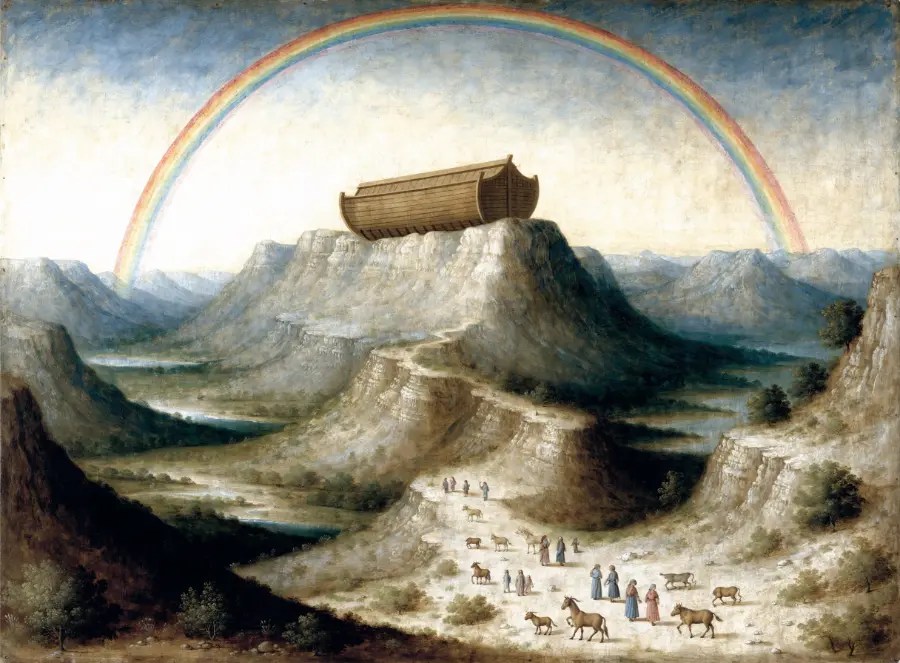
Psalm 127:3
“Behold, children are a heritage from the Lord, the fruit of the womb a reward.”
Reflection: The psalm opens with “Unless the Lord builds the house, those who build it labor in vain,” and then turns from the building to the people in it. Children are called a heritage, something handed on by the Lord, and the next verses compare them to arrows in a warrior’s hand.

Psalm 128:3
“Your wife will be like a fruitful vine within your house; your children will be like olive shoots around your table.”
Reflection: This psalm describes the household of “everyone who fears the Lord” (verse 1): a wife like a fruitful vine inside the house and children like young olive trees around the table. It ends with the wish “May you see your children’s children!” (verse 6).
Proverbs 17:6
“Grandchildren are the crown of the aged, and the glory of children is their fathers.”
Reflection: The proverb names two honours across three generations. Grandchildren are the crown of the old, and fathers are the glory of their children.
What family members owe one another
Exodus 20:12
“Honor your father and your mother, that your days may be long in the land that the Lord your God is giving you.”
Reflection: Among the Ten Commandments, the ones about God come first, and the ones about other people begin here, in the home. It carries a promise of long life in the land, which Paul points out when he quotes it to children in Ephesians 6:2-3: “this is the first commandment with a promise.”
Ephesians 6:4
“Fathers, do not provoke your children to anger, but bring them up in the discipline and instruction of the Lord.”
Reflection: Paul has just told children to obey and honour their parents (Ephesians 6:1-3), and here he turns to fathers. They are not to provoke their children to anger but to raise them in the Lord’s discipline and instruction. The parallel in Colossians 3:21 gives the reason: “lest they become discouraged.”
Ephesians 5:25
“Husbands, love your wives, as Christ loved the church and gave himself up for her.”
Reflection: The measure Paul sets for a husband is Christ, who “gave himself up” for the church. Verse 31 quotes Genesis 2:24, “the two shall become one flesh,” and verse 33 sums up: the husband loves his wife as himself, and the wife respects her husband. Christians read the surrounding call for wives to submit (verses 22-24) differently: complementarian churches take it as a lasting order of headship in marriage, while egalitarian readers stress verse 21, “submitting to one another out of reverence for Christ,” as governing the whole passage.
1 Timothy 5:8
“But if anyone does not provide for his relatives, and especially for members of his household, he has denied the faith and is worse than an unbeliever.”
Reflection: Paul is instructing Timothy about widows in the church. Before the church supports a widow, her children and grandchildren are to “make some return to their parents” (verse 4). Anyone who will not provide for relatives, and especially for his own household, “has denied the faith.”
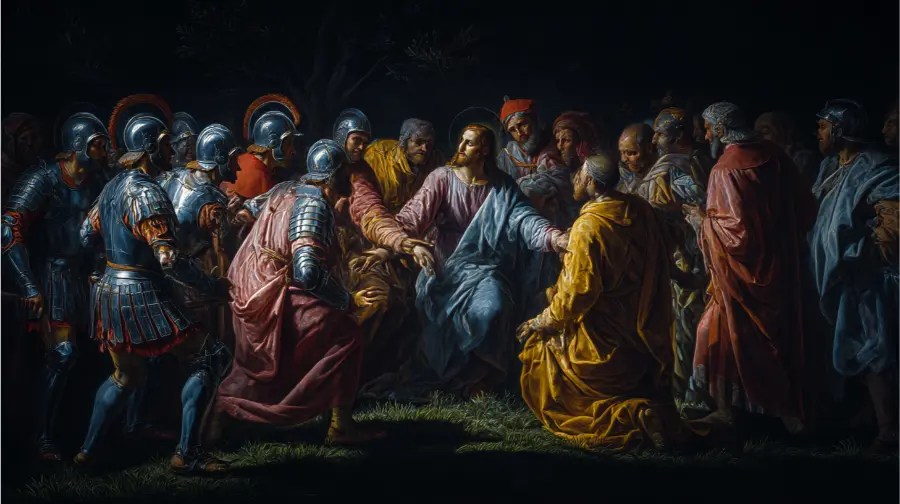
Joshua 24:15
“And if it is evil in your eyes to serve the Lord, choose this day whom you will serve, whether the gods your fathers served in the region beyond the River, or the gods of the Amorites in whose land you dwell. But as for me and my house, we will serve the Lord.”
Reflection: Joshua has gathered the tribes at Shechem and retold their history, beginning with ancestors who “served other gods” beyond the Euphrates (verse 2). He puts the choice to the whole nation and answers first for his own household. The people then reply, “Far be it from us that we should forsake the Lord” (verse 16).
Passing faith from parents to children
Deuteronomy 6:6-7
“And these words that I command you today shall be on your heart. You shall teach them diligently to your children, and shall talk of them when you sit in your house, and when you walk by the way, and when you lie down, and when you rise.”
Reflection: These verses come straight after “Hear, O Israel: The Lord our God, the Lord is one” and the command to love God with all the heart, soul and might. The teaching happens in ordinary hours at home, sitting, walking, lying down and getting up, and verse 9 has the words written on the doorposts and gates.
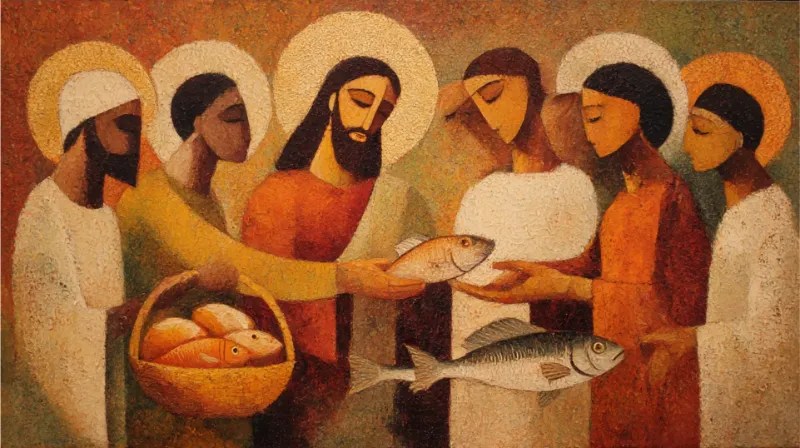
Proverbs 1:8-9
“Hear, my son, your father’s instruction, and forsake not your mother’s teaching, for they are a graceful garland for your head and pendants for your neck.”
Reflection: The first address to “my son” in Proverbs comes right after “The fear of the Lord is the beginning of knowledge” (Proverbs 1:7). Both parents teach: the father gives instruction and the mother gives teaching, and the son is told to wear them as a garland and a necklace.
Proverbs 22:6
“Train up a child in the way he should go; even when he is old he will not depart from it.”
Reflection: The proverb links early training to the direction of a whole life. Christians read it in two ways: some take it as a promise that a child trained in God’s way will return to it, while others read it, like most proverbs, as a statement of how things usually go rather than a guarantee for every child.

Psalm 78:4
“We will not hide them from their children, but tell to the coming generation the glorious deeds of the Lord, and his might, and the wonders that he has done.”
Reflection: The psalmist is retelling what “our fathers have told us” (verse 3), and verses 5-7 explain why: God commanded the fathers to teach their children so that “the children yet unborn” would hear it in turn. The chain runs through several generations, and the psalm gives the goal, that they “set their hope in God.”

2 Timothy 1:5
“I am reminded of your sincere faith, a faith that dwelt first in your grandmother Lois and your mother Eunice and now, I am sure, dwells in you as well.”
Reflection: Paul writes to Timothy and names the two women who passed the faith to him, his grandmother Lois and his mother Eunice. Later in the letter he reminds Timothy that “from childhood you have been acquainted with the sacred writings” (2 Timothy 3:15).
When families go wrong

Genesis 4:8
“Cain spoke to Abel his brother. And when they were in the field, Cain rose up against his brother Abel and killed him.”
Reflection: Before the killing, God had warned Cain that “sin is crouching at the door” and that he must rule over it (Genesis 4:7). Afterwards Cain answers God’s question about Abel with “Am I my brother’s keeper?” (verse 9).
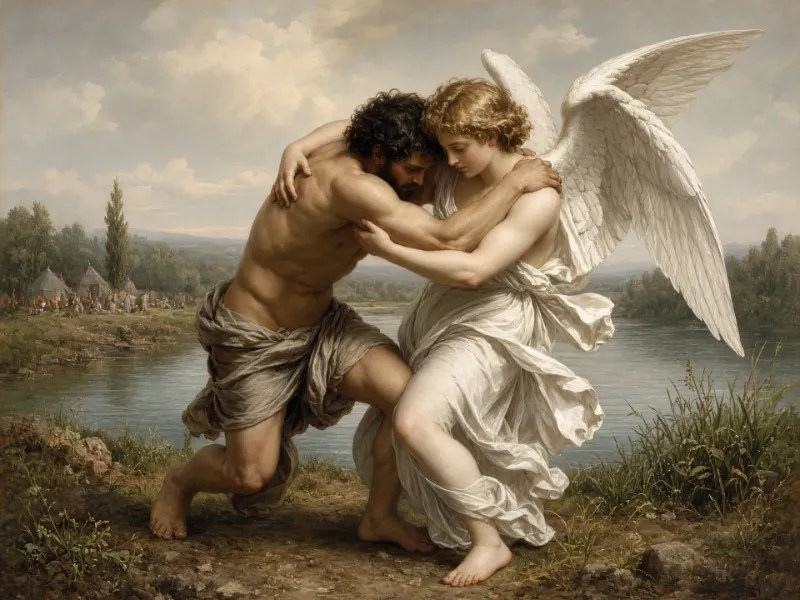
Proverbs 15:17
“Better is a dinner of herbs where love is than a fattened ox and hatred with it.”
Reflection: A plain dish of vegetables with love is set against a fattened ox served with hatred. The verse before makes the same comparison with the fear of the Lord, and Proverbs 17:1 repeats it for the home: “Better is a dry morsel with quiet than a house full of feasting with strife.”

Matthew 10:35-36
“For I have come to set a man against his father, and a daughter against her mother, and a daughter-in-law against her mother-in-law. And a person’s enemies will be those of his own household.”
Reflection: Jesus is sending out the twelve and warning them what following him will cost. His words echo Micah 7:6, where a household turned against itself is a sign of a corrupt age. The next verse gives the point: “Whoever loves father or mother more than me is not worthy of me.” Luke 12:52-53 records a similar saying about five in one house divided.
What holds a household together
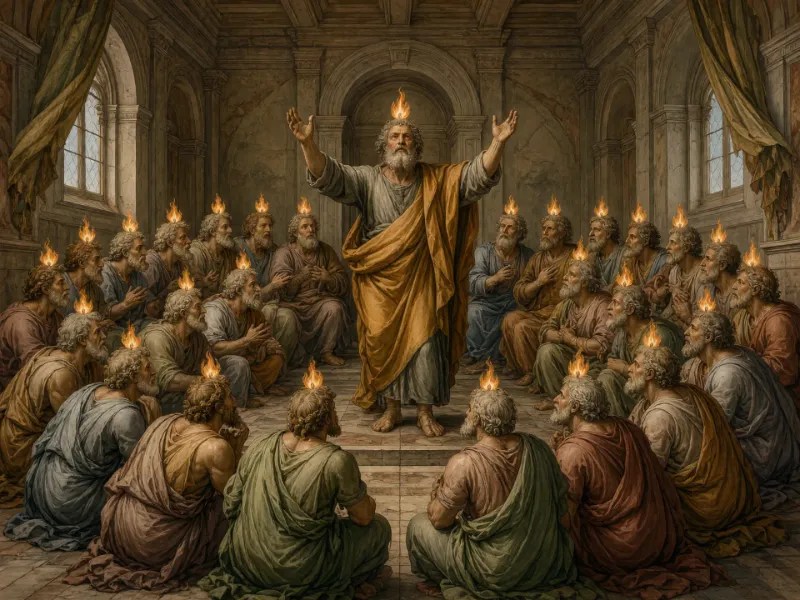
Colossians 3:13
“Bearing with one another and, if one has a complaint against another, forgiving each other; as the Lord has forgiven you, so you also must forgive.”
Reflection: Paul is writing to a church, and a few verses later the same letter moves straight into instructions for wives, husbands, children and fathers (Colossians 3:18-21). Forgiving is modelled on the Lord’s own forgiveness, and verse 14 adds love, “which binds everything together in perfect harmony.”
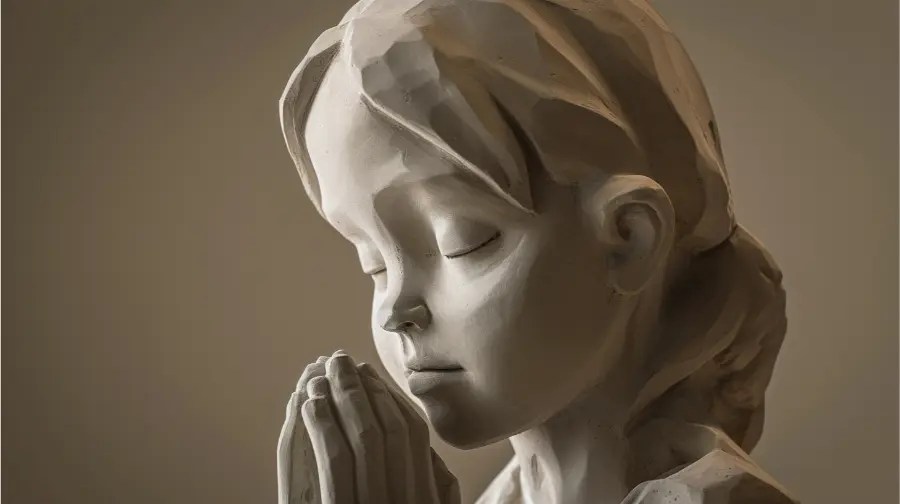
Psalm 133:1
“Behold, how good and pleasant it is when brothers dwell in unity!”
Reflection: The psalm is about brothers living together in agreement. It compares that unity to the anointing oil running down Aaron’s beard and the dew of Hermon falling on Zion, and it ends, “For there the Lord has commanded the blessing, life forevermore.”
Reading these verses at home
Deuteronomy 6:7 places the teaching of children in the ordinary hours of a household’s day: sitting at home, walking, lying down and getting up. Joshua 24:15 and Psalm 78 were addressed to the whole people, but both turn on the household: Joshua answers for his own house, and Psalm 78:5 gives the teaching to fathers, who pass it to their children.
The household as a unit
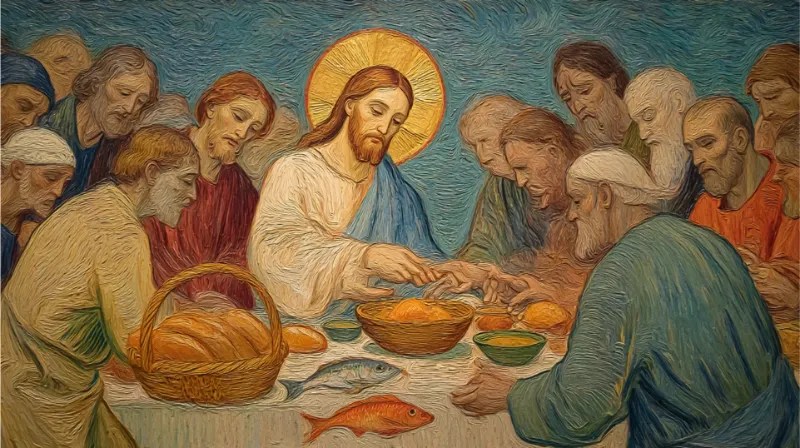
Malachi 4:6
“He will turn the hearts of the parents to their children, and the hearts of the children to their parents.”
Reflection: In the order of most English Bibles, these are the last words of the Old Testament. Luke applies the promise to John the Baptist (Luke 1:17).
What holds a family together on a bad day
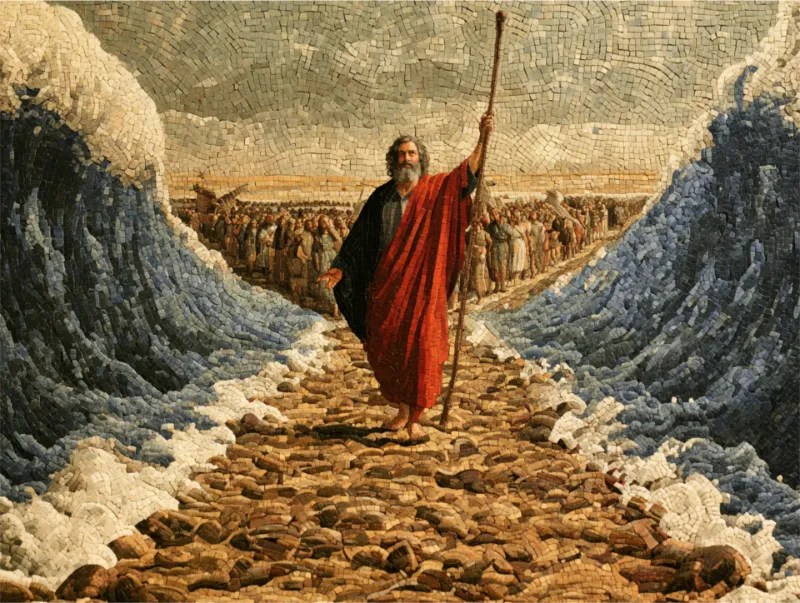
1 Peter 4:8
“Above all, love each other deeply, because love covers over a multitude of sins.”
Reflection: The Greek word translated “deeply” comes from a verb meaning to stretch out: love that is earnest and sustained. Peter is quoting Proverbs 10:12, “love covers over all wrongs.”
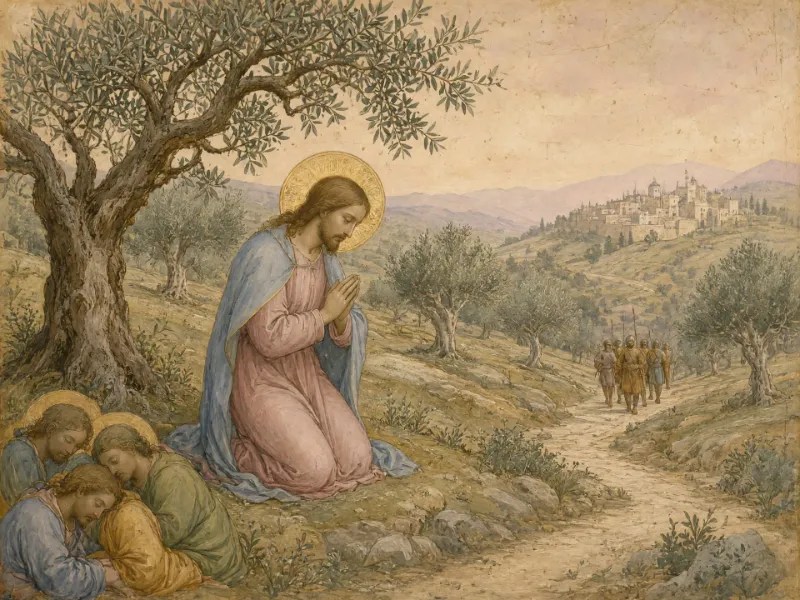
Colossians 3:14
“And over all these virtues put on love, which binds them all together in perfect unity.”
Reflection: Paul has been describing virtues as clothes to put on (3:12). Love is put on over all of them.
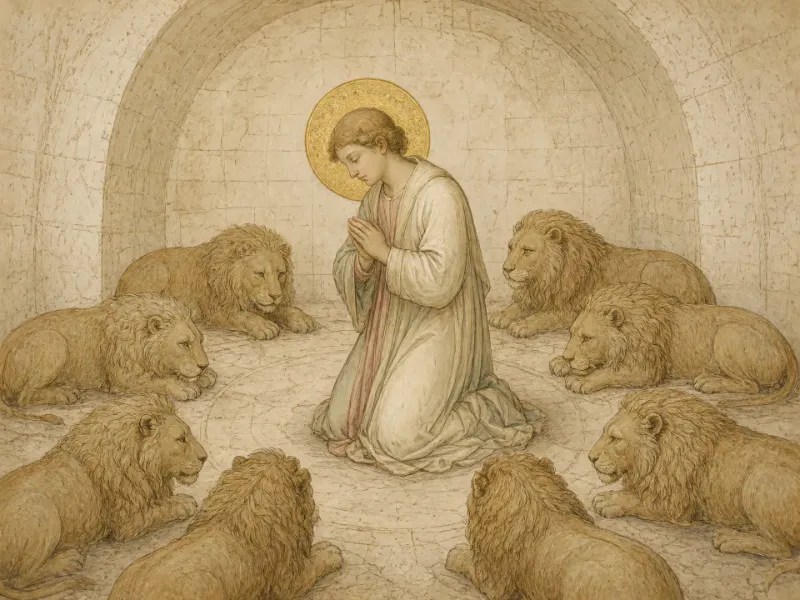
Romans 12:10
“Be devoted to one another in love. Honor one another above yourselves.”
Reflection: The Greek word behind “devoted” describes the affection of family members for one another. Paul uses it for a congregation.
The married pair
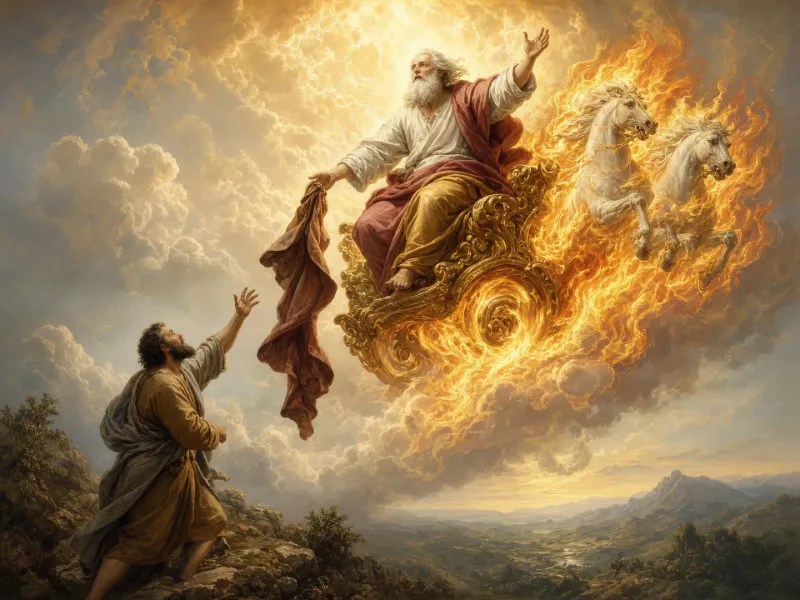
Genesis 2:24
“Therefore a man shall leave his father and his mother and hold fast to his wife, and they shall become one flesh.”
Reflection: Leaving comes before holding fast: a new household begins by departing from an existing one.
Ephesians 5:33
“However, each one of you also must love his wife as he loves himself, and the wife must respect her husband.”
Reflection: Paul sums up his long passage on marriage (5:21-33) with love and respect.

Proverbs 31:10-11
“A wife of noble character who can find? She is worth far more than rubies. Her husband has full confidence in her.”
Reflection: The same Hebrew phrase, a woman of strength and worth, describes Ruth (Ruth 3:11). The husband’s confidence rests on her judgment.
Love that starts somewhere else

1 John 4:19
“We love because he first loved us.”
Reflection: John places God’s love first. The love in a household is a response to it.
1 Corinthians 13:4-7
“Love is patient, love is kind. It does not envy, it does not boast, it is not proud. It does not dishonor others, it is not self-seeking, it is not easily angered, it keeps no record of wrongs. Love does not delight in evil but rejoices with the truth. It always protects, always trusts, always hopes, always perseveres.”
Reflection: “Keeps no record of wrongs” uses an accounting word: love does not keep a tally of injuries.


Leave a Reply