
 English
 Chinese
 Dutch
 Arabic
 Spanish
 Portuguese
 Russian
 French
 Italian
 German
 Japanese
Seventy-nine times: that is how often “blessing” and “blessings” appear in the King James translation. “Blessed” is far more common: it appears 302 times. Every form of the word together, from bless and blessed to blesseth and blessedness, comes to 522, and 410 of those are in the Old Testament.
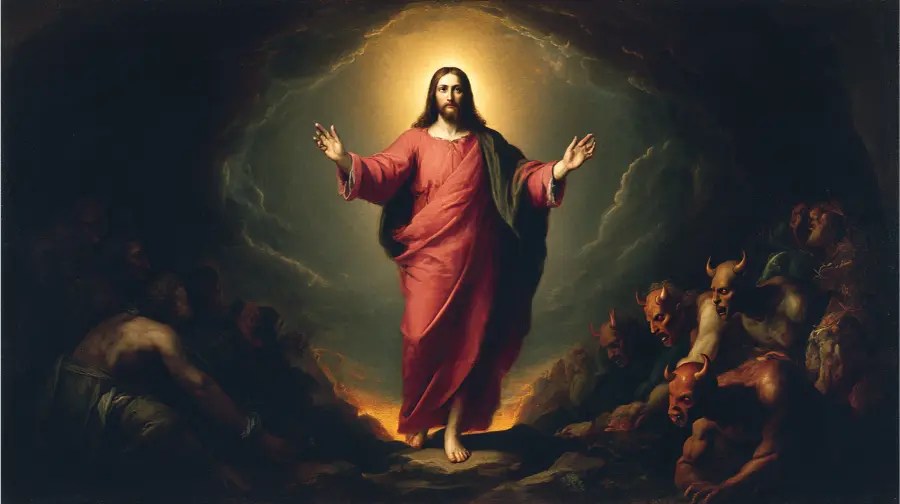
So the Bible blesses often, and it does something unusual with the word. In Hebrew, the verb the King James Bible translates “bless” is barak, and Strong’s concordance gives its first meaning as “to kneel”. The psalmist uses it that way, “let us kneel before the LORD our maker” (Psalm 95:6), and a few pages later the same verb turns toward God in praise: “Bless the LORD, O my soul: and all that is within me, bless his holy name” (Psalm 103:1). God blesses us, and we bless him back. Luke’s Gospel ends with both at once. The risen Jesus “lifted up his hands, and blessed them”, and his friends went back to Jerusalem and “were continually in the temple, praising and blessing God” (Luke 24:50, 53).
How many times does the Bible say “blessed”?
In the King James Version, “blessed” comes 302 times in 287 verses. The Psalms use it most, 49 times, then Genesis with 48, Luke with 28 and Matthew with 18. “Bless” comes 127 times, “blesseth” 8, “blessest” 3 and “blessedness” 3. With “blessing” and “blessings” the whole family of words appears 522 times in 463 verses.
“Blessing” itself comes 67 times and “blessings” 12, and they are most at home in Genesis, 18 times, and Deuteronomy, 14. Seven of the 67 uses of “blessing” come in a single chapter, Genesis 27, on the day Jacob took his brother’s blessing. When Esau found out, he “cried with a great and exceeding bitter cry”, and asked his father, “Hast thou but one blessing, my father? bless me, even me also, O my father” (Genesis 27:34, 38). A father’s word over his child was worth weeping for.
The first “blessed” in the Bible is God’s word over the fish and the birds on the fifth day: “And God blessed them, saying, Be fruitful, and multiply” (Genesis 1:22). The first “blessing” is his promise to Abram, “I will bless thee, and make thy name great; and thou shalt be a blessing” (Genesis 12:2). The last “blessing” goes the other way, from every creature back to God: “Blessing, and glory, and wisdom, and thanksgiving, and honour, and power, and might, be unto our God for ever and ever. Amen” (Revelation 7:12).
Each word was counted on its own, as a whole word in the King James text without the Apocrypha, so “blessed” is not counted under “blessing”, and your own Bible may give other totals. In the Spanish Reina-Valera 1960, “bendición” appears 61 times and “bendiciones” 13 times, 74 in all, counted verse by verse from BibleGateway’s search of that translation, keeping only those two exact words.
How many blessings are there in the Bible?
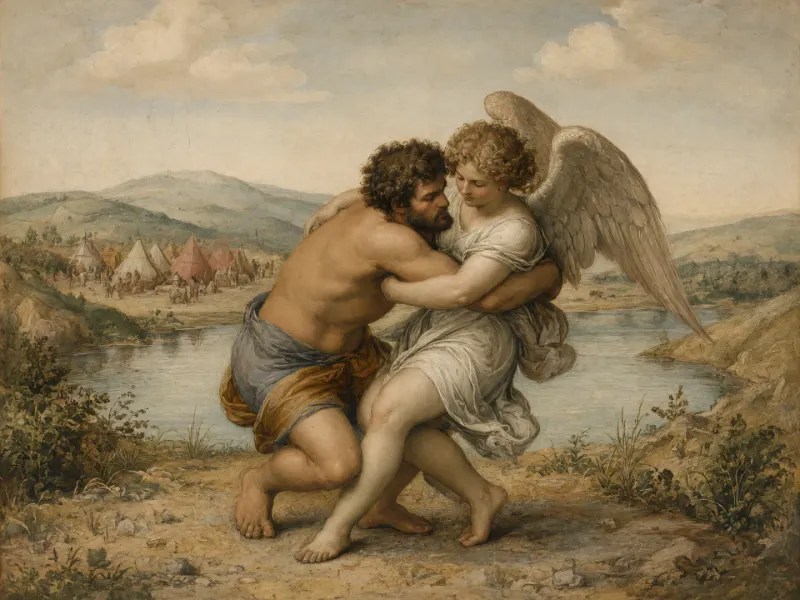
Scripture never numbers them. There is no list of the Bible’s blessings, and the counts of words above are the only totals anyone can check. What the Bible gives instead is a line of blessings handed from one person to the next. God blesses the first man and woman (Genesis 1:28) and the seventh day (Genesis 2:3). Abram is told that “in thee shall all families of the earth be blessed” (Genesis 12:3), and Paul later says that promise reached the Gentiles “through Jesus Christ” (Galatians 3:14). Jacob wrestles through the night and will not let go “except thou bless me” (Genesis 32:26), and on his deathbed he blesses all twelve of his sons, “every one according to his blessing” (Genesis 49:28).
God gave Aaron’s priests a blessing to speak over Israel: “The LORD bless thee, and keep thee: The LORD make his face shine upon thee, and be gracious unto thee: The LORD lift up his countenance upon thee, and give thee peace” (Numbers 6:24–26). God adds his own promise to their words, “and I will bless them” (Numbers 6:27). Its background is in the Aaronic blessing.
Jesus blessed with his hands. He took little children “up in his arms, put his hands upon them, and blessed them” (Mark 10:16). At the Last Supper he “took bread, and blessed it, and brake it” (Matthew 26:26). And his last act on earth, in Luke’s telling, was a blessing.
Is “blessed” in the Beatitudes the same as being blessed by God?
Not quite, and the Greek shows the difference. When Jesus says “Blessed are the poor in spirit” (Matthew 5:3), the word is makarios, which Strong’s defines as “supremely blest; by extension, fortunate, well off”. It describes a person’s condition, and the King James Bible sometimes translates it “happy”. The other Greek word, eulogeo, is used when God blesses his people and when they bless him. Strong’s defines it as “to speak well of”, and its noun, eulogia, is where English gets “eulogy”. The Old Testament makes the same distinction: “Blessed is the man that walketh not in the counsel of the ungodly” (Psalm 1:1) uses ashre, a word of congratulation that Thayer’s lexicon pairs with makarios, while the blessing spoken over someone uses barak.
The Beatitudes turn the world’s idea of a fortunate person upside down. The poor in spirit, the mourners, the meek and the persecuted are the ones Jesus calls blessed (Matthew 5:3–10). Each of the eight is taken in turn in the Beatitudes explained.
What does it mean to bless God?
It means what the psalmist meant: to kneel before him and speak well of him. We cannot add anything to God, so our blessing is thanks and praise, the creature giving back what it received. The Psalms are full of it, and in Revelation John hears “every creature which is in heaven, and on the earth” saying, “Blessing, and honour, and glory, and power, be unto him that sitteth upon the throne, and unto the Lamb for ever and ever” (Revelation 5:13). The best-known verses on God’s gifts to us are gathered in 18 Bible verses about blessings from God.
How can Christians bless other people?
By speaking well of them to God and to their faces, even when they do not deserve it. Jesus asks this of us in the Sermon on the Mount: “Love your enemies, bless them that curse you” (Matthew 5:44). Paul repeats it, “Bless them which persecute you: bless, and curse not” (Romans 12:14), and Peter says it is the very thing we were called for: “Not rendering evil for evil, or railing for railing: but contrariwise blessing; knowing that ye are thereunto called, that ye should inherit a blessing” (1 Peter 3:9).
James knew how hard this is for a human mouth. “Therewith bless we God, even the Father; and therewith curse we men, which are made after the similitude of God. Out of the same mouth proceedeth blessing and cursing. My brethren, these things ought not so to be” (James 3:9–10). A mouth that blesses God on Sunday is meant to bless the neighbour on Monday.
That was Abram’s calling from the start. He was blessed so that he would be a blessing, and the promise has come down to us. Paul opens his letter to the Ephesians with the word running both ways in a single sentence: “Blessed be the God and Father of our Lord Jesus Christ, who hath blessed us with all spiritual blessings in heavenly places in Christ” (Ephesians 1:3).


Leave a Reply