
 English
 Chinese
 Dutch
 Arabic
 Spanish
 Portuguese
 Russian
 French
 Italian
 German
 Japanese
Scripture gives a household several things to say over a new home: a promise of God’s protection, a decision to serve him, and a blessing spoken over the people who will live there. The passages below include Psalm 91:1-2 for protection, Joshua 24:15 for the decision, and Numbers 6:24-26 for the blessing.
Fixing God’s words to a house comes from Deuteronomy 6:9, “Write them on the doorframes of your houses and on your gates,” which Jewish households still keep with a mezuzah on the doorpost.
At the door
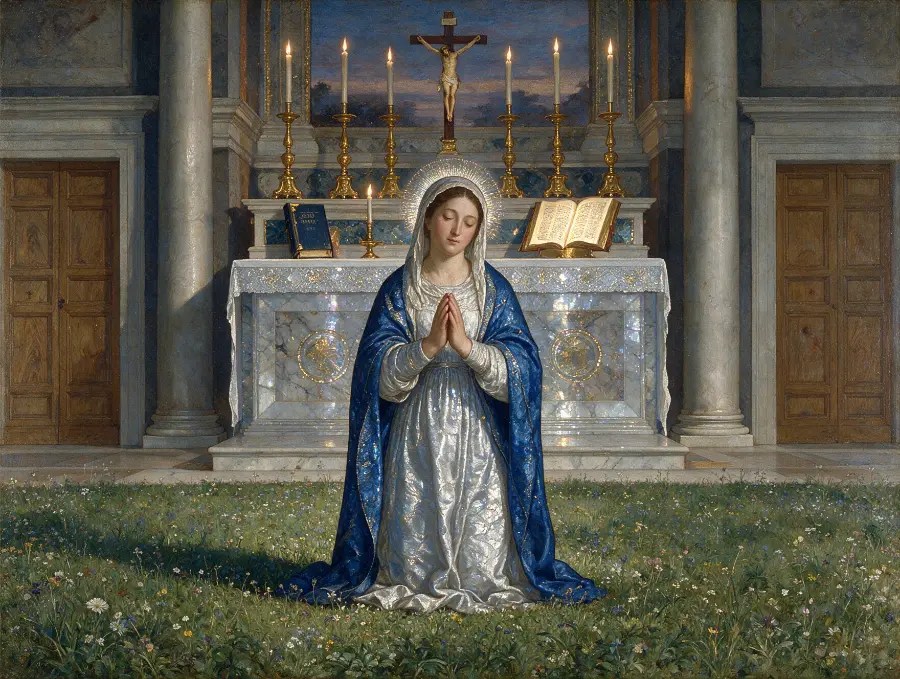
Deuteronomy 6:6-9
“These commandments that I give you today are to be on your hearts. Impress them on your children. Talk about them when you sit at home and when you walk along the road, when you lie down and when you get up. Tie them as symbols on your hands and bind them on your foreheads. Write them on the doorframes of your houses and on your gates.”
Reflection: Moses names the times God’s words are to be talked about at home: sitting, walking, lying down, and getting up. Then he tells Israel to write them on the doorframes, where the family will see them every time they go in or out.
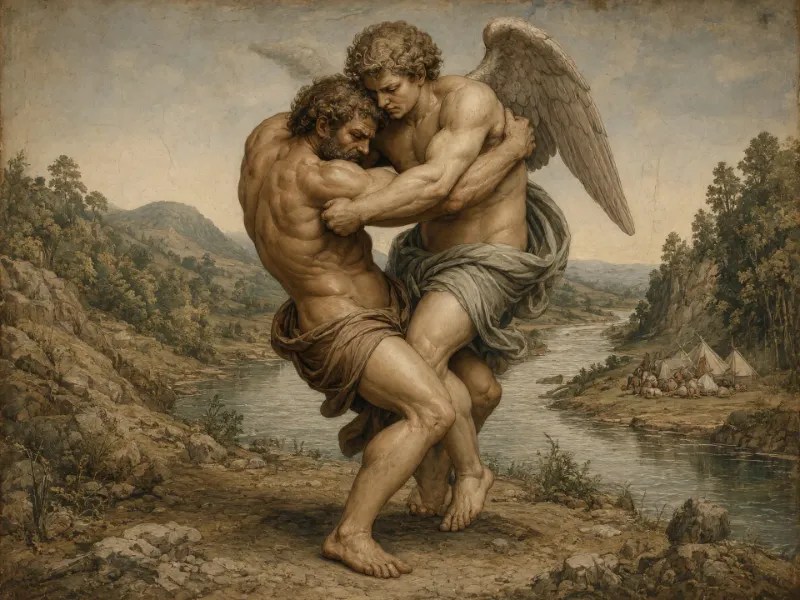
Proverbs 18:10
“The name of the Lord is a fortified tower; the righteous run to it and are safe.”
Reflection: The next verse gives the contrast: “The wealth of the rich is their fortified city; they imagine it a wall too high to scale” (18:11). A house is property; the refuge this proverb offers is the name of the Lord.
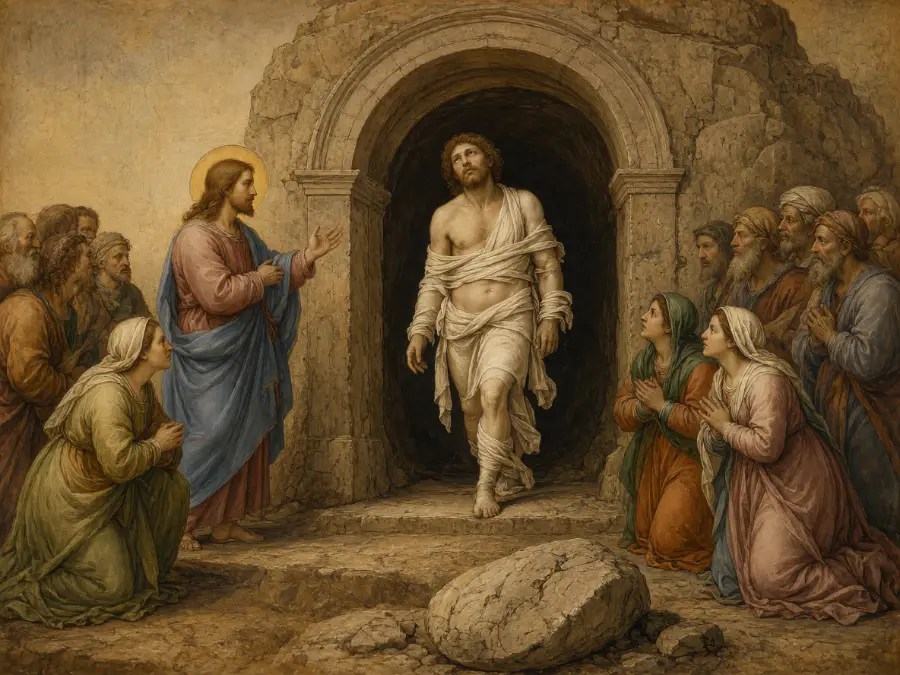
Psalm 91:1-2
“Whoever dwells in the shelter of the Most High will rest in the shadow of the Almighty. I will say of the Lord, ‘He is my refuge and my fortress, my God, in whom I trust.’”
Reflection: The psalm describes life with God in the language of a home: dwelling, shelter, shade. It goes on to promise that “no disaster will come near your tent” (91:10), which is why it is often read as a prayer for a household’s protection.
Who is actually building it

Psalm 127:1
“Unless the Lord builds the house, the builders labor in vain. Unless the Lord watches over the city, the guards stand watch in vain.”
Reflection: The heading attributes the psalm to Solomon, who spent seven years building the temple and thirteen building his palace (1 Kings 6:38; 7:1). The verse says any house, and any city’s security, depends on the Lord.
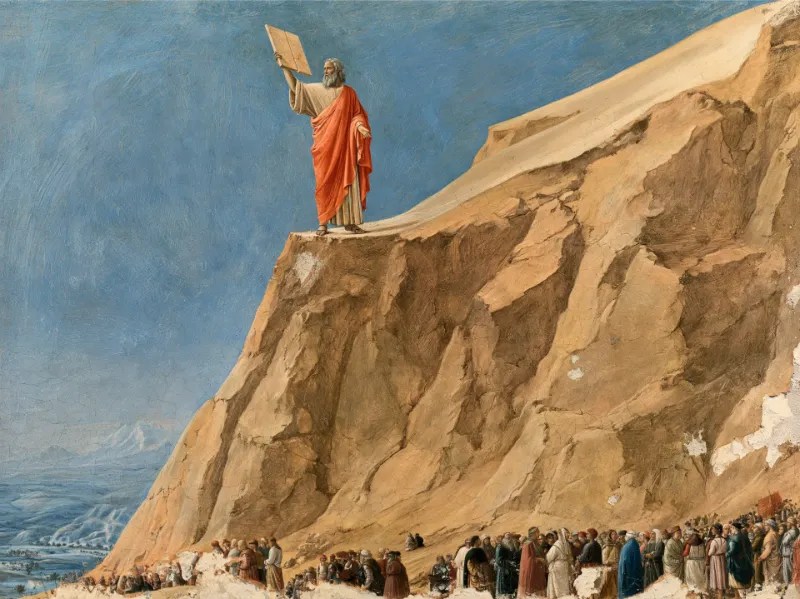
Proverbs 24:3-4
“By wisdom a house is built, and through understanding it is established; through knowledge its rooms are filled with rare and beautiful treasures.”
Reflection: The proverb names three stages, a house built, established, and filled, and gives each its own source: wisdom, understanding, and knowledge. The rooms are filled last.
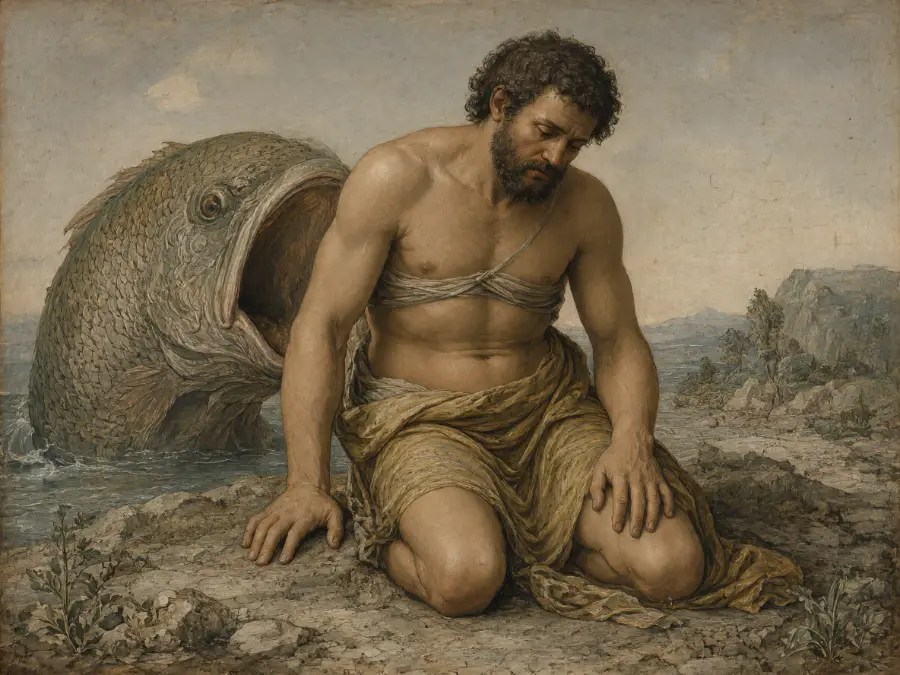
Joshua 24:15
“But as for me and my household, we will serve the Lord.”
Reflection: Joshua says this at Shechem, where he had gathered all the tribes of Israel near the end of his life (24:1). The full verse first tells them to choose whom they will serve; this sentence is his answer for his own household.
For peace in the rooms
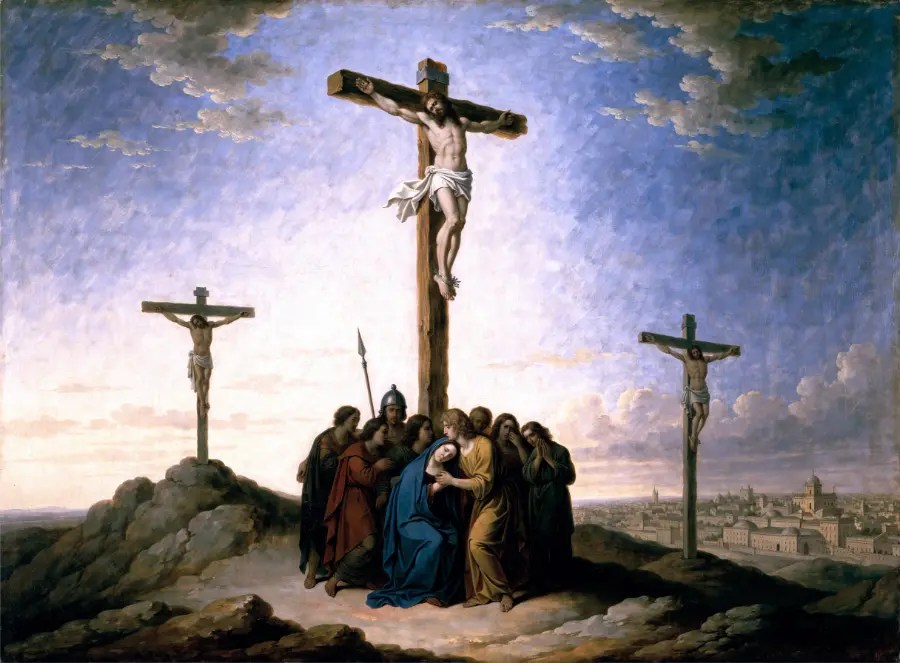
Isaiah 32:18
“My people will live in peaceful dwelling places, in secure homes, in undisturbed places of rest.”
Reflection: Isaiah describes the peace that follows when God’s Spirit is poured out and justice is done: “The fruit of that righteousness will be peace; its effect will be quietness and confidence forever” (32:17). Secure homes and undisturbed rest are part of that promise.
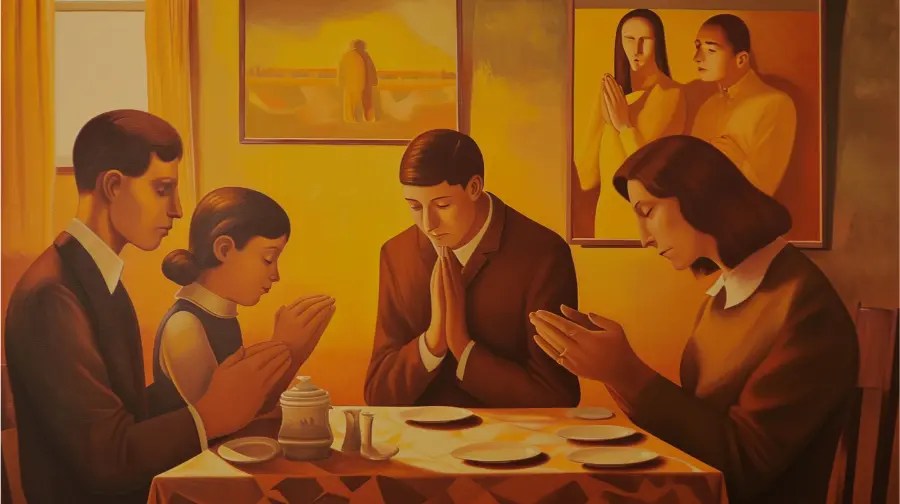
Colossians 3:15
“Let the peace of Christ rule in your hearts, since as members of one body you were called to peace. And be thankful.”
Reflection: The Greek verb translated “rule” means to act as umpire or arbiter. Paul asks that the peace of Christ settle what goes on in the heart, and he adds a short command at the end: “And be thankful.”

Proverbs 3:33
“The Lord’s curse is on the house of the wicked, but he blesses the home of the righteous.”
Reflection: The proverb uses two different Hebrew words for the building. The wicked have a bayit, a house; the righteous have a naveh, a dwelling or pasture, the word for where a shepherd settles his flock. The blessing rests on the household that lives there.
For the people in it
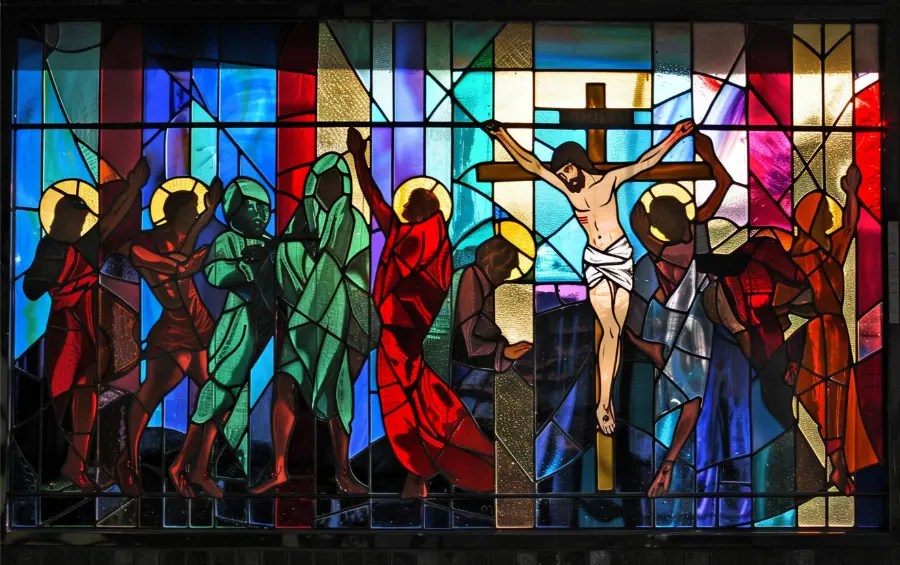
Psalm 128:3
“Your wife will be like a fruitful vine within your house; your children will be like olive shoots around your table.”
Reflection: Psalm 128 is a Song of Ascents that begins, “Blessed are all who fear the Lord.” This verse pictures the blessing inside the house: a wife like a fruitful vine and children like olive shoots around the table.
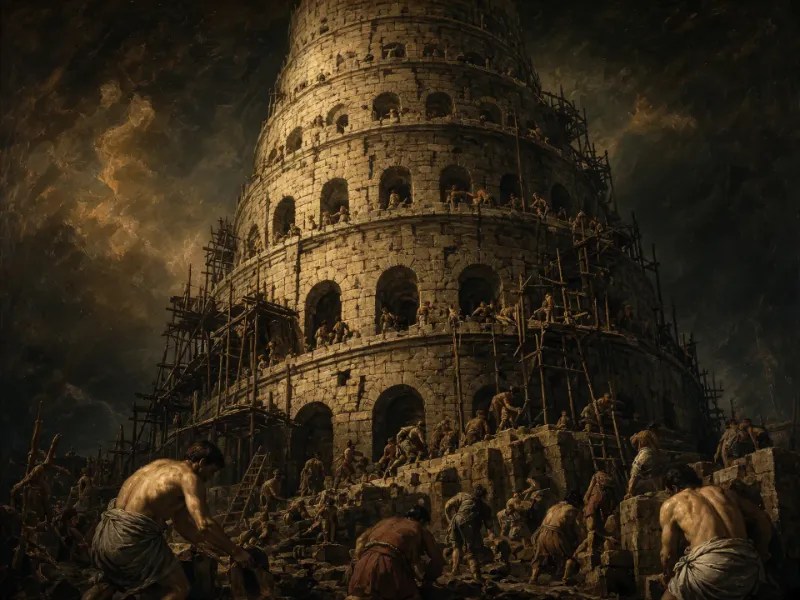
Colossians 3:14
“And over all these virtues put on love, which binds them all together in perfect unity.”
Reflection: Paul has just listed compassion, kindness, humility, gentleness, and patience, and asked his readers to forgive one another (3:12-13). Love is the virtue he puts over all of them, the one that holds the others together.
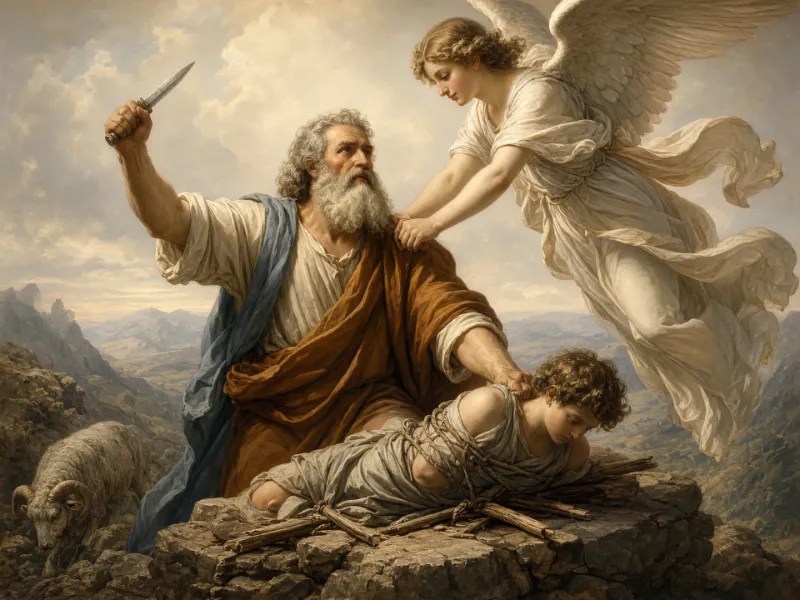
Ephesians 4:2-3
“Be completely humble and gentle; be patient, bearing with one another in love. Make every effort to keep the unity of the Spirit through the bond of peace.”
Reflection: Paul writes this as “a prisoner for the Lord” (4:1). “Bearing with one another in love” asks for patience with the people closest at hand, and in a household those are the people under the same roof.
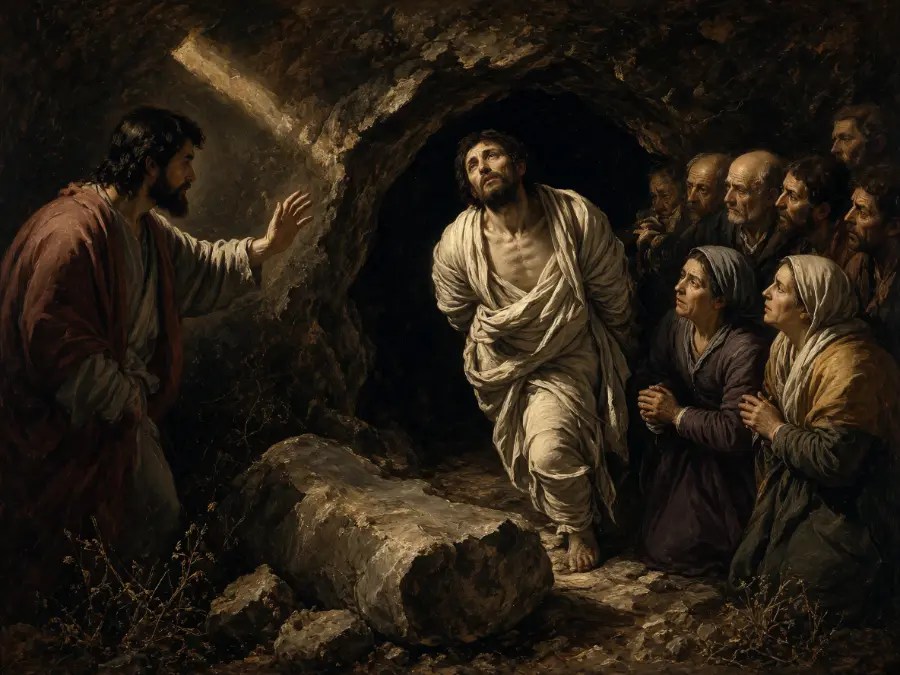
1 Peter 4:8
“Above all, love each other deeply, because love covers over a multitude of sins.”
Reflection: Peter echoes Proverbs 10:12, “love covers over all wrongs.” To cover a wrong is to decline to keep bringing it up, which the people in a household have many chances to practice.
Said aloud over the house
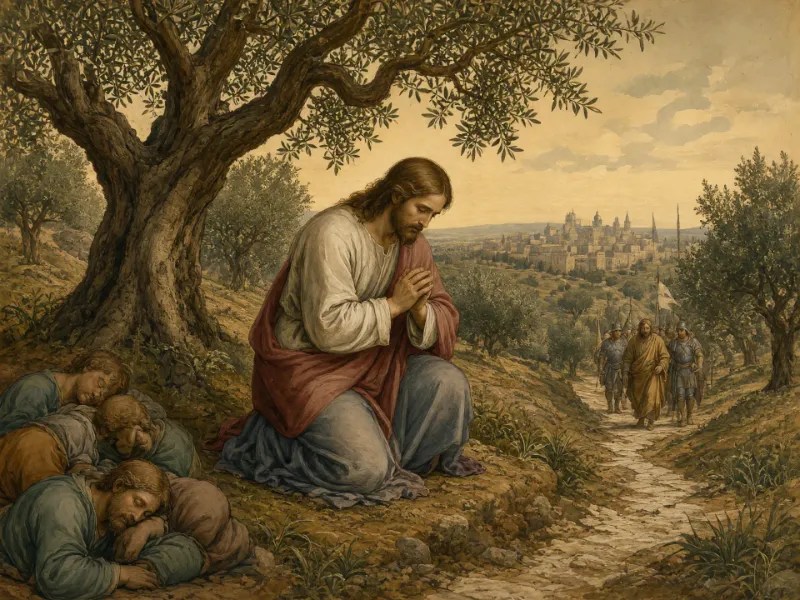
Numbers 6:24-26
“The Lord bless you and keep you; the Lord make his face shine on you and be gracious to you; the Lord turn his face toward you and give you peace.”
Reflection: God gave this blessing to Aaron and his sons to speak over Israel, and the next verse says what it does: “So they will put my name on the Israelites, and I will bless them” (6:27). It is a blessing on people, so in a house blessing it is said over the family rather than the building.
Psalm 118:24
“The Lord has done it this very day; let us rejoice today and be glad.”
Reflection: Two verses earlier the psalm uses a building image: “The stone the builders rejected has become the cornerstone” (118:22). This verse celebrates the day the Lord has acted, which suits the first day in a new home.
1 Thessalonians 5:18
“Give thanks in all circumstances; for this is God’s will for you in Christ Jesus.”
Reflection: This is one of three short commands together: rejoice always, pray continually, and give thanks in all circumstances (5:16-18). Paul calls them God’s will for believers in Christ.
For prayer inside it
1 Kings 8:28-29
“Yet give attention to your servant’s prayer and his plea for mercy, Lord my God. Hear the cry and the prayer that your servant is praying in your presence this day. May your eyes be open toward this temple night and day, this place of which you said, ‘My Name shall be there,’ so that you will hear the prayer your servant prays toward this place.”
Reflection: Solomon prays this at the dedication of the temple, asking that God’s eyes be open toward it night and day and that he hear prayers made toward it. A family praying over a home is asking for the same attention on a much smaller building.
A short way to do it
If you want a simple order: gather everyone who will live in the house at the front door, say the blessing from Numbers 6:24-26 over them by name, read Joshua 24:15 aloud, and pray Solomon’s request from 1 Kings 8:29 that God’s eyes would be open toward this place. There are fuller prayers to bless a home if you want the words written out.
Deuteronomy 6 describes what follows the blessing: God’s words talked about at home, on the road, at bedtime and in the morning, and kept on the doorframe where everyone passes.


Leave a Reply