
 English
 Chinese
 Dutch
 Arabic
 Spanish
 Portuguese
 Russian
 French
 Italian
 German
 Japanese
The Old Testament describes a smile in terms of light. Job remembers that when he smiled at people, “the light of my face was precious to them” (Job 29:24), and the same light marks a king’s favour (Proverbs 16:15) and God’s (Psalm 4:6; Psalm 44:3).
Proverbs says that “a happy heart makes the face cheerful” (Proverbs 15:13), and the blessing given to Aaron’s sons asks that “the LORD make his face shine on you” (Numbers 6:25), a request Psalm 31:16 and Psalm 80:3 repeat in prayer. The word the NIV translates “smiled” in Job 29:24 is the Hebrew verb for laughing, and Job 9:27 uses a verb the Brown-Driver-Briggs lexicon renders “shew a smile, look cheerful.”
Smiling in the Book of Job

Job 29:24
“When I smiled at them, they scarcely believed it; the light of my face was precious to them.”
Reflection: In chapter 29 Job remembers the days when people “waited in silence for my counsel” and “drank in my words as the spring rain” (Job 29:21, 23). The Hebrew verb behind “smiled” is sachaq, to laugh, which is why the King James Version reads “If I laughed on them”; Brown-Driver-Briggs takes it here as a friendly laugh. The second line calls his look “the light of my face,” the phrase the Psalms use for God’s favour, and verse 25 describes Job as “like one who comforts mourners.”

Job 9:27-28
“If I say, ‘I will forget my complaint, I will change my expression, and smile,’ I still dread all my sufferings, for I know you will not hold me innocent.”
Reflection: Job is answering Bildad, who had just promised him that God “will yet fill your mouth with laughter” (Job 8:21). Job pictures himself deciding to change his expression and smile, and the sentence ends with the dread still in place. In verse 28 he speaks to God: “I know you will not hold me innocent.” The verb for smile is balag, which Brown-Driver-Briggs renders “shew a smile, look cheerful,” and two verses earlier Job has said that his days “fly away without a glimpse of joy” (Job 9:25).
The cheerful heart and the bright face

Proverbs 15:13
“A happy heart makes the face cheerful, but heartache crushes the spirit.”
Reflection: The proverb reads the face as a sign of the heart, and its second line follows heartache past the face to the spirit, which it crushes. Two verses later the chapter adds that “the cheerful heart has a continual feast” (Proverbs 15:15). Nehemiah 2:2 shows the same reading in a story: King Artaxerxes looks at Nehemiah’s face and says, “This can be nothing but sadness of heart.”
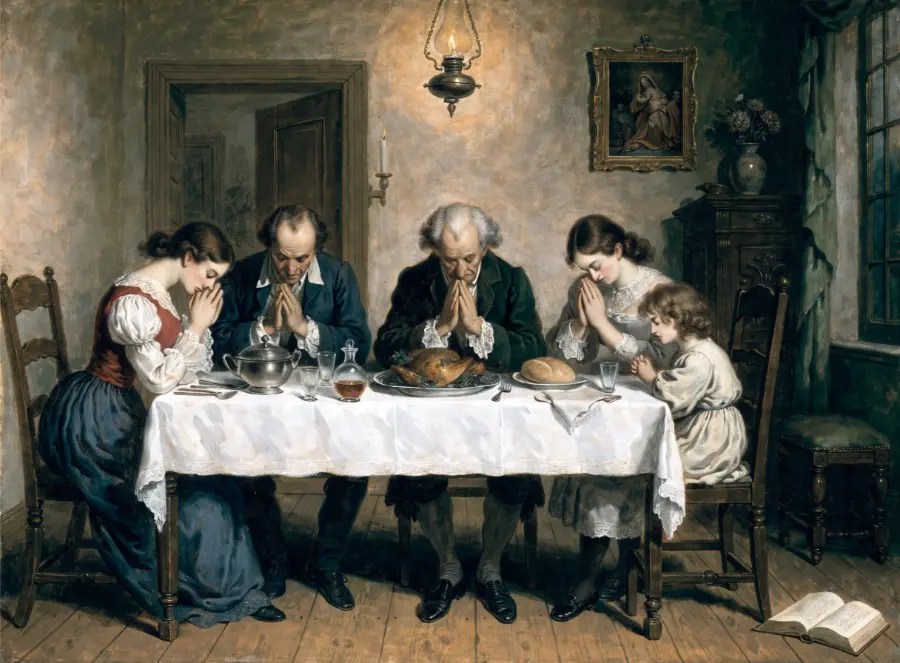
Proverbs 15:30
“Light in a messenger’s eyes brings joy to the heart, and good news gives health to the bones.”
Reflection: The two lines pair a bright look with good news. The look in the messenger’s eyes brings joy to the hearer’s heart, and the news itself gives health to the bones.

Ecclesiastes 8:1
“Who is like the wise? Who knows the explanation of things? A person’s wisdom brightens their face and changes its hard appearance.”
Reflection: The Teacher asks who is like the wise and answers that wisdom brightens a person’s face and softens its hard look. Brown-Driver-Briggs lists this as the one place where the verb used for God’s shining face in Numbers 6:25 is used of a human face. The next verse turns to life at court: “Obey the king’s command, I say, because you took an oath before God” (Ecclesiastes 8:2).
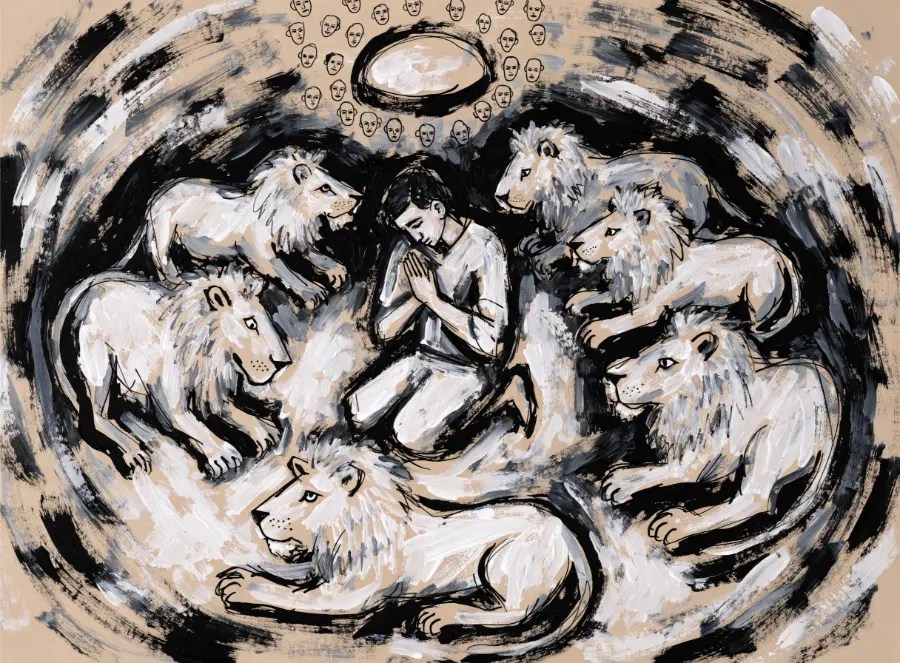
Psalm 34:5
“Those who look to him are radiant; their faces are never covered with shame.”
Reflection: The heading places the psalm after David pretended to be insane before Abimelek. In verse 4 he says “I sought the LORD, and he answered me; he delivered me from all my fears,” and verse 5 turns from David to everyone who looks to God. Their faces are radiant, and the second line sets that radiance against shame.
A shining face as a sign of favour

Proverbs 16:15
“When a king’s face brightens, it means life; his favor is like a rain cloud in spring.”
Reflection: The verse before warns that “a king’s wrath is a messenger of death, but the wise will appease it” (Proverbs 16:14), and this verse gives the other side: a brightening face means life. The Hebrew reads “in the light of the king’s face,” the same phrase as in Job 29:24, and Brown-Driver-Briggs takes it as the sign of a king’s favour, which the second line names outright.
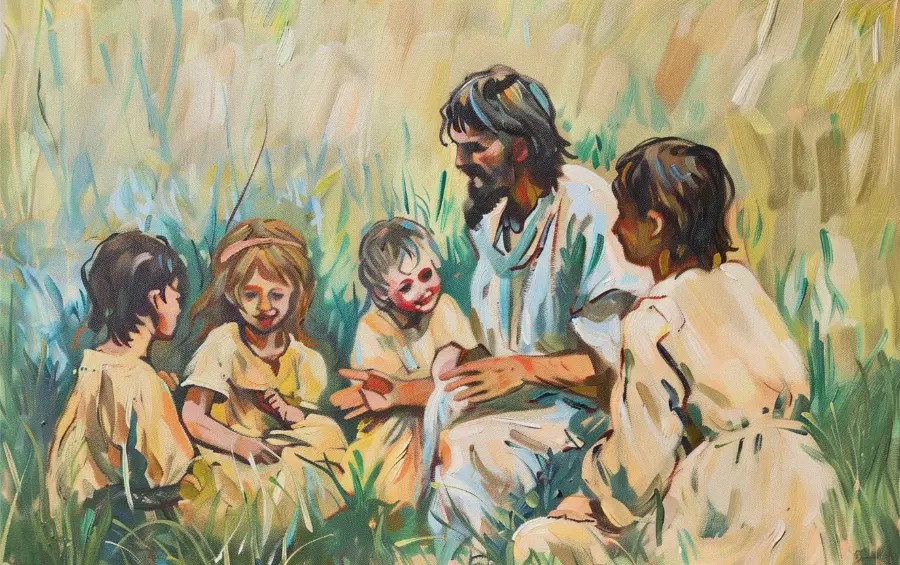
Numbers 6:24-26
“The LORD bless you and keep you; the LORD make his face shine on you and be gracious to you; the LORD turn his face toward you and give you peace.”
Reflection: The LORD gives these words to Moses for Aaron and his sons: “This is how you are to bless the Israelites” (Numbers 6:23). Two of the three lines speak of God’s face, first shining on the people with grace and then turned toward them with peace. Verse 27 says what the words do: “So they will put my name on the Israelites, and I will bless them.”

Psalm 4:6
“Many, Lord, are asking, ‘Who will bring us prosperity?’ Let the light of your face shine on us.”
Reflection: David sets his request against a question he hears from others: “Who will bring us prosperity?” He asks for the light of God’s face, and in the next verse asks God to “fill my heart with joy when their grain and new wine abound” (Psalm 4:7). The psalm ends, “In peace I will lie down and sleep” (Psalm 4:8).
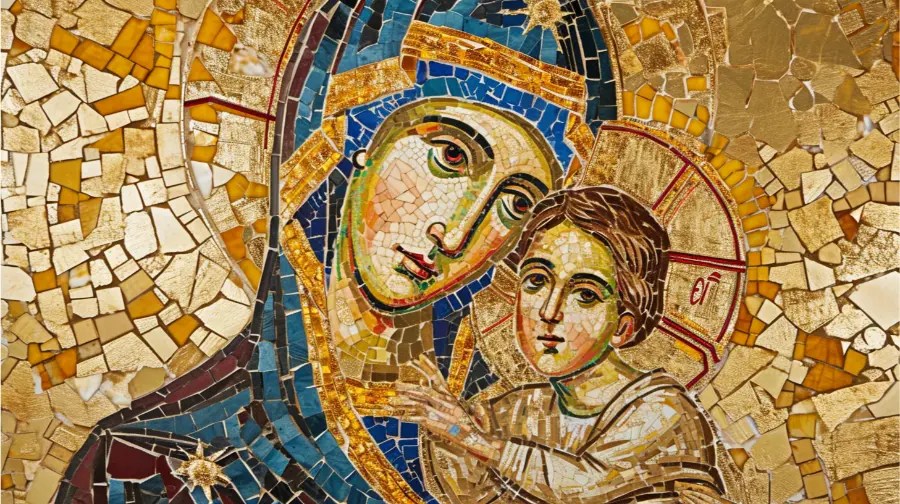
Psalm 31:16
“Let your face shine on your servant; save me in your unfailing love.”
Reflection: In the verse before, the psalmist says “My times are in your hands” and asks to be delivered “from the hands of my enemies, from those who pursue me” (Psalm 31:15). The prayer for God’s face to shine on “your servant” shares a line with “save me in your unfailing love,” and its wording is close to the priestly blessing of Numbers 6:25.
Psalm 44:3
“It was not by their sword that they won the land, nor did their arm bring them victory; it was your right hand, your arm, and the light of your face, for you loved them.”
Reflection: Psalm 44 begins with what “our ancestors have told us” (Psalm 44:1): the land was won by God’s right hand and arm and “the light of your face, for you loved them.” Later the same psalm asks why that face is now hidden: “Why do you hide your face and forget our misery and oppression?” (Psalm 44:24).
Psalm 80:3
“Restore us, O God; make your face shine on us, that we may be saved.”
Reflection: Psalm 80 calls God the “Shepherd of Israel” and asks him to “shine forth before Ephraim, Benjamin and Manasseh” (Psalm 80:1-2). The refrain of verse 3 comes back in verses 7 and 19, and the name of God lengthens each time: “O God,” “God Almighty,” “Lord God Almighty.” Between the refrains the people say God has fed them “with the bread of tears” (Psalm 80:5).
Sad faces, and the prayer for God’s face
Ecclesiastes 7:3 says that “a sad face is good for the heart,” and when the king asked about his sad face, Nehemiah gave a reason: “Why should my face not look sad when the city where my ancestors are buried lies in ruins, and its gates have been destroyed by fire?” (Nehemiah 2:3). Psalm 44 moves from the light of God’s face in verse 3 to “Why do you hide your face” in verse 24 and ends without recording an answer, and Job 9:27-28 imagines a decision to smile that leaves the dread where it was.
Numbers 6:24-26 is a blessing, spoken by Aaron and his sons over the Israelites. Psalm 4:6, Psalm 31:16 and Psalm 80:3 are prayers addressed to God for the same shining face, for one servant in Psalm 31 and for the whole people in Psalm 80, and can be prayed as written.


Leave a Reply