
 English
 Chinese
 Dutch
 Arabic
 Spanish
 Portuguese
 Russian
 French
 Italian
 German
 Japanese
In the Bible, being blessed means two things: the condition of a person who lives God’s way, and the good God gives when he blesses. Psalm 1:1 and the Beatitudes (Matthew 5:3-10) describe the first; Genesis 12:2, Numbers 6:24-26 and Ephesians 1:3 describe the second.
The Hebrew keeps the two senses apart. Psalm 1:1, Psalm 32:1 and Psalm 41:1 open with esher, blessedness or happiness, a statement about a person’s condition. Genesis 12:2, Numbers 6:24 and Jeremiah 17:7 use the verb barak, to bless. The Greek New Testament has a similar pair: makarios, blessed or fortunate, in the Beatitudes, John 20:29 and James 1:12, and eulogeo, to bless or speak well of, in Galatians 3:9 and Ephesians 1:3.
Who Jesus calls blessed in the Beatitudes

Matthew 5:3
“Blessed are the poor in spirit, for theirs is the kingdom of heaven.”
Reflection: Jesus sat down on a mountainside and taught his disciples, with the crowds in view (Matthew 5:1-2). The first and the eighth beatitudes end with the same promise, “theirs is the kingdom of heaven”, while the six between them promise something still to come. Luke’s version reads “Blessed are you who are poor, for yours is the kingdom of God” (Luke 6:20), without “in spirit”, and later adds “woe to you who are rich” (Luke 6:24).

Matthew 5:4
“Blessed are those who mourn, for they will be comforted.”
Reflection: The pairing of mourning and comfort is the language of Isaiah 61:2, where the one anointed by the Spirit is sent “to comfort all who mourn”. Luke’s parallel says “Blessed are you who weep now, for you will laugh” (Luke 6:21) and turns it around four verses later (Luke 6:25): “Woe to you who laugh now, for you will mourn and weep.”
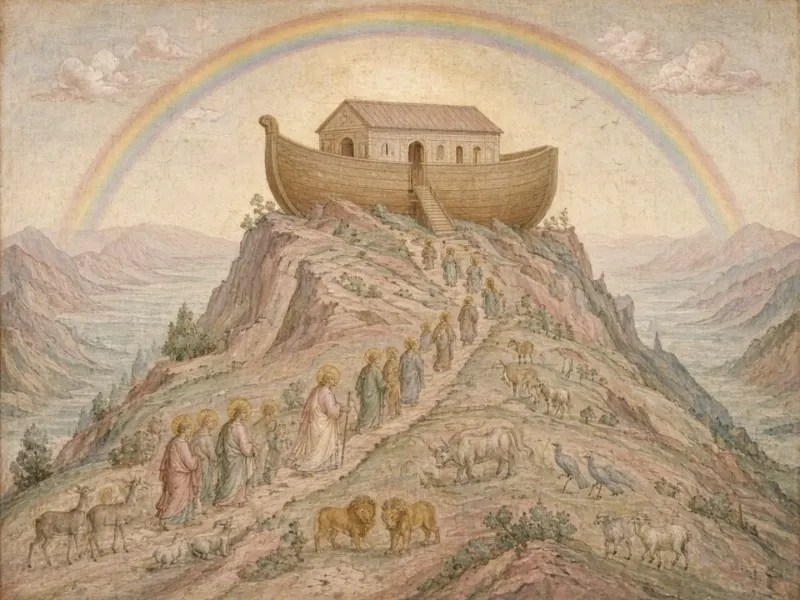
Matthew 5:5
“Blessed are the meek, for they will inherit the earth.”
Reflection: This beatitude repeats Psalm 37:11 almost word for word: “But the meek will inherit the land and enjoy peace and prosperity.” The promise of inheriting the land, given in the psalm, is the one Jesus pronounces over the meek.
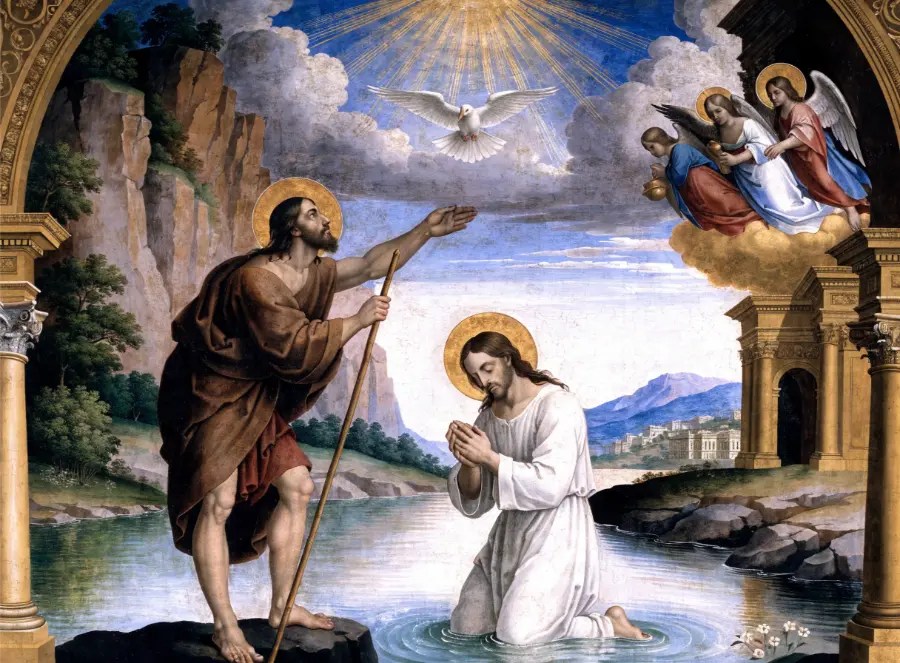
Matthew 5:6
“Blessed are those who hunger and thirst for righteousness, for they will be filled.”
Reflection: Hunger and thirst are the pictures for wanting righteousness, and “will be filled” answers both. Righteousness returns four verses later, as the reason the persecuted are persecuted (Matthew 5:10). Luke’s form has no mention of righteousness: “Blessed are you who hunger now, for you will be satisfied” (Luke 6:21).
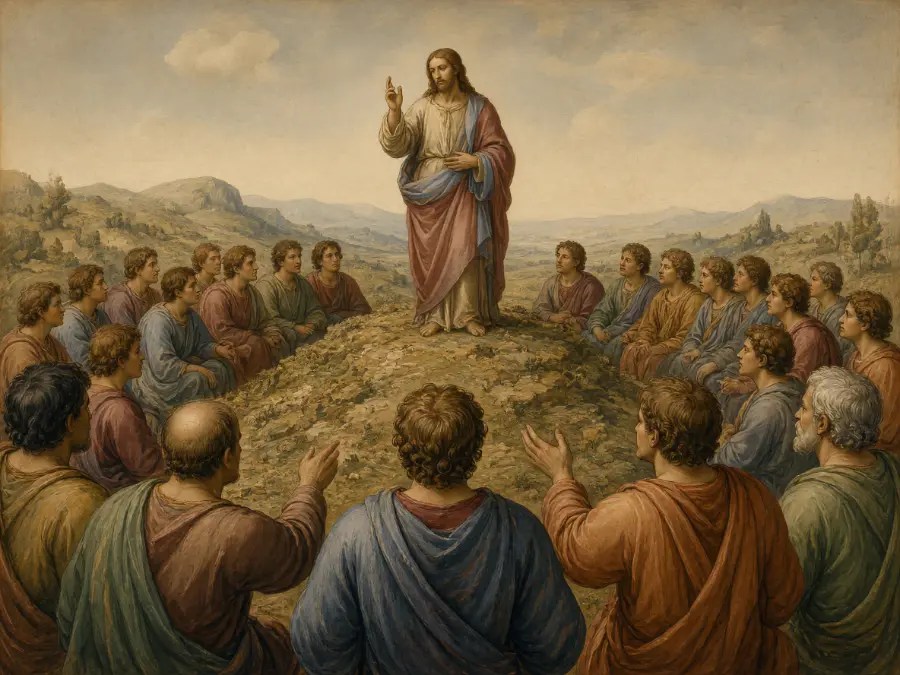
Matthew 5:7
“Blessed are the merciful, for they will be shown mercy.”
Reflection: The promise matches the act: the merciful are shown mercy. Jesus states the same exchange about forgiveness straight after the Lord’s Prayer: “if you forgive other people when they sin against you, your heavenly Father will also forgive you” (Matthew 6:14), with the reverse in the next verse.
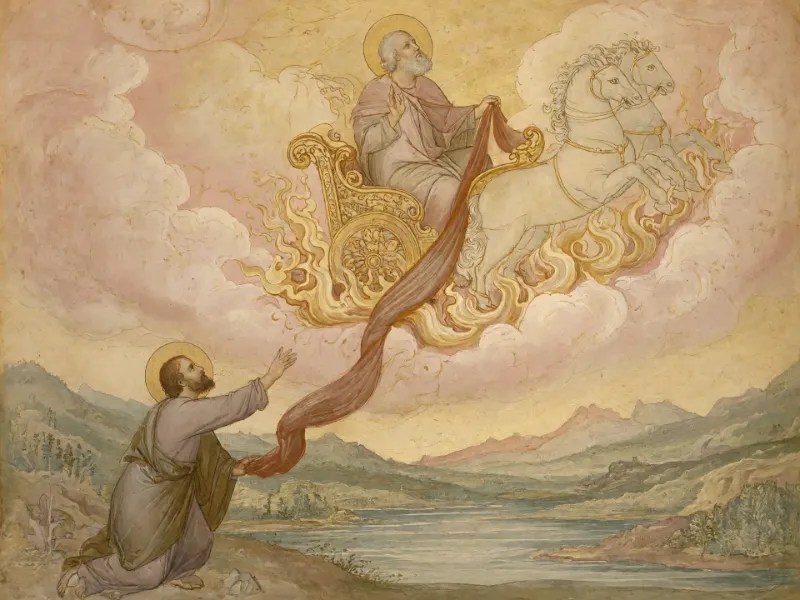
Matthew 5:8
“Blessed are the pure in heart, for they will see God.”
Reflection: Psalm 24:3-5 asks who may stand in God’s holy place and answers “The one who has clean hands and a pure heart, who does not trust in an idol or swear by a false god.” That person, the psalm says, “will receive blessing from the Lord.” Jesus promises the pure in heart more than entry to the holy place: they will see God.

Matthew 5:9
“Blessed are the peacemakers, for they will be called children of God.”
Reflection: Later in the same chapter Jesus tells his hearers to love their enemies and pray for those who persecute them, “that you may be children of your Father in heaven” (Matthew 5:44-45). The title promised to peacemakers is the one he attaches there to loving enemies.
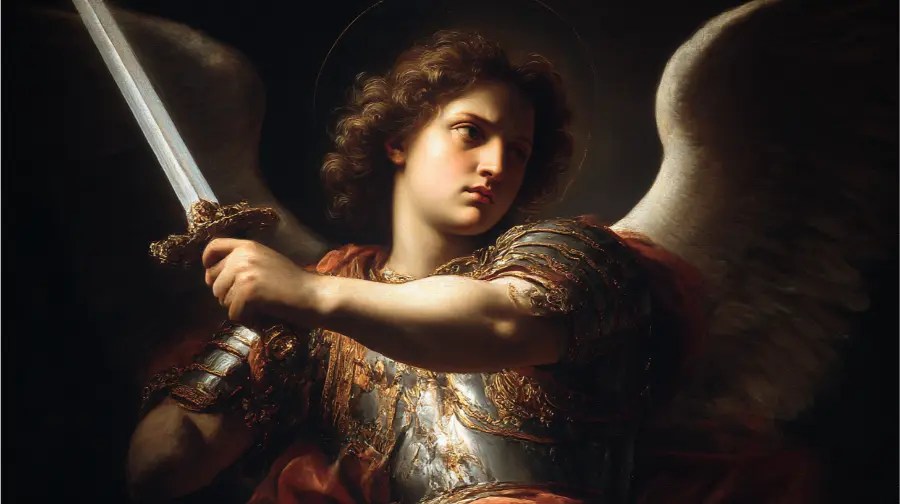
Matthew 5:10
“Blessed are those who are persecuted because of righteousness, for theirs is the kingdom of heaven.”
Reflection: The eighth beatitude closes the series with the promise of the first. The next verse turns from “those” to “you” and changes the cause from righteousness to Jesus himself: “Blessed are you when people insult you, persecute you and falsely say all kinds of evil against you because of me” (Matthew 5:11). Verse 12 tells them to rejoice because their reward in heaven is great, for the prophets before them were persecuted in the same way.
The blessed person in the Psalms and the prophets

Psalm 1:1
“Blessed is the one who does not walk in step with the wicked or stand in the way that sinners take or sit in the company of mockers.”
Reflection: The Psalter opens with this line. It describes the blessed person first by three things they do not do (walk, stand, sit with the wicked), then by what they do: their “delight is in the law of the Lord” and they meditate on it “day and night” (Psalm 1:2). Verse 3 compares that person to “a tree planted by streams of water”, and the psalm ends with the way of the wicked leading to destruction.
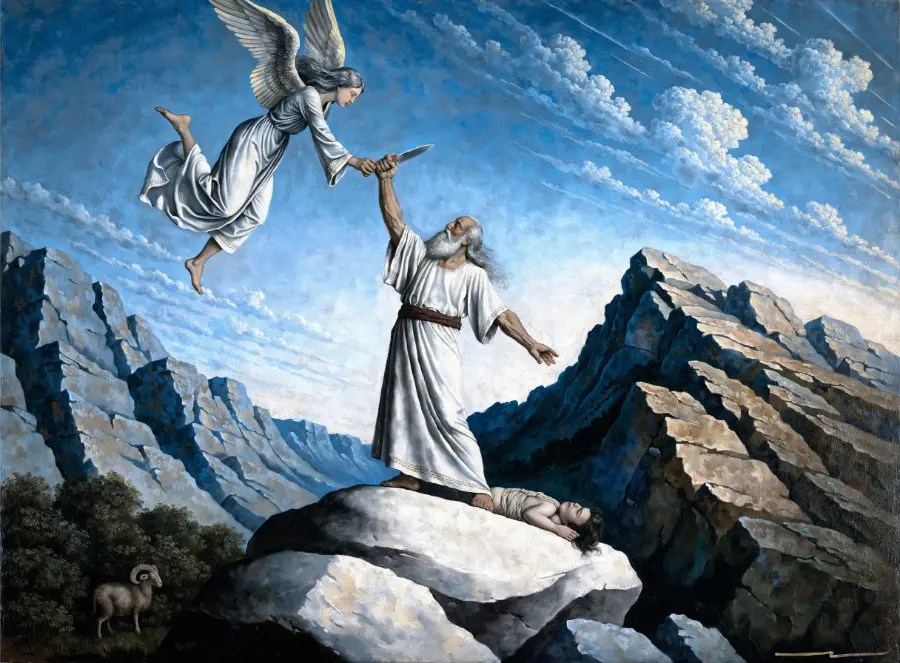
Jeremiah 17:7
“But blessed is the one who trusts in the Lord, whose confidence is in him.”
Reflection: The Lord speaks through Jeremiah, and the verse is the second half of a pair. Verse 5 says “Cursed is the one who trusts in man”, a person like “a bush in the wastelands”. The one who trusts in the Lord is “like a tree planted by the water” that “has no worries in a year of drought” (Jeremiah 17:8), the same picture Psalm 1:3 uses. Here blessed translates barak, not esher.
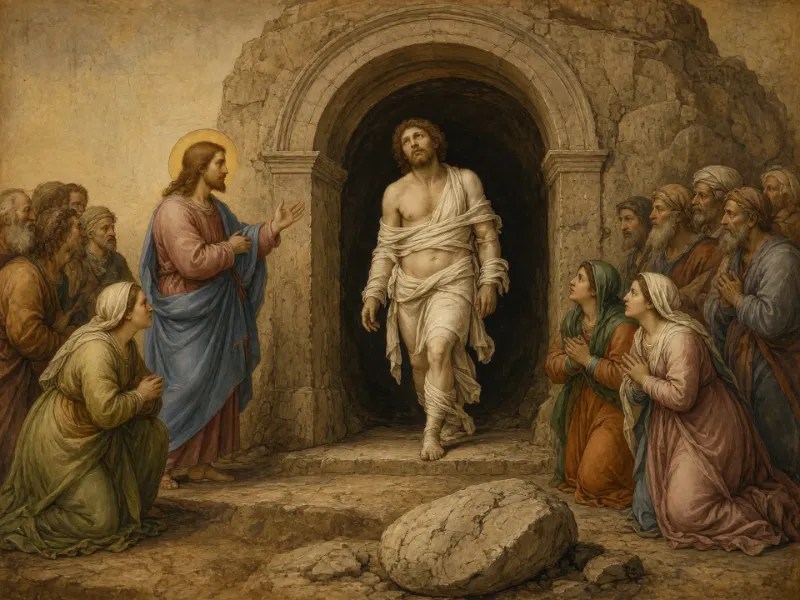
Psalm 32:1
“Blessed is the one whose transgressions are forgiven, whose sins are covered.”
Reflection: The heading reads “Of David. A maskil.” Verses 3-5 tell what came before the blessing: “When I kept silent, my bones wasted away”, until “I acknowledged my sin to you” and “you forgave the guilt of my sin.” Paul quotes Psalm 32:1-2 in Romans 4:7-8 as David speaking of “the blessedness of the one to whom God credits righteousness apart from works” (Romans 4:6).

Psalm 34:8
“Taste and see that the Lord is good; blessed is the one who takes refuge in him.”
Reflection: The heading sets the psalm at the time David “pretended to be insane before Abimelek, who drove him away”. The blessing belongs to the one who takes refuge in the Lord, and the next two verses say what that person lacks: nothing, for “those who seek the Lord lack no good thing” (Psalm 34:10).
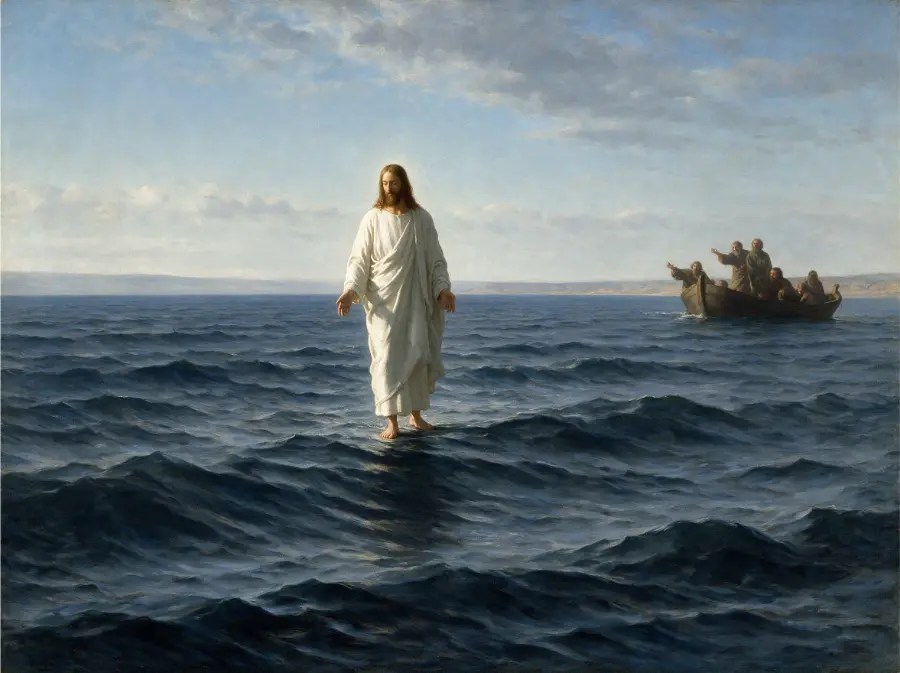
Psalm 41:1
“Blessed are those who have regard for the weak; the Lord delivers them in times of trouble.”
Reflection: In this psalm of David, the blessing on those who care for the weak is spelled out in verses 2-3: the Lord protects them, they “are counted among the blessed in the land”, and he sustains them “on their sickbed”. The psalmist himself is ill and betrayed: “Even my close friend, someone I trusted, one who shared my bread, has turned against me” (Psalm 41:9), a line Jesus quotes about one of his disciples in John 13:18.
When God gives the blessing
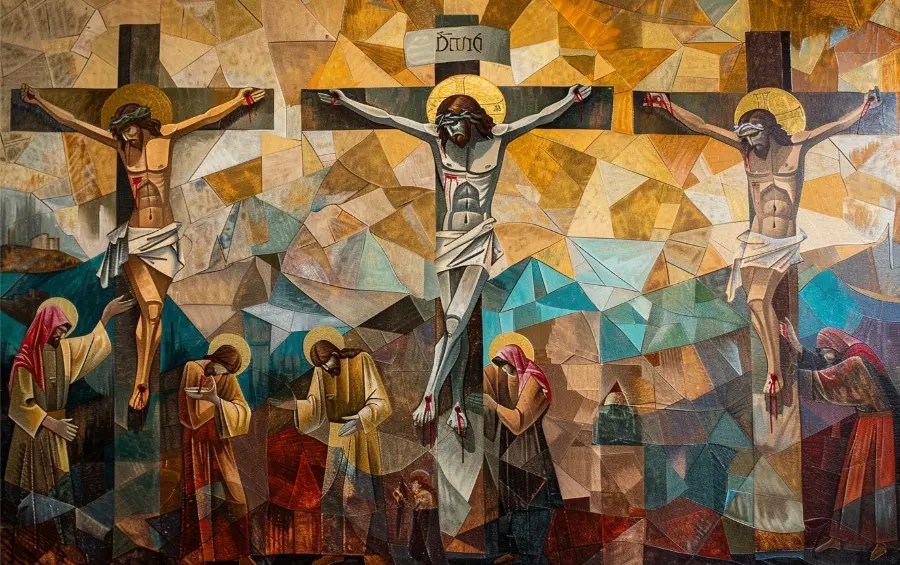
Genesis 12:2
“I will make you into a great nation, and I will bless you; I will make your name great, and you will be a blessing.”
Reflection: The Lord tells Abram to leave his country, his people and his father’s household (Genesis 12:1), and promises a nation, a name and a blessing. The blessing does not stop with Abram: “you will be a blessing”, and “all peoples on earth will be blessed through you” (Genesis 12:3). The promise is repeated in Genesis 22:18 with the words “because you have obeyed me.”
Numbers 6:24-26
“The Lord bless you and keep you; the Lord make his face shine on you and be gracious to you; the Lord turn his face toward you and give you peace.”
Reflection: The Lord gives Moses these words for Aaron and his sons to speak over the Israelites: “This is how you are to bless the Israelites” (Numbers 6:23). Each of the three lines begins “The Lord”. Verse 27 says what the words do: “So they will put my name on the Israelites, and I will bless them.” The priests speak, and the Lord is the one who blesses.

Proverbs 10:22
“The blessing of the Lord brings wealth, without painful toil for it.”
Reflection: The proverb credits wealth to the Lord’s blessing and says it comes “without painful toil for it”. The same chapter also says “Lazy hands make for poverty, but diligent hands bring wealth” (Proverbs 10:4).
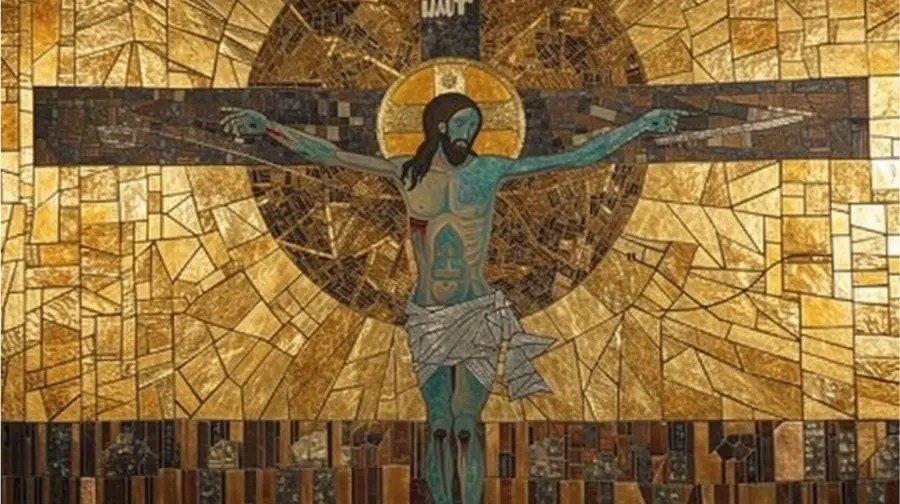
Galatians 3:9
“So those who rely on faith are blessed along with Abraham, the man of faith.”
Reflection: Paul argues that “those who have faith are children of Abraham” (Galatians 3:7), and calls God’s promise “All nations will be blessed through you” the gospel announced to Abraham in advance (Galatians 3:8). A few verses later he says Christ redeemed us “in order that the blessing given to Abraham might come to the Gentiles through Christ Jesus” (Galatians 3:14).
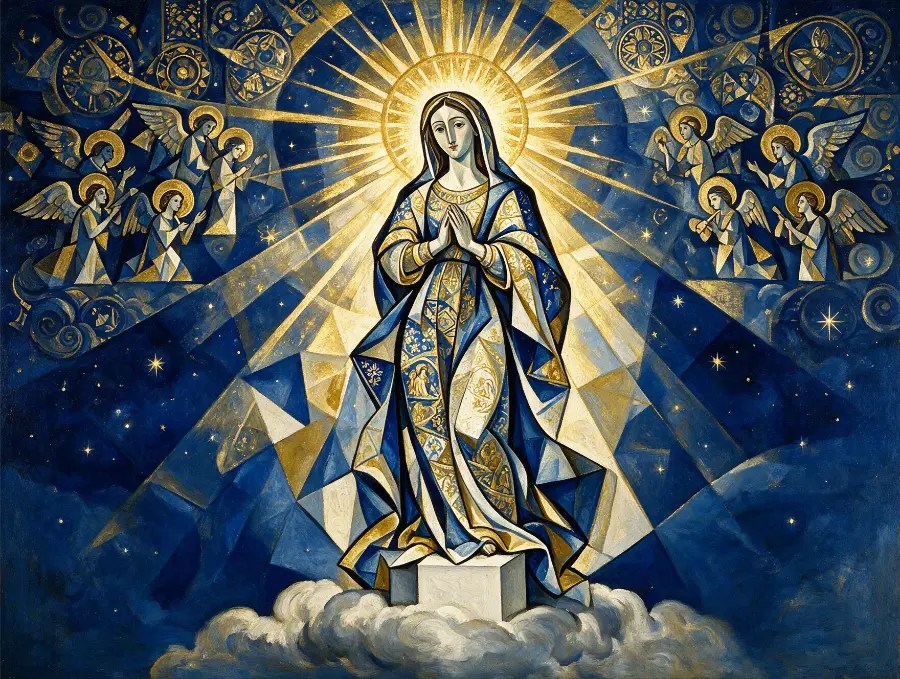
Ephesians 1:3
“Praise be to the God and Father of our Lord Jesus Christ, who has blessed us in the heavenly realms with every spiritual blessing in Christ.”
Reflection: Paul opens the letter with praise to God, who has blessed believers “in the heavenly realms” and “in Christ”. The verses that follow name the blessings: being chosen “before the creation of the world” (Ephesians 1:4), adoption to sonship (1:5), and “redemption through his blood, the forgiveness of sins” (1:7).
Blessed for believing, obeying and enduring
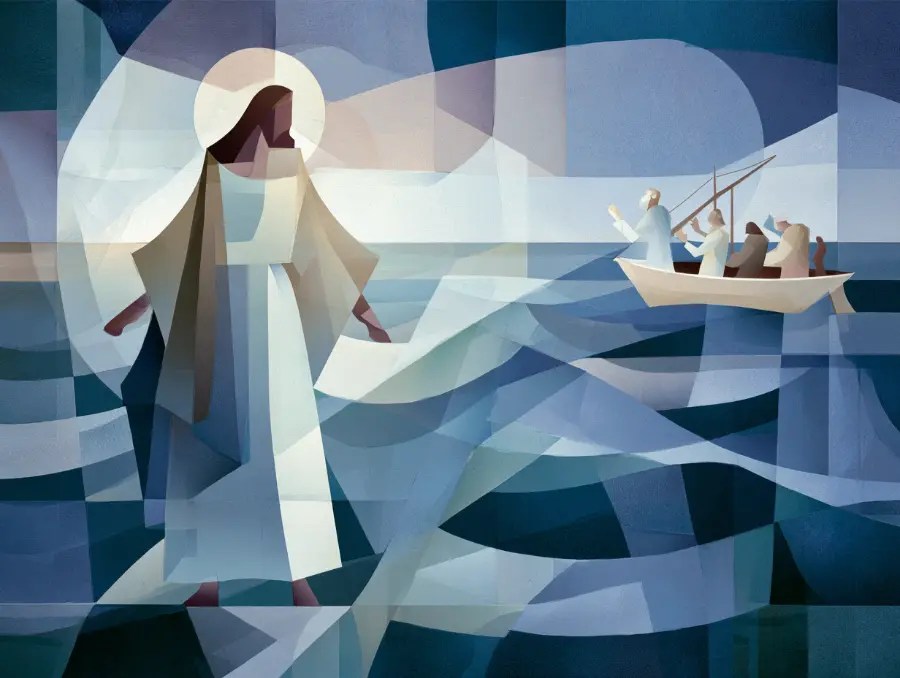
Luke 1:45
“Blessed is she who has believed that the Lord would fulfill his promises to her.”
Reflection: Elizabeth, filled with the Holy Spirit, says this when Mary visits her, after first calling her “Blessed … among women” (Luke 1:42). The blessing is for believing what the Lord said, and a few verses earlier Mary had answered the angel “May your word to me be fulfilled” (Luke 1:38). In her song that follows, Mary says “all generations will call me blessed” (Luke 1:48).
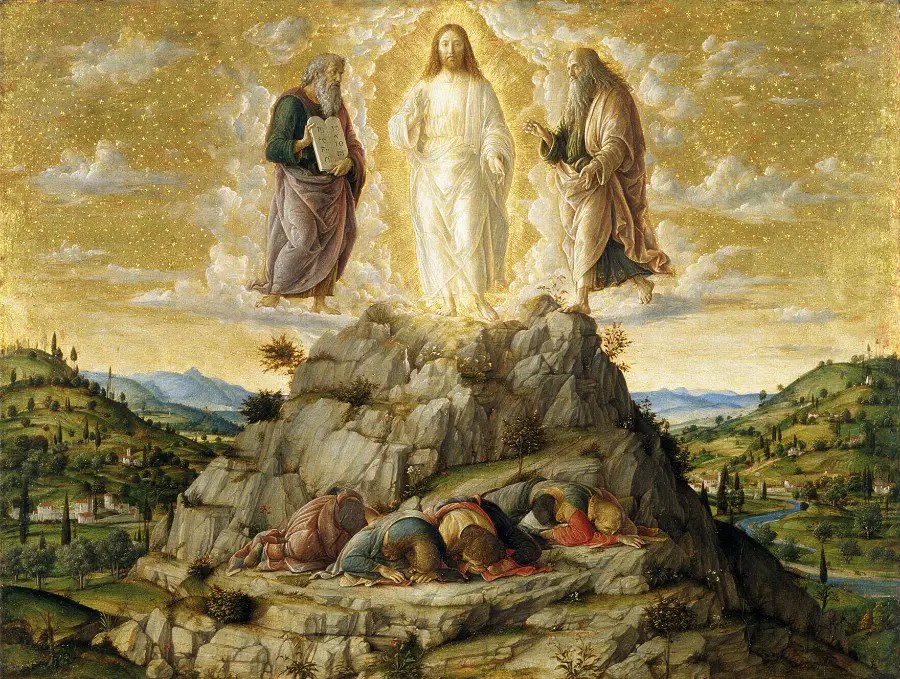
Luke 11:28
“He replied, ‘Blessed rather are those who hear the word of God and obey it.’”
Reflection: A woman in the crowd calls out, “Blessed is the mother who gave you birth and nursed you” (Luke 11:27). Jesus answers with a different blessing, open to anyone: on those who hear the word of God and obey it.

John 20:29
“Then Jesus told him, ‘Because you have seen me, you have believed; blessed are those who have not seen and yet have believed.’”
Reflection: Thomas was not with the other disciples when Jesus first came, and said he would not believe unless he touched the nail marks (John 20:25). A week later Jesus invited him to do so, and Thomas answered “My Lord and my God!” The blessing is for those who believe without seeing, and the next verses say John’s book was written “that you may believe” (John 20:31). First Peter 1:8 describes such people: “Though you have not seen him, you love him.”
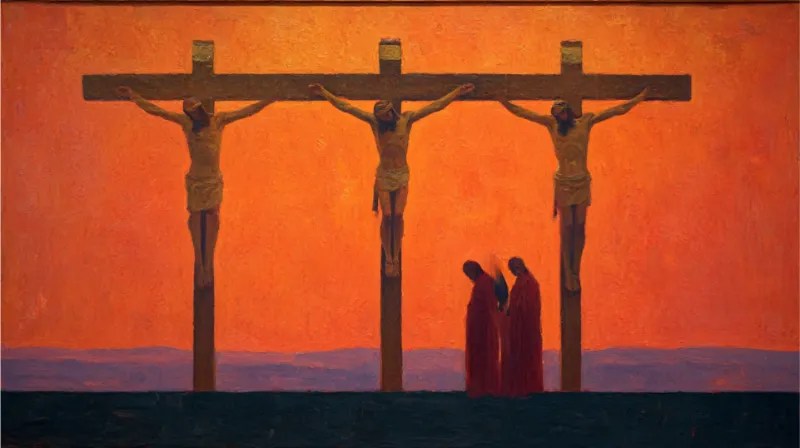
James 1:12
“Blessed is the one who perseveres under trial, because, having stood the test, that person will receive the crown of life that the Lord has promised to those who love him.”
Reflection: The verse closes a passage that began “Consider it pure joy … whenever you face trials of many kinds, because you know that the testing of your faith produces perseverance” (James 1:2-3). The one who perseveres receives “the crown of life”, which the Lord has promised “to those who love him”.
Blessing set beside curse and woe
Jeremiah 17:5 curses the one who trusts in man two verses before blessing the one who trusts in the Lord. Psalm 1 sets the blessed person against the wicked, who “are like chaff that the wind blows away” (Psalm 1:4). Genesis 12:3 adds “whoever curses you I will curse” to the promise to Abram. Luke’s sermon follows four blessings with four woes (Luke 6:20-26), while Matthew’s has the blessings only.


Leave a Reply