
 English
 Chinese
 Dutch
 Arabic
 Spanish
 Portuguese
 Russian
 French
 Italian
 German
 Japanese
The Bible describes respect as something shown in action: standing for the elderly, listening to parents, speaking honestly and refusing to be harsh.
Leviticus 19:32 tells Israel to “stand up in the presence of the aged.” The respect Scripture asks for begins with reverence for God and reaches parents, husbands and wives, neighbors, the elderly, those in authority, and a person’s own body. The twenty verses below follow that order.
Where it starts

Proverbs 1:7
“The fear of the Lord is the beginning of knowledge, but fools despise wisdom and instruction.”
Reflection: The fear of the Lord means reverence for God. Proverbs puts it at the beginning of knowledge, and the rest of the book builds on it.

Psalm 111:10
“The fear of the Lord is the beginning of wisdom; all who follow his precepts have good understanding. To him belongs eternal praise.”
Reflection: Psalm 111 is an acrostic, its lines beginning with the letters of the Hebrew alphabet in order, and this is its last verse. It makes the same claim as Proverbs 1:7 about the fear of the Lord.
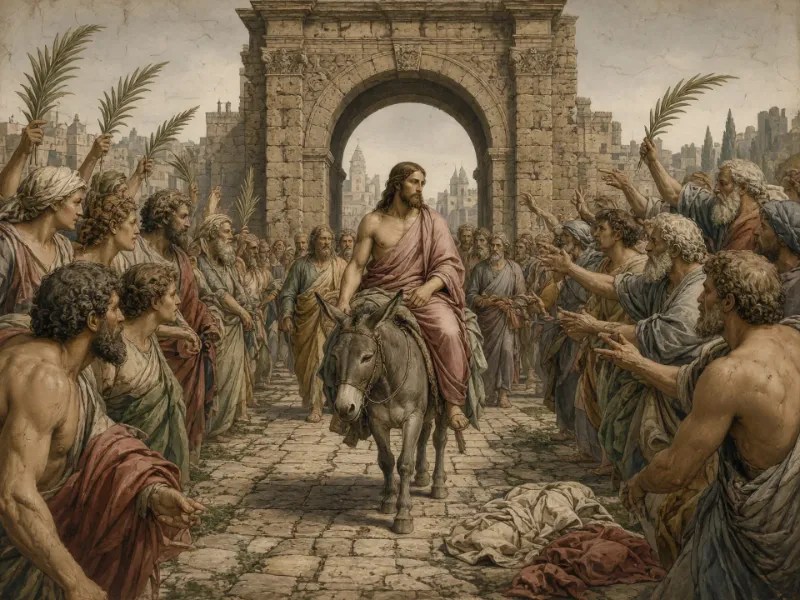
Ecclesiastes 12:13
“Now all has been heard; here is the conclusion of the matter: Fear God and keep his commandments, for this is the duty of all mankind.”
Reflection: This is the conclusion of Ecclesiastes, a book that opens with “Everything is meaningless” (1:2). What remains at the end is reverence for God and obedience to his commands.
At home

Ephesians 6:1-2
“Children, obey your parents in the Lord, for this is right. ‘Honor your father and mother’—which is the first commandment with a promise.”
Reflection: Paul quotes the fifth commandment and notes that it is the first with a promise: “so that it may go well with you and that you may enjoy long life on the earth” (6:3).

Proverbs 23:22
“Listen to your father, who gave you life, and do not despise your mother when she is old.”
Reflection: The proverb looks ahead to the time when a mother is old, and it asks the grown child not to despise her then.
Colossians 3:20
“Children, obey your parents in everything, for this pleases the Lord.”
Reflection: Paul addresses children directly, which suggests they were present when the letter was read aloud to the church. The next verse tells fathers, “do not embitter your children” (3:21).

Ephesians 5:33
“However, each one of you also must love his wife as he loves himself, and the wife must respect her husband.”
Reflection: Paul ends his teaching on marriage with a duty for each spouse: the husband is to love his wife as himself, and the wife is to respect her husband. For couples who want to pray about their marriage, there are prayers for a marriage.
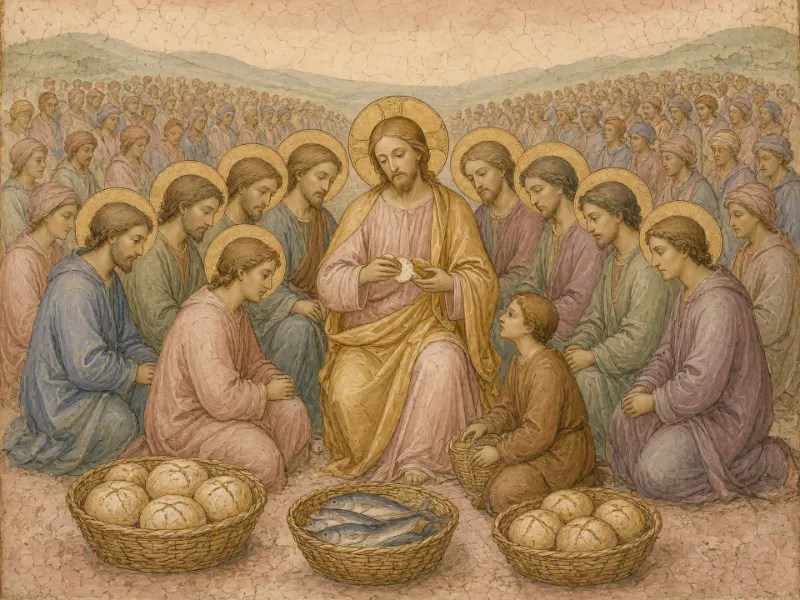
Colossians 3:19
“Husbands, love your wives and do not be harsh with them.”
Reflection: Paul adds a negative command to the positive one: love your wives, and do not be harsh with them.
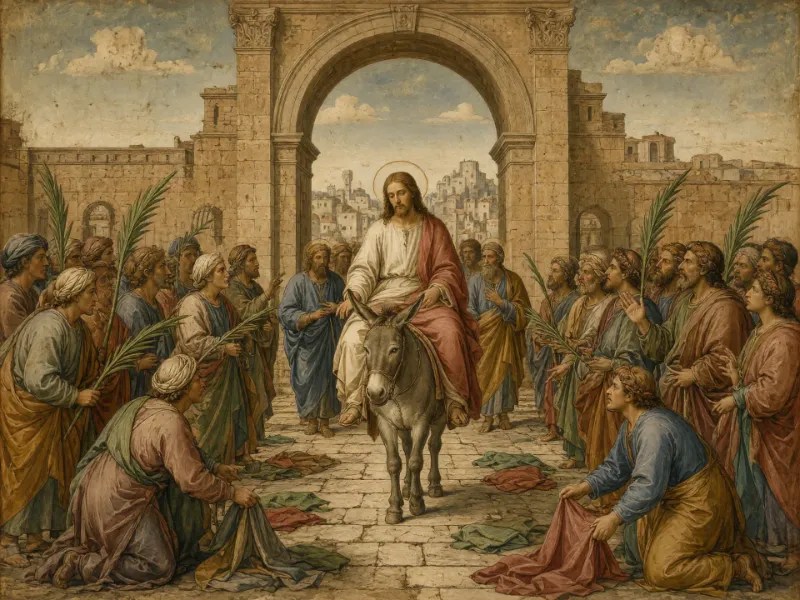
1 Peter 3:7
“Husbands, in the same way be considerate as you live with your wives, and treat them with respect as the weaker partner and as heirs with you of the gracious gift of life, so that nothing will hinder your prayers.”
Reflection: Peter calls wives “heirs with you of the gracious gift of life,” equal in standing, and he warns that a husband’s treatment of his wife affects his prayers.
Toward everyone

1 Peter 2:17
“Show proper respect to everyone, love the family of believers, fear God, honor the emperor.”
Reflection: Peter’s letter is usually dated to the reign of Nero. The respect he asks for is owed to everyone, alongside love for fellow believers, reverence for God and honor for the emperor.
Romans 12:10
“Be devoted to one another in love. Honor one another above yourselves.”
Reflection: Paul asks believers to put one another first in honor, valuing others above themselves.
Philippians 2:3
“Do nothing out of selfish ambition or vain conceit. Rather, in humility value others above yourselves.”
Reflection: The verses that follow give the reason: Christ, who “made himself nothing by taking the very nature of a servant” (2:7).
Matthew 7:12
“So in everything, do to others what you would have them do to you, for this sums up the Law and the Prophets.”
Reflection: Jesus states the rule positively: do to others what you would want them to do to you. A saying attributed to the rabbi Hillel puts it negatively, what is hateful to you, do not do to your neighbor.
Romans 13:10
“Love does no harm to a neighbor. Therefore love is the fulfillment of the law.”
Reflection: Paul has just summed up the commandments in one: “Love your neighbor as yourself” (13:9). Love does no harm to a neighbor, and so it fulfills the law.
Toward age, and toward authority

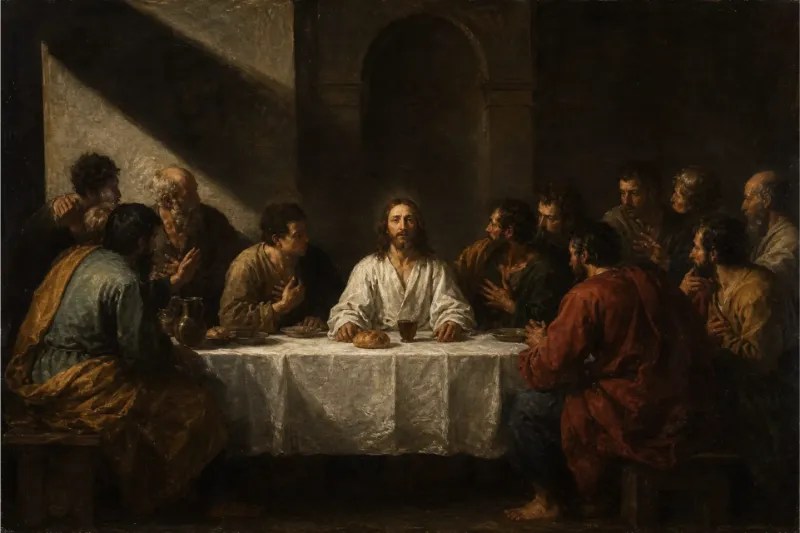
Leviticus 19:32
“Stand up in the presence of the aged, show respect for the elderly and revere your God. I am the Lord.”
Reflection: Standing for the elderly and revering God appear in the same verse, followed by “I am the Lord,” the phrase that closes many of the commands in Leviticus 19.
Proverbs 16:31
“Gray hair is a crown of splendor; it is attained in the way of righteousness.”
Reflection: Gray hair is called a crown, attained “in the way of righteousness.” Proverbs treats old age lived well as an honor.

1 Timothy 5:1-2
“Do not rebuke an older man harshly, but exhort him as if he were your father. Treat younger men as brothers, older women as mothers, and younger women as sisters, with absolute purity.”
Reflection: Paul tells Timothy, a young leader (4:12), how to correct people of different ages: an older man as a father, younger men as brothers, older women as mothers, younger women as sisters.

Romans 13:1
“Let everyone be subject to the governing authorities, for there is no authority except that which God has established.”
Reflection: Paul wrote Romans during the reign of Nero, and he teaches submission to governing authorities because God has established them. Early Christian tradition holds that Paul was later executed in Rome.
Toward yourself
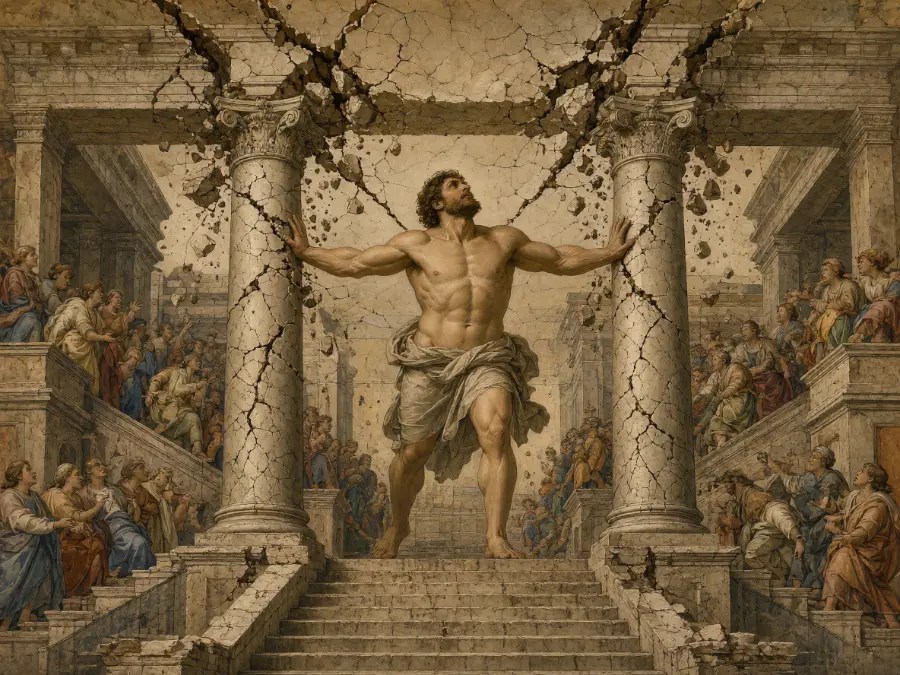
1 Corinthians 6:19-20
“Do you not know that your bodies are temples of the Holy Spirit, who is in you, whom you have received from God? You are not your own; you were bought at a price. Therefore honor God with your bodies.”
Reflection: Paul writes this in a passage about sexual immorality (6:18). The body is a temple of the Holy Spirit and was bought at a price, so it belongs to God and is to be used to honor him.
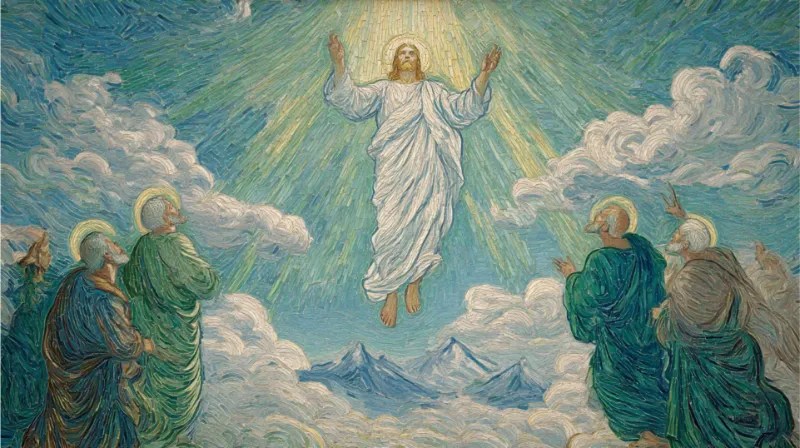
Proverbs 4:23
“Above all else, guard your heart, for everything you do flows from it.”
Reflection: In Proverbs the heart is the center of thought and will as well as feeling. Everything a person does, including how they treat others, flows from it.
What this asks of us
In these verses respect is something done: standing when an older person comes in, speaking to younger women as sisters, refusing to be harsh at home, and honoring rulers.
Proverbs says it begins with reverence for God, and from there Scripture extends it to parents, husbands and wives, neighbors, the elderly, those in authority, and a person’s own body.


Leave a Reply