
 English
  Chinese
  Dutch
Dutch  Arabic
  Spanish
  Portuguese
  Russian
  French
  Italian
  German
  Japanese
 The Bible treats learning as a lifelong duty that begins with the fear of the Lord and is meant to change how a person lives.
Proverbs calls the fear of the Lord “the beginning of knowledge” (Proverbs 1:7), and Ezra is described as setting his heart to study the Law of the Lord, to do it, and to teach it (Ezra 7:10). Paul warns that knowledge can make a person proud (1 Corinthians 8:1). The twenty verses below cover where knowledge starts, what it is for, the habit of learning, its dangers, and teaching.
Where knowledge starts
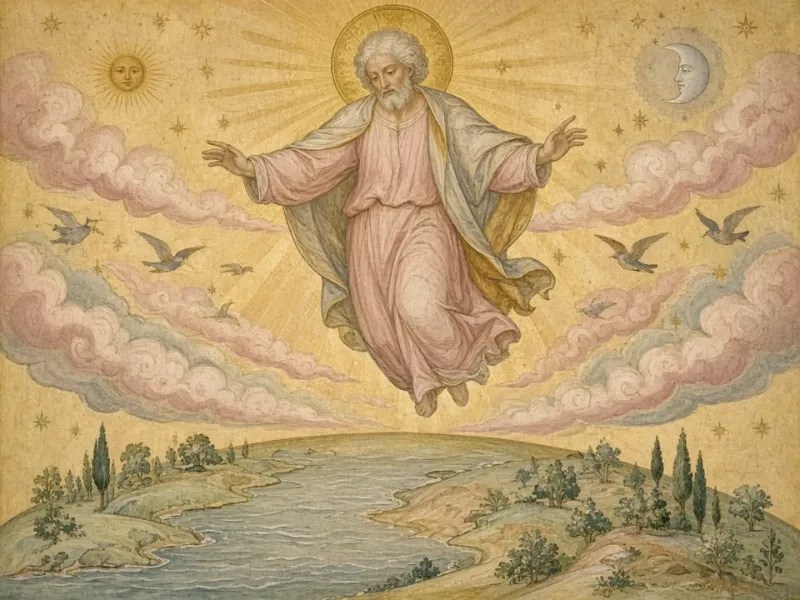
Proverbs 1:7
“The fear of the Lord is the beginning of knowledge; fools despise wisdom and instruction.”
Reflection: The fear of the Lord here means reverence toward God. Proverbs makes it the starting point of knowledge, and says the same of wisdom in 9:10.
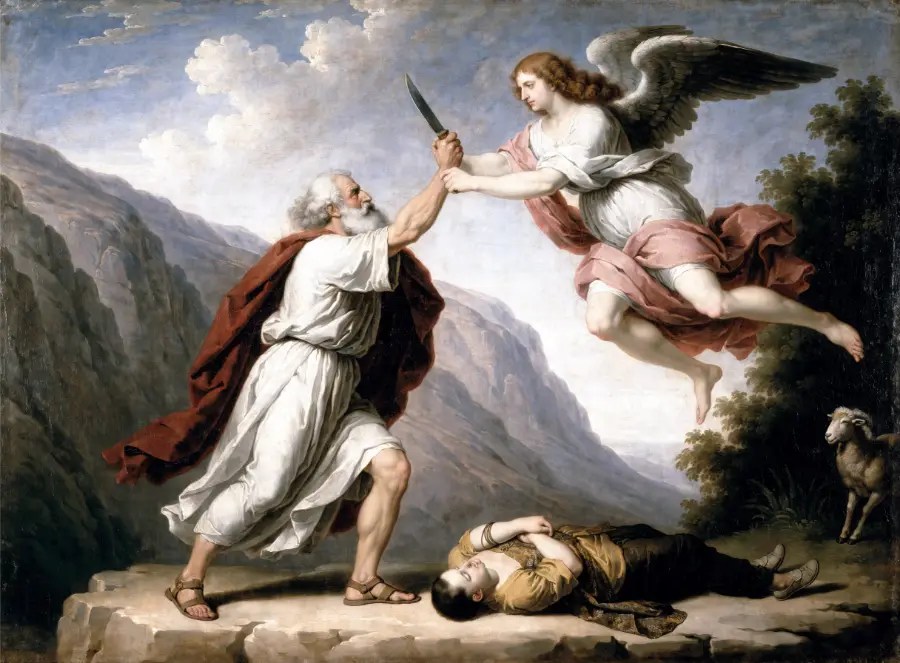
James 1:5
“If any of you lacks wisdom, let him ask God, who gives generously to all without reproach, and it will be given him.”
Reflection: James promises wisdom to anyone who asks, and says God gives “without reproach.” Asking is not held against the person who lacks it.
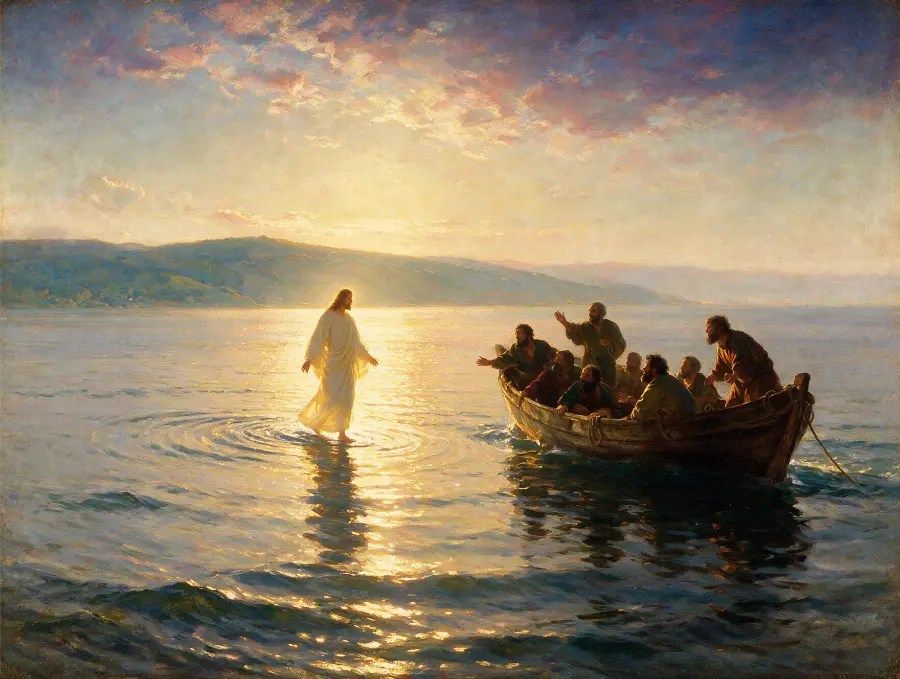
Proverbs 2:10-11
“For wisdom will come into your heart, and knowledge will be pleasant to your soul; discretion will watch over you, understanding will guard you.”
Reflection: Proverbs expects knowledge to be pleasant, and says wisdom will guard the person who gains it. The chapter opens by telling the reader to search for wisdom as for silver (2:4).
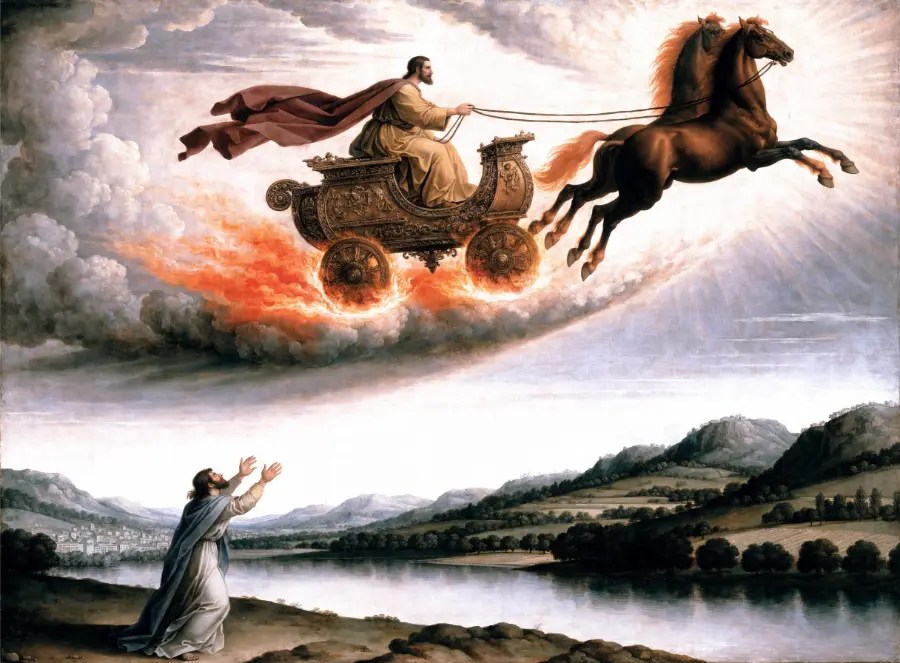
Colossians 2:3
“…in whom are hidden all the treasures of wisdom and knowledge.”
Reflection: Paul was writing against teaching that offered philosophy and empty deceit (2:8). He says the treasures of wisdom and knowledge are hidden in Christ.
What it is for

Ezra 7:10
“For Ezra had set his heart to study the Law of the Lord, and to do it and to teach his statutes and rules in Israel.”
Reflection: Ezra’s order is study, do, teach. The doing comes before the teaching.
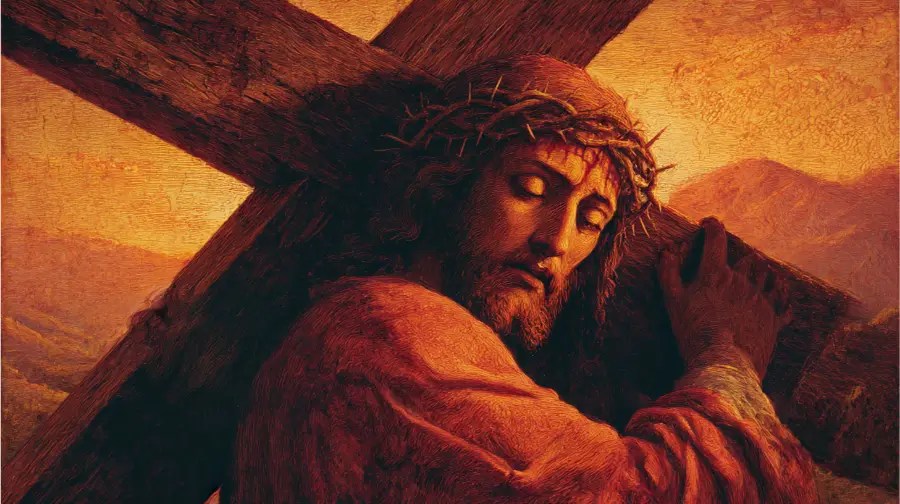
2 Timothy 3:16-17
“All Scripture is breathed out by God and profitable for teaching, for reproof, for correction, and for training in righteousness.”
Reflection: Two of the four uses Paul lists, reproof and correction, involve being shown what is wrong. The purpose is that the person of God be equipped for every good work (3:17).
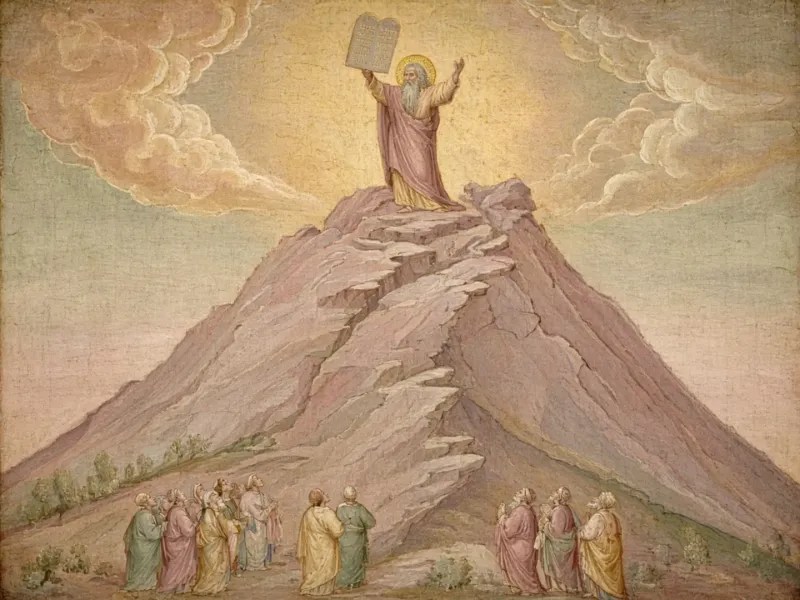
2 Timothy 2:15
“Do your best to present yourself to God as one approved, a worker who has no need to be ashamed, rightly handling the word of truth.”
Reflection: The Greek word behind “rightly handling” means, literally, cutting straight. Paul treats handling Scripture as a skill that can be done well or badly.

Luke 2:52
“And Jesus increased in wisdom and in stature and in favor with God and man.”
Reflection: Luke says Jesus grew in wisdom as he grew in stature. The verse comes right after he is found in the temple, listening to the teachers and asking them questions (2:46).
The habit of it
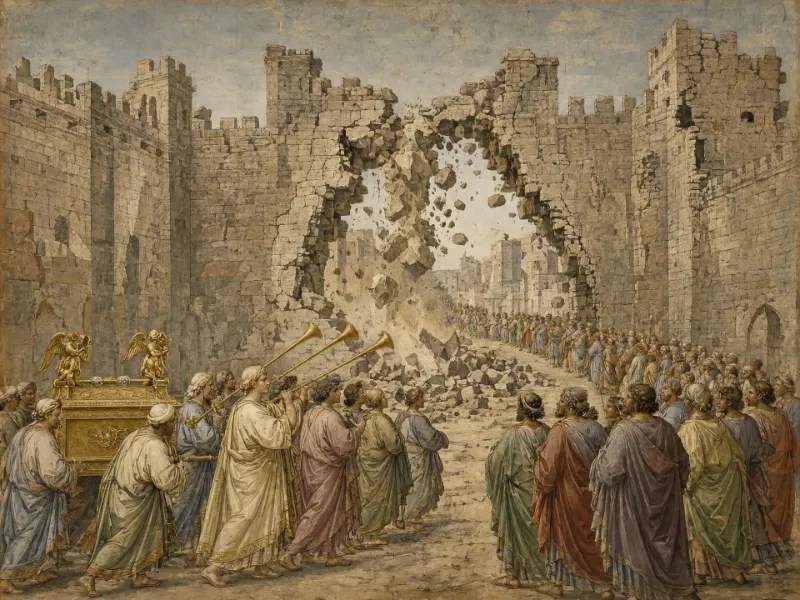
Proverbs 18:15
“An intelligent heart acquires knowledge, and the ear of the wise seeks knowledge.”
Reflection: Proverbs describes the wise as people who go looking for knowledge.

Proverbs 9:9
“Give instruction to a wise man, and he will be still wiser; teach a righteous man, and he will increase in learning.”
Reflection: The wise person becomes wiser when instructed. The verses before contrast the scoffer, who hates the one who corrects him (9:7-8).
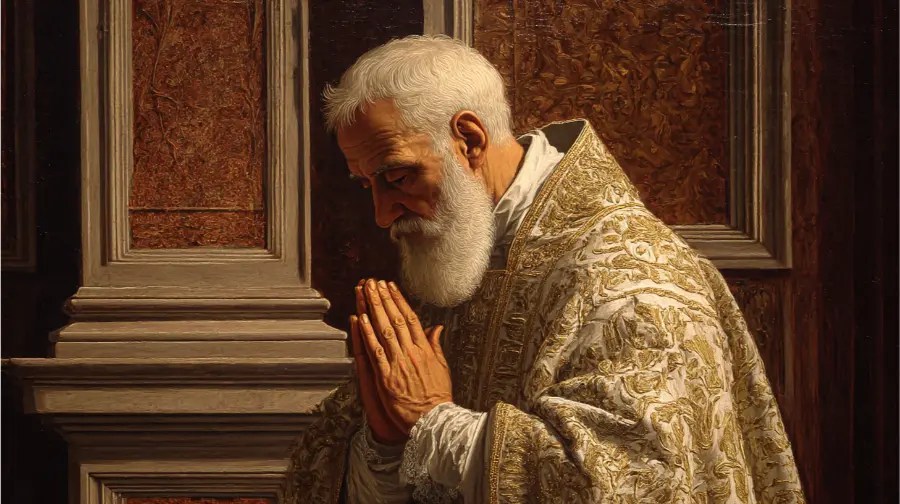
Proverbs 16:16
“How much better to get wisdom than gold! To get understanding is to be chosen rather than silver.”
Reflection: Proverbs values wisdom above gold and silver. It does not call wealth evil; it ranks it lower.

Psalm 119:105
“Your word is a lamp to my feet and a light to my path.”
Reflection: An oil lamp carried at night lit the ground a few steps ahead. Psalm 119 is the longest chapter in the Bible, and nearly every verse in it is about God’s word.
What learning does to us if we are careless

1 Corinthians 8:1
“…Knowledge puffs up, but love builds up.”
Reflection: Paul was writing to Corinthians who knew that idols are nothing and were using that knowledge carelessly around believers with weaker consciences (8:4-13).

Philippians 2:3-4
“Do nothing from selfish ambition or conceit, but in humility count others more significant than yourselves.”
Reflection: Humility means counting others as more significant. Read beside 1 Corinthians 8:1, it applies to knowing more than someone else.

James 3:17
“But the wisdom from above is first pure, then peaceable, gentle, open to reason, full of mercy and good fruits.”
Reflection: “Open to reason” is one of the marks of wisdom from above. A wise person can still be persuaded.
Proverbs 4:23
“Keep your heart with all vigilance, for from it flow the springs of life.”
Reflection: In Hebrew thought the heart is the center of thinking and choosing as well as feeling. Proverbs puts guarding it at the center of its teaching, a theme the Bible’s verses about improving yourself take up.
Teaching, and what is owed to teachers
Deuteronomy 6:6-7
“And these words that I command you today shall be on your heart. You shall teach them diligently to your children, and shall talk of them when you sit in your house.”
Reflection: Parents are to teach God’s words at home and on the road, at bedtime and on waking. The teaching is part of daily life.

Luke 6:40
“A disciple is not above his teacher, but everyone when he is fully trained will be like his teacher.”
Reflection: Jesus describes training as becoming like the teacher. The verse before asks whether a blind man can lead a blind man (6:39).
Titus 2:7-8
“Show yourself in all respects to be a model of good works, and in your teaching show integrity, dignity, and sound speech that cannot be condemned.”
Reflection: Titus is to teach by example as well as by word. The reason given is that an opponent will have “nothing evil to say about us” (2:8).

Galatians 6:6
“Let the one who is taught the word share all good things with the one who teaches.”
Reflection: Paul asks those who are taught to share their material goods with their teachers.
If we are studying something
Ezra’s order is worth keeping: study, then do, then teach. Paul names what happens when knowledge is held without love: it puffs up.
James gives two safeguards: ask God for wisdom without embarrassment, and stay open to reason. The psalm’s lamp lights the next step of the path, and that is enough to walk by.


Leave a Reply