
 English
 Chinese
 Dutch
 Arabic
 Spanish
 Portuguese
 Russian
 French
 Italian
 German
 Japanese
The Bible treats long life as a blessing from God, and several of its promises of long life come with a condition. Exodus 20:12 ties long life to honouring parents, Deuteronomy 30:19-20 to loving God and keeping his commands, and Proverbs 10:27 to the fear of the Lord.
The promises in Exodus and Deuteronomy were made to Israel and speak of long life “in the land” God was giving them. Ephesians 6:1-3 and 1 Peter 3:10-11 carry the theme to Christians. Other passages promise Abram a death “at a good old age” (Genesis 15:15), put a life at “seventy years, or eighty” (Psalm 90:10), and look ahead to days “as the days of a tree” (Isaiah 65:22).
Long life for honouring parents
Exodus 20:12
“Honor your father and your mother, so that you may live long in the land the Lord your God is giving you.”
Reflection: Paul calls this “the first commandment with a promise” (Ephesians 6:2). Honouring parents is tied to long life “in the land the Lord your God is giving you,” a promise made to Israel on its way to that land. When the commandments are repeated in Deuteronomy 5, verse 16 adds a second clause, “so that it may go well with you.”
Ephesians 6:1-3
“Children, obey your parents in the Lord, for this is right. ‘Honor your father and mother’—which is the first commandment with a promise— ‘so that it may go well with you and that you may enjoy long life on the earth.’”
Reflection: Paul addresses children in the church and quotes the commandment in the form Deuteronomy 5:16 gives it, with “so that it may go well with you.” Where the Old Testament wording speaks of the land God was giving Israel, his reads “long life on the earth.” The next verse turns to the parents: “Fathers, do not exasperate your children.”
Long life in the land, under the covenant
Deuteronomy 30:19-20
“…I have set before you life and death, blessings and curses. Now choose life, so that you and your children may live and that you may love the Lord your God, listen to his voice, and hold fast to him. For the Lord is your life, and he will give you many years in the land…”
Reflection: Moses sets two ways before Israel before they cross the Jordan. Verses 15-18 spell them out: love and obey God and “you will live and increase,” or turn to other gods and “you will not live long in the land.” Verse 20 names God himself as the source of the promise, “the Lord is your life,” and places the “many years” in the land sworn to Abraham, Isaac and Jacob.
Deuteronomy 11:21
“…so that your days and the days of your children may be many in the land the Lord swore to give your ancestors, as many as the days that the heavens are above the earth.”
Reflection: The verses before this one tell Israel to fix God’s words in their hearts, tie them on their hands, teach them to their children and write them on their doorframes (Deuteronomy 11:18-20). The promise that follows covers two generations, “your days and the days of your children,” and measures their time in the land by the days the heavens stand above the earth.
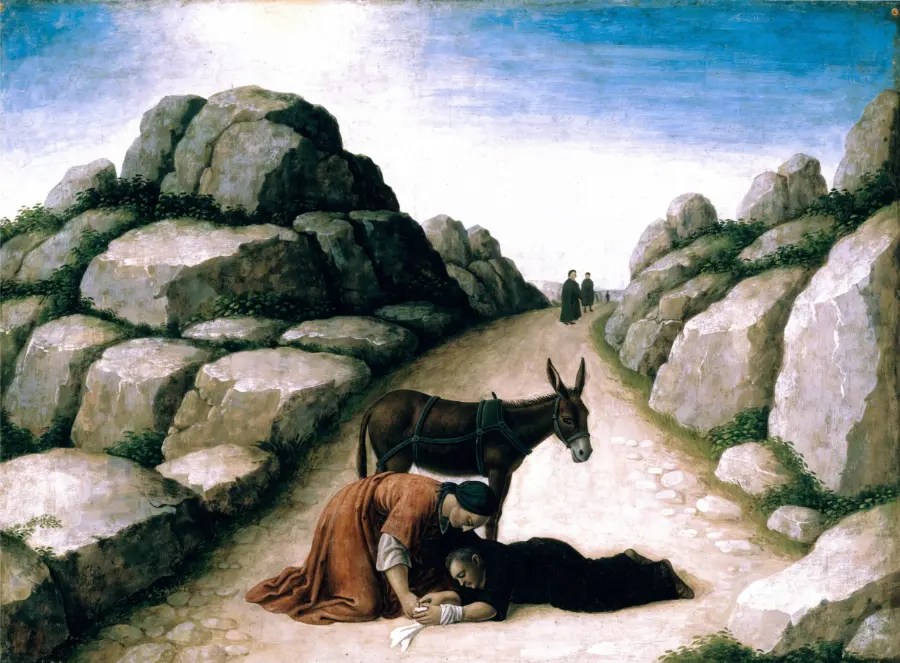
1 Kings 3:14
“And if you walk in obedience to me and keep my decrees and commands as David your father did, I will give you a long life.”
Reflection: God speaks to Solomon in a dream at Gibeon. Solomon has asked for a discerning heart to govern, and God notes that he did not ask “for long life or wealth for yourself” (1 Kings 3:11). Wisdom is granted outright and wealth and honour are added, but long life comes with a condition: “if you walk in obedience to me and keep my decrees and commands as David your father did.”
Wisdom and the fear of the Lord in Proverbs
Proverbs 3:1-2
“My son, do not forget my teaching, but keep my commands in your heart, for they will prolong your life many years and bring you peace and prosperity.”
Reflection: A father speaks to his son at the opening of the chapter, asking him to keep “my commands in your heart.” Obedience to that teaching is said to “prolong your life many years” and to bring peace and prosperity with it. Chapter 4 repeats the promise in almost the same terms: “accept what I say, and the years of your life will be many” (Proverbs 4:10).

Proverbs 3:16
“Long life is in her right hand; in her left hand are riches and honor.”
Reflection: “Her” is wisdom, introduced three verses earlier: “Blessed are those who find wisdom.” The verses between rank her above silver, gold and rubies, and this one pictures her holding long life in one hand and riches and honour in the other. Verse 18 goes on to call her “a tree of life to those who take hold of her.”
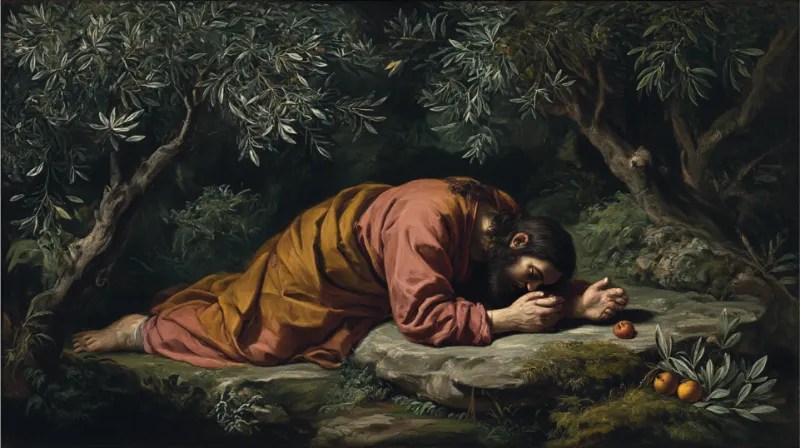
Proverbs 10:27
“The fear of the Lord adds length to life, but the years of the wicked are cut short.”
Reflection: The saying sets two outcomes side by side: the fear of the Lord adds years, and the years of the wicked are cut short. Proverbs 9:10 calls the same fear of the Lord “the beginning of wisdom,” and the verse after it makes the same promise: “through wisdom your days will be many, and years will be added to your life.”
Proverbs 16:31
“Gray hair is a crown of splendor; it is attained in the way of righteousness.”
Reflection: Gray hair is called a crown, and the second line says how it is reached: “in the way of righteousness.” Old age is presented as the outcome of a righteous life, the same link Proverbs 10:27 draws between the fear of the Lord and length of days.
Long life in the Psalms and in 1 Peter
Psalm 91:16
“With long life I will satisfy him and show him my salvation.”
Reflection: In the last three verses of Psalm 91 God himself speaks, introduced by “says the Lord.” He lists what he will do for the one who loves him: rescue, protect, answer, stay with him in trouble, deliver and honour him. Long life comes last, paired with “show him my salvation.”
Psalm 21:4
“He asked you for life, and you gave it to him—length of days, for ever and ever.”
Reflection: The psalm gives thanks for a king: “The king rejoices in your strength, Lord” (Psalm 21:1). Verse 2 says God has granted “his heart’s desire,” and verse 3 speaks of a crown of pure gold. The request was for life, and the answer recorded is larger than the request: “length of days, for ever and ever.”
1 Peter 3:10-11
“For, ‘Whoever would love life and see good days must keep their tongue from evil and their lips from deceitful speech. They must turn from evil and do good; they must seek peace and pursue it.’”
Reflection: Peter quotes Psalm 34:12-14, where the psalmist offers to teach “the fear of the Lord” to anyone who loves life and wants “many good days.” In 1 Peter the quotation backs the verse before it: “Do not repay evil with evil or insult with insult.” The good days are tied to a guarded tongue and to pursuing peace.
Dying at a good old age
Genesis 15:15
“You, however, will go to your ancestors in peace and be buried at a good old age.”
Reflection: God speaks to Abram as he lies in a deep sleep at sunset, after foretelling that his descendants will be enslaved in a foreign country for four hundred years (Genesis 15:12-13). Abram himself is promised a peaceful death. Genesis 25:7-8 records it: he lived a hundred and seventy-five years and “died at a good old age, an old man and full of years.”
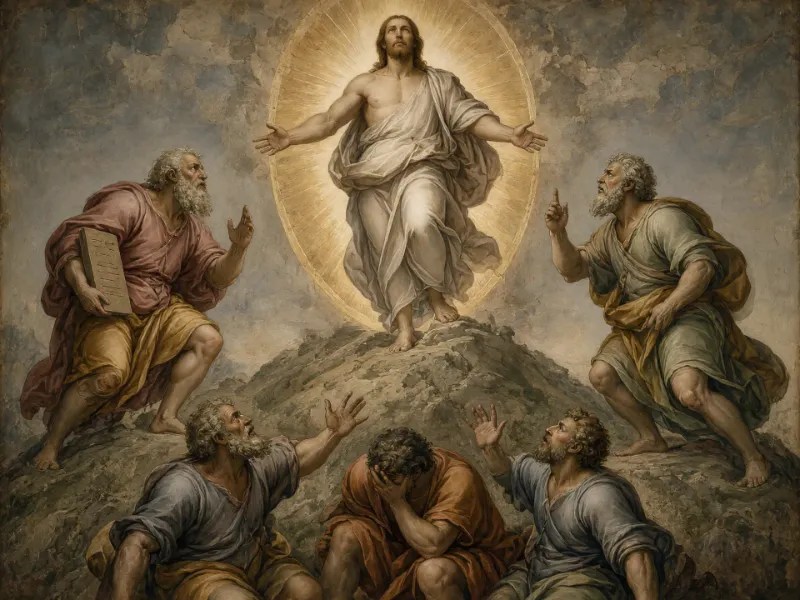
Job 5:26
“You will come to the grave in full vigor, like sheaves gathered in season.”
Reflection: The speaker is Eliphaz the Temanite (Job 4:1), telling Job that the one God corrects will be healed and restored (Job 5:17-18) and will reach the grave like sheaves brought in at harvest. At the end of the book God tells Eliphaz, “I am angry with you and your two friends, because you have not spoken the truth about me, as my servant Job has” (Job 42:7). The book closes with Job himself dying “an old man and full of years” (Job 42:17).
How long a life lasts, now and in the new creation
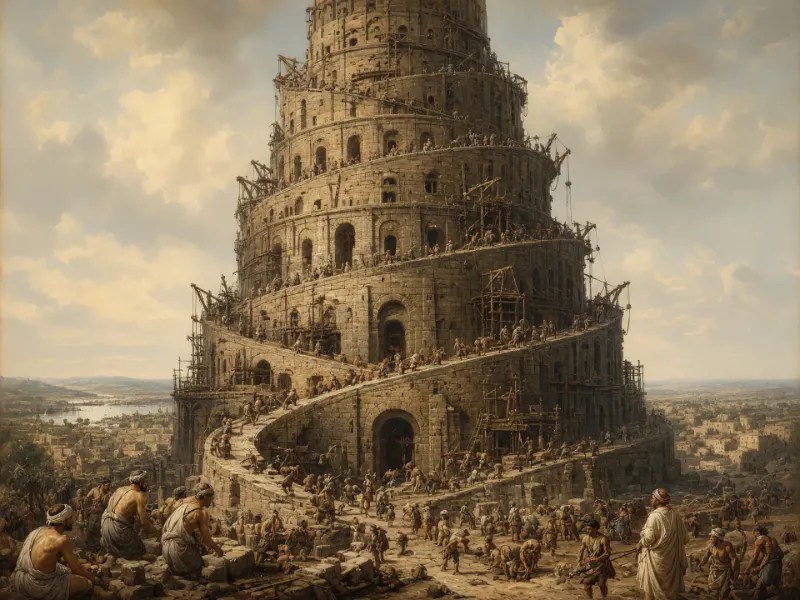
Psalm 90:10
“Our days may come to seventy years, or eighty, if our strength endures; yet the best of them are but trouble and sorrow, for they quickly pass, and we fly away.”
Reflection: The psalm sets human life against God’s time: “A thousand years in your sight are like a day that has just gone by” (Psalm 90:4), and people are like grass that springs up in the morning and is withered by evening. Seventy or eighty years is the span given, “if our strength endures,” and even the best of those years are called “trouble and sorrow.”
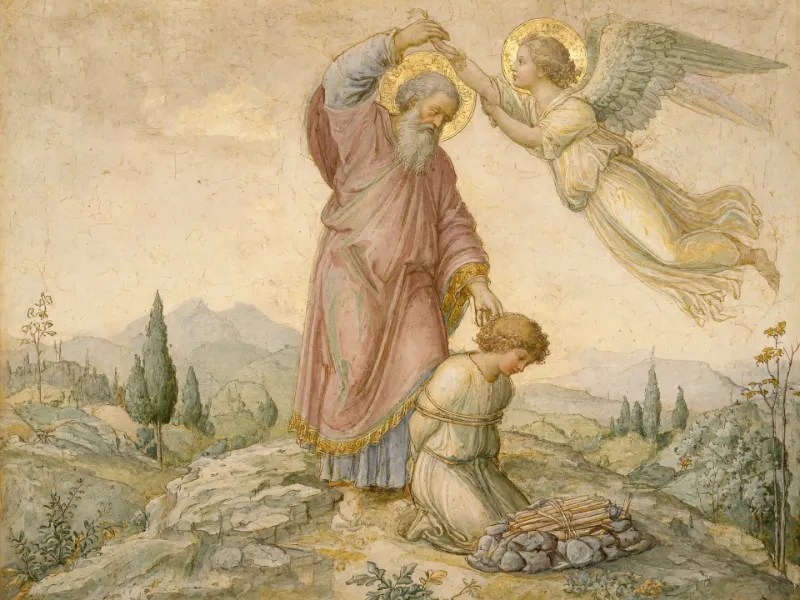
Psalm 90:12
“Teach us to number our days, that we may gain a heart of wisdom.”
Reflection: Two verses after the reckoning of seventy or eighty years, the psalm turns it into a request to God. Counting the days is asked for as a way to wisdom: “that we may gain a heart of wisdom.”
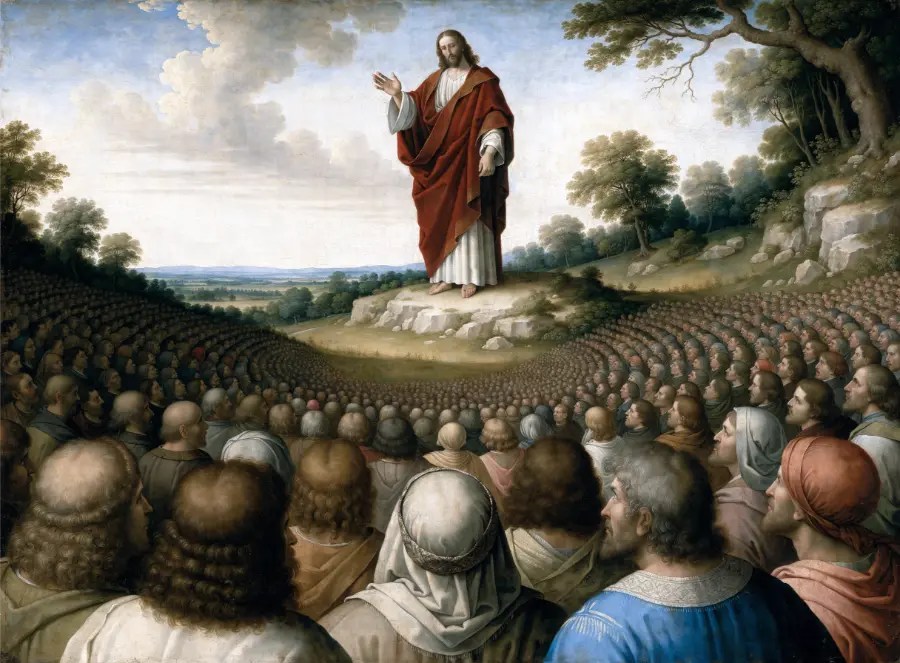
Isaiah 65:22
“…for as the days of a tree, so will be the days of my people; my chosen ones will long enjoy the work of their hands.”
Reflection: The passage opens with “new heavens and a new earth” (Isaiah 65:17) and describes a Jerusalem where people live in the houses they build and eat the fruit of the vineyards they plant. Two verses earlier it says “the one who dies at a hundred will be thought a mere child.” Death is still mentioned, but the span of a life is compared to the days of a tree.


Leave a Reply