
 English
 Chinese
 Dutch
 Arabic
 Spanish
 Portuguese
 Russian
 French
 Italian
 German
 Japanese
The Bible treats the family as a household with duties to one another, held together by love and forgiveness.
The commandments tell children to honor their parents, and Paul says that anyone who does not provide for their own household “has denied the faith” (1 Timothy 5:8). The Gospels also set a limit: when Jesus was told his mother and brothers were outside, he pointed to the people around him and called whoever does God’s will his family (Mark 3:31-35). The seventeen verses below cover the household, what holds it together, marriage, the generations, and the love that comes first from God.
The household as a unit
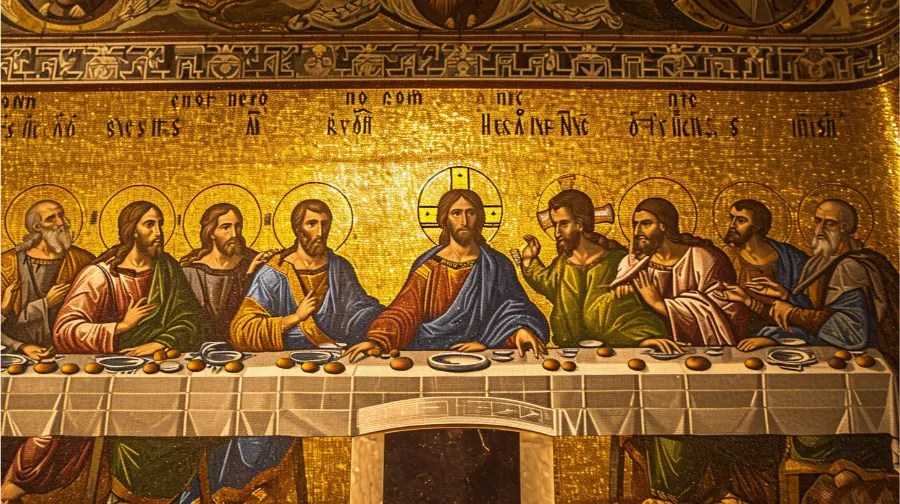
Psalm 133:1
“How good and pleasant it is when God’s people live together in unity!”
Reflection: The psalm compares unity to precious oil poured on Aaron’s head, running down his beard and onto his robes (133:2). The image is of abundance.
1 Timothy 5:8
“Anyone who does not provide for their relatives, and especially for their own household, has denied the faith and is worse than an unbeliever.”
Reflection: Paul compares a believer who neglects their own household to an unbeliever and finds the believer worse. The surrounding verses are about caring for widows within the family (5:3-7).
Malachi 4:6
“He will turn the hearts of the parents to their children, and the hearts of the children to their parents.”
Reflection: In the order of most English Bibles, these are the last words of the Old Testament. Luke applies the promise to John the Baptist (Luke 1:17).
Psalm 78:4
“We will not hide them from their descendants; we will tell the next generation the praiseworthy deeds of the Lord.”
Reflection: The psalm goes on to tell Israel’s history, including its failures in the wilderness (78:17-22). What is passed on includes the hard parts.
What holds a family together on a bad day
Colossians 3:13
“Bear with each other and forgive one another if any of you has a grievance against someone.”
Reflection: Bearing with one another comes before forgiving. Paul expects everyday friction as well as real grievances, and the reason he gives is “Forgive as the Lord forgave you.”
1 Peter 4:8
“Above all, love each other deeply, because love covers over a multitude of sins.”
Reflection: The Greek word translated “deeply” comes from a verb meaning to stretch out: love that is earnest and sustained. Peter is quoting Proverbs 10:12, “love covers over all wrongs.”
Colossians 3:14
“And over all these virtues put on love, which binds them all together in perfect unity.”
Reflection: Paul has been describing virtues as clothes to put on (3:12). Love is put on over all of them.
Romans 12:10
“Be devoted to one another in love. Honor one another above yourselves.”
Reflection: The Greek word behind “devoted” describes the affection of family members for one another. Paul uses it for a congregation.
The married pair
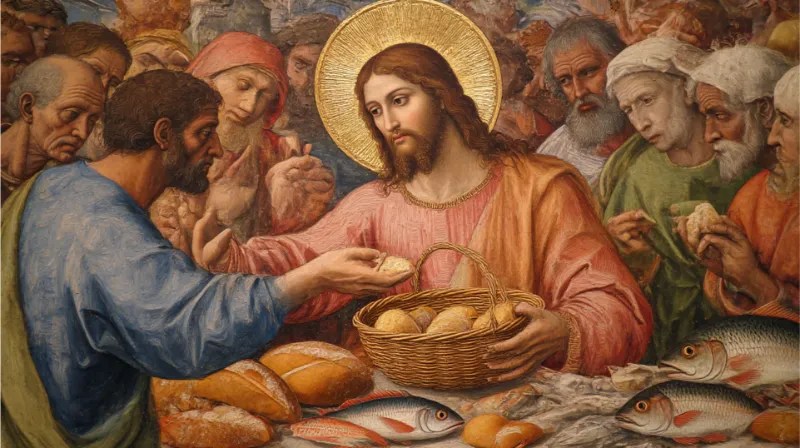
Genesis 2:24
“Therefore a man shall leave his father and his mother and hold fast to his wife, and they shall become one flesh.”
Reflection: Leaving comes before holding fast: a new household begins by departing from an existing one.
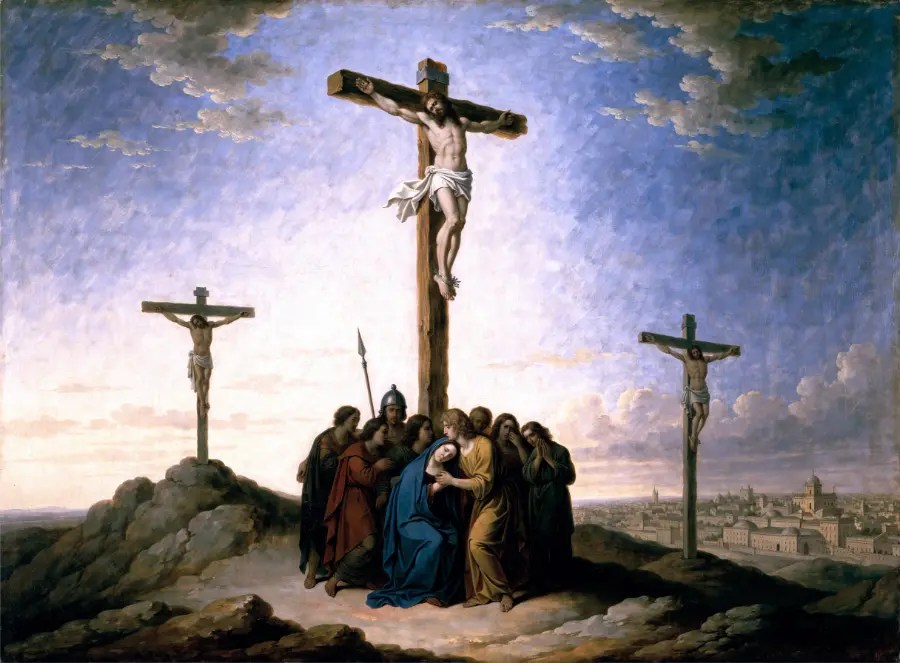
Ephesians 5:33
“However, each one of you also must love his wife as he loves himself, and the wife must respect her husband.”
Reflection: Paul sums up his long passage on marriage (5:21-33) with love and respect.

Proverbs 31:10-11
“A wife of noble character who can find? She is worth far more than rubies. Her husband has full confidence in her.”
Reflection: The same Hebrew phrase, a woman of strength and worth, describes Ruth (Ruth 3:11). The husband’s confidence rests on her judgment.
The generations
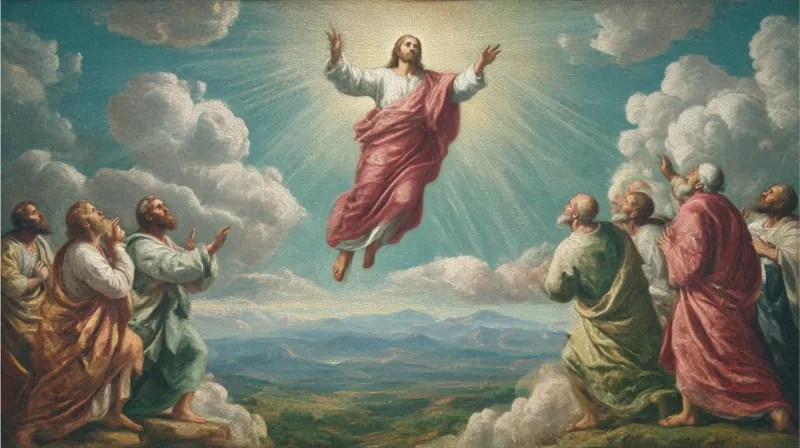
Exodus 20:12
“Honor your father and your mother, so that you may live long in the land the Lord your God is giving you.”
Reflection: This is the first commandment with a promise, as Ephesians 6:2 notes. It applies to grown children as much as young ones.
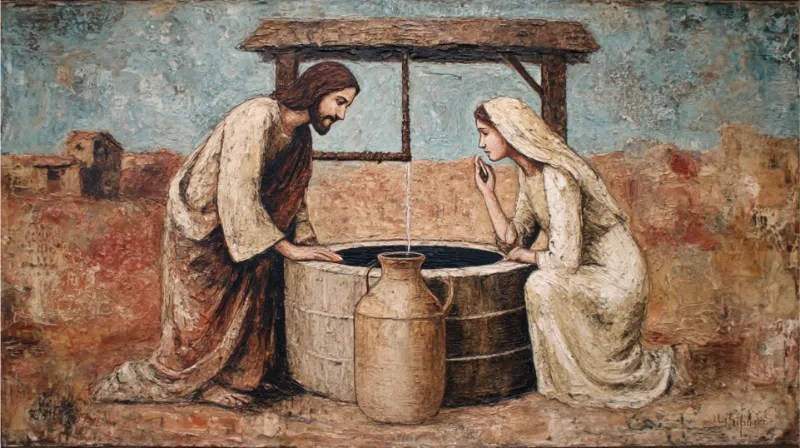
Psalm 127:3
“Children are a heritage from the Lord, offspring a reward from him.”
Reflection: “Heritage” is an inheritance word: something received as a gift. The psalm opens by saying that unless the Lord builds the house, its builders labor in vain (127:1).
Proverbs 1:8-9
“Listen, my son, to your father’s instruction and do not forsake your mother’s teaching. They are a garland to grace your head.”
Reflection: Both parents are named in the book’s opening address, and their teaching is called a garland.
Deuteronomy 6:6-7
“These commandments that I give you today are to be on your hearts. Impress them on your children.”
Reflection: The commandments are to be on the parents’ hearts first, and then impressed on the children.
Love that starts somewhere else
1 John 4:19
“We love because he first loved us.”
Reflection: John places God’s love first. The love in a household is a response to it.
1 Corinthians 13:4-7
“Love is patient, love is kind. It does not envy, it does not boast, it is not proud. It does not dishonor others, it is not self-seeking, it is not easily angered, it keeps no record of wrongs. Love does not delight in evil but rejoices with the truth. It always protects, always trusts, always hopes, always perseveres.”
Reflection: “Keeps no record of wrongs” uses an accounting word: love does not keep a tally of injuries.
Where the boundary is
Scripture gives the family real weight: a commandment with a promise, a duty of provision so serious that neglecting it is called denying the faith, and a closing promise in Malachi about the hearts of parents and children turning to each other.
The Gospels also set a limit. Asked to come out to his mother and brothers, Jesus pointed to the people around him and called whoever does God’s will his family. He did not reject his own family; from the cross he arranged for his mother’s care (John 19:26-27). The household is honored, provided for and taught, and it is still not the largest thing a person belongs to. For verses on the relationship between the generations, see Bible verses about parents and children.


Leave a Reply