
 English
 Chinese
 Dutch
 Arabic
 Spanish
 Portuguese
 Russian
 French
 Italian
 German
 Japanese
A wedding anniversary looks back on years that the vows could describe only in general terms: for better or worse, for richer or poorer, in sickness and in health.
The twenty verses below give thanks for those years, recall what was promised, describe love in practical terms, and speak to a year that was hard. The last two passages are for the anniversary itself.
Giving thanks for the years
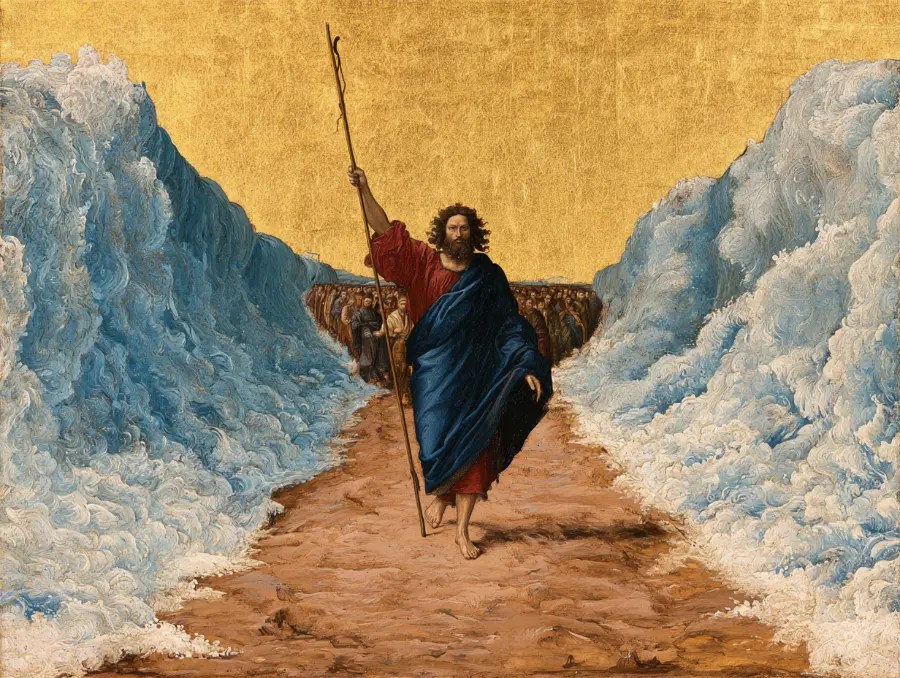
Psalm 100:4
“Enter his gates with thanksgiving and his courts with praise; give thanks to him and praise his name.”
Reflection: Psalm 100 is headed “A psalm. For giving grateful praise.” Its worshipers come through the temple gates already giving thanks, and the last verse gives the reason: the Lord’s faithfulness “continues through all generations” (100:5).
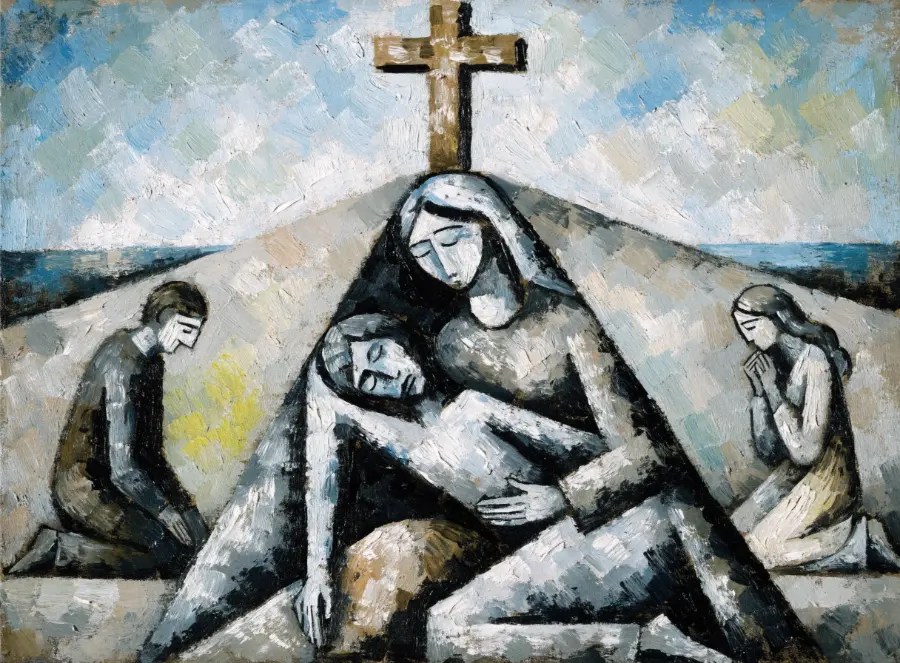
Colossians 3:17
“And whatever you do, whether in word or deed, do it all in the name of the Lord Jesus, giving thanks to God the Father through him.”
Reflection: “Whatever you do” covers ordinary work and speech as well as worship. In the letter, the verse comes just before Paul’s instructions to wives and husbands (3:18-19), including “Husbands, love your wives and do not be harsh with them.”
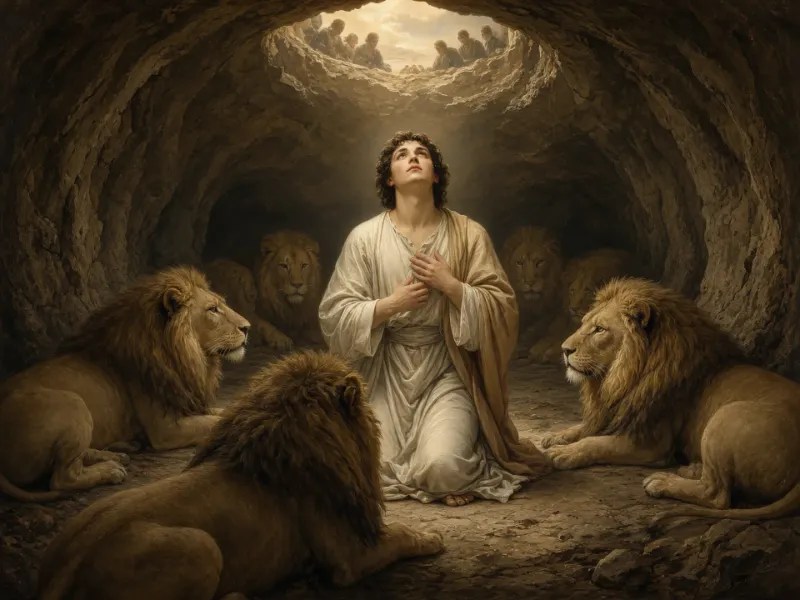
1 Thessalonians 5:18
“Give thanks in all circumstances; for this is God’s will for you in Christ Jesus.”
Reflection: Paul says to give thanks in all circumstances, not for all circumstances. The wording allows thanks in a year that held illness or loss without calling the illness or loss good.
What the promise was
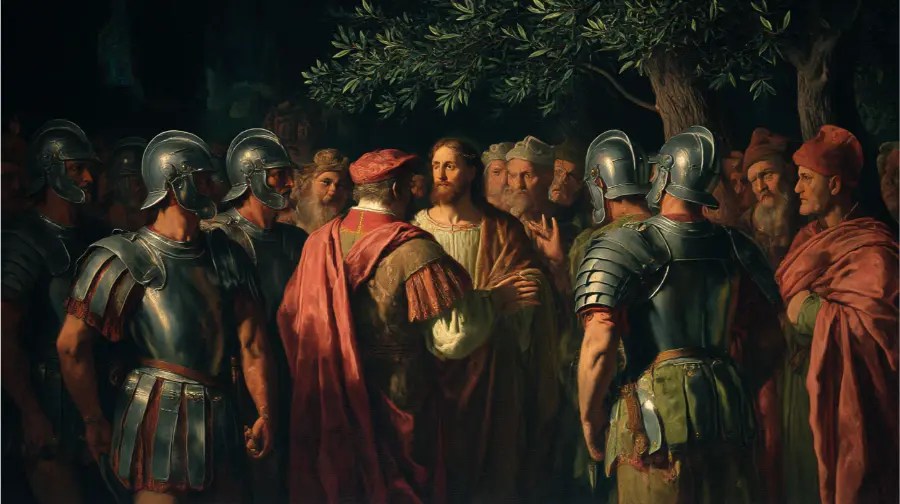
Genesis 2:24
“That is why a man leaves his father and mother and is united to his wife, and they become one flesh.”
Reflection: Jesus quotes this verse when he is asked about divorce and adds, “So they are no longer two, but one flesh” (Mark 10:8). One flesh describes a shared life: after enough years a couple has one household, one set of accounts and a long common history.
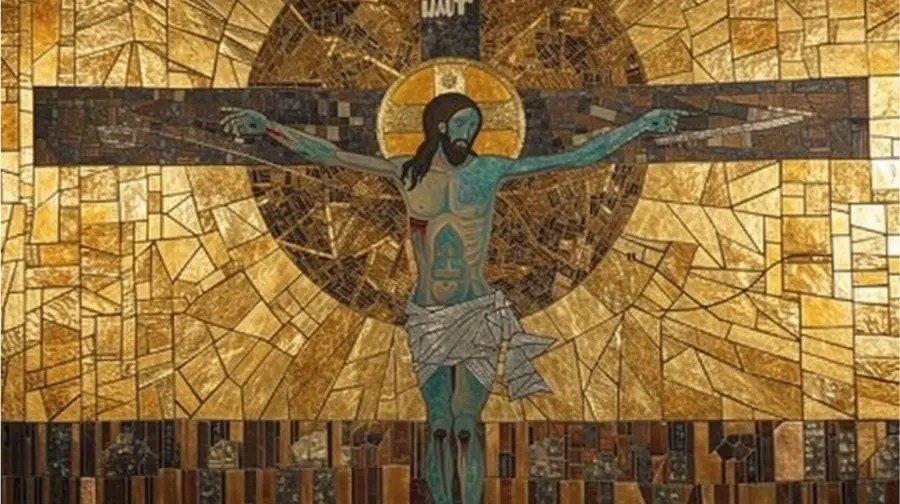
Mark 10:9
“Therefore what God has joined together, let no one separate.”
Reflection: God is the subject of this sentence: he is the one who joins a husband and wife. The Greek verb, suzeugnumi, means to yoke together, as two animals share one yoke.
Malachi 2:15
“Has not the one God made you? You belong to him in body and spirit. And what does the one God seek? Godly offspring. So be on your guard, and do not be unfaithful to the wife of your youth.”
Reflection: Malachi was speaking to men who had been unfaithful to the wives they married when young (2:14). “Be on your guard” treats faithfulness as something to keep watch over, and he repeats the warning in the next verse (2:16).
Hebrews 13:4
“Marriage should be honored by all, and the marriage bed kept pure, for God will judge the adulterer and all the sexually immoral.”
Reflection: The verse sits in a list of instructions to a whole church: keep loving one another, show hospitality, remember prisoners, honor marriage, and stay free from the love of money (13:1-5). “Honored by all” makes marriage the concern of the church as well as of the couple.
Love, described by people who were not being romantic
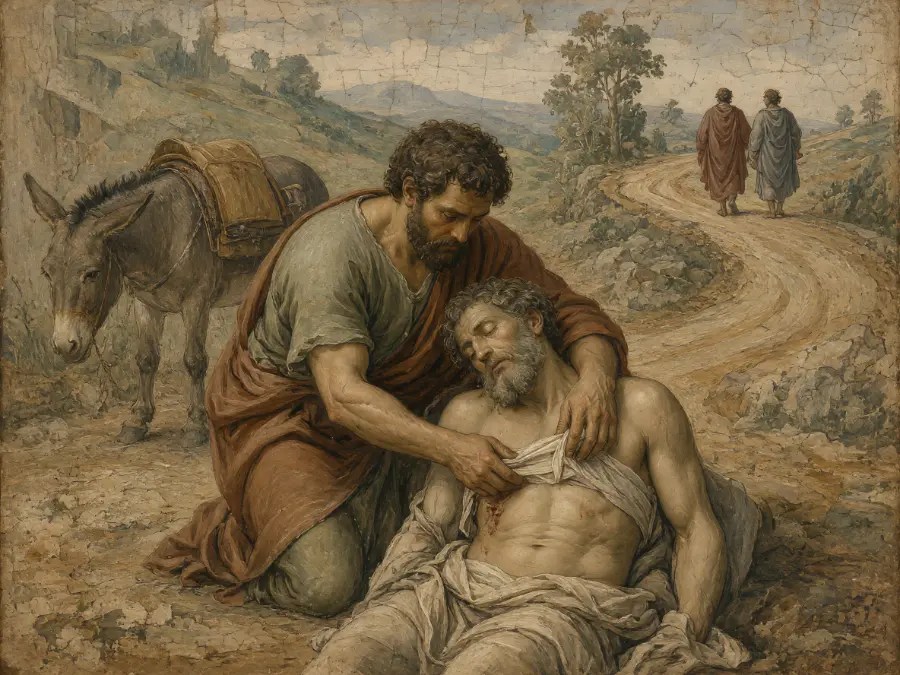
1 Corinthians 13:4-7
“Love is patient, love is kind. It does not envy, it does not boast, it is not proud. It does not dishonor others, it is not self-seeking, it is not easily angered, it keeps no record of wrongs.”
Reflection: Paul wrote this to a church with quarrels and lawsuits among its members (1:11; 6:1). In “keeps no record of wrongs,” the Greek verb logizomai is an accounting word meaning to reckon or count, and after years of marriage the instruction is specific: do not keep a tally of the other’s faults.
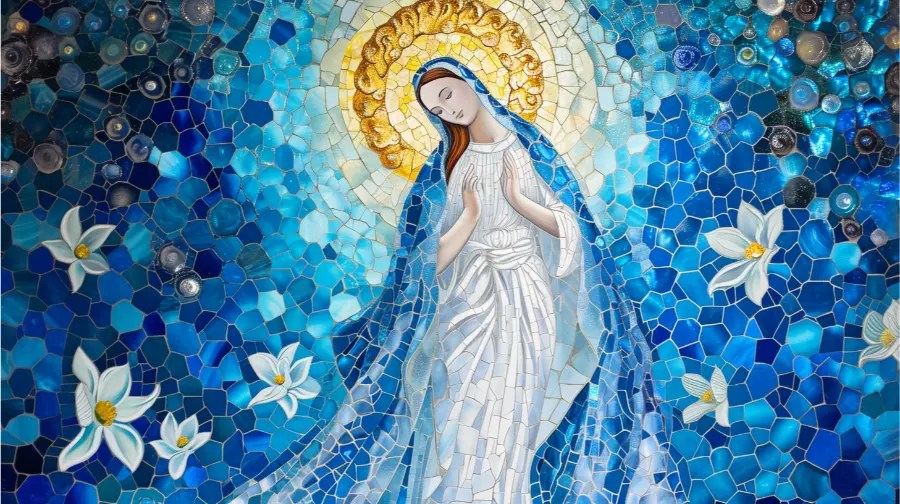
1 John 4:19
“We love because he first loved us.”
Reflection: John makes love a response: we love because God loved us first. The next verse applies it to the people close at hand: whoever does not love a brother or sister, “whom they have seen,” cannot love God (4:20).
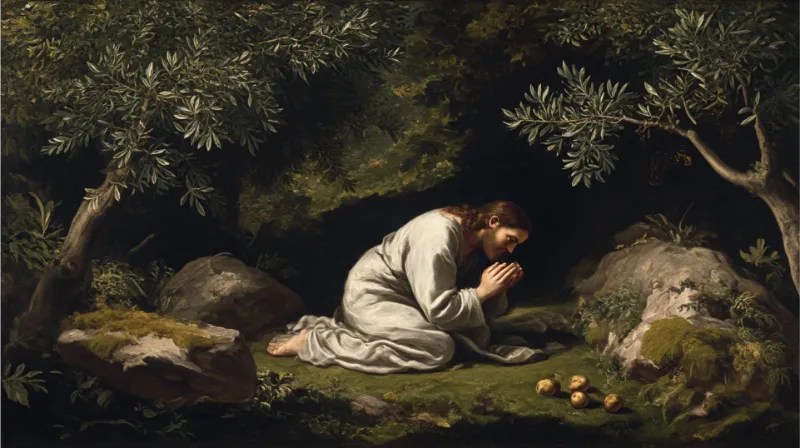
Colossians 3:14
“And over all these virtues put on love, which binds them all together in perfect unity.”
Reflection: “Put on” continues the clothing picture from verse 12, where Paul says to “clothe yourselves with compassion, kindness, humility, gentleness and patience.” Love is the garment that goes over the others and holds them together.
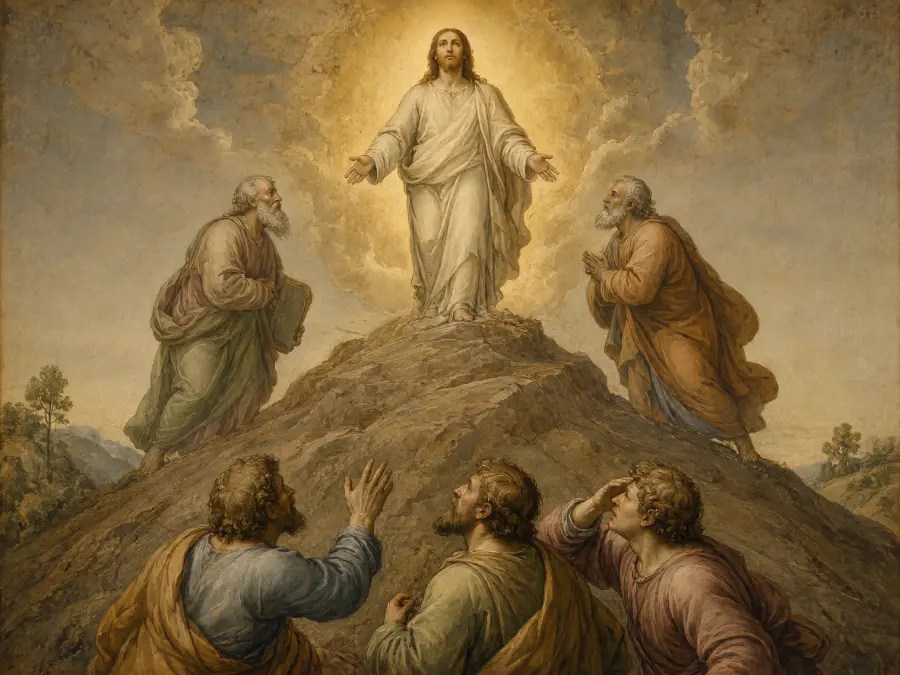
Song of Solomon 8:7
“Many waters cannot quench love; rivers cannot sweep it away. If one were to give all the wealth of one’s house for love, it would be utterly scorned.”
Reflection: In the Old Testament, great waters often stand for chaos and danger, as in Psalm 93:3-4. The verse admits the floods and says they do not put love out.
For a year that was hard
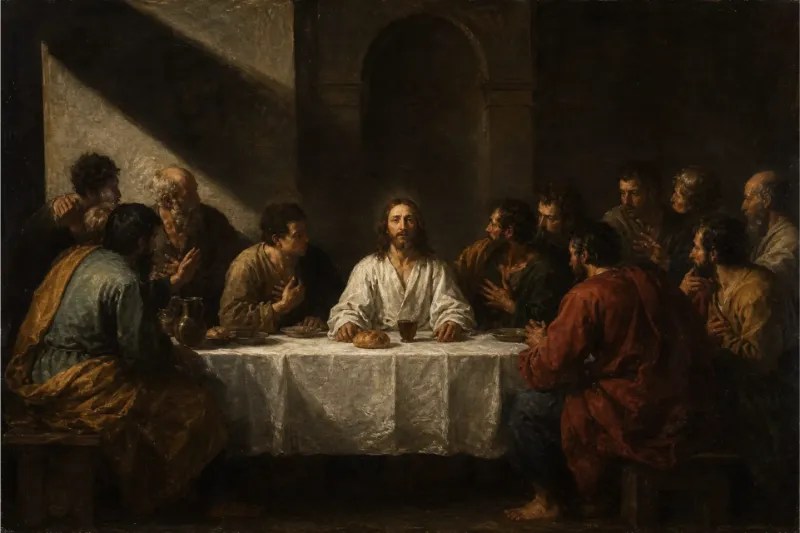
Galatians 6:9
“Let us not become weary in doing good, for at the proper time we will reap a harvest if we do not give up.”
Reflection: Paul has just used the picture of sowing and reaping (6:7-8), and a harvest comes long after the sowing. The promise is for “the proper time,” which Paul does not name.
Isaiah 40:31
“But those who hope in the Lord will renew their strength. They will soar on wings like eagles; they will run and not grow weary, they will walk and not be faint.”
Reflection: Isaiah has just said that the Lord “will not grow tired or weary” (40:28). The strength he gives comes in three forms, soaring, running and walking, and the last, walking without growing faint, describes most ordinary years.
Romans 12:12
“Be joyful in hope, patient in affliction, faithful in prayer.”
Reflection: The middle instruction expects affliction and asks for patience in it, with hope before it and prayer after it.
Ephesians 4:2-3
“Be completely humble and gentle; be patient, bearing with one another in love. Make every effort to keep the unity of the Spirit through the bond of peace.”
Reflection: “Bearing with one another” assumes there is something to bear, on both sides. Paul adds “make every effort,” so the unity he describes has to be kept up.
The house that got built
Psalm 128:3
“Your wife will be like a fruitful vine within your house; your children will be like olive shoots around your table.”
Reflection: Psalm 128 is a song of ascents, sung by pilgrims going up to Jerusalem. Vines and olive trees take years to bear fruit, and the psalm ends with a blessing for a long life together: “May you live to see your children’s children” (128:6).
Psalm 127:3
“Children are a heritage from the Lord, offspring a reward from him.”
Reflection: The psalm begins, “Unless the Lord builds the house, the builders labor in vain” (127:1), before it turns to children. For couples who have wanted children and not had them, this verse can be hard to read on an anniversary, and the opening line about the house the Lord builds applies to every marriage.
Proverbs 24:3-4
“By wisdom a house is built, and through understanding it is established; through knowledge its rooms are filled with rare and beautiful treasures.”
Reflection: In Proverbs a house often means a household (14:1). Building it, establishing it and filling its rooms are slow work, done over many years.
What to say over another year
Proverbs 3:3-4
“Let love and faithfulness never leave you; bind them around your neck, write them on the tablet of your heart. Then you will win favor and a good name in the sight of God and man.”
Reflection: Love and faithfulness are to be bound around the neck and written on the heart, one visible and one inward. The promise attached is favor and a good name with God and with people. For words to pray on the day, there are prayers for a marriage.
James 1:5
“If any of you lacks wisdom, you should ask God, who gives generously to all without finding fault, and it will be given to you.”
Reflection: James promises wisdom to anyone who asks, and says God gives it “without finding fault.” The promise has no time limit, and the next verse asks only that the request be made in faith (1:6).
For the anniversary itself
If you want one passage to read aloud on the day, Proverbs 3:3-4 is short and speaks to both of you about the years ahead. For a card, 1 John 4:19 and Colossians 3:14 are short enough to write out in full.
Whatever the year held, the vows made room for it: better and worse, sickness and health. An anniversary gives thanks that the promise has been kept for another year.


Leave a Reply