
 English
 Chinese
 Dutch
 Arabic
 Spanish
 Portuguese
 Russian
 French
 Italian
 German
 Japanese
The Bible asks for gratitude in every situation, including hard ones, and grounds it in God’s goodness rather than in how things are going.
Paul’s instruction in 1 Thessalonians 5:18 is to “give thanks in all circumstances,” which does not require calling a bad thing good; Ephesians 5:20 goes further and says “for everything.” Jonah, Daniel and David give thanks while still in trouble, and the refrain “Give thanks to the Lord, for he is good” recurs in the Psalms and Chronicles. The twenty verses below cover the command, thanks given in trouble, the one healed man who came back, that refrain, thanks said aloud, and what Paul says goes wrong when thanks is withheld.
The command, and its exact wording
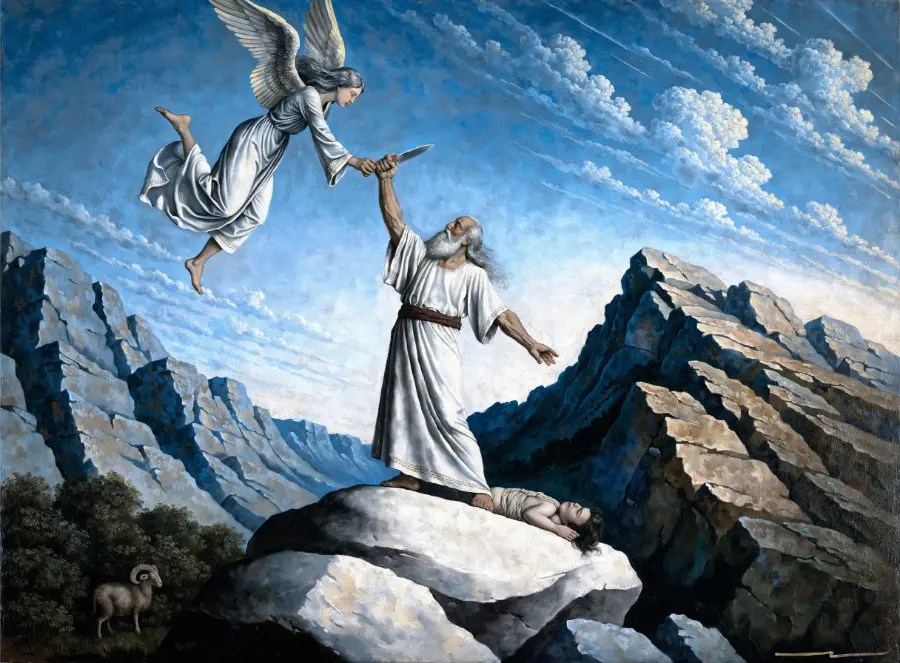
1 Thessalonians 5:18
“Give thanks in all circumstances; for this is God’s will for you in Christ Jesus.”
Reflection: The preposition is “in”: thanks is given in every circumstance, which does not require calling the circumstance good. Paul says this is God’s will, and the verse follows “Rejoice always, pray continually” (5:16-17).
Ephesians 5:20
“Always giving thanks to God the Father for everything, in the name of our Lord Jesus Christ.”
Reflection: Here the wording is “for everything,” which is harder and should be read beside 1 Thessalonians 5:18. The sentence belongs to a description of believers “speaking to one another with psalms, hymns, and songs from the Spirit” (5:19).
Colossians 3:17
“And whatever you do, whether in word or deed, do it all in the name of the Lord Jesus, giving thanks to God the Father through him.”
Reflection: Whatever you do covers ordinary work and speech as well as worship. Thanks comes three times in three verses here: “And be thankful” (3:15), “singing to God with gratitude” (3:16), and “giving thanks” in this verse.

Philippians 4:6
“Do not be anxious about anything, but in every situation, by prayer and petition, with thanksgiving, present your requests to God.”
Reflection: Thanksgiving is part of the instruction about asking, alongside prayer and petition. The next verse promises that “the peace of God, which transcends all understanding, will guard your hearts and your minds in Christ Jesus” (4:7).
Thanks given before the rescue
Jonah 2:9
“But I, with shouts of grateful praise, will sacrifice to you. What I have vowed I will make good. I will say, ‘Salvation comes from the Lord.’”
Reflection: Jonah prays this from inside the fish (2:1), and in the next verse he is put out on dry land (2:10). The vow and the thanks come before he reaches land.
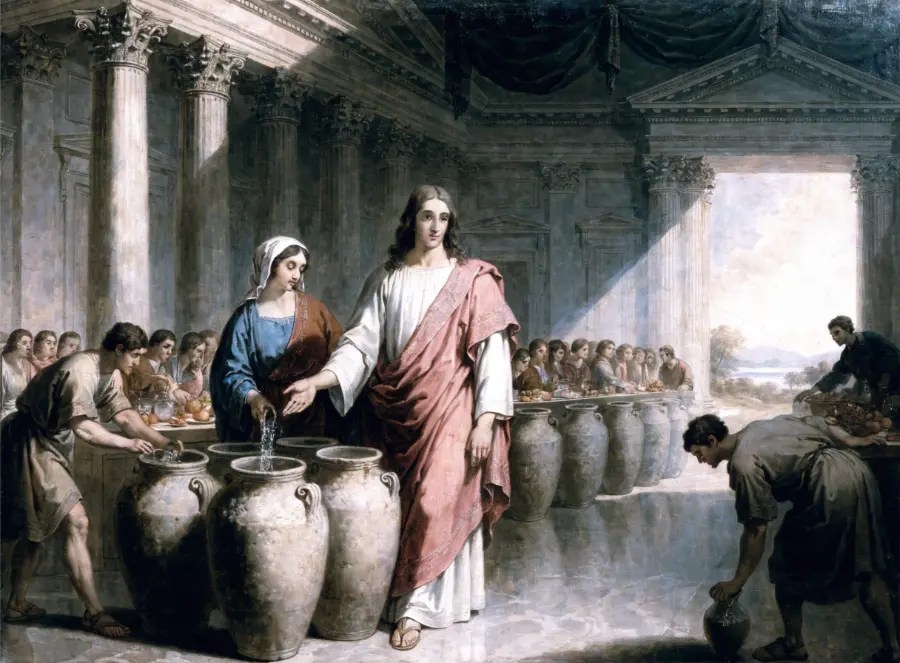
Daniel 6:10
“Now when Daniel learned that the decree had been published, he went home to his upstairs room where the windows opened toward Jerusalem. Three times a day he got down on his knees and prayed, giving thanks to his God, just as he had done before.”
Reflection: The decree made prayer to any god or human being except the king punishable by the lions’ den for thirty days (6:7). Daniel kept the same room, the same open windows and the same three times a day, “just as he had done before.”

Psalm 28:7
“The Lord is my strength and my shield; my heart trusts in him, and he helps me. My heart leaps for joy, and with my song I praise him.”
Reflection: The first five verses are a plea: David asks not to be dragged away with the wicked (28:3). Verse 6 turns to praise “for he has heard my cry for mercy,” and the psalm does not say what changed.

Psalm 30:11-12
“You turned my wailing into dancing; you removed my sackcloth and clothed me with joy, that my heart may sing your praises and not be silent.”
Reflection: The psalm gives the change to God: he turned the wailing, removed the sackcloth and clothed the singer with joy. Its heading ties it to the dedication of the temple.
The one who came back
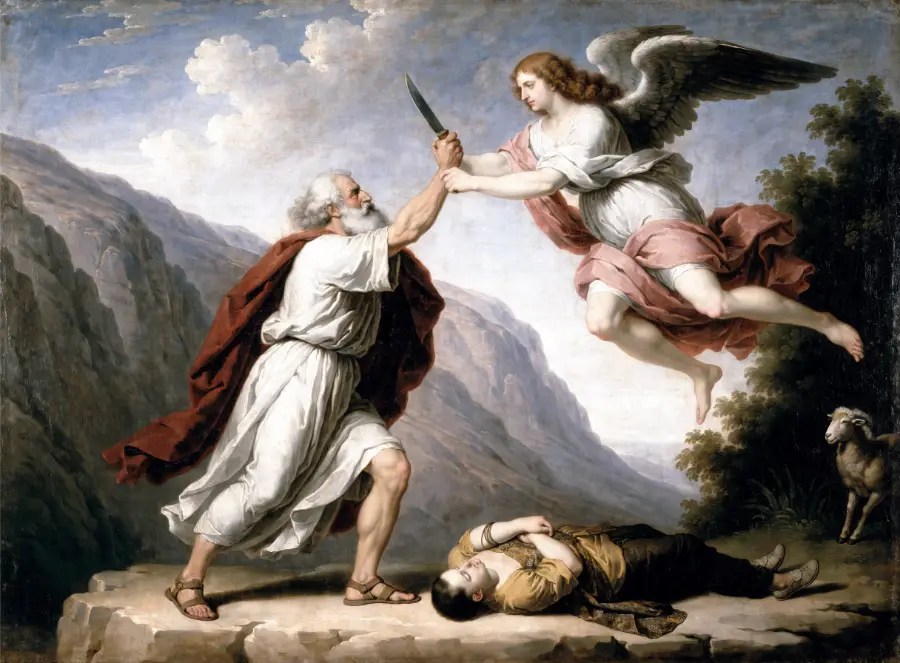
Luke 17:16
“He threw himself at Jesus’ feet and thanked him—and he was a Samaritan.”
Reflection: Ten men with leprosy were cleansed on their way to the priests (17:14), and one came back. Luke adds that he was a Samaritan, and Jesus asks where the other nine are and calls him “this foreigner” (17:17-18).
The refrain the Bible repeats to itself
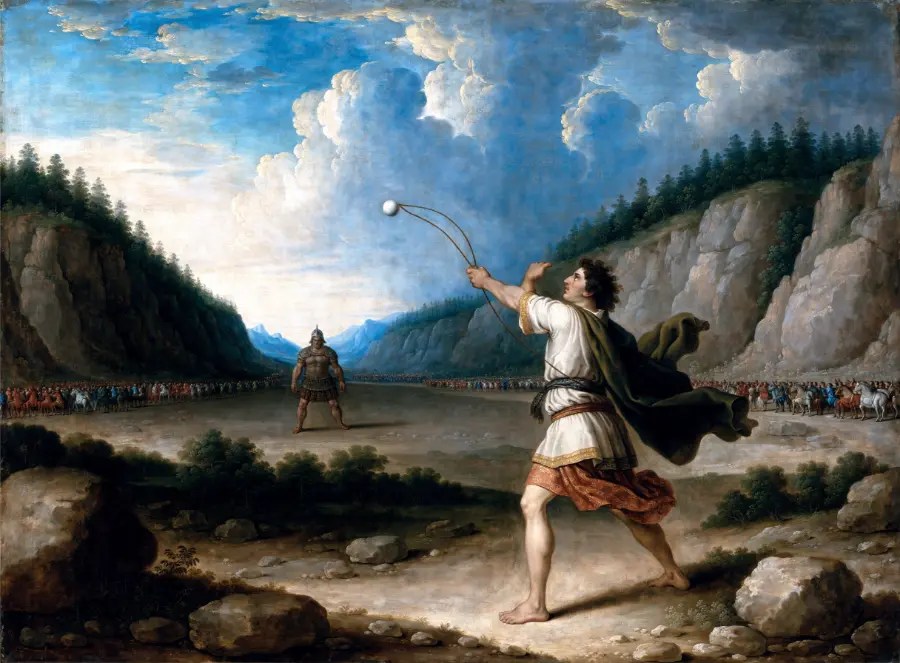
Psalm 107:1
“Give thanks to the Lord, for he is good; his love endures forever.”
Reflection: The same words open Psalms 118 and 136, and the singers used them when the ark was brought into Solomon’s temple (2 Chronicles 5:13). Psalm 107 goes on to describe people rescued from four kinds of trouble and says of each group, “Let them give thanks to the Lord for his unfailing love” (107:8).

Psalm 136:1
“Give thanks to the Lord, for he is good. His love endures forever.”
Reflection: “His love endures forever” is repeated in all twenty-six verses of the psalm, after each thing God is said to have done, from creation to the exodus to giving “food to every creature” (136:25).

1 Chronicles 16:34
“Give thanks to the Lord, for he is good; his love endures forever.”
Reflection: The chronicler sets this refrain on the day the ark was brought to Jerusalem, when David appointed Asaph and his associates “to give praise to the Lord” (16:7). The song that follows draws on Psalms 105, 96 and 106, and this line comes near its end.
Thanks as something done out loud
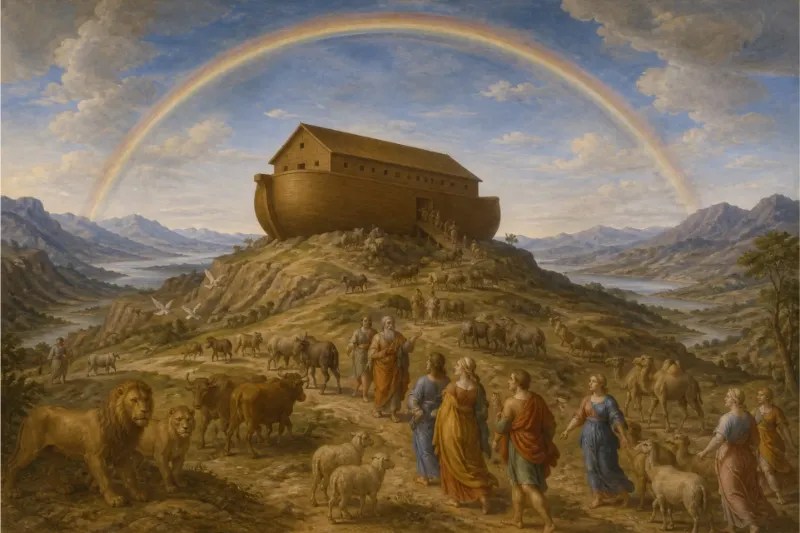
Psalm 100:4
“Enter his gates with thanksgiving and his courts with praise; give thanks to him and praise his name.”
Reflection: Gates and courts belong to the temple, and the psalm is written for people arriving to worship. Its heading in the NIV is “A psalm. For giving grateful praise.”
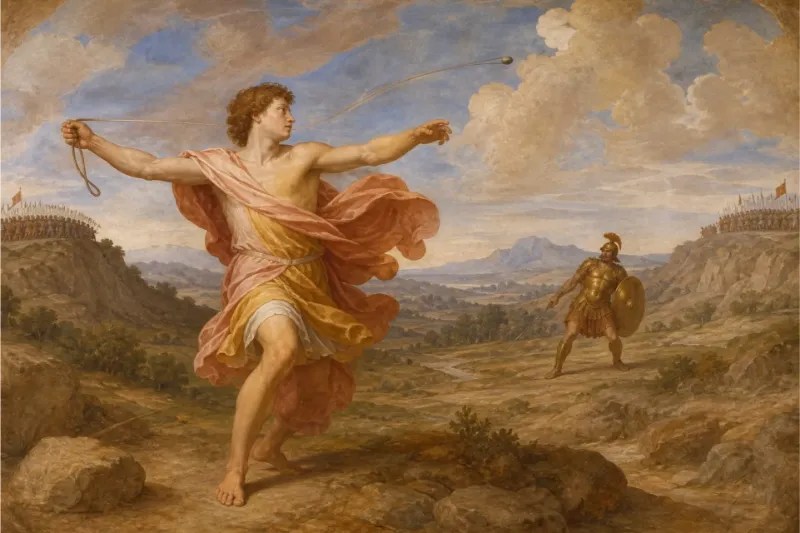
Psalm 95:2
“Let us come before him with thanksgiving and extol him with music and song.”
Reflection: The psalm is an invitation to a gathered people. It begins “Come, let us sing for joy to the Lord” (95:1) and returns to it with “Come, let us bow down in worship” (95:6).

Isaiah 12:4
“Give praise to the Lord, proclaim his name; make known among the nations what he has done.”
Reflection: Isaiah 12 is a short song for “that day” (12:1, 4), and this verse sends the thanks outward: what God has done is to be made known among the nations.
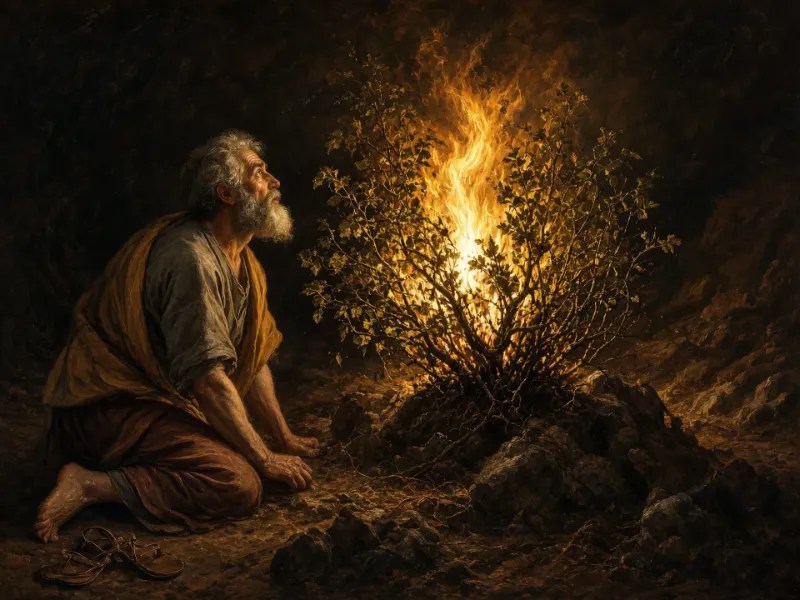
Psalm 9:1
“I will give thanks to you, Lord, with all my heart; I will tell of all your wonderful deeds.”
Reflection: The verse pairs giving thanks with telling others: “I will tell of all your wonderful deeds.” The rest of the psalm tells of enemies turned back and of the Lord as “a refuge for the oppressed” (9:3, 9).
What goes missing without it
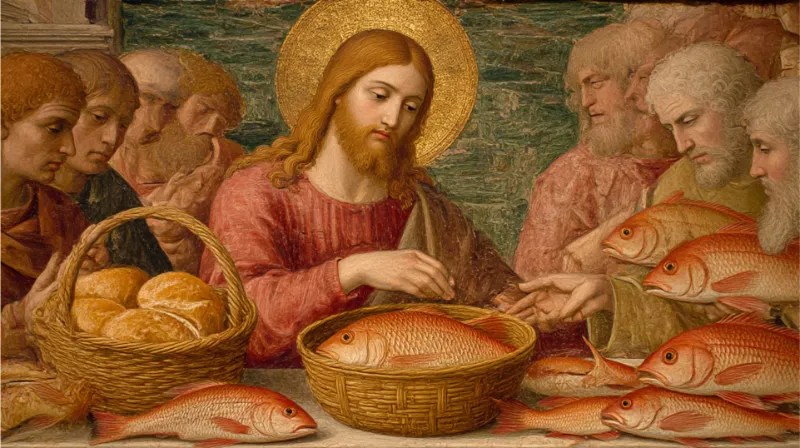
Romans 1:21
“For although they knew God, they neither glorified him as God nor gave thanks to him, but their thinking became futile and their foolish hearts were darkened.”
Reflection: Paul names two failures, not glorifying God and not giving thanks, and then describes what followed: futile thinking and darkened hearts. Ingratitude comes near the start of his account of how human thinking went wrong.

1 Timothy 4:4-5
“For everything God created is good, and nothing is to be rejected if it is received with thanksgiving.”
Reflection: Paul is answering teachers who “forbid people to marry and order them to abstain from certain foods” (4:3). His answer is that what God created is good when received with thanksgiving, and verse 5 adds that it is “consecrated by the word of God and prayer.”
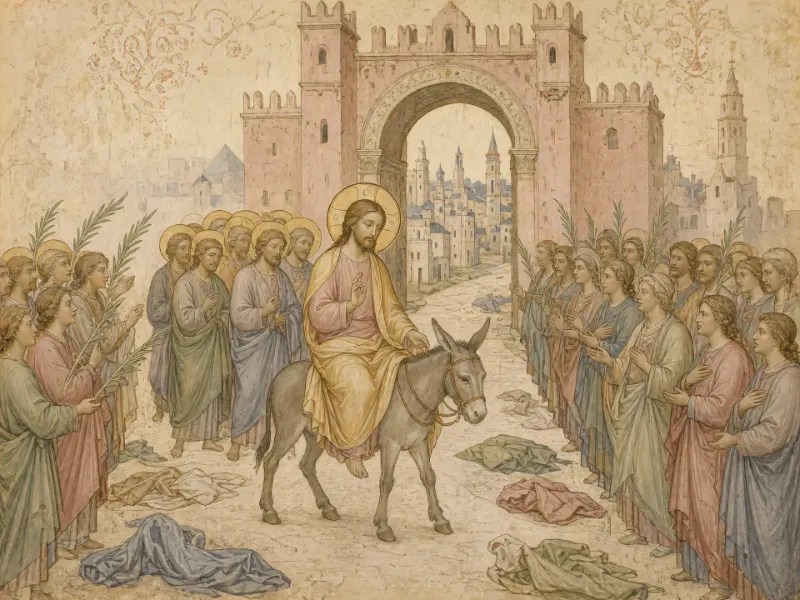
Hebrews 12:28
“Therefore, since we are receiving a kingdom that cannot be shaken, let us be thankful, and so worship God acceptably with reverence and awe.”
Reflection: The chapter has just recalled the giving of the law at Sinai, where those who heard God’s voice “begged that no further word be spoken to them” (12:19), and the promise to shake earth and heaven once more (12:26). Thankfulness is the response it asks for to receiving a kingdom that cannot be shaken.

Colossians 2:6-7
“…rooted and built up in him, strengthened in the faith as you were taught, and overflowing with thankfulness.”
Reflection: Paul combines a picture from farming, rooted, with one from building, built up. Overflowing with thankfulness comes at the end of the list, after being strengthened in the faith.
Gratitude on a bad day
Several of these verses were spoken in trouble. Jonah prayed from inside the fish. Daniel gave thanks three times a day after the decree against prayer. David’s psalm begins by asking not to be dragged away with the wicked, and its thanks comes before it says anything has changed.
The instruction in 1 Thessalonians 5:18 is to give thanks in all circumstances, which does not require calling a bad thing good. In the Psalms, thanks is spoken aloud, often in company and often sung. For more verses, see Bible verses about thankfulness.


Leave a Reply