
 English
 Chinese
 Dutch
 Arabic
 Spanish
 Portuguese
 Russian
 French
 Italian
 German
 Japanese
The Bible’s plainest words of gratitude for friends are in Paul’s letters, several of which open by thanking God for the people he is writing to. Philippians 1:3 is one: “I thank my God in all my remembrance of you.”
The same thanks appears at 1 Thessalonians 1:2-3, Philemon 1:4 and 2 Timothy 1:3. Philippians 4:14 commends a church for sharing Paul’s trouble, Romans 16:3-4 thanks Prisca and Aquila by name, and 2 Timothy 1:16-17 remembers Onesiphorus, who came looking for Paul in prison. Colossians 3:15-16 joins thankfulness to what believers do for one another, alongside the commands in Romans 12:15, Galatians 6:2 and Hebrews 10:24-25.
Thanks and joy over friends in the letters

Philippians 1:3
“I thank my God in all my remembrance of you.”
Reflection: Paul writes to the church at Philippi while in prison (1:7), and two verses later gives the reason for his thanks: “your partnership in the gospel from the first day until now.” Verse 7 adds, “I hold you in my heart,” and verse 8, “how I yearn for you all with the affection of Christ Jesus.”

Philippians 4:14
“Yet it was kind of you to share my trouble.”
Reflection: Paul has just said that he has learned to be content in plenty and in hunger (4:11-13), and he commends the Philippians’ kindness anyway. He recalls that when he left Macedonia no other church “entered into partnership with me in giving and receiving, except you only” (4:15), and that they sent help “once and again” while he was in Thessalonica (4:16). Verse 18 calls their gifts, brought by Epaphroditus, “a fragrant offering, a sacrifice acceptable and pleasing to God.”

1 Thessalonians 1:2-3
“We give thanks to God always for all of you, constantly mentioning you in our prayers, remembering before our God and Father your work of faith and labor of love and steadfastness of hope in our Lord Jesus Christ.”
Reflection: The letter is from “Paul, Silvanus, and Timothy” (1:1), and the thanks names three things Paul and his companions remember about the Thessalonians: their work of faith, labor of love and steadfastness of hope. They come back to it in 3:9 with a question: “what thanksgiving can we return to God for you, for all the joy that we feel for your sake before our God?”
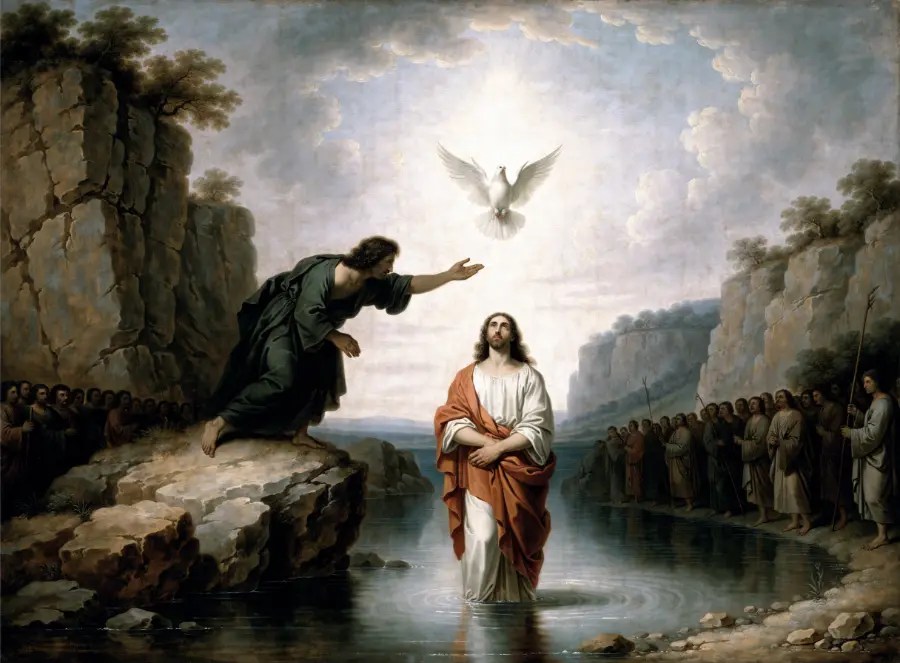
Philemon 1:4
“I thank my God always when I remember you in my prayers.”
Reflection: The letter is addressed to Philemon first, with Apphia, Archippus and the church in his house (verses 1-2), and Paul writes as “a prisoner for Christ Jesus” (verse 1). Verse 5 gives the cause of the thanks: “because I hear of your love and of the faith that you have toward the Lord Jesus and for all the saints.” The letter goes on to ask Philemon to receive back Onesimus, “no longer as a bondservant” but “as a beloved brother” (verse 16).

Philemon 1:7
“For I have derived much joy and comfort from your love, my brother, because the hearts of the saints have been refreshed through you.”
Reflection: Paul’s joy comes from what Philemon’s love has done for other believers: their hearts “have been refreshed” through him. Paul uses the same word of himself near the end of the letter, after making his request about Onesimus: “Refresh my heart in Christ” (verse 20).
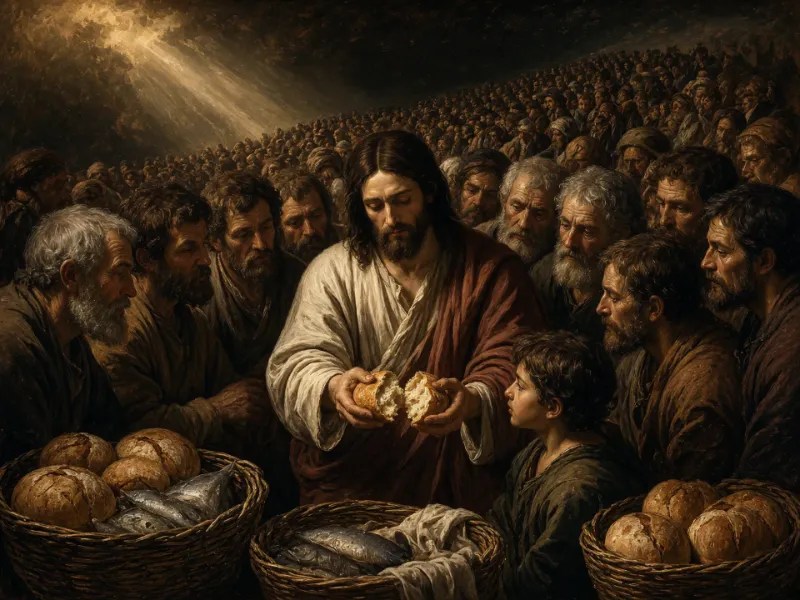
2 Timothy 1:3
“I thank God whom I serve, as did my ancestors, with a clear conscience, as I remember you constantly in my prayers night and day.”
Reflection: Paul writes to Timothy, “my beloved child” (1:2), and joins the thanks to constant prayer “night and day.” The next verse adds what remembering Timothy brings back: “As I remember your tears, I long to see you, that I may be filled with joy.”

2 Timothy 1:16-17
“May the Lord grant mercy to the household of Onesiphorus, for he often refreshed me and was not ashamed of my chains, but when he arrived in Rome he searched for me earnestly and found me”
Reflection: Onesiphorus is set against the people named just before him: “all who are in Asia turned away from me, among whom are Phygelus and Hermogenes” (1:15). He was “not ashamed of my chains” and searched Rome until he found Paul. Verse 18 adds a second wish for him, that he would “find mercy from the Lord on that day,” and recalls his service at Ephesus.
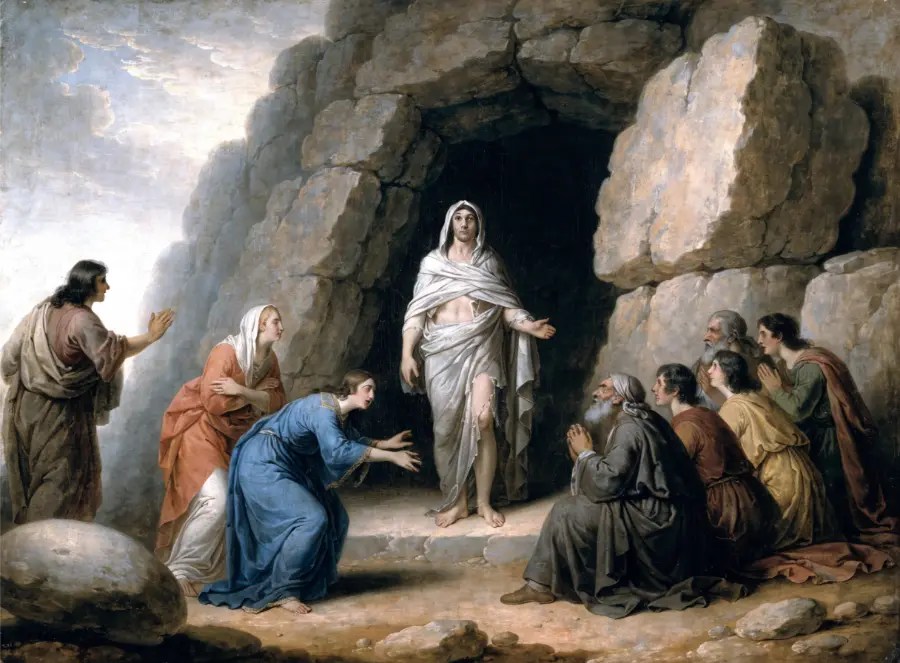
Romans 16:3-4
“Greet Prisca and Aquila, my fellow workers in Christ Jesus, who risked their necks for my life, to whom not only I give thanks but all the churches of the Gentiles give thanks as well.”
Reflection: In the greetings that close Romans, Paul calls Prisca and Aquila his “fellow workers in Christ Jesus” and says they risked their necks for his life. The letter does not say when. The gratitude is shared: “not only I give thanks but all the churches of the Gentiles give thanks as well.” Verse 5 greets “the church in their house.”

3 John 1:4
“I have no greater joy than to hear that my children are walking in the truth.”
Reflection: The elder writes to “the beloved Gaius, whom I love in truth” (verse 1). His joy in verse 4 follows the report in verse 3 that brothers “came and testified to your truth, as indeed you are walking in the truth.” The letter ends by passing greetings between friends: “The friends greet you. Greet the friends, each by name” (verse 15).
What believers are told to do for one another

Romans 12:15
“Rejoice with those who rejoice, weep with those who weep.”
Reflection: The instruction comes in a run of short commands to the church in Rome that begins, “Let love be genuine” (12:9). It asks for both shared joy and shared grief, with the same weight on each.
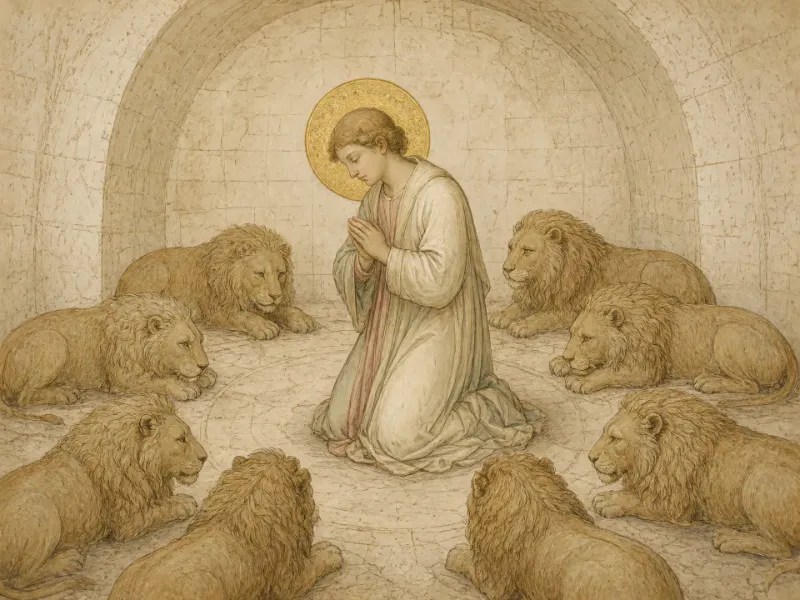
Galatians 6:2
“Bear one another’s burdens, and so fulfill the law of Christ.”
Reflection: The verse before it gives a specific burden: someone “caught in any transgression,” whom those who are spiritual are to restore “in a spirit of gentleness,” keeping watch on themselves as they do it (6:1). Carrying one another’s loads in this way is called fulfilling “the law of Christ.”

Hebrews 10:24-25
“And let us consider how to stir up one another to love and good works, not neglecting to meet together, as is the habit of some, but encouraging one another, and all the more as you see the Day drawing near.”
Reflection: The writer asks believers to think about how to stir one another up to love and good works. He adds not neglecting to meet together, as some had stopped doing, and encouraging one another “all the more” as the Day draws near.
Colossians 3:16
“Let the word of Christ dwell in you richly, teaching and admonishing one another in all wisdom, singing psalms and hymns and spiritual songs, with thankfulness in your hearts to God.”
Reflection: The verse before it ends, “And be thankful,” and this one ends “with thankfulness in your hearts to God.” In between, the believers teach and admonish one another and sing psalms, hymns and spiritual songs together.


Leave a Reply