
 English
 Chinese
 Dutch
 Arabic
 Spanish
 Portuguese
 Russian
 French
 Italian
 German
 Japanese
Where Scripture states the will of God outright, it concerns how to live and whom to trust; particular choices such as a job, a city or a spouse are left to wisdom.
Paul writes “this is the will of God” about sanctification and about giving thanks (1 Thessalonians 4:3; 5:18). Peter uses the phrase of doing good under suspicion and of suffering (1 Peter 2:15; 4:19), and Jesus uses it of everyone who believes in the Son (John 6:40). For other decisions, Paul asks for a renewed mind that can test and discern (Romans 12:2). The eighteen verses below begin with those direct statements, then cover God’s purposes, how to discern the rest, the prayer for his will to be done, and what doing it looks like.
The places Scripture says it outright
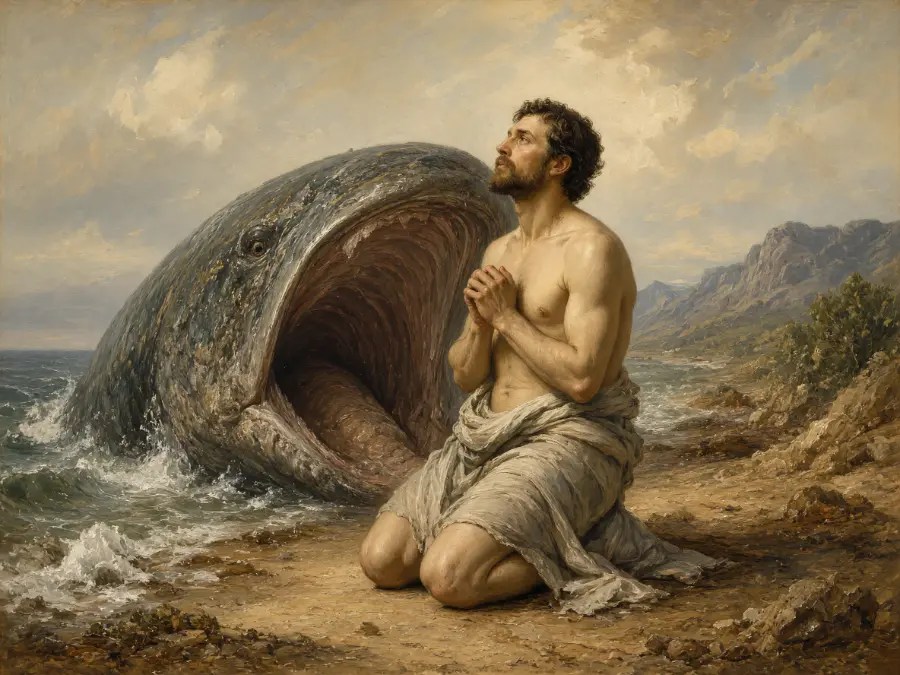
1 Thessalonians 4:3
“For this is the will of God, your sanctification: that you abstain from sexual immorality.”
Reflection: The first thing Paul names as God’s will is sanctification, and the first example he gives is sexual conduct. He goes on: “that each one of you know how to control his own body in holiness and honor” (4:4).
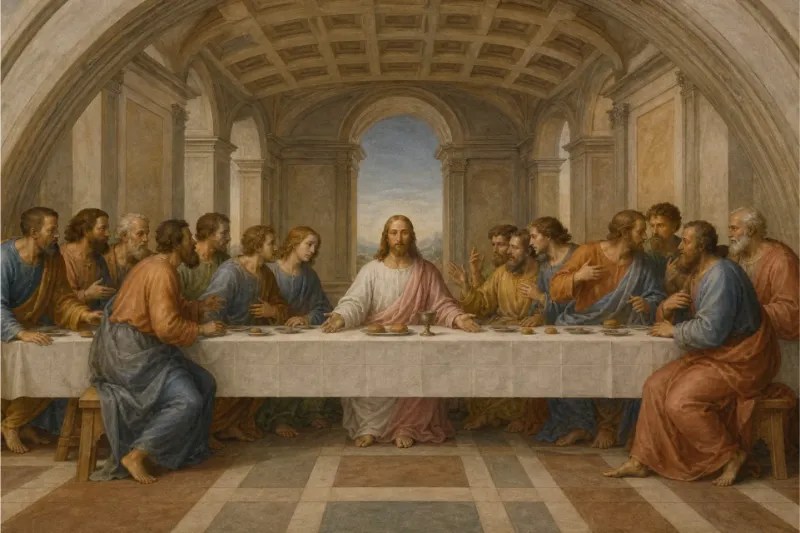
1 Thessalonians 5:16-18
“Rejoice always, pray without ceasing, give thanks in all circumstances; for this is the will of God in Christ Jesus for you.”
Reflection: Three instructions come before the reason: rejoice, pray, give thanks. The thanks is “in all circumstances,” which is different from calling every circumstance good.
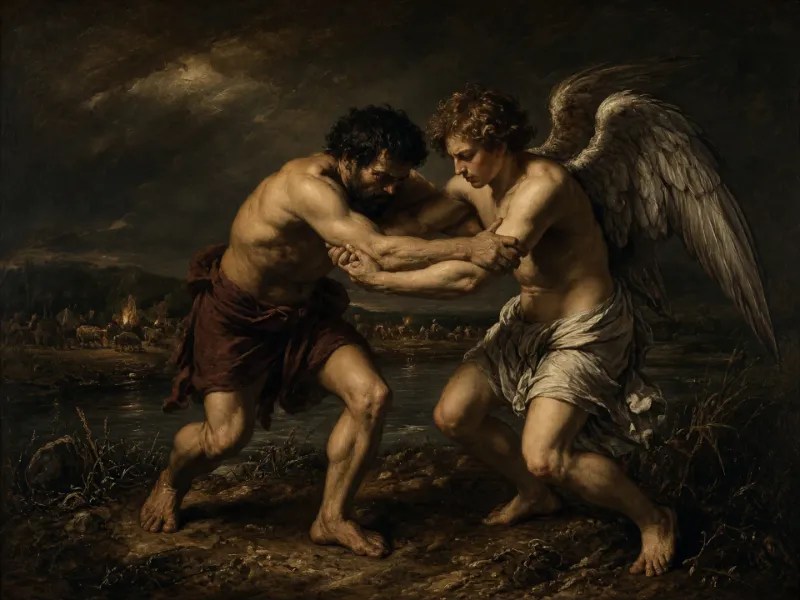
1 Peter 2:15
“For this is the will of God, that by doing good you should put to silence the ignorance of foolish people.”
Reflection: Peter is writing to Christians whose neighbors “speak against you as evildoers” (2:12). In that situation, he says, God’s will is that they keep doing good until the accusations are silenced.

John 6:40
“For this is the will of my Father, that everyone who looks on the Son and believes in him should have eternal life.”
Reflection: Here God’s will is an outcome: eternal life for everyone who looks to the Son and believes. The verse before says the same of those the Father has given him, “that I should lose nothing” (6:39).
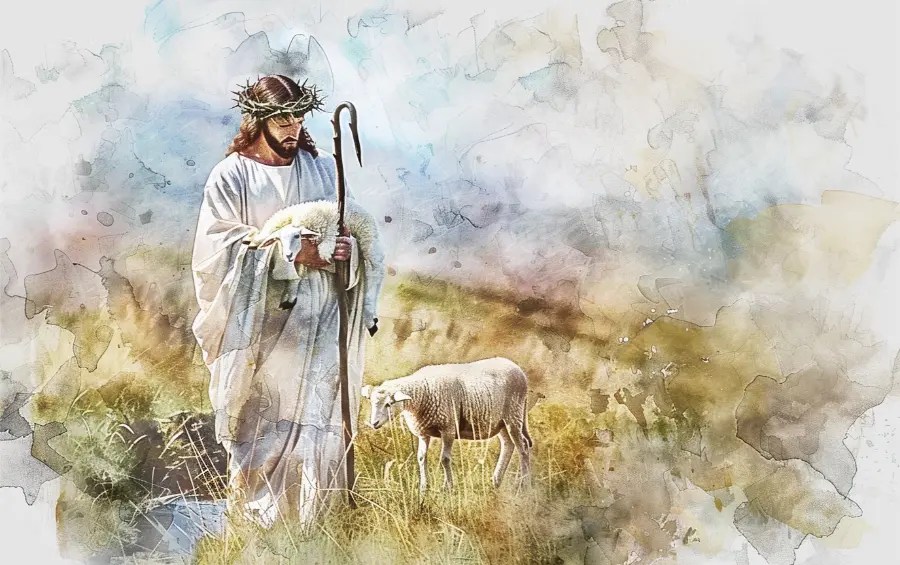
1 Peter 4:19
“Therefore let those who suffer according to God’s will entrust their souls to a faithful Creator while doing good.”
Reflection: Peter says some suffering comes “according to God’s will” and does not explain it further. He asks for two responses together: entrusting oneself to God, and continuing to do good.
What is said about God’s purposes
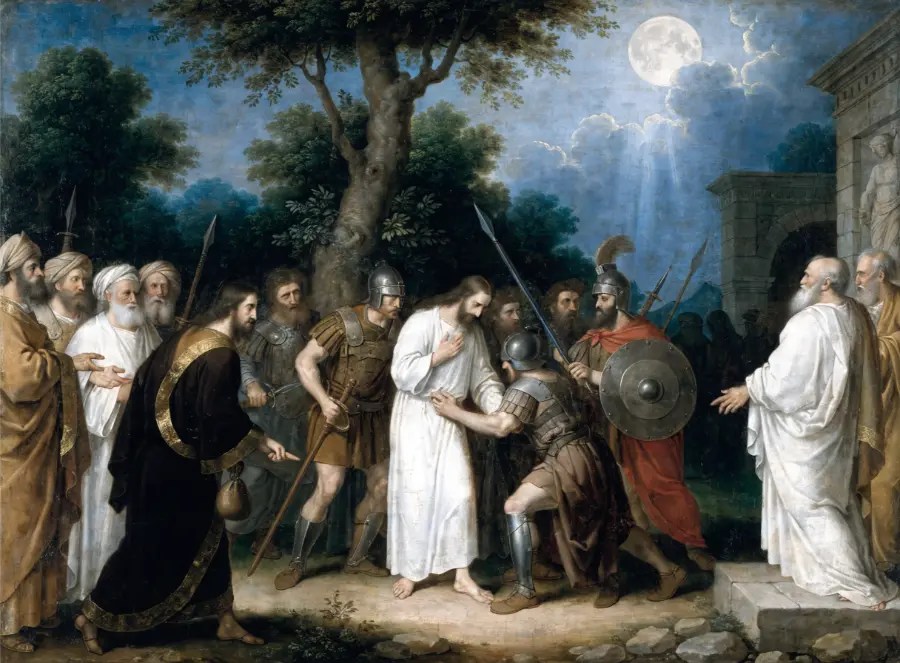
Proverbs 19:21
“Many are the plans in the mind of a man, but it is the purpose of the Lord that will stand.”
Reflection: The proverb does not tell anyone to stop planning. It says many plans are made, and the Lord’s purpose is the one that will stand.

Isaiah 46:10
“Declaring the end from the beginning and from ancient times things not yet done, saying, ‘My counsel shall stand, and I will accomplish all my purpose.’”
Reflection: Isaiah is contrasting the Lord with idols that have to be carried and cannot answer anyone who cries to them (46:7). His evidence is that God declares “the end from the beginning” and carries it out.
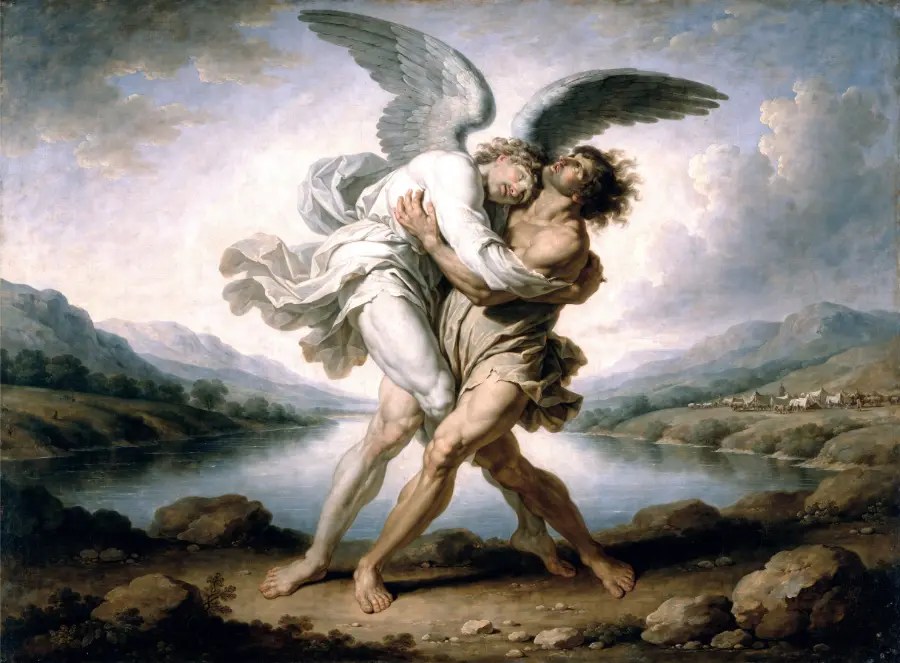
Ephesians 1:11
“In him we have obtained an inheritance, having been predestined according to the purpose of him who works all things according to the counsel of his will.”
Reflection: In Greek, Ephesians 1:3-14 is a single long sentence, and this verse sits inside it. Paul speaks of God’s purpose, counsel and will together, all in praise of what God has already done.
How we are told to work out the rest
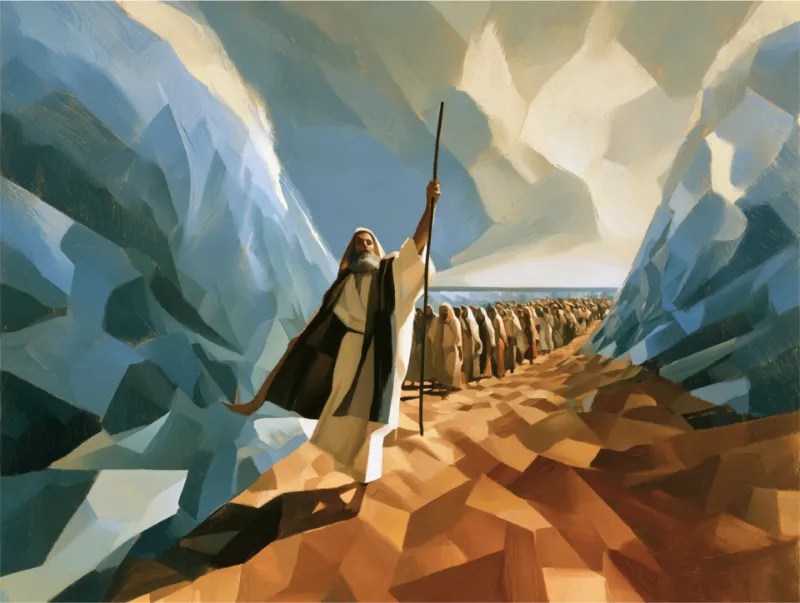
Romans 12:2
“Do not be conformed to this world, but be transformed by the renewal of your mind, that by testing you may discern what is the will of God.”
Reflection: The word translated testing means examining something to see whether it is genuine. Paul makes discernment depend on a renewed mind, and the verse before asks for bodies offered as “a living sacrifice” (12:1).
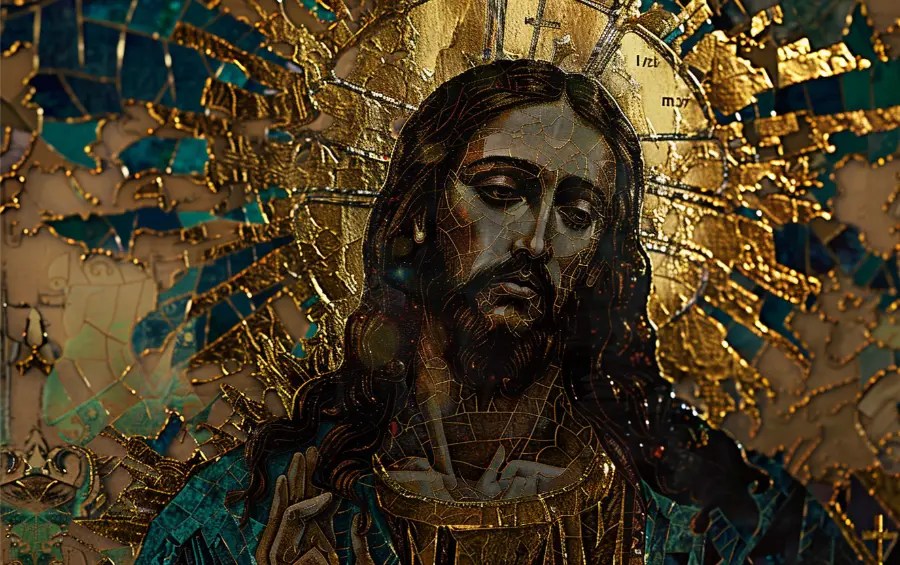
Psalm 143:10
“Teach me to do your will, for you are my God! Let your good Spirit lead me on level ground!”
Reflection: David asks to be taught and led, and level ground is a path without stumbling. Two verses earlier he prays, “Make me know the way I should go” (143:8).

Colossians 1:9-10
“…asking that you may be filled with the knowledge of his will in all spiritual wisdom and understanding, so as to walk in a manner worthy of the Lord.”
Reflection: Paul prays that the church will be filled with knowledge of God’s will through “spiritual wisdom and understanding,” and the purpose is a way of life: “to walk in a manner worthy of the Lord.”
John 7:17
“If anyone’s will is to do God’s will, he will know whether the teaching is from God.”
Reflection: Jesus puts willingness first and knowledge after it: whoever intends to do God’s will can recognize whether his teaching is from God. He says this at the Feast of Booths, where the crowds were arguing about him (7:10-13).

Ephesians 5:15-17
“Look carefully then how you walk, not as unwise but as wise, making the best use of the time, because the days are evil. Therefore do not be foolish, but understand what the will of the Lord is.”
Reflection: Understanding the Lord’s will is given here as an instruction, alongside “making the best use of the time, because the days are evil.” Paul treats it as a matter of wisdom and attention.
The prayer, and the hardest version of it

Matthew 6:10
“Your kingdom come, your will be done, on earth as it is in heaven.”
Reflection: “On earth as it is in heaven” asks for God’s will to be done here as it already is there. The request comes before any request for bread.

Luke 22:42
“Father, if you are willing, remove this cup from me. Nevertheless, not my will, but yours, be done.”
Reflection: Jesus kneels about a stone’s throw from his disciples (22:41) and asks for the cup to be removed. Then he gives the request over: “not my will, but yours, be done.”
What doing it looks like
Matthew 7:21
“Not everyone who says to me, ‘Lord, Lord,’ will enter the kingdom of heaven, but the one who does the will of my Father.”
Reflection: The next verse describes people who say they prophesied, cast out demons and did many mighty works in his name (7:22). Jesus says doing the Father’s will is what counts.
Micah 6:8
“He has told you, O man, what is good; and what does the Lord require of you but to do justice, and to love kindness, and to walk humbly with your God?”
Reflection: The verses before ask whether God wants burnt offerings, thousands of rams or even a firstborn child (6:6-7). Micah answers that he has already said what is good: justice, kindness and walking humbly with God.
Ephesians 2:10
“For we are his workmanship, created in Christ Jesus for good works, which God prepared beforehand, that we should walk in them.”
Reflection: Paul says the good works were prepared beforehand, and the verb for doing them is walk. The verses before say salvation is by grace through faith, “not a result of works” (2:8-9).
What to do with the question
The direct statements cover a great deal: holiness in conduct, thanks in every circumstance, doing good when others speak against you, believing in the Son, and entrusting oneself to God in suffering. None of them names a job, a house or a spouse.
For those decisions, Romans 12:2 asks for a renewed mind that tests and discerns, and Ephesians 5 asks for wisdom. David’s prayer in Psalm 143:10 fits the time before a decision is clear: teach me, and lead me on level ground. For more on this, see Bible verses about trusting God.


Leave a Reply