
 English
 Chinese
 Dutch
 Arabic
 Spanish
 Portuguese
 Russian
 French
 Italian
 German
 Japanese
Trusting God in the Bible means relying on him when the outcome cannot yet be seen, and many of the best-known verses on it were written to people who were waiting.
Habakkuk is told that the revelation may linger and that he should wait for it. The psalmist says “wait for the Lord” twice in one verse. Lamentations was written after Jerusalem was destroyed and still speaks of mercies that are new every morning. Other verses here say what trust involves: leaning on God rather than on your own understanding, handing him your anxieties and plans, and taking strength from him. The twenty passages are grouped under those headings.
What trust is asked to do

Proverbs 3:5-6
“Trust in the Lord with all your heart and lean not on your own understanding; in all your ways submit to him, and he will make your paths straight.”
Reflection: The Hebrew verb behind “lean” means to put your weight on something for support. The proverb does not forbid thinking; it says where to put your weight.

Hebrews 11:1
“Now faith is confidence in what we hope for and assurance about what we do not see.”
Reflection: The definition joins confidence to things hoped for and not seen. The rest of the chapter gives examples of people who acted on promises they did not see fulfilled (11:13).

2 Corinthians 5:7
“For we live by faith, not by sight.”
Reflection: Paul is writing about the life to come, which cannot yet be seen (5:1-6). For him, trust is the normal condition of the present life.
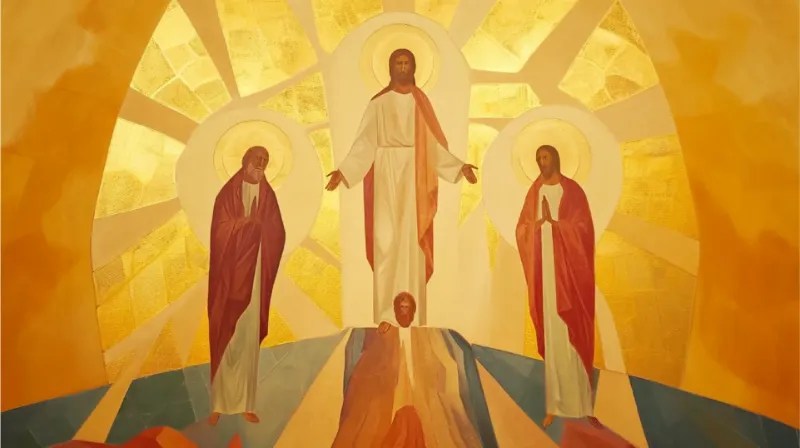
Proverbs 19:21
“Many are the plans in a person’s heart, but it is the Lord’s purpose that prevails.”
Reflection: The proverb assumes people will make plans. It says that the Lord’s purpose is the one that prevails.
Written to people waiting
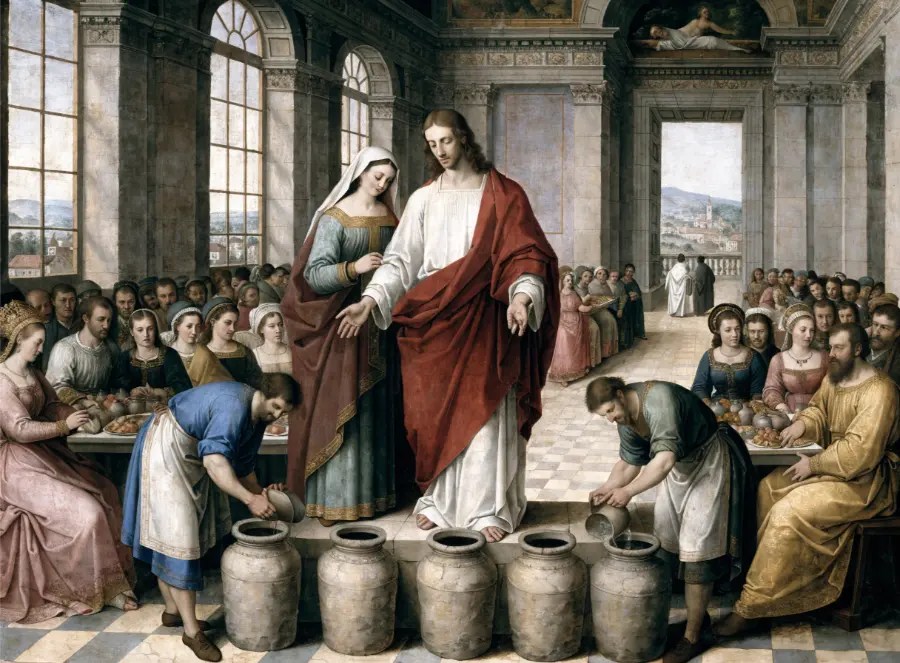
Habakkuk 2:3
“For the revelation awaits an appointed time; it speaks of the end and will not prove false. Though it linger, wait for it; it will certainly come and will not delay.”
Reflection: Habakkuk had complained that God was slow to act against injustice (1:2-4). The answer tells him both that the revelation may linger and that it will not be late, and the next verse says “the righteous person will live by his faithfulness” (2:4).
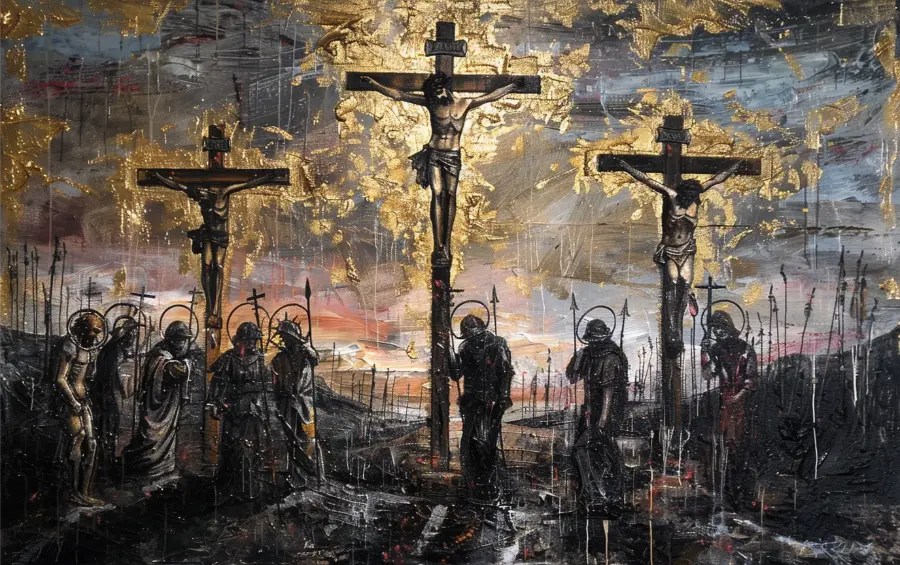
Psalm 27:14
“Wait for the Lord; be strong and take heart and wait for the Lord.”
Reflection: The psalm ends with the instruction given twice and courage between the two. The verse before says “I remain confident of this: I will see the goodness of the Lord in the land of the living” (27:13).
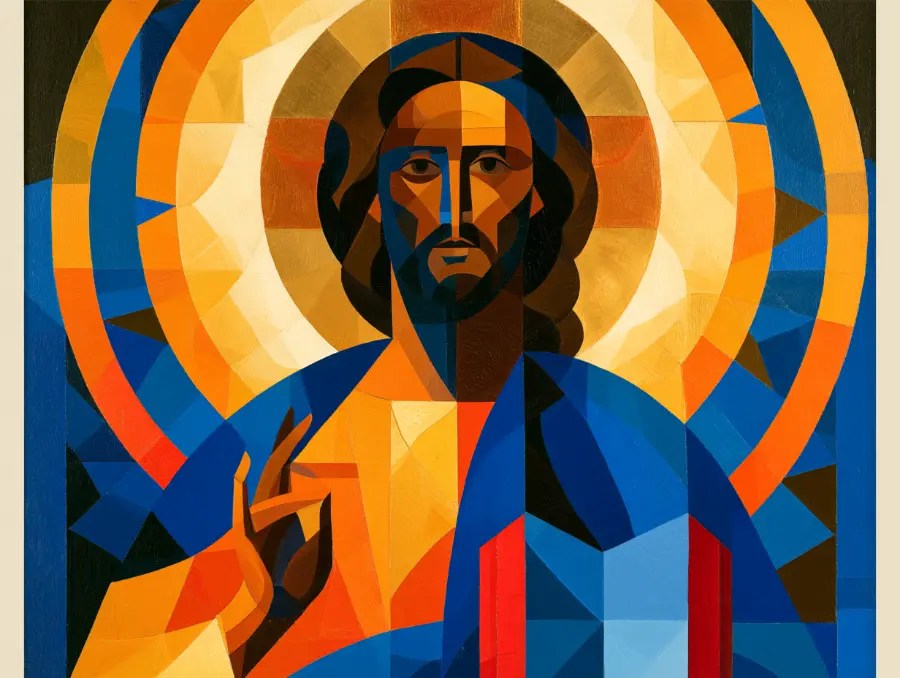
Lamentations 3:22-23
“Because of the Lord’s great love we are not consumed, for his compassions never fail. They are new every morning; great is your faithfulness.”
Reflection: Lamentations mourns the fall of Jerusalem, and these lines come in the middle of it. The mercies are new every morning, a daily supply rather than a store laid up in advance. For more on enduring hardship, see Bible verses about resilience.

Ecclesiastes 3:11
“He has made everything beautiful in its time. He has also set eternity in the human heart; yet no one can fathom what God has done from beginning to end.”
Reflection: The same sentence says that God makes everything beautiful in its time and that no one can grasp the whole of what he has done. The Preacher leaves both standing.
What we are told to do with the worry

1 Peter 5:7
“Cast all your anxiety on him because he cares for you.”
Reflection: The Greek verb means to throw something onto something else; Luke uses it for the disciples throwing their cloaks onto the colt (Luke 19:35). Peter’s wording echoes the Greek translation of Psalm 55:22, which is also on this page.
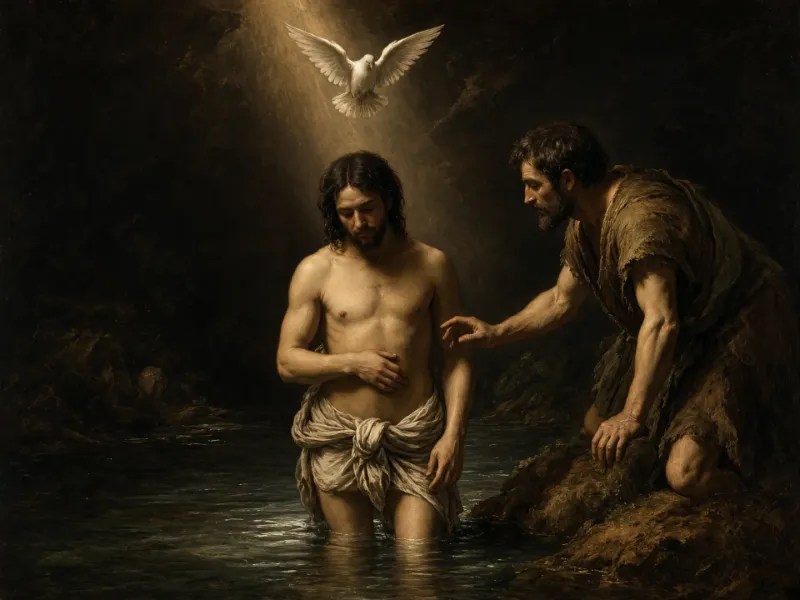
Psalm 55:22
“Cast your cares on the Lord and he will sustain you; he will never let the righteous be shaken.”
Reflection: The promise is that God will sustain the person who hands over the burden. The psalm was written in distress over a close friend’s betrayal (55:12-14).
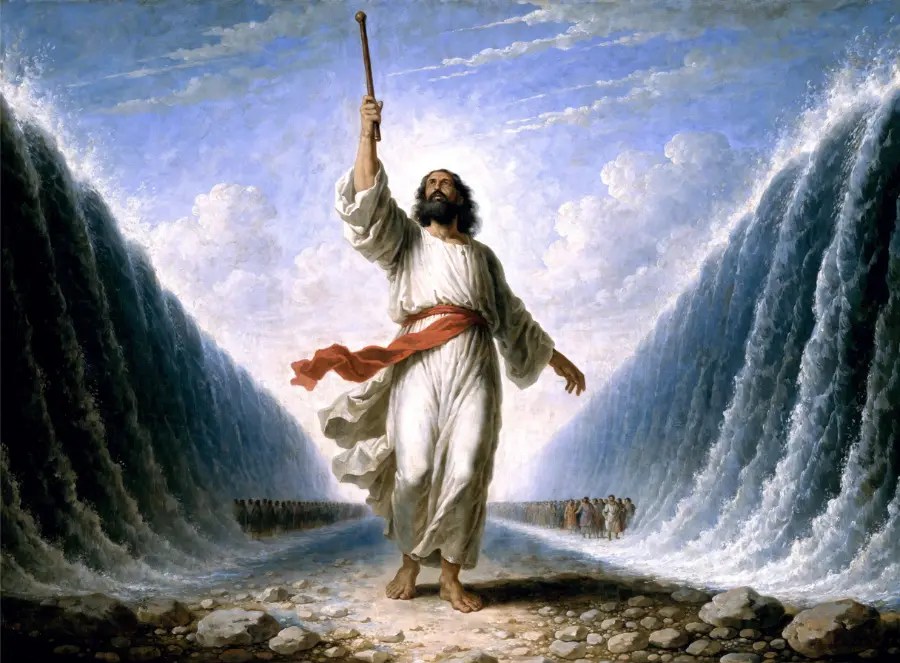
Philippians 4:6-7
“Do not be anxious about anything, but in every situation, by prayer and petition, with thanksgiving, present your requests to God. And the peace of God, which transcends all understanding, will guard your hearts and your minds.”
Reflection: Paul asks for specific requests, made with thanksgiving. The verb translated “guard” is a military one; Paul uses it again for the governor who had Damascus guarded to arrest him (2 Corinthians 11:32).

Matthew 6:33
“But seek first his kingdom and his righteousness, and all these things will be given to you as well.”
Reflection: “All these things” refers back to food, drink and clothing, which Jesus has just said the Father knows you need (6:31-32).
Where the steadiness comes from
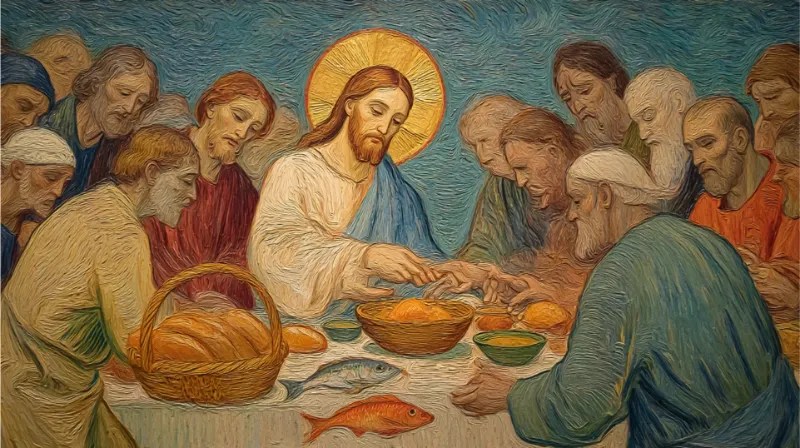
Psalm 46:1
“God is our refuge and strength, an ever-present help in trouble.”
Reflection: The psalm goes on to imagine the earth giving way and the mountains falling into the sea (46:2-3). The help it describes is for trouble of that size.
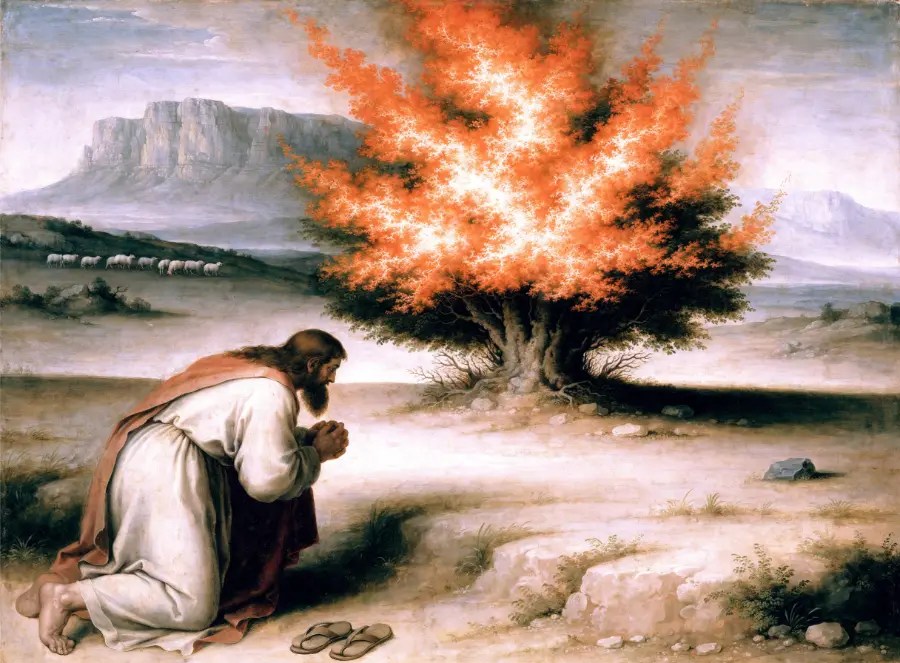
Isaiah 41:10
“So do not fear, for I am with you; do not be dismayed, for I am your God. I will strengthen you and help you; I will uphold you with my righteous right hand.”
Reflection: After the two commands, every verb belongs to God: strengthen, help, uphold. The words were addressed to Israel as God’s chosen servant (41:8-9).
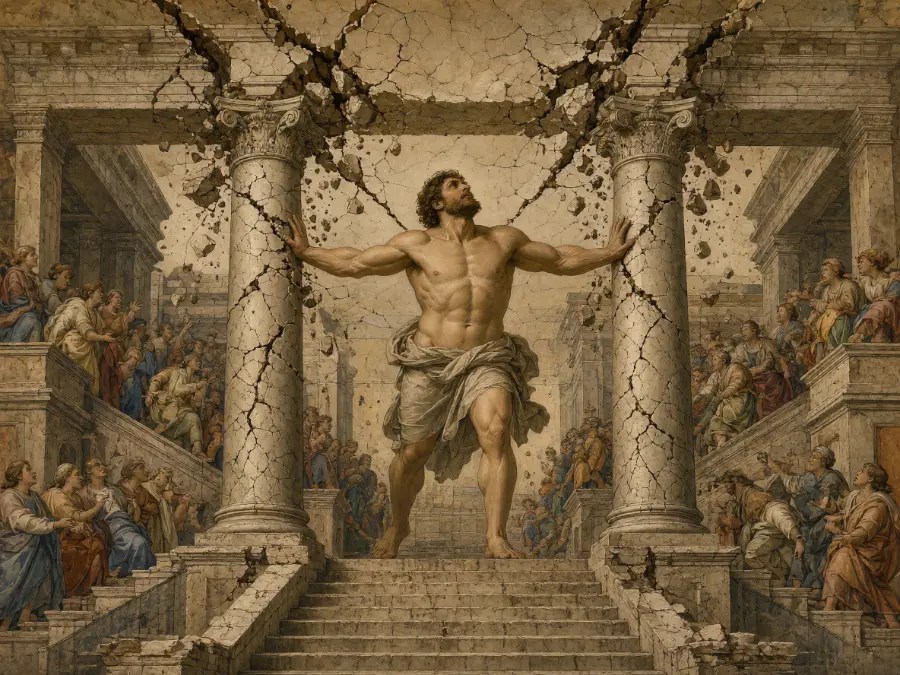
Psalm 28:7
“The Lord is my strength and my shield; my heart trusts in him, and he helps me. My heart leaps for joy, and with my song I praise him.”
Reflection: The order is trust, then help, then joy and song. Earlier in the psalm David is still pleading to be heard (28:1-2).

Isaiah 12:2
“Surely God is my salvation; I will trust and not be afraid. The Lord, the Lord himself, is my strength and my defense.”
Reflection: “I will trust and not be afraid” is in the future tense, something the speaker resolves to do. The chapter is a song for the day of salvation (12:1).

Joshua 1:9
“Have I not commanded you? Be strong and courageous. Do not be afraid; do not be discouraged, for the Lord your God will be with you wherever you go.”
Reflection: God gives this command in verses 6, 7 and 9, and the people repeat it to Joshua in verse 18. Moses had already said it to him (Deuteronomy 31:7, 23). The repetition is part of how the charge was given.
Handing over the plan
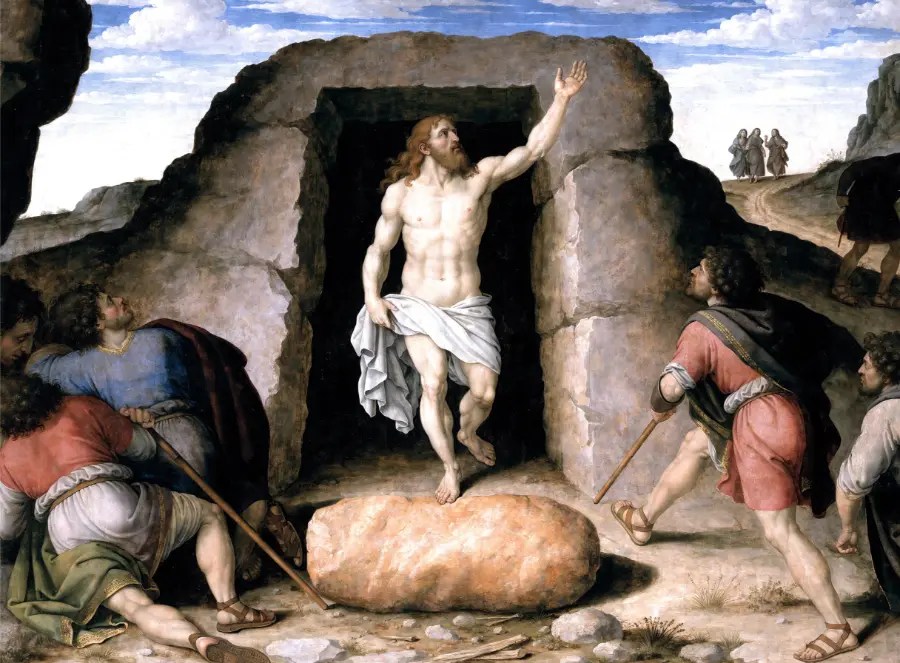
Proverbs 16:3
“Commit to the Lord whatever you do, and he will establish your plans.”
Reflection: The Hebrew verb translated “commit” means to roll, as a load is rolled onto someone else. The person still makes the plans; their success is entrusted to God.

Psalm 37:5-6
“Commit your way to the Lord; trust in him and he will do this: He will make your righteous reward shine like the dawn, your vindication like the noonday sun.”
Reflection: The verb is the same one as in Proverbs 16:3: roll your way onto the Lord. The vindication is compared to daylight growing from dawn to noon, and the next verse says “Be still before the Lord and wait patiently for him” (37:7).

Psalm 32:8
“I will instruct you and teach you in the way you should go; I will counsel you with my loving eye on you.”
Reflection: God is the speaker here. The Hebrew reads, literally, “I will counsel you with my eye upon you,” guidance from someone who is watching over the person he guides.
If we are in the gap
None of these verses gives a date. Habakkuk was told the answer might linger, the psalmist told himself twice to wait, and Lamentations speaks of new mercies from inside a destroyed city.
What the verses ask for is concrete: bring the specific request to God in prayer with thanksgiving, lean on him rather than on your own understanding, roll your plans onto him while you keep making them, and take the mercy given for each day.


Leave a Reply