
 English
 Chinese
 Dutch
 Arabic
 Spanish
 Portuguese
 Russian
 French
 Italian
 German
 Japanese
The Bible describes worship as bowing before God alone, obeying him, offering him a whole life, and praising him together with other believers.
The Hebrew verb most often translated worship, shachah, means to bow down, and it occurs more than 170 times in the Old Testament. Several of the verses below use it, or its New Testament equivalent, for a physical act: bowing, kneeling, or falling down before God.
Worship begins with the body
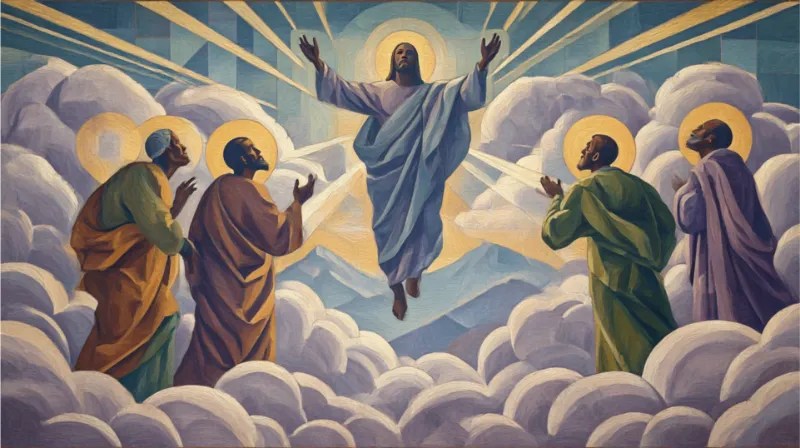
Psalm 95:6
“Oh come, let us worship and bow down; let us kneel before the Lord, our Maker!”
Reflection: The verse has three verbs for the body: worship (shachah, to bow low), bow down, and kneel. The reason comes with them: the Lord is “our Maker,” and the next verse adds, “we are the people of his pasture, and the sheep of his hand” (95:7).
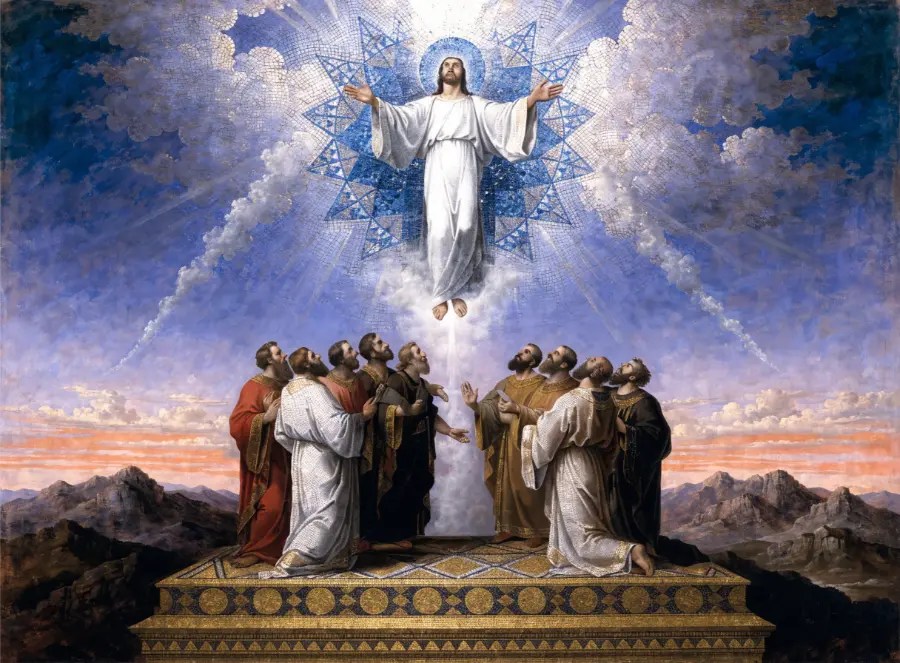
Psalm 29:2
“Ascribe to the Lord the glory due his name; worship the Lord in the splendor of holiness.”
Reflection: The psalm opens by calling on “heavenly beings” to ascribe glory to the Lord (29:1) and then describes his voice over the waters, breaking the cedars of Lebanon. To ascribe glory is to give him the honor “due his name,” honor that already belongs to him. The verb translated worship is again shachah.
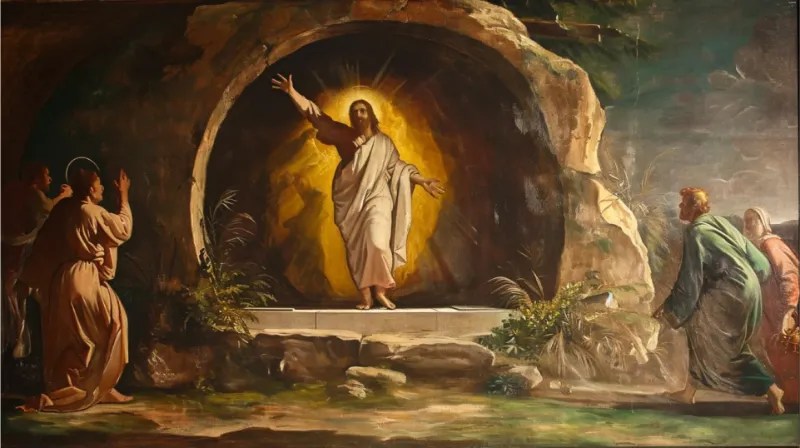
Revelation 4:11
“Worthy are you, our Lord and God, to receive glory and honor and power, for you created all things, and by your will they existed and were created.”
Reflection: In John’s vision, the twenty-four elders fall down before the throne, cast their crowns before it, and say these words (4:10). The reason they give is creation: God made all things, and all things exist by his will. In the next chapter, the song to the Lamb gives a second reason, redemption: “by your blood you ransomed people for God” (5:9).
Worship belongs to one
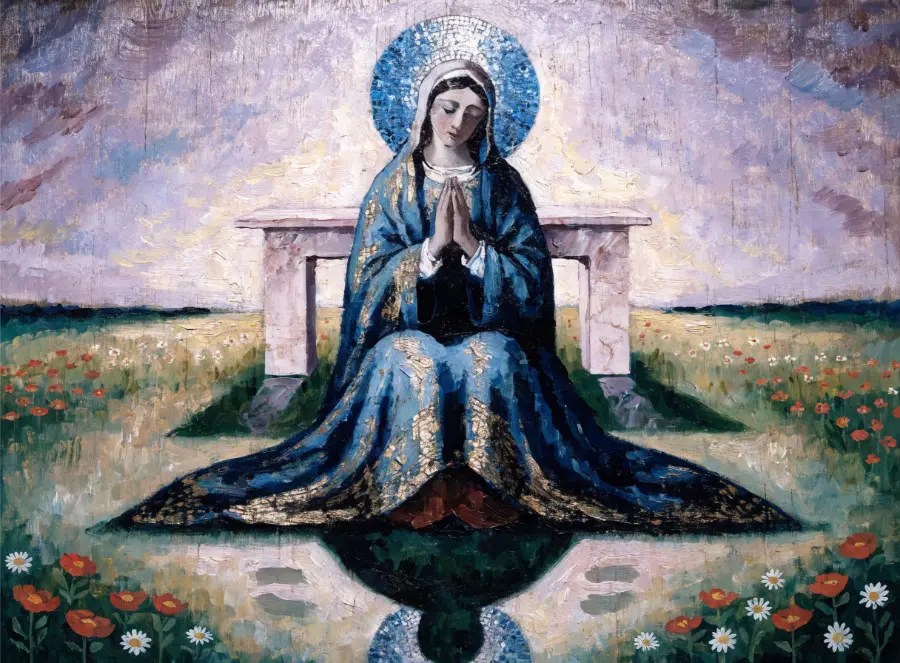
Exodus 20:3-5
“You shall have no other gods before me. You shall not make for yourself a carved image, or any likeness of anything that is in heaven above, or that is in the earth beneath, or that is in the water under the earth. You shall not bow down to them or serve them, for I the Lord your God am a jealous God.”
Reflection: The commandment uses the same verb as the psalms, shachah, and reserves it for God: “You shall not bow down to them or serve them.” The New Testament extends idolatry beyond carved images when Paul calls covetousness “idolatry” (Colossians 3:5).
Matthew 4:10
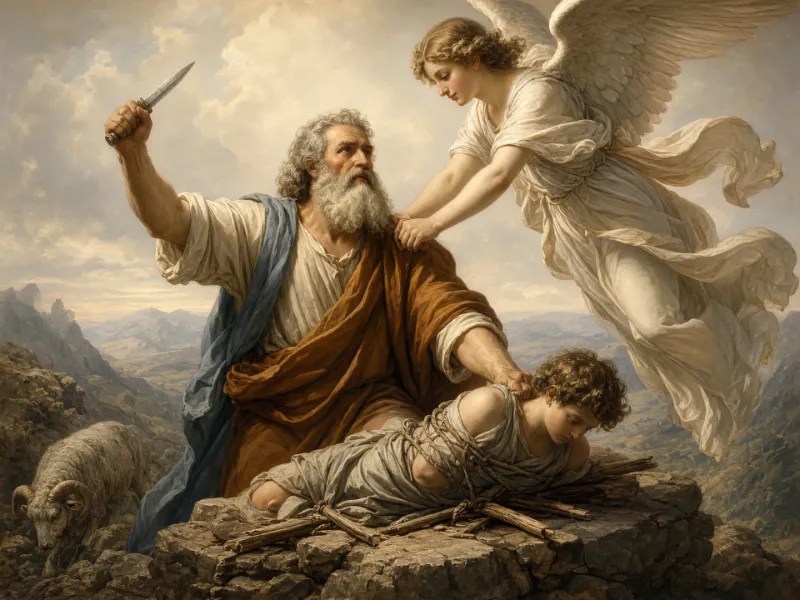
“Then Jesus said to him, ‘Be gone, Satan! For it is written, “You shall worship the Lord your God and him only shall you serve.”‘”
Reflection: This is the last of the three temptations in Matthew. Satan shows Jesus all the kingdoms of the world and offers them to him “if you will fall down and worship me” (4:9). Jesus answers with Deuteronomy 6:13, which joins worship and service and gives both to God alone.
Deuteronomy 6:5
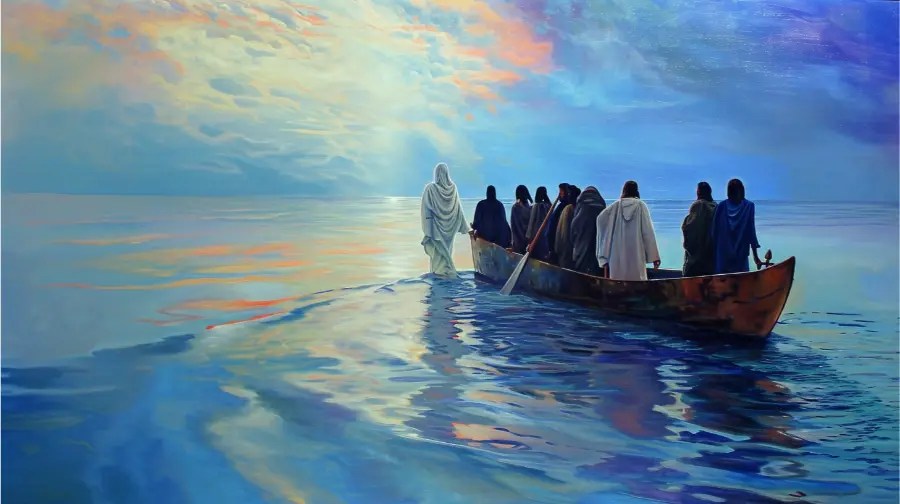
“You shall love the Lord your God with all your heart and with all your soul and with all your might.”
Reflection: This is the second line of the Shema, which begins “Hear, O Israel: The Lord our God, the Lord is one” (6:4), and Jesus called it “the great and first commandment” (Matthew 22:38). Heart, soul, and might together describe the whole person.
In spirit and in truth
John 4:24
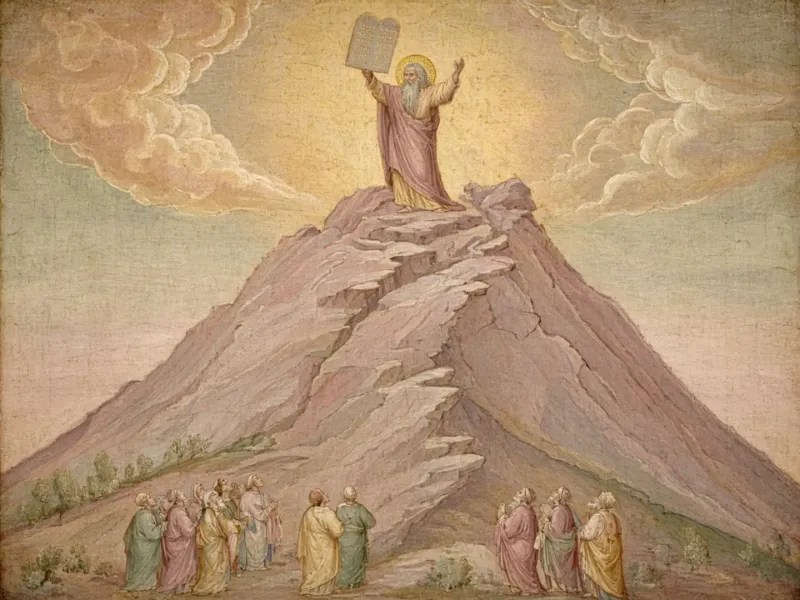
“God is spirit, and those who worship him must worship in spirit and truth.”
Reflection: Jesus says this to a Samaritan woman at a well, after she raises the old dispute over where God should be worshiped: her ancestors worshiped on Mount Gerizim, and the Jews said Jerusalem (4:20). Jesus tells her the hour is coming when neither place will matter, because the Father is seeking people who worship “in spirit and truth” (4:21-23).
What God asks for instead of ceremony

1 Samuel 15:22
“And Samuel said, ‘Has the Lord as great delight in burnt offerings and sacrifices, as in obeying the voice of the Lord? Behold, to obey is better than sacrifice, and to listen than the fat of rams.’”
Reflection: Saul had been told to destroy the Amalekites and all their livestock (15:3). He kept the best sheep and oxen and said they were for sacrifice to the Lord (15:15). Samuel answers that God wanted obedience, and that a sacrifice offered in place of obedience does not please him.
Micah 6:8
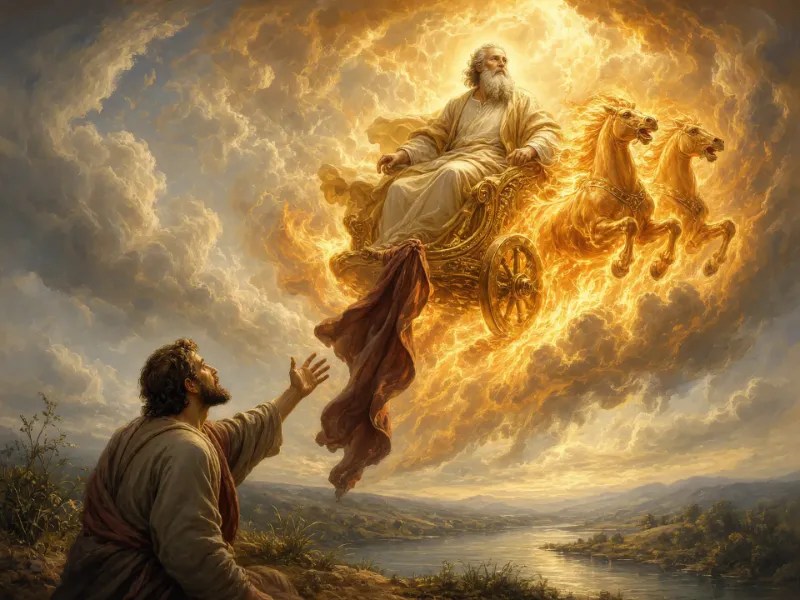
“He has told you, O man, what is good; and what does the Lord require of you but to do justice, and to love kindness, and to walk humbly with your God?”
Reflection: Micah has just listed the offerings a worshiper might bring: year-old calves, thousands of rams, ten thousand rivers of oil, even a firstborn child (6:6-7). The answer is three things done in ordinary life: justice, kindness, and a humble walk with God.
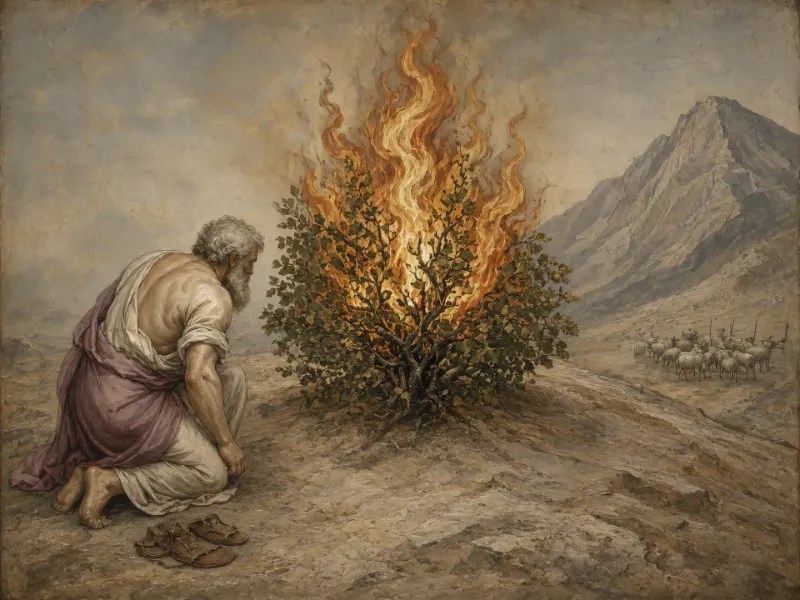
John 14:15
“If you love me, you will keep my commandments.”
Reflection: Jesus says this at the Last Supper, and a few verses later he says it again the other way round: “Whoever has my commandments and keeps them, he it is who loves me” (14:21). Between the two, he promises the Helper, the Holy Spirit, whom the Father will send (14:16, 26).
The whole life offered
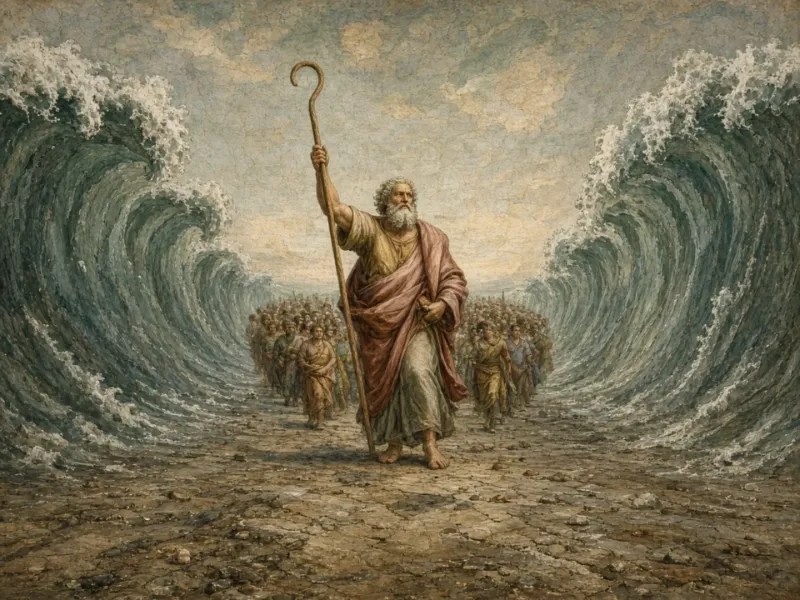
Romans 12:1
“I appeal to you therefore, brothers, by the mercies of God, to present your bodies as a living sacrifice, holy and acceptable to God, which is your spiritual worship.”
Reflection: The “therefore” points back to eleven chapters on the mercy of God. Animal sacrifices were killed on the altar; Paul asks instead for bodies offered while alive, in the way a person lives, and the rest of Romans 12 describes what that looks like. The phrase translated “spiritual worship” can also be rendered “reasonable service,” as in the King James Version.
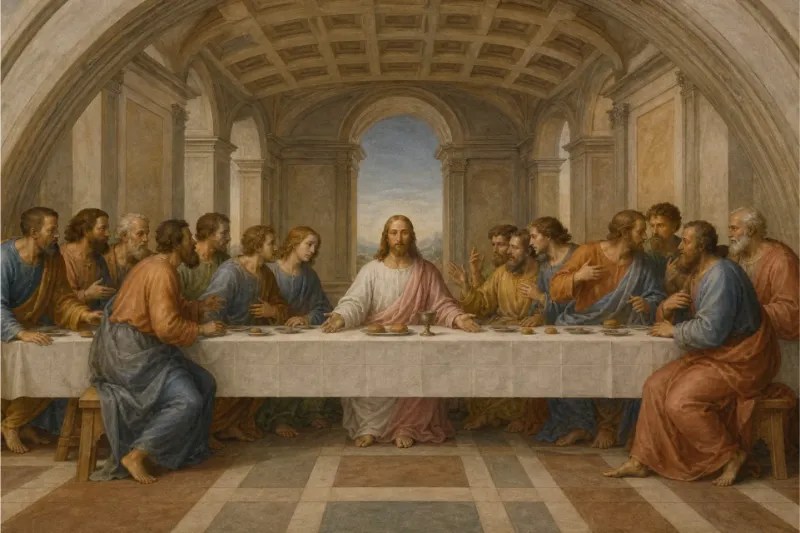
Hebrews 13:15
“Through him then let us continually offer up a sacrifice of praise to God, that is, the fruit of lips that acknowledge his name.”
Reflection: Hebrews has argued that Christ offered “a single sacrifice for sins” for all time (10:12), so “there is no longer any offering for sin” (10:18). The sacrifices that remain for Christians are praise, offered continually, and, in the next verse, doing good. “The fruit of lips” is praise spoken aloud.
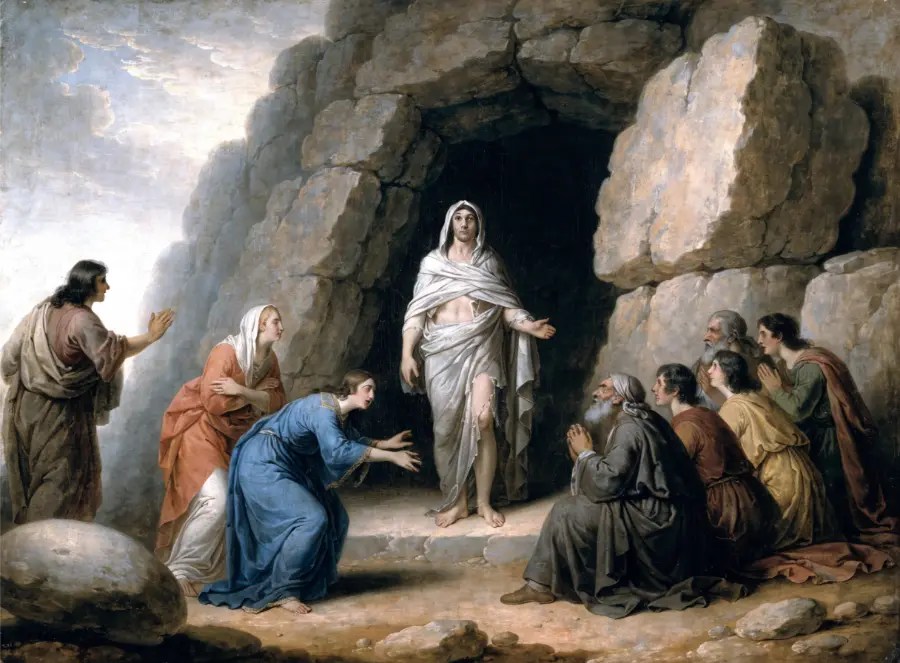
Hebrews 13:16
“Do not neglect to do good and to share what you have, for such sacrifices are pleasing to God.”
Reflection: The writer uses the word sacrifice again, this time for doing good and sharing what you have. Praise in verse 15 and generosity in verse 16 are both offerings that please God.
Worship with other people in the room
Psalm 100:4
“Enter his gates with thanksgiving, and his courts with praise! Give thanks to him; bless his name!”
Reflection: Psalm 100 is headed “A Psalm for giving thanks.” Its gates and courts are the temple’s, and the psalm is written for worshipers going in together, with thanksgiving and praise at the entrance.
Psalm 122:1
“I was glad when they said to me, ‘Let us go to the house of the Lord!’”
Reflection: This is one of the Songs of Ascents (Psalms 120–134), traditionally sung by pilgrims going up to Jerusalem for the festivals. The psalmist’s gladness comes when other people invite him: “Let us go to the house of the Lord.”
Hebrews 10:25
“Not neglecting to meet together, as is the habit of some, but encouraging one another, and all the more as you see the Day drawing near.”
Reflection: The letter admits that some Christians had already stopped meeting; it calls this “the habit of some.” Meeting is joined to encouraging one another, and the reason given for doing more of both is that “the Day,” the day of Christ’s return, is drawing near.
Colossians 3:16
“Let the word of Christ dwell in you richly, teaching and admonishing one another in all wisdom, singing psalms and hymns and spiritual songs, with thankfulness in your hearts to God.”
Reflection: Paul describes singing that runs in two directions. The psalms, hymns, and spiritual songs teach and admonish the other people in the congregation, and they are sung with thankfulness to God. Ephesians 5:19 describes the same practice: “addressing one another in psalms and hymns and spiritual songs.”
Worship when it costs something
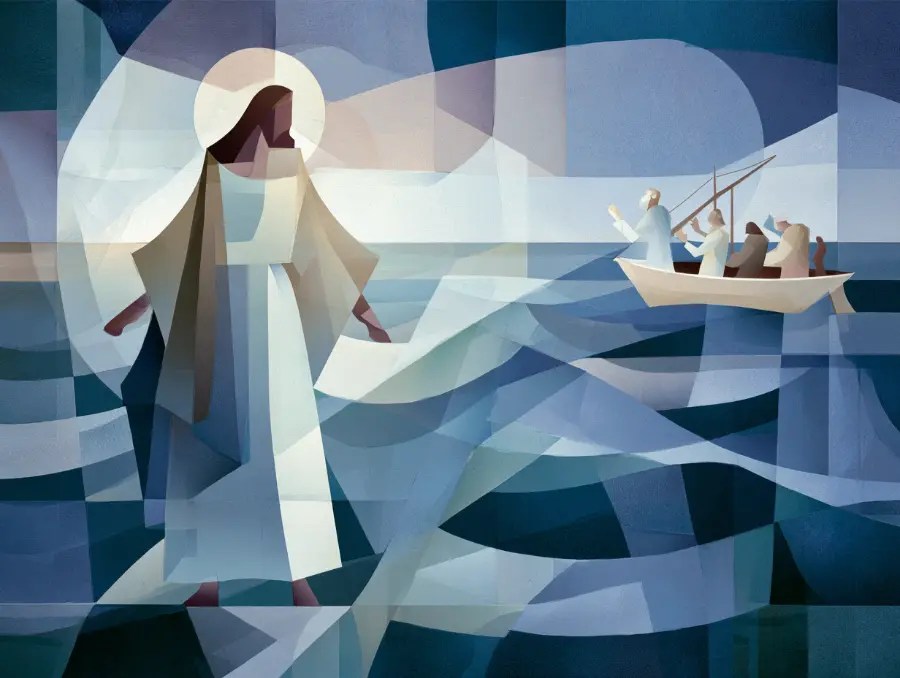
Acts 16:25
“About midnight Paul and Silas were praying and singing hymns to God, and the prisoners were listening to them.”
Reflection: Paul and Silas had been beaten with rods in Philippi and fastened in the stocks of the inner prison (16:22-24). At midnight they prayed and sang, and the other prisoners listened. An earthquake followed, and before the night was over the jailer and his whole household had been baptized (16:26-33).
When nothing in us wants to
Most of these passages describe worship as something done and say little about how the worshiper feels: bowing (Psalm 95:6), obeying (1 Samuel 15:22), sharing (Hebrews 13:16), meeting (Hebrews 10:25), and singing in a prison cell (Acts 16:25).
When the feeling is missing, those practices are still available: kneeling, reading a psalm aloud, going to church, doing good to someone. Luke records that Paul and Silas prayed and sang at midnight in the stocks, and he does not say how they felt.


Leave a Reply