
 English
 Chinese
 Dutch
 Arabic
 Spanish
 Portuguese
 Russian
 French
 Italian
 German
 Japanese
The Bible treats the lights in the sky as things God made and named, forbids his people to worship them or be terrified by signs in the heavens, and mocks the stargazers who make predictions month by month. Genesis 1:14 gives the lights in the sky their work, and Psalm 147:4 says God calls the stars by name.
Deuteronomy 4:19 forbids bowing down to the heavenly array, Deuteronomy 18:10-12 forbids divination and interpreting omens, and Jeremiah 10:2 tells Israel not to be terrified by signs in the heavens. Isaiah 47:13-14 dares Babylon’s stargazers to save their city, and 2 Kings 23:5 records King Josiah removing the priests who burned incense to the sun, moon and constellations. The book of Daniel sets Nebuchadnezzar’s astrologers beside Daniel, who says “there is a God in heaven who reveals mysteries” (Daniel 2:28), and Matthew 2 tells of Magi who saw a star rise and came to worship the child Jesus.
What the sun, moon and stars are for
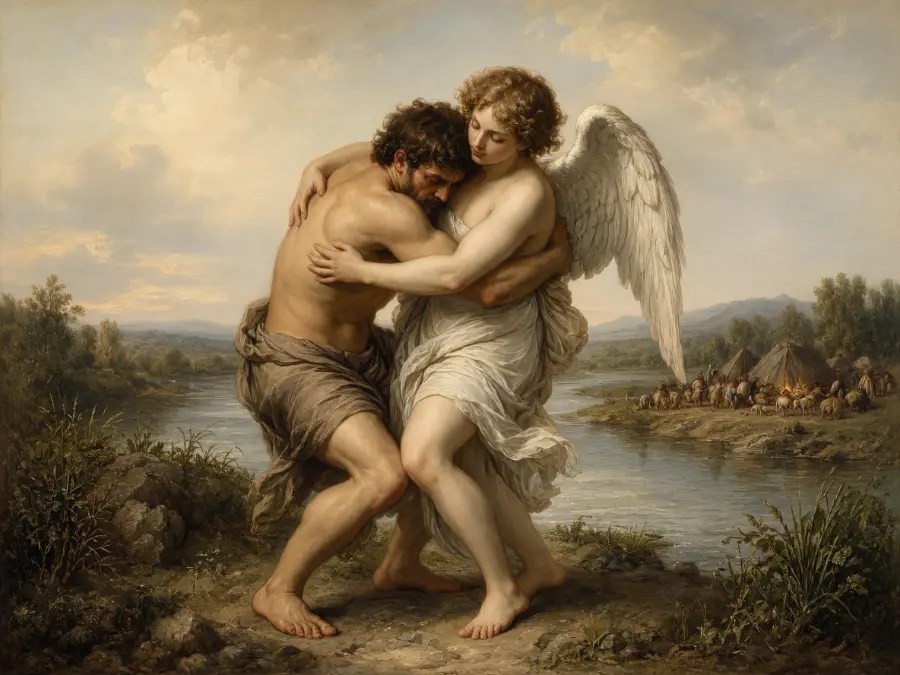
Genesis 1:14
“And God said, ‘Let there be lights in the vault of the sky to separate the day from the night, and let them serve as signs to mark sacred times, and days and years.’”
Reflection: On the fourth day of creation (Genesis 1:19) God makes lights in the sky and gives them their work: to separate day from night, to serve as signs that mark sacred times, days and years, and to give light on the earth (1:15). The passage does not name the sun and moon. It calls them “the greater light” and “the lesser light,” and adds that God “also made the stars” (1:16).
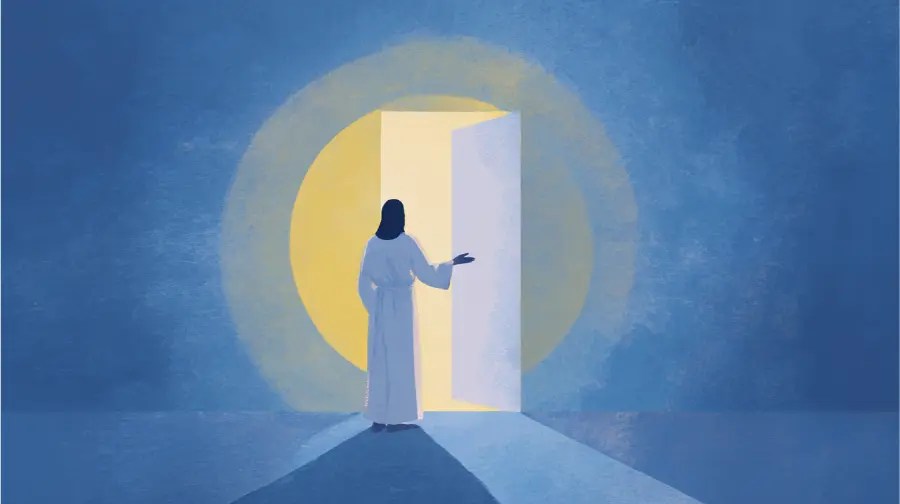
Psalm 19:1
“The heavens declare the glory of God; the skies proclaim the work of his hands.”
Reflection: In this psalm of David the heavens speak about God “day after day” and “night after night,” though “they use no words” (19:2-3). What the sky makes known, in the psalm’s words, is the glory of God and “the work of his hands.” Verse 4 places the sun in the heavens as well, in a tent God has pitched for it.
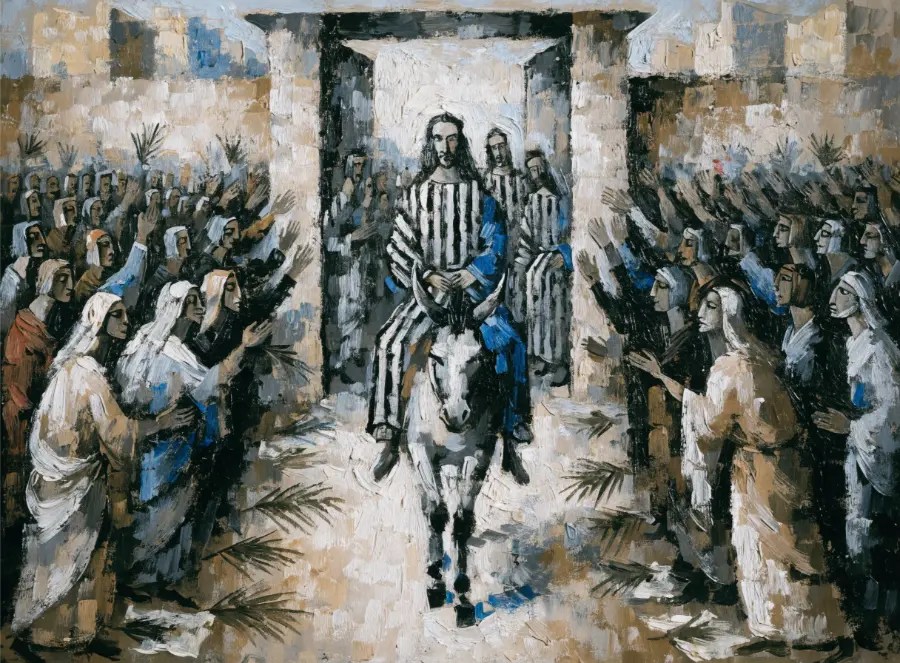
Psalm 147:4
“He determines the number of the stars and calls them each by name.”
Reflection: The verse sits between “He heals the brokenhearted and binds up their wounds” (147:3) and “his understanding has no limit” (147:5). The psalm places God’s numbering and naming of the stars beside his care for the wounded, as the work of the same Lord.
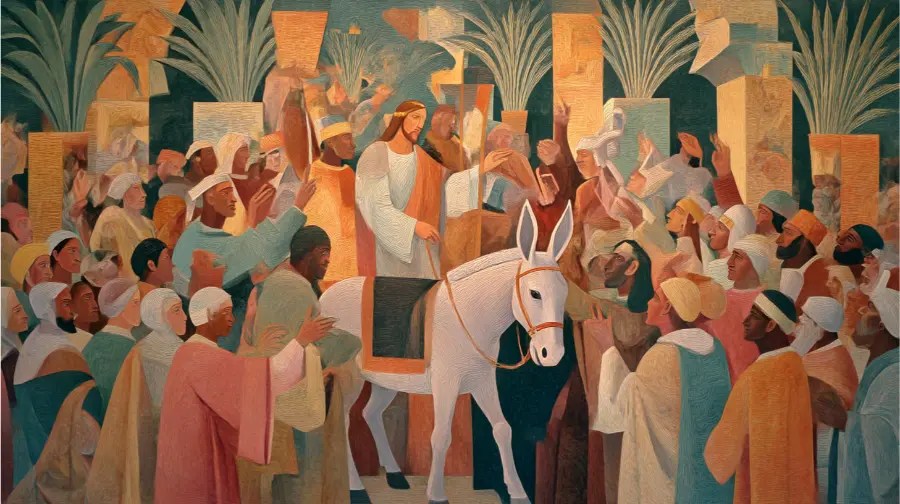
Isaiah 40:26
“Lift up your eyes and look to the heavens: Who created all these? He who brings out the starry host one by one and calls forth each of them by name. Because of his great power and mighty strength, not one of them is missing.”
Reflection: God asks, “To whom will you compare me? Or who is my equal?” (40:25), then points Israel to the night sky. The stars appear as a host that he brings out one by one and calls by name, with “not one of them” missing.
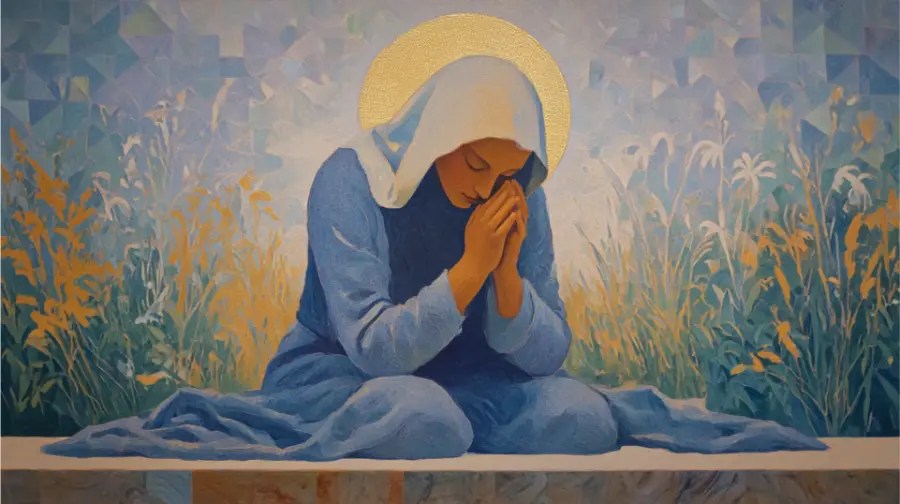
Job 38:31-33
“Can you bind the chains of the Pleiades? Can you loosen Orion’s belt? Can you bring forth the constellations in their seasons or lead out the Bear with its cubs? Do you know the laws of the heavens? Can you set up God’s dominion over the earth?”
Reflection: The Lord speaks to Job “out of the storm” (38:1) with questions Job cannot answer. The Pleiades, Orion and the Bear are named constellations, and Job can neither bind, loosen nor lead them. Nor does he know “the laws of the heavens,” which in this speech belong to God.
The law against worshipping the heavens and reading omens
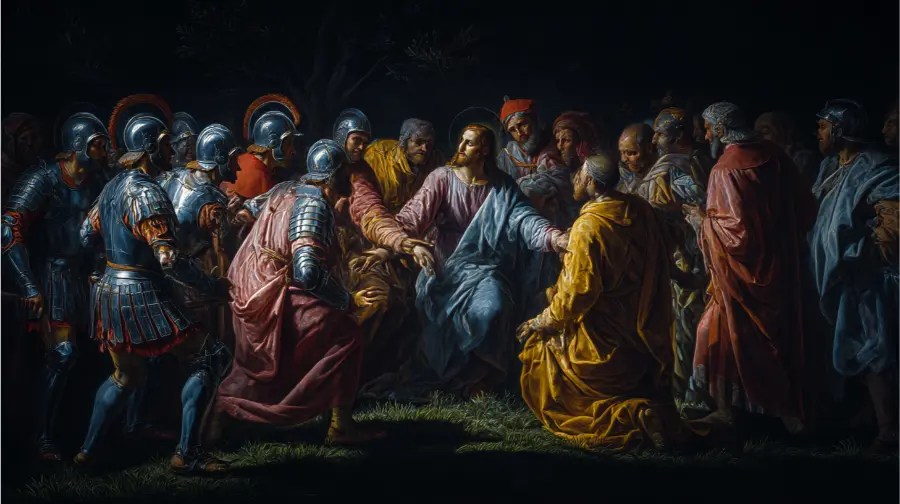
Deuteronomy 4:19
“And when you look up to the sky and see the sun, the moon and the stars—all the heavenly array—do not be enticed into bowing down to them and worshiping things the LORD your God has apportioned to all the nations under heaven.”
Reflection: Moses reminds Israel that they “saw no form of any kind” when the Lord spoke at Horeb (4:15), and so they must not make an image of a person, animal, bird or fish, or bow down to the sun, moon and stars. The verse says God has “apportioned” the heavenly array “to all the nations under heaven.” Deuteronomy 17:3 names bowing down “to the sun or the moon or the stars in the sky” as a covenant offence, to be investigated and punished by stoning (17:4-5).
Deuteronomy 18:10-12
“Let no one be found among you who sacrifices their son or daughter in the fire, who practices divination or sorcery, interprets omens, engages in witchcraft, or casts spells, or who is a medium or spiritist or who consults the dead. Anyone who does these things is detestable to the LORD.”
Reflection: Astrology is not named in this list, which covers divination, sorcery, interpreting omens, witchcraft, spells, mediums, spiritists and consulting the dead. Verse 9 calls these “the detestable ways of the nations” in the land Israel is entering. Verses 14-15 give the alternative: the nations listen to sorcerers and diviners, but the Lord will raise up “a prophet like me” for Israel, and “you must listen to him.”
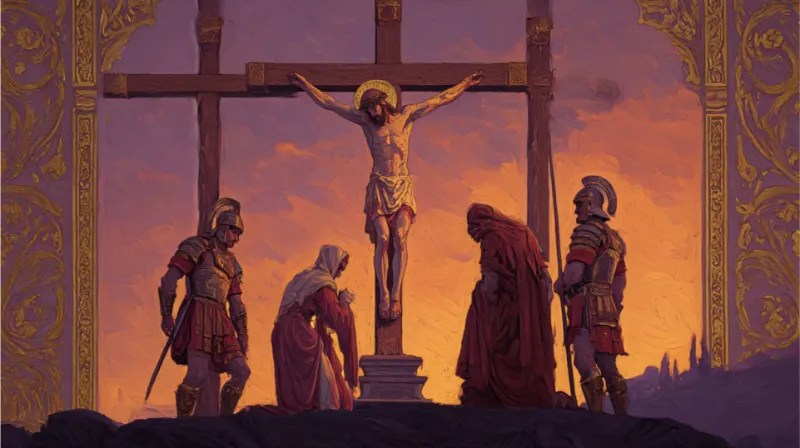
Jeremiah 10:2
“This is what the LORD says: ‘Do not learn the ways of the nations or be terrified by signs in the heavens, though the nations are terrified by them.’”
Reflection: Jeremiah tells Israel not to learn the ways of the nations or be terrified by signs in the heavens. The chapter moves straight on to idols cut from a tree and fastened with nails so they will not totter, which “can do no harm nor can they do any good” (10:5). Verse 11 adds that the gods “who did not make the heavens and the earth” will perish, while the Lord “stretched out the heavens by his understanding” (10:12).
When Israel and Judah served the starry host
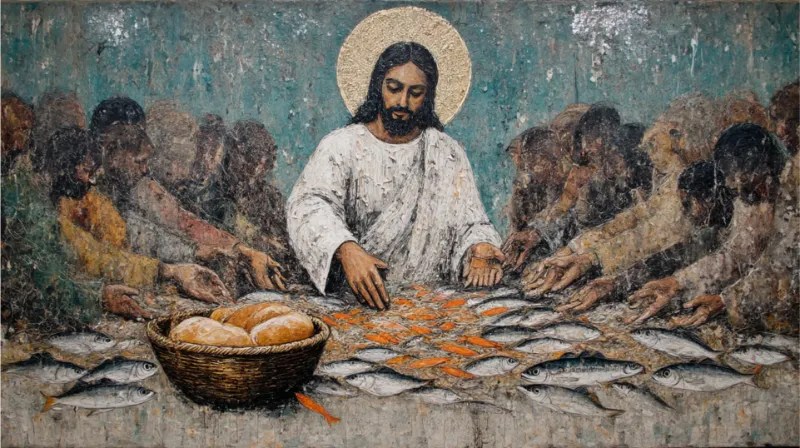
2 Kings 17:16
“They forsook all the commands of the LORD their God and made for themselves two idols cast in the shape of calves, and an Asherah pole. They bowed down to all the starry hosts, and they worshiped Baal.”
Reflection: After Assyria captured Samaria and deported the Israelites, the writer lists the reasons: “All this took place because the Israelites had sinned against the Lord their God” (17:7). Bowing down to the starry hosts appears in that list beside the calf idols and Baal, and verse 17 adds child sacrifice, divination and seeking omens.
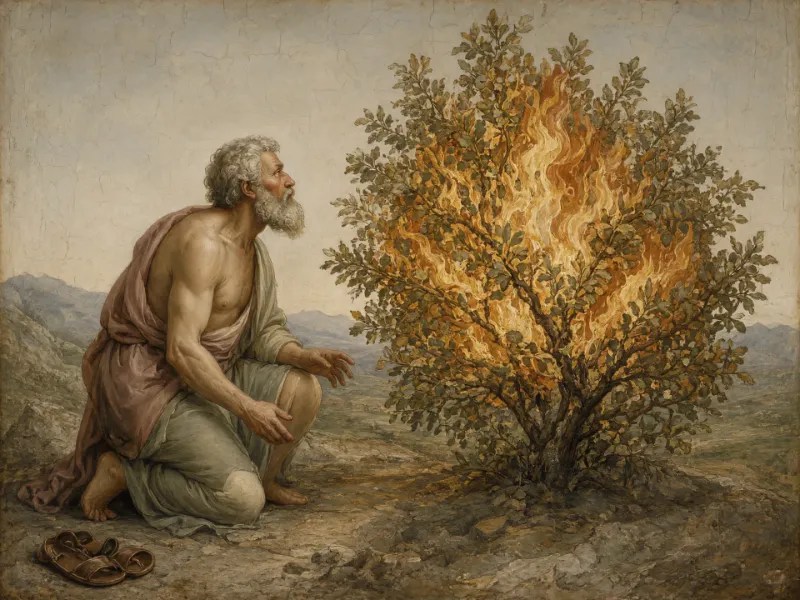
2 Kings 23:5
“He did away with the idolatrous priests appointed by the kings of Judah to burn incense on the high places of the towns of Judah and on those around Jerusalem—those who burned incense to Baal, to the sun and moon, to the constellations and to all the starry hosts.”
Reflection: After the Book of the Covenant is read in the temple (23:2), King Josiah has the articles made for Baal, Asherah and “all the starry hosts” carried out and burned (23:4). He then removes the priests who burned incense to the sun, moon and constellations. His grandfather Manasseh had built altars to the starry hosts in both courts of the temple (21:5).
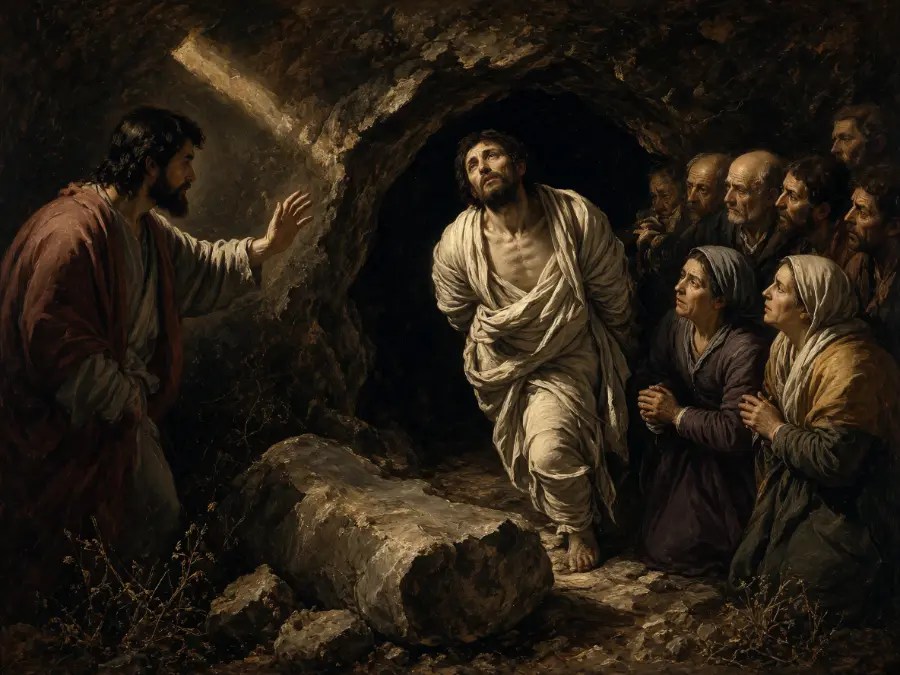
Jeremiah 8:2
“They will be exposed to the sun and the moon and all the stars of the heavens, which they have loved and served and which they have followed and consulted and worshiped. They will not be gathered up or buried, but will be like dung lying on the ground.”
Reflection: The Lord announces that the bones of Judah’s kings, officials, priests, prophets and people will be taken from their graves. They will lie exposed to the sun, moon and stars that the people “loved and served and which they have followed and consulted and worshiped.” Verse 3 says the survivors “will prefer death to life.”
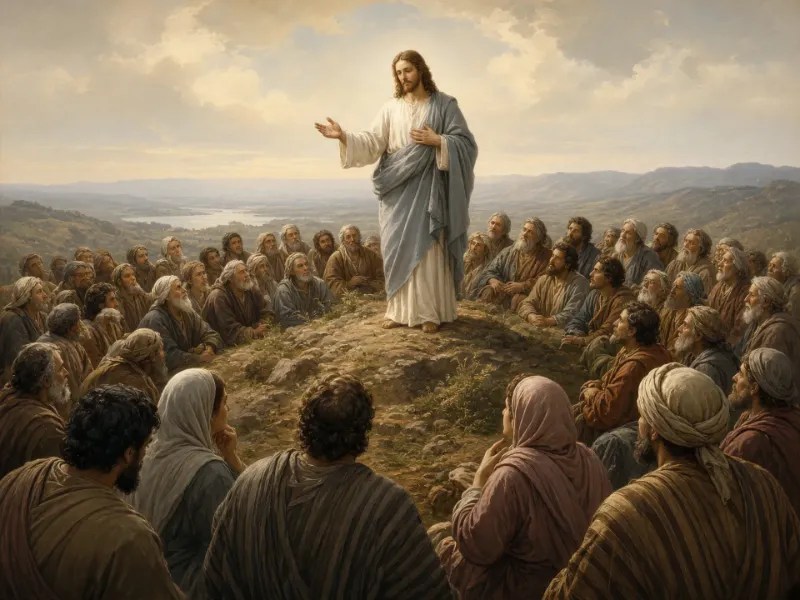
Acts 7:42
“But God turned away from them and gave them over to the worship of the sun, moon and stars. This agrees with what is written in the book of the prophets: ‘Did you bring me sacrifices and offerings forty years in the wilderness, people of Israel?’”
Reflection: Stephen, answering the high priest (7:1), retells Israel’s history. After the calf at Sinai, he says, God “gave them over to the worship of the sun, moon and stars.” He then quotes Amos 5:25-27, where Amos speaks of “the star of your god”; Stephen’s wording names the god Rephan and ends with exile “beyond Babylon” where Amos has “beyond Damascus.”
Babylon’s astrologers, magicians and enchanters
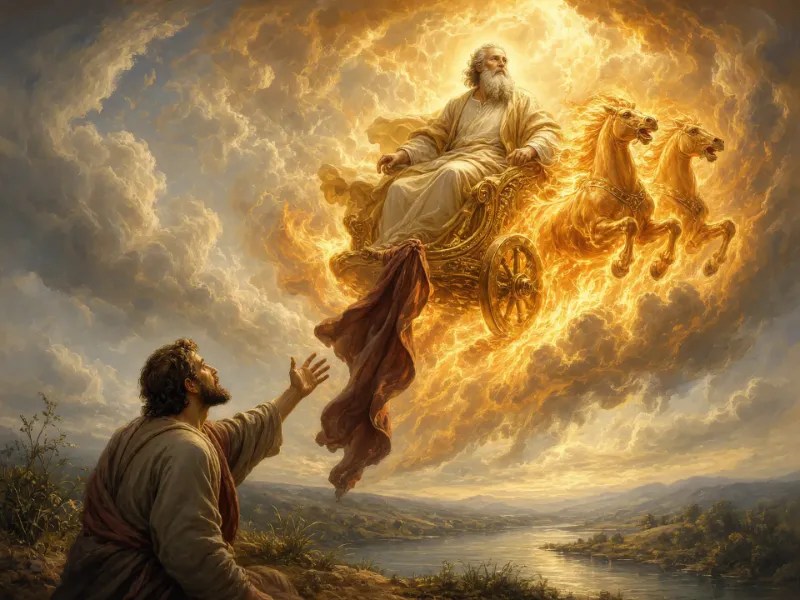
Isaiah 47:13-14
“All the counsel you have received has only worn you out! Let your astrologers come forward, those stargazers who make predictions month by month, let them save you from what is coming upon you. Surely they are like stubble; the fire will burn them up. They cannot even save themselves from the power of the flame.”
Reflection: The chapter is addressed to “Virgin Daughter Babylon” (47:1). The Lord tells the city to call its astrologers, “those stargazers who make predictions month by month,” to save it, and says they are stubble that will burn and “cannot even save themselves.” Verse 11 has already said that a catastrophe “you cannot foresee” will come on the city.
Daniel 1:20
“In every matter of wisdom and understanding about which the king questioned them, he found them ten times better than all the magicians and enchanters in his whole kingdom.”
Reflection: Daniel, Hananiah, Mishael and Azariah were young men from Judah trained for three years in the language and literature of the Babylonians (1:4-6). Verse 17 credits God with their knowledge and understanding, and says Daniel “could understand visions and dreams of all kinds.” The king found them ten times better than all the magicians and enchanters in his kingdom.
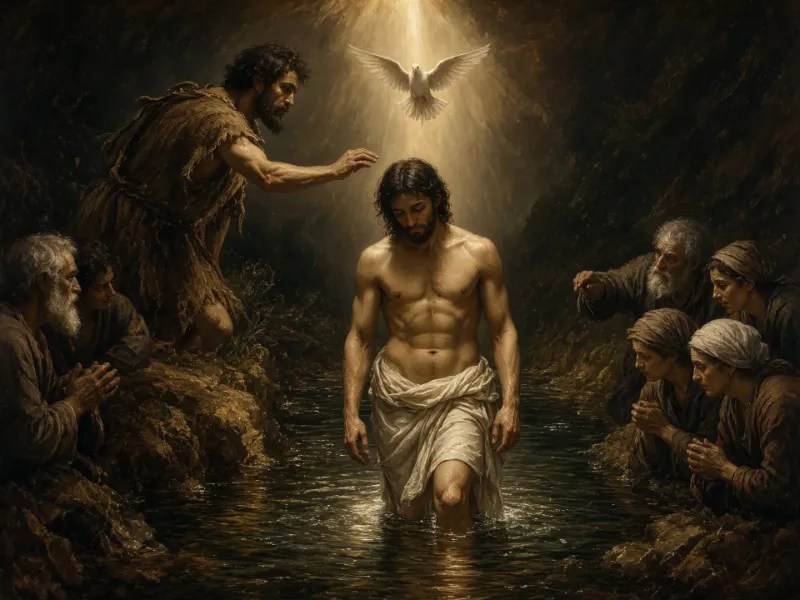
Daniel 2:27-28
“Daniel replied, ‘No wise man, enchanter, magician or diviner can explain to the king the mystery he has asked about, but there is a God in heaven who reveals mysteries. He has shown King Nebuchadnezzar what will happen in days to come. Your dream and the visions that passed through your mind as you were lying in bed are these:’”
Reflection: Nebuchadnezzar had summoned “the magicians, enchanters, sorcerers and astrologers” (2:2), and the astrologers told him, “There is no one on earth who can do what the king asks” (2:10). Daniel agrees that no wise man or diviner can explain the dream, and names the God who can. Once Daniel has told and interpreted the dream, the king calls Daniel’s God “a revealer of mysteries” (2:47).
Daniel 4:7
“When the magicians, enchanters, astrologers and diviners came, I told them the dream, but they could not interpret it for me.”
Reflection: Nebuchadnezzar tells this story himself. A second dream brings the same experts, astrologers among them, and the same failure. “Finally, Daniel came into my presence and I told him the dream” (4:8).
The star in Matthew’s Gospel

Matthew 2:9-10
“After they had heard the king, they went on their way, and the star they had seen when it rose went ahead of them until it stopped over the place where the child was. When they saw the star, they were overjoyed.”
Reflection: Magi from the east arrive in Jerusalem saying, “We saw his star when it rose and have come to worship him” (2:2). The town of Bethlehem comes from the chief priests and teachers of the law, who quote the prophet to Herod (2:4-6), and Herod sends the Magi there (2:8). On that last stage of the journey the star they had seen rise goes ahead of them to the place where the child is. Matthew reports the Magi’s journey without comment on their star-watching; they worship the child, and a dream warns them not to go back to Herod (2:11-12).


Leave a Reply