
 English
 Chinese
 Dutch
 Arabic
 Spanish
 Portuguese
 Russian
 French
 Italian
 German
 Japanese
The Bible treats the stars as things God made, counts and names, and it forbids worshipping them. Psalm 147:4 says God “gives to all of them their names,” and Deuteronomy 4:19 warns Israel not to bow down to them.
Genesis 1:16 places the stars in the fourth day of creation, Genesis 15:5 makes them a promise to Abram, and Matthew 2:2 follows the star the wise men saw “when it rose.” Elsewhere stars stand for Joseph’s brothers in his dream (Genesis 37:9), for the wise in Daniel 12:3, and for the angels of seven churches in Revelation 1:20. In Revelation 22:16 Jesus calls himself “the bright morning star.”
Stars God made, numbers and names
Genesis 1:16
“And God made the two great lights—the greater light to rule the day and the lesser light to rule the night—and the stars.”
Reflection: The verse belongs to the fourth day of creation (Genesis 1:19). The sun and moon are not named here; they are “the greater light” and “the lesser light,” and the stars are added at the end of the sentence. Verse 14 gives all these lights their purpose, “for signs and for seasons, and for days and years,” and verse 18 says God saw that it was good.
Psalm 147:4
“He determines the number of the stars; he gives to all of them their names.”
Reflection: Psalm 147 praises the Lord who “builds up Jerusalem” and “gathers the outcasts of Israel” (147:2). Verse 3 says he heals the brokenhearted and binds up their wounds, and verse 4 moves straight from wounds to the stars, which he counts and names. Verse 5 adds, “his understanding is beyond measure.”
Isaiah 40:26
“Lift up your eyes on high and see: who created these? He who brings out their host by number, calling them all by name; by the greatness of his might and because he is strong in power, not one is missing.”
Reflection: The Lord asks, “To whom then will you compare me?” (40:25), and points to the night sky: he brings out the stars “by number,” calls each by name, and “not one is missing.” The next verse turns to Israel’s complaint, “My way is hidden from the Lord” (40:27), and verse 28 answers that the Creator does not grow weary and his understanding is unsearchable.
Job 9:9
“who made the Bear and Orion, the Pleiades and the chambers of the south;”
Reflection: Job says this while arguing that he cannot win a case against God: “how can a man be in the right before God?” (9:2). The Bear, Orion and the Pleiades sit on a list of God’s works that includes shaking the earth and sealing up the stars (9:6-7). When the Lord later answers Job, he asks, “Can you bind the chains of the Pleiades or loose the cords of Orion?” (Job 38:31), and whether Job can “guide the Bear with its children” (38:32).
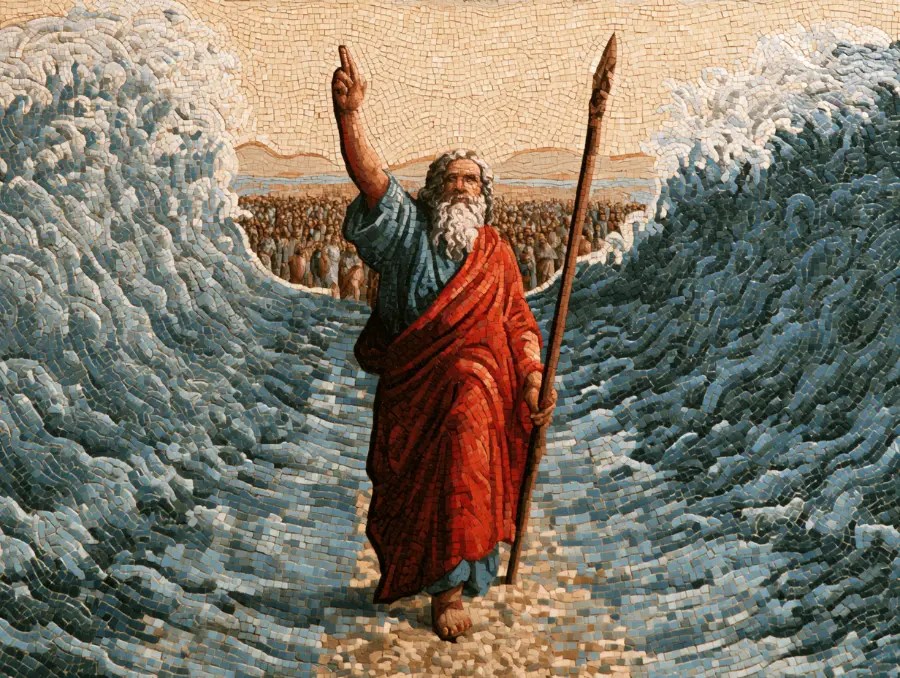
Amos 5:8
“He who made the Pleiades and Orion, and turns deep darkness into the morning and darkens the day into night, who calls for the waters of the sea and pours them out on the surface of the earth—the LORD is his name;”
Reflection: The line about the Pleiades and Orion interrupts a charge against Israel: verse 7 addresses those “who turn justice to wormwood.” Verse 9 goes on to say that the same Lord “makes destruction flash forth against the strong.”
Jeremiah 31:35
“Thus says the LORD, who gives the sun for light by day and the fixed order of the moon and the stars for light by night, who stirs up the sea so that its waves roar—the LORD of hosts is his name:”
Reflection: The verse follows the promise of a new covenant with Israel (Jeremiah 31:31-34). The Lord points to “the fixed order” of the moon and stars and says that only if that order departs from before him will Israel cease to be a nation (31:36). Verse 37 adds a second test: if the heavens above can be measured, then he will cast off Israel’s offspring.
Looking up at the night sky
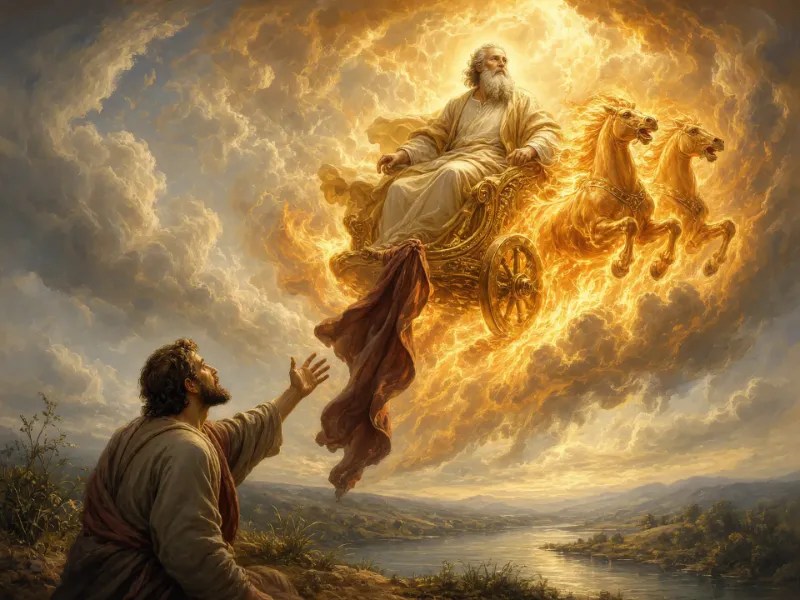
Psalm 19:1
“The heavens declare the glory of God, and the sky above proclaims his handiwork.”
Reflection: The first half of Psalm 19 is about the sky and the second, from verse 7, about the law of the Lord. “Day to day pours out speech, and night to night reveals knowledge” (19:2), though “there is no speech, nor are there words” (19:3), and still “their voice goes out through all the earth” (19:4). Verses 4-6 go on to describe the sun running its course like a bridegroom or a strong man.
Psalm 8:3-4
“When I look at your heavens, the work of your fingers, the moon and the stars, which you have set in place, what is man that you are mindful of him, and the son of man that you care for him?”
Reflection: Psalm 8 opens and closes with “O Lord, our Lord, how majestic is your name in all the earth!” The moon and stars are “the work of your fingers,” and the sight of them raises the question of why God should care for human beings at all. Verse 5 answers that God made man “a little lower than the heavenly beings and crowned him with glory and honor.” Hebrews 2:6-8 quotes Psalm 8:4-6, and Hebrews 2:9 applies the words to Jesus.
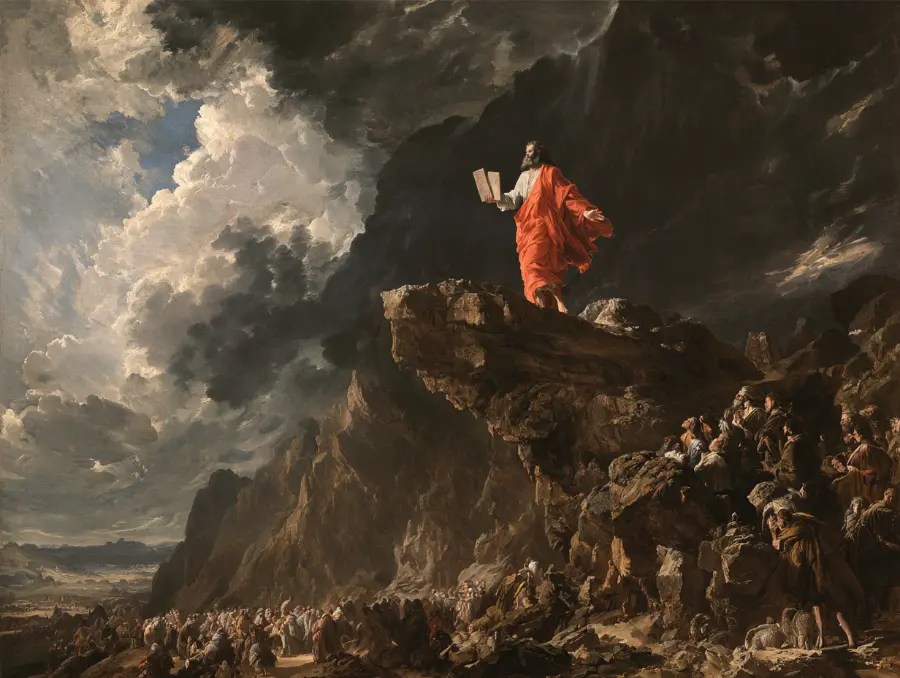
Job 38:7
“when the morning stars sang together and all the sons of God shouted for joy?”
Reflection: Speaking out of the whirlwind (38:1), the Lord asks Job where he was when the foundation of the earth was laid (38:4) and who laid its cornerstone (38:6). Verse 7 finishes that question with a time: “when the morning stars sang together.” In the parallel line “all the sons of God shouted for joy.”

Deuteronomy 4:19
“And beware lest you raise your eyes to heaven, and when you see the sun and the moon and the stars, all the host of heaven, you be drawn away and bow down to them and serve them, things that the LORD your God has allotted to all the peoples under the whole heaven.”
Reflection: Moses reminds Israel that they “saw no form” when the Lord spoke to them at Horeb (4:15), then warns against carved images of people, animals, birds and fish. The warning continues upward to the sky: seeing the sun, moon and stars must not lead Israel to bow down to them and serve them. The verse describes them as things the Lord “has allotted to all the peoples under the whole heaven.”
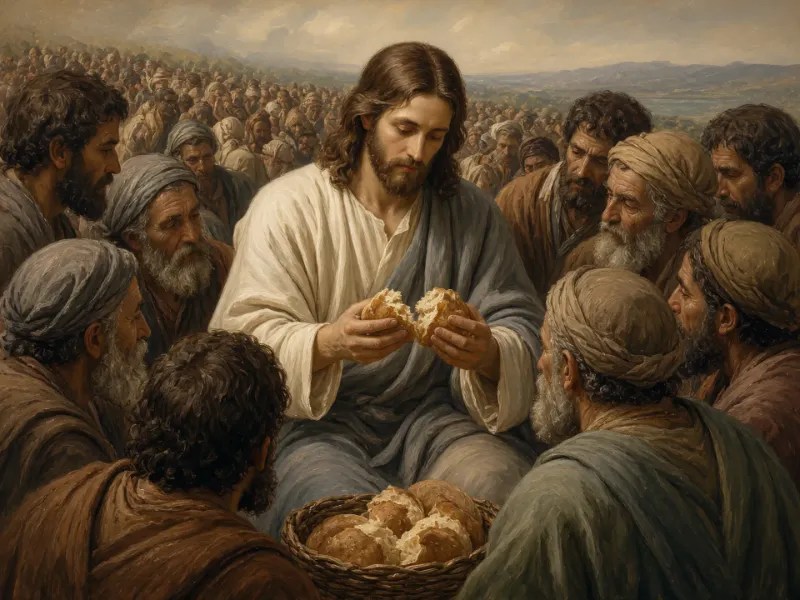
Genesis 15:5
“And he brought him outside and said, ‘Look toward heaven, and number the stars, if you are able to number them.’ Then he said to him, ‘So shall your offspring be.’”
Reflection: Abram has just complained that he is childless and that Eliezer of Damascus, a member of his household, will be his heir (15:2-3). God takes him outside, tells him to count the stars if he can, and says, “So shall your offspring be.” The next verse is the one Paul quotes in Romans 4:3: “he believed the Lord, and he counted it to him as righteousness.” The promise returns in Genesis 22:17, and Hebrews 11:12 says descendants as many as the stars were born “from one man, and him as good as dead.”
Stars that mark a king
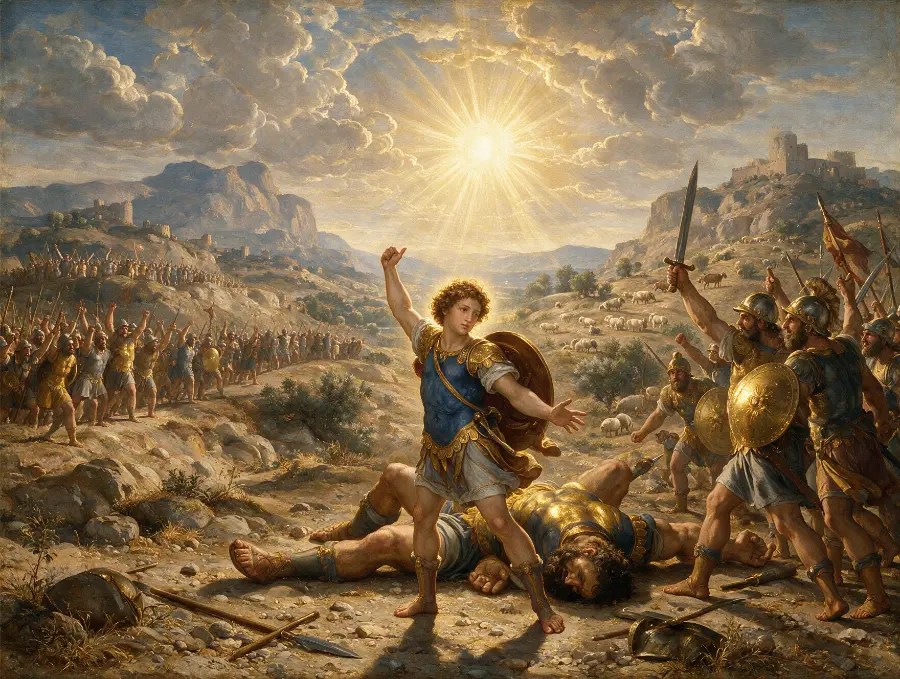
Numbers 24:17
“I see him, but not now; I behold him, but not near: a star shall come out of Jacob, and a scepter shall rise out of Israel.”
Reflection: Balak, king of Moab, had hired Balaam to curse Israel, and after Balaam blessed them “these three times” (24:10) he spoke this further oracle. The star and the scepter stand in parallel lines as one figure, a ruler from Israel who “shall crush the forehead of Moab” in the rest of the verse. Balaam sees him “but not now.”
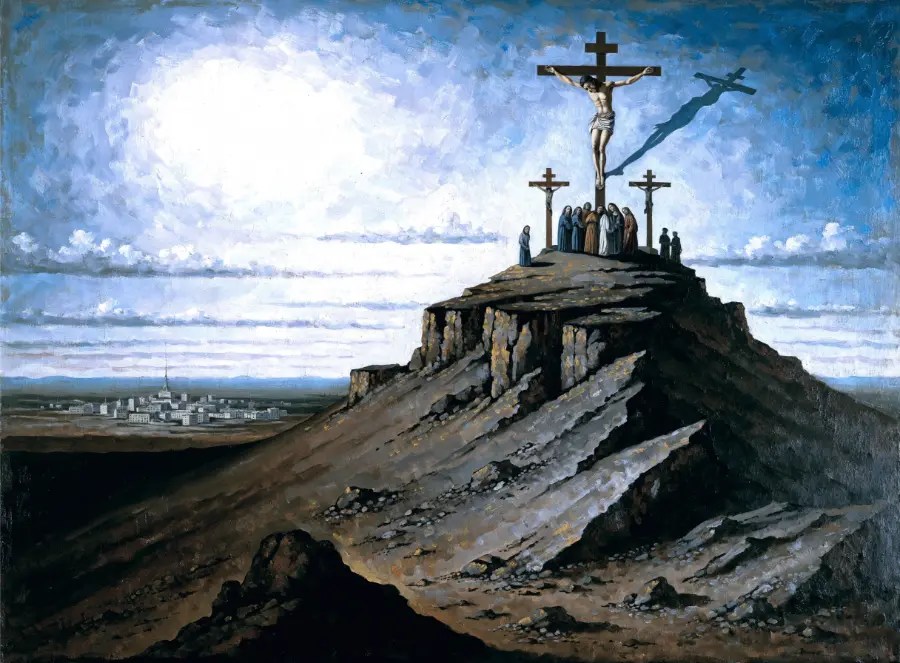
Matthew 2:2
“saying, ‘Where is he who has been born king of the Jews? For we saw his star when it rose and have come to worship him.’”
Reflection: Wise men from the east arrive in Jerusalem “in the days of Herod the king” asking for the one born king of the Jews. Herod’s chief priests and scribes answer with the prophet’s words about a ruler from Bethlehem (2:5-6), and Herod then asks the wise men privately “what time the star had appeared” (2:7).
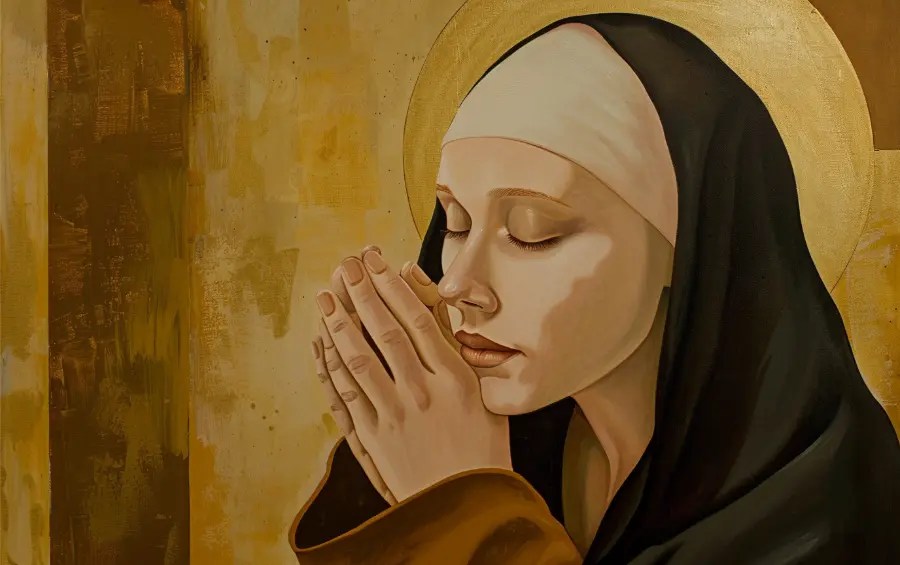
Matthew 2:9-10
“After listening to the king, they went on their way. And behold, the star that they had seen when it rose went before them until it came to rest over the place where the child was. When they saw the star, they rejoiced exceedingly with great joy.”
Reflection: Herod has sent the wise men to Bethlehem, and the star they had seen at its rising goes ahead of them and stops over the place where the child is. Verse 11 says they went into the house, worshiped the child and opened their gifts of gold, frankincense and myrrh. Warned in a dream, they went home by another way (2:12).
Revelation 22:16
“I, Jesus, have sent my angel to testify to you about these things for the churches. I am the root and the descendant of David, the bright morning star.”
Reflection: Near the close of Revelation, Jesus speaks in his own name to the churches and gives himself two titles, “the root and the descendant of David” and “the bright morning star.” Earlier in the book he promises the morning star to the one who conquers in Thyatira (Revelation 2:28), and 2 Peter 1:19 speaks of the day dawning and “the morning star” rising “in your hearts.”
What the stars stand for
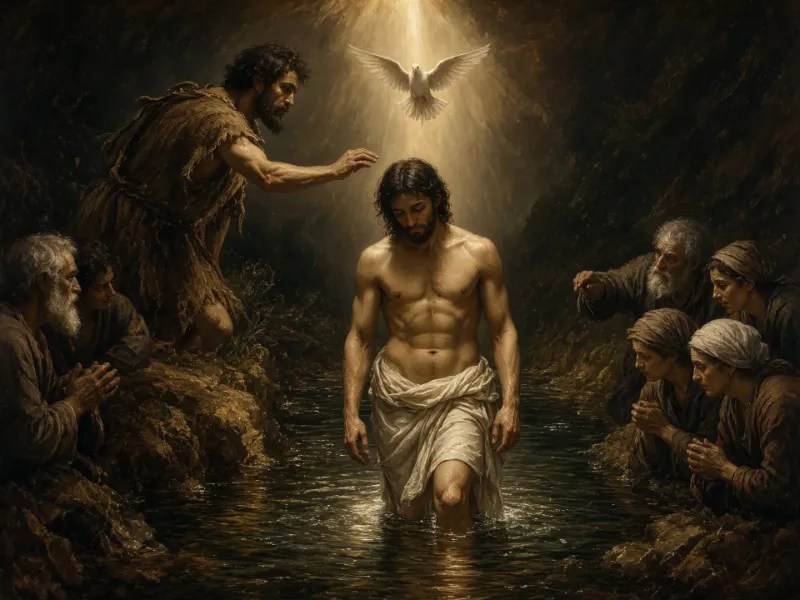
Genesis 37:9
“Then he dreamed another dream and told it to his brothers and said, ‘Behold, I have dreamed another dream. Behold, the sun, the moon, and eleven stars were bowing down to me.’”
Reflection: Joseph’s second dream follows one in which his brothers’ sheaves bowed down to his (37:7). This time the sun, the moon and eleven stars bow. His father reads the dream at once: “Shall I and your mother and your brothers indeed come to bow ourselves to the ground before you?” He rebukes Joseph, but “kept the saying in mind” (37:10-11).
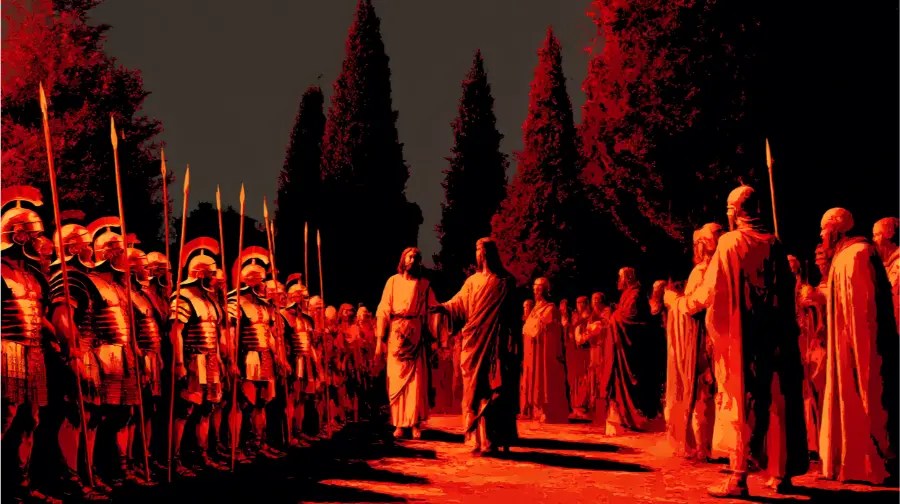
Daniel 12:3
“And those who are wise shall shine like the brightness of the sky above; and those who turn many to righteousness, like the stars forever and ever.”
Reflection: The verse comes in the vision that closes Daniel, directly after the promise that many “who sleep in the dust of the earth shall awake, some to everlasting life, and some to shame and everlasting contempt” (12:2). The wise will shine like the sky, and those who turn many to righteousness “like the stars forever and ever.”
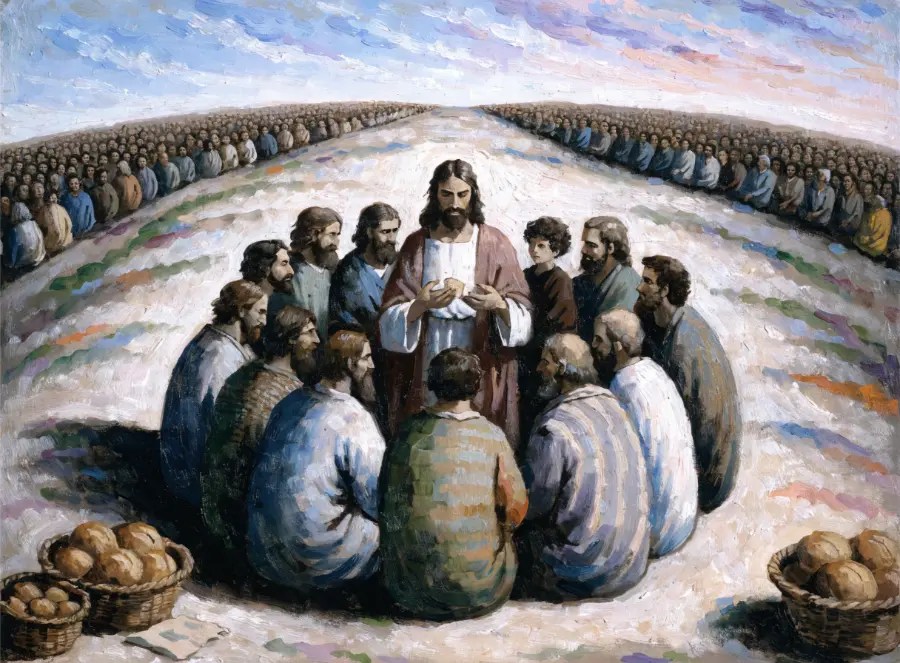
1 Corinthians 15:41
“There is one glory of the sun, and another glory of the moon, and another glory of the stars; for star differs from star in glory.”
Reflection: Paul is answering the question “How are the dead raised? With what kind of body do they come?” (15:35). He points to the different glory of sun, moon and stars, and then says, “So is it with the resurrection of the dead” (15:42). What is sown perishable is raised imperishable (15:42), and what is sown in dishonor is raised in glory (15:43).
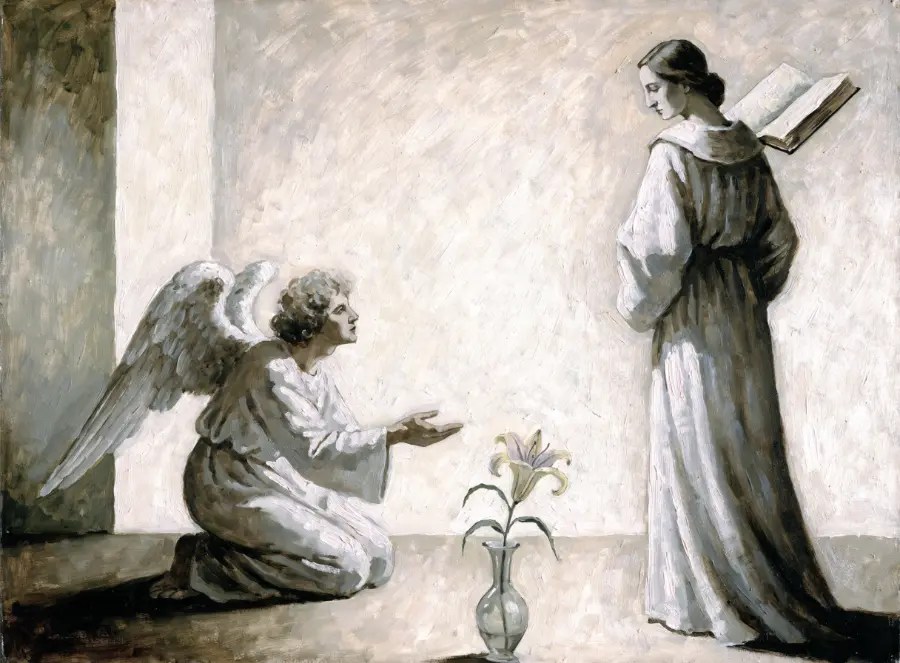
Jude 1:13
“wild waves of the sea, casting up the foam of their own shame; wandering stars, for whom the gloom of utter darkness has been reserved forever.”
Reflection: Jude writes about “certain people” who “have crept in unnoticed” and “pervert the grace of our God into sensuality” (Jude 4). Verses 12-13 describe them in a string of pictures: waterless clouds, fruitless trees, wild waves and wandering stars. The stars come last, with the judgment attached: “the gloom of utter darkness has been reserved forever.”
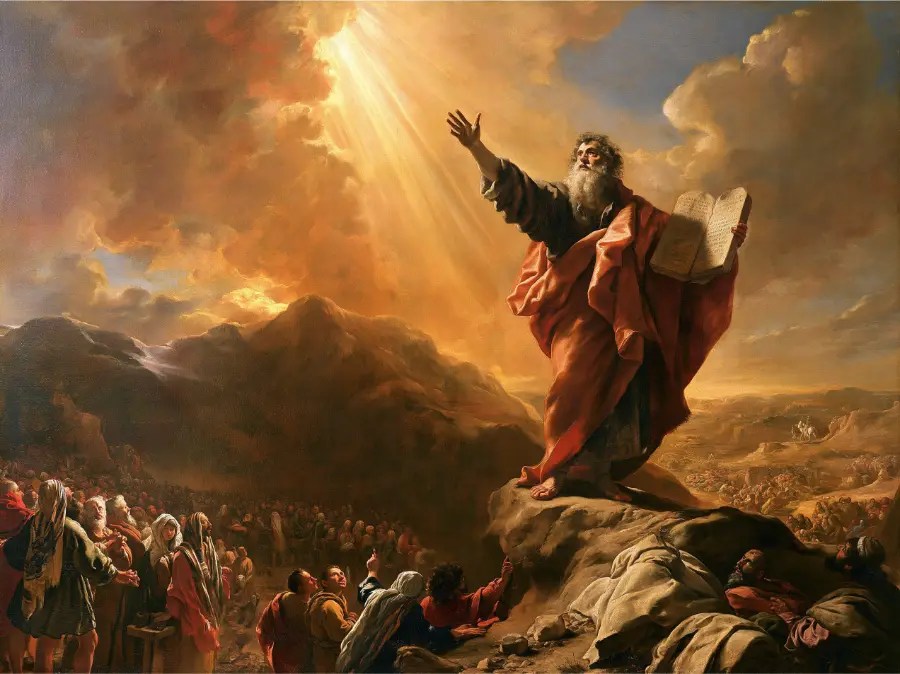
Isaiah 14:12
“How you are fallen from heaven, O Day Star, son of Dawn! How you are cut down to the ground, you who laid the nations low!”
Reflection: The verse is part of a taunt that Israel is told to take up “against the king of Babylon” (14:4). The “Day Star, son of Dawn” had said in his heart, “above the stars of God I will set my throne on high,” and is brought down to Sheol instead (14:13-15). The King James Version renders the title “O Lucifer, son of the morning”; within Isaiah 14 the one addressed is the king of Babylon.
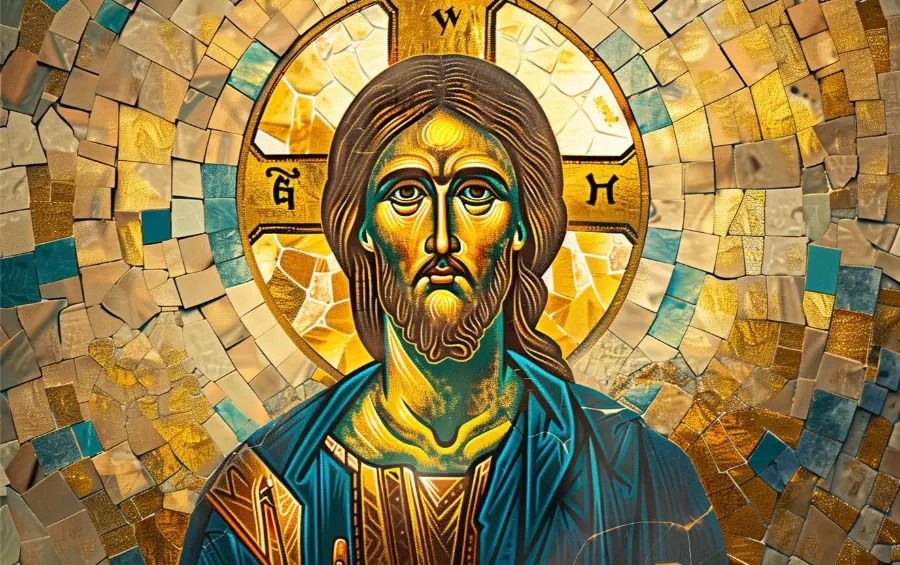
Revelation 1:20
“As for the mystery of the seven stars that you saw in my right hand, and the seven golden lampstands, the seven stars are the angels of the seven churches, and the seven lampstands are the seven churches.”
Reflection: John has seen one like a son of man standing among seven golden lampstands and holding seven stars in his right hand (1:12-16). Here the figure explains the image himself: the lampstands are the seven churches and the stars are “the angels of the seven churches.” Each of the seven letters in chapters 2 and 3 is then addressed to the angel of a church in a named city.
Signs in heaven
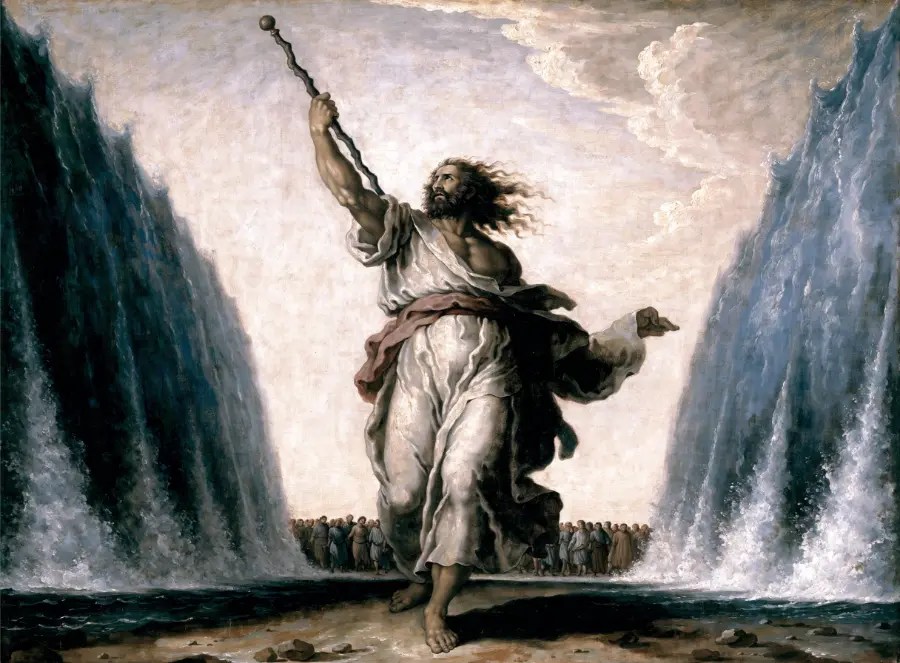
Matthew 24:29
“Immediately after the tribulation of those days the sun will be darkened, and the moon will not give its light, and the stars will fall from heaven, and the powers of the heavens will be shaken.”
Reflection: Jesus is answering his disciples’ question about the sign of his coming and the close of the age (Matthew 24:3). The darkened sun and moon and the falling stars come “immediately after the tribulation of those days,” and in verse 30 the sign of the Son of Man appears in heaven. The wording is close to Isaiah 13:10, where on the day of the Lord “the stars of the heavens and their constellations will not give their light”; Mark 13:24-25 records the same saying.
Revelation 12:1
“And a great sign appeared in heaven: a woman clothed with the sun, with the moon under her feet, and on her head a crown of twelve stars.”
Reflection: John calls the woman “a great sign” in heaven: clothed with the sun, the moon under her feet, and twelve stars as her crown. She gives birth to a male child, “one who is to rule all the nations with a rod of iron” (12:5), while the tail of a great red dragon sweeps down “a third of the stars of heaven” (12:4). Sun, moon and stars also appear together in Joseph’s dream (Genesis 37:9), where his father reads them as the family.
Stars, signs and stargazing
Genesis 1:14 gives the lights of the sky a use, “for signs and for seasons, and for days and years.” Deuteronomy 4:19 forbids bowing down to the sun, moon and stars, and Isaiah 47:13 mocks the Babylonian advisers “who divide the heavens, who gaze at the stars, who at the new moons make known what shall come upon you”; the next verse says they cannot deliver themselves from the flame.
In Matthew 2 the wise men call the star “his star” and follow it to worship the child. Matthew does not say how they knew whose star it was.


Leave a Reply