
 English
 Chinese
 Dutch
 Arabic
 Spanish
 Portuguese
 Russian
 French
 Italian
 German
 Japanese
The Bible condemns hatred of other people and commands hatred of evil. Leviticus 19:17 forbids hating a brother “in your heart,” and 1 John 3:15 calls anyone who hates his brother a murderer. In Matthew 5:21-22 Jesus puts anger at a brother under the same judgment as murder.
Proverbs 26:24-26 describes hatred hidden behind gracious speech, Proverbs 6:16-19 lists what the Lord himself hates, Amos 5:15 tells Israel to “hate evil, and love good,” and Jesus answers the saying “hate your enemy” with “Love your enemies” (Matthew 5:43-44).
Hate can also mean loving one person less than another. Genesis 29:30-31 says Jacob loved Rachel more than Leah and then calls Leah hated. In Luke 14:26 Jesus says a disciple must hate his own family, and Matthew 10:37 gives a similar saying as loving them “more than me.”
Is it a sin to hate someone in your family?
Hating a brother or a neighbor

Leviticus 19:17
“You shall not hate your brother in your heart, but you shall reason frankly with your neighbor, lest you incur sin because of him.”
Reflection: The command stands in a run of laws about how Israelites treat one another, from fair judgment in court (19:15) to the command in the next verse, “you shall love your neighbor as yourself” (19:18). In place of hatred kept in the heart, the second half of the verse asks for frank words to the neighbor about the wrong. Verse 18 then rules out vengeance and grudges against “the sons of your own people.”

1 John 2:9
“Whoever says he is in the light and hates his brother is still in darkness.”
Reflection: John describes someone who claims to be in the light while hating his brother. The word “still” matters because verse 8 says that “the true light is already shining.” Verse 10 describes the person who loves his brother as already living in that light.

1 John 2:11
“But whoever hates his brother is in the darkness and walks in the darkness, and does not know where he is going, because the darkness has blinded his eyes.”
Reflection: John calls the command to love both old and new (2:7-8), then sets two people side by side. Verse 9 describes the one who “says he is in the light and hates his brother”; verse 11 says where that person actually walks. In John’s picture, hatred leaves a person unable to see where he is going.

1 John 3:15
“Everyone who hates his brother is a murderer, and you know that no murderer has eternal life abiding in him.”
Reflection: Three verses earlier John points to Cain, “who was of the evil one and murdered his brother,” because “his own deeds were evil and his brother’s righteous” (3:12). Here he names the hatred itself as murder. Verse 13 tells the readers not to be surprised “that the world hates you,” so the chapter deals with hatred received as well as hatred held.
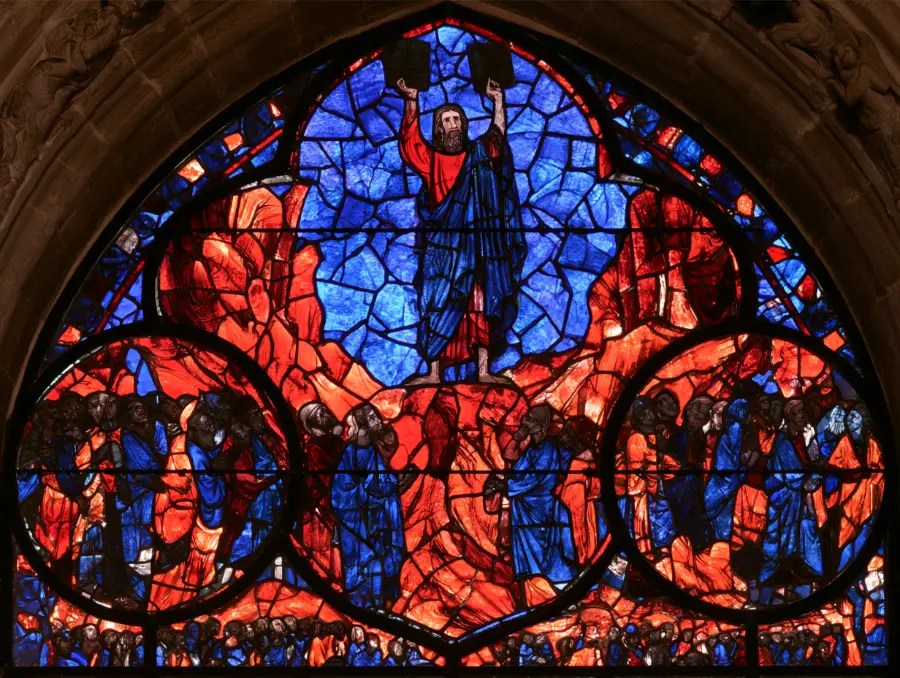
Matthew 5:21-22
“You have heard that it was said to those of old, ‘You shall not murder; and whoever murders will be liable to judgment.’ But I say to you that everyone who is angry with his brother will be liable to judgment; whoever insults his brother will be liable to the council; and whoever says, ‘You fool!’ will be liable to the hell of fire.”
Reflection: Jesus speaks here of anger and insult, and the word hate does not appear. In the Sermon on the Mount Jesus quotes the commandment “You shall not murder” and extends its judgment to anger at a brother, then to insults and to calling him “You fool!” The next verses turn to repair: a worshipper who remembers that “your brother has something against you” is to leave his gift at the altar and “first be reconciled to your brother” (5:23-24).

1 John 4:20
“If anyone says, ‘I love God,’ and hates his brother, he is a liar; for he who does not love his brother whom he has seen cannot love God whom he has not seen.”
Reflection: The verse follows “We love because he first loved us” (4:19). John argues from the brother who can be seen to the God who cannot be seen, and calls the person who claims one love without the other a liar. Verse 21 puts it as a command: “whoever loves God must also love his brother.”
Titus 3:3
“For we ourselves were once foolish, disobedient, led astray, slaves to various passions and pleasures, passing our days in malice and envy, hated by others and hating one another.”
Reflection: Paul includes himself in the “we.” His description of life before faith ends with hatred running in both directions, hated by others and hating one another. The next verses say what changed it: “when the goodness and loving kindness of God our Savior appeared, he saved us, not because of works done by us in righteousness” (3:4-5).

Ephesians 4:31-32
“Let all bitterness and wrath and anger and clamor and slander be put away from you, along with all malice. Be kind to one another, tenderhearted, forgiving one another, as God in Christ forgave you.”
Reflection: Malice comes last in Paul’s list of things the Ephesians must put away. Earlier he told them how soon to deal with anger in verse 26, before the sun goes down. Now he tells them how to treat the person who wronged them, pointing to God’s forgiveness in Christ.
Galatians 5:19-21
“Now the works of the flesh are evident: sexual immorality, impurity, sensuality, idolatry, sorcery, enmity, strife, jealousy, fits of anger, rivalries, dissensions, divisions, envy, drunkenness, orgies, and things like these. I warn you, as I warned you before, that those who do such things will not inherit the kingdom of God.”
Reflection: Enmity opens the part of Paul’s list that deals with conflict between people: strife, jealousy, fits of anger, rivalries, dissensions, divisions and envy follow it. A few verses earlier he warns the Galatians, “if you bite and devour one another, watch out that you are not consumed by one another” (5:15). The list is followed by the fruit of the Spirit, which begins with love (5:22).
What hatred does, in Proverbs

Proverbs 10:12
“Hatred stirs up strife, but love covers all offenses.”
Reflection: The proverb sets two opposites side by side. Hatred stirs up quarrels, and love covers offenses instead of exposing them. 1 Peter 4:8 uses similar wording in a command to keep loving one another earnestly: “love covers a multitude of sins.”

Proverbs 10:18
“The one who conceals hatred has lying lips, and whoever utters slander is a fool.”
Reflection: The first half is about hatred kept hidden; the second is about slander spoken aloud. The proverb calls the one who conceals hatred a liar, because his lips say something other than his heart, and the one who utters slander a fool.

Proverbs 26:24-26
“Whoever hates disguises himself with his lips and harbors deceit in his heart. When he speaks graciously, believe him not, for there are seven abominations in his heart; though his hatred be covered with deception, his wickedness will be exposed in the assembly.”
Reflection: The verse just before compares “fervent lips with an evil heart” to “the glaze covering an earthen vessel” (26:23), a shiny finish over plain clay. The advice is practical: do not believe gracious speech from someone who hates. The passage ends with a promise that the hatred will be exposed “in the assembly,” in front of the community.
Proverbs 15:17
“Better is a dinner of herbs where love is than a fattened ox and hatred with it.”
Reflection: The verse before it has the same shape: “Better is a little with the fear of the LORD than great treasure and trouble with it” (15:16). The contrast is between a plain meal and a feast, and the proverb ranks the love or hatred at the table above the food on it.
What God hates, and the hatred he commands
Proverbs 6:16-19
“There are six things that the LORD hates, seven that are an abomination to him: haughty eyes, a lying tongue, and hands that shed innocent blood, a heart that devises wicked plans, feet that make haste to run to evil, a false witness who breathes out lies, and one who sows discord among brothers.”
Reflection: The list counts six and then seven. It moves through the body, from eyes to tongue, hands, heart and feet, and then names two kinds of person: “a false witness who breathes out lies” and “one who sows discord among brothers.” The Lord’s hatred in this passage is aimed at particular attitudes and acts.

Proverbs 8:13
“The fear of the LORD is hatred of evil. Pride and arrogance and the way of evil and perverted speech I hate.”
Reflection: Wisdom is the speaker in Proverbs 8 (“I, wisdom, dwell with prudence,” 8:12). She defines the fear of the Lord by what it hates, then lists what she hates herself: pride, arrogance, the way of evil and perverted speech.

Psalm 97:10
“O you who love the LORD, hate evil! He preserves the lives of his saints; he delivers them from the hand of the wicked.”
Reflection: Psalm 97 opens “The LORD reigns” and celebrates him as king over the earth. The command to hate evil is addressed to those who love the Lord, and the promise attached to it is protection: he preserves the lives of his saints and delivers them from the wicked.
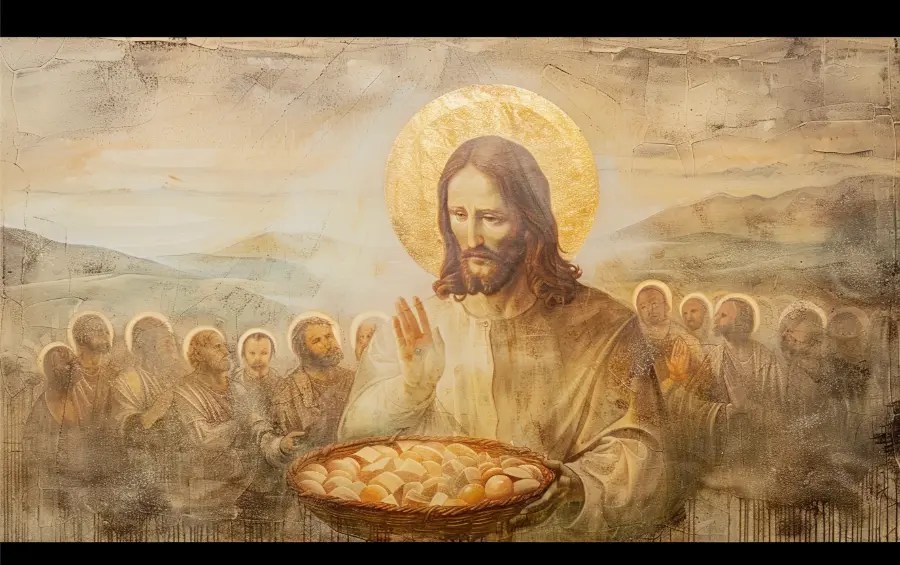
Amos 5:15
“Hate evil, and love good, and establish justice in the gate.”
Reflection: Amos ties the command to public life: “establish justice in the gate.” The verse before says “Seek good, and not evil, that you may live” (5:14). Verse 15 ends with a hope stated carefully: “it may be that the LORD, the God of hosts, will be gracious to the remnant of Joseph.”

Romans 12:9
“Let love be genuine. Abhor what is evil; hold fast to what is good.”
Reflection: In Romans 12:9 the call for genuine love is followed at once by the command to abhor evil. The same chapter goes on to “Bless those who persecute you; bless and do not curse them” (12:14) and “Repay no one evil for evil” (12:17).

Psalm 139:21-22
“Do I not hate those who hate you, O LORD? And do I not loathe those who rise up against you? I hate them with complete hatred; I count them my enemies.”
Reflection: The psalm is headed “A Psalm of David” and is addressed to God from start to finish. Two verses earlier David asks God to slay the wicked (139:19), and just after them he turns the scrutiny on himself: “Search me, O God, and know my heart! Try me and know my thoughts! And see if there be any grievous way in me” (139:23-24).
Why people hate the light

John 3:20
“For everyone who does wicked things hates the light and does not come to the light, lest his works should be exposed.”
Reflection: John 3:19 says that when light came into the world, people loved darkness because their deeds were evil. Hatred of the light has a reason in verse 20. Someone who does wrong wants those deeds to stay hidden. Verse 21 describes someone who willingly comes into the light so that what God has done can be seen.
Answering people who hate

Matthew 5:43-44
“You have heard that it was said, ‘You shall love your neighbor and hate your enemy.’ But I say to you, Love your enemies and pray for those who persecute you.”
Reflection: Leviticus 19:18 gives the first half of the saying, “love your neighbor”; the words “hate your enemy” are not in that verse. Jesus gives the reason for loving enemies in the next verse: to be “sons of your Father who is in heaven,” who “makes his sun rise on the evil and on the good” (5:45). Loving only those who love back, he adds, is what tax collectors already do (5:46).

Luke 6:27-28
“But I say to you who hear, Love your enemies, do good to those who hate you, bless those who curse you, pray for those who abuse you.”
Reflection: Luke’s account names the enemy as the one who hates, curses and abuses, and it answers each with an act: do good, bless, pray. The verses that follow extend this to lending “expecting nothing in return” and ground it in God, who “is kind to the ungrateful and the evil” (6:35).

Proverbs 25:21-22
“If your enemy is hungry, give him bread to eat, and if he is thirsty, give him water to drink, for you will heap burning coals on his head, and the LORD will reward you.”
Reflection: Paul quotes these lines in Romans 12:20, straight after “never avenge yourselves” (12:19). The proverb asks for practical help, bread and water, for an enemy. Neither passage explains the “burning coals”; the proverb’s own conclusion is that the LORD will reward the one who gives.

Romans 12:21
“Do not be overcome by evil, but overcome evil with good.”
Reflection: The line closes Romans 12, directly after the quotation from Proverbs 25:21-22. Verse 17 has already said “Repay no one evil for evil”; verse 21 names what to do in its place, and treats returning evil as being overcome by it.
Hate as a word of comparison
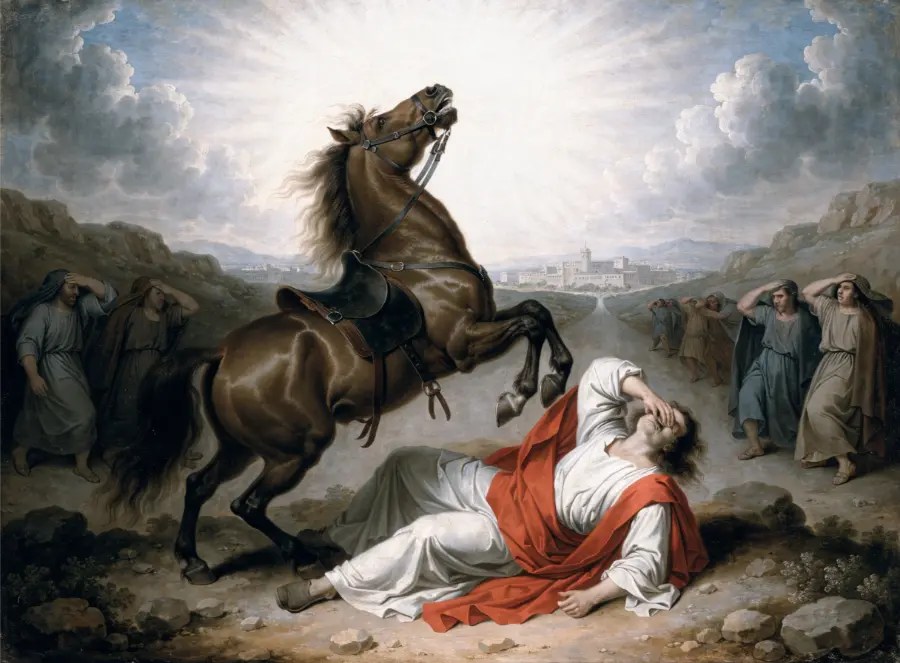
Luke 14:26
“If anyone comes to me and does not hate his own father and mother and wife and children and brothers and sisters, yes, and even his own life, he cannot be my disciple.”
Reflection: Jesus says this to “great crowds” following him (14:25), then tells two short parables about counting the cost before building a tower or going to war (14:28-32). Matthew 10:37 records a similar saying in terms of degree: “Whoever loves father or mother more than me is not worthy of me.” Genesis 29 sets love and hate side by side in a similar way: verse 30 says Jacob “loved Rachel more than Leah,” and verse 31 says the Lord saw that Leah “was hated.”


Leave a Reply