
 English
 Chinese
 Dutch
 Arabic
 Spanish
 Portuguese
 Russian
 French
 Italian
 German
 Japanese
The Bible holds brothers responsible for one another, starting with the first man who denied it. Asked where his brother was, Cain answered, “Am I my brother’s keeper?” (Genesis 4:9), and the rest of Scripture answers the question through its law, its stories of brothers who fell out and made peace, and its teaching on the church.
In the New Testament letters, “brothers” usually means fellow believers, men and women alike. The ESV notes at such verses that the Greek word can mean “brothers and sisters.”
The question, and the law that answers it
Genesis 4:9
“Then the Lord said to Cain, ‘Where is Abel your brother?’ He said, ‘I do not know; am I my brother’s keeper?’”
Reflection: Cain’s answer is a lie followed by a denial of any duty to his brother. God does not argue the point. He replies, “What have you done? The voice of your brother’s blood is crying to me from the ground” (4:10).
Leviticus 19:17
“You shall not hate your brother in your heart, but you shall reason frankly with your neighbor, lest you incur sin because of him.”
Reflection: The law forbids hatred kept in the heart and gives the alternative: speak to the person frankly. The next verse forbids bearing a grudge and ends with the command Jesus later quoted, “you shall love your neighbor as yourself” (19:18).
1 John 3:15
“Everyone who hates his brother is a murderer, and you know that no murderer has eternal life abiding in him.”
Reflection: Three verses earlier John names Cain, “who was of the evil one and murdered his brother” (3:12). He traces murder back to hatred, as Jesus does in Matthew 5:21-22.
Brothers who fell out
Genesis 27:41
“Now Esau hated Jacob because of the blessing with which his father had blessed him, and Esau said to himself, ‘The days of mourning for my father are approaching; then I will kill my brother Jacob.’”
Reflection: Jacob had just taken the blessing meant for Esau by deceiving their blind father. Esau plans to kill him once Isaac has died, and when Rebekah hears of it she sends Jacob away (27:42-45). The brothers met again twenty years later, and Esau “ran to meet him and embraced him” (33:4).

Proverbs 18:19
“A brother offended is more unyielding than a strong city, and quarreling is like the bars of a castle.”
Reflection: The proverb compares an offended brother to a strong city and a quarrel to the bars of a castle. It describes how hard reconciliation between relatives can be, which is why several of the verses below deal with how to begin it.
Genesis 45:4-5
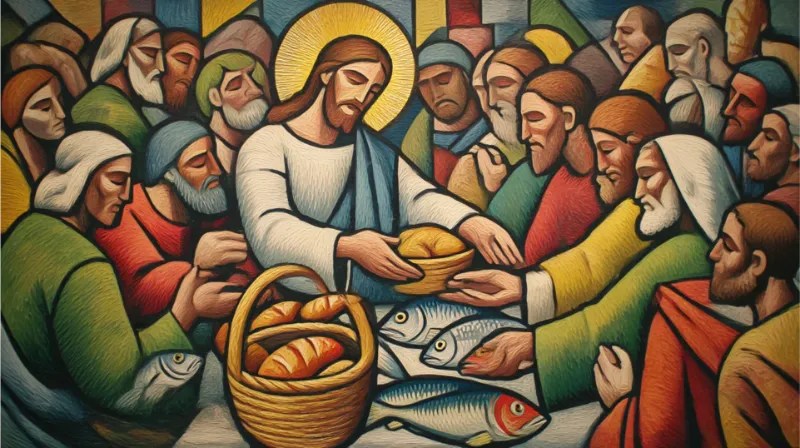
“So Joseph said to his brothers, ‘Come near to me, please.’ And they came near. And he said, ‘I am your brother, Joseph, whom you sold into Egypt. And now do not be distressed.’”
Reflection: Joseph’s brothers had sold him when he was seventeen (37:2), and he now governs Egypt. He asks them to come near, names what they did once, and tells them not to be distressed; the verse goes on, “for God sent me before you to preserve life.” A few verses later he “kissed all his brothers and wept upon them” (45:15).

Luke 15:32
“It was fitting to celebrate and be glad, for this your brother was dead, and is alive; he was lost, and is found.”
Reflection: The older brother has just called the returning son “this son of yours” (15:30). The father answers with “this your brother.” Jesus ends the parable there, without saying whether the older brother went in to the feast.
What to do when it has gone wrong

Matthew 5:23-24
“So if you are offering your gift at the altar and there remember that your brother has something against you, leave your gift there before the altar and go. First be reconciled to your brother.”
Reflection: In this verse the grievance belongs to the other person: “your brother has something against you.” Jesus tells the worshiper to leave the gift at the altar and be reconciled first. The instruction follows directly on his teaching that anger toward a brother is judged like murder (5:21-22).
Luke 17:3
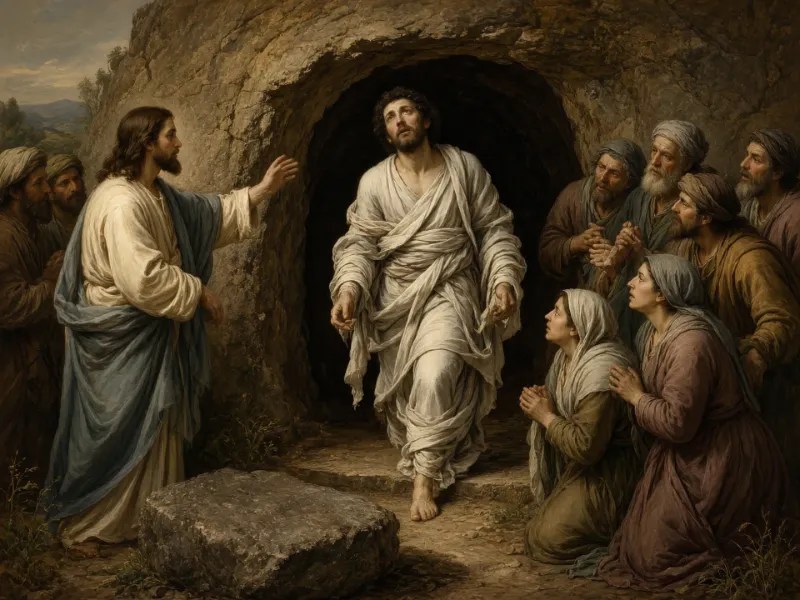
“Pay attention to yourselves! If your brother sins, rebuke him, and if he repents, forgive him.”
Reflection: “Pay attention to yourselves” comes first, before any rebuke. The next verse sets the limit of forgiveness: if a brother sins against you seven times in a day and repents each time, “you must forgive him” (17:4).
2 Thessalonians 3:15
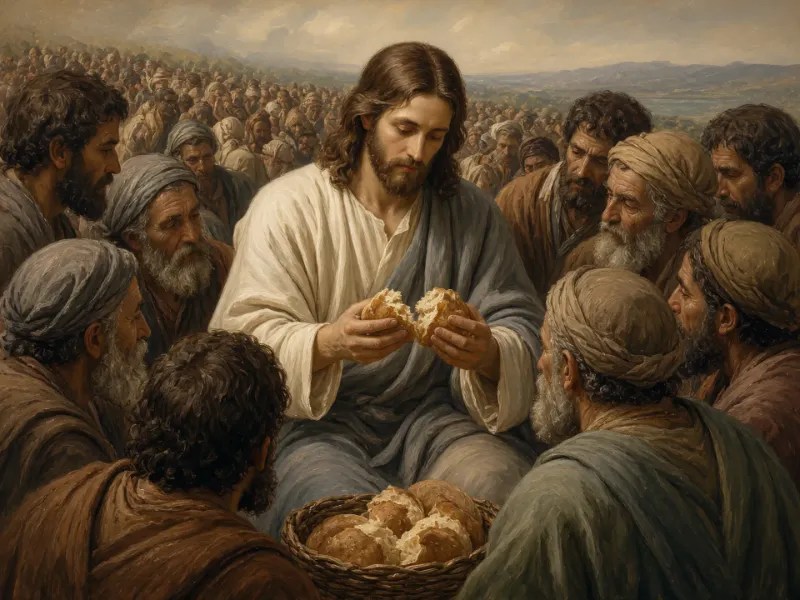
“Do not regard him as an enemy, but warn him as a brother.”
Reflection: In the verse before, Paul tells the church to have nothing to do with a member who refuses his instruction, so that the man may be ashamed (3:14). This verse limits that discipline: the man is still a brother to be warned, not an enemy.

James 5:16
“Therefore, confess your sins to one another and pray for one another, that you may be healed.”
Reflection: James is writing about prayer for the sick (5:14-15), and he ties healing to believers confessing their sins to one another and praying for one another. He then gives Elijah as an example of what one person’s prayer can do (5:17).
What a brother is for
Proverbs 17:17
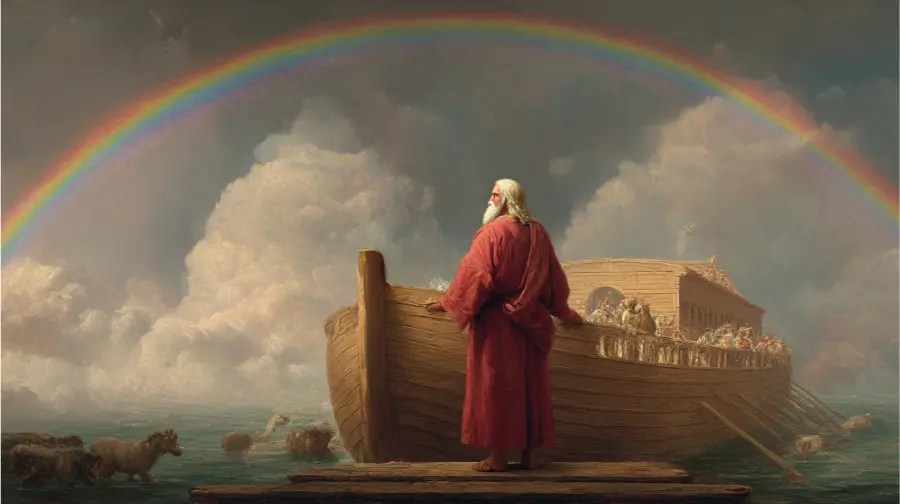
“A friend loves at all times, and a brother is born for adversity.”
Reflection: The two halves describe two kinds of loyalty: a friend’s love is constant, and a brother is there for the time of trouble.
Proverbs 27:17
“Iron sharpens iron, and one man sharpens another.”
Reflection: Iron is sharpened by contact with iron, and the proverb applies that to two people who improve each other. The picture involves friction, and the benefit goes both ways.

Galatians 6:2
“Bear one another’s burdens, and so fulfill the law of Christ.”
Reflection: Paul calls carrying one another’s burdens the fulfilling of the law of Christ. Three verses later he adds, “each will have to bear his own load” (6:5), so some weights belong to each person while the heavy ones are shared.

Psalm 133:1
“Behold, how good and pleasant it is when brothers dwell in unity!”
Reflection: Psalm 133 is a Song of Ascents attributed to David. It compares brothers living in unity to oil running down Aaron’s beard and to the dew of Mount Hermon (133:2-3).
The family that is not by blood
Matthew 12:50
“For whoever does the will of my Father in heaven is my brother and sister and mother.”
Reflection: Jesus says this while his mother and brothers are standing outside asking to speak to him (12:46). He points to his disciples and says, “Here are my mother and my brothers!” (12:49).
Hebrews 2:11
“For he who sanctifies and those who are sanctified all have one source. That is why he is not ashamed to call them brothers.”
Reflection: The writer says Jesus “is not ashamed” to call believers his brothers, and supports it from Psalm 22: “I will tell of your name to my brothers” (2:12).
Romans 8:29
“For those whom he foreknew he also predestined to be conformed to the image of his Son, in order that he might be the firstborn among many brothers.”
Reflection: Paul calls Christ “the firstborn among many brothers.” God’s purpose is a family of people conformed to the image of his Son, with Christ as the eldest.
Philemon 1:16
“No longer as a bondservant but more than a bondservant, as a beloved brother—especially to me, but how much more to you, both in the flesh and in the Lord.”
Reflection: Paul is sending Onesimus, a slave who had left Philemon’s household and become a Christian, back to his master (1:10-15). He asks Philemon to receive him “as a beloved brother,” both as a man and as a fellow believer.

1 John 4:20
“If anyone says, ‘I love God,’ and hates his brother, he is a liar; for he who does not love his brother whom he has seen cannot love God whom he has not seen.”
Reflection: John’s argument moves from what can be seen to what cannot. Someone who does not love a brother in front of him cannot claim to love God, whom he has never seen.
When a brother dies
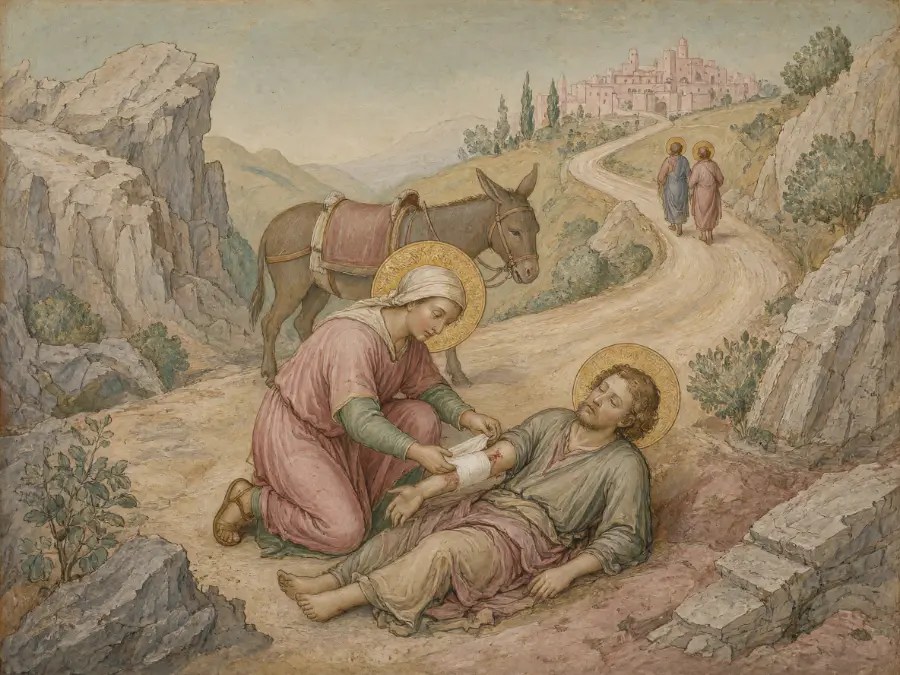
John 11:23
“Jesus said to her, ‘Your brother will rise again.’”
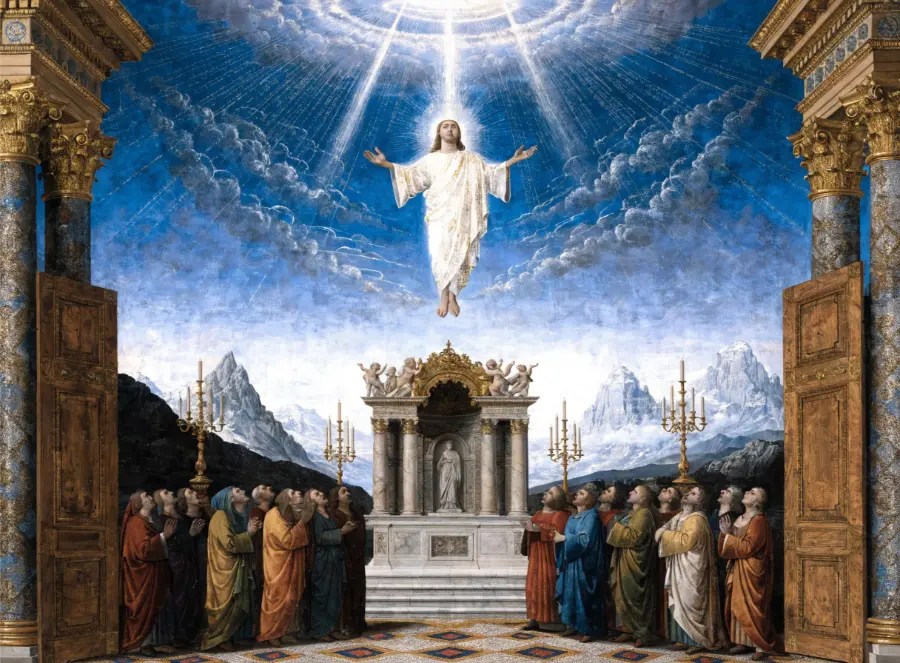
Reflection: Lazarus had been in the tomb four days when Jesus arrived (11:17). Martha takes his words as a promise about the last day, and Jesus answers, “I am the resurrection and the life” (11:25). He wept at the tomb (11:35) before raising Lazarus.
If there is someone you have not spoken to
Scripture records brothers at their worst: Cain killed Abel, Esau planned to kill Jacob, and Joseph’s brothers sold him into slavery. It also records the reconciliations, which in both Genesis stories came about twenty years later.
Jesus gives the first move to whoever remembers the grievance, even when the grievance is the other person’s (Matthew 5:23-24), and Leviticus 19:17 gives the method: speak to your brother frankly instead of hating him in silence.


Leave a Reply