
 English
 Chinese
 Dutch
 Arabic
 Spanish
 Portuguese
 Russian
 French
 Italian
 German
 Japanese
The Bible’s passages on bad relationships deal with quarrels, with friends who turn against each other, and with company that makes a person worse. James 4:1 asks where fights come from, Psalm 55:12-14 is spoken about a close companion turned attacker, and Proverbs 13:20 warns that “a companion of fools suffers harm.”
Its narratives give examples of relationships that broke: Cain and Abel (Genesis 4:8), Joseph and his brothers (Genesis 37:4), Saul and David (1 Samuel 18:8-9), and Paul and Barnabas, who parted company after a sharp disagreement (Acts 15:39).
Where quarrels start

James 4:1
“What causes fights and quarrels among you? Don’t they come from your desires that battle within you?”
Reflection: James asks the question and answers it himself: the fights among his readers come from desires at war inside them. The next verse spells it out: “You desire but do not have, so you kill. You covet but you cannot get what you want, so you quarrel and fight.”
Proverbs 15:18
“A hot-tempered person stirs up conflict, but the one who is patient calms a quarrel.”
Reflection: The proverb sets two people side by side in one quarrel. The hot-tempered one stirs it up; the patient one calms it. Proverbs 29:22 repeats the first half, “An angry person stirs up conflict,” and adds that such a person “commits many sins.”

Proverbs 17:14
“Starting a quarrel is like breaching a dam; so drop the matter before a dispute breaks out.”
Reflection: A breach in a dam lets the water through, and the proverb’s advice is to drop the matter before the dispute breaks out. Five verses earlier, Proverbs 17:9 deals with an offence already committed: “Whoever would foster love covers over an offense, but whoever repeats the matter separates close friends.”
A friend who turns

Psalm 41:9
“Even my close friend, someone I trusted, one who shared my bread, has turned against me.”
Reflection: David, named in the psalm’s heading, complains that a close friend who ate at his table has turned against him. At the Last Supper Jesus quotes this line about his betrayer: “He who shared my bread has turned against me” (John 13:18).
Psalm 55:12-14
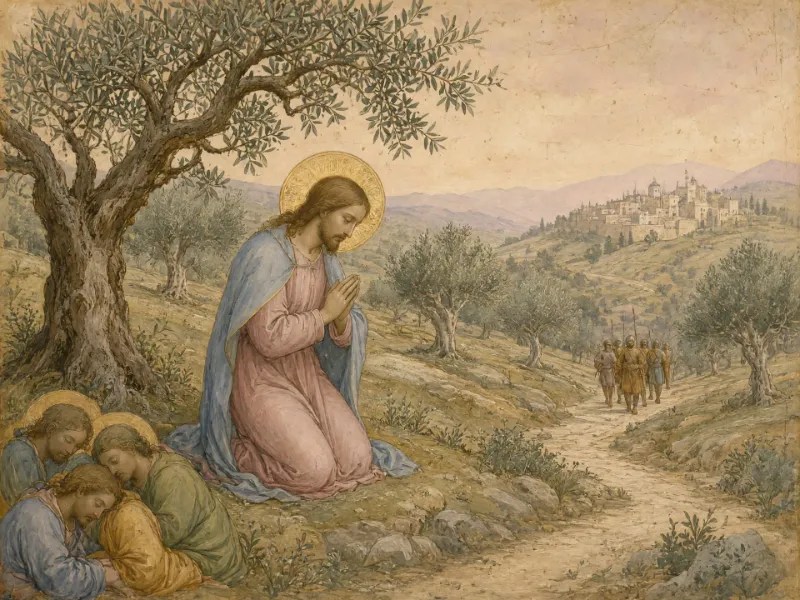
“If an enemy were insulting me, I could endure it; if a foe were rising against me, I could hide. But it is you, a man like myself, my companion, my close friend, with whom I once enjoyed sweet fellowship at the house of God, as we walked about among the worshipers.”
Reflection: David says he could have endured an insult from an enemy or hidden from a foe. What he cannot bear is that the attacker is his companion, someone he walked with among the worshippers at the house of God. Later in the psalm he describes the same man: “His talk is smooth as butter, yet war is in his heart” (Psalm 55:21).
Matthew 26:48-50
“Now the betrayer had arranged a signal with them: ‘The one I kiss is the man; arrest him.’ Going at once to Jesus, Judas said, ‘Greetings, Rabbi!’ and kissed him. Jesus replied, ‘Do what you came for, friend.’ Then the men stepped forward, seized Jesus and arrested him.”
Reflection: Judas, “one of the Twelve” (Matthew 26:47), arranges a kiss as the signal that tells the armed crowd which man to arrest. He greets Jesus as “Rabbi” and kisses him, and Jesus answers him with the word “friend.”
Proverbs 25:19
“Like a broken tooth or a lame foot is reliance on the unfaithful in a time of trouble.”
Reflection: Relying on an unfaithful person when trouble comes is compared to a broken tooth and a lame foot: a tooth that cannot bite and a foot that cannot bear weight.
Relationships that broke
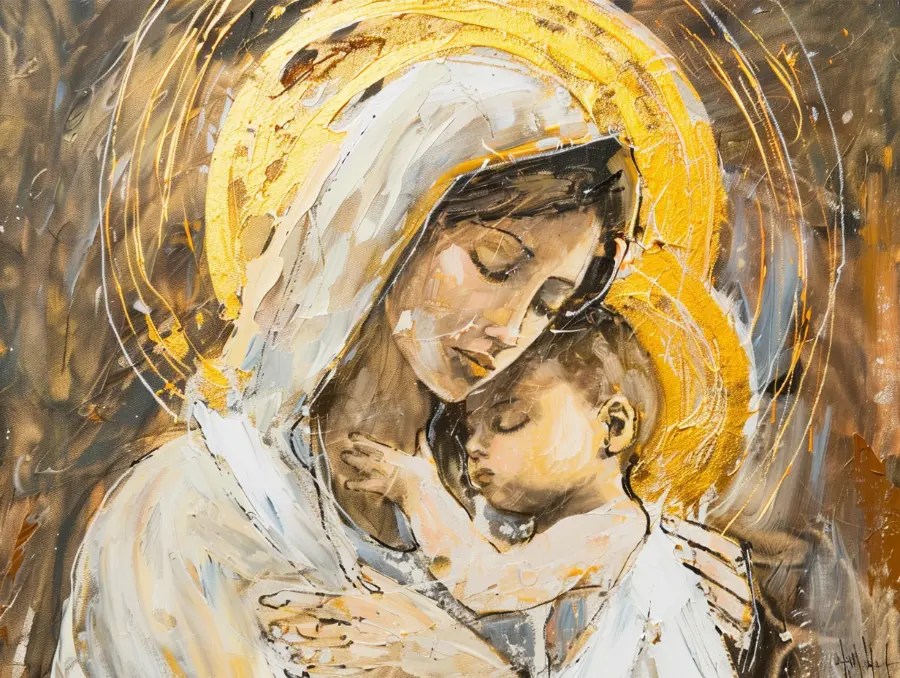
Genesis 4:8
“Now Cain said to his brother Abel, ‘Let’s go out to the field.’ While they were in the field, Cain attacked his brother Abel and killed him.”
Reflection: The trouble between the brothers starts with worship: the Lord looked with favour on Abel’s offering and not on Cain’s, and Cain “was very angry” (Genesis 4:5). Before the killing the Lord warns him, “sin is crouching at your door; it desires to have you, but you must rule over it” (4:7). Afterwards Cain answers the Lord’s question about Abel with another question: “Am I my brother’s keeper?” (4:9).
Genesis 37:4
“When his brothers saw that their father loved him more than any of them, they hated him and could not speak a kind word to him.”
Reflection: The hatred begins with a father’s favouritism. Israel loved Joseph more than his other sons “because he had been born to him in his old age” and made him an ornate robe (Genesis 37:3). The verse gives the brothers’ reason as what they saw in their father’s love, and Genesis 37:11 adds that “his brothers were jealous of him.”
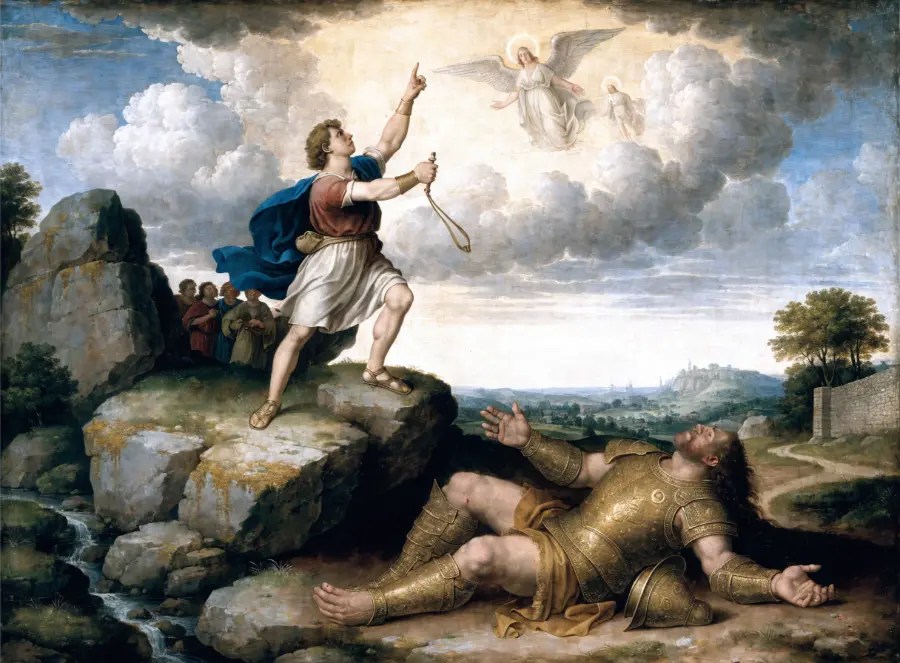
1 Samuel 18:8-9
“Saul was very angry; this refrain displeased him greatly. ‘They have credited David with tens of thousands,’ he thought, ‘but me with only thousands. What more can he get but the kingdom?’ And from that time on Saul kept a close eye on David.”
Reflection: The trigger is a song the women sang as the army came home after David killed the Philistine: “Saul has slain his thousands, and David his tens of thousands” (1 Samuel 18:7). Saul hears the comparison and reads it as a threat to his throne. Two verses later, in 1 Samuel 18:11, he tries to pin David to the wall.
Acts 15:39-40
“They had such a sharp disagreement that they parted company. Barnabas took Mark and sailed for Cyprus, but Paul chose Silas and left, commended by the believers to the grace of the Lord.”
Reflection: The dispute was over John Mark, who had deserted Paul and Barnabas in Pamphylia (Acts 15:38). Barnabas wanted to take him again and Paul did not, and the two went separate ways, each with a different companion. In a later letter Paul asks for Mark to be brought to him, “because he is helpful to me in my ministry” (2 Timothy 4:11).
The company a person keeps

Proverbs 13:20
“Walk with the wise and become wise, for a companion of fools suffers harm.”
Reflection: Two outcomes follow from two kinds of company. Walking with the wise makes a person wise; keeping company with fools brings harm. The proverb treats companionship as something that shapes the person who chooses it.
Proverbs 22:24-25
“Do not make friends with a hot-tempered person, do not associate with one easily angered, or you may learn their ways and get yourself ensnared.”
Reflection: The saying tells the reader not to make a friend of a hot-tempered person, and gives the reason: “you may learn their ways and get yourself ensnared.” The harm it names falls on the one who keeps the friendship.

Proverbs 20:19
“A gossip betrays a confidence; so avoid anyone who talks too much.”
Reflection: A gossip betrays a confidence, and the proverb’s advice is to avoid anyone who talks too much. Proverbs 11:13 sets the gossip beside the opposite kind of person: “A gossip betrays a confidence, but a trustworthy person keeps a secret.”

1 Corinthians 15:33
“Do not be misled: ‘Bad company corrupts good character.’”
Reflection: Paul quotes the saying in the middle of his argument for the resurrection. Some in Corinth were saying “there is no resurrection of the dead” (1 Corinthians 15:12), and the verse before quotes the motto that follows from it: “Let us eat and drink, for tomorrow we die.” The bad company here is people teaching that belief, and Paul goes on: “Come back to your senses as you ought, and stop sinning.”
2 Corinthians 6:14
“Do not be yoked together with unbelievers. For what do righteousness and wickedness have in common? Or what fellowship can light have with darkness?”
Reflection: The picture is of two animals under one yoke, pulling together. Paul asks two questions in this verse and three more in the next two, each pairing opposites, the last being “What agreement is there between the temple of God and idols?” (2 Corinthians 6:16). He then quotes “Come out from them and be separate” (6:17). The passage names no particular relationship.
Parting, warning and forgiving

Genesis 13:8-9
“So Abram said to Lot, ‘Let’s not have any quarreling between you and me, or between your herders and mine, for we are close relatives. Is not the whole land before you? Let’s part company. If you go to the left, I’ll go to the right; if you go to the right, I’ll go to the left.’”
Reflection: The quarrel is between Abram’s herders and Lot’s, because the land could not support both households’ flocks together (Genesis 13:6-7). Abram gives kinship as his reason for ending it, “for we are close relatives,” and his answer is distance. He lets Lot choose his direction first.

Titus 3:10
“Warn a divisive person once, and then warn them a second time. After that, have nothing to do with them.”
Reflection: Paul tells Titus to deal with a divisive person in steps: two warnings, then no further dealings. The verse before names the arguments he has in view, “foolish controversies and genealogies and arguments and quarrels about the law” (Titus 3:9), and the verse after calls such people “self-condemned” (3:11).
1 Peter 3:9
“Do not repay evil with evil or insult with insult. On the contrary, repay evil with blessing, because to this you were called so that you may inherit a blessing.”
Reflection: Peter ends a list of instructions to “all of you” (1 Peter 3:8) with this one. It covers words as well as deeds, “insult with insult,” and puts blessing where retaliation would be, giving as the reason that believers were called to inherit a blessing.

Matthew 6:14-15
“For if you forgive other people when they sin against you, your heavenly Father will also forgive you. But if you do not forgive others their sins, your Father will not forgive your sins.”
Reflection: These verses follow the Lord’s Prayer and comment on its petition “forgive us our debts, as we also have forgiven our debtors” (Matthew 6:12). Jesus ties the Father’s forgiveness to forgiving other people, stated positively and then negatively.
Praying after a betrayal
Psalm 55 is addressed to God from its first line, “Listen to my prayer, O God” (Psalm 55:1). Psalm 41 speaks of the Lord in the third person in its first three verses and addresses him from verse 4; in verse 10 David asks to be raised up “that I may repay them.” 1 Peter 3:9, on the same subject, says “Do not repay evil with evil.”


Leave a Reply