
 English
 Chinese
 Dutch
 Arabic
 Spanish
 Portuguese
 Russian
 French
 Italian
 German
 Japanese
The Bible asks for honesty in what a person says, in how he trades, and in what he admits before God. The Ten Commandments forbid bearing false witness against a neighbor (Exodus 20:16), Proverbs 11:1 calls a false balance “an abomination to the LORD”, and Psalm 51:6 says God delights in truth “in the inward being.”
The New Testament keeps the same demands and gives new reasons for them. Paul tells believers to speak the truth “for we are members one of another” (Ephesians 4:25), Jesus sets dishonesty “in a very little” beside dishonesty “in much” (Luke 16:10), and both Jesus and James ask for a plain yes or no in place of oaths (Matthew 5:37; James 5:12).
What the law and the prophets command

Exodus 20:16
“You shall not bear false witness against your neighbor.”
Reflection: The commandment is one of the ten God speaks in Exodus 20, after coming down on Mount Sinai (Exodus 19:20). Its wording comes from testimony, and Proverbs 12:17 uses the same terms: “Whoever speaks the truth gives honest evidence, but a false witness utters deceit.” The one protected by the command is the neighbor, who can be harmed by a false account.

Leviticus 19:11
“You shall not steal; you shall not deal falsely; you shall not lie to one another.”
Reflection: Lying stands in one line with stealing and dealing falsely, and verse 12 adds swearing falsely by God’s name, which would “profane the name of your God.” The group of laws ends “I am the LORD.” Later in the chapter the same demand reaches trade: “You shall have just balances, just weights” (Leviticus 19:36).
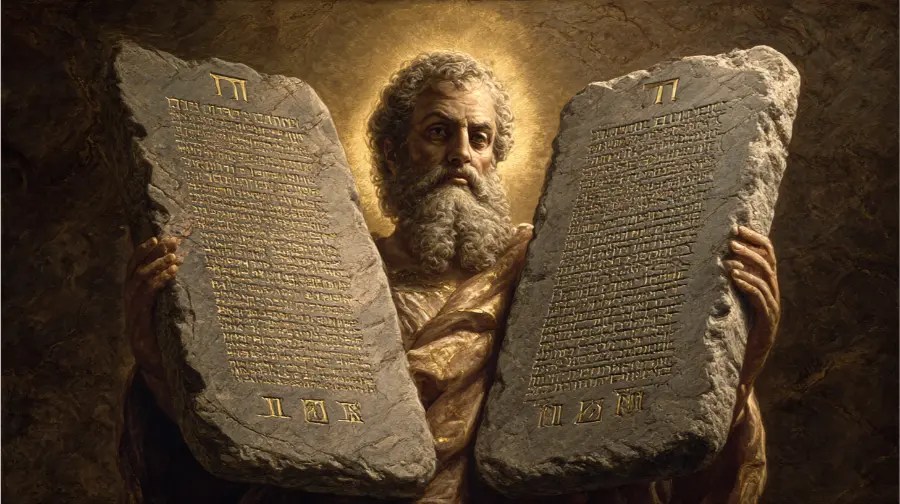
Zechariah 8:16
“These are the things that you shall do: Speak the truth to one another; render in your gates judgments that are true and make for peace.”
Reflection: The LORD has just promised through Zechariah “to bring good to Jerusalem and to the house of Judah” (verse 15), and the instructions follow the promise. The people are to speak truth to one another, give true judgments “in your gates”, and “love no false oath” (verse 17). The LORD’s reason closes the list: “for all these things I hate.”
Honest weights and honest money
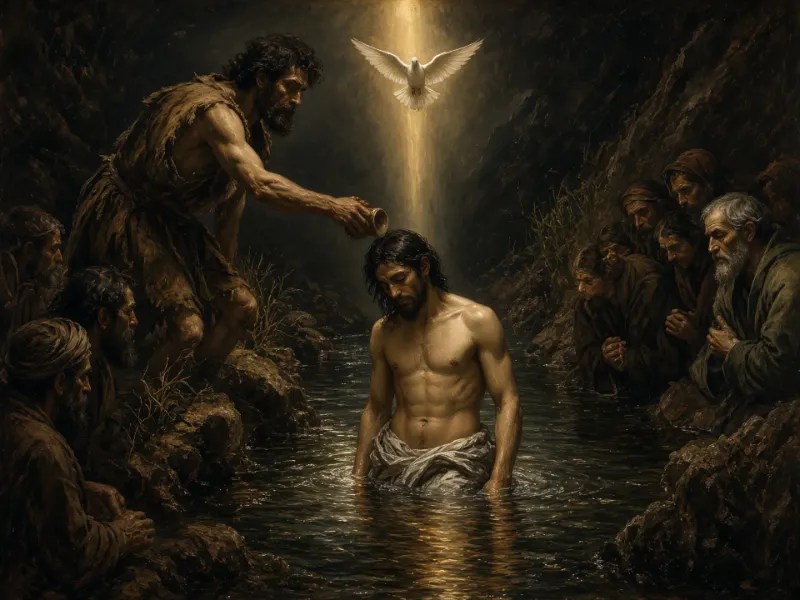
Proverbs 11:1
“A false balance is an abomination to the LORD, but a just weight is his delight.”
Reflection: Goods were weighed on a balance against weights carried in a bag, and Deuteronomy 25:13 forbids having “in your bag two kinds of weights, a large and a small.” That law ends with the same verdict as this proverb: “all who act dishonestly, are an abomination to the LORD your God” (Deuteronomy 25:16). Proverbs 16:11 adds that “all the weights in the bag are his work.”
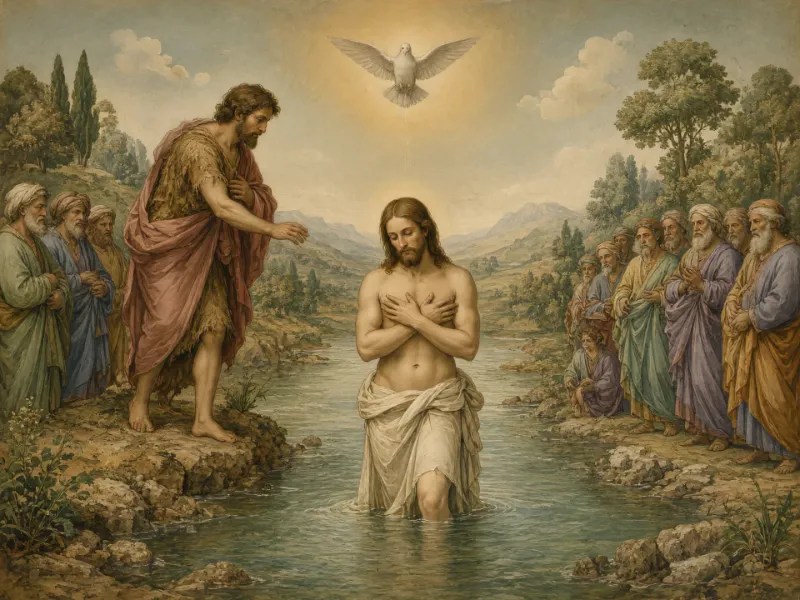
Proverbs 21:6
“The getting of treasures by a lying tongue is a fleeting vapor and a snare of death.”
Reflection: Wealth gained by lying gets two pictures here: it vanishes like vapor, and it is a snare of death. Proverbs 20:17 says the same about food: “Bread gained by deceit is sweet to a man, but afterward his mouth will be full of gravel.”
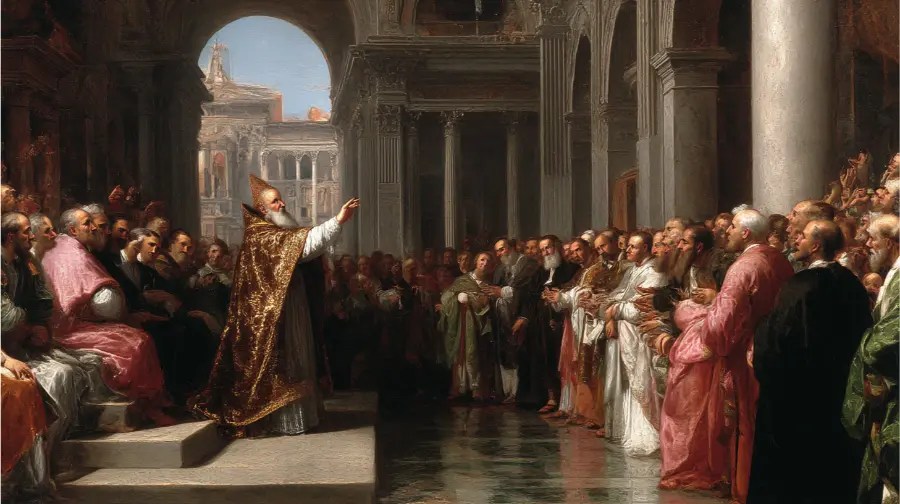
Luke 16:10
“One who is faithful in a very little is also faithful in much, and one who is dishonest in a very little is also dishonest in much.”
Reflection: Jesus says this straight after the parable of the dishonest manager, who had his master’s debtors rewrite their bills from a hundred measures of oil to fifty and from a hundred measures of wheat to eighty. The master “commended the dishonest manager for his shrewdness” (verse 8). Jesus then applies the principle to money: “If then you have not been faithful in the unrighteous wealth, who will entrust to you the true riches?” (verse 11).

2 Corinthians 8:21
“For we aim at what is honorable not only in the Lord’s sight but also in the sight of man.”
Reflection: Paul is sending Titus and another brother, “appointed by the churches”, with a collection of money given by the churches (verses 16-19). He arranges it this way “so that no one should blame us about this generous gift that is being administered by us” (verse 20). Verse 21 names the two audiences he has in mind, the Lord and other people, and the handling of the money is to be honorable before both.
What the LORD hates and what integrity keeps
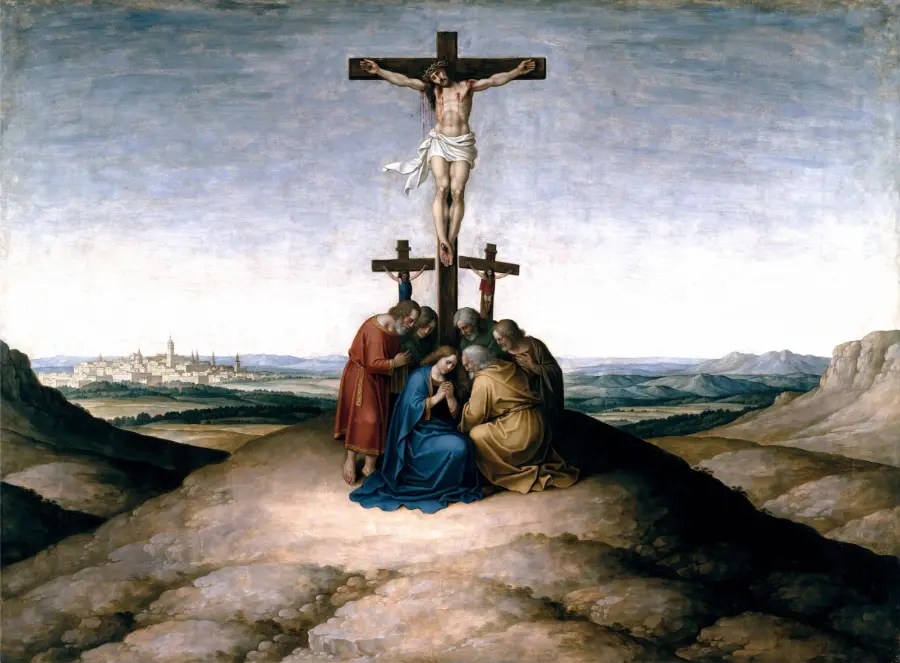
Proverbs 6:16-19
“There are six things that the LORD hates, seven that are an abomination to him: haughty eyes, a lying tongue, and hands that shed innocent blood, a heart that devises wicked plans, feet that make haste to run to evil, a false witness who breathes out lies, and one who sows discord among brothers.”
Reflection: Two of the seven things on the list concern speech: “a lying tongue” and “a false witness who breathes out lies.” The verses before it (12-15) describe a worthless man who “goes about with crooked speech” and keeps “sowing discord”, and the list ends on him: “one who sows discord among brothers.”

Proverbs 12:22
“Lying lips are an abomination to the LORD, but those who act faithfully are his delight.”
Reflection: This saying sits among sayings on speech that start with honest evidence in verse 17. Verse 19 sets out how long each kind of speech lasts: “Truthful lips endure forever, but a lying tongue is but for a moment.” In verse 22 the opposite of lying lips is “those who act faithfully”, conduct as well as words.
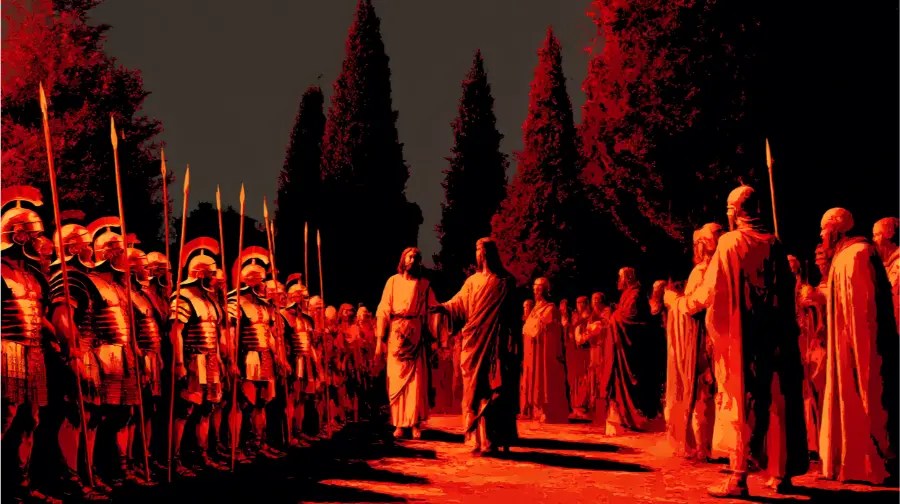
Proverbs 10:9
“Whoever walks in integrity walks securely, but he who makes his ways crooked will be found out.”
Reflection: The proverb weighs two ways of walking by what follows them: security for the one who walks in integrity, discovery for the one who “makes his ways crooked.” Proverbs 11:3 makes a similar contrast: “The integrity of the upright guides them, but the crookedness of the treacherous destroys them.”
Who may live in God’s tent and in David’s house

Psalm 15:1-2
“O LORD, who shall sojourn in your tent? Who shall dwell on your holy hill? He who walks blamelessly and does what is right and speaks truth in his heart.”
Reflection: David asks who may stay in God’s tent, and the answer is a list of conduct. Speaking truth “in his heart” is followed by refusing to slander (verse 3), and verse 4 includes the one “who swears to his own hurt and does not change”, who keeps his word when it costs him. The psalm ends, “He who does these things shall never be moved.”
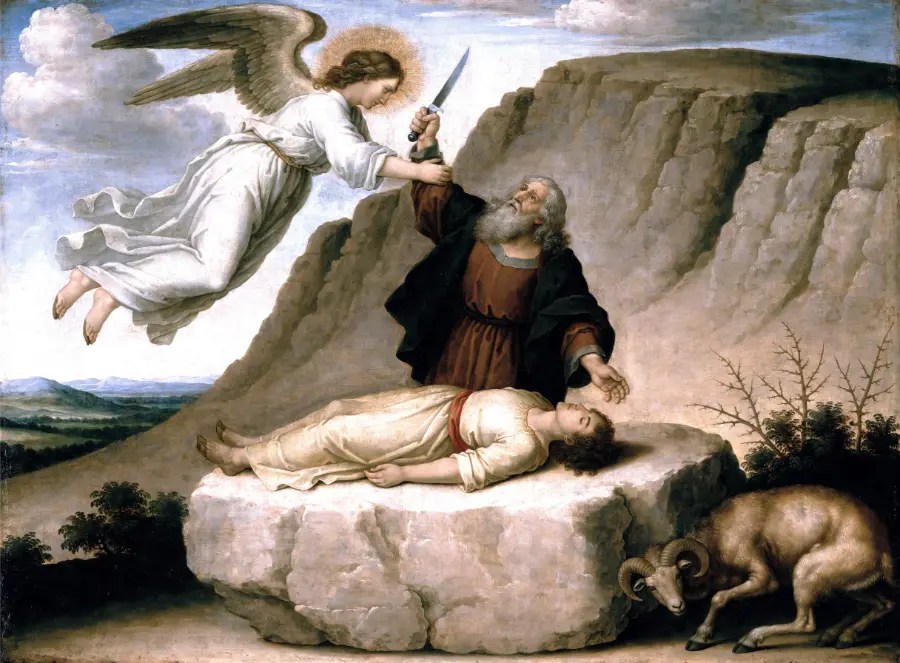
Psalm 101:7
“No one who practices deceit shall dwell in my house; no one who utters lies shall continue before my eyes.”
Reflection: David sets out whom he will keep in his house. He begins with himself, “I will walk with integrity of heart within my house” (verse 2), and he will look with favor on “the faithful in the land, that they may dwell with me” (verse 6). Deceivers and liars are the ones he will not let stay.
Honesty before God
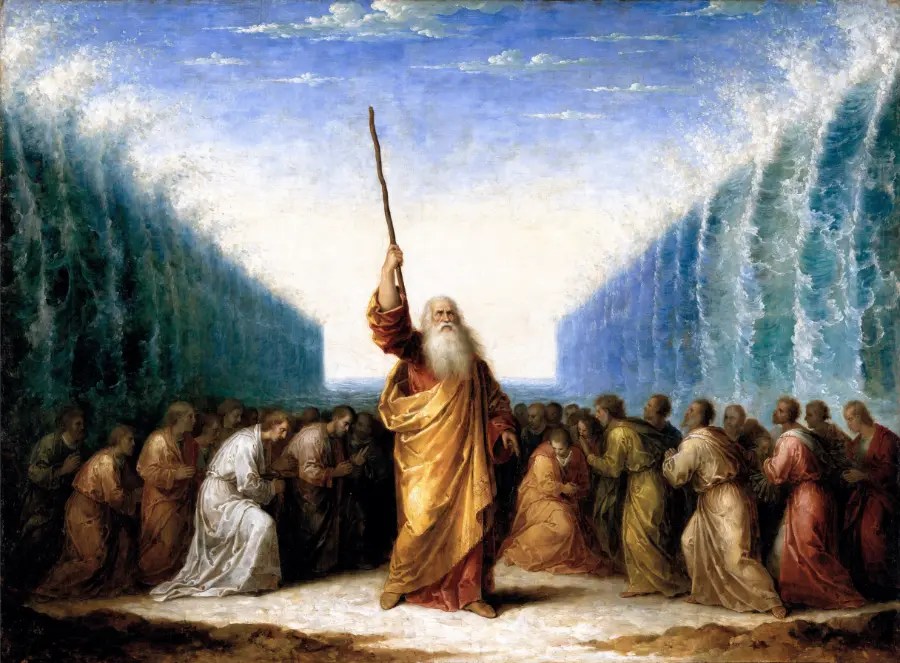
Psalm 51:6
“Behold, you delight in truth in the inward being, and you teach me wisdom in the secret heart.”
Reflection: The psalm’s heading ties it to Nathan’s visit after David “had gone in to Bathsheba.” David has already said “I know my transgressions” (verse 3) before he speaks of the truth God delights in, which reaches “the inward being.” In the same line he says that God teaches him wisdom “in the secret heart.”

1 John 1:6
“If we say we have fellowship with him while we walk in darkness, we lie and do not practice the truth.”
Reflection: John starts from the message that “God is light, and in him is no darkness at all” (verse 5). Claiming fellowship with God while walking in darkness is, in his word, a lie. He applies the same test to how a person speaks of his own sin: “If we say we have no sin, we deceive ourselves” (verse 8), while the one who confesses finds God “faithful and just to forgive” (verse 9).
Truth among believers

Ephesians 4:25
“Therefore, having put away falsehood, let each one of you speak the truth with his neighbor, for we are members one of another.”
Reflection: “Therefore” points back to verses 22-24, where Paul tells his readers to put off the old self, “corrupt through deceitful desires”, and put on the new self, “created after the likeness of God in true righteousness and holiness.” The reason he gives for truthful speech is belonging: “we are members one of another.” Three verses later the passage turns to work, and the thief is to steal no longer and to labor, “doing honest work with his own hands, so that he may have something to share with anyone in need” (verse 28).

Colossians 3:9-10
“Do not lie to one another, seeing that you have put off the old self with its practices and have put on the new self, which is being renewed in knowledge after the image of its creator.”
Reflection: In Colossians the command against lying follows a list of things to put away: “anger, wrath, malice, slander, and obscene talk” (verse 8). Paul’s reason is a change already made, since his readers have put off the old self and put on a new one being renewed “after the image of its creator.” Verse 11 adds, “Here there is not Greek and Jew”, and ends, “Christ is all, and in all.”
1 Peter 3:10
“For ‘Whoever desires to love life and see good days, let him keep his tongue from evil and his lips from speaking deceit.’”
Reflection: Peter is quoting Psalm 34:12-16, and he places it in a call not to “repay evil for evil or reviling for reviling” but to bless (verse 9). Keeping the lips from deceit comes in the same breath as turning from evil and seeking peace (verse 11). The quotation goes on to give the reason: “the eyes of the Lord are on the righteous.”
Oaths and a plain yes or no
Matthew 5:37
“Let what you say be simply ‘Yes’ or ‘No’; anything more than this comes from evil.”
Reflection: In the Sermon on the Mount, Jesus quotes the old rule, “You shall not swear falsely, but shall perform to the Lord what you have sworn”, and then says, “Do not take an oath at all”, whether by heaven, the earth, Jerusalem or one’s own head (verses 33-36). Heaven is God’s throne and the earth his footstool, and a person “cannot make one hair white or black.” A plain yes or no is to be enough.
James 5:12
“But above all, my brothers, do not swear, either by heaven or by earth or by any other oath, but let your ‘yes’ be yes and your ‘no’ be no, so that you may not fall under condemnation.”
Reflection: James repeats Jesus’ teaching on oaths, naming heaven and earth as Jesus did, and he opens it with “above all.” He adds a reason Matthew does not give: “so that you may not fall under condemnation.”
How churches have read the ban on oaths
Matthew 5:37 and James 5:12 have been read two ways. Article XXXIX of the Church of England’s Thirty-Nine Articles holds that “vain and rash Swearing is forbidden Christian men by our Lord Jesus Christ, and James his Apostle”, but that “a man may swear when the Magistrate requireth, in a cause of faith and charity, so it be done according to the Prophet’s teaching, in justice, judgement, and truth.”
Britain Yearly Meeting’s Quaker Faith & Practice records that “Throughout their history Friends have refused to take oaths” (20.48) and gives the reason: “Friends believe that their word should be accepted at any time among all persons” (20.50).


Leave a Reply