
 English
 Chinese
 Dutch
 Arabic
 Spanish
 Portuguese
 Russian
 French
 Italian
 German
 Japanese
In the Bible, inclusion is a question of who may belong to the people of God, and on what terms. The law protects the foreigner living in Israel (Leviticus 19:34), Isaiah 56:3-7 welcomes foreigners and eunuchs to the temple, and Acts 10 and Ephesians 2 describe Gentiles received into the church.
Paul states the result in Galatians 3:28: “you are all one in Christ Jesus.” Other passages concern whom believers welcome and how: James 2:1-4 on seating the rich and the poor in a church meeting, Romans 15:7 on accepting one another, and Luke 14:13-14, where Jesus tells a host whom to invite to a meal.
The foreigner in Israel’s law and prophets
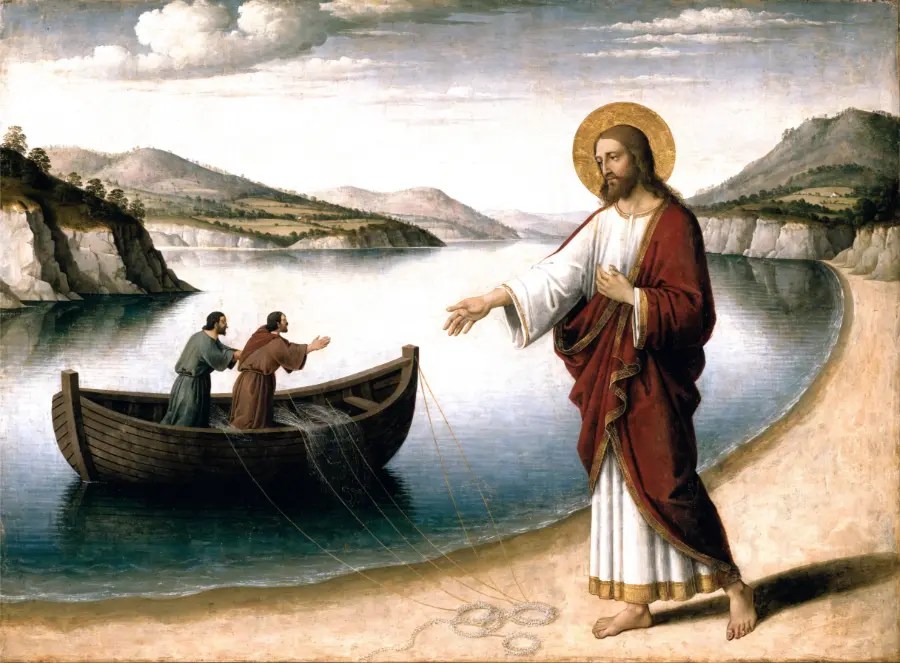
Leviticus 19:34
“The foreigner residing among you must be treated as your native-born. Love them as yourself, for you were foreigners in Egypt. I am the Lord your God.”
Reflection: The command comes in the holiness laws of Leviticus 19, straight after “do not mistreat them” in verse 33. “Love them as yourself” repeats the wording of verse 18, “love your neighbor as yourself,” and applies it to someone born outside Israel. The reason given is Israel’s own history: they had been foreigners in Egypt.
Isaiah 56:7
“…these I will bring to my holy mountain and give them joy in my house of prayer. Their burnt offerings and sacrifices will be accepted on my altar; for my house will be called a house of prayer for all nations.”
Reflection: Two groups who might expect to be shut out are addressed in Isaiah 56: foreigners and eunuchs. Verse 3 tells the foreigner not to say, “The Lord will surely exclude me from his people,” and verse 5 promises the eunuch “a name better than sons and daughters.” The foreigners in verse 7 are those who “bind themselves to the Lord” and hold fast to the covenant (verse 6). Jesus quoted the last line, “a house of prayer for all nations,” when he drove the sellers out of the temple courts (Mark 11:17).
Jesus and the people others kept apart
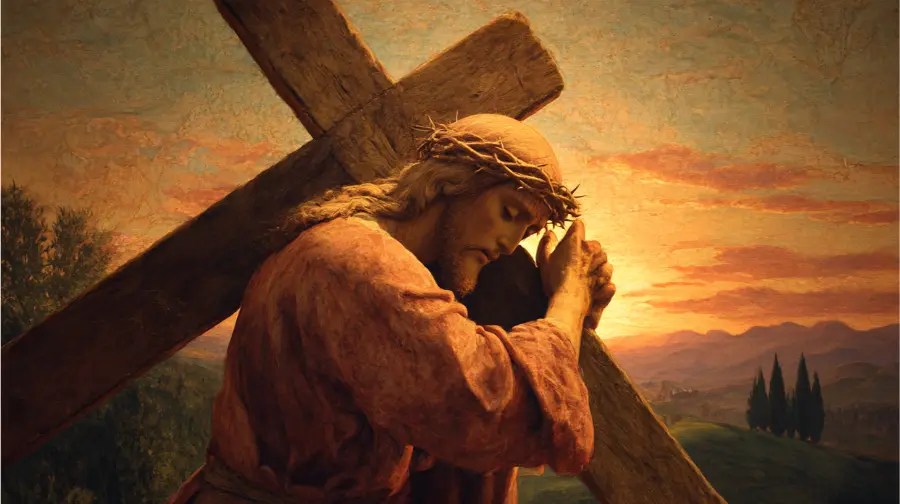
John 4:9
“The Samaritan woman said to him, ‘You are a Jew and I am a Samaritan woman. How can you ask me for a drink?’ (For Jews do not associate with Samaritans.)”
Reflection: Jesus, a Jew, had asked a Samaritan woman at a well for a drink, and her question and the narrator’s note in brackets explain her surprise. Jesus answers by offering her “living water” (verse 10). Later in the chapter many Samaritans from her town believe, ask him to stay, and call him “the Savior of the world” (verses 39-42).
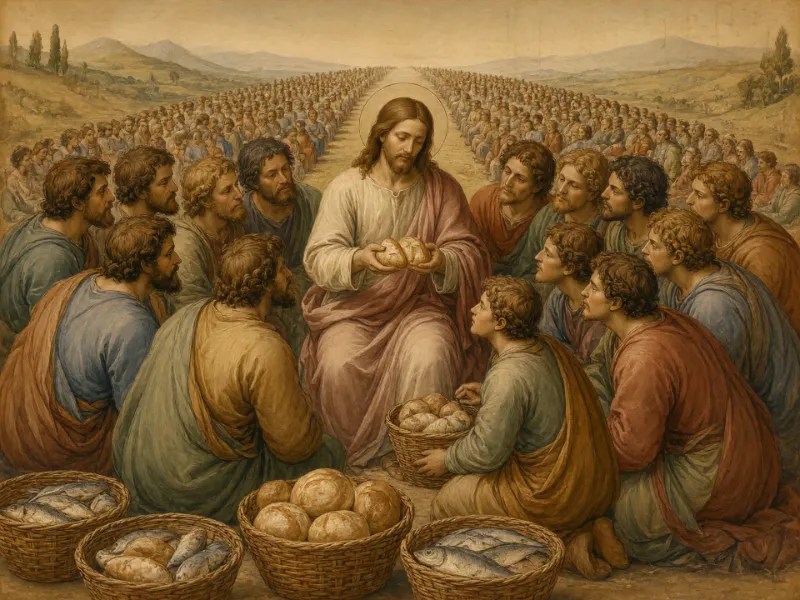
Luke 14:13-14
“But when you give a banquet, invite the poor, the crippled, the lame, the blind, and you will be blessed. Although they cannot repay you, you will be repaid at the resurrection of the righteous.”
Reflection: Jesus is eating on the Sabbath in the house of a prominent Pharisee (verse 1), and he says this to his host. Verse 12 gives the contrast: friends, relatives and rich neighbours “may invite you back and so you will be repaid.” The parable that follows makes the same point on a larger scale, with a master who sends his servant into the streets for “the poor, the crippled, the blind and the lame” and then to the country lanes “so that my house will be full” (verses 21-23).
When God brings in the Gentiles
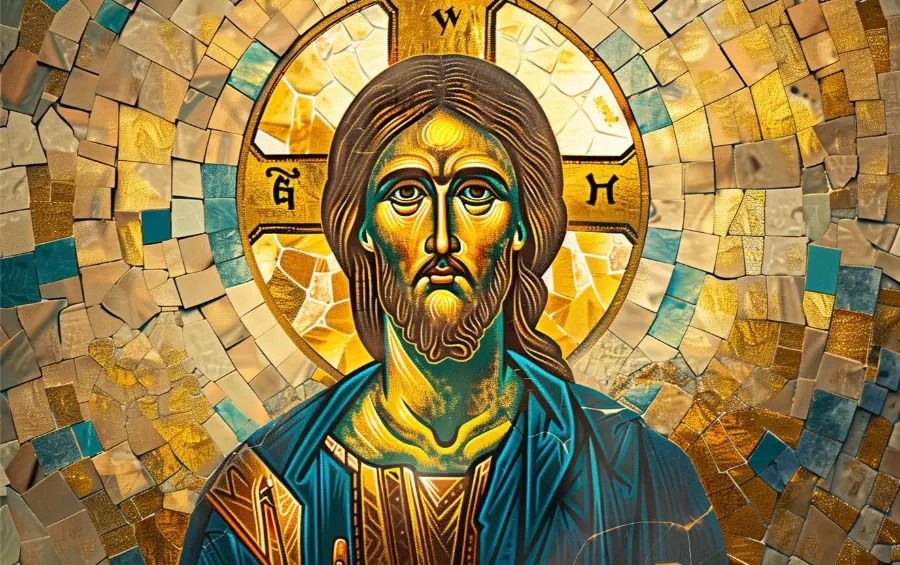
Acts 10:34-35
“Then Peter began to speak: ‘I now realize how true it is that God does not show favoritism but accepts from every nation the one who fears him and does what is right.’”
Reflection: Peter speaks in the house of Cornelius, a Gentile. On arrival he had told the household, “it is against our law for a Jew to associate with or visit a Gentile. But God has shown me that I should not call anyone impure or unclean” (verse 28). While Peter is still speaking, the Holy Spirit comes on his listeners, the circumcised believers with him are astonished, and Peter has the Gentiles baptized (verses 44-48).

Romans 10:12
“For there is no difference between Jew and Gentile—the same Lord is Lord of all and richly blesses all who call on him.”
Reflection: Paul’s point in Romans 10 is that salvation comes by confessing “Jesus is Lord” and believing God raised him (verse 9), and that the offer is the same for Jew and Gentile. The next verse gives the scriptural ground: “Everyone who calls on the name of the Lord will be saved.”
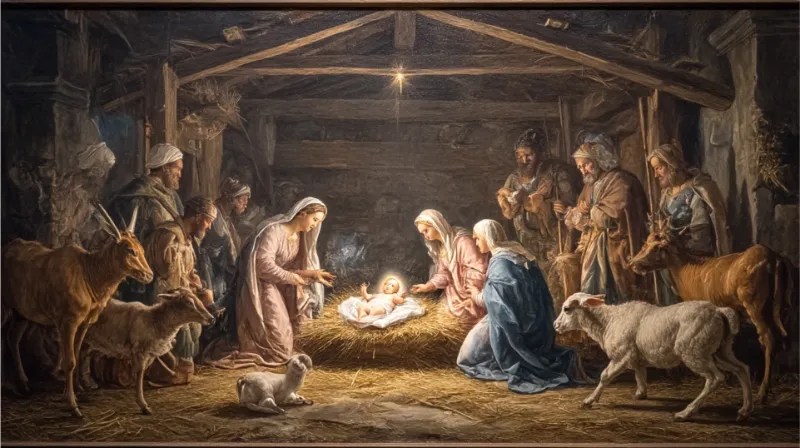
Ephesians 2:14
“For he himself is our peace, who has made the two groups one and has destroyed the barrier, the dividing wall of hostility.”
Reflection: The “two groups” are Jews and Gentiles. Verse 12 describes the Gentile readers as they had been, “excluded from citizenship in Israel and foreigners to the covenants of the promise,” and verse 19 as they are now: “no longer foreigners and strangers, but fellow citizens with God’s people and also members of his household.” Verse 15 says how the barrier was destroyed, “by setting aside in his flesh the law with its commands and regulations,” and verse 16 says both groups are reconciled to God “through the cross.”
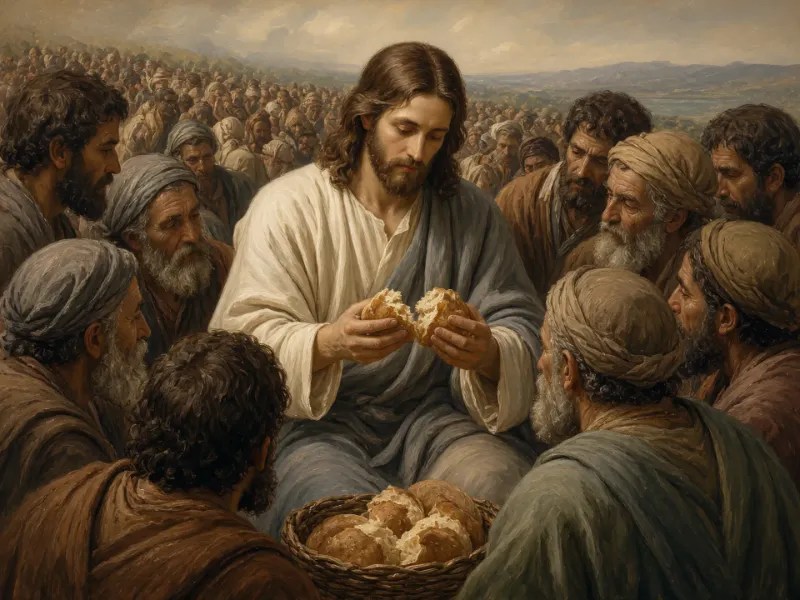
1 Timothy 2:4
“who wants all people to be saved and to come to a knowledge of the truth.”
Reflection: Paul has just urged prayer “for all people,” including kings and those in authority (verses 1-2), and gives God’s wish for all people to be saved as the reason. Verses 5-6 continue with “one mediator between God and mankind” who “gave himself as a ransom for all people,” and verse 7 calls Paul a teacher of the Gentiles.
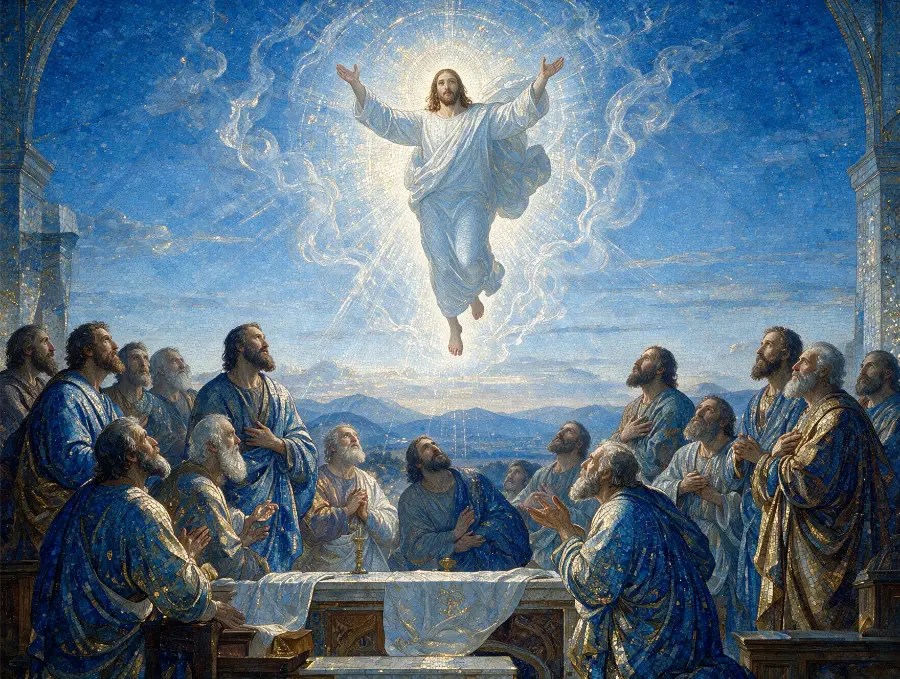
Revelation 7:9
“After this I looked, and there before me was a great multitude that no one could count, from every nation, tribe, people and language, standing before the throne and before the Lamb.”
Reflection: John sees a crowd too large to count, gathered from every nation, tribe, people and language. They wear white robes, hold palm branches, and cry out together, “Salvation belongs to our God, who sits on the throne, and to the Lamb” (verse 10).
One body in Christ

Galatians 3:28
“There is neither Jew nor Gentile, neither slave nor free, nor is there male and female, for you are all one in Christ Jesus.”
Reflection: The verse sits between two statements about who belongs: “in Christ Jesus you are all children of God through faith” (verse 26), and “if you belong to Christ, then you are Abraham’s seed, and heirs according to the promise” (verse 29). Verse 27 links being children of God to baptism, since all who were baptized into Christ “have clothed yourselves with Christ.”
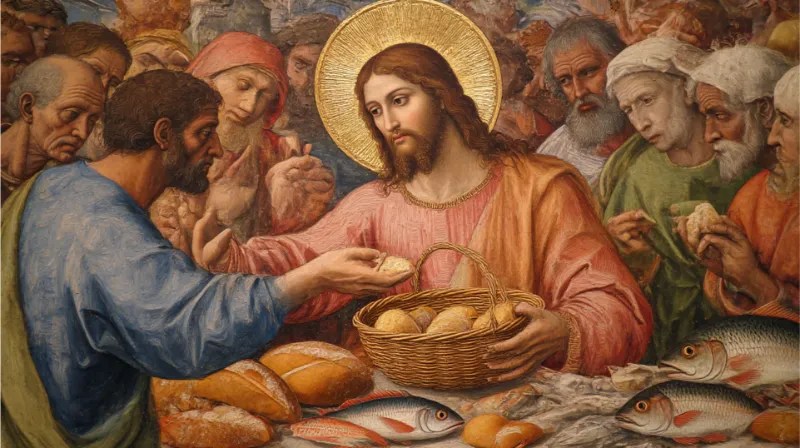
Colossians 3:11
“Here there is no Gentile or Jew, circumcised or uncircumcised, barbarian, Scythian, slave or free, but Christ is all, and is in all.”
Reflection: Paul’s list here is longer than the one in Galatians, adding circumcised or uncircumcised, barbarian and Scythian. The word “Here” refers back to the “new self” of verse 10, “being renewed in knowledge in the image of its Creator,” which Paul contrasts with the old self and its practices.
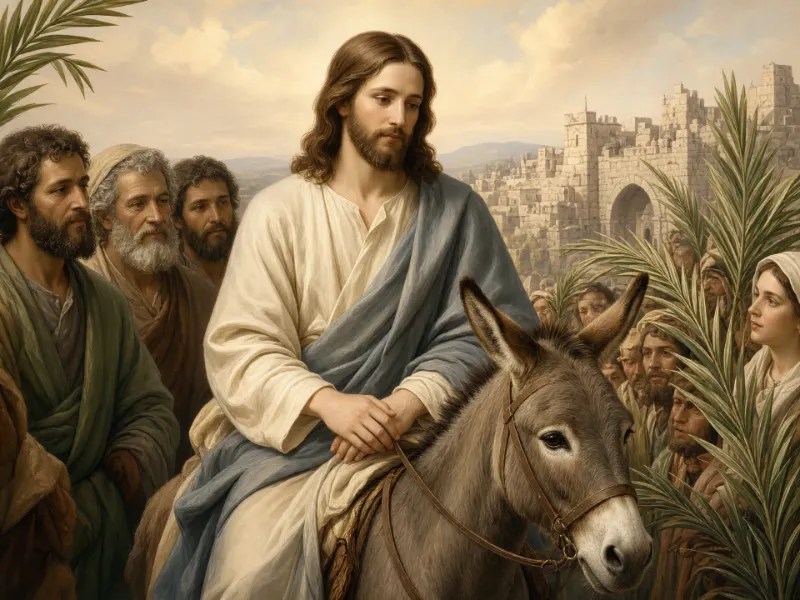
1 Corinthians 12:13
“For we were all baptized by one Spirit so as to form one body—whether Jews or Gentiles, slave or free—and we were all given the one Spirit to drink.”
Reflection: Paul compares the church to a body with many parts (verse 12), and in the verse that follows says, “the body is not made up of one part but of many.” Jews and Gentiles, slaves and free people are joined into the body by the same Spirit, and the rest of the chapter argues that no part can tell another it is not needed.
How a church receives people

Romans 15:7
“Accept one another, then, just as Christ accepted you, in order to bring praise to God.”
Reflection: The command rests on what Christ has already done: believers accept one another “just as Christ accepted you.” Paul goes straight on to Jews and Gentiles, saying Christ became a servant of the Jews so that the promises to the patriarchs might be confirmed “and, moreover, that the Gentiles might glorify God for his mercy” (verses 8-9). He then quotes four passages about the Gentiles, three in which they praise God and a fourth in which “the Gentiles will hope” (verses 9-12).
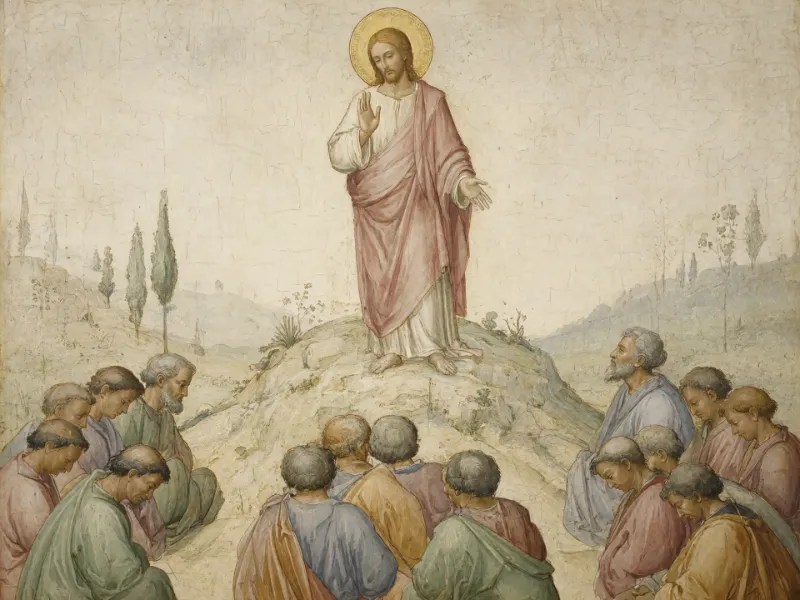
James 2:1-4
“My brothers and sisters, believers in our glorious Lord Jesus Christ must not show favoritism. Suppose a man comes into your meeting wearing a gold ring and fine clothes, and a poor man in filthy old clothes also comes in. If you show special attention to the man wearing fine clothes and say, ‘Here’s a good seat for you,’ but say to the poor man, ‘You stand there’ or ‘Sit on the floor by my feet,’ have you not discriminated among yourselves and become judges with evil thoughts?”
Reflection: James sets two visitors side by side, and the church meeting judges them by their clothes. He goes on to say God has chosen “those who are poor in the eyes of the world to be rich in faith” (verse 5), and that showing favouritism breaks the command to love your neighbour as yourself (verses 8-9).
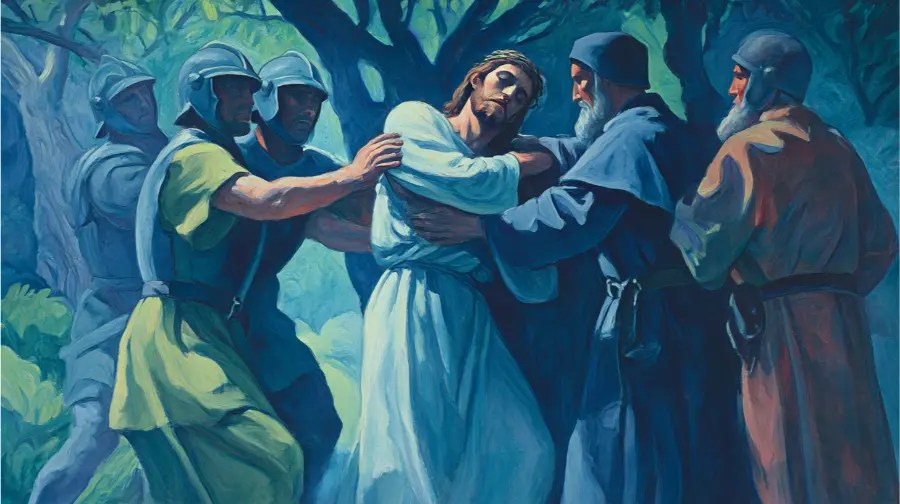
Hebrews 13:2
“Do not forget to show hospitality to strangers, for by so doing some people have shown hospitality to angels without knowing it.”
Reflection: The command to welcome strangers stands between “Keep on loving one another as brothers and sisters” (verse 1) and remembering those in prison “as if you were together with them in prison” (verse 3).
Who is brought in, and on what terms
Isaiah 56:6 names foreigners who bind themselves to the Lord and hold fast to the covenant, Acts 10:35 names the one who fears God and does what is right, Romans 10:12 names “all who call on him,” and Galatians 3:28 and Colossians 3:11 speak of those who are in Christ.
James 2:1-4 is addressed to believers about their own meetings, and Luke 14:13-14 to a host at a meal. Both concern whom people seat and invite, and both name the poor.


Leave a Reply