
 English
 Chinese
 Dutch
 Arabic
 Spanish
 Portuguese
 Russian
 French
 Italian
 German
 Japanese
The Bible treats justice as part of God’s character and as something he requires of his people. Moses sings that “all his ways are justice” (Deuteronomy 32:4), and Micah sums up what God asks as “to do justice, and to love kindness, and to walk humbly with your God” (Micah 6:8).
The law demands courts without partiality or bribes (Leviticus 19:15; Deuteronomy 16:19-20), the prophets put justice for the widow, the fatherless and the poor ahead of sacrifice (Isaiah 1:17; Amos 5:24), and the New Testament looks ahead to the day when God judges the world (Romans 2:5-6; Luke 18:7-8). In several of the Old Testament verses below (Psalm 89:14; Isaiah 1:17; Amos 5:24; Micah 6:8), justice translates the Hebrew mishpat, a word that also means a judgment, a verdict or a person’s legal right.
Justice as part of God’s character
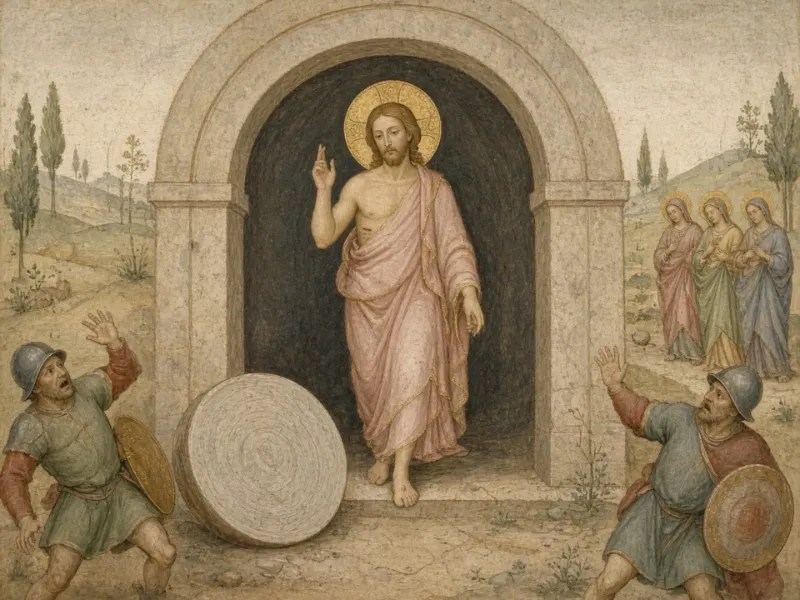
Deuteronomy 32:4
“The Rock, his work is perfect, for all his ways are justice. A God of faithfulness and without iniquity, just and upright is he.”
Reflection: Moses recites these words in a song “in the ears of all the assembly of Israel” (Deuteronomy 31:30). The song calls God “the Rock” and sets his justice against his people’s record in the next verse: “They have dealt corruptly with him … they are a crooked and twisted generation.” The fault in the relationship is placed with Israel.
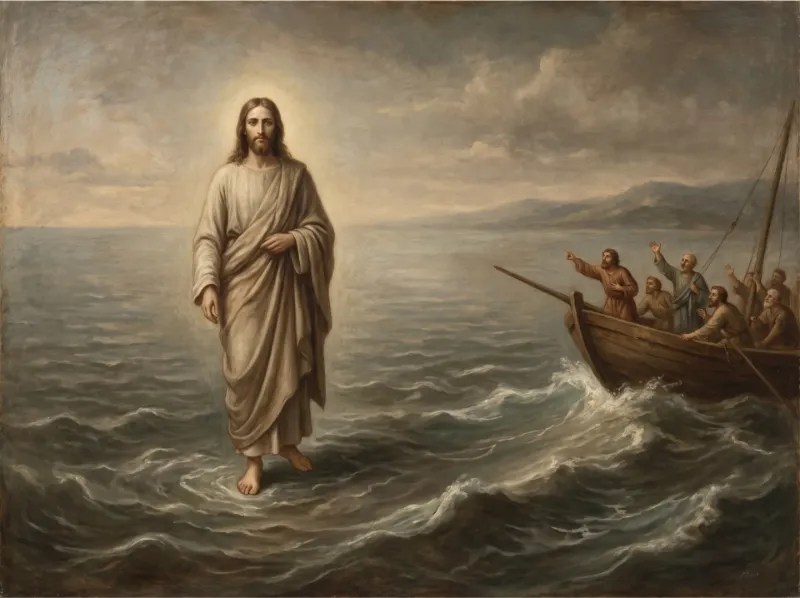
Psalm 89:14
“Righteousness and justice are the foundation of your throne; steadfast love and faithfulness go before you.”
Reflection: Righteousness and justice are the foundation of the throne; steadfast love and faithfulness go before it. The psalm praises God’s covenant with David, and later complains that God has “renounced the covenant with your servant” (89:39). The Hebrew word for justice here is mishpat.

Isaiah 30:18
“Therefore the Lord waits to be gracious to you, and therefore he exalts himself to show mercy to you. For the Lord is a God of justice; blessed are all those who wait for him.”
Reflection: Isaiah 30 opens with a rebuke of Judah’s plan “to take refuge in the protection of Pharaoh” (30:2). After the rebuke comes this verse, where the reason the Lord waits to be gracious is that he is “a God of justice.” Justice and mercy stand side by side, and the next verse promises, “As soon as he hears it, he answers you.”

Deuteronomy 10:18
“He executes justice for the fatherless and the widow, and loves the sojourner, giving him food and clothing.”
Reflection: Moses has just called God “the great, the mighty, and the awesome God, who is not partial and takes no bribe” (10:17), the same two things forbidden to Israel’s judges in Deuteronomy 16:19. The verse names two things: justice for the fatherless and the widow, and love for the sojourner, shown in food and clothing. The next verse draws the command from it: “Love the sojourner, therefore, for you were sojourners in the land of Egypt.”
What God asks of his people
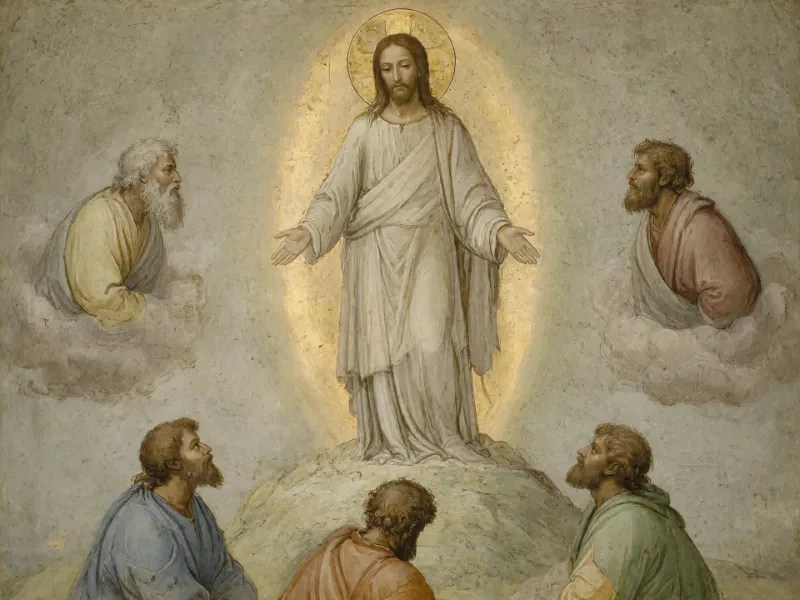
Micah 6:8
“He has told you, O man, what is good; and what does the Lord require of you but to do justice, and to love kindness, and to walk humbly with your God?”
Reflection: Micah 6 is set as a court case: “the Lord has an indictment against his people” (6:2). The questioner in verses 6-7 offers larger and larger sacrifices, from year-old calves to thousands of rams to his own firstborn. The answer asks for three things in their place: to do justice, to love kindness, and to walk humbly with God.

Amos 5:24
“But let justice roll down like waters, and righteousness like an ever-flowing stream.”
Reflection: The verse follows a list of what God refuses: Israel’s feasts, burnt offerings, peace offerings and songs (Amos 5:21-23). Earlier in the chapter Amos names what was happening meanwhile, people “who afflict the righteous, who take a bribe, and turn aside the needy in the gate” (5:12), the gate being where cases were heard. Justice is pictured as water that does not stop, “an ever-flowing stream.”

Isaiah 1:17
“Learn to do good; seek justice, correct oppression; bring justice to the fatherless, plead the widow’s cause.”
Reflection: Isaiah addresses Jerusalem as “rulers of Sodom” and “people of Gomorrah” (1:10), and God refuses their offerings, festivals and prayers because “your hands are full of blood” (1:15). The remedy is a string of commands that moves from learning to do good to seeking justice, and ends with the fatherless and the widow.
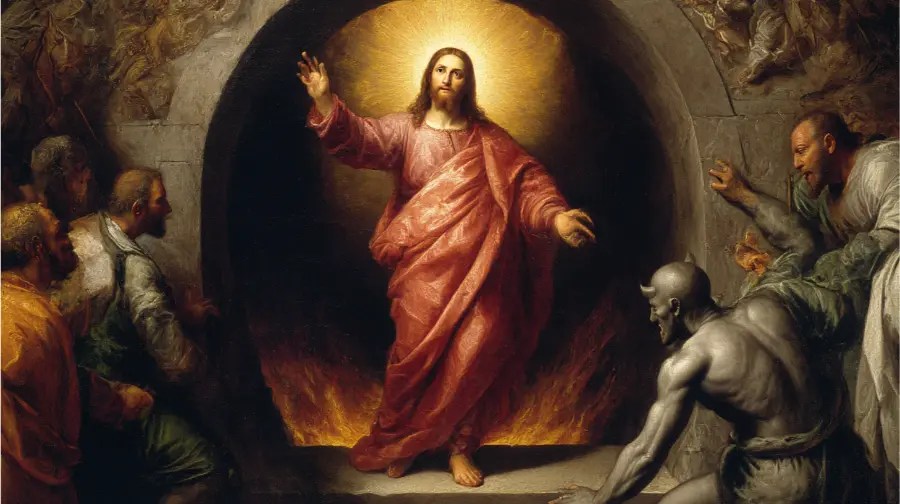
Isaiah 56:1
“Thus says the Lord: ‘Keep justice, and do righteousness, for soon my salvation will come, and my righteousness be revealed.’”
Reflection: The command to keep justice comes with a reason: God’s salvation is “soon” to come. The chapter goes on to welcome foreigners and eunuchs who hold fast the covenant, promising that “my house shall be called a house of prayer for all peoples” (56:7), the line Jesus quotes when he clears the temple (Mark 11:17).

Proverbs 14:31
“Whoever oppresses a poor man insults his Maker, but he who is generous to the needy honors him.”
Reflection: The proverb ties the treatment of the poor to God himself. The poor man was made by God, so oppressing him insults his Maker, and generosity to the needy honors God. Proverbs 17:5 makes the same connection about mocking the poor.

Matthew 23:23
“Woe to you, scribes and Pharisees, hypocrites! For you tithe mint and dill and cumin, and have neglected the weightier matters of the law: justice and mercy and faithfulness. These you ought to have done, without neglecting the others.”
Reflection: Among his woes against the scribes and Pharisees, Jesus does not tell them to stop tithing their garden herbs: “These you ought to have done, without neglecting the others.” Justice, mercy and faithfulness are the “weightier matters of the law.” The Greek word for justice is krisis, and Luke’s account of the same saying has “justice and the love of God” (Luke 11:42).
Fairness without favoritism

Leviticus 19:15
“You shall do no injustice in court. You shall not be partial to the poor or defer to the great, but in righteousness shall you judge your neighbor.”
Reflection: The law forbids partiality in both directions, toward the poor as well as toward the great. A judge’s sympathy for a poor man is ruled out along with deference to a powerful one. The person being judged is called “your neighbor,” the word used again three verses later in “you shall love your neighbor as yourself” (19:18).
Deuteronomy 16:19-20
“You shall not pervert justice. You shall not show partiality, and you shall not accept a bribe, for a bribe blinds the eyes of the wise and subverts the cause of the righteous. Justice, and only justice, you shall follow, that you may live and inherit the land that the Lord your God is giving you.”
Reflection: Moses gives these instructions for the judges and officers to be appointed “in all your towns” (16:18). A bribe is forbidden because it “blinds the eyes of the wise and subverts the cause of the righteous.” The Hebrew word in “Justice, and only justice” is tsedeq, the word elsewhere translated righteousness, and following it is tied to living and inheriting the land.

Zechariah 7:9-10
“Thus says the Lord of hosts, ‘Render true judgments, show kindness and mercy to one another, do not oppress the widow, the fatherless, the sojourner, or the poor, and let none of you devise evil against another in your heart.’”
Reflection: Men from Bethel had asked the priests whether they should keep weeping and fasting in the fifth month, “as I have done for so many years” (7:3). The answer asks whether those fasts were ever for God, then repeats what “the former prophets” had said: true judgments, kindness and mercy, and no oppression of the widow, the fatherless, the sojourner or the poor. The following verses record that the earlier generation “refused to pay attention.”

James 2:13
“For judgment is without mercy to one who has shown no mercy. Mercy triumphs over judgment.”
Reflection: The verse closes a passage on favoritism in the church: a rich man in fine clothing is given a good seat while a poor man is told to stand (James 2:2-3). James calls partiality a breach of the “royal law,” “You shall love your neighbor as yourself” (2:8-9), quoting Leviticus 19:18. Those who show no mercy face judgment without it, and “mercy triumphs over judgment.”
The duty of rulers and judges

Psalm 82:3-4
“Give justice to the weak and the fatherless; maintain the right of the afflicted and the destitute. Rescue the weak and the needy; deliver them from the hand of the wicked.”
Reflection: The psalm pictures God standing in “the divine council” and judging “the gods” for judging unjustly and showing “partiality to the wicked” (82:2). Some readers take these gods to be human rulers and judges, others heavenly beings set over the nations; Jesus quotes verse 6, “I said, you are gods,” in John 10:34. Either way the charge is failing to give justice to the weak and the fatherless, and verse 7 sentences them to die “like men.”

Proverbs 31:8-9
“Open your mouth for the mute, for the rights of all who are destitute. Open your mouth, judge righteously, defend the rights of the poor and needy.”
Reflection: These are the words King Lemuel’s mother taught him (31:1). She warns him off wine so that he will not “forget what has been decreed and pervert the rights of all the afflicted” (31:5), and then tells him to speak for those who cannot speak for themselves.
Proverbs 29:4
“By justice a king builds up the land, but he who exacts gifts tears it down.”
Reflection: Justice in a king is measured by what it does to the land: it builds the land up, while a king who “exacts gifts” tears it down. Ten verses later the chapter adds, “If a king faithfully judges the poor, his throne will be established forever” (29:14).
Ecclesiastes 5:8
“If you see in a province the oppression of the poor and the violation of justice and righteousness, do not be amazed at the matter, for the high official is watched by a higher, and there are yet higher ones over them.”
Reflection: The Preacher tells the reader not to be surprised by oppression of the poor in a province, and gives a reason: every official is watched by a higher one. The line can be read as a check, since someone higher sees what happens, or as a complaint, since each layer of officials protects the next. It describes injustice as a fact of government and offers no remedy.
Romans 13:1-4
“Let every person be subject to the governing authorities. For there is no authority except from God, and those that exist have been instituted by God. Therefore whoever resists the authorities resists what God has appointed, and those who resist will incur judgment. For rulers are not a terror to good conduct, but to bad. Would you have no fear of the one who is in authority? Then do what is good, and you will receive his approval, for he is God’s servant for your good. But if you do wrong, be afraid, for he does not bear the sword in vain. For he is the servant of God, an avenger who carries out God’s wrath on the wrongdoer.”
Reflection: Paul tells the Christians in Rome to be subject to the governing authorities and calls the ruler “God’s servant for your good” who “does not bear the sword in vain.” In this passage the ruler’s task is justice: approval for good conduct and punishment for the wrongdoer. Christians differ on how far the duty of submission reaches when rulers themselves act unjustly, and Acts 5:29 records the apostles telling the council that forbade their preaching, “We must obey God rather than men.”
When God judges
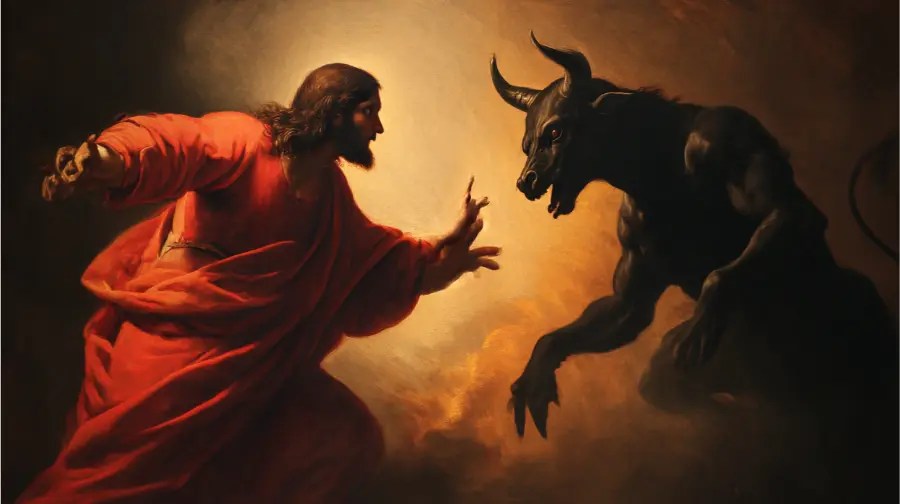
Psalm 96:13
“Before the Lord, for he comes, for he comes to judge the earth. He will judge the world in righteousness, and the peoples in his faithfulness.”
Reflection: Psalm 96 calls all the earth to sing because the Lord reigns and “will judge the peoples with equity” (96:10). Heavens, earth, sea, fields and trees are told to rejoice at his coming as judge, because his judgment will be “in righteousness” and “in his faithfulness.” Much of the psalm also appears in 1 Chronicles 16, sung when the ark was brought into the tent David had pitched for it.
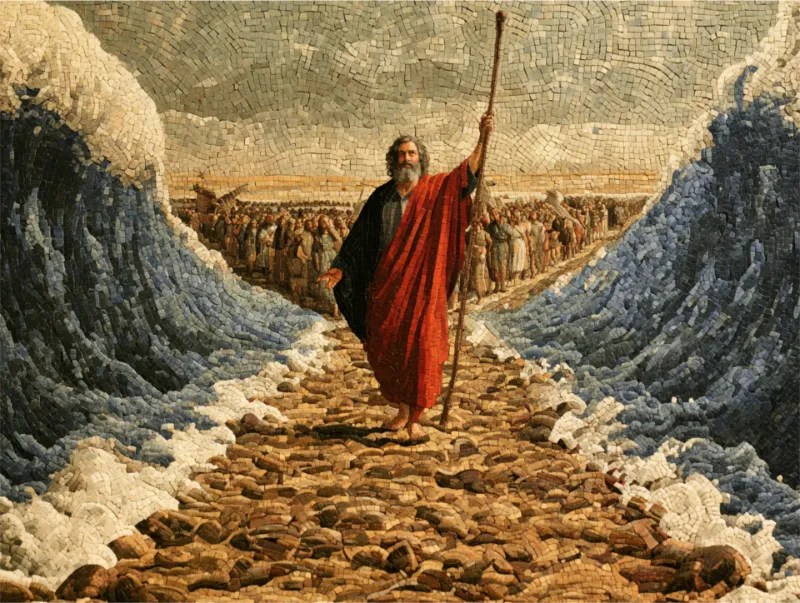
Romans 2:5-6
“But because of your hard and impenitent heart you are storing up wrath for yourself on the day of wrath when God’s righteous judgment will be revealed. He will render to each one according to his works.”
Reflection: Paul addresses a person who condemns others while doing the same things (2:1). God’s kindness is “meant to lead you to repentance” (2:4); refusing it stores up wrath for the day of God’s “righteous judgment,” when the same standard applies to Jew and Greek, because “God shows no partiality” (2:11). Readers differ on how verse 6, judgment “according to his works,” fits with Romans 3:28, that “one is justified by faith”: some take verses 6-10 as a standard no one meets, since “all have sinned” (3:23), and others take the good works as the fruit of faith.
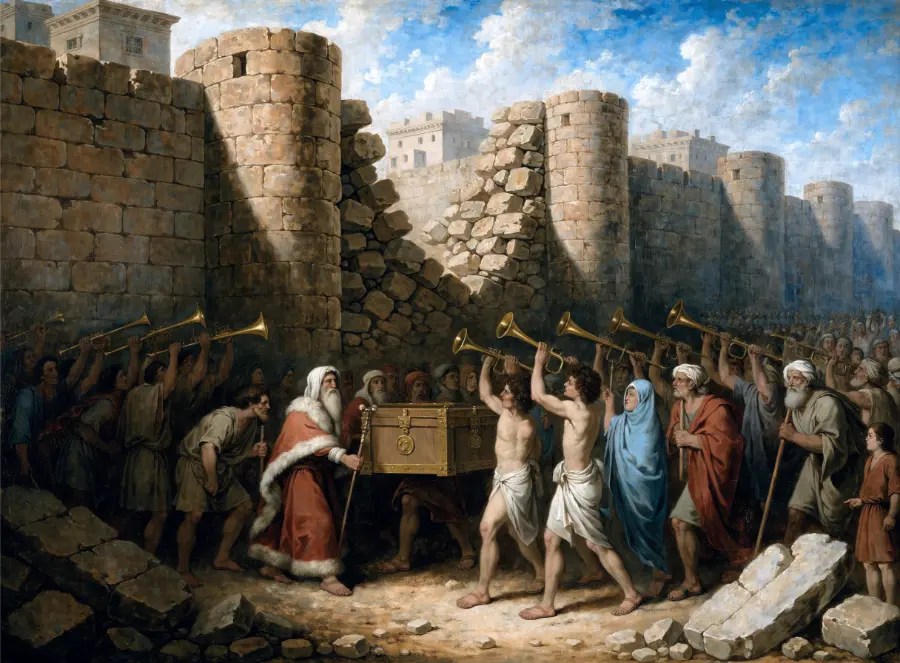
Luke 18:7-8
“And will not God give justice to his elect, who cry to him day and night? Will he delay long over them? I tell you, he will give justice to them speedily. Nevertheless, when the Son of Man comes, will he find faith on earth?”
Reflection: Jesus tells of a widow who keeps asking an unjust judge, “Give me justice against my adversary,” until he gives in so that she will stop wearing him out. Luke states the parable’s purpose at the start: “that they ought always to pray and not lose heart” (18:1). If even this judge gives justice, Jesus argues, God will give it to those who cry to him, and he closes by asking whether the Son of Man will find faith on earth.
Justice not yet done
Several of these passages speak of justice that has not yet arrived. Psalm 82 ends with a prayer, “Arise, O God, judge the earth” (82:8); Ecclesiastes 5:8 tells the reader not to be surprised by oppression; Isaiah 30:18 blesses “all those who wait for him”; and in Luke 18 Jesus promises justice “speedily” while asking whether faith will last until then.
Psalm 82:8 and the widow’s request in Luke 18:3 are prayers that can be prayed as written. Micah 6:8, Isaiah 1:17 and Zechariah 7:9-10 give the work to be done in the meantime.


Leave a Reply