
 English
 Chinese
 Dutch
 Arabic
 Spanish
 Portuguese
 Russian
 French
 Italian
 German
 Japanese
The Bible describes keeping faith as holding on to trust in God through trials, delay and doubt until the end. Paul says it of himself as he expects to die: “I have kept the faith” (2 Timothy 4:7).
Other passages define faith (Hebrews 11:1), describe trials as its testing (James 1:2-4), and record Jesus praying that Peter’s faith would not fail (Luke 22:32).
What faith is and where it comes from
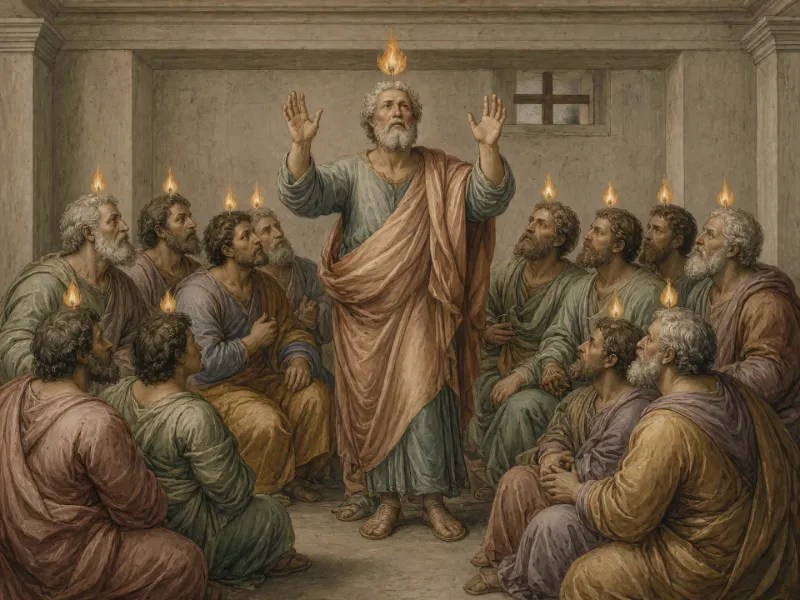
Hebrews 11:1
“Now faith is confidence in what we hope for and assurance about what we do not see.”
Reflection: The definition opens a chapter of people who acted “by faith”, beginning with Abel and Enoch. The next verse says, “This is what the ancients were commended for.” Faith is tied here to two things out of view: what is hoped for and what cannot be seen.
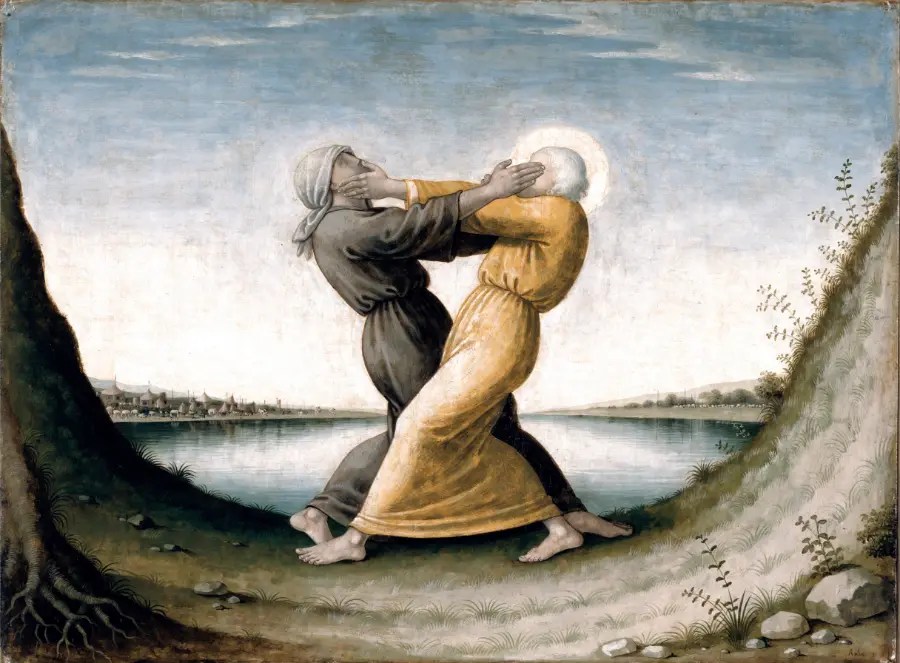
Hebrews 11:6
“And without faith it is impossible to please God, because anyone who comes to him must believe that he exists and that he rewards those who earnestly seek him.”
Reflection: The verse follows Enoch, who before God took him away “was commended as one who pleased God” (11:5). Pleasing God requires two beliefs: that he exists, and that he rewards those who seek him.
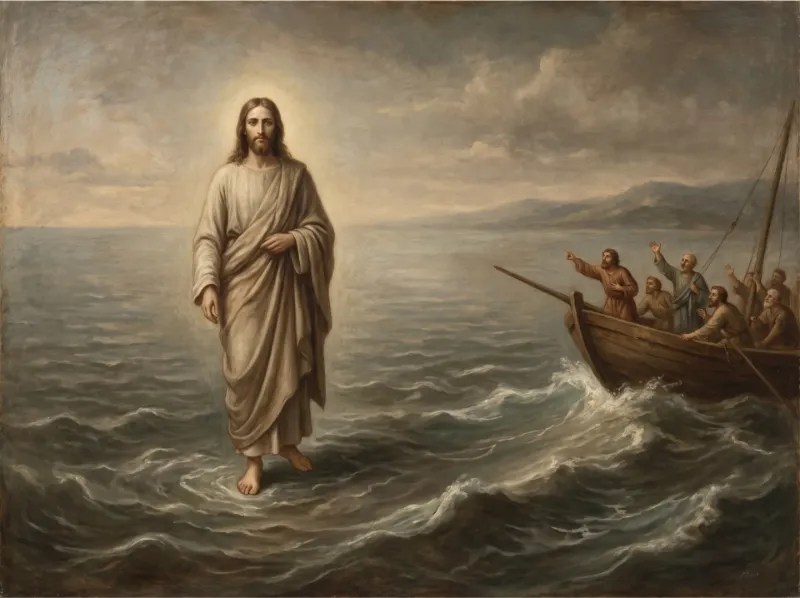
2 Corinthians 5:7
“For we live by faith, not by sight.”
Reflection: Paul has just written that “as long as we are at home in the body we are away from the Lord” (5:6). Faith is how he lives during that absence, and he goes on, “We are confident, I say, and would prefer to be away from the body and at home with the Lord” (5:8). The contrast continues from 4:18: “we fix our eyes not on what is seen, but on what is unseen.”
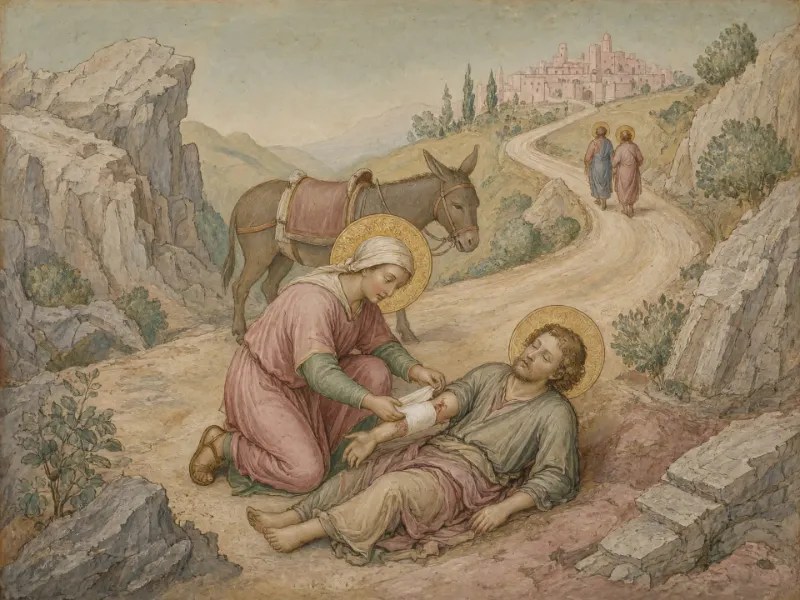
John 20:29
“Then Jesus told him, ‘Because you have seen me, you have believed; blessed are those who have not seen and yet have believed.’”
Reflection: Thomas had refused to believe unless he could touch the nail marks (20:25). A week later Jesus offered him exactly that, and Thomas answered, “My Lord and my God!” Jesus’ reply turns to everyone after Thomas who will believe without seeing, and the next verses say John’s account was written “that you may believe” (20:31).
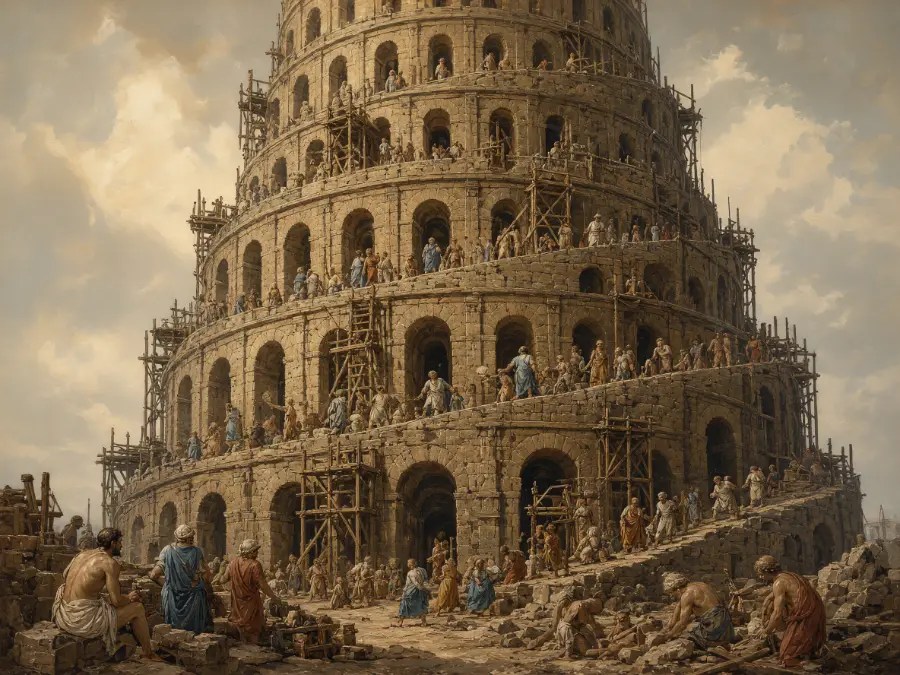
Romans 10:17
“Consequently, faith comes from hearing the message, and the message is heard through the word about Christ.”
Reflection: Paul asks a series of questions: how can people call on someone they have not believed in, believe without hearing, or hear without someone preaching (10:14-15)? Verse 17 states the link between hearing and faith: faith comes from hearing the message, and the message is heard through “the word about Christ”. Just before it, quoting Isaiah, he notes that “not all the Israelites accepted the good news” (10:16).
When faith is tested
James 1:2-4
“Consider it pure joy, my brothers and sisters, whenever you face trials of many kinds, because you know that the testing of your faith produces perseverance. Let perseverance finish its work so that you may be mature and complete, not lacking anything.”
Reflection: James writes to believers facing “trials of many kinds” and says that the testing of faith produces perseverance, which makes a person “mature and complete”. The following verses tell anyone who lacks wisdom to ask God, and to ask believing and not doubting (1:5-6).
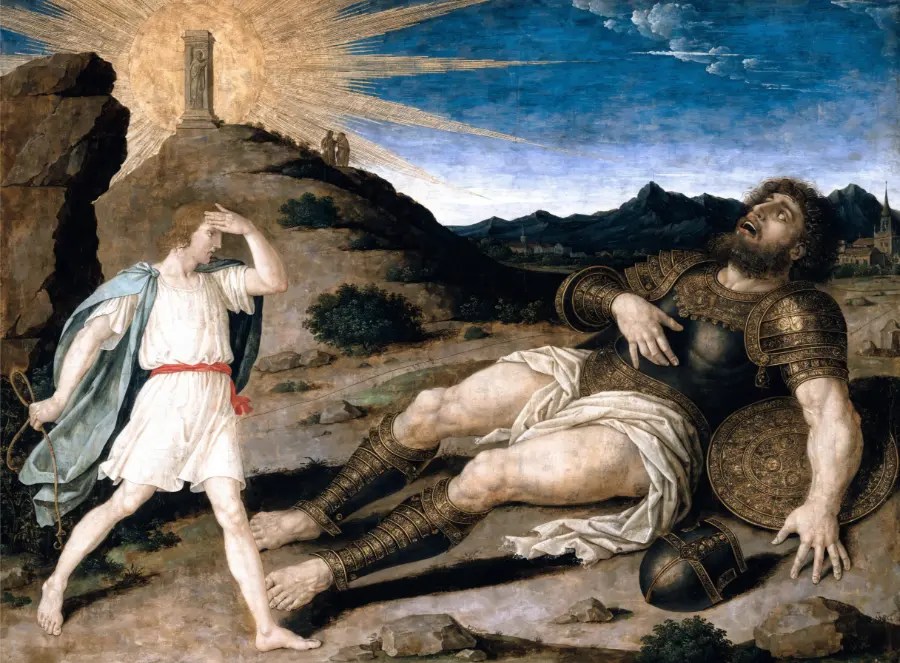
1 Peter 1:6-7
“In all this you greatly rejoice, though now for a little while you may have had to suffer grief in all kinds of trials. These have come so that the proven genuineness of your faith—of greater worth than gold, which perishes even though refined by fire—may result in praise, glory and honor when Jesus Christ is revealed.”
Reflection: Peter compares faith to gold refined by fire and values it above gold, because gold perishes. The trials last “a little while”, and the outcome is seen “when Jesus Christ is revealed”. One verse earlier he describes the same readers as those “who through faith are shielded by God’s power until the coming of the salvation” (1:5).
2 Corinthians 4:8-9
“We are hard pressed on every side, but not crushed; perplexed, but not in despair; persecuted, but not abandoned; struck down, but not destroyed.”
Reflection: Paul sets four pressures against four limits: hard pressed but not crushed, struck down but not destroyed. He has just called himself and his co-workers “jars of clay” holding a treasure, “to show that this all-surpassing power is from God and not from us” (4:7). A few verses on he quotes Scripture, “I believed; therefore I have spoken,” and concludes, “Therefore we do not lose heart” (4:13, 4:16).
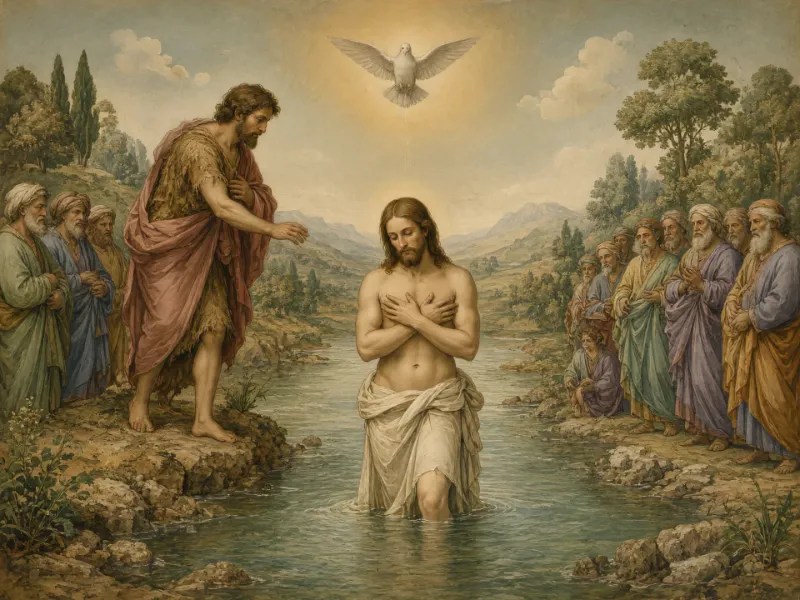
Luke 22:32
“But I have prayed for you, Simon, that your faith may not fail. And when you have turned back, strengthen your brothers.”
Reflection: Jesus tells Simon Peter that Satan has asked to sift all the disciples like wheat, and that he has prayed for Simon’s faith. The second sentence looks past a fall to a return: “when you have turned back, strengthen your brothers.” When Peter protests that he is ready to go to prison and to death, Jesus foretells that he will deny him three times before the rooster crows (22:33-34).
Holding on to the end
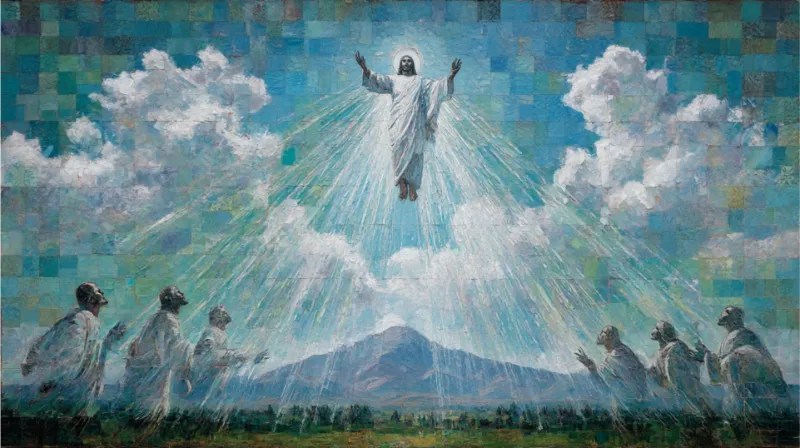
Hebrews 10:23
“Let us hold unswervingly to the hope we profess, for he who promised is faithful.”
Reflection: The reason for holding on is given in the verse: “he who promised is faithful.” The writer reminds the readers that they once endured public insult and the confiscation of their property (10:32-34), then urges, “do not throw away your confidence; it will be richly rewarded” (10:35). The chapter ends, “we do not belong to those who shrink back and are destroyed, but to those who have faith and are saved.”
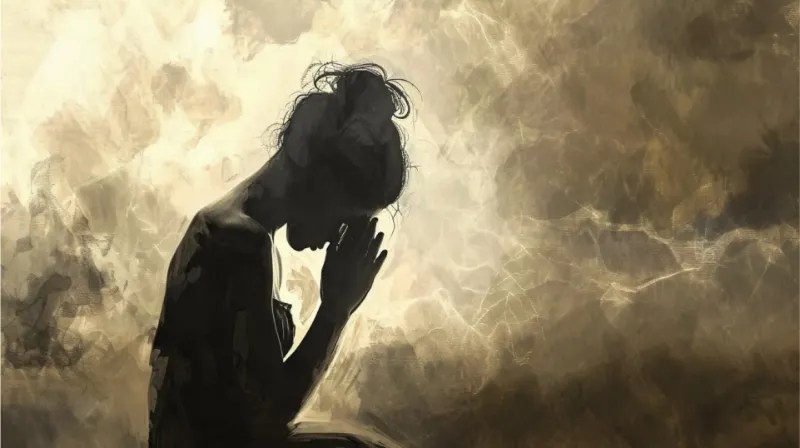
2 Timothy 4:7
“I have fought the good fight, I have finished the race, I have kept the faith.”
Reflection: Paul writes expecting to die soon: “the time for my departure is near” (4:6). He sums up his life in three completed actions: the fight fought, the race finished, the faith kept. The crown he expects in the next verse is for “all who have longed for his appearing” as well as for him.
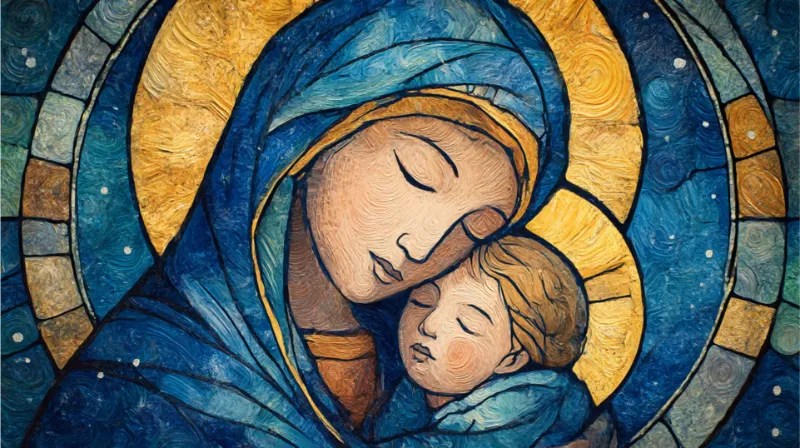
1 John 5:4
“…for everyone born of God overcomes the world. This is the victory that has overcome the world, even our faith.”
Reflection: John links three things in this passage: being born of God, keeping God’s commands, which “are not burdensome” (5:3), and overcoming the world. The victory is “our faith”, and the next verse names what that faith holds: “Who is it that overcomes the world? Only the one who believes that Jesus is the Son of God.”
Faith that acts
James 2:17
“In the same way, faith by itself, if it is not accompanied by action, is dead.”
Reflection: James’s example is someone who tells a brother or sister without clothes or food, “keep warm and well fed,” and does nothing for them (2:15-16). He goes on to Abraham offering Isaac and Rahab sheltering the spies, and ends the chapter, “As the body without the spirit is dead, so faith without deeds is dead” (2:26).
Galatians 5:6
“For in Christ Jesus neither circumcision nor uncircumcision has any value. The only thing that counts is faith expressing itself through love.”
Reflection: Paul has just warned the Galatians that if they let themselves be circumcised to be justified by the law, Christ will be of no value to them (5:2-4). Here he sets circumcision and uncircumcision aside altogether. In the verse before, faith waits for “the righteousness for which we hope”; in this one, it works “through love”.
Little faith, doubt and prayer

Matthew 17:20
“Truly I tell you, if you have faith as small as a mustard seed, you can say to this mountain, ‘Move from here to there,’ and it will move. Nothing will be impossible for you.”
Reflection: The disciples had failed to heal a boy with seizures and asked Jesus in private why. His answer holds two statements together: they had “so little faith”, and faith as small as a mustard seed could move a mountain. In Mark’s account of the same question, Jesus answers, “This kind can come out only by prayer” (Mark 9:29).
Mark 9:24
“Immediately the boy’s father exclaimed, ‘I do believe; help me overcome my unbelief!’”
Reflection: The boy’s father had asked Jesus to help “if you can do anything” (9:22). Jesus repeated the words back to him: “‘If you can’? Everything is possible for one who believes.” The father answered with belief and unbelief in the same breath, and Jesus then healed the boy (9:25-27).
Mark 11:24
“Therefore I tell you, whatever you ask for in prayer, believe that you have received it, and it will be yours.”
Reflection: The morning after Jesus cursed the fig tree, Peter points out that it has withered, and Jesus answers, “Have faith in God” (11:22). The promise about prayer sits between a saying about not doubting “in their heart” (11:23) and a command to forgive anyone you hold something against “when you stand praying” (11:25).
Trusting God with the outcome
Proverbs 3:5-6
“Trust in the LORD with all your heart and lean not on your own understanding; in all your ways submit to him, and he will make your paths straight.”
Reflection: A father addresses “my son” and sets trust with the whole heart against leaning on one’s own understanding. The next verse repeats the point from another side: “Do not be wise in your own eyes; fear the Lord and shun evil.”
Isaiah 26:3
“You will keep in perfect peace those whose minds are steadfast, because they trust in you.”
Reflection: The verse belongs to a song for Judah “in that day” (26:1). The verse before it opens the gates to “the nation that keeps faith”, and the song goes on, “Trust in the Lord forever, for the Lord, the Lord himself, is the Rock eternal” (26:4). The peace is promised to a mind that stays fixed on God.
John 14:1
“Do not let your hearts be troubled. You believe in God; believe also in me.”
Reflection: Jesus says this to his disciples as he tells them he is going to his Father’s house to prepare a place for them, and that he will come back to take them there (14:2-3). He asks them to put the same belief in him that they already have in God.


Leave a Reply