
 English
 Chinese
 Dutch
 Arabic
 Spanish
 Portuguese
 Russian
 French
 Italian
 German
 Japanese
The Bible’s motivation for doing good usually starts with what God has already done and then asks what follows from it.
Paul writes that “Christ’s love compels us” (2 Corinthians 5:14). The Greek verb means to press or hold in on every side; Luke uses it for the crowd pressing around Jesus (Luke 8:45). The passages below follow that order: what was already done, what it asks, how the work is to be done, what keeps people going, and what it is all for.
What was already done
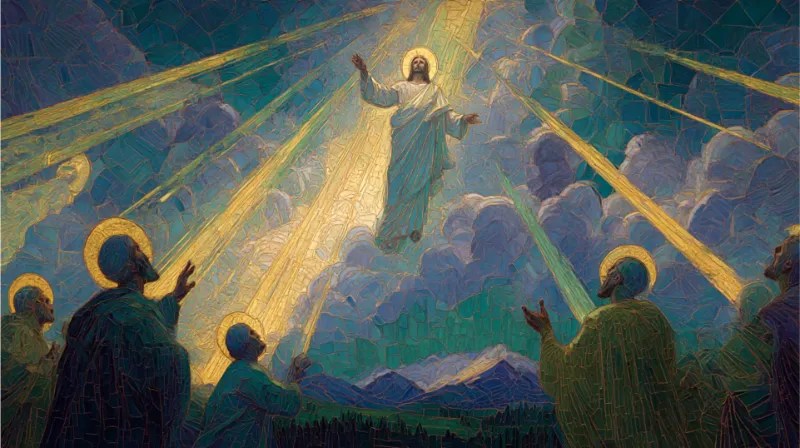
Romans 5:8
“But God demonstrates his own love for us in this: While we were still sinners, Christ died for us.”
Reflection: Paul places Christ’s death “while we were still sinners,” before any change on our side. The love comes first.
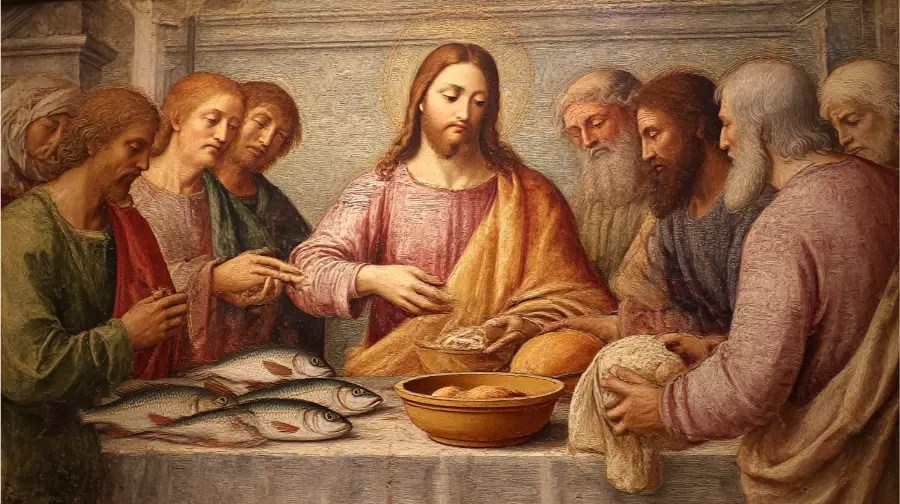
John 3:16
“For God so loved the world that he gave his one and only Son, that whoever believes in him shall not perish but have eternal life.”
Reflection: God’s love is measured by what it gave: his one and only Son.
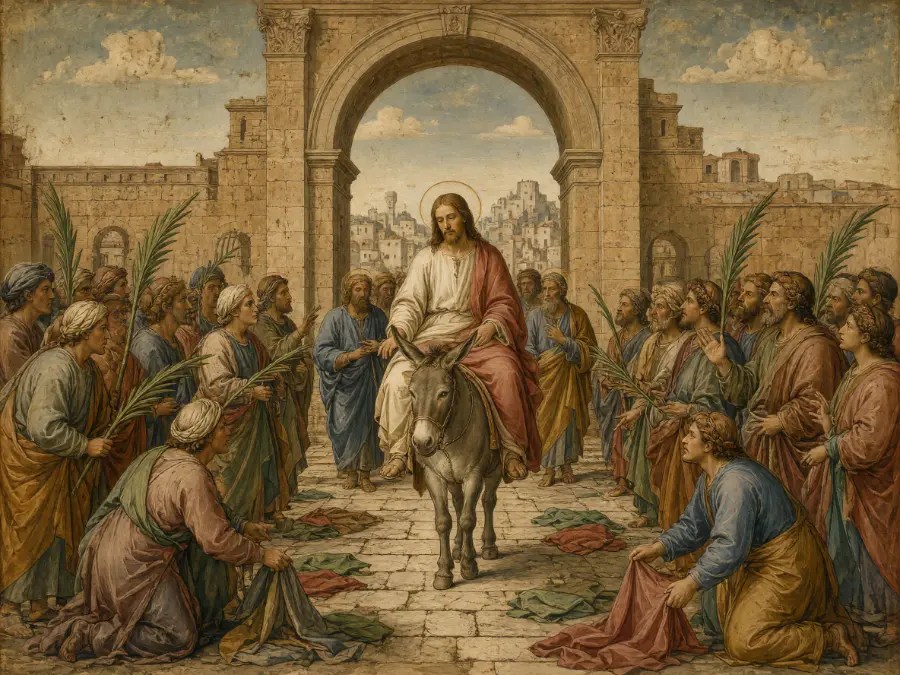
Ephesians 2:8-9
“For it is by grace you have been saved, through faith—and this is not from yourselves, it is the gift of God—not by works, so that no one can boast.”
Reflection: Salvation is described as a gift, received through faith, “so that no one can boast.” The next verse says believers were created “to do good works” (2:10), so the works follow the gift.
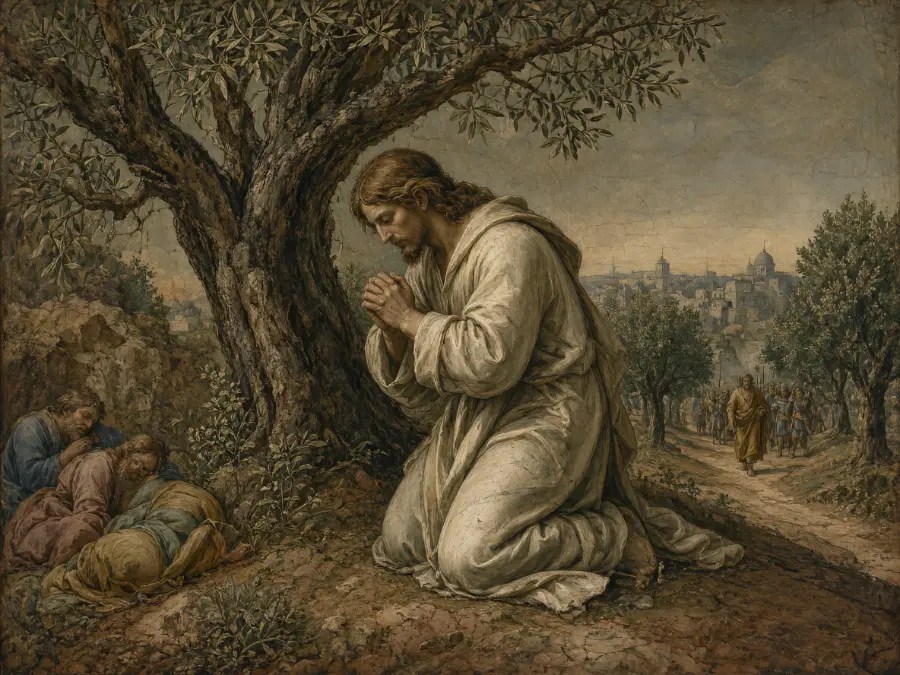
2 Corinthians 5:14-15
“For Christ’s love compels us, because we are convinced that one died for all, and therefore all died. And he died for all, that those who live should no longer live for themselves.”
Reflection: Paul describes a pressure he is under, and he gives the reason for it: Christ died for all, so that those who live should live for him.
What it asks of us
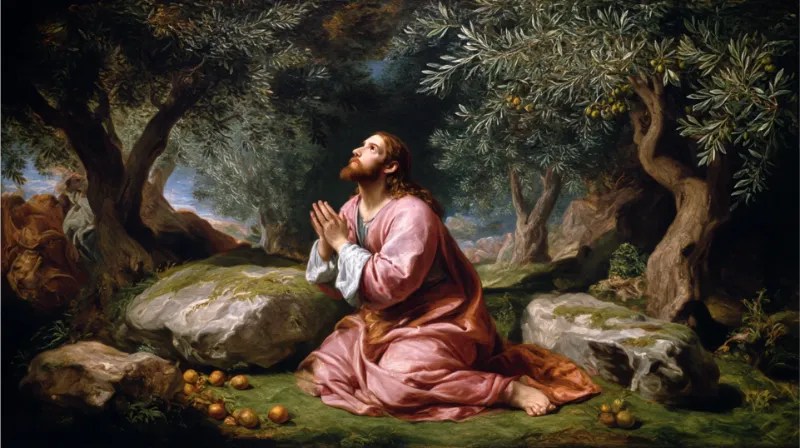
Mark 12:30-31
“Love the Lord your God with all your heart and with all your soul and with all your mind and with all your strength.’ The second is this: ‘Love your neighbor as yourself.’”
Reflection: Asked which commandment is most important, Jesus gives two. Deuteronomy 6:5 lists heart, soul and strength; Mark’s version adds mind.
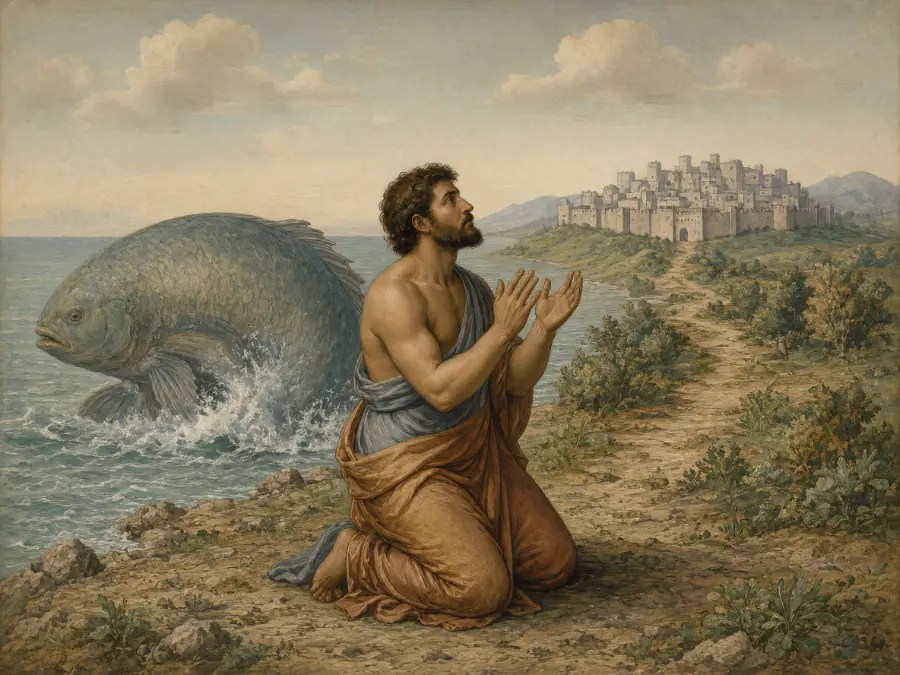
John 14:15
“If you love me, keep my commands.”
Reflection: Jesus ties love and obedience together on the night before his death. In the next verse he promises the Holy Spirit as another advocate (14:16).
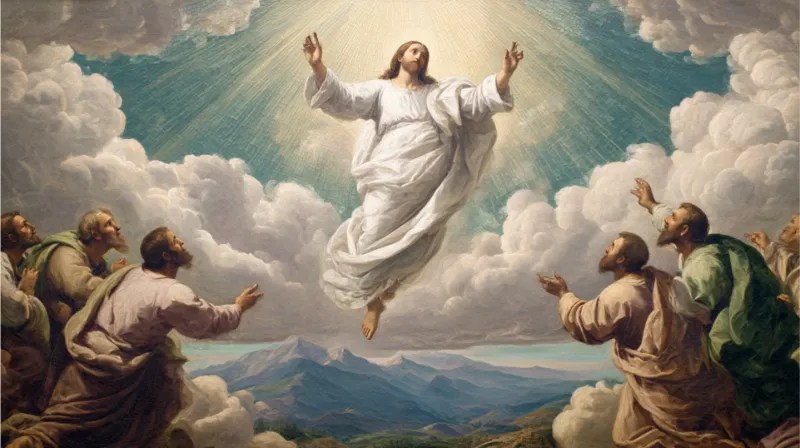
Joshua 24:15
“But if serving the Lord seems undesirable to you, then choose for yourselves this day whom you will serve.”
Reflection: Joshua allows that serving the Lord may seem undesirable and asks the people to choose anyway. When they say they will serve the Lord, he answers, “You are not able to serve the Lord” (24:19), and they choose it a second time (24:21).
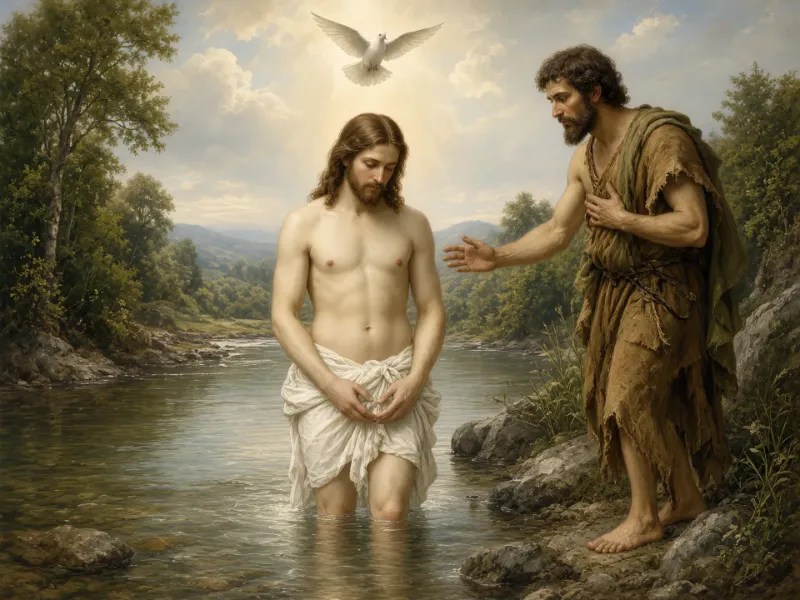
Matthew 5:6
“Blessed are those who hunger and thirst for righteousness, for they will be filled.”
Reflection: Jesus blesses the hunger for righteousness before it has been satisfied. The promise is that such people will be filled.
How the work is meant to be done
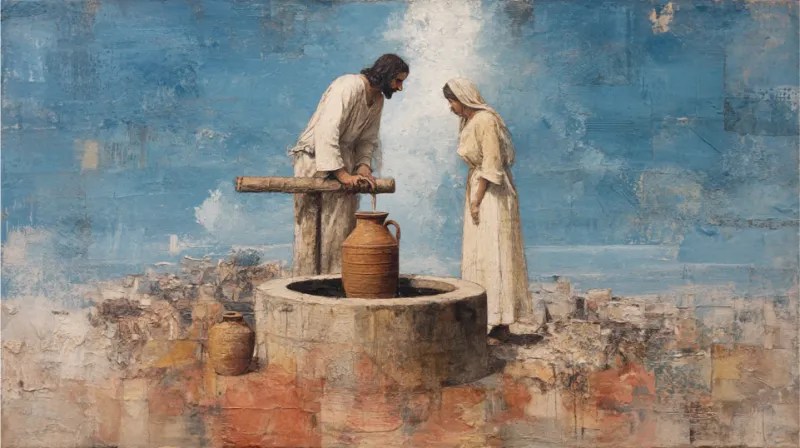
Colossians 3:23-24
“Whatever you do, work at it with all your heart, as working for the Lord, not for human masters, since you know that you will receive an inheritance from the Lord as a reward.”
Reflection: In the verse before, Paul addresses slaves directly (3:22). The instruction to work for the Lord was first given to people whose work was owned by someone else, and the reward he names is an inheritance.

Galatians 5:13
“You, my brothers and sisters, were called to be free. But do not use your freedom to indulge the flesh; rather, serve one another humbly in love.”
Reflection: Paul describes freedom as the calling and then says what it is for: serving one another in love.

1 John 3:16-18
“This is how we know what love is: Jesus Christ laid down his life for us. And we ought to lay down our lives for our brothers and sisters.”
Reflection: John defines love by Christ’s death and draws the obligation from it in the same verse. Verse 17 makes it concrete: seeing a brother or sister in need and having the means to help.

1 Peter 1:15-16
“But just as he who called you is holy, so be holy in all you do; for it is written: ‘Be holy, because I am holy.’”
Reflection: Peter is quoting Leviticus 11:44. The standard for holiness is God’s own character.
What keeps us going
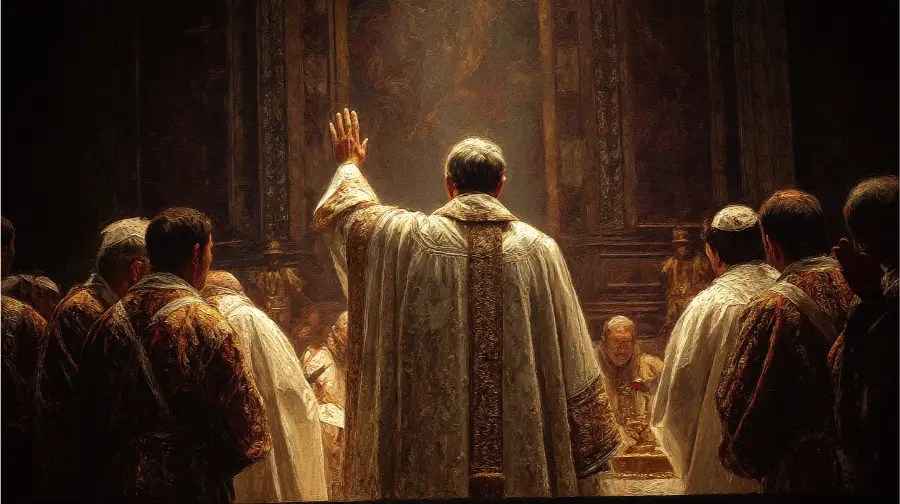
Philippians 4:13
“I can do all this through him who gives me strength.”
Reflection: “All this” refers to what Paul has just described: knowing how to live in need and in plenty, hungry and well fed (4:12). The strength he names is for contentment in both.
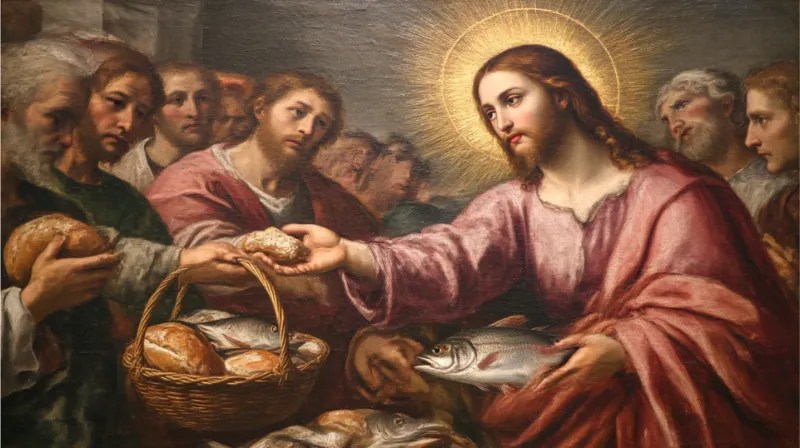
Romans 8:37
“No, in all these things we are more than conquerors through him who loved us.”
Reflection: “All these things” are the hardships Paul has just listed, including famine, nakedness and the sword (8:35). He describes the victory as happening in them.
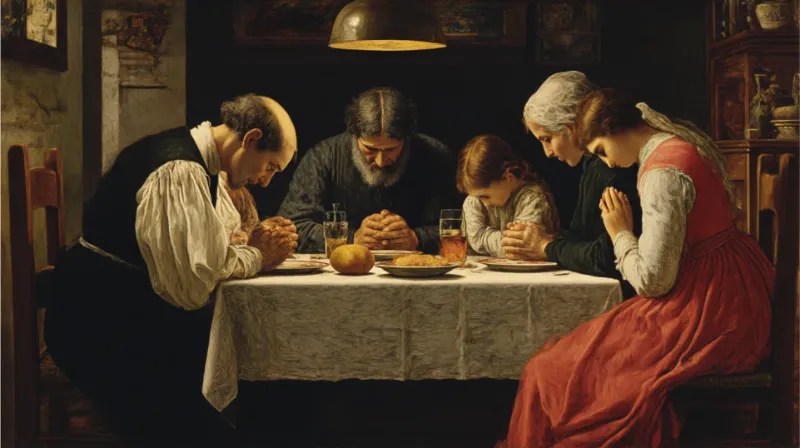
James 1:12
“Blessed is the one who perseveres under trial because, having stood the test, that person will receive the crown of life.”
Reflection: The Greek verb for “perseveres” is built from “under” and “remain.” The blessing is for someone who stays in place under trial, a theme Scripture returns to in its verses about not giving up.

1 Corinthians 15:58
“Therefore, my dear brothers and sisters, stand firm. Let nothing move you. Always give yourselves fully to the work of the Lord, because you know that your labor in the Lord is not in vain.”
Reflection: This is the last verse of Paul’s long argument for the resurrection, and “therefore” points back to it. Because the dead will be raised, work done in the Lord is not in vain.

2 Corinthians 4:16-18
“Therefore we do not lose heart. Though outwardly we are wasting away, yet inwardly we are being renewed day by day.”
Reflection: Paul admits that the body is wasting away and says the inner self is being renewed day by day. He calls present troubles light and momentary compared with the glory ahead (4:17).
What it is all for

Matthew 28:19-20
“Therefore go and make disciples of all nations, baptizing them in the name of the Father and of the Son and of the Holy Spirit.”
Reflection: Jesus gave this commission to the eleven, some of whom had doubted when they saw him (28:17). He adds the promise “I am with you always” (28:20).
1 Thessalonians 5:16-18
“Rejoice always, pray continually, give thanks in all circumstances; for this is God’s will for you in Christ Jesus.”
Reflection: Paul says to give thanks “in all circumstances,” which leaves room to give thanks during a hard season without calling the hardship good.
Revelation 21:4
“He will wipe every tear from their eyes. There will be no more death or mourning or crying or pain, for the old order of things has passed away.”
Reflection: The promise is that God himself will wipe away the tears, and that death, mourning, crying and pain will pass away with “the old order of things.”
Where to start on a flat morning
These passages do not ask anyone to manufacture enthusiasm. Paul’s reason for his work is Christ’s love and his death for all, and the instructions that follow are responses to that.
In practice that suggests an order. Read what God has already done before deciding what to do next. Take the hunger Jesus blesses in Matthew 5:6 as a place to start. Then do the work in front of you as working for the Lord, the instruction Paul first gave to slaves in Colossae.


Leave a Reply