
 English
 Chinese
 Dutch
 Arabic
 Spanish
 Portuguese
 Russian
 French
 Italian
 German
 Japanese
The Bible’s plainest word on not giving up is a promise about timing: good work bears fruit at the proper time, even when nothing can be seen yet. Paul writes it in Galatians 6:9.
Scripture also shows what God did for a prophet who wanted to quit. After the contest on Mount Carmel, Elijah ran from Jezebel, sat down under a broom bush and prayed that he might die. God let him sleep, and an angel woke him twice to eat before he traveled on to Horeb, where the Lord spoke to him in a gentle whisper (1 Kings 19:3-12). The eighteen verses below cover what is promised, strength when your own has gone, words spoken to people close to walking away, work that seems to be going nowhere, and being made new.
What is promised, and when

Galatians 6:9
“Let us not become weary in doing good, for at the proper time we will reap a harvest if we do not give up.”
Reflection: Paul has just said that a person reaps what he sows (6:7-8). The harvest comes “at the proper time,” which he does not name, and the one condition is not giving up.
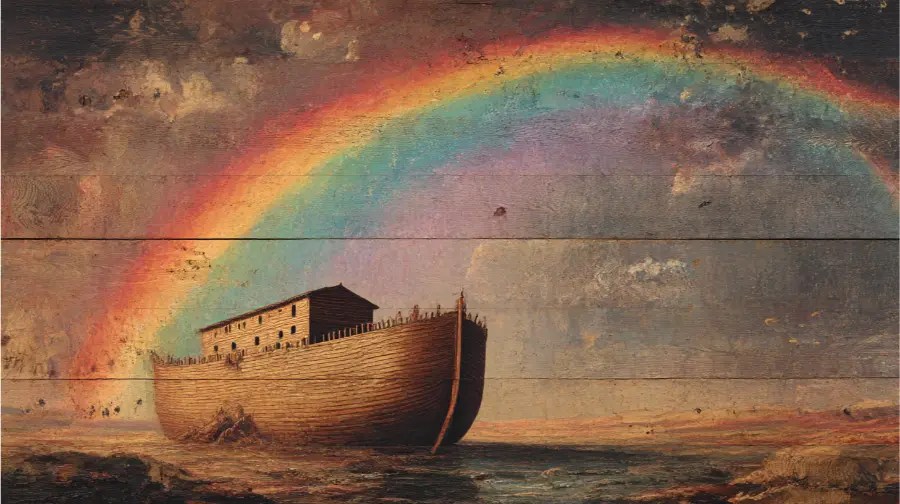
Ecclesiastes 3:1
“There is a time for everything, and a season for every activity under the heavens.”
Reflection: The poem that follows lists fourteen pairs of opposites, from a time to be born and a time to die to a time for war and a time for peace (3:2-8). The Teacher’s point is that God sets the times, and no one can fathom what God has done “from beginning to end” (3:11).
2 Peter 3:9
“The Lord is not slow in keeping his promise, as some understand slowness. Instead he is patient with you, not wanting anyone to perish, but everyone to come to repentance.”
Reflection: Peter is answering scoffers who asked, “Where is this ‘coming’ he promised?” (3:4). His answer is that the delay is patience, so that more people may come to repentance.
James 1:12
“Blessed is the one who perseveres under trial because, having stood the test, that person will receive the crown of life that the Lord has promised to those who love him.”
Reflection: The Greek verb for perseveres, hupomeno, is built from hupo, under, and meno, to remain: it means to stay in place under a load. The crown of life is promised to those who love God.
Strength when your own has gone
2 Corinthians 12:9-10
“But he said to me, ‘My grace is sufficient for you, for my power is made perfect in weakness.’ Therefore I will boast all the more gladly about my weaknesses, so that Christ’s power may rest on me.”
Reflection: Paul had asked the Lord three times to take away his “thorn in the flesh” (12:7-8). The thorn stayed, and this was the answer: grace that is sufficient, and power made perfect in weakness.

Isaiah 40:31
“But those who hope in the LORD will renew their strength. They will soar on wings like eagles; they will run and not grow weary, they will walk and not be faint.”
Reflection: Israel had complained, “My way is hidden from the Lord” (40:27), and this is part of the reply. The promise ends with walking without growing faint, the pace most people keep on an ordinary day.
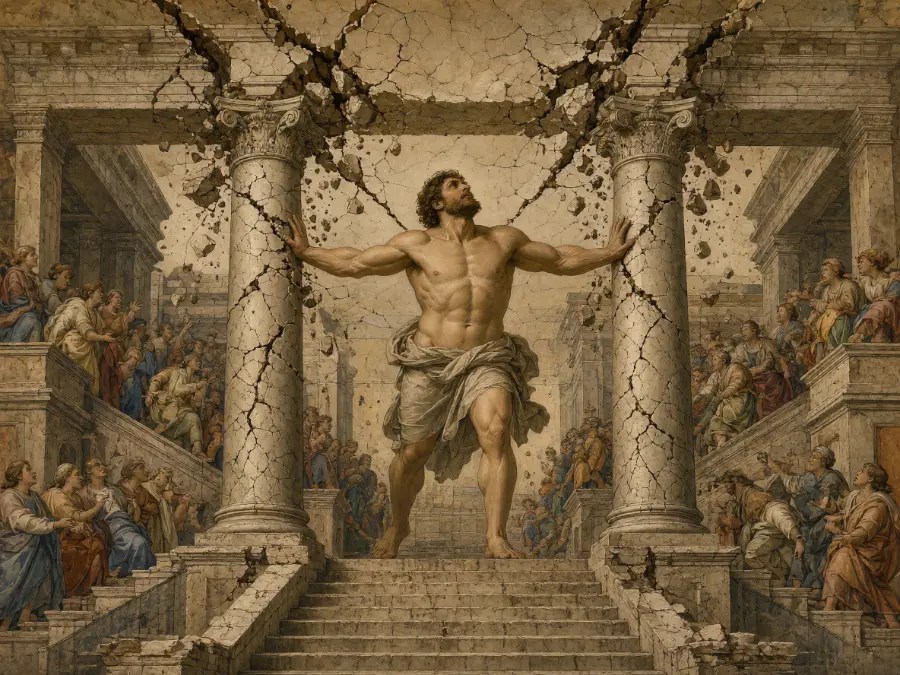
Philippians 4:13
“I can do all this through him who gives me strength.”
Reflection: “All this” refers to what Paul has just described: being content hungry or well fed, in plenty or in want (4:12). The strength he names is the strength to endure both.
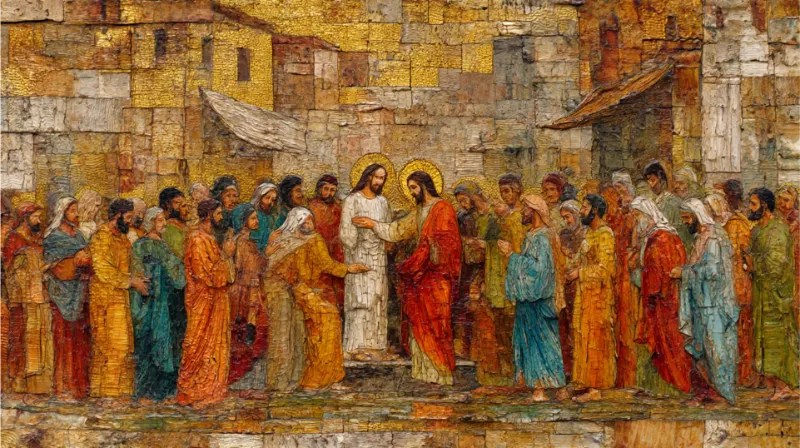
Psalm 46:1
“God is our refuge and strength, an ever-present help in trouble.”
Reflection: Psalm 46 goes on to picture the earth giving way and the mountains falling into the sea (46:2). The help is “ever-present,” available in the trouble itself.
Said to people about to walk away
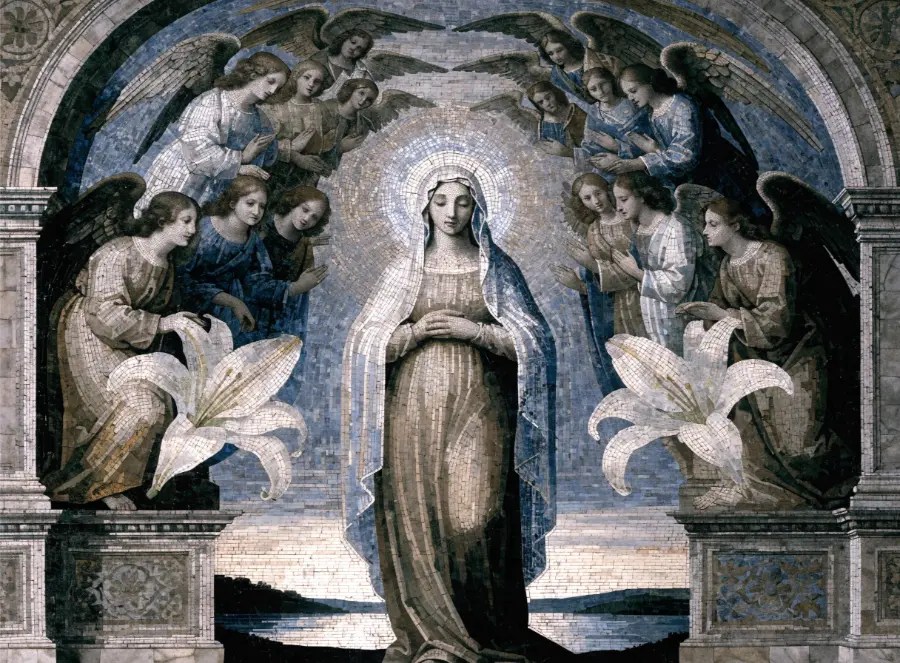
Joshua 1:9
“Have I not commanded you? Be strong and courageous. Do not be afraid; do not be discouraged, for the LORD your God will be with you wherever you go.”
Reflection: Moses had just died (1:1-2), and Joshua was about to lead Israel across the Jordan. God tells him to be strong and courageous three times in this chapter (1:6, 7, 9).
Isaiah 41:10
“So do not fear, for I am with you; do not be dismayed, for I am your God. I will strengthen you and help you; I will uphold you with my righteous right hand.”
Reflection: The commands are “do not fear” and “do not be dismayed,” and every verb after them belongs to God: strengthen, help, uphold.
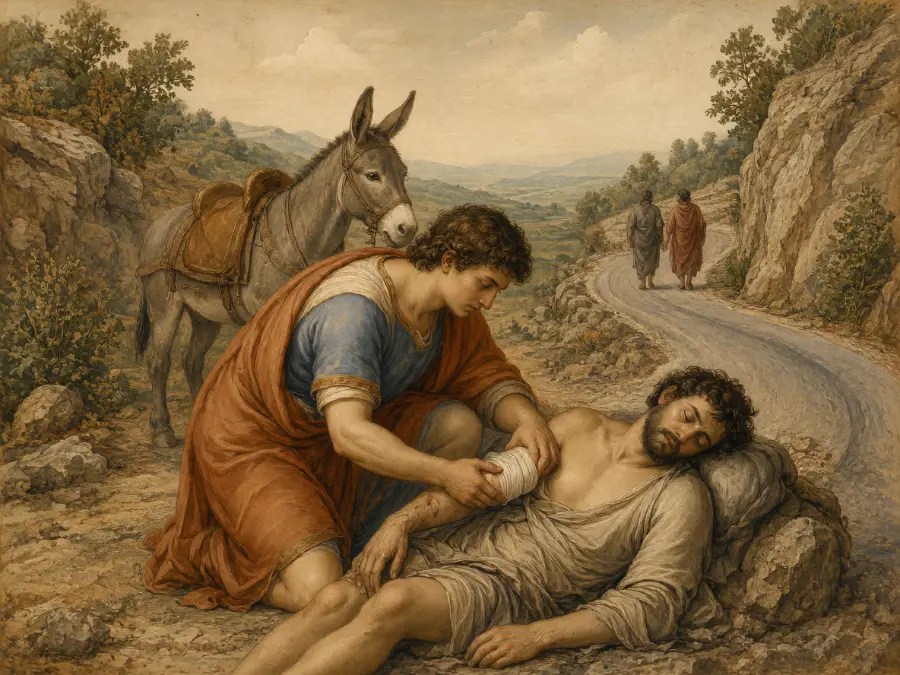
Psalm 31:24
“Be strong and take heart, all you who hope in the LORD.”
Reflection: Earlier in the psalm the writer says, “I am forgotten as though I were dead; I have become like broken pottery” (31:12). He ends with this call to everyone who hopes in the Lord.
For the work that seems to be going nowhere
1 Corinthians 15:58
“Therefore, my dear brothers and sisters, stand firm. Let nothing move you. Always give yourselves fully to the work of the Lord, because you know that your labor in the Lord is not in vain.”
Reflection: This is the closing line of Paul’s long argument about the resurrection. Because the dead will be raised, work done for the Lord is “not in vain,” and so believers are to stand firm.
Matthew 24:13
“But the one who stands firm to the end will be saved.”
Reflection: Jesus says this on the Mount of Olives (24:3), in a passage about wars, persecution and false prophets (24:6-11). Standing firm “to the end” describes endurance over a long time.
Galatians 6:2
“Carry each other’s burdens, and in this way you will fulfill the law of Christ.”
Reflection: Paul writes this seven verses before the promise of a harvest in 6:9. The instruction to keep going comes with an instruction to help others carry their load.
Being made new while it lasts
Ephesians 4:23-24
“To be made new in the attitude of your minds; and to put on the new self, created to be like God in true righteousness and holiness.”
Reflection: Being made new is something done to a person, and putting on the new self is something a person does. Paul puts both in the same sentence.
Colossians 3:10
“And have put on the new self, which is being renewed in knowledge in the image of its Creator.”
Reflection: The verb is in the present tense: the new self “is being renewed.” Paul describes a process still under way.
Philippians 3:13-14
“Brothers and sisters, I do not consider myself yet to have taken hold of it. But one thing I do: Forgetting what is behind and straining toward what is ahead, I press on toward the goal.”
Reflection: Paul says he has not yet taken hold of the goal. His method is to forget what is behind and press on, and just before this he counts his former gains as loss for the sake of Christ (3:7).
1 Corinthians 13:7
“It always protects, always trusts, always hopes, always perseveres.”
Reflection: Paul lists perseverance as something love does. The Greek verb is hupomeno, the same one James uses for the person who perseveres under trial (James 1:12).
If you are close to stopping
God’s first response to Elijah was sleep and food, twice, and only then a journey and a conversation (1 Kings 19:5-9). If you are exhausted, rest and eating are part of the answer.
The rest of these verses are steady rather than dramatic: the harvest comes at a time no one announces in advance, Isaiah’s promise ends with walking, and Paul expects believers to carry one another’s burdens. If you need words to pray, there are prayers for strength.


Leave a Reply