
 English
 Chinese
 Dutch
 Arabic
 Spanish
 Portuguese
 Russian
 French
 Italian
 German
 Japanese
The Bible counts the beauty of the natural world among God’s works. The trees of Eden are “pleasing to the eye” (Genesis 2:9), and Jesus says not even Solomon was dressed like the wild flowers (Matthew 6:29). At the end of the sixth day God sees all he has made and finds it “very good” (Genesis 1:31).
The psalms and Job praise the sky, sea, mountains and animals as the work of their maker (Psalm 19:1, Psalm 104:24, Job 38:4-7). Jesus points his hearers to the birds and wild flowers (Matthew 6:26-29), Paul looks ahead to a creation set free from decay (Romans 8:19-21), and John sees the river and tree of life in the new city (Revelation 22:1-2).
God’s verdict on what he made, and the psalmist’s praise
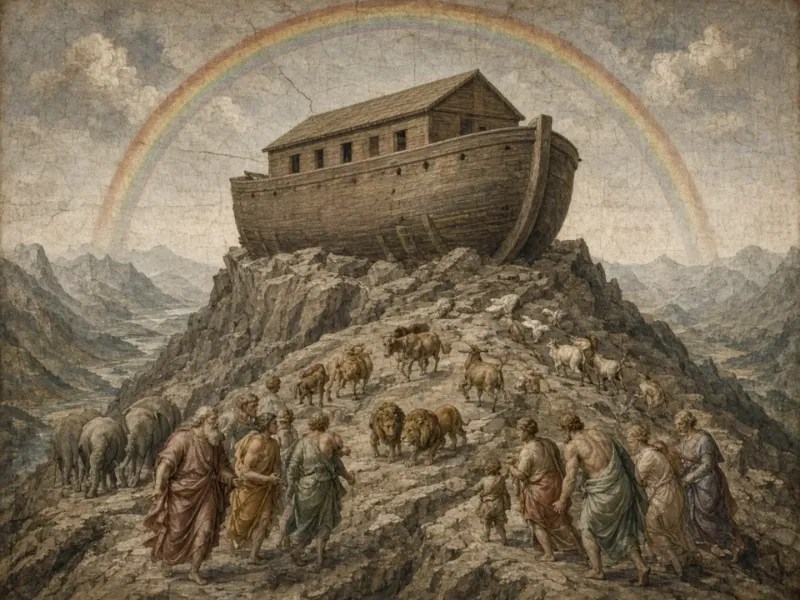
Genesis 1:31
“God saw all that he had made, and it was very good. And there was evening, and there was morning—the sixth day.”
Reflection: Earlier in the chapter God looks at single parts of the world, the land and seas, the plants and trees, the animals, and each time “God saw that it was good” (Genesis 1:10, 12, 25). Here, at the end of the sixth day, the verdict covers “all that he had made” and is raised to “very good”.
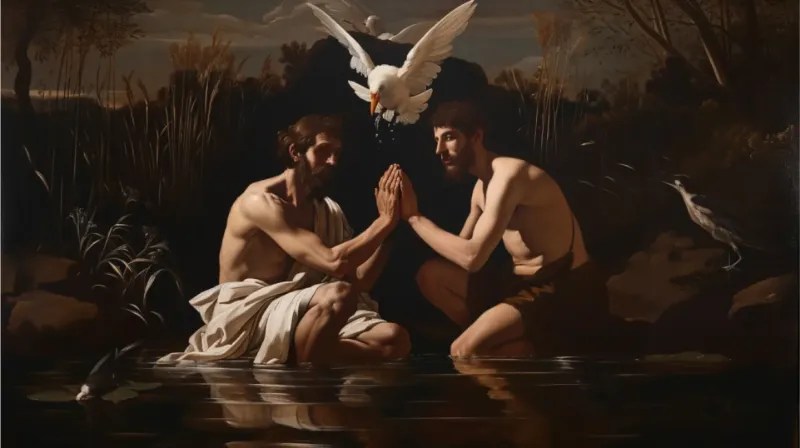
Genesis 2:9
“The Lord God made all kinds of trees grow out of the ground—trees that were pleasing to the eye and good for food. In the middle of the garden were the tree of life and the tree of the knowledge of good and evil.”
Reflection: In Genesis 2, God plants a garden in Eden and fills it with trees that are both “pleasing to the eye” and “good for food”. The verse describes the trees as both beautiful and useful. The tree of life planted in the middle of the garden appears again in Revelation 22:2, beside the river of the new city.
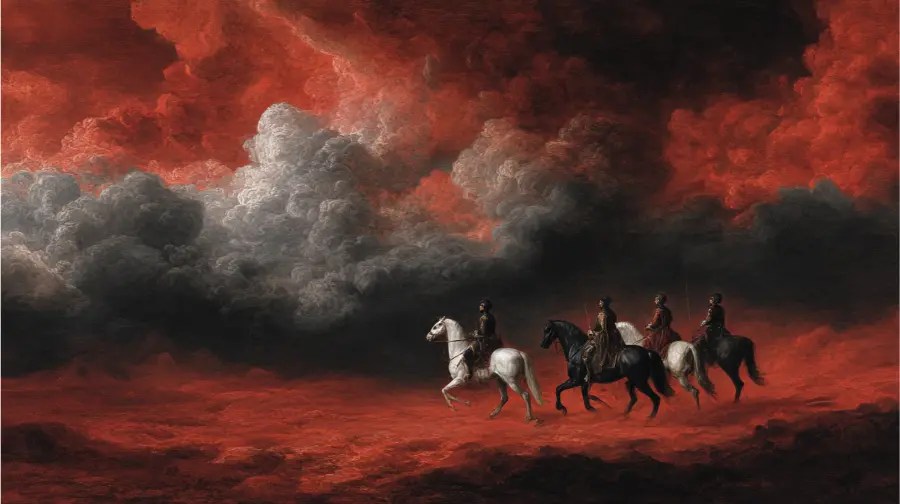
Psalm 104:24
“How many are your works, Lord! In wisdom you made them all; the earth is full of your creatures.”
Reflection: Psalm 104 surveys the world in detail before this exclamation: springs running between the mountains, birds singing in the branches, cedars of Lebanon, wild goats on the high mountains, lions roaring for prey. The verse credits all of it to God’s wisdom, and the next lines turn to the sea “teeming with creatures beyond number”, including Leviathan, “which you formed to frolic there”. Near the end the psalmist asks that “the Lord rejoice in his works” (verse 31).
The sky by day and by night
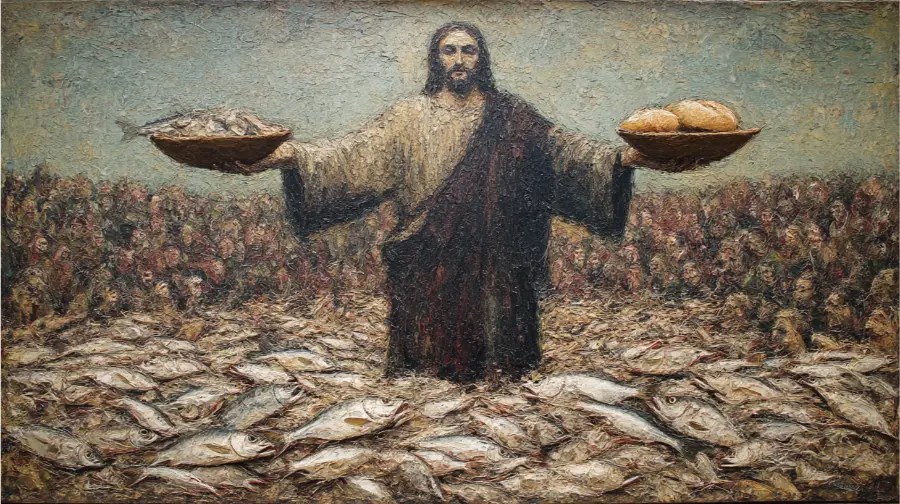
Psalm 19:1
“The heavens declare the glory of God; the skies proclaim the work of his hands.”
Reflection: David’s psalm describes what can be seen overhead. By day the sun crosses the heavens “like a bridegroom coming out of his chamber, like a champion rejoicing to run his course”, and “nothing is deprived of its warmth” (verses 5-6). Day and night the sky speaks without words: “They have no speech, they use no words; no sound is heard from them. Yet their voice goes out into all the earth” (verses 3-4). At verse 7 the psalm turns from the sky to “the law of the Lord”.
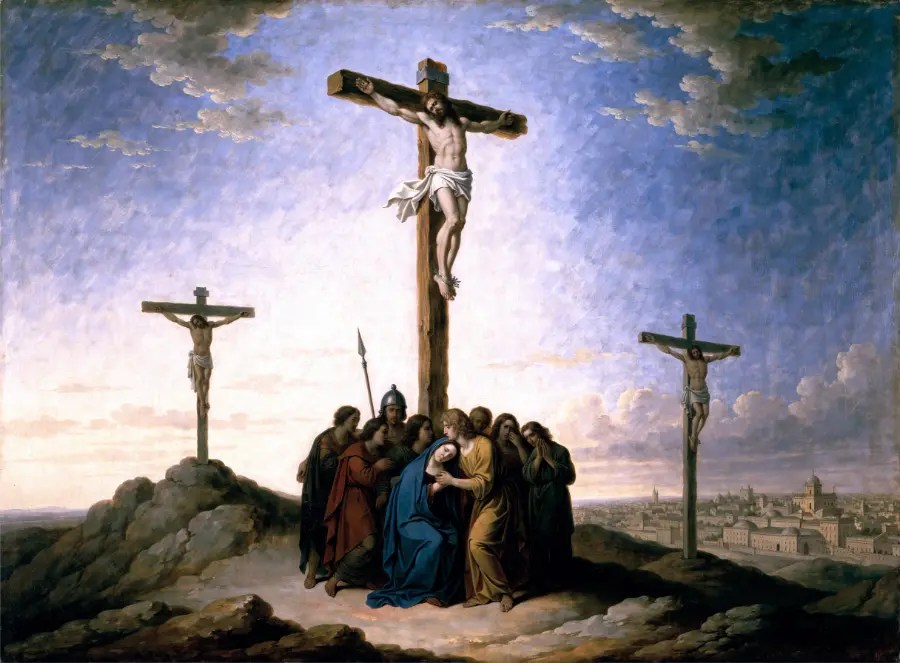
Psalm 8:3-4
“When I consider your heavens, the work of your fingers, the moon and the stars, which you have set in place, what is mankind that you are mindful of them, human beings that you care for them?”
Reflection: David describes looking up at the night sky: “your heavens, the work of your fingers, the moon and the stars, which you have set in place”. The sight makes him ask why God pays attention to human beings at all, and the psalm answers that God has “crowned them with glory and honor”. It opens and closes with the same line: “Lord, our Lord, how majestic is your name in all the earth!”

Isaiah 40:26
“Lift up your eyes and look to the heavens: Who created all these? He who brings out the starry host one by one and calls forth each of them by name. Because of his great power and mighty strength, not one of them is missing.”
Reflection: The verse tells its hearers to look up: “Lift up your eyes and look to the heavens.” God brings out the stars “one by one”, calls each by name, and “not one of them is missing”. The verse follows God’s question “To whom will you compare me?” (verse 25), and the next verse turns to Israel’s complaint, “My way is hidden from the Lord; my cause is disregarded by my God”.
The earth, the sea and the storm
Job 38:4-7
“Where were you when I laid the earth’s foundation? Tell me, if you understand. Who marked off its dimensions? Surely you know! Who stretched a measuring line across it? On what were its footings set, or who laid its cornerstone—while the morning stars sang together and all the angels shouted for joy?”
Reflection: God answers Job “out of the storm” with a run of questions about the making of the world. The earth is pictured as a building with foundations, measurements and a cornerstone, laid while “the morning stars sang together and all the angels shouted for joy”. The following verses describe God setting the sea’s limits: “This far you may come and no farther; here is where your proud waves halt.”
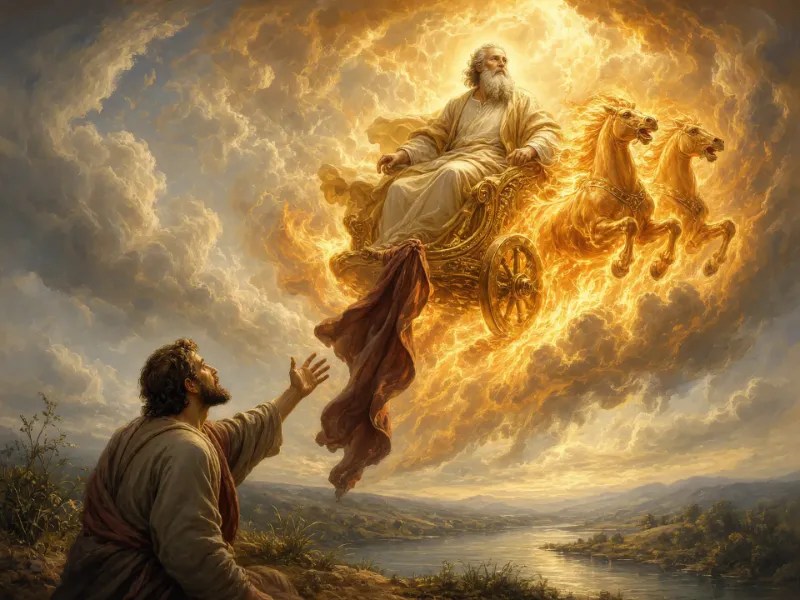
Psalm 29:3-4
“The voice of the Lord is over the waters; the God of glory thunders, the Lord thunders over the mighty waters. The voice of the Lord is powerful; the voice of the Lord is majestic.”
Reflection: In this psalm of David a thunderstorm is “the voice of the Lord”. It breaks the cedars of Lebanon, shakes the Desert of Kadesh and strips the forests bare, and “in his temple all cry, ‘Glory!’” (verse 9). The psalm ends with the Lord enthroned over the flood, giving strength and peace to his people.
Psalm 95:3-5
“For the Lord is the great God, the great King above all gods. In his hand are the depths of the earth, and the mountain peaks belong to him. The sea is his, for he made it, and his hands formed the dry land.”
Reflection: These verses give the reason for the call to worship that opens the psalm: the depths of the earth, the mountain peaks, the sea and the dry land are all God’s because he made them. The psalm then calls the worshippers to kneel “before the Lord our Maker” and names them “the people of his pasture, the flock under his care”.
What Jesus taught from birds and flowers
Matthew 6:26
“Look at the birds of the air; they do not sow or reap or store away in barns, and yet your heavenly Father feeds them. Are you not much more valuable than they?”
Reflection: In the Sermon on the Mount, Jesus tells his hearers not to worry about what they will eat. Birds do no farming, and “your heavenly Father feeds them”. The question that follows, “Are you not much more valuable than they?”, argues from God’s care for the birds to his care for people.
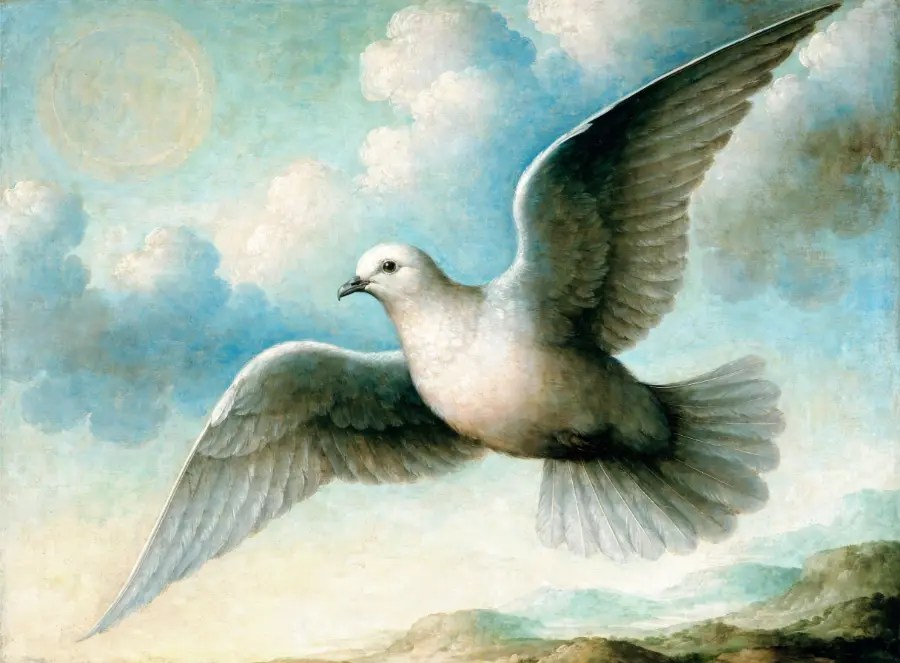
Matthew 6:28-29
“And why do you worry about clothes? See how the flowers of the field grow. They do not labor or spin. Yet I tell you that not even Solomon in all his splendor was dressed like one of these.”
Reflection: Jesus says that Solomon “in all his splendor” was not dressed like one of the wild flowers. The next verse calls them “the grass of the field, which is here today and tomorrow is thrown into the fire”. If God gives such short-lived plants that beauty, Jesus argues, “will he not much more clothe you”?
Creation praising, waiting and made new
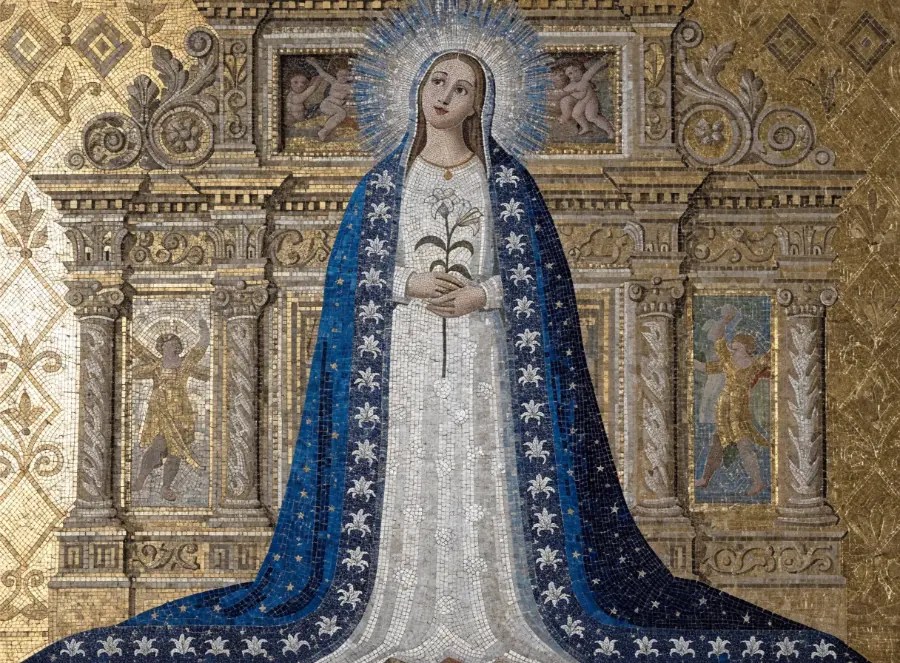
Psalm 96:11-12
“Let the heavens rejoice, let the earth be glad; let the sea resound, and all that is in it. Let the fields be jubilant, and everything in them; let all the trees of the forest sing for joy.”
Reflection: The psalm calls on the heavens, earth, sea, fields and trees to rejoice, and verse 13 gives the reason: “for he comes, he comes to judge the earth” and will judge “in righteousness”.
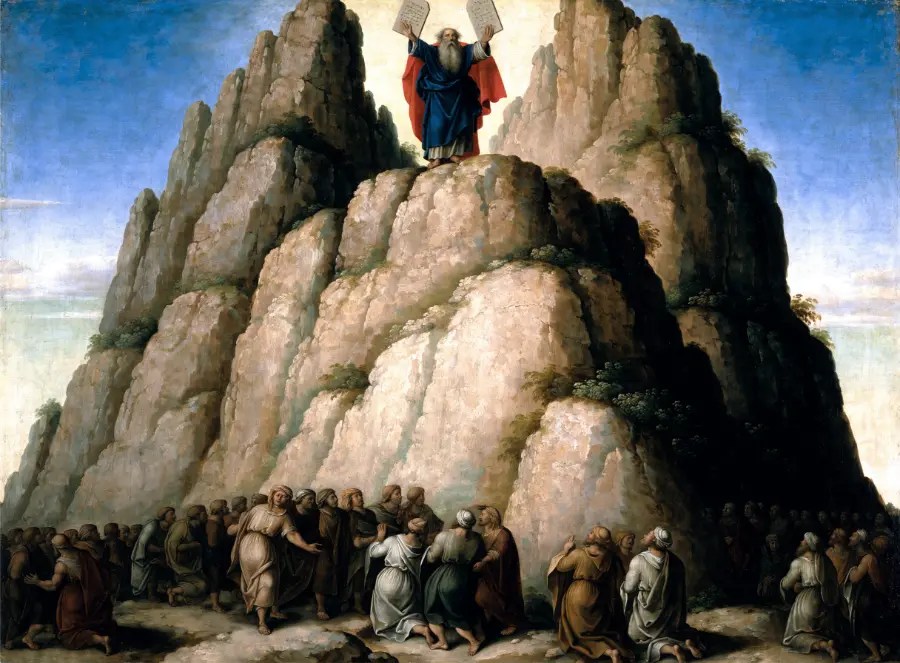
Isaiah 55:12
“You will go out in joy and be led forth in peace; the mountains and hills will burst into song before you, and all the trees of the field will clap their hands.”
Reflection: This promise follows the comparison of God’s word with rain and snow that water the earth and make it “bud and flourish” (verse 10). The people go out in joy while mountains sing and trees clap their hands. Verse 13 adds that juniper will grow in place of thornbush and myrtle in place of briers, as “an everlasting sign” for the Lord’s renown.
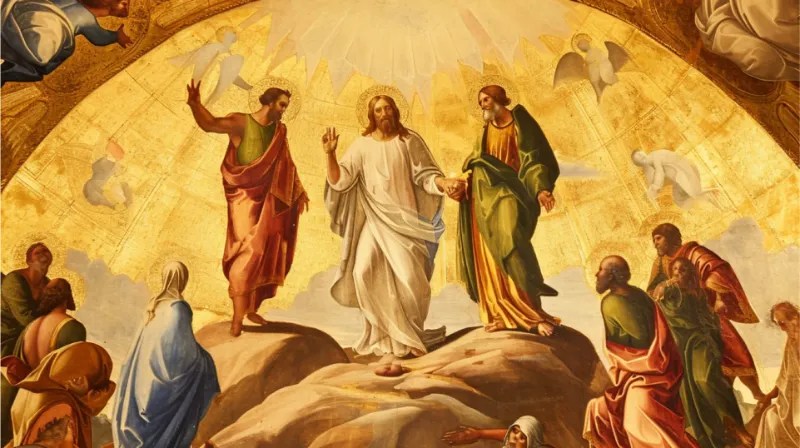
Romans 8:19-21
“For the creation waits in eager expectation for the children of God to be revealed. For the creation was subjected to frustration, not by its own choice, but by the will of the one who subjected it, in hope that the creation itself will be liberated from its bondage to decay and brought into the freedom and glory of the children of God.”
Reflection: Paul writes that creation was “subjected to frustration” and is in “bondage to decay”, and that it waits for release into “the freedom and glory of the children of God”. Verse 22 describes the whole creation “groaning as in the pains of childbirth”, and verse 23 says believers groan the same way as they wait for “the redemption of our bodies”.
Revelation 22:1-2
“Then the angel showed me the river of the water of life, as clear as crystal, flowing from the throne of God and of the Lamb down the middle of the great street of the city. On each side of the river stood the tree of life, bearing twelve crops of fruit, yielding its fruit every month. And the leaves of the tree are for the healing of the nations.”
Reflection: John’s vision of the new Jerusalem has a river “as clear as crystal” running through the middle of the city and the tree of life on both banks, bearing fruit every month. The tree first appears in the garden of Genesis 2:9. Verse 3 adds, “No longer will there be any curse.”


Leave a Reply