
 English
 Chinese
 Dutch
 Arabic
 Spanish
 Portuguese
 Russian
 French
 Italian
 German
 Japanese
The Bible treats nature as God’s work and God’s property, placed in human care. “The earth is the Lord’s” (Psalm 24:1), “the land is mine” (Leviticus 25:23), and the man is put in Eden “to work it and keep it” (Genesis 2:15).
Two laws protect particular parts of it: a Sabbath year of rest for fields and vineyards (Leviticus 25:4) and a ban on cutting down fruit trees during a siege (Deuteronomy 20:19). Psalm 104 and Job 12 describe God feeding and sustaining what he made, and Romans 8:19-21 and Revelation 21:1 look ahead to a creation set free and made new.
Who the earth belongs to
Psalm 24:1-2
“The earth is the Lord’s and the fullness thereof, the world and those who dwell therein, for he has founded it upon the seas and established it upon the rivers.”
Reflection: David’s psalm names two things as the Lord’s: the earth with everything in it, and the people who live on it. The reason comes in the second line, introduced by “for”: he founded the earth upon the seas and established it upon the rivers.
Leviticus 25:23-24
“The land shall not be sold in perpetuity, for the land is mine. For you are strangers and sojourners with me. And in all the country you possess, you shall allow a redemption of the land.”
Reflection: The Lord gives these laws to Moses on Mount Sinai (Leviticus 25:1). Land in Israel cannot be sold outright, because “the land is mine,” and the Israelites hold it as “strangers and sojourners” with God. The verses that follow explain the redemption: a relative may buy back what a poor man sold, and in the year of jubilee the property returns to him (Leviticus 25:25-28).
Psalm 115:16
“The heavens are the Lord’s heavens, but the earth he has given to the children of man.”
Reflection: Psalm 115 sets the God who “is in the heavens” and “does all that he pleases” against idols of silver and gold, “the work of human hands” (Psalm 115:3-4). Verse 16 divides the world between the Lord and humanity: the heavens stay his own, and the earth is given to the children of man. The next line turns to the dead, who “do not praise the Lord” (Psalm 115:17).
Colossians 1:16-17
“For by him all things were created, in heaven and on earth, visible and invisible, whether thrones or dominions or rulers or authorities—all things were created through him and for him. And he is before all things, and in him all things hold together.”
Reflection: Paul is describing Christ, “the image of the invisible God, the firstborn of all creation” (Colossians 1:15). Everything visible and invisible was created by him, through him and for him, and “in him all things hold together.” Three verses later the same scope returns: through him God reconciles to himself “all things, whether on earth or in heaven” (Colossians 1:20).
The work given to people
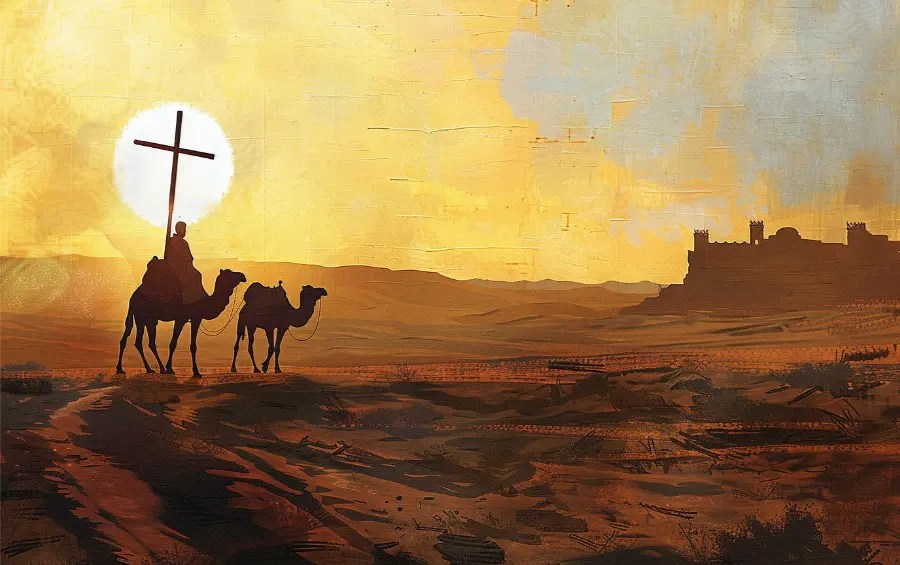
Genesis 1:28
“And God blessed them. And God said to them, ‘Be fruitful and multiply and fill the earth and subdue it, and have dominion over the fish of the sea and over the birds of the heavens and over every living thing that moves on the earth.’”
Reflection: God blesses the man and woman he has just made in his image and tells them to fill the earth, subdue it, and have dominion over the fish, the birds and every living thing. The next verses give plants for food to people and to every beast and bird (Genesis 1:29-30), and the chapter ends with God seeing everything he had made as “very good” (Genesis 1:31). The verse does not say how dominion is to be exercised.
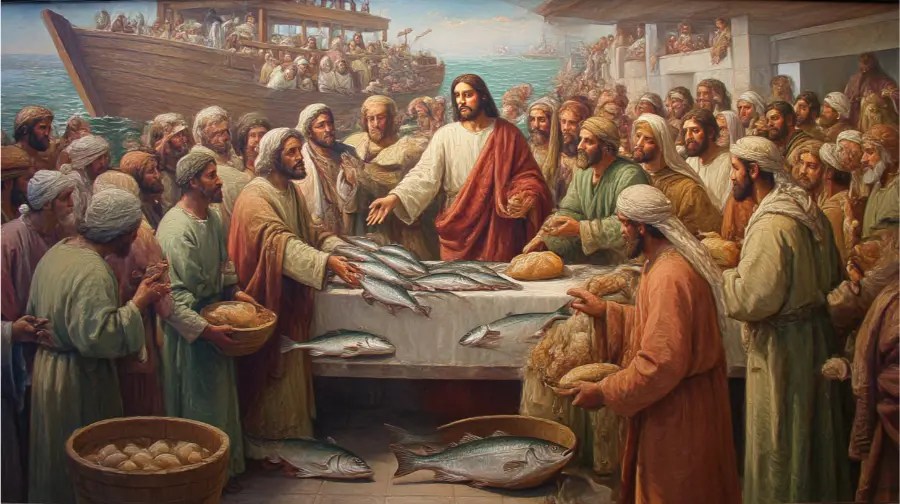
Genesis 2:15
“The Lord God took the man and put him in the garden of Eden to work it and keep it.”
Reflection: The garden is one God planted, with trees “pleasant to the sight and good for food” (Genesis 2:8-9). The man is placed there to abad it, to work or serve, and to shamar it, to keep or guard. After the disobedience in Genesis 3, the ground is cursed and brings forth thorns and thistles (Genesis 3:17-18), and the man is sent out “to work the ground from which he was taken” (Genesis 3:23).
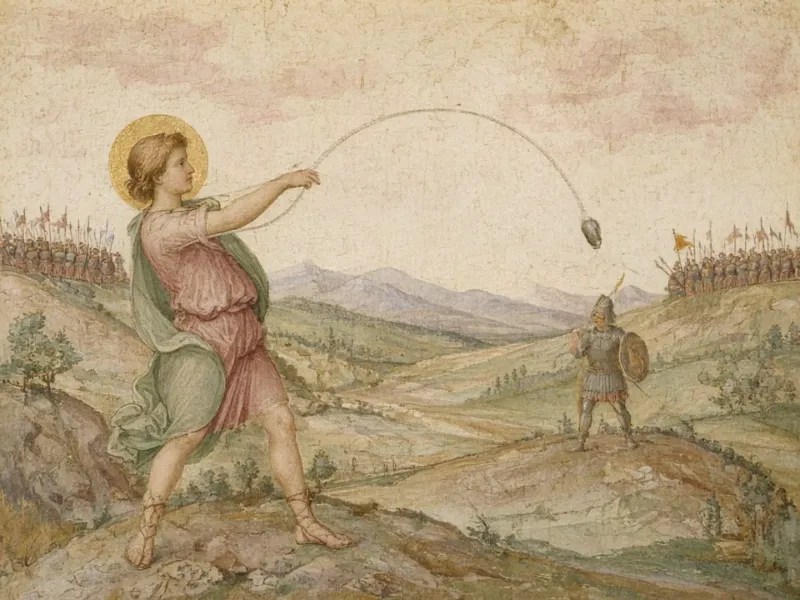
Leviticus 25:4
“But in the seventh year there shall be a Sabbath of solemn rest for the land, a Sabbath to the Lord. You shall not sow your field or prune your vineyard.”
Reflection: Every seventh year the fields are not sown and the vineyards are not pruned, and the law calls this year “a Sabbath to the Lord.” What the land yields that year is food for the owner, his slaves, hired workers, sojourners, cattle “and for the wild animals that are in your land” (Leviticus 25:6-7).
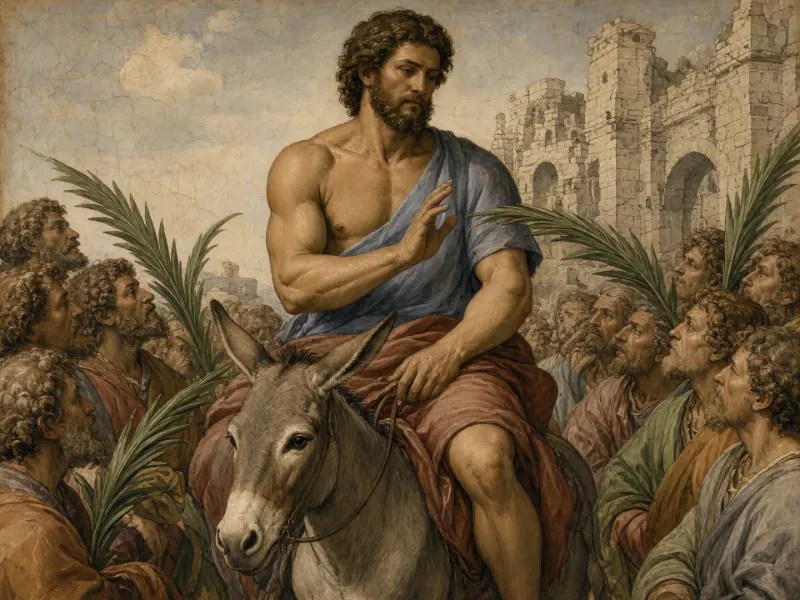
Deuteronomy 20:19
“When you besiege a city for a long time, making war against it in order to take it, you shall not destroy its trees by wielding an axe against them. You may eat from them, but you shall not cut them down. Are the trees in the field human, that they should be besieged by you?”
Reflection: This is a law of war. An army besieging a city may eat from the trees around it but may not cut them down, and the law gives its reason as a question: “Are the trees in the field human, that they should be besieged by you?” Verse 20 allows trees that do not bear food to be cut for siegeworks.
God’s care for what he made
Psalm 104:14-15
“You cause the grass to grow for the livestock and plants for man to cultivate, that he may bring forth food from the earth and wine to gladden the heart of man, oil to make his face shine and bread to strengthen man’s heart.”
Reflection: Psalm 104 opens “Bless the Lord, O my soul!” and goes through the springs, trees, mountains, animals and sea. The verses just before these have springs that “give drink to every beast of the field” and birds that “sing among the branches” (Psalm 104:11-12). Here the same watering produces grass for livestock and crops for people, and the psalm names what comes from them: food, wine, oil and bread.
Psalm 104:24
“O Lord, how manifold are your works! In wisdom have you made them all; the earth is full of your creatures.”
Reflection: The exclamation comes after lions hunting by night and people going out to work by day (Psalm 104:21-23). The following verses turn to the sea, full of “creatures innumerable” and Leviathan, “which you formed to play in it” (Psalm 104:25-26). All of them “look to you, to give them their food in due season” (Psalm 104:27), and when God sends forth his Spirit, “you renew the face of the ground” (Psalm 104:30).
Deuteronomy 11:14-15
“He will give the rain for your land in its season, the early rain and the later rain, that you may gather in your grain and your wine and your oil. And he will give grass in your fields for your livestock, and you shall eat and be full.”
Reflection: Moses makes the rain conditional: it comes “if you will indeed obey my commandments” and love the Lord (Deuteronomy 11:13). The early and later rain bring grain, wine, oil and grass for the livestock. Verse 17 states the reverse: if Israel serves other gods, the Lord “will shut up the heavens, so that there will be no rain, and the land will yield no fruit.”
Matthew 6:26
“Look at the birds of the air: they neither sow nor reap nor gather into barns, and yet your heavenly Father feeds them. Are you not of more value than they?”
Reflection: Jesus is speaking about anxiety over food and clothing (Matthew 6:25). The birds do not sow, reap or store, yet the Father feeds them, and the argument runs from them to the listener: “Are you not of more value than they?” His next example is the lilies of the field and the grass, “which today is alive and tomorrow is thrown into the oven” (Matthew 6:28-30).
Job 12:7-10
“But ask the beasts, and they will teach you; the birds of the heavens, and they will tell you; or the bushes of the earth, and they will teach you; and the fish of the sea will declare to you. Who among all these does not know that the hand of the Lord has done this? In his hand is the life of every living thing and the breath of all mankind.”
Reflection: Job is answering his friends, whose wisdom he mocks: “No doubt you are the people, and wisdom will die with you” (Job 12:2). He sends them to the beasts, the birds, the bushes and the fish, all of which know “that the hand of the Lord has done this.” Verse 10 puts every living thing and every human breath in that same hand.
What creation says about God
Psalm 19:1
“The heavens declare the glory of God, and the sky above proclaims his handiwork.”
Reflection: The next lines carry the image on through day and night: “Day to day pours out speech, and night to night reveals knowledge,” and their voice “goes out through all the earth” (Psalm 19:2-4). The psalm then moves from the heavens to Scripture, “The law of the Lord is perfect, reviving the soul” (Psalm 19:7).
Romans 1:20
“For his invisible attributes, namely, his eternal power and divine nature, have been clearly perceived, ever since the creation of the world, in the things that have been made. So they are without excuse.”
Reflection: Paul says God’s eternal power and divine nature have been “clearly perceived” in the things he made since the creation of the world. His point is accountability: “So they are without excuse,” because although people knew God, “they did not honor him as God or give thanks to him” (Romans 1:21). The verse sits under the heading of God’s wrath against those “who by their unrighteousness suppress the truth” (Romans 1:18).
Psalm 148:7-10
“Praise the Lord from the earth, you great sea creatures and all deeps, fire and hail, snow and mist, stormy wind fulfilling his word! Mountains and all hills, fruit trees and all cedars! Beasts and all livestock, creeping things and flying birds!”
Reflection: The psalm first calls on the heavens, the angels, the sun, moon and stars (Psalm 148:1-4), and gives the reason: “he commanded and they were created” (Psalm 148:5). The call then turns to the earth: sea creatures, weather, mountains, fruit trees, cedars, livestock and birds. Kings, princes, young and old come after them (Psalm 148:11-12), in the same list.
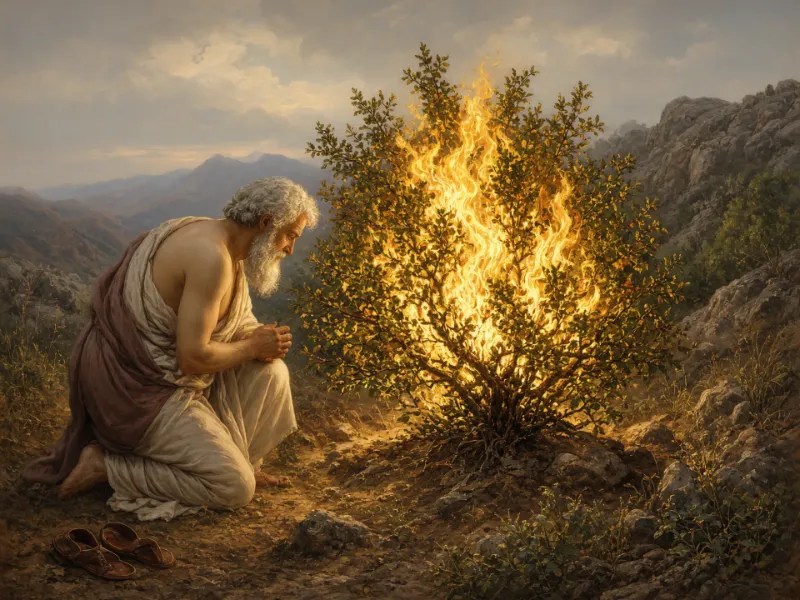
Revelation 5:13
“And I heard every creature in heaven and on earth and under the earth and in the sea, and all that is in them, saying, ‘To him who sits on the throne and to the Lamb be blessing and honor and glory and might forever and ever!’”
Reflection: In John’s vision the Lamb has taken the scroll, and myriads of angels have said with a loud voice, “Worthy is the Lamb who was slain” (Revelation 5:7-12). Then every creature in heaven, on earth, under the earth and in the sea joins in praise of the one on the throne and the Lamb. The four living creatures answer “Amen!” (Revelation 5:14).
Creation waiting to be renewed
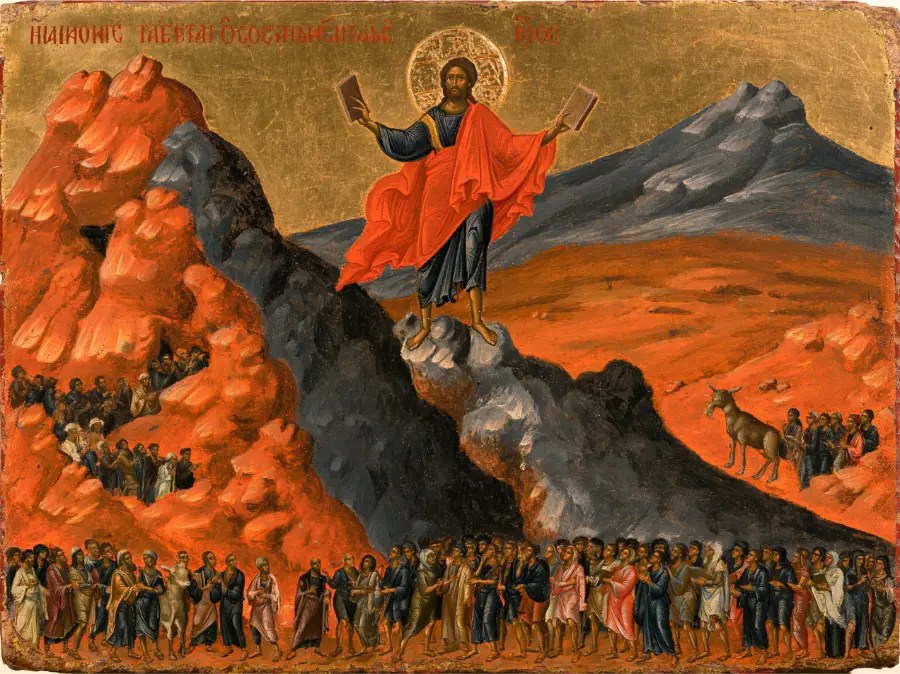
Psalm 96:11-12
“Let the heavens be glad, and let the earth rejoice; let the sea roar, and all that fills it; let the field exult, and everything in it! Then shall all the trees of the forest sing for joy.”
Reflection: The heavens, earth, sea, fields and trees rejoice “before the Lord, for he comes, for he comes to judge the earth” (Psalm 96:13). The call begins in verse 10 with a message for the nations: “The Lord reigns! Yes, the world is established; it shall never be moved.”
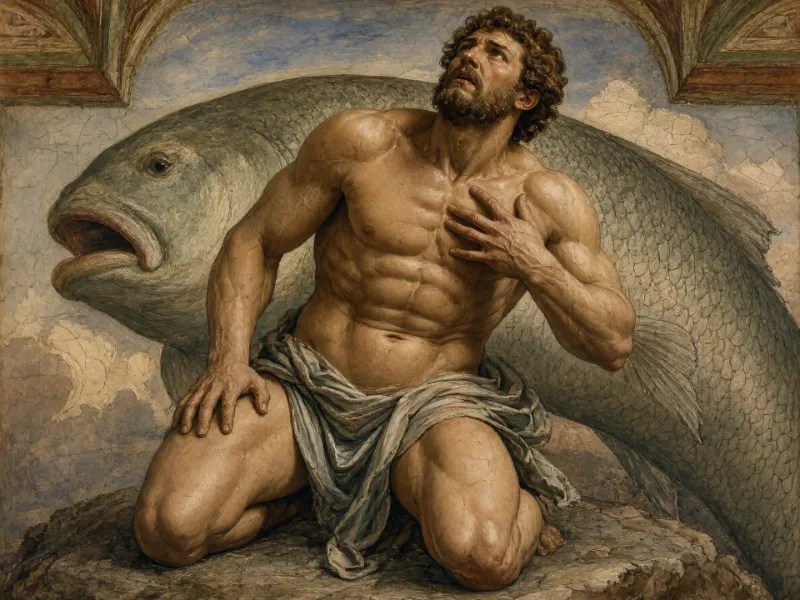
Romans 8:19-21
“For the creation waits with eager longing for the revealing of the sons of God. For the creation was subjected to futility, not willingly, but because of him who subjected it, in hope that the creation itself will be set free from its bondage to corruption and obtain the freedom of the glory of the children of God.”
Reflection: Paul has just said that present sufferings are “not worth comparing with the glory that is to be revealed to us” (Romans 8:18). Creation was subjected to futility “not willingly,” and waits to be set free from its bondage to corruption. The next verses describe the whole creation “groaning together in the pains of childbirth” and believers groaning with it as they wait for “the redemption of our bodies” (Romans 8:22-23).
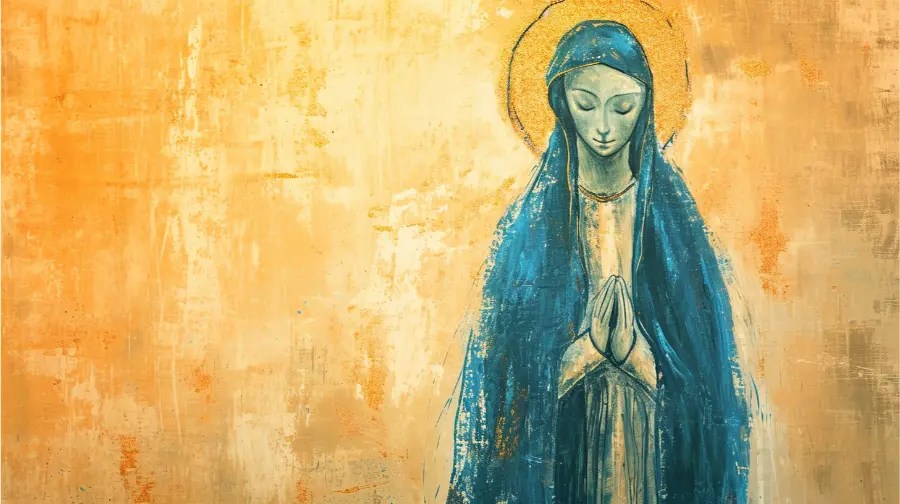
Isaiah 65:17
“For behold, I create new heavens and a new earth, and the former things shall not be remembered or come into mind.”
Reflection: The Lord announces new heavens and a new earth, and the rest of the chapter describes life in them. People “shall plant vineyards and eat their fruit” (Isaiah 65:21), and the chapter ends with animals at peace: “The wolf and the lamb shall graze together; the lion shall eat straw like the ox” and “they shall not hurt or destroy in all my holy mountain” (Isaiah 65:25).
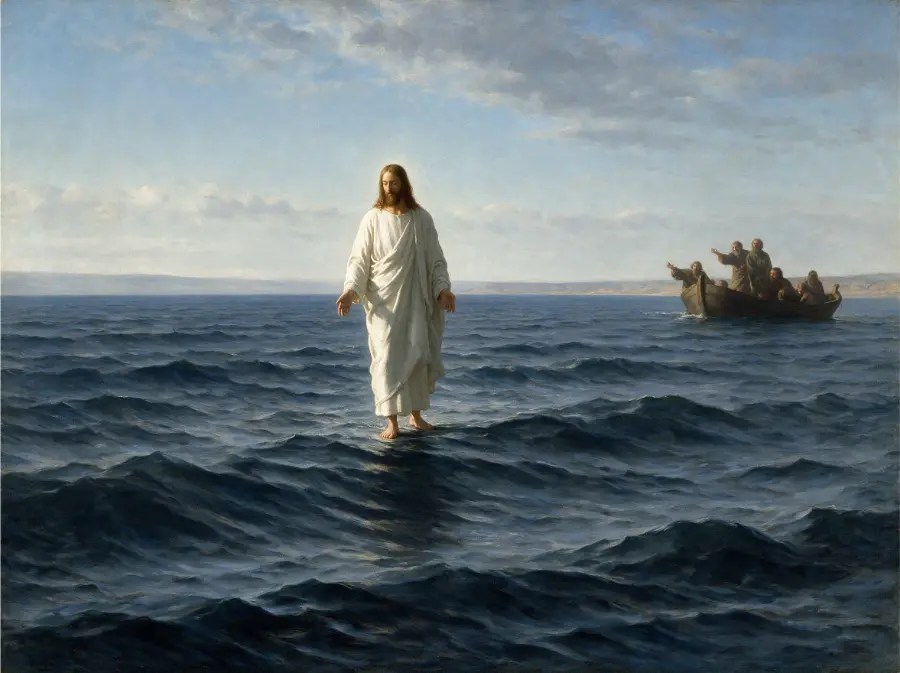
Revelation 21:1
“Then I saw a new heaven and a new earth, for the first heaven and the first earth had passed away, and the sea was no more.”
Reflection: John’s vision repeats Isaiah’s phrase, a new heaven and a new earth, and adds that “the first heaven and the first earth had passed away, and the sea was no more.” A loud voice from the throne promises that death, mourning, crying and pain will be no more (Revelation 21:3-4), and then he who was seated on the throne says, “Behold, I am making all things new” (Revelation 21:5).
The land laws and the promise of a new earth
The laws that protect nature are specific. Leviticus 25:4 rests fields and vineyards every seventh year, and Deuteronomy 20:19 spares food-bearing trees in wartime. Genesis 1:28 and Genesis 2:15 give the broader charge, to rule over living things and to work and keep the garden.
Romans 8:21 says “the creation itself will be set free from its bondage to corruption,” while Revelation 21:1 says the first heaven and earth “had passed away” and in Revelation 21:5 the one seated on the throne says, “Behold, I am making all things new.” Psalm 104:24 is addressed to God and can be prayed as written.


Leave a Reply