
 English
 Chinese
 Dutch
 Arabic
 Spanish
 Portuguese
 Russian
 French
 Italian
 German
 Japanese
The Bible calls the created world very good, speaks of the beauty of God himself and of his worship, and calls human beauty fleeting beside the fear of the LORD. Psalm 27:4 asks to “gaze on the beauty of the LORD,” 1 Samuel 16:7 sets the heart above outward appearance, and Proverbs 31:30 says that “beauty is fleeting.”
Beauty in what God made
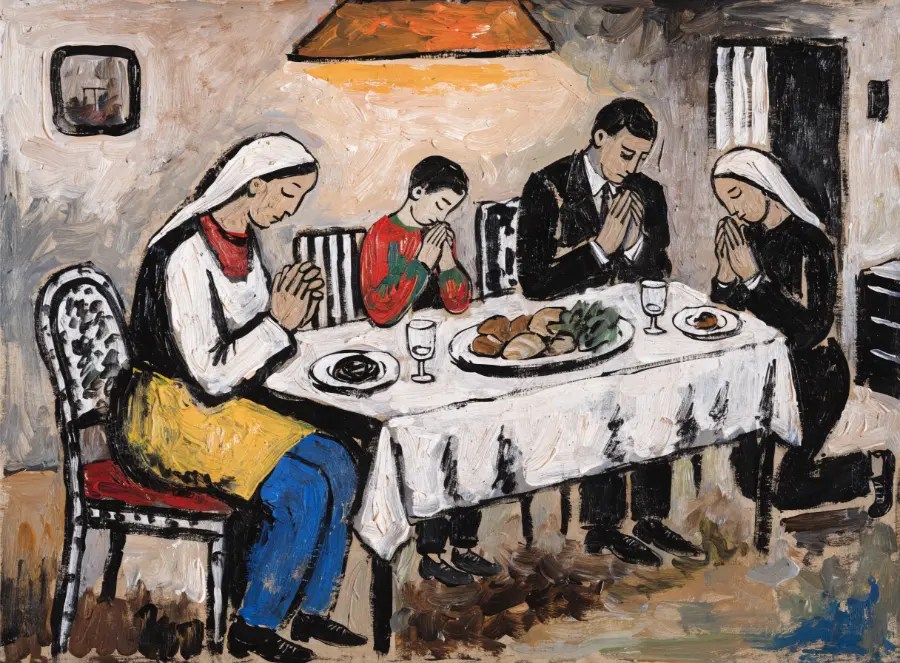
Genesis 1:31
“God saw all that he had made, and it was very good. And there was evening, and there was morning—the sixth day.”
Reflection: The verse ends the sixth day of creation. Earlier in the chapter God sees that what he has made is good at 1:4, 10, 12, 18, 21 and 25; here he looks at “all that he had made,” the human beings of the sixth day included, and calls it “very good.”
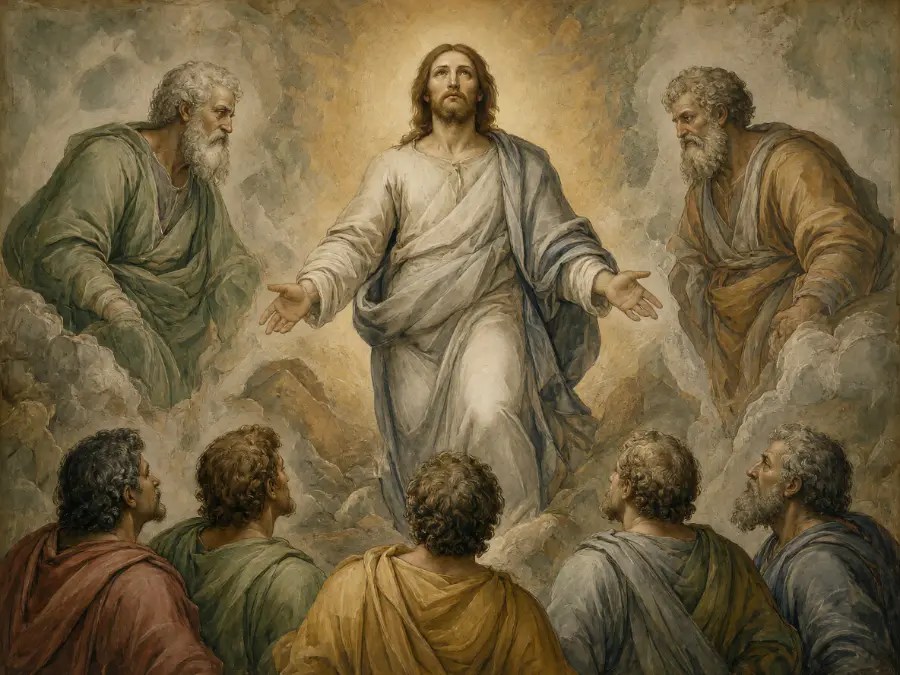
Psalm 19:1
“The heavens declare the glory of God; the skies proclaim the work of his hands.”
Reflection: David’s psalm begins with the sky as a witness that speaks without words: “They have no speech, they use no words; no sound is heard from them. Yet their voice goes out into all the earth” (Psalm 19:3-4). Verse 5 compares the rising sun to “a bridegroom coming out of his chamber.” From verse 7 the psalm turns from the sky to the law of the LORD.
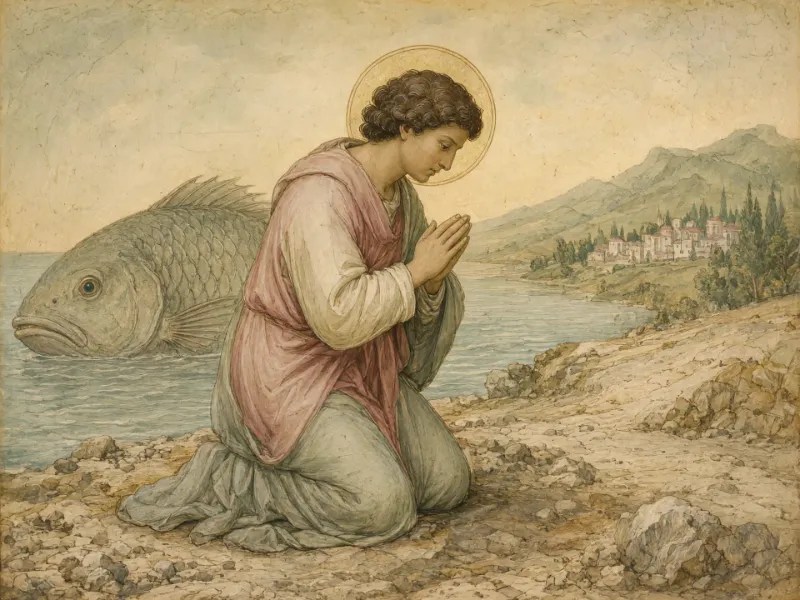
Psalm 104:24
“How many are your works, LORD! In wisdom you made them all; the earth is full of your creatures.”
Reflection: Psalm 104 opens with God himself “clothed with splendor and majesty” and wrapped “in light as with a garment” (Psalm 104:1-2), then moves through the world he made: waters, springs, animals, moon and sun. Verse 24 sums up that survey. The works are many, they were made “in wisdom,” and the earth is full of them.

Ecclesiastes 3:11
“He has made everything beautiful in its time. He has also set eternity in the human heart; yet no one can fathom what God has done from beginning to end.”
Reflection: The verse follows the poem that begins “There is a time for everything” (Ecclesiastes 3:1) and the Teacher’s question about what workers gain from their toil (3:9). Everything is beautiful “in its time,” and the same verse sets a limit: God has “set eternity in the human heart,” yet no one can fathom his work “from beginning to end.”
The beauty of God and of his worship
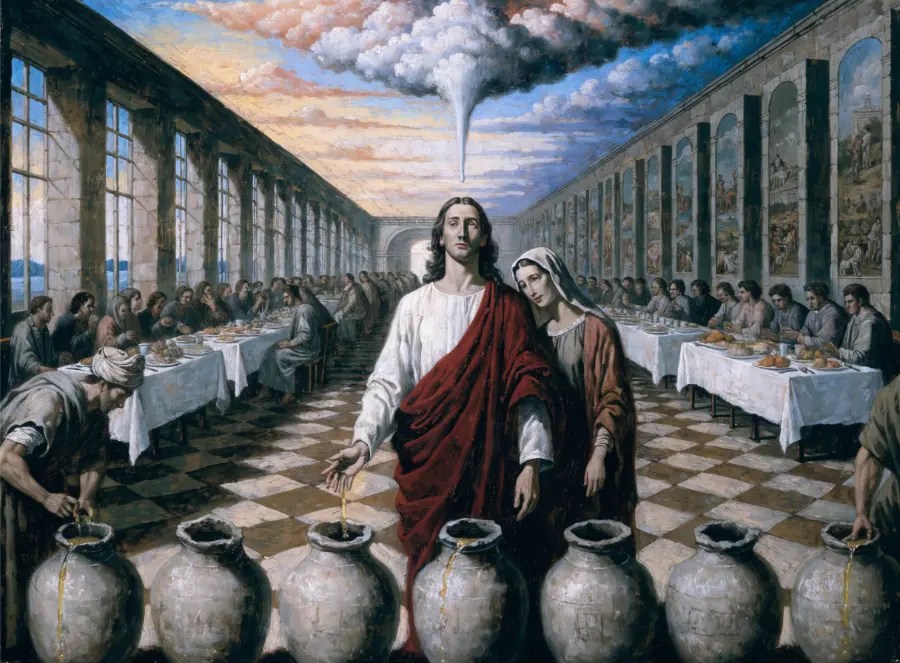
Psalm 27:4
“One thing I ask from the LORD, this only do I seek: that I may dwell in the house of the LORD all the days of my life, to gaze on the beauty of the LORD and to seek him in his temple.”
Reflection: In this psalm of David the one request is to live in the house of the LORD and “gaze on the beauty of the LORD.” The Hebrew word is noam, which also means pleasantness or delight. The next verse gives part of the reason for wanting to be in that house: “For in the day of trouble he will keep me safe in his dwelling.”

Psalm 29:2
“Ascribe to the LORD the glory due his name; worship the LORD in the splendor of his holiness.”
Reflection: The psalm calls on “heavenly beings” (29:1) to give the LORD glory and strength, then describes his voice thundering “over the mighty waters.” The phrase the NIV translates “the splendor of his holiness” uses hadarah, which Strong’s glosses as splendor, majesty and beauty, and the King James Version reads “worship the LORD in the beauty of holiness.”
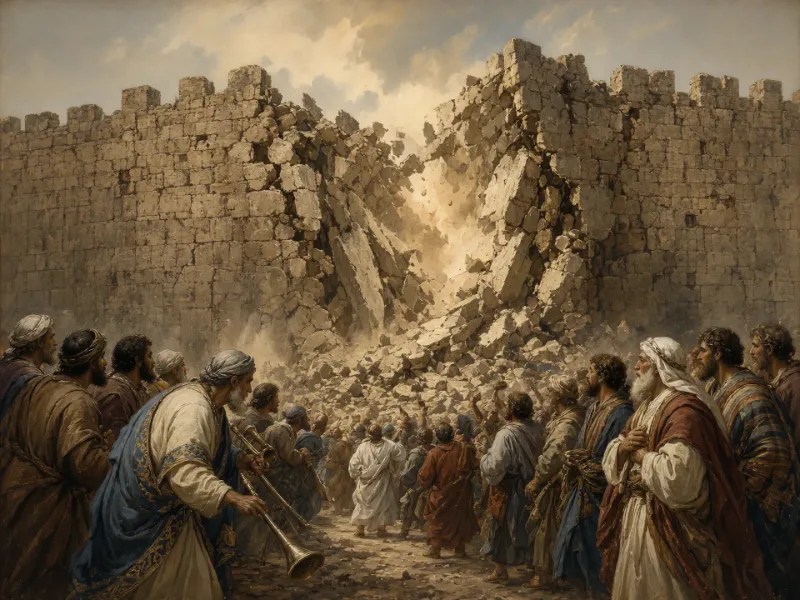
Psalm 96:9
“Worship the LORD in the splendor of his holiness; tremble before him, all the earth.”
Reflection: Psalm 96 addresses “all you families of nations” (96:7), and its second line here turns to the whole world: “tremble before him, all the earth.” The verses that follow tell the nations “The LORD reigns” and call on the heavens, the sea and the trees of the forest to rejoice because “he comes to judge the earth” (96:10-13). Much of the psalm appears again in 1 Chronicles 16, including this command at 16:29, as the song David gave Asaph and his associates on the day the ark was set in the tent he had pitched for it (1 Chronicles 16:1, 7).

Psalm 50:2
“From Zion, perfect in beauty, God shines forth.”
Reflection: In this psalm of Asaph, God summons the earth “from the rising of the sun to where it sets” and shines out from Zion, which the psalm calls “perfect in beauty.” A judgment scene follows at once: “a fire devours before him, and around him a tempest rages” (50:3), and he calls on the heavens and the earth “that he may judge his people” (50:4).

Exodus 28:2
“Make sacred garments for your brother Aaron to give him dignity and honor.”
Reflection: God tells Moses to have sacred garments made for Aaron, whom he has just named as priest along with his sons (28:1). The NIV’s “dignity and honor” translates two nouns that the King James Version renders “for glory and for beauty”; the second, tipharah, means beauty, glory or splendor. Verse 3 gives the work to “skilled workers to whom I have given wisdom in such matters,” and verse 4 lists the garments: breastpiece, ephod, robe, tunic, turban and sash.
Beauty in people: praised, passing and given
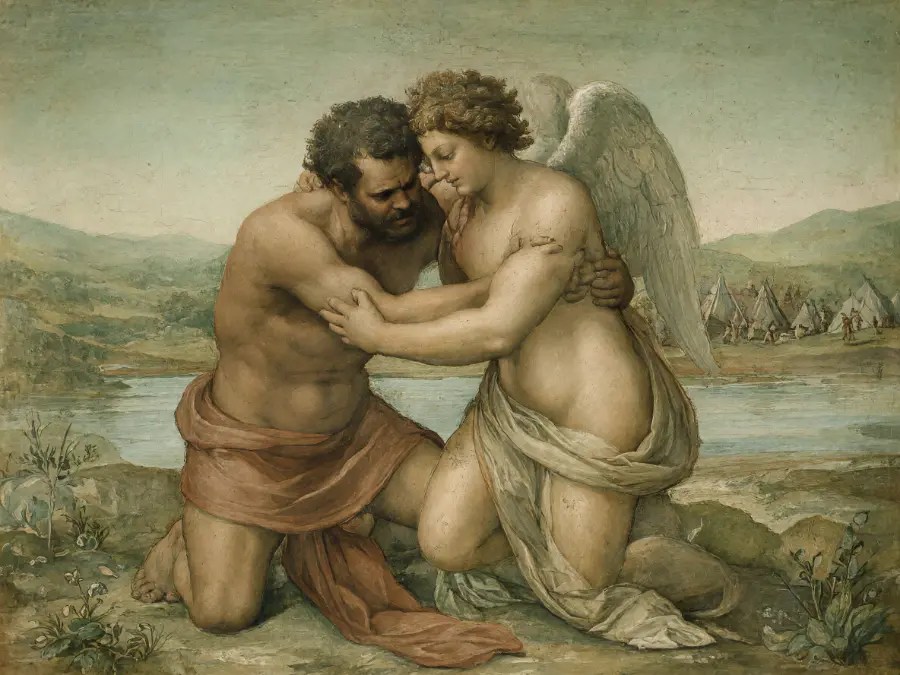
Song of Songs 4:7
“You are altogether beautiful, my darling; there is no flaw in you.”
Reflection: In the NIV’s headings the man is speaking, after a description of his beloved that runs from her eyes to her breasts (4:1-5). The chapter opens with the exclamation “How beautiful you are, my darling!” (4:1), which he has already used in 1:15, and the woman answers in kind: “How handsome you are, my beloved! Oh, how charming!” (1:16).
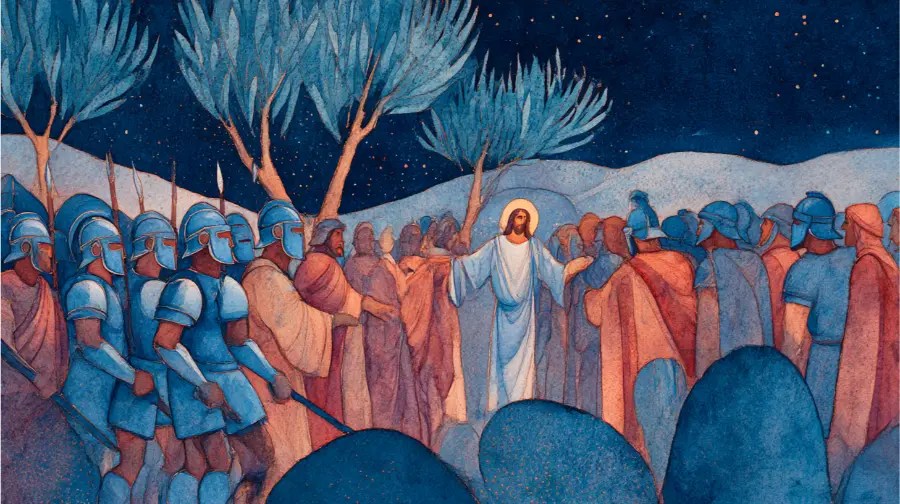
1 Samuel 16:7
“The LORD does not look at the things people look at. People look at the outward appearance, but the LORD looks at the heart.”
Reflection: Samuel has come to Bethlehem to anoint one of Jesse’s sons as king, sees Eliab and is sure he is looking at the LORD’s anointed. God rejects Eliab and tells Samuel not to consider “his appearance or his height.” Seven sons pass by before David is fetched from the sheep, and the text then describes him as “glowing with health” with “a fine appearance and handsome features” (16:12) before he is anointed.

Proverbs 31:30
“Charm is deceptive, and beauty is fleeting; but a woman who fears the LORD is to be praised.”
Reflection: The verse comes near the end of the poem that opens “A wife of noble character who can find?” (Proverbs 31:10). It calls charm deceptive and beauty fleeting and says the woman who fears the LORD is to be praised. The next verse adds that she be honored “for all that her hands have done.”

1 Peter 3:3-4
“Your beauty should not come from outward adornment, such as elaborate hairstyles and the wearing of gold jewelry or fine clothes. Rather, it should be that of your inner self, the unfading beauty of a gentle and quiet spirit, which is of great worth in God’s sight.”
Reflection: Peter is writing to wives, some of them married to husbands who “do not believe the word” (3:1), in the hope that those husbands may be won over “without words” by their wives’ conduct. The contrast is between outward adornment, “elaborate hairstyles and the wearing of gold jewelry or fine clothes,” and “the unfading beauty of a gentle and quiet spirit.” Verse 5 points to “the holy women of the past,” and verse 6 names Sarah.

Isaiah 53:2
“He grew up before him like a tender shoot, and like a root out of dry ground. He had no beauty or majesty to attract us to him, nothing in his appearance that we should desire him.”
Reflection: The servant in Isaiah 53 grows up “like a root out of dry ground,” with nothing in his appearance to draw anyone to him, and the next verse says he was “despised and rejected by mankind.” In Acts 8:32-35 an Ethiopian official reading this chapter asks Philip whom the prophet is talking about, and Philip, beginning with that passage, tells him “the good news about Jesus.”

Isaiah 61:3
“to bestow on them a crown of beauty instead of ashes, the oil of joy instead of mourning, and a garment of praise instead of a spirit of despair. They will be called oaks of righteousness, a planting of the LORD for the display of his splendor.”
Reflection: The speaker has been anointed “to comfort all who mourn” (61:2), and verse 3 lists three exchanges: a crown of beauty for ashes, the oil of joy for mourning, a garment of praise for despair. Ashes on the head were a sign of mourning (2 Samuel 13:19). When Jesus read the opening of this passage in the synagogue at Nazareth, he stopped at “the year of the Lord’s favor” and said, “Today this scripture is fulfilled in your hearing” (Luke 4:17-21).


Leave a Reply