
 English
 Chinese
 Dutch
 Arabic
 Spanish
 Portuguese
 Russian
 French
 Italian
 German
 Japanese
The Bible’s spring verses come mostly from farming: seedtime and harvest, rain on the fields, seed that grows while the farmer sleeps, and God’s promise to make things new.
Genesis 8:22 describes the year in pairs, beginning with seedtime and harvest. Israel’s first month, Aviv or Abib, was named for the ripening grain (Exodus 13:4), and Passover fell in it. The Song of Solomon gives the best-known picture of the season: “See! The winter is past.” The eighteen verses below cover that passage, the farming year, growth that begins unseen, being made new, coming through a hard season, and waiting.
The one passage that describes it
Song of Solomon 2:11-13
“See! The winter is past; the rains are over and gone. Flowers appear on the earth; the season of singing has come, the cooing of doves is heard in our land.”
Reflection: The speaker is calling the beloved outside: “Arise, come, my darling” (2:13). The description of the season is part of the invitation.
The year the Bible actually kept
Genesis 8:22
“As long as the earth endures, seedtime and harvest, cold and heat, summer and winter, day and night will never cease.”
Reflection: God says this after the flood. The year is described in four pairs, seedtime and harvest, cold and heat, summer and winter, day and night, and the promise is that the cycle will continue.
Genesis 1:11-12
“Then God said, ‘Let the land produce vegetation: seed-bearing plants and trees on the land that bear fruit with seed in it.’”
Reflection: Genesis repeats that the plants carry their own seed, so the growth continues from one year to the next.
Psalm 65:9-10
“You care for the land and water it; you enrich it abundantly. The streams of God are filled with water to provide the people with grain.”
Reflection: The psalm has God watering the furrows and softening the ground with showers. The growth of the crops is described as his work.
Mark 4:28
“All by itself the soil produces grain—first the stalk, then the head, then the full kernel in the head.”
Reflection: In this parable the farmer sleeps and gets up, and the seed grows “though he does not know how” (4:27). The growth goes on without his understanding it.
What starts before we can see it
Isaiah 43:18-19
“Forget the former things; do not dwell on the past. See, I am doing a new thing! Now it springs up; do you not perceive it?”
Reflection: The new thing is already springing up, and God asks whether they see it. The rest of the verse promises “a way in the wilderness and streams in the wasteland.”
Hosea 10:12
“Sow for yourselves righteousness; reap steadfast love; break up your fallow ground, for it is the time to seek the Lord.”
Reflection: Fallow ground is land left unplowed until it has hardened. Hosea tells Israel to break it up and sow righteousness, because it is time to seek the Lord.

Isaiah 55:10-11
“As the rain and the snow come down from heaven, and do not return to it without watering the earth and making it bud and flourish, so that it yields seed for the sower and bread for the eater, so is my word that goes out from my mouth.”
Reflection: The comparison includes snow as well as rain, and it follows the water from the sky to seed and bread. God’s word, Isaiah says, does the same work and “will not return to me empty” (55:11).
The verses about being made new
Ezekiel 36:26
“I will give you a new heart and put a new spirit in you; I will remove from you your heart of stone and give you a heart of flesh.”
Reflection: The promise was made to Israel in exile. A heart of flesh can respond to God, where a heart of stone cannot.

Psalm 51:10
“Create in me a pure heart, O God, and renew a steadfast spirit within me.”
Reflection: The Hebrew verb for create is the one used in Genesis 1:1, and in the Old Testament only God is its subject. David asks for a new heart, not a repaired one.
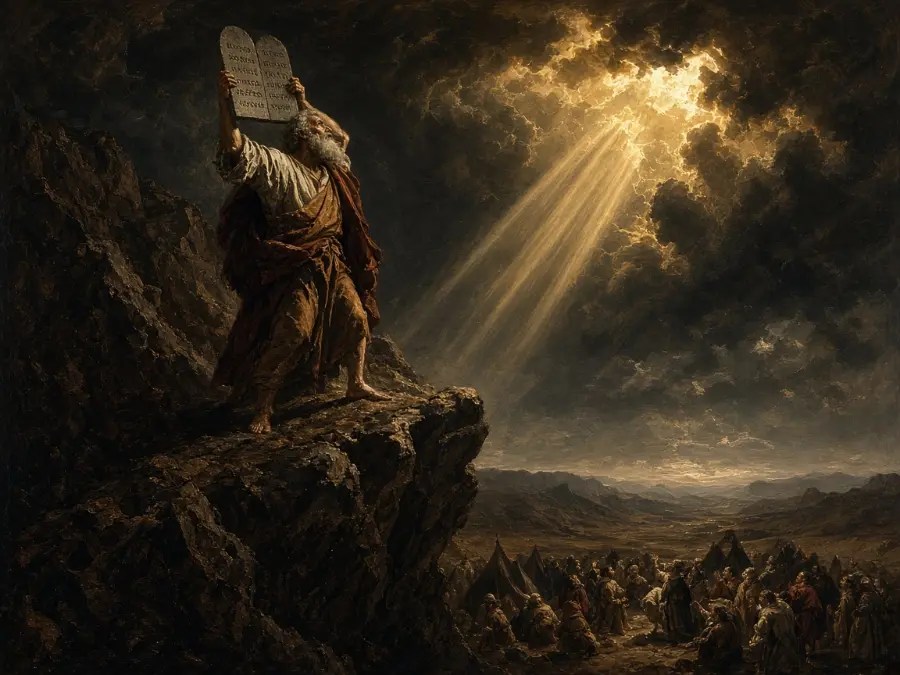
Revelation 21:5
“He who was seated on the throne said, ‘I am making everything new!’ Then he said, ‘Write this down, for these words are trustworthy and true.’”
Reflection: The promise is that everything will be made new, and John is told to write it down because the words are “trustworthy and true.”
Coming out of a hard winter
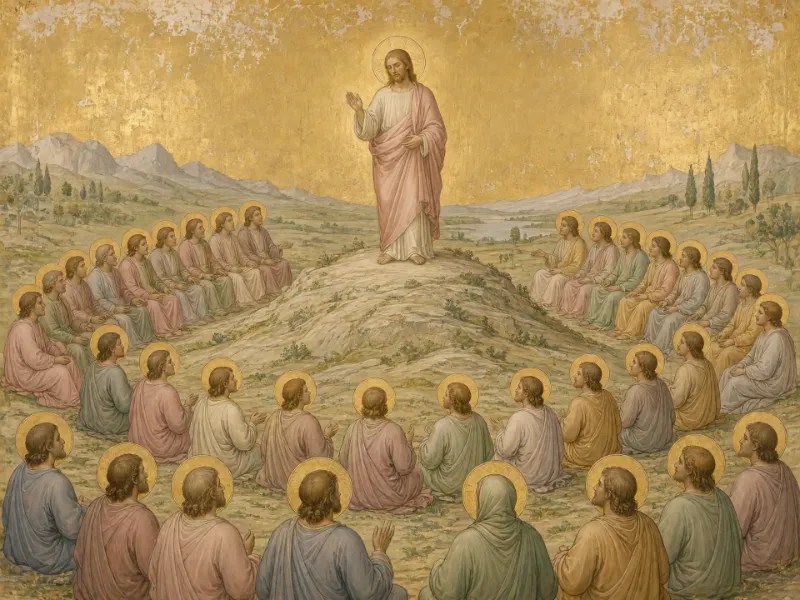
Psalm 30:5
“Weeping may stay for the night, but rejoicing comes in the morning.”
Reflection: The verse sets a night of weeping beside a morning of rejoicing. Its first half says God’s anger “lasts only a moment.”
Joel 2:25
“I will restore to you the years that the swarming locust has eaten.”
Reflection: Joel speaks after a locust plague had destroyed the crops (1:4). The promise is to restore the years the locusts ate.
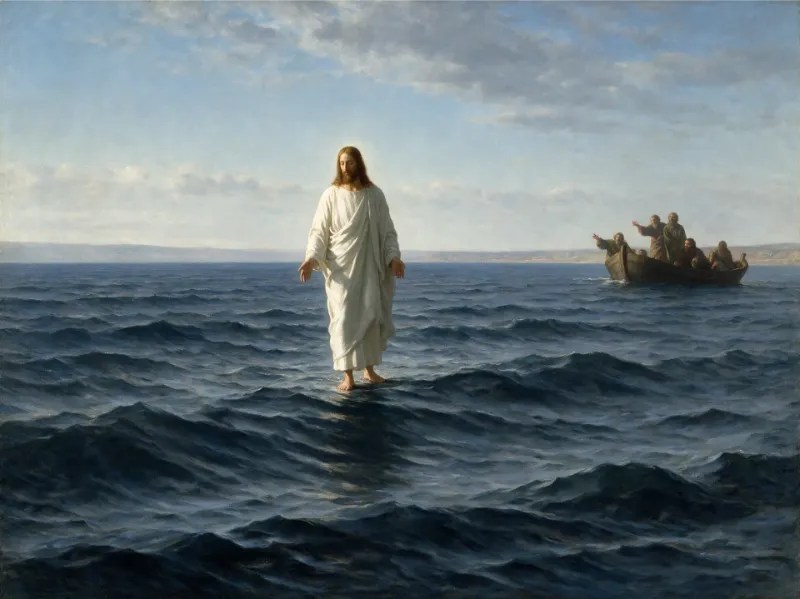
Isaiah 61:3
“…to bestow on them a crown of beauty instead of ashes, the oil of joy instead of mourning, and a garment of praise instead of a spirit of despair.”
Reflection: The verse describes three exchanges: beauty for ashes, joy for mourning, praise for despair. Jesus read the opening of this passage in the synagogue at Nazareth (Luke 4:18-19).
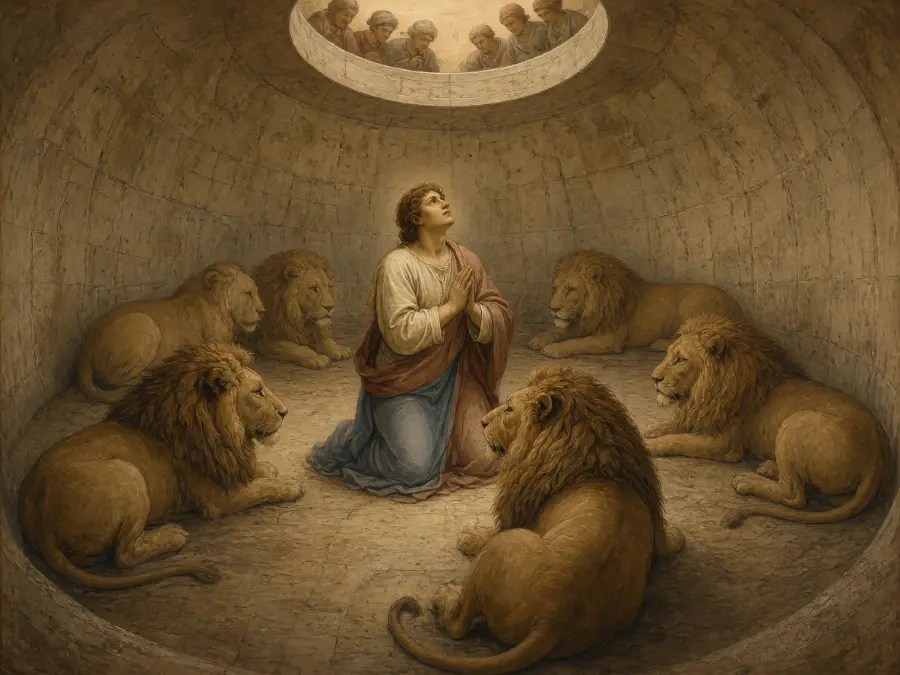
Psalm 126:5
“Those who sow with tears will reap with songs of joy.”
Reflection: The psalm pictures sowing seed while weeping and returning with sheaves while singing (126:6).
Waiting for it
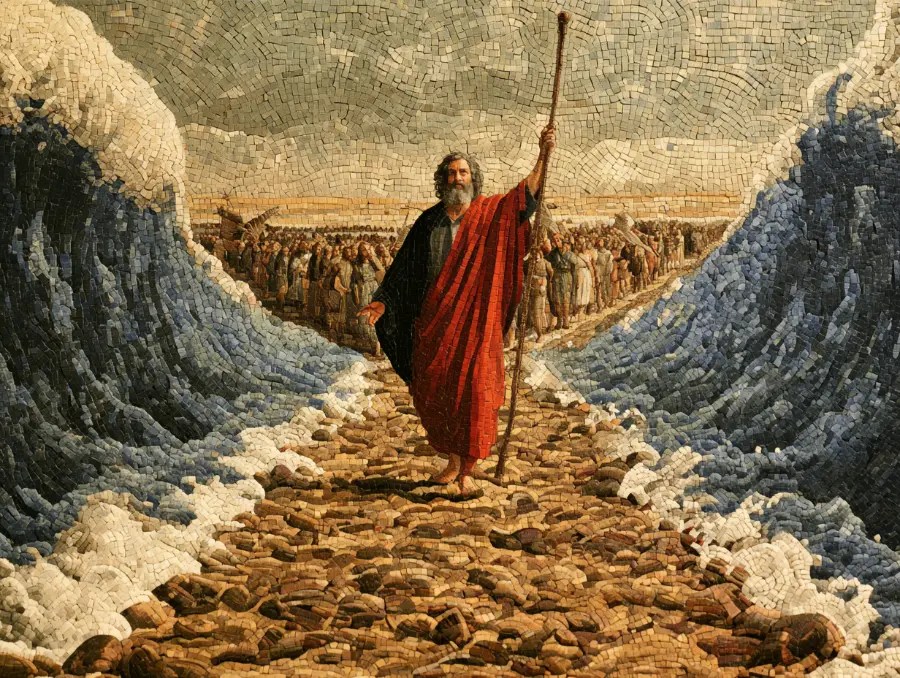
Galatians 6:9
“Let us not become weary in doing good, for at the proper time we will reap a harvest if we do not give up.”
Reflection: Paul promises a harvest “at the proper time” and asks only that they not give up. The verse before contrasts sowing to the flesh with sowing to the Spirit (6:8).
Matthew 6:28-30
“And why do you worry about clothes? See how the flowers of the field grow. They do not labor or spin. Yet I tell you that not even Solomon in all his splendor was dressed like one of these.”
Reflection: Jesus goes on to say the grass of the field “is here today and tomorrow is thrown into the fire” (6:30), and argues that God will much more clothe his people.
Isaiah 55:12
“You will go out in joy and be led forth in peace; the mountains and hills will burst into song before you, and all the trees of the field will clap their hands.”
Reflection: The chapter ends with creation joining in, mountains singing and trees clapping, as God’s people go out in joy.
What the season is good for
Most of what Scripture says on this subject is about soil, rain, seed and waiting. The one lyrical description of spring is in a love poem, and the flowers Jesus points to are chosen because they do not last.
The same passages describe growth that starts before it can be seen. Isaiah’s new thing is springing up, Mark’s seed grows while the farmer sleeps, and Hosea’s fallow ground has to be broken before anything is sown. For more on starting again, see Bible verses about moving forward.


Leave a Reply