
 English
 Chinese
 Dutch
 Arabic
 Spanish
 Portuguese
 Russian
 French
 Italian
 German
 Japanese
In the Bible, summer is one of the fixed seasons of the year and the time for gathering food. After the flood God promises that summer and winter will not cease (Genesis 8:22), the ant stores its provisions in summer (Proverbs 6:8), and the prophets use summer and its fruit in their warnings (Jeremiah 8:20; Amos 8:2).
Jesus uses a fig tree in leaf, the sign that summer is near, in his answer about the end of the age (Matthew 24:32). The Hebrew word for summer, qayits, also means the fruit gathered in summer: the King James Version reads “a basket of summer fruit” in Amos 8:1-2, where the New International Version has “a basket of ripe fruit.”
Summer in the order God set
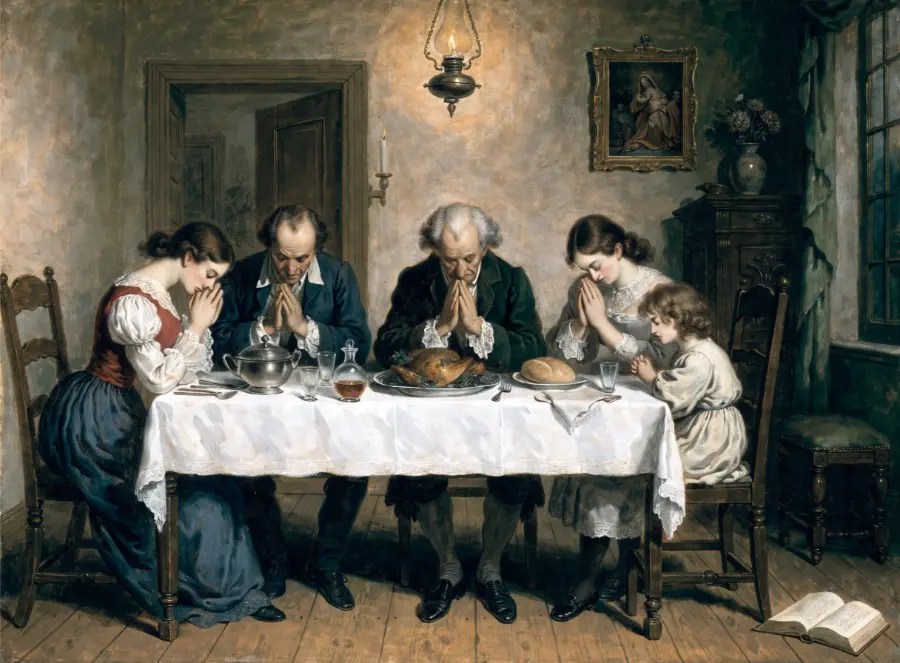
Genesis 8:22
“As long as the earth endures, seedtime and harvest, cold and heat, summer and winter, day and night will never cease.”
Reflection: God says this “in his heart” (8:21) after Noah leaves the ark, builds an altar and offers burnt offerings. The promise comes in four pairs, seedtime and harvest, cold and heat, summer and winter, day and night, and it holds “as long as the earth endures.” The verse before sets it against what God says of people: “every inclination of the human heart is evil from childhood.”
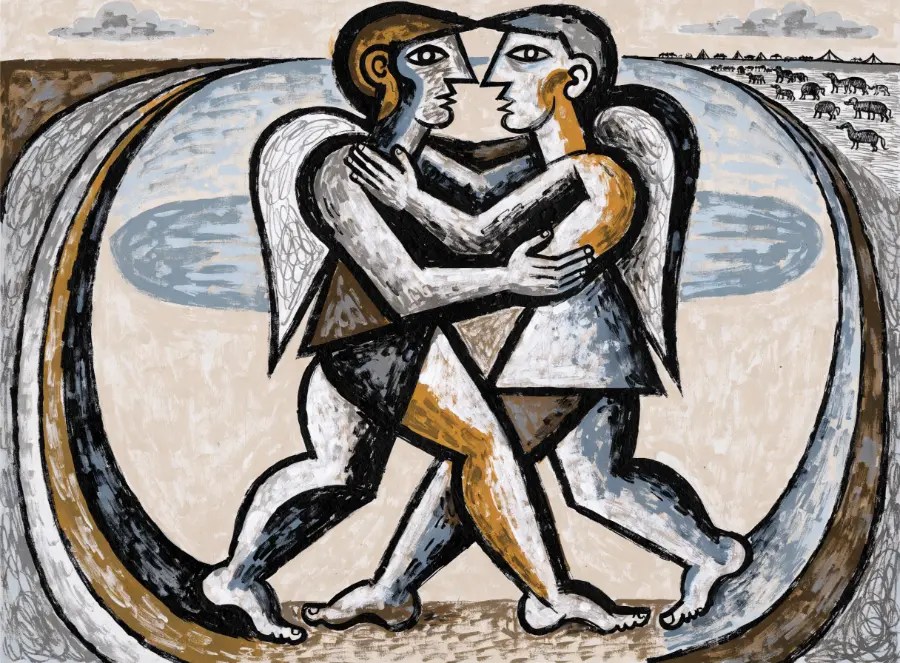
Psalm 74:17
“It was you who set all the boundaries of the earth; you made both summer and winter.”
Reflection: Psalm 74, headed “A maskil of Asaph,” is a lament over a sanctuary that enemies have “burned to the ground” (74:7). In verses 12-17 the psalmist recalls what God has done since “long ago”: he split the sea, opened springs, established the sun and moon, set the boundaries of the earth and made summer and winter. The seasons stand in that list of God’s works while the sanctuary lies in ruins.
Summer as the time to gather
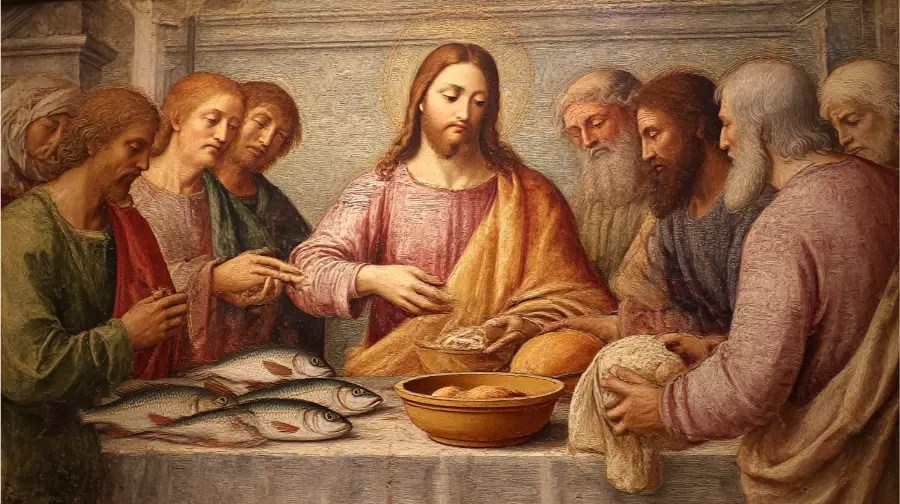
Proverbs 6:6-8
“Go to the ant, you sluggard; consider its ways and be wise! It has no commander, no overseer or ruler, yet it stores its provisions in summer and gathers its food at harvest.”
Reflection: The saying is addressed to “you sluggard” and points to an insect that works with “no commander, no overseer or ruler.” The ant stores its food in summer and gathers it at harvest. The next verses turn back to the sluggard, “How long will you lie there, you sluggard?”, and warn that poverty will come “like a thief” (6:9-11).
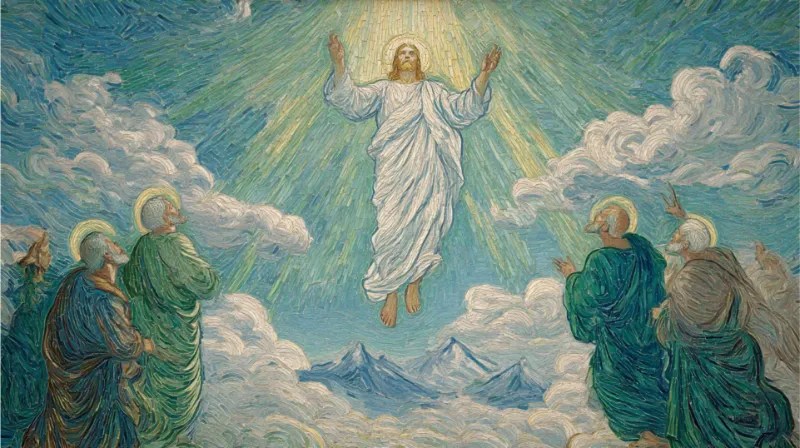
Proverbs 30:25
“Ants are creatures of little strength, yet they store up their food in the summer.”
Reflection: Among the sayings of Agur son of Jakeh (30:1), ants come first in a list of “four things on earth” that “are small, yet they are extremely wise” (30:24). The verse sets their “little strength” against what they do with the season: they store up their food in the summer. Hyraxes, locusts and a lizard complete the list (30:26-28).
Proverbs 10:5
“He who gathers crops in summer is a prudent son, but he who sleeps during harvest is a disgraceful son.”
Reflection: The collection headed “The proverbs of Solomon” opens with a wise son and a foolish one (10:1), and verse 5 returns to sons. It follows “Lazy hands make for poverty, but diligent hands bring wealth” (10:4) with a case from the farming year: one son gathers the crops in summer, and the other sleeps during harvest.
Summer as a comparison
Psalm 32:4
“For day and night your hand was heavy on me; my strength was sapped as in the heat of summer.”
Reflection: Psalm 32 is headed “Of David. A maskil.” and opens with the blessing of the one “whose transgressions are forgiven.” Verses 3 and 4 describe the time before confession: bones wasting away, God’s hand heavy “day and night,” strength sapped as in summer heat. Verse 5 ends it: “Then I acknowledged my sin to you… And you forgave the guilt of my sin.”
Daniel 2:35
“Then the iron, the clay, the bronze, the silver and the gold were all broken to pieces and became like chaff on a threshing floor in the summer. The wind swept them away without leaving a trace. But the rock that struck the statue became a huge mountain and filled the whole earth.”
Reflection: Daniel is telling Nebuchadnezzar the king’s own dream: a statue of gold, silver, bronze, iron and clay, struck on its feet by a rock “cut out, but not by human hands” (2:34). The pieces become like chaff on a summer threshing floor, and the wind leaves no trace of them. In the interpretation that follows, “the God of heaven will set up a kingdom that will never be destroyed” (2:44).
Proverbs 26:1
“Like snow in summer or rain in harvest, honor is not fitting for a fool.”
Reflection: The proverb names two things that do not belong to their season, snow in summer and rain at harvest, and sets honor given to a fool beside them. Rain at harvest is the sign Samuel calls down in 1 Samuel 12:17: “Is it not wheat harvest now? I will call on the Lord to send thunder and rain.” When it comes, the people stand in awe and ask Samuel to pray that they will not die (12:18-19).
Summer in the prophets’ warnings
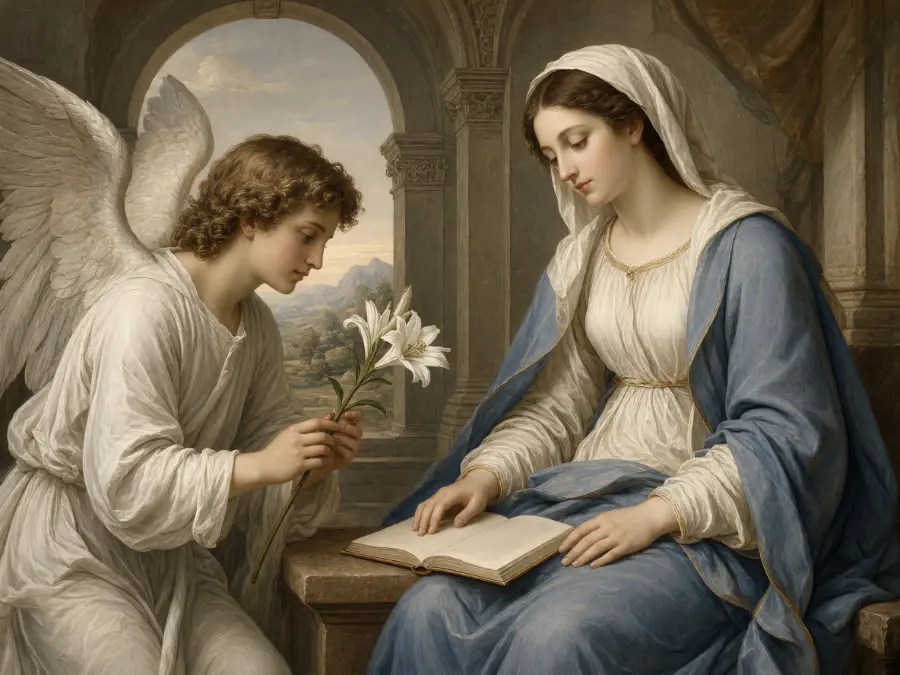
Amos 8:2
“‘What do you see, Amos?’ he asked. ‘A basket of ripe fruit,’ I answered. Then the LORD said to me, ‘The time is ripe for my people Israel; I will spare them no longer.’”
Reflection: Amos 8:1 opens with the words that begin the visions of chapter 7, “This is what the Sovereign Lord showed me,” and the Lord asks the question he asked over the plumb line (7:8): “What do you see, Amos?” In Hebrew the fruit is qayits, summer fruit, and “the time is ripe” renders qets, end. The sentence that follows, “I will spare them no longer,” repeats the end of 7:8.
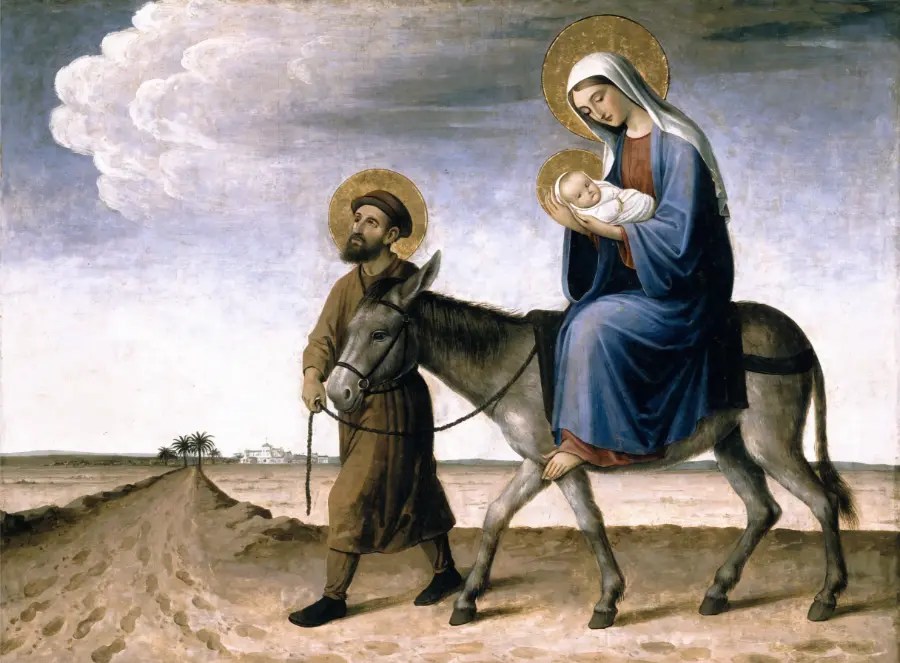
Micah 7:1
“What misery is mine! I am like one who gathers summer fruit at the gleaning of the vineyard; there is no cluster of grapes to eat, none of the early figs that I crave.”
Reflection: The speaker compares himself to one gathering summer fruit at the gleaning of the vineyard, who finds no cluster of grapes and none of the early figs he wants. Verse 2 names what is missing in the land: “The faithful have been swept from the land; not one upright person remains.”
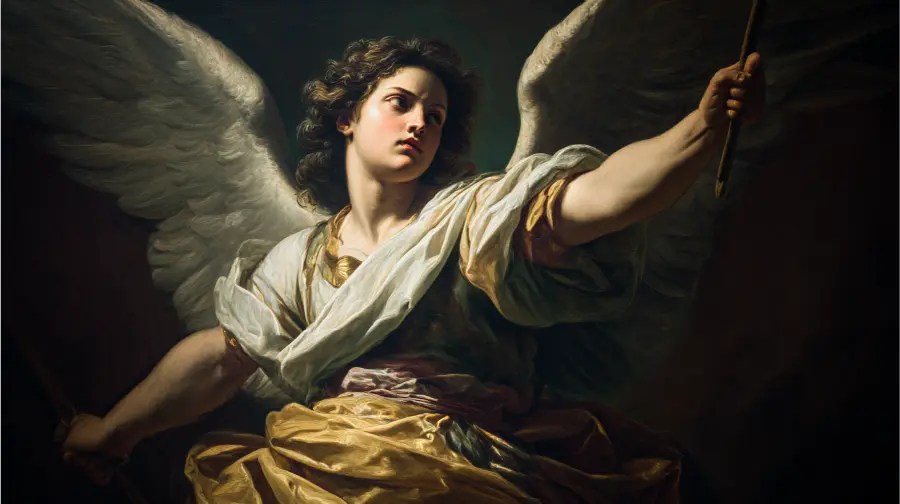
Jeremiah 8:20
“The harvest is past, the summer has ended, and we are not saved.”
Reflection: In verse 19 the speaker says, “Listen to the cry of my people from a land far away,” and in verse 20 the people say that harvest and summer have both gone by and they are still not saved. The speaker answers with grief, “Since my people are crushed, I am crushed,” and asks, “Is there no balm in Gilead?” (8:21-22).
When summer is near
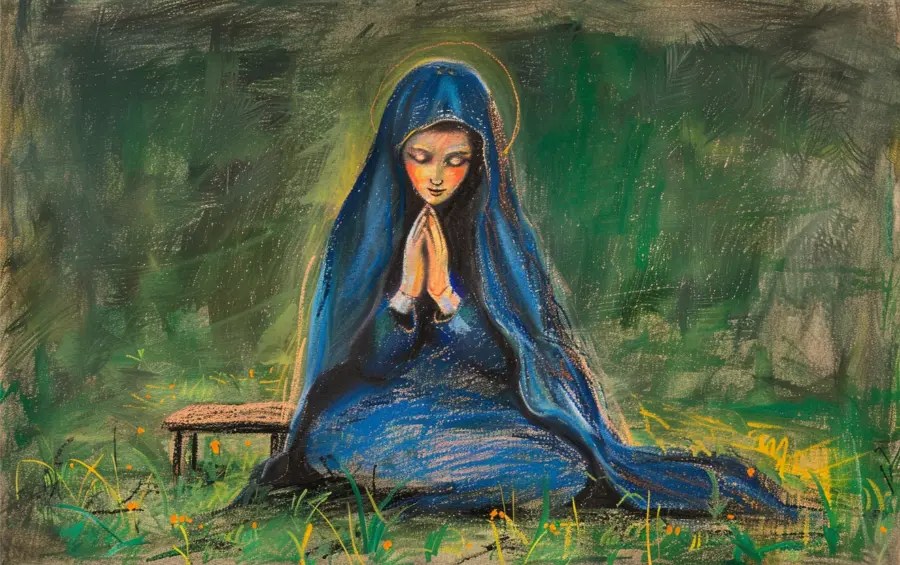
Matthew 24:32
“Now learn this lesson from the fig tree: As soon as its twigs get tender and its leaves come out, you know that summer is near.”
Reflection: Jesus is on the Mount of Olives, answering the disciples’ question, “When will this happen, and what will be the sign of your coming and of the end of the age?” (24:3), after saying that every stone of the temple will be thrown down (24:2). Tender twigs and new leaves on a fig tree show that summer is coming, and the next verse applies the picture: “when you see all these things, you know that it is near, right at the door.” Mark 13:28 has the same words, and Luke 21:29-31 speaks of “the fig tree and all the trees” and names what is near: “the kingdom of God.”


Leave a Reply