
 English
 Chinese
 Dutch
 Arabic
 Spanish
 Portuguese
 Russian
 French
 Italian
 German
 Japanese
Category 1: Letting Go and Embracing the New
These verses focus on releasing the past—its failures and its glories—to fully receive the new thing God is doing in the present and future.
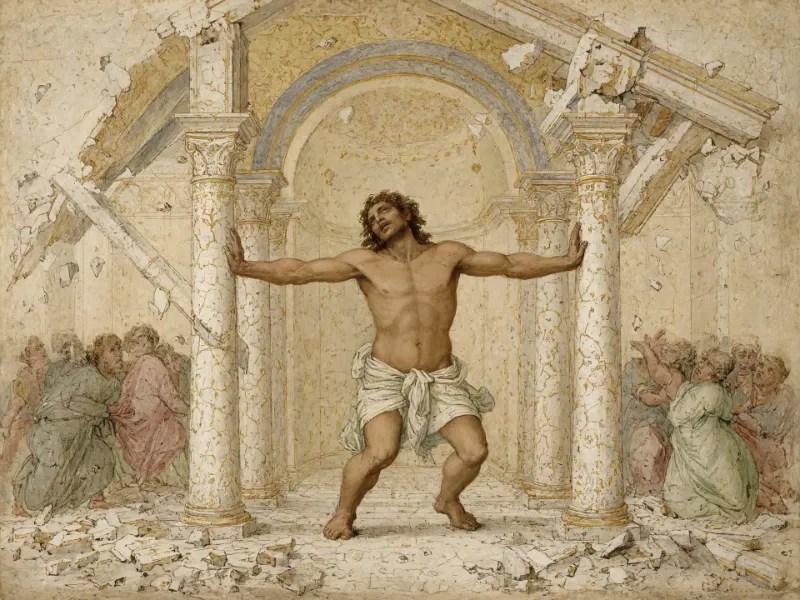
Isaiah 43:18-19
“Forget the former things; do not dwell on the past. See, I am doing a new thing! Now it springs up; do you not perceive it? I am making a way in the wilderness and streams in the wasteland.”
Reflection: Our minds often get stuck in loops of regret or nostalgia, replaying past hurts or glories. This verse is a divine invitation to break that cognitive cycle. It challenges our tendency to define our future by our past, offering instead the exhilarating and sometimes frightening prospect of a truly new path. Trusting this promise builds a resilience in our hearts, allowing us to see opportunity (a “way in the wilderness”) where our anxieties might only see desolation.
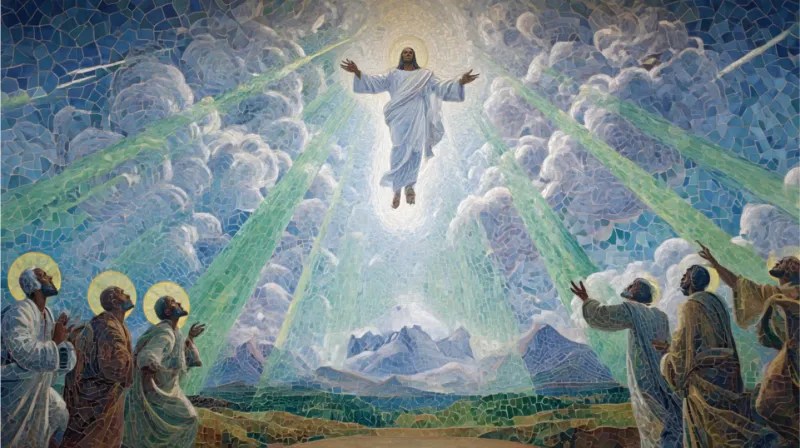
Lamentations 3:22-23
“Because of the Lord’s great love we are not consumed, for his compassions never fail. They are new every morning; great is your faithfulness.”
Reflection: The turn of a year can feel momentous, but this verse grounds us in a more profound reality: grace isn’t an annual event, but a daily one. This truth dismantles the shame that accumulates over time. Each sunrise offers a fresh start not because of our resolve, but because of God’s relentless compassion. This daily renewal of mercy is the foundation for a stable emotional and spiritual life, protecting us from being consumed by our own shortcomings.
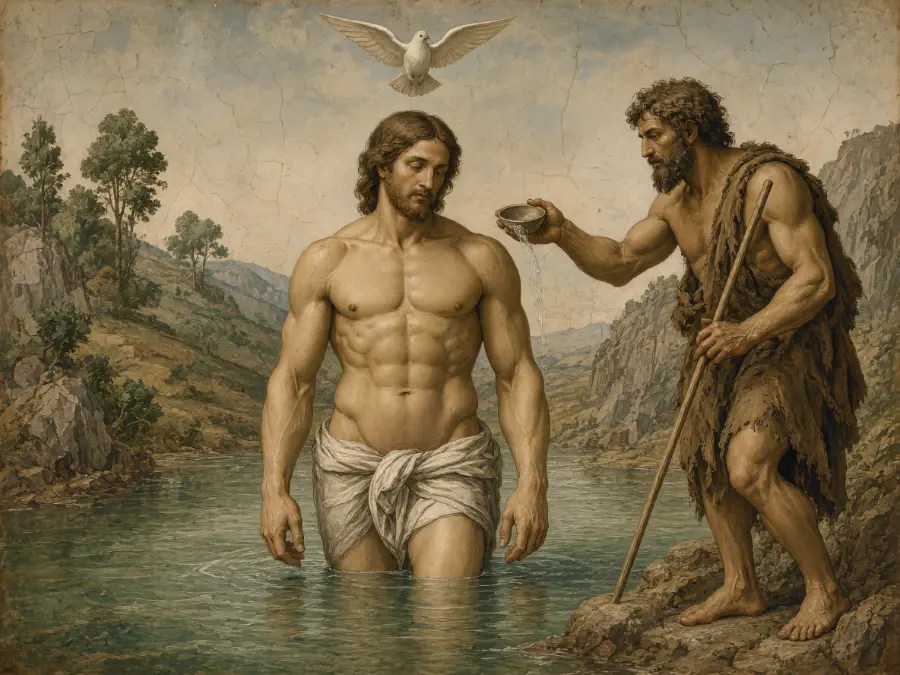
2 Corinthians 5:17
“Therefore, if anyone is in Christ, the new creation has come: The old has gone, the new is here!”
Reflection: The new year often prompts a desire for a new “me.” This verse speaks to a change that is deeper than resolution-keeping; it’s a change of identity at the very core of our being. This is a profound truth for our inner world. We are not just flawed individuals trying harder; we are fundamentally new creatures. Grasping this helps free us from the chains of past identities and behaviors, empowering us to live from a place of God-given wholeness, not from a place of striving and self-condemnation.

Philippians 3:13-14
“Brothers and sisters, I do not consider myself yet to have taken hold of it. But one thing I do: Forgetting what is behind and straining toward what is ahead, I press on toward the goal to win the prize for which God has called me heavenward in Christ Jesus.”
Reflection: This verse provides a beautiful model for healthy, forward-looking living. It acknowledges that we are all works in progress (“I do not consider myself yet to have taken hold of it”), which relieves the pressure of perfectionism. The emotional energy is channeled, not into dwelling on the past, but into a focused, motivated “straining” toward a worthy goal. This gives the new year a sense of divine purpose that fuels our passion and directs our choices.

Revelation 21:5
“He who was seated on the throne said, ‘I am making everything new!’ Then he said, ‘Write this down, for these words are trustworthy and true.’”
Reflection: This is the ultimate promise of renewal. While a new year offers a temporal fresh start, this verse points to an eternal one. It gives us a profound sense of hope that overcomes the deepest pains and injustices of life. Knowing that the ultimate trajectory of history is toward complete restoration gives us the moral and emotional courage to face the uncertainties of the coming year, because we know the final chapter has already been written in our favor.
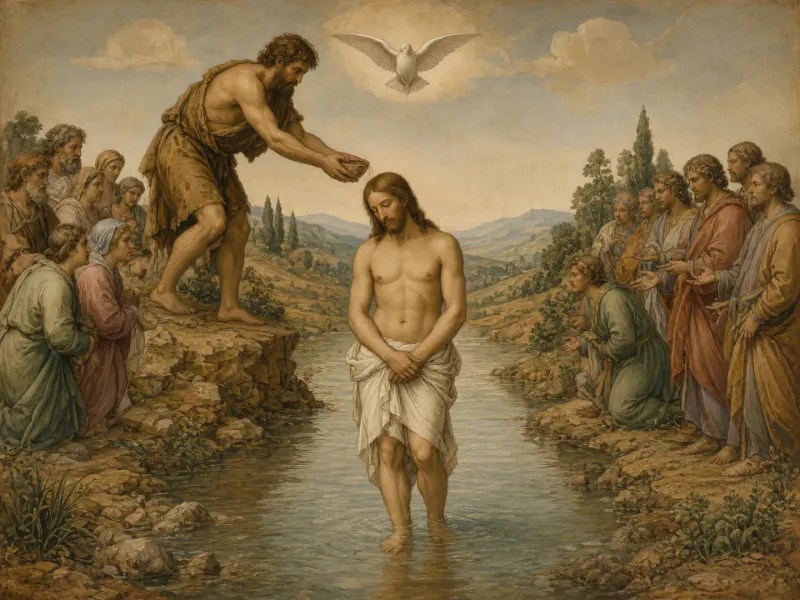
Ecclesiastes 3:1
“To everything there is a season, and a time to every purpose under the heaven.”
Reflection: This verse offers a sense of profound peace and acceptance. The new year can bring anxiety about what we “should” be achieving. This wisdom reminds us that life moves in rhythms. There are seasons for striving and seasons for resting, seasons for joy and seasons for grief. Embracing this truth helps us release the internal struggle against our current reality and find contentment by aligning our hearts with the purpose God has for this specific season of our lives.
Category 2: God’s Faithfulness and Sovereignty
These verses provide an anchor of trust for the coming year, reminding us that a faithful and sovereign God is in control of the future.
Jeremiah 29:11
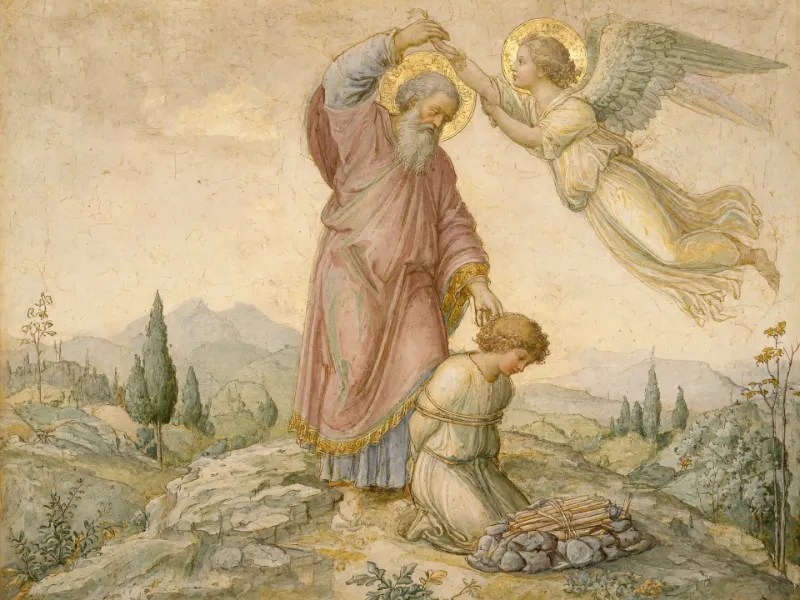
“‘For I know the plans I have for you,’ declares the Lord, ‘plans to prosper you and not to harm you, plans to give you hope and a future.’”
Reflection: In the face of an unknown year, our minds naturally crave security and a positive narrative. This promise speaks directly to that need. It is not a guarantee of a life free from pain, but a declaration of God’s benevolent intent towards us. Internalizing this truth shifts our core posture from one of fear and defensive living to one of courageous trust, believing that even in hardship, God’s ultimate purpose for us is one of hope and flourishing.

Proverbs 16:9
“In their hearts humans plan their course, but the Lord establishes their steps.”
Reflection: This verse so perfectly balances our human responsibility with divine sovereignty. It validates our need to plan and dream for the new year, which is a healthy and necessary psychological function. Yet, it gently releases us from the burden of having to control every outcome. It allows us to hold our plans with open hands, finding peace and stability not in the perfection of our strategy, but in the wisdom of the One who directs our ultimate path.

Hebrews 13:8
“Jesus Christ is the same yesterday and today and forever.”
Reflection: The transition to a new year highlights the reality of constant change, which can feel destabilizing. This verse is a powerful anchor for the soul. In a world where our circumstances, emotions, and even relationships can shift, it points us to an unchanging source of identity and security. This truth builds a deep emotional resilience, allowing us to navigate the coming year’s changes with a calm heart, grounded in the unshakeable character of God.
Psalm 90:12
“Teach us to number our days, that we may gain a heart of wisdom.”
Reflection: A new year is a stark reminder of the passage of time. This verse transforms that potentially anxiety-provoking reality into an invitation for mindfulness and intentionality. To “number our days” is to live with an awareness of life’s preciousness, which motivates us to invest our time and energy in what truly matters. This pursuit leads not to panic, but to a “heart of wisdom”—a state of being characterized by peace, purpose, and right priorities.

Isaiah 26:3
“You will keep in perfect peace those whose minds are steadfast, because they trust in you.”
Reflection: This is a profound insight into the connection between our thoughts and our emotions. “Perfect peace” is not the absence of problems, but a state of inner tranquility that God provides. The condition is a “steadfast mind,” one that is intentionally and consistently focused on the trustworthiness of God. This verse is a guide for mental and spiritual discipline in the new year, showing us that by directing our focus, we can guard our hearts against the anxieties that threaten to overwhelm us.
Psalm 121:7-8
“The Lord will keep you from all harm— he will watch over your life; the Lord will watch over your coming and going both now and forevermore.”
Reflection: This is a lullaby of assurance for the anxious heart. The fear of future harm—physical, emotional, or spiritual—is a powerful force. This psalm speaks directly to that fear with a promise of vigilant, personal protection. To believe this is to feel profoundly secure, like a child held by a loving parent. It doesn’t mean we won’t face trials, but that our very life, our soul, is secure in God’s watchfulness as we step into the “coming and going” of a new year.
Category 3: Renewing Our Hearts and Minds
These verses are about the internal transformation that a new year inspires—the desire to grow, change, and align our inner world with God’s will.

Romans 12:2
“Do not conform to the pattern of this world, but be transformed by the renewing of your mind. Then you will be able to test and approve what God’s will is—his good, pleasing and perfect will.”
Reflection: So many New Year’s resolutions are about conforming to worldly patterns of success or appearance. This verse calls for a much deeper, counter-cultural change. The “renewing of your mind” is a process of changing the very thought patterns, beliefs, and values that drive our behavior. It is a call to intentionally reshape our inner world according to God’s truth, which leads to the clarity and wisdom needed to navigate the coming year with true purpose.
Ezekiel 36:26
“I will give you a new heart and put a new spirit in you; I will remove from you your heart of stone and give you a heart of flesh.”
Reflection: This verse speaks to the moments when we feel stuck in our own hardness of heart—our cynicism, unforgiveness, or apathy. It acknowledges that some changes are too deep for willpower alone. This is a promise of divine spiritual surgery. A “heart of stone” is unresponsive and defensive, while a “heart of flesh” is alive, tender, and capable of deep feeling and connection. This is a profound hope for anyone entering a new year feeling emotionally numb or spiritually hardened.
Ephesians 4:22-24
“You were taught, with regard to your former way of life, to put off your old self, which is being corrupted by its deceitful desires; to be made new in the attitude of your minds; and to put on the new self, created to be like God in true righteousness and holiness.”
Reflection: This uses the powerful and practical metaphor of clothing. We can intentionally “put off” old habits and mindsets like a dirty garment. The “attitude of your minds” becomes the focus of our renewal. Then we can “put on” the new self. This speaks to our agency in the transformation process. In the new year, we can consciously choose which attitudes, responses, and behaviors we will “wear,” aligning our choices with the new person God has created us to be.

Psalm 51:10
“Create in me a pure heart, O God, and renew a steadfast spirit within me.”
Reflection: This is the humble, vulnerable prayer of a person who knows they cannot fix themselves. It is a cry for internal re-creation. A “pure heart” is one with singular, unmixed motives. A “steadfast spirit” is one that is stable, resilient, and not easily shaken by temptation or circumstance. To pray this for the new year is to admit our own moral and emotional fragility and invite God to do the deep, strengthening work that we cannot accomplish on our own.

Proverbs 3:5-6
“Trust in the Lord with all your heart and lean not on your own understanding; in all your ways submit to him, and he will make your paths straight.”
Reflection: Anxiety and confusion often stem from “leaning on our own understanding”—trying to figure everything out and control every variable. This is mentally and emotionally exhausting. This proverb offers an alternative: radical trust. It’s a call to release the burden of total comprehension and instead rely on God’s character. This act of surrender is what brings clarity (“he will make your paths straight”), clearing the mental fog and allowing us to walk into the new year with confidence and peace.

Colossians 3:9-10
“Do not lie to each other, since you have taken off your old self with its practices and have put on the new self, which is being renewed in knowledge in the image of its Creator.”
Reflection: This verse connects spiritual renewal directly to the pursuit of knowledge—not just intellectual data, but a deep, relational knowledge of God. Our transformation is an ongoing process (“is being renewed”). It suggests that as we learn more about God’s character throughout the year, our own character is incrementally reshaped to reflect His. This gives our spiritual disciplines—like reading scripture and prayer—a clear, psychological purpose: they are the very means by which our inner self is restored.
Category 4: Living with Purpose and Hope
These verses set a direction for the new year, filling it with a sense of divine purpose, meaning, and unshakable hope.

Ephesians 2:10
“For we are God’s handiwork, created in Christ Jesus to do good works, which God prepared in advance for us to do.”
Reflection: This verse combats feelings of worthlessness and meaninglessness. To see yourself as God’s “handiwork” or “masterpiece” instills a profound sense of value and dignity. Furthermore, it gives the new year a clear mission. We are not just trying to survive or be happy; we are created for a purpose—to do good works that God has already laid out. This infuses our daily lives with significance and provides a noble motivation for our actions in the year to come.
Matthew 6:33-34
“But seek first his kingdom and his righteousness, and all these things will be given to you as well. Therefore do not worry about tomorrow, for tomorrow will worry about itself. Each day has enough trouble of its own.”
Reflection: This is a direct prescription for managing anxiety about the future. Worry is a state of mind fixated on “what if.” Jesus replaces that with a singular focus for the present moment: “seek first his kingdom.” By reordering our priorities, we crowd out worry. The command to not worry about tomorrow is not a denial of responsibility, but an invitation to live fully in the present, trusting that when we handle today’s primary purpose, we are best prepared for whatever tomorrow holds.
2 Corinthians 4:16-18
“Therefore we do not lose heart. Though outwardly we are wasting away, yet inwardly we are being renewed day by day. For our light and momentary troubles are achieving for us an eternal glory that far outweighs them all. So we fix our eyes not on what is seen, but on what is unseen, since what is seen is temporary, but what is unseen is eternal.”
Reflection: This passage provides a powerful cognitive reframing for suffering. It gives us permission to “not lose heart” even when facing real troubles. The key is perspective. By viewing our present difficulties as “light and momentary” in comparison to the “eternal glory” they are producing, we can endure them with hope instead of despair. Fixing our gaze on the unseen, eternal reality infuses our present moments with a resilient and transcendent purpose.
Psalm 37:4
“Take delight in the Lord, and he will give you the desires of your heart.”
Reflection: At first glance, this can sound like a formula for getting what we want. But it’s far deeper. The act of “delighting” in God—finding our joy, satisfaction, and worth in Him—is transformative. As we do this, our own desires begin to change and align with His. The deepest longings of our heart become for the very things God wants for us. It’s a promise of ultimate fulfillment, found not in the acquisition of things, but in the communion of our heart with God’s heart.
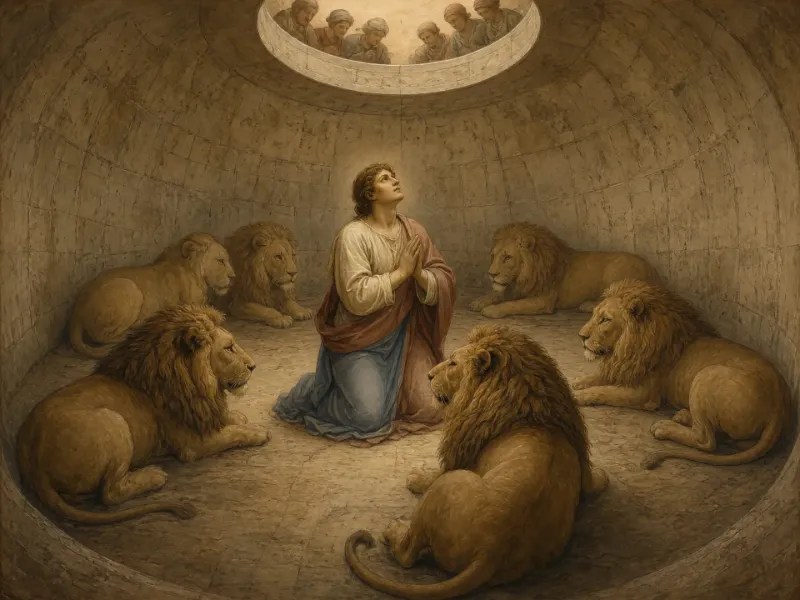
1 Peter 1:3
“Praise be to the God and Father of our Lord Jesus Christ! In his great mercy he has given us new birth into a living hope through the resurrection of Jesus Christ from the dead.”
Reflection: Hope is a vital psychological resource. This verse declares that Christian hope is not mere wishful thinking; it is a “living hope.” It is active, powerful, and resilient because it is grounded in the historical event of the resurrection. This means our optimism for the new year is not dependent on our circumstances being good, but on the reality that death has been overcome. This provides a durable, unshakeable foundation for joy and perseverance, no matter what the year may bring.

Proverbs 19:21
“Many are the plans in a person’s heart, but it is the Lord’s purpose that prevails.”
Reflection: As we make our new year’s plans and resolutions, this verse offers both a humble caution and a deep comfort. It acknowledges our human drive to plan and strategize. Yet, it reminds us that ultimate meaning is found not in the fulfillment of our own plans, but in participating in God’s prevailing purpose. This can free us from the crushing weight of personal ambition and allows us to find deep significance in aligning our lives with a narrative far greater and more enduring than our own.


Leave a Reply