
 English
  Chinese
  Dutch
Dutch  Arabic
  Spanish
  Portuguese
  Russian
  French
  Italian
  German
  Japanese
 The Bible calls God a father to the fatherless and gives his people the work of caring for them. The law set part of the harvest aside for them (Deuteronomy 24:19), Isaiah accused Jerusalem’s rulers of neglecting them (Isaiah 1:23), and James 1:27 counts their care as religion God accepts.
In the NIV, the law, the Psalms and the prophets call these children “the fatherless”, while James 1:27 and John 14:18 say “orphans”; Psalm 68:5 calls God “a father to the fatherless”. Lamentations 5:3 applies the word to a whole defeated people: “We have become fatherless, our mothers are widows.” Esther, whom Mordecai raised “as his own daughter” (Esther 2:7), had “neither father nor mother”.
God as defender of the fatherless
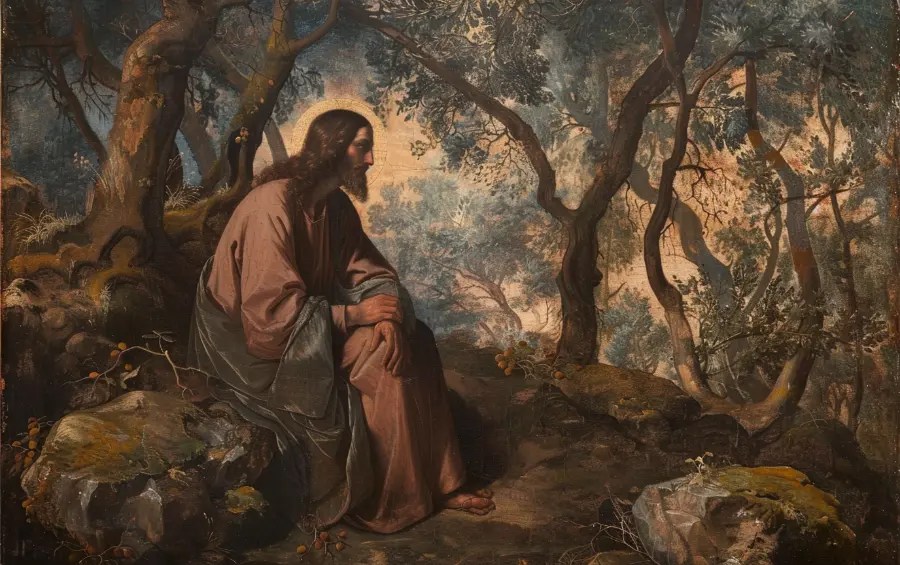
Psalm 68:5
“A father to the fatherless, a defender of widows, is God in his holy dwelling.”
Reflection: David’s psalm calls its hearers to sing to the God “who rides on the clouds” (verse 4), then places the same God “in his holy dwelling” as father to the fatherless and defender of widows. The next verse carries the thought on: “God sets the lonely in families, he leads out the prisoners with singing.”
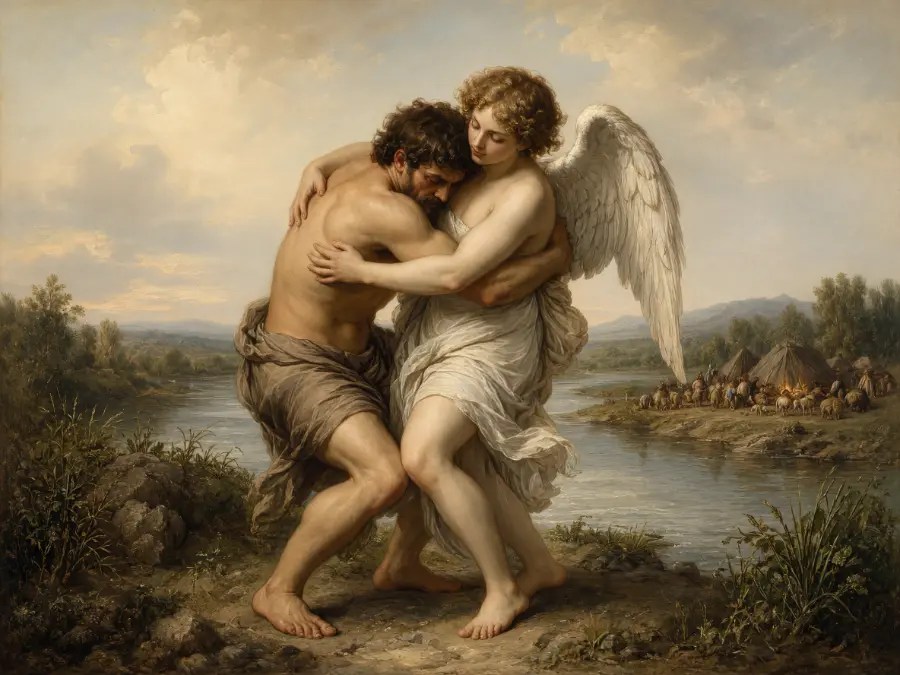
Deuteronomy 10:18
“He defends the cause of the fatherless and the widow, and loves the foreigner residing among you, giving them food and clothing.”
Reflection: Verse 17 describes God as “God of gods and Lord of lords”, one “who shows no partiality and accepts no bribes”, and verse 18 says this God defends the cause of the fatherless and the widow and loves the foreigner. Verse 19 turns the description into a command to Israel: “you are to love those who are foreigners, for you yourselves were foreigners in Egypt.”
Psalm 146:9
“The LORD watches over the foreigner and sustains the fatherless and the widow, but he frustrates the ways of the wicked.”
Reflection: The psalm lists what the LORD does, clause after clause: he upholds the cause of the oppressed, feeds the hungry, sets prisoners free and gives sight to the blind (verses 7-8). The foreigner, the fatherless and the widow come at the end of the list, and the verse closes by setting God against “the ways of the wicked.”
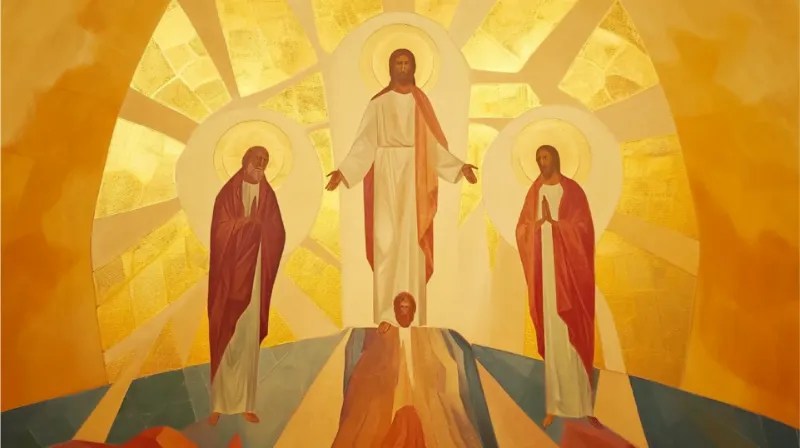
Psalm 10:14
“But you, God, see the trouble of the afflicted; you consider their grief and take it in hand. The victims commit themselves to you; you are the helper of the fatherless.”
Reflection: The wicked man in this psalm says to himself, “He won’t call me to account” (verse 13). Verse 14 answers him: God sees the trouble and takes it in hand, and the victims leave their case with him. The psalm ends on the same subject, with the LORD listening to the afflicted, “defending the fatherless and the oppressed, so that mere earthly mortals will never again strike terror” (verse 18).
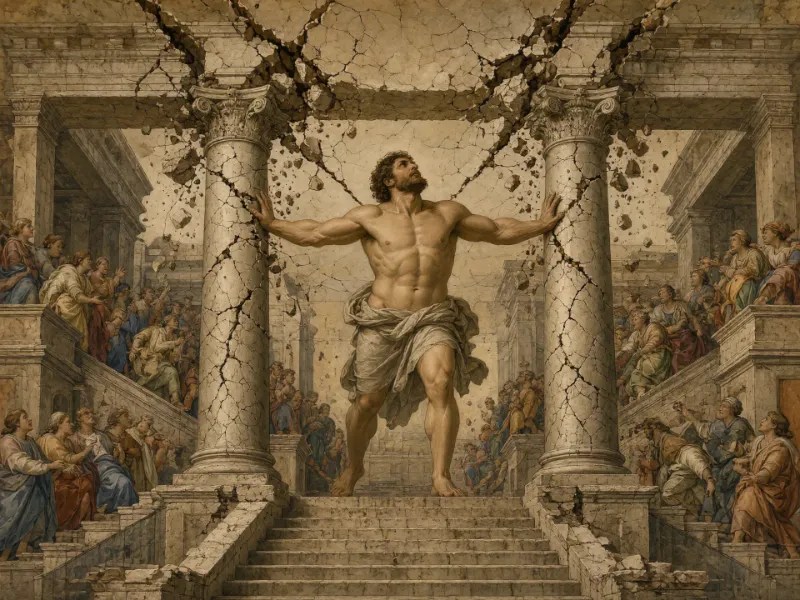
Hosea 14:3
“…for in you the fatherless find compassion.”
Reflection: Hosea gives Israel the words to say when it returns to the LORD (verses 1-2). The prayer gives up Assyria, warhorses and gods “our own hands have made”, and it ends with the reason for turning to God instead: “in you the fatherless find compassion.”
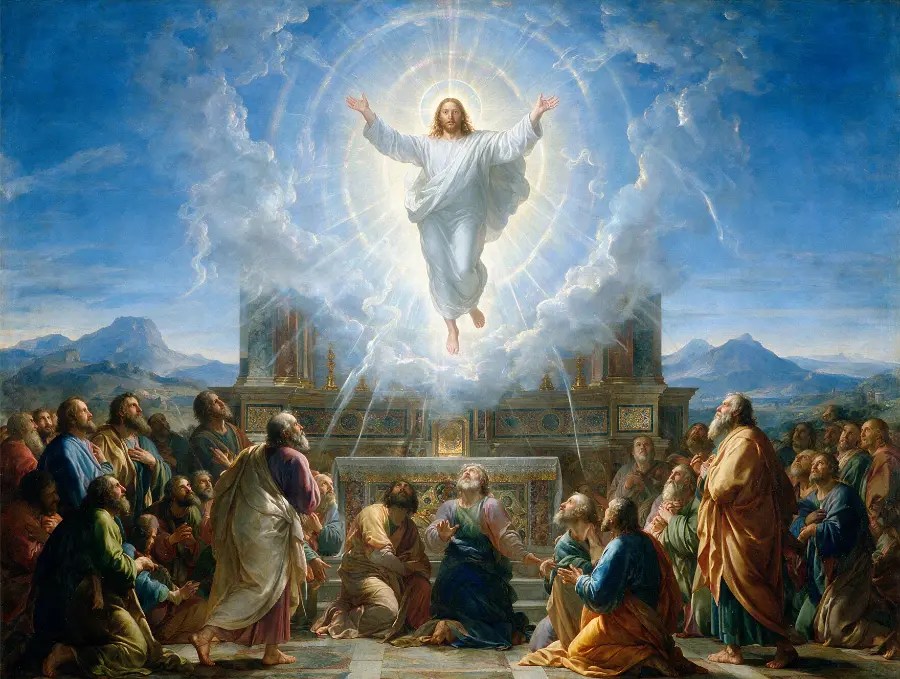
Proverbs 23:10-11
“Do not move an ancient boundary stone or encroach on the fields of the fatherless, for their Defender is strong; he will take up their case against you.”
Reflection: The proverb forbids moving an ancient boundary stone into the fields of the fatherless and names God as their Defender, who “will take up their case against you.” Deuteronomy 27:17 curses anyone who “moves their neighbor’s boundary stone”, two verses before the curse on withholding justice from the fatherless.
What God’s people are told to do
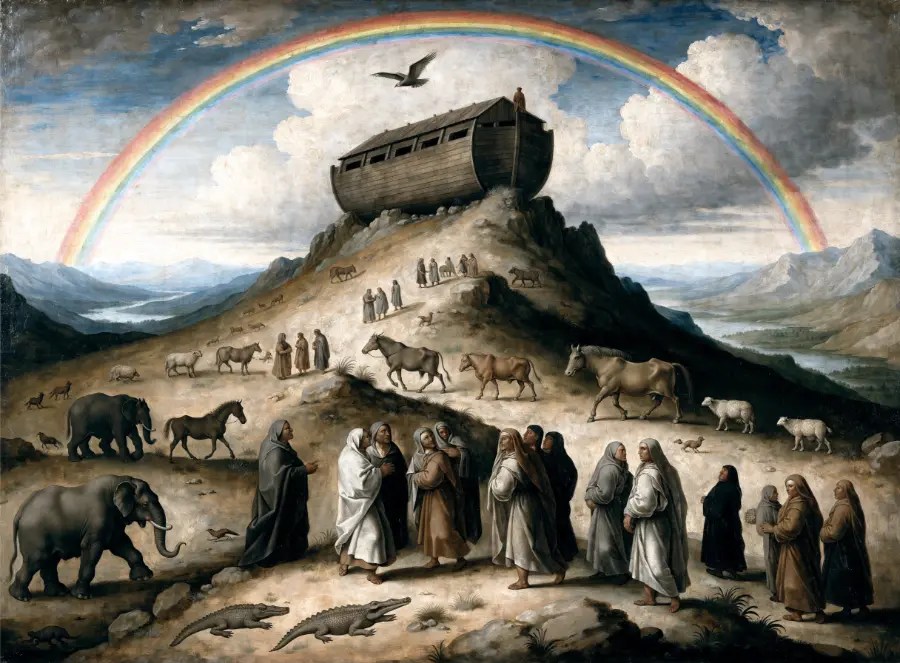
Exodus 22:22-24
“Do not take advantage of the widow or the fatherless. If you do and they cry out to me, I will certainly hear their cry. My anger will be aroused, and I will kill you with the sword; your wives will become widows and your children fatherless.”
Reflection: These verses belong to the laws that begin at Exodus 21:1, “These are the laws you are to set before them.” The verse before forbids oppressing a foreigner, “for you were foreigners in Egypt.” Here God promises to hear the cry of a wronged widow or fatherless child, and the penalty leaves the offenders’ own wives widows and their children fatherless, the condition of the people they wronged.

Deuteronomy 24:19
“When you are harvesting in your field and you overlook a sheaf, do not go back to get it. Leave it for the foreigner, the fatherless and the widow, so that the LORD your God may bless you in all the work of your hands.”
Reflection: A sheaf forgotten at harvest was left in the field for the foreigner, the fatherless and the widow, and verses 20-21 give the same rule for the olive trees and the vineyard. Verse 17 has already forbidden depriving the fatherless of justice. The passage gives its reason twice, in verses 18 and 22: “Remember that you were slaves in Egypt.”
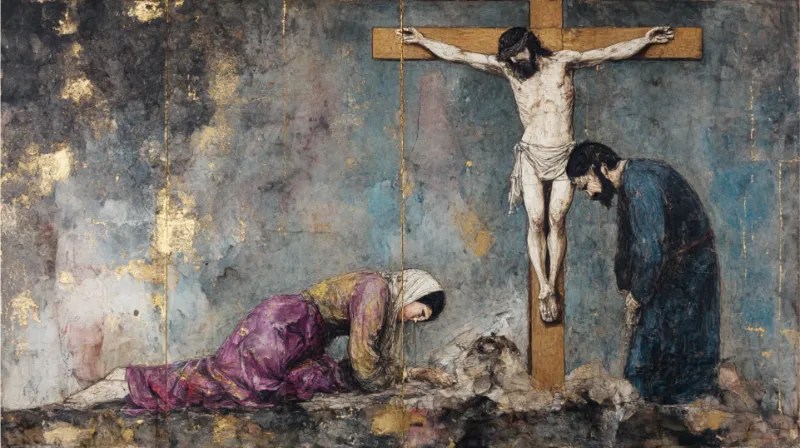
Deuteronomy 14:28-29
“At the end of every three years, bring all the tithes of that year’s produce and store it in your towns, so that the Levites (who have no allotment or inheritance of their own) and the foreigners, the fatherless and the widows who live in your towns may come and eat and be satisfied, and so that the LORD your God may bless you in all the work of your hands.”
Reflection: Every third year the tithe of the harvest was stored in the towns for the Levites, who had no land of their own, and for the foreigners, the fatherless and the widows living there. It carries the same promise as the gleaning law in Deuteronomy 24:19, that the LORD will bless “all the work of your hands.”
Deuteronomy 27:19
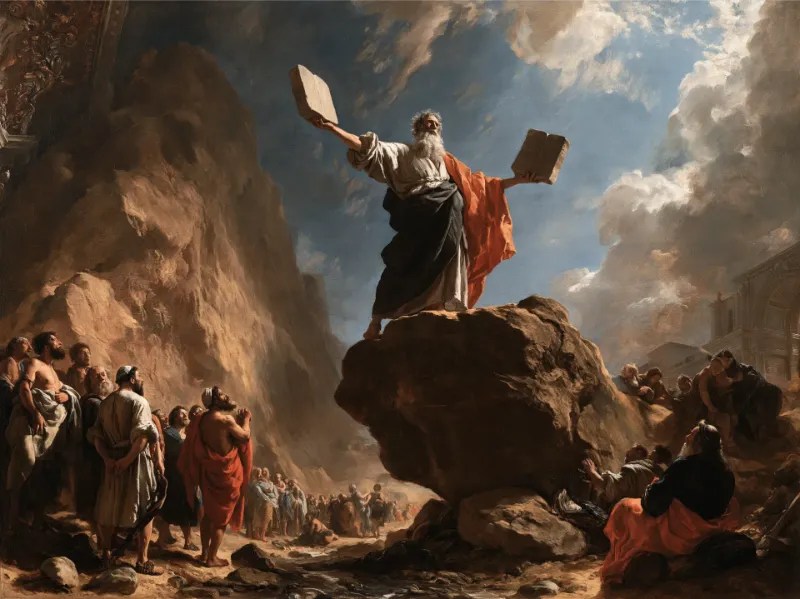
“‘Cursed is anyone who withholds justice from the foreigner, the fatherless or the widow.’ Then all the people shall say, ‘Amen!’”
Reflection: The Levites recite a series of curses to all Israel (verse 14), and from verse 15 on the people answer “Amen!” after each one. This curse stands between one on leading the blind astray and one on sleeping with a father’s wife.
James 1:27
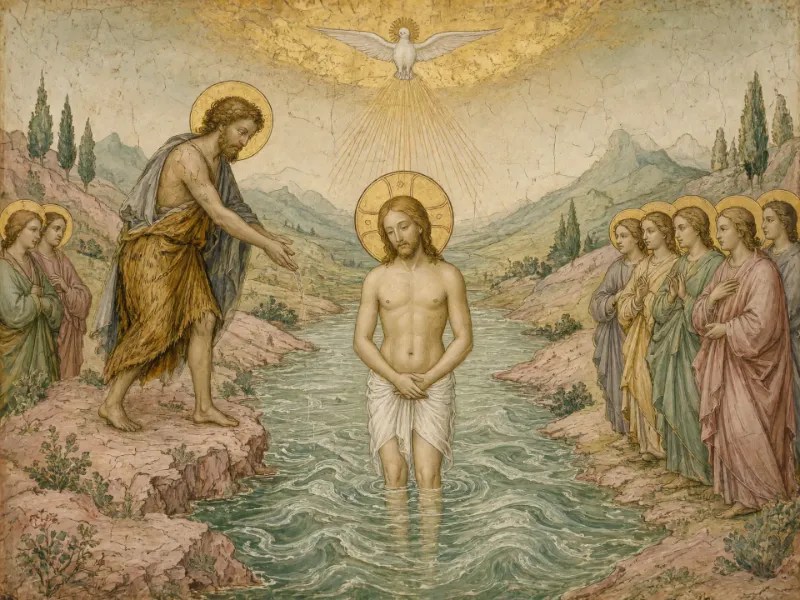
“Religion that God our Father accepts as pure and faultless is this: to look after orphans and widows in their distress and to keep oneself from being polluted by the world.”
Reflection: James sets this against the religion of verse 26, which is “worthless” in someone who does not keep a tight rein on the tongue. Religion God accepts has two marks: looking after orphans and widows “in their distress”, and keeping oneself unpolluted by the world.
Justice demanded of rulers and people
Isaiah 1:17
“Learn to do right; seek justice. Defend the oppressed. Take up the cause of the fatherless; plead the case of the widow.”
Reflection: Isaiah addresses his hearers as “rulers of Sodom” (verse 10), and God refuses their sacrifices, festivals and prayers: “Your hands are full of blood!” (verse 15). Verse 16 tells them to wash and stop doing wrong, and verse 17 names what doing right means: seeking justice, taking up the cause of the fatherless, pleading the case of the widow.
Psalm 82:3
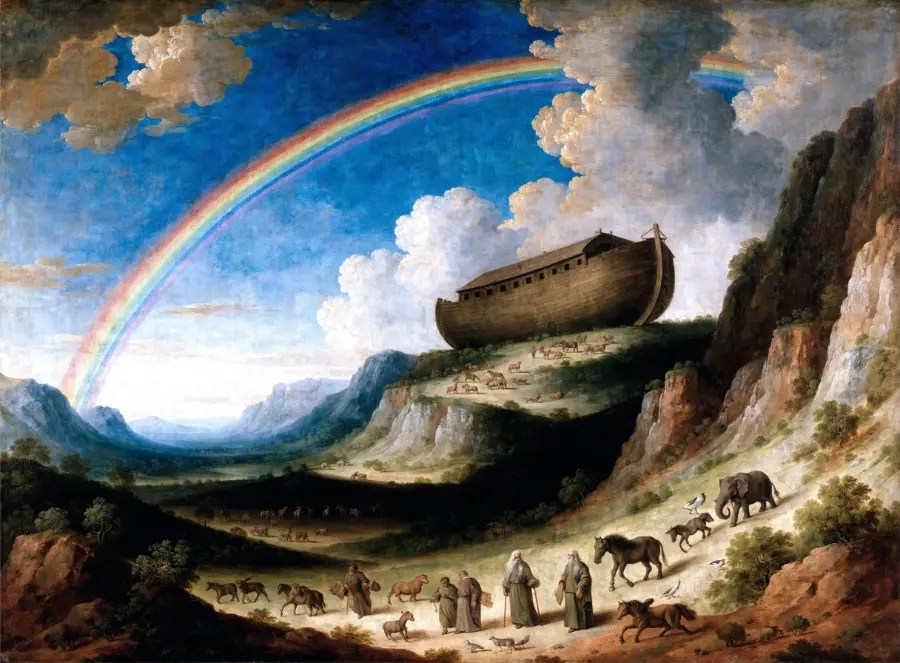
“Defend the weak and the fatherless; uphold the cause of the poor and the oppressed.”
Reflection: In this psalm of Asaph, God presides in “the great assembly” and judges among the “gods” (verse 1), who have defended the unjust and shown partiality to the wicked (verse 2). Verse 3 is the duty they failed to do. Verse 7 tells them they “will die like mere mortals” and “fall like every other ruler.”
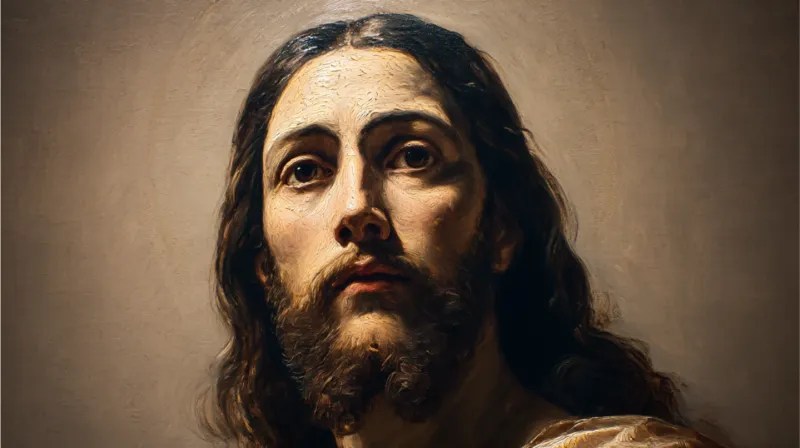
Isaiah 10:1-2
“Woe to those who make unjust laws, to those who issue oppressive decrees, to deprive the poor of their rights and withhold justice from the oppressed of my people, making widows their prey and robbing the fatherless.”
Reflection: The woe falls on lawmakers, who wrong the fatherless through “unjust laws” and “oppressive decrees”. The next verse asks them, “What will you do on the day of reckoning, when disaster comes from afar? To whom will you run for help? Where will you leave your riches?”
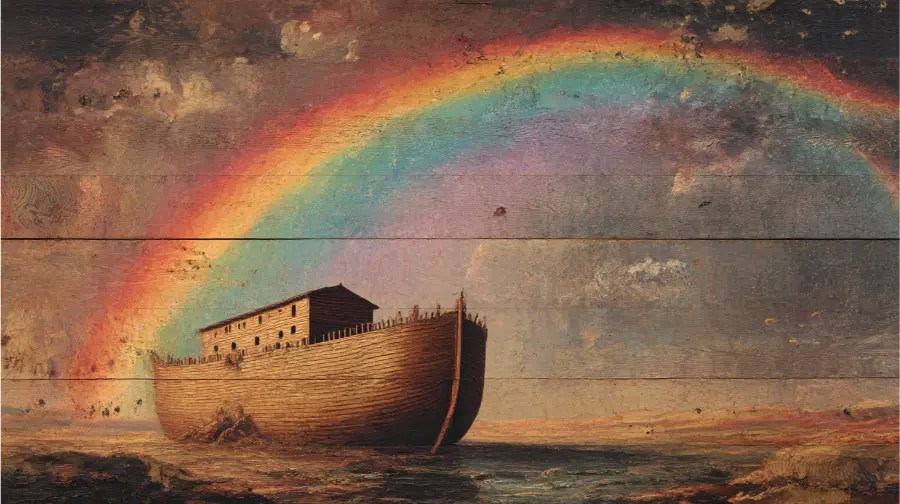
Jeremiah 22:3
“This is what the LORD says: Do what is just and right. Rescue from the hand of the oppressor the one who has been robbed. Do no wrong or violence to the foreigner, the fatherless or the widow, and do not shed innocent blood in this place.”
Reflection: Jeremiah is sent to the palace to say this to the king of Judah, his officials and the people who come through its gates (verses 1-2). The command carries two outcomes: if the king obeys, kings on David’s throne will keep riding through the palace gates, and if he does not, God swears that “this palace will become a ruin” (verse 5).
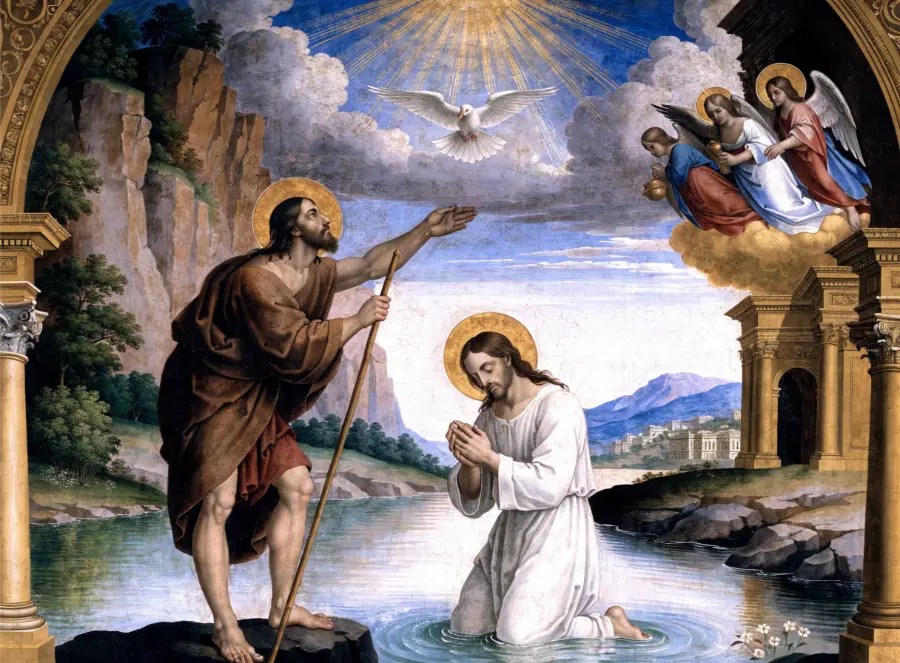
Zechariah 7:9-10
“This is what the LORD Almighty said: ‘Administer true justice; show mercy and compassion to one another. Do not oppress the widow or the fatherless, the foreigner or the poor. Do not plot evil against each other.’”
Reflection: Men from Bethel had asked whether they should keep fasting in the fifth month (verses 2-3). The answer points them back to the words “the Lord proclaimed through the earlier prophets” (verse 7), and verses 9-10 repeat those words: true justice, mercy, and no oppression of the widow, the fatherless, the foreigner or the poor. Verses 11-12 record that the earlier generation “refused to pay attention” and that “the LORD Almighty was very angry.”
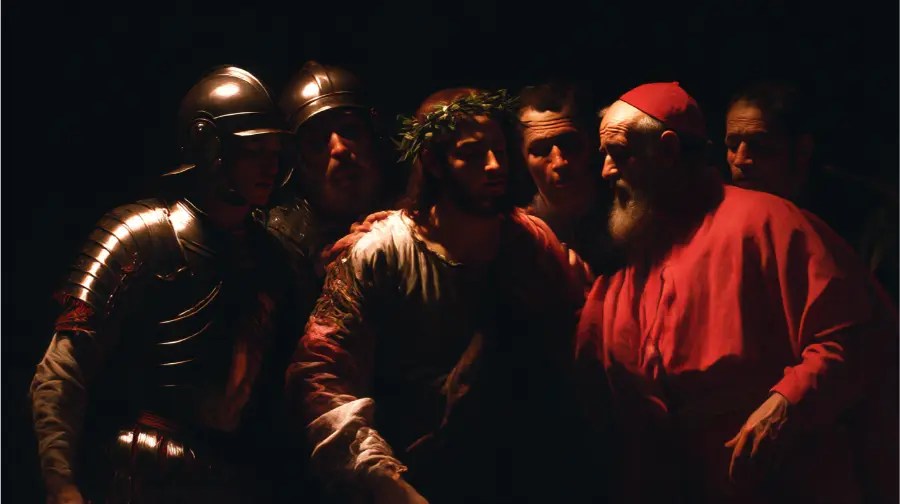
Malachi 3:5
“So I will come to put you on trial. I will be quick to testify against sorcerers, adulterers and perjurers, against those who defraud laborers of their wages, who oppress the widows and the fatherless, and deprive the foreigners among you of justice, but do not fear me,’ says the LORD Almighty.”
Reflection: Malachi announces the Lord coming to his temple like “a refiner’s fire” (verse 2). When he comes to put the people on trial, those who oppress widows and the fatherless stand in one list with sorcerers, adulterers, perjurers and employers who cheat laborers of their wages.
People who took in the fatherless
Job 29:12-13
“…because I rescued the poor who cried for help, and the fatherless who had none to assist them. The one who was dying blessed me; I made the widow’s heart sing.”
Reflection: Job, longing “for the months gone by” (verse 2), recalls why everyone who heard him once spoke well of him. The reason he gives is what he did for others: he rescued the fatherless who had no one to help them and made the widow’s heart sing. Verse 16 sums it up: “I was a father to the needy.”
Job 31:17-18
“…if I have kept my bread to myself, not sharing it with the fatherless— but from my youth I reared them as a father would, and from my birth I guided the widow—”
Reflection: In verses 16-22 Job swears that he has not neglected the poor, the widow or the fatherless, and calls a penalty on himself if he has. He denies eating alone while the fatherless went without and says he raised them “as a father would”. Verse 21 adds that he never raised his hand against the fatherless when he “had influence in court”, and verse 22 names the penalty: “let my arm fall from the shoulder.”

Esther 2:7
“Mordecai had a cousin named Hadassah, whom he had brought up because she had neither father nor mother. This young woman, who was also known as Esther, had a lovely figure and was beautiful. Mordecai had taken her as his own daughter when her father and mother died.”
Reflection: Mordecai, a Jew of the tribe of Benjamin carried into exile from Jerusalem and living in Susa (verses 5-6), raised his cousin Hadassah after her father and mother died. The verse says he took her “as his own daughter”.
The fatherless as a picture
Lamentations 5:3
“We have become fatherless, our mothers are widows.”
Reflection: Lamentations 5 is a prayer that opens, “Remember, LORD, what has happened to us” (verse 1). The people list their losses: their inheritance handed to strangers, and water and wood they now have to buy (verses 2-4). Here “fatherless” describes a whole defeated people, who say in verse 7 that their ancestors sinned “and we bear their punishment.”
Psalm 27:10
“Though my father and mother forsake me, the LORD will receive me.”
Reflection: The verse follows a run of requests to God: “Do not reject me or forsake me, God my Savior” (verse 9). The psalmist names the loss of both father and mother and says the LORD will receive him even then.

John 14:18
“I will not leave you as orphans; I will come to you.”
Reflection: Jesus says this to his disciples at the evening meal John places just before the Passover Festival (John 13:1-2). The verses before promise “another advocate”, the Spirit of truth, who “will be in you” (verses 16-17), and the verse after adds, “Because I live, you also will live.”


Leave a Reply