
 English
 Chinese
 Dutch
 Arabic
 Spanish
 Portuguese
 Russian
 French
 Italian
 German
 Japanese
The Bible calls God’s way, work and law perfect, and it asks the same of people. Jesus tells his hearers to be perfect as their heavenly Father is perfect (Matthew 5:48), Hebrews 7:19 says the law “made nothing perfect”, and in Philippians 3:12 Paul has not yet arrived.
In the Old Testament verses below, the Hebrew adjective is tamim, complete or sound; it describes God’s way (Psalm 18:30), work (Deuteronomy 32:4) and law (Psalm 19:7), and the NIV translates it “blameless” when it describes Noah (Genesis 6:9). In Matthew 5:48, James 1:4 and James 3:2 the Greek adjective is teleios, complete or mature, and Hebrews and Philippians 3:12 use the verb teleioo, to complete or bring to a goal. The NIV renders teleios “perfect” in Matthew 5:48 and “mature” in James 1:4.
God’s way, work, law and will
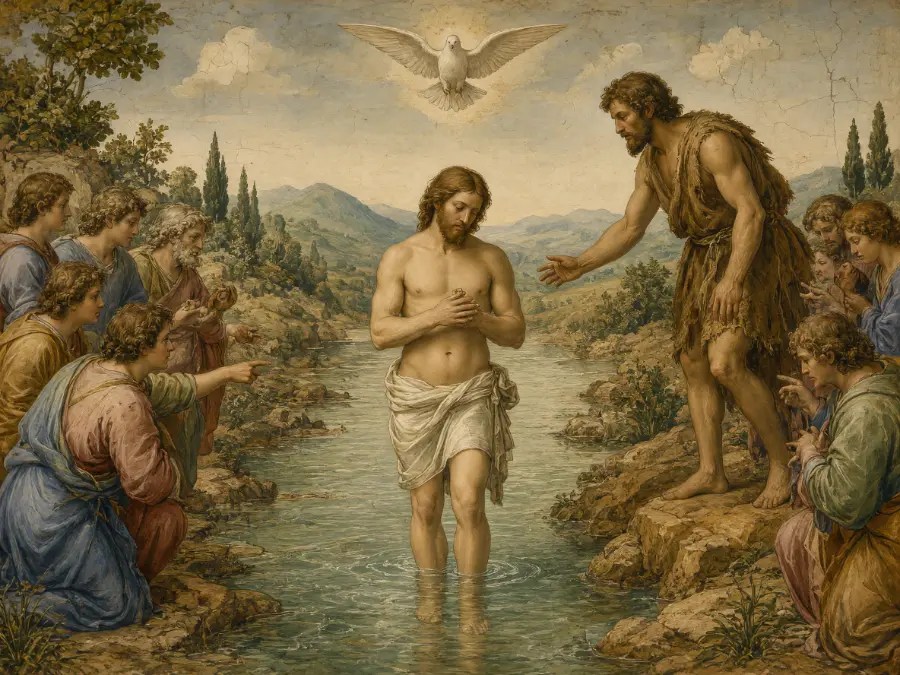
Deuteronomy 32:4
“He is the Rock, his works are perfect, and all his ways are just. A faithful God who does no wrong, upright and just is he.”
Reflection: The verse comes from the song Moses recited “in the hearing of the whole assembly of Israel” (Deuteronomy 31:30). It calls God “the Rock” and sets his perfect works beside justice and faithfulness. The next verse turns to the people: “They are corrupt and not his children; to their shame they are a warped and crooked generation.”
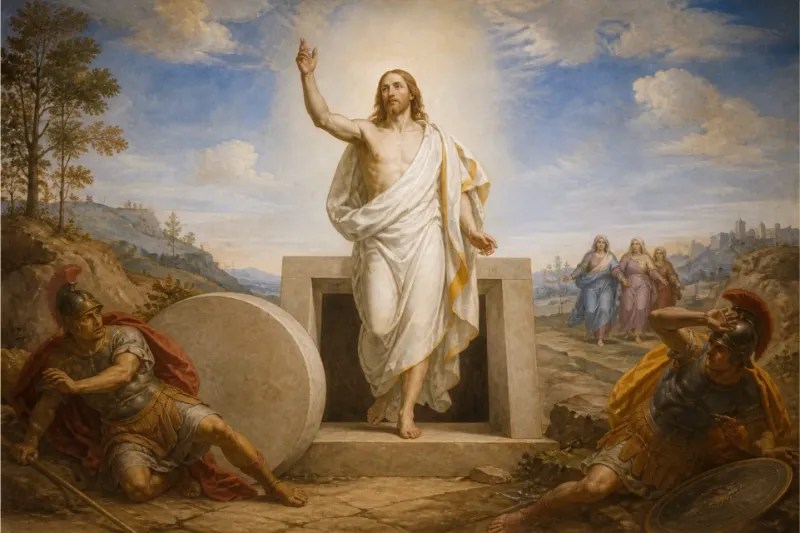
Psalm 18:30
“As for God, his way is perfect: The LORD’s word is flawless; he shields all who take refuge in him.”
Reflection: The same song, with small differences, is 2 Samuel 22, where it is introduced as the song David sang “when the LORD delivered him from the hand of all his enemies and from the hand of Saul” (2 Samuel 22:1). The verse joins three claims: God’s way is perfect, his word is flawless, and he shields those who take refuge in him. Two verses later God “keeps my way secure” (Psalm 18:32), a line the King James Version renders “maketh my way perfect”.

2 Samuel 22:33
“It is God who arms me with strength and keeps my way secure.”
Reflection: David sings this line in his song of thanksgiving for deliverance, right after declaring that God’s way is perfect and asking “who is the Rock except our God?” (2 Samuel 22:31-32). God’s own perfect way is followed by God arming David with strength and keeping his way secure, a phrase the King James Version translates “he maketh my way perfect”. In the verses that follow, David describes how God makes his feet like the feet of a deer and trains his hands for battle (verses 34-35).

Psalm 19:7
“The law of the Lord is perfect, refreshing the soul. The statutes of the Lord are trustworthy, making wise the simple.”
Reflection: Psalm 19 opens with the heavens that “declare the glory of God” and then turns to the law. Verses 7 to 9 call the law, statutes, precepts, commands, fear and decrees of the LORD perfect, trustworthy, right, radiant, pure and firm, and the first four lines say what each does; the perfect law refreshes the soul. Verse 11 adds: “By them your servant is warned; in keeping them there is great reward.”
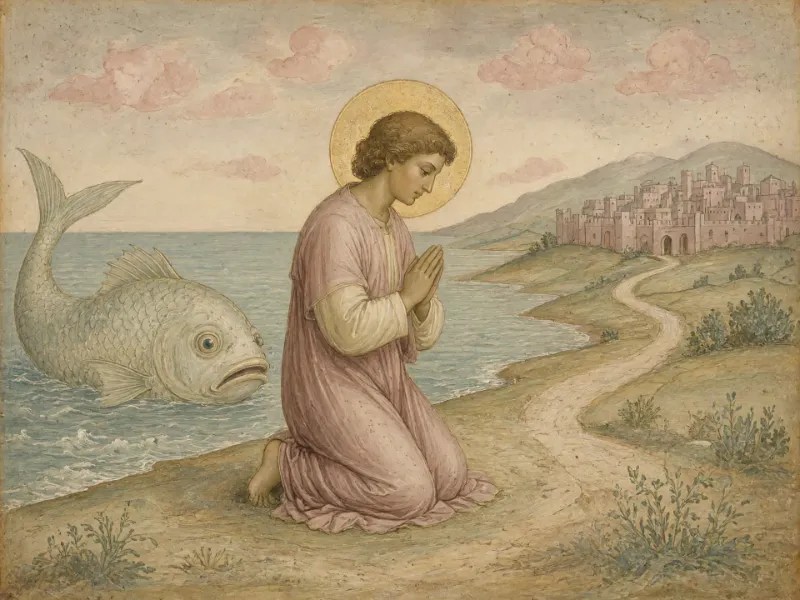
Romans 12:2
“Do not conform to the pattern of this world, but be transformed by the renewing of your mind. Then you will be able to test and approve what God’s will is—his good, pleasing and perfect will.”
Reflection: Paul has just urged his readers to offer their bodies “as a living sacrifice, holy and pleasing to God” (Romans 12:1). Here “perfect” describes God’s will, and the person able to “test and approve” that will is the one transformed by a renewed mind instead of conformed to “the pattern of this world”.
Blameless and mature

Genesis 6:9
“Noah was a righteous man, blameless among the people of his time, and he walked faithfully with God.”
Reflection: Noah is introduced after the statement that he “found favor in the eyes of the LORD” (Genesis 6:8), and before a description of an earth “corrupt in God’s sight” and “full of violence” (6:11). “Blameless” translates tamim, the adjective Deuteronomy 32:4 uses for God’s works, and “among the people of his time” measures Noah against his own generation. God tells Abram in Genesis 17:1: “walk before me faithfully and be blameless.”
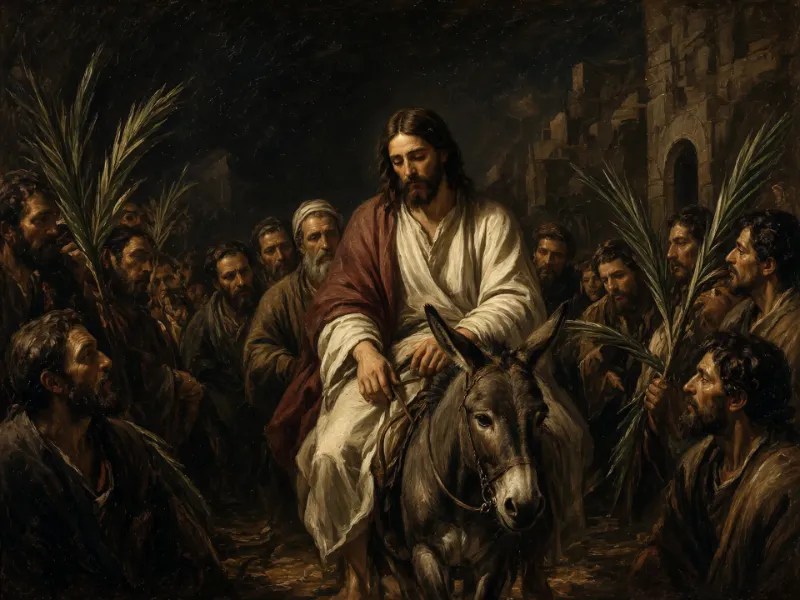
James 1:4
“Let perseverance finish its work so that you may be mature and complete, not lacking anything.”
Reflection: James opens his letter with trials: the testing of faith “produces perseverance” (James 1:3), and perseverance is to finish its work. “Mature” translates teleios, the word rendered “perfect” in Matthew 5:48, and James pairs it with “complete, not lacking anything”. The next verse names something a reader may still lack: “If any of you lacks wisdom, you should ask God.”
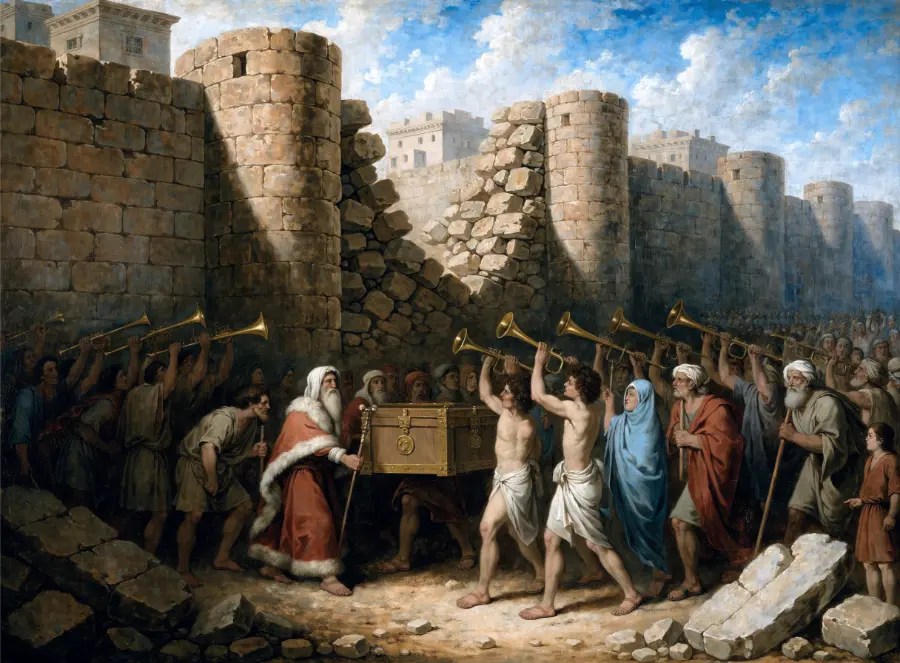
James 3:2
“We all stumble in many ways. Anyone who is never at fault in what they say is perfect, able to keep their whole body in check.”
Reflection: The warning is addressed to would-be teachers, who “will be judged more strictly” (James 3:1). James counts himself among those who stumble and then names the test: a person who never goes wrong in speech would be perfect, with the whole body in check. The verses that follow compare the tongue to a bit in a horse’s mouth and to the small rudder that steers a large ship (3:3-4).
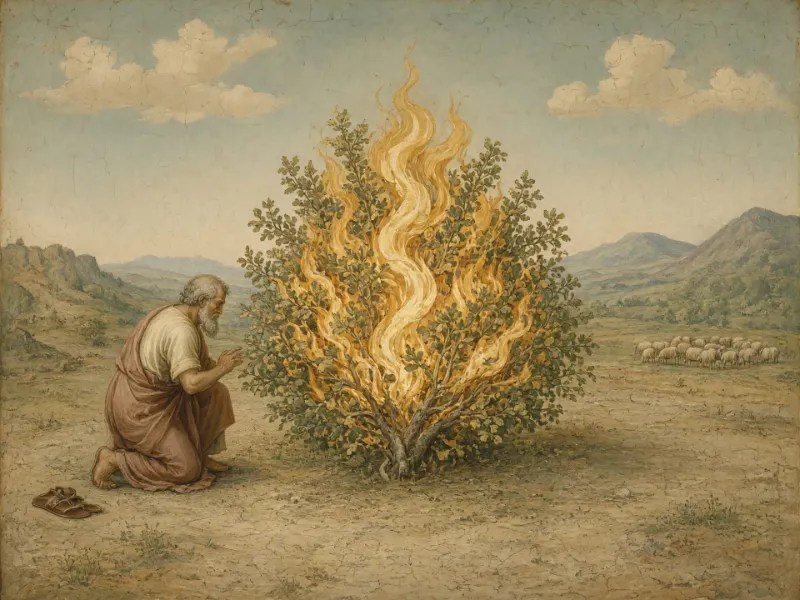
Colossians 1:28
“He is the one we proclaim, admonishing and teaching everyone with all wisdom, so that we may present everyone fully mature in Christ.”
Reflection: Paul describes his work: proclaiming Christ, “the hope of glory” (Colossians 1:27), so as to present everyone “fully mature in Christ”. The aim covers “everyone”, and the next verse says Paul labours toward it “with all the energy Christ so powerfully works in me” (1:29).

2 Timothy 3:16-17
“All Scripture is God-breathed and is useful for teaching, rebuking, correcting and training in righteousness, so that the servant of God may be thoroughly equipped for every good work.”
Reflection: Writing to Timothy, Paul urges him to continue in what he has learned from “the Holy Scriptures”, which make a person “wise for salvation through faith in Christ Jesus” (2 Timothy 3:14-15). God-breathed Scripture teaches, rebukes, corrects and trains in righteousness so that the servant of God is thoroughly equipped for every good work. Where the NIV reads “thoroughly equipped”, the King James Version renders verse 17 as “That the man of God may be perfect, thoroughly furnished unto all good works”.
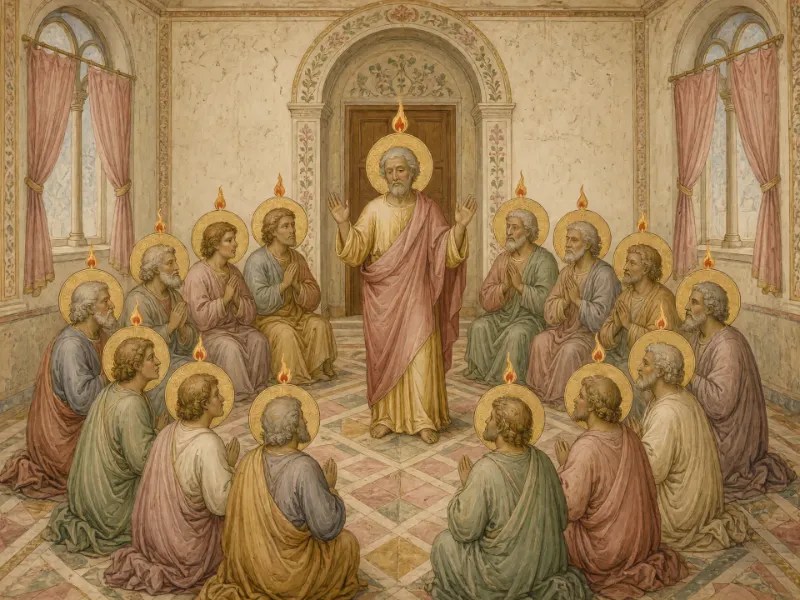
Hebrews 13:20-21
“Now may the God of peace, who through the blood of the eternal covenant brought back from the dead our Lord Jesus, that great Shepherd of the sheep, equip you with everything good for doing his will, and may he work in us what is pleasing to him, through Jesus Christ, to whom be glory for ever and ever. Amen.”
Reflection: Near the close of the letter to the Hebrews, the writer asks the church to pray for a clear conscience and honorable conduct (Hebrews 13:18) before offering this closing blessing. The prayer asks the God of peace, who raised Jesus “through the blood of the eternal covenant”, to equip believers with everything good for doing his will and to work what is pleasing to him through Jesus Christ. Where the NIV has “equip”, the King James Version translates verse 21 as “Make you perfect in every good work to do his will”. Immediately afterward, the writer urges the recipients to bear with this “word of exhortation” (verse 22).
Perfection measured by love
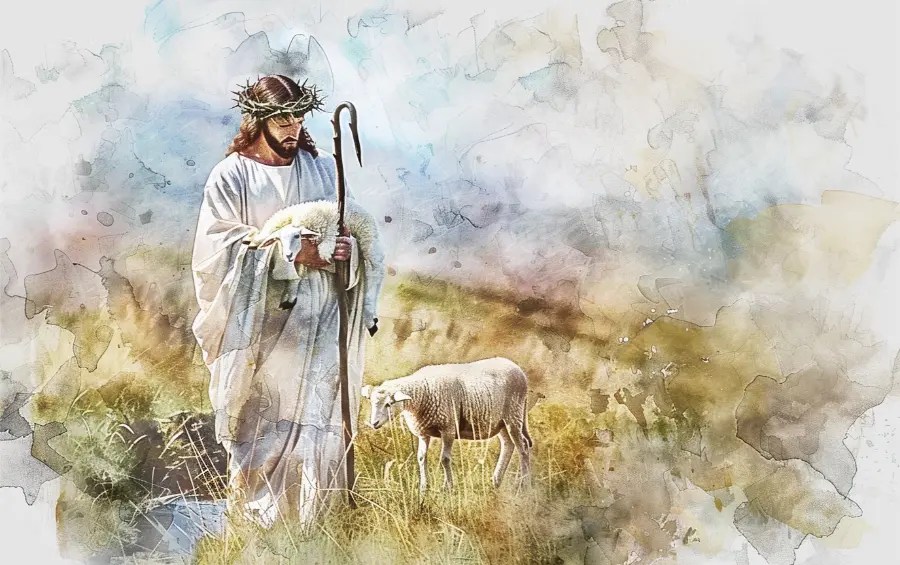
Matthew 5:48
“Be perfect, therefore, as your heavenly Father is perfect.”
Reflection: The command closes Jesus’ teaching on enemies: love them and pray for those who persecute you, that you may be children of the Father who “causes his sun to rise on the evil and the good” (Matthew 5:45). The “therefore” ties the command to that kind of love, since even tax collectors love those who love them (5:46). Luke’s version of the teaching on loving enemies ends with “Be merciful, just as your Father is merciful” (Luke 6:36). Jesus uses the word again with the rich young man in Matthew 19:21: “If you want to be perfect, go, sell your possessions and give to the poor.”

Colossians 3:14
“And over all these virtues put on love, which binds them all together in perfect unity.”
Reflection: After a list of virtues to “clothe yourselves with” (Colossians 3:12), Paul names love as the one put on over them all. The verse before gives the setting: bearing with each other and forgiving “as the Lord forgave you” (3:13). The King James Version renders the end of the verse “the bond of perfectness”.
1 John 4:18
“There is no fear in love. But perfect love drives out fear, because fear has to do with punishment. The one who fears is not made perfect in love.”
Reflection: John has just written that “God is love” and that love is “made complete among us so that we will have confidence on the day of judgment” (1 John 4:16-17). Perfect love drives out fear, and the verse gives the reason: fear “has to do with punishment”. “Made perfect in love” uses teleioo, the verb Hebrews uses when it says Christ was “made perfect”.
Christ made perfect, and the law that made nothing perfect

Hebrews 5:9
“and, once made perfect, he became the source of eternal salvation for all who obey him.”
Reflection: Hebrews says that Jesus offered “prayers and petitions with fervent cries and tears” and “learned obedience from what he suffered” (Hebrews 5:7-8). The verb is teleioo, to bring to the goal proposed, and Hebrews 2:10 has already used it: God made “the pioneer of their salvation perfect through what he suffered.” Once made perfect, Jesus is the source of salvation and is “designated by God to be high priest in the order of Melchizedek” (5:10).
Hebrews 7:19
“(for the law made nothing perfect), and a better hope is introduced, by which we draw near to God.”
Reflection: Hebrews 7 argues from the priesthood: “If perfection could have been attained through the Levitical priesthood… why was there still need for another priest to come” (Hebrews 7:11)? The parenthesis gives the reason the former regulation is set aside, and the better hope is the one “by which we draw near to God”. Verse 28 sets the two side by side: the law appoints high priests “in all their weakness”, but the oath appointed “the Son, who has been made perfect forever.”
Hebrews 10:14
“For by one sacrifice he has made perfect forever those who are being made holy.”
Reflection: Two verb forms stand side by side: those Christ “has made perfect forever” are also those “being made holy”. The contrast is with the priests who stand “day after day” offering “the same sacrifices, which can never take away sins” (Hebrews 10:11), while this priest offered one sacrifice and sat down (10:12). The chapter opens with a claim about the law: it can never “make perfect those who draw near to worship” (10:1).
Hebrews 12:2
“fixing our eyes on Jesus, the pioneer and perfecter of faith. For the joy set before him he endured the cross, scorning its shame, and sat down at the right hand of the throne of God.”
Reflection: The verse follows the list of the faithful in Hebrews 11, which ends with the statement that “only together with us would they be made perfect” (11:40); they are the “great cloud of witnesses” of 12:1. “Pioneer” is the title Hebrews 2:10 also gives Jesus, where he is made perfect through suffering, and here the suffering is named: he “endured the cross, scorning its shame”. The King James Version reads “the author and finisher of our faith”.
Weakness and suffering now, completion to come

Philippians 3:12-14
“Not that I have already obtained all this, or have already arrived at my goal, but I press on to take hold of that for which Christ Jesus took hold of me. Brothers and sisters, I do not consider myself yet to have taken hold of it. But one thing I do: Forgetting what is behind and straining toward what is ahead, I press on toward the goal to win the prize for which God has called me heavenward in Christ Jesus.”
Reflection: Where the NIV has “or have already arrived at my goal”, the King James Version reads “either were already perfect”, and the Greek verb is teleioo. Paul keeps pressing on, “forgetting what is behind and straining toward what is ahead”. Three verses later he writes “All of us, then, who are mature should take such a view of things” (Philippians 3:15), using the adjective teleios: he denies being perfect and counts himself among the mature.
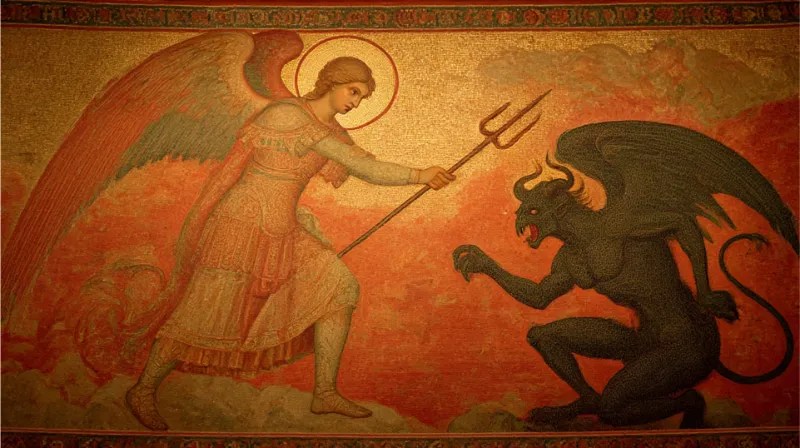
Philippians 1:6
“being confident of this, that he who began a good work in you will carry it on to completion until the day of Christ Jesus.”
Reflection: Paul’s confidence follows his thanks for the Philippians’ “partnership in the gospel from the first day until now” (Philippians 1:5). The one who began the good work is the one who will carry it on to completion, and the verse sets the date of completion at “the day of Christ Jesus”.
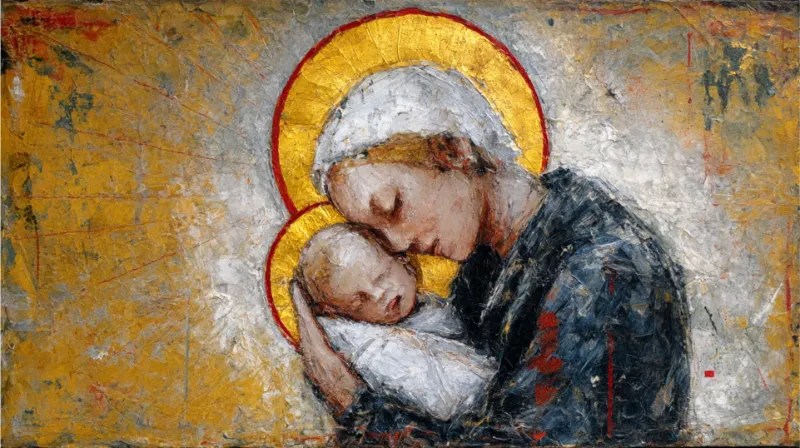
2 Corinthians 12:9
“But he said to me, ‘My grace is sufficient for you, for my power is made perfect in weakness.’ Therefore I will boast all the more gladly about my weaknesses, so that Christ’s power may rest on me.”
Reflection: Paul had pleaded with the Lord three times to take away the thorn in his flesh (2 Corinthians 12:8). The answer he records is “My grace is sufficient for you”, with perfection belonging to Christ’s power, made perfect in weakness. Paul’s conclusion follows in the next verse: “For when I am weak, then I am strong.”
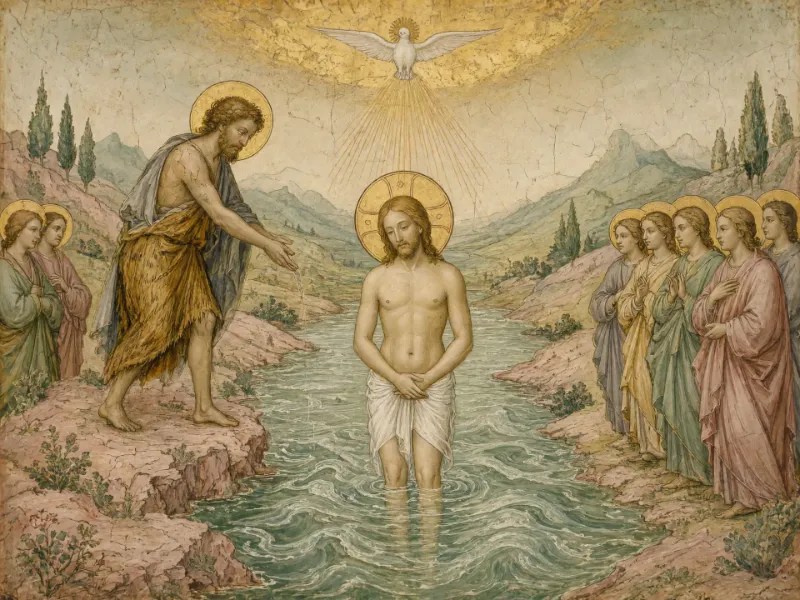
1 Peter 5:10
“And the God of all grace, who called you to his eternal glory in Christ, after you have suffered a little while, will himself restore you and make you strong, firm and steadfast.”
Reflection: Peter has just warned that the devil “prowls around like a roaring lion” and reminded his readers that “the family of believers throughout the world is undergoing the same kind of sufferings” (1 Peter 5:8-9). The promise comes “after you have suffered a little while”, and God “himself” does the work. Where the NIV has “restore you”, the King James Version reads “make you perfect”.
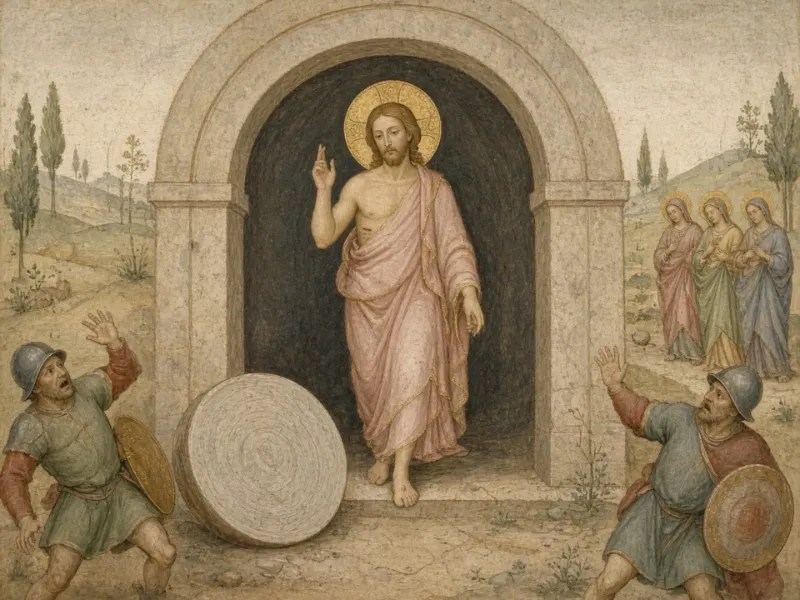
1 Corinthians 13:10
“but when completeness comes, what is in part disappears.”
Reflection: The verse falls in Paul’s chapter on love, after “Love never fails” (1 Corinthians 13:8): prophecies will cease, tongues will be stilled and knowledge will pass away, for “we know in part and we prophesy in part” (13:9). The King James Version reads “when that which is perfect is come”, translating teleios. Verse 12 sets the same now and then side by side: “For now we see only a reflection as in a mirror; then we shall see face to face.”
Whether perfection can be reached in this life
The verses point two ways on this question. Matthew 5:48 gives the command without qualification, and 1 John 3:9 says “No one who is born of God will continue to sin.” James 3:2 says “We all stumble in many ways”, 1 John 1:8 says “If we claim to be without sin, we deceive ourselves”, and in Philippians 3:12 Paul says he has not yet arrived.
John Wesley’s sermon “Christian Perfection” takes Philippians 3:12 as its text. It argues that Christians in this life are not free from ignorance, error or infirmities, and, after quoting 1 John 3:8-9, concludes: “A Christian is so far perfect, as not to commit sin.” The Westminster Confession of Faith (13.2) puts it differently: sanctification “is throughout, in the whole man; yet imperfect in this life, there abiding still some remnants of corruption in every part.”


Leave a Reply