
 English
 Chinese
 Dutch
 Arabic
 Spanish
 Portuguese
 Russian
 French
 Italian
 German
 Japanese
The Bible describes a friend as someone whose loyalty holds in trouble, whose honesty can hurt, and whose company shapes a person’s character. Proverbs has several sayings about friends (Proverbs 17:17; 18:24; 27:6; 27:17).
The histories record the friendships of Jonathan and David (1 Samuel 18:1) and of Ruth and Naomi (Ruth 1:16-17), and Jesus calls his disciples his friends in John 15:13-15.
What a friend is

Proverbs 17:17
“A friend loves at all times, and a brother is born for a time of adversity.”
Reflection: The proverb sets a friend beside a brother. The friend’s love holds “at all times”, and the brother’s place is defined by “a time of adversity”.
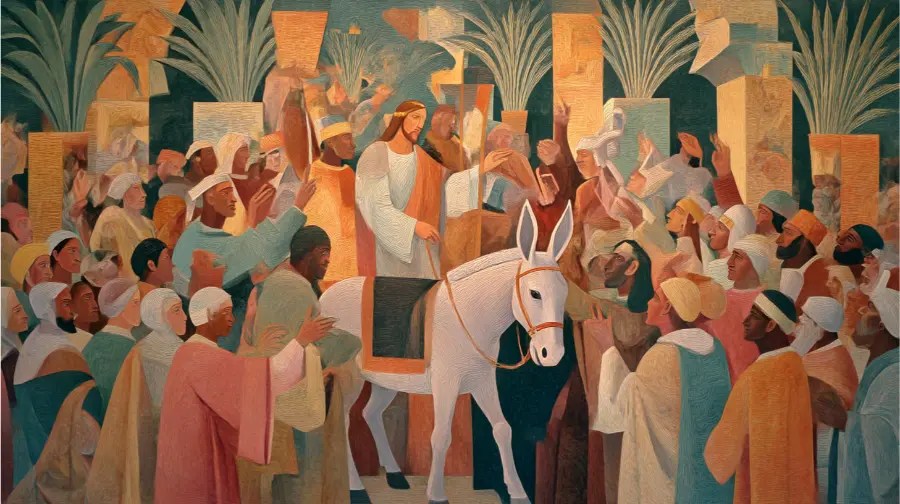
Proverbs 18:24
“One who has unreliable friends soon comes to ruin, but there is a friend who sticks closer than a brother.”
Reflection: The first line warns that having unreliable friends soon brings ruin. The second names the opposite case, a single friend who “sticks closer than a brother”.

Ecclesiastes 4:9-10
“Two are better than one, because they have a good return for their labor: If either of them falls down, one can help the other up. But pity anyone who falls and has no one to help them up.”
Reflection: The Teacher has just described a man “all alone” with “neither son nor brother”, toiling without end and asking whom he toils for and why he deprives himself of enjoyment (Ecclesiastes 4:8). Against him he sets two people who can lift each other up. Verses 11 and 12 add keeping warm and defending each other, and end with “A cord of three strands is not quickly broken.”
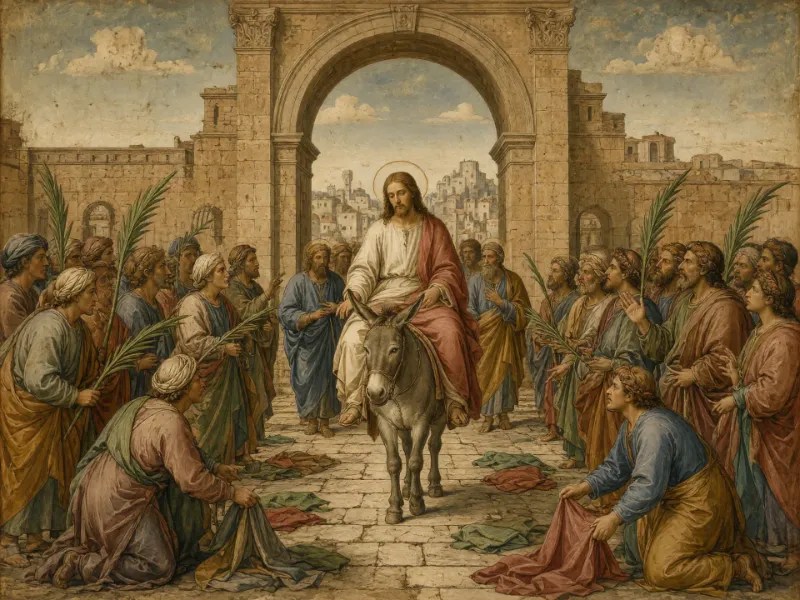
Proverbs 27:9
“Perfume and incense bring joy to the heart, and the pleasantness of a friend springs from their heartfelt advice.”
Reflection: Perfume and incense are set beside a friend’s advice, and all three bring pleasure. The next verse adds: “Do not forsake your friend or a friend of your family”, and ends “better a neighbor nearby than a relative far away.”
Friendships the Bible records
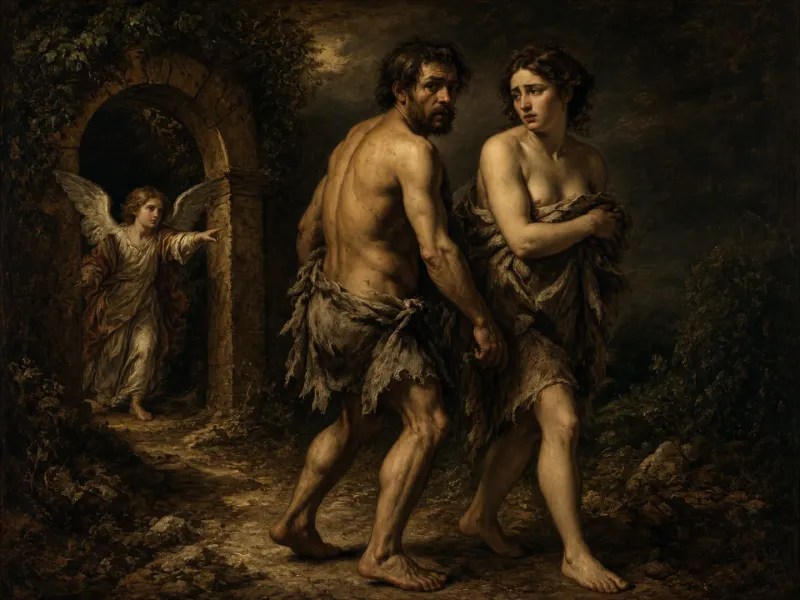
1 Samuel 18:1
“After David had finished talking with Saul, Jonathan became one in spirit with David, and he loved him as himself.”
Reflection: Jonathan was King Saul’s son. The conversation that had just ended was Saul’s questioning of David, who stood before him still holding Goliath’s head (1 Samuel 17:55-58). Jonathan then made a covenant with David and gave him his robe, tunic, sword, bow and belt (18:3-4). When Jonathan died in battle, David lamented: “Your love for me was wonderful, more wonderful than that of women” (2 Samuel 1:26).

Ruth 1:16-17
“But Ruth replied, ‘Don’t urge me to leave you or to turn back from you. Where you go I will go, and where you stay I will stay. Your people will be my people and your God my God. Where you die I will die, and there I will be buried. May the LORD deal with me, be it ever so severely, if even death separates you and me.’”
Reflection: Ruth is a Moabite widow speaking to her mother-in-law Naomi, who has lost her husband and both sons and is setting out for the land of Judah (Ruth 1:3-7). Naomi urged both daughters-in-law to go back to their own people; Orpah kissed her goodbye, “but Ruth clung to her” (1:14). Ruth binds herself to Naomi’s people, God and burial place, and closes with an oath that not even death will separate them.

Job 2:13
“Then they sat on the ground with him for seven days and seven nights. No one said a word to him, because they saw how great his suffering was.”
Reflection: Eliphaz, Bildad and Zophar heard of Job’s troubles, came from their homes by agreement to comfort him, and wept and tore their robes when they saw him (Job 2:11-12). Their seven days of silence came before any of their speeches. At the end of the book God tells Eliphaz, “I am angry with you and your two friends, because you have not spoken the truth about me”, and the Lord accepts Job’s prayer for them (42:7-10).

John 15:13
“Greater love has no one than this: to lay down one’s life for one’s friends.”
Reflection: Jesus is speaking to his disciples, and the verse before gives the command this one explains: “Love each other as I have loved you.” The following verses name the disciples as the friends he means: “You are my friends if you do what I command,” and “I have called you friends, for everything that I learned from my Father I have made known to you” (15:14-15).
Honesty and offense between friends
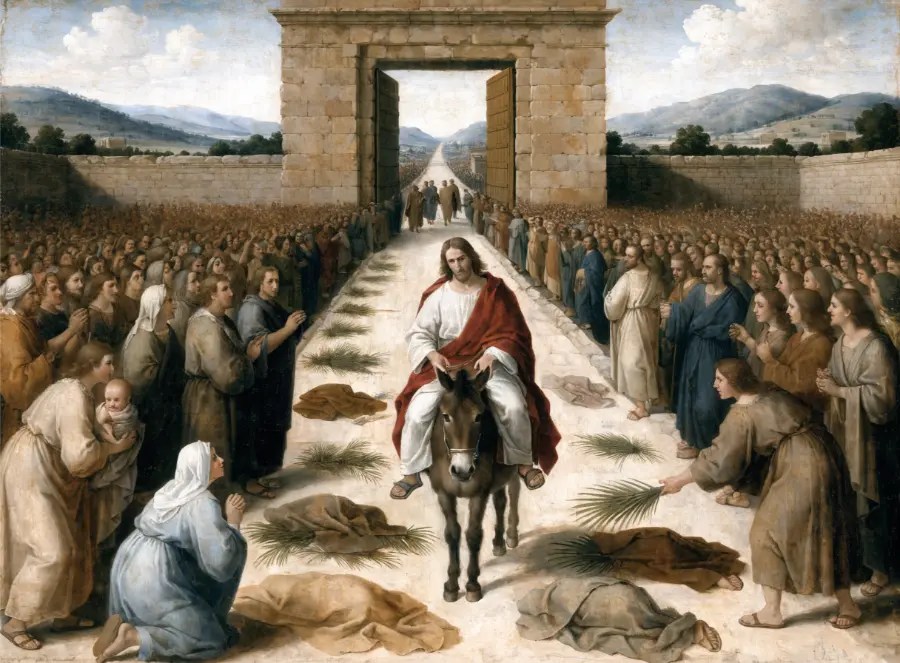
Proverbs 27:6
“Wounds from a friend can be trusted, but an enemy multiplies kisses.”
Reflection: The verse before sets the subject: “Better is open rebuke than hidden love.” Read with it, a friend’s wounds are the hurt that honest correction causes.
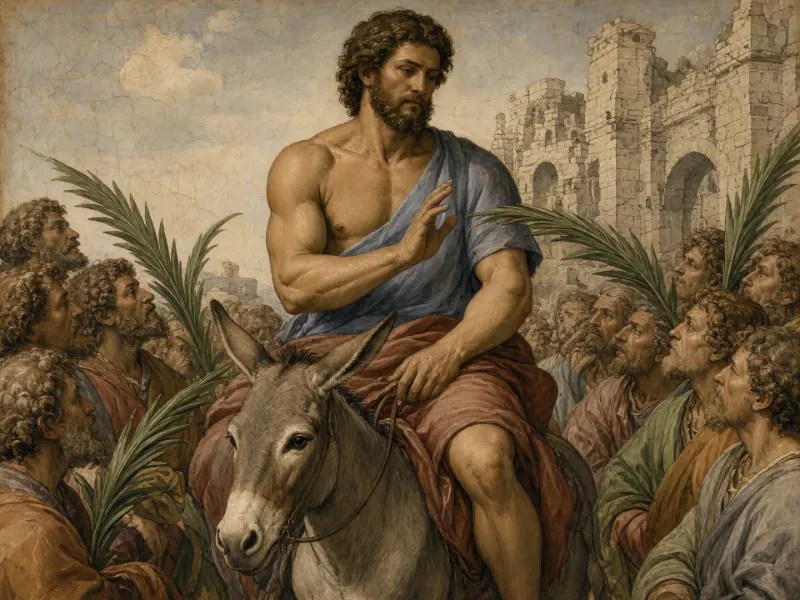
Proverbs 27:17
“As iron sharpens iron, so one person sharpens another.”
Reflection: The saying comes in a chapter that returns to friends several times: a friend’s wounds (27:6), a friend’s advice (27:9) and the friend not to forsake (27:10). The comparison has iron on both sides and a person on both sides.
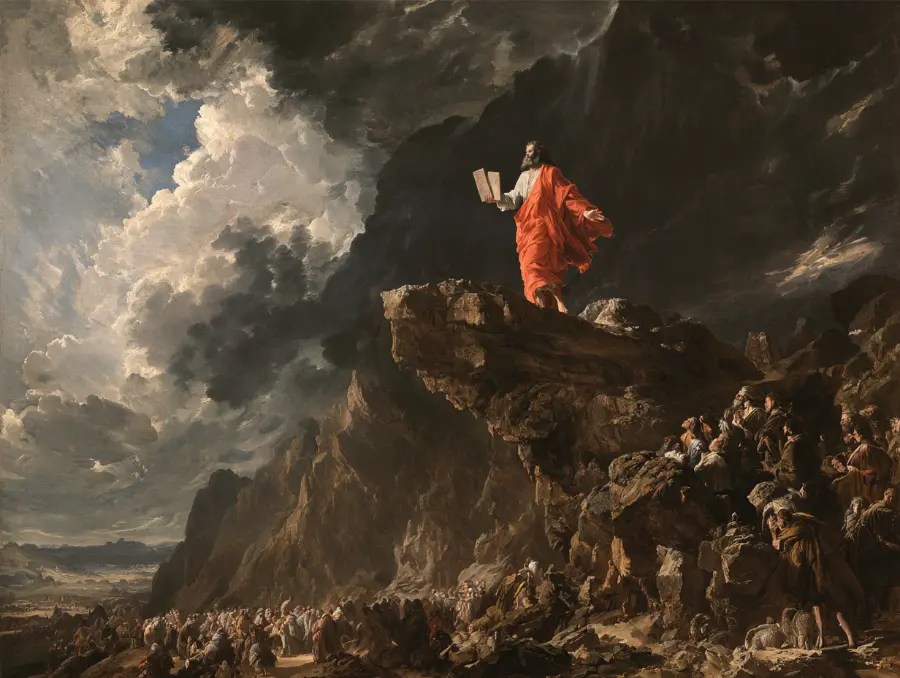
Proverbs 17:9
“Whoever would foster love covers over an offense, but whoever repeats the matter separates close friends.”
Reflection: Covering an offense means declining to repeat it. The second line gives the alternative: whoever “repeats the matter separates close friends”. Proverbs 16:28 says the same of the gossip, who “separates close friends.”
What Paul asks of believers toward one another
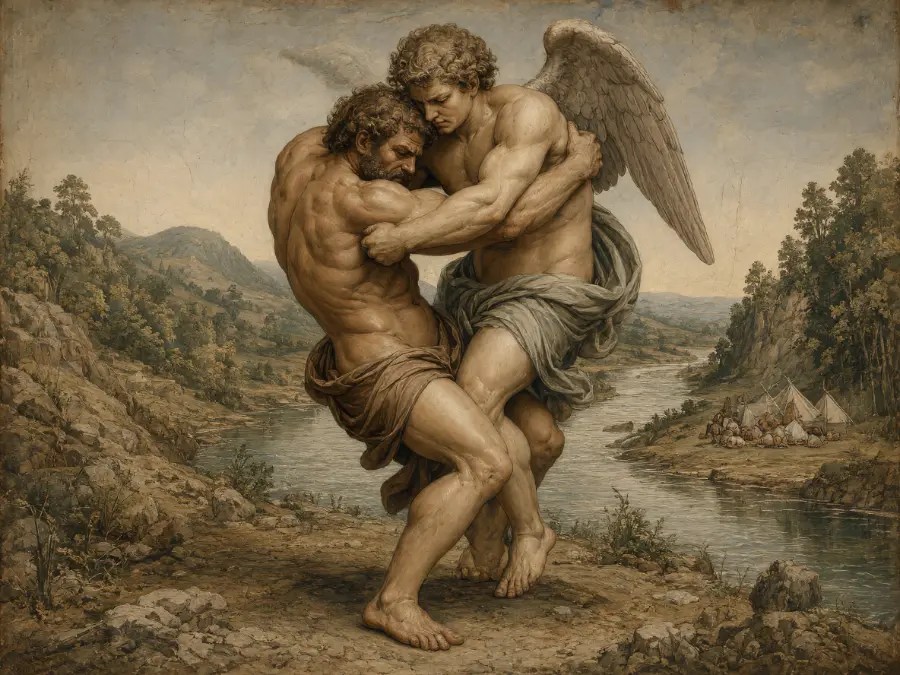
Colossians 3:13
“Bear with each other and forgive one another if any of you has a grievance against someone. Forgive as the Lord forgave you.”
Reflection: Paul is listing what God’s chosen people are to “clothe” themselves with: compassion, kindness, humility, gentleness and patience (Colossians 3:12). Forgiveness is measured by the Lord’s own: “Forgive as the Lord forgave you.” Ephesians 4:32 gives the same instruction in nearly the same words.

Romans 12:15
“Rejoice with those who rejoice; mourn with those who mourn.”
Reflection: The line belongs to a run of short commands that follows “Love must be sincere” (Romans 12:9). Sharing another’s joy is placed beside sharing their grief, and the next command is “Live in harmony with one another.”
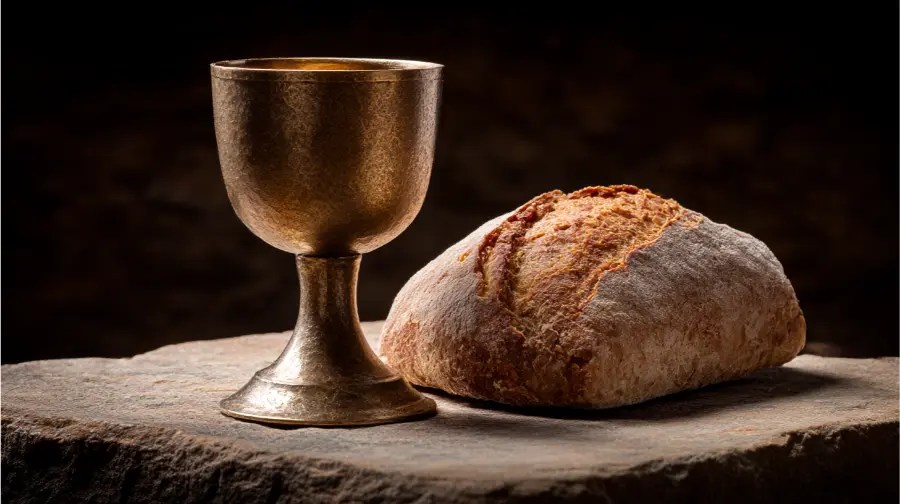
Galatians 6:2
“Carry each other’s burdens, and in this way you will fulfill the law of Christ.”
Reflection: The verse before tells those “who live by the Spirit” to restore gently someone caught in sin, while watching themselves. Carrying each other’s burdens is called fulfilling “the law of Christ”. Three verses later Paul adds that “each one should carry their own load” (Galatians 6:5), and the chapter asks for both.
Choosing friends
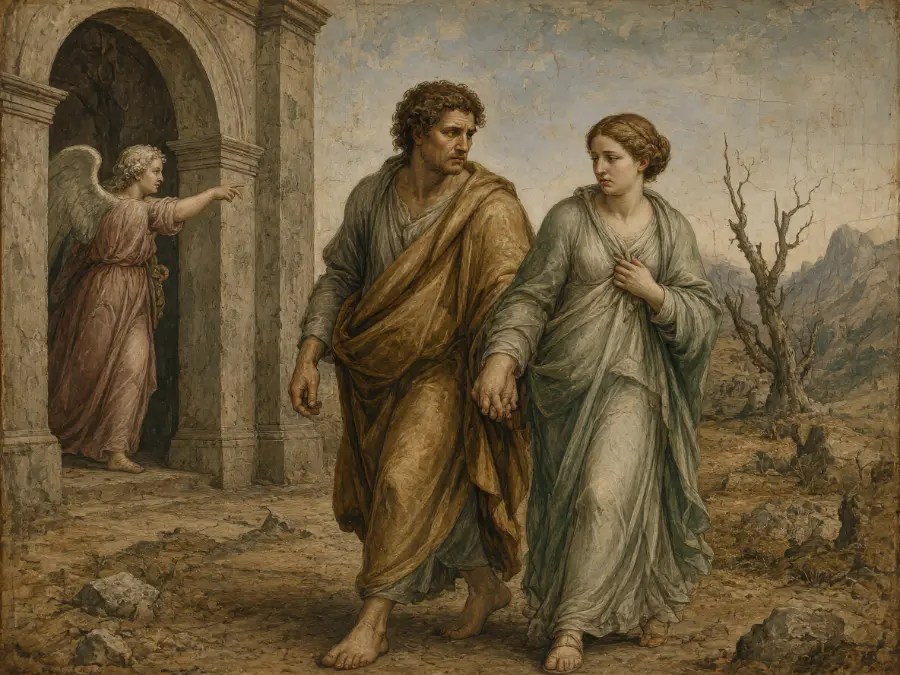
Proverbs 12:26
“The righteous choose their friends carefully, but the way of the wicked leads them astray.”
Reflection: In the NIV the righteous “choose their friends carefully”. The second line sets the wicked against them: their own way “leads them astray”.
Proverbs 13:20
“Walk with the wise and become wise, for a companion of fools suffers harm.”
Reflection: The proverb names the result of company in both directions. Walking with the wise makes a person wise, and a companion of fools “suffers harm”.

Proverbs 22:24-25
“Do not make friends with a hot-tempered person, do not associate with one easily angered, or you may learn their ways and get yourself ensnared.”
Reflection: The instruction is to avoid friendship with a hot-tempered person, and the reason follows: “you may learn their ways and get yourself ensnared.” The danger named is that the friend’s temper becomes one’s own.

1 Corinthians 15:33
“Do not be misled: ‘Bad company corrupts good character.’”
Reflection: Paul’s warning comes in his argument for the resurrection of the dead. The verse before says that if the dead are not raised, “Let us eat and drink, for tomorrow we die.” The NIV prints “Bad company corrupts good character” as a quoted saying, and the next verse tells the Corinthians to “stop sinning; for there are some who are ignorant of God” (15:34).


Leave a Reply