
 English
 Chinese
 Dutch
 Arabic
 Spanish
 Portuguese
 Russian
 French
 Italian
 German
 Japanese
The Bible uses brother first for sons of the same parents and then for everyone in God’s family. Proverbs 17:17 speaks of the first kind. Jesus calls “whoever does the will of my Father in heaven” his brother and sister (Matthew 12:50), and 1 Peter 2:17 tells the church to “love the family of believers.”
Where the Hebrew or Greek says brothers, the New International Version sometimes widens the word. Psalm 133:1 reads “God’s people” where the English Standard Version has “when brothers dwell in unity,” and 1 Peter 2:17 reads “the family of believers” where the ESV has “Love the brotherhood.”
The worth of a brother or companion
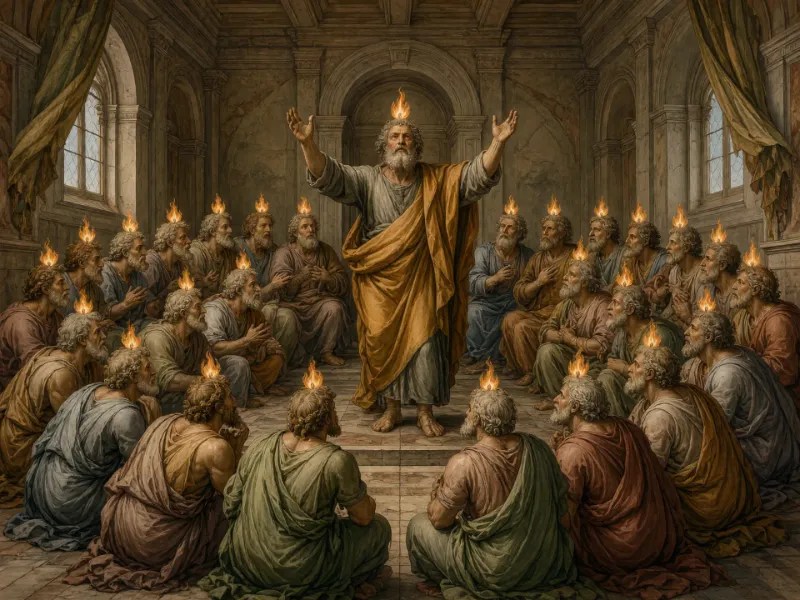
Proverbs 17:17
“A friend loves at all times, and a brother is born for a time of adversity.”
Reflection: The proverb sets two people side by side. The friend is described by constancy, loving “at all times”; the brother is described by what he is for, “born for a time of adversity.”
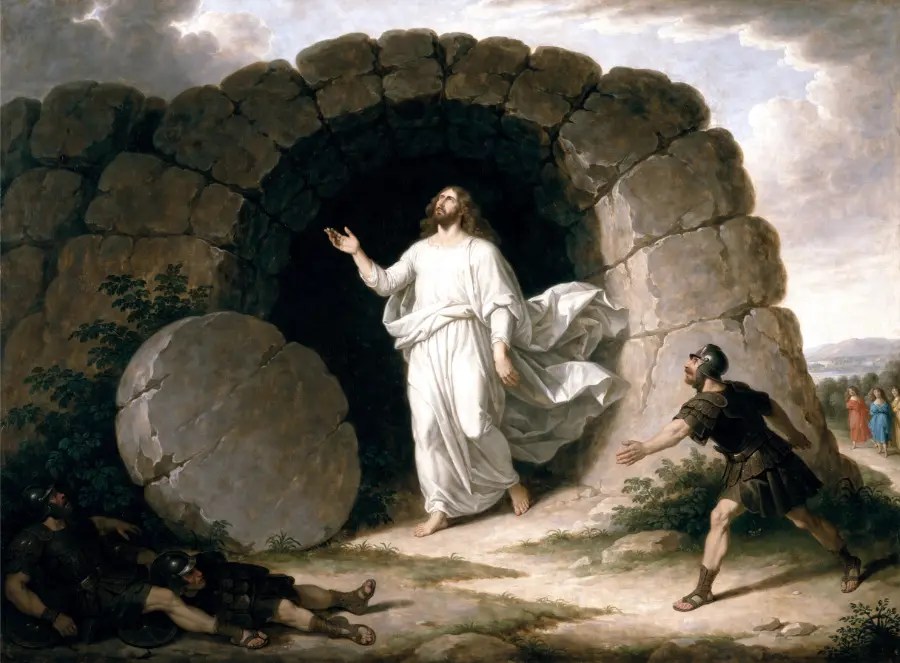
Proverbs 18:24
“One who has unreliable friends soon comes to ruin, but there is a friend who sticks closer than a brother.”
Reflection: The first line warns about a crowd of unreliable companions. The second measures a true friend against a brother, the closest tie the proverb can name, and says such a friend “sticks closer” still.
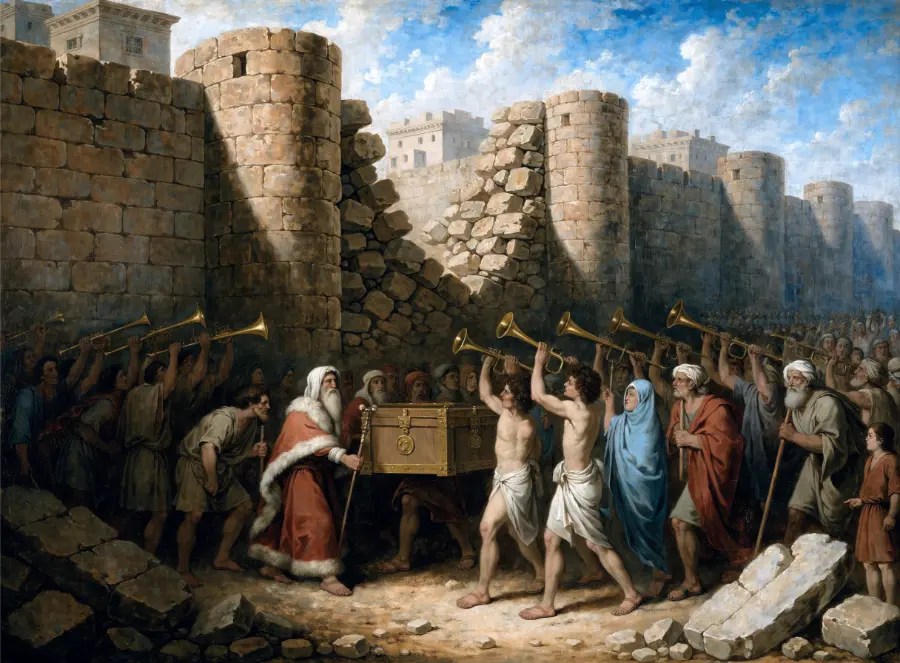
Ecclesiastes 4:9-10
“Two are better than one, because they have a good return for their labor: If either of them falls down, one can help the other up. But pity anyone who falls and has no one to help them up.”
Reflection: In the verse before, the Teacher describes “a man all alone; he had neither son nor brother,” who works without end and asks, “For whom am I toiling?” The sayings that follow turn to two people together: one lifts the other up, two keep warm, two can defend themselves, and “a cord of three strands is not quickly broken” (Ecclesiastes 4:12).
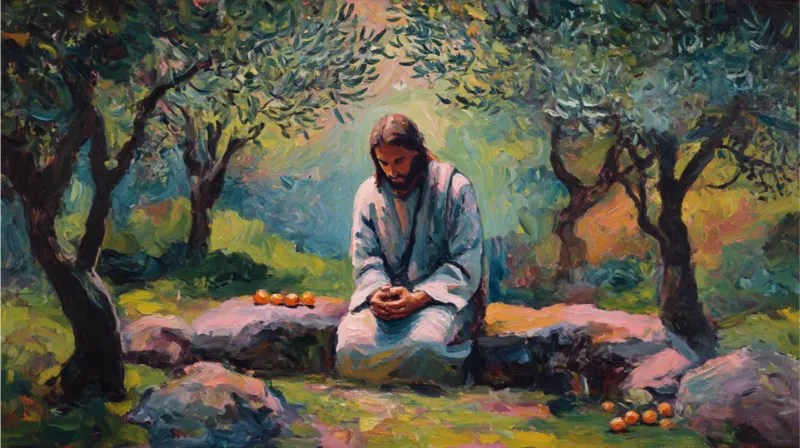
Psalm 133:1
“How good and pleasant it is when God’s people live together in unity!”
Reflection: The ESV keeps the Hebrew word for brothers, ach: “how good and pleasant it is when brothers dwell in unity!” The psalm compares that unity to precious oil running down Aaron’s beard onto the collar of his robe, and to the dew of Hermon falling on Mount Zion. It closes, “For there the Lord bestows his blessing, even life forevermore.”
Who belongs to God’s family
Matthew 12:50
“For whoever does the will of my Father in heaven is my brother and sister and mother.”
Reflection: Jesus’ mother and brothers were standing outside, asking to speak to him. When he was told, he asked, “Who is my mother, and who are my brothers?” and pointed to his disciples: “Here are my mother and my brothers.” Matthew 12:50 gives the rule for belonging to that family, doing the will of the Father in heaven.

Hebrews 2:11
“Both the one who makes people holy and those who are made holy are of the same family. So Jesus is not ashamed to call them brothers and sisters.”
Reflection: The chapter speaks of God “bringing many sons and daughters to glory” through Jesus, who makes them holy. Because he and they are “of the same family,” the writer puts Psalm 22 in his mouth: “I will declare your name to my brothers and sisters.” Hebrews 2:17 adds that he “had to be made like them, fully human in every way,” to become their high priest.
Galatians 3:28
“There is neither Jew nor Gentile, neither slave nor free, nor is there male and female, for you are all one in Christ Jesus.”
Reflection: Paul has just said that “in Christ Jesus you are all children of God through faith” (Galatians 3:26), all baptized into Christ. The three pairs he lists, Jew and Gentile, slave and free, male and female, do not divide that family, and the next verse makes all of them “Abraham’s seed, and heirs according to the promise.”
Love between brothers and sisters
Romans 12:10
“Be devoted to one another in love. Honor one another above yourselves.”
Reflection: The ESV reads “Love one another with brotherly affection.” The Greek noun is philadelphia, love of brothers, the word also behind 1 Thessalonians 4:9 and Hebrews 13:1. It stands in a list that opens “Love must be sincere” (Romans 12:9) and goes on to “Rejoice with those who rejoice; mourn with those who mourn” (Romans 12:15).
Hebrews 13:1
“Keep on loving one another as brothers and sisters.”
Reflection: The letter’s last chapter opens with this command, in the ESV “Let brotherly love continue.” The verses that follow widen it outward: hospitality to strangers, and remembering prisoners “as if you were together with them in prison” (Hebrews 13:3).

1 Peter 2:17
“Show proper respect to everyone, love the family of believers, fear God, honor the emperor.”
Reflection: “The family of believers” translates adelphotes, the brotherhood, a word Peter uses again in 1 Peter 5:9 for believers “throughout the world” who are suffering the same things. The verse sits at the end of a passage about living under the emperor and his governors, and it separates the duties: respect for everyone and honour for the emperor, love for the church, fear for God.
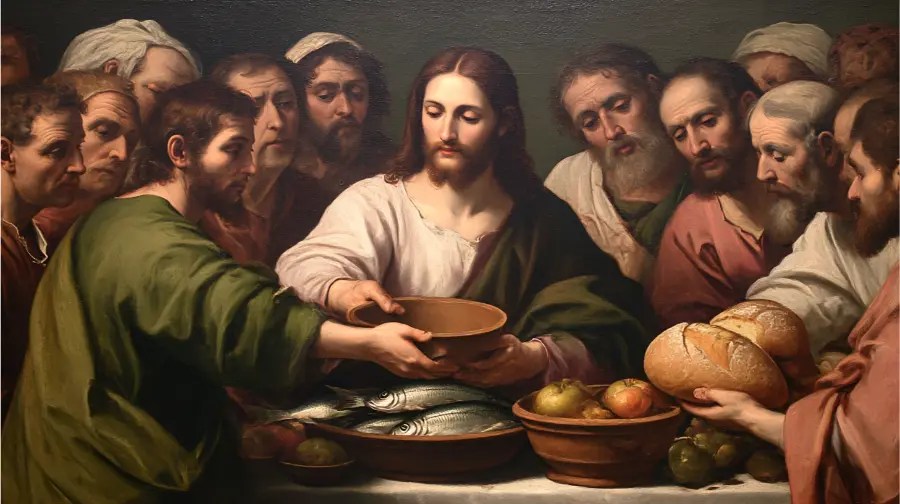
1 John 3:18
“Dear children, let us not love with words or speech but with actions and in truth.”
Reflection: John has just set Cain, “who belonged to the evil one and murdered his brother” (1 John 3:12), against Jesus, who laid down his life. From that he draws the duty: “we ought to lay down our lives for our brothers and sisters.” Verse 17 makes it practical, asking how God’s love can be in someone who sees a brother or sister in need and has no pity. Verse 18 then calls for love shown in actions.
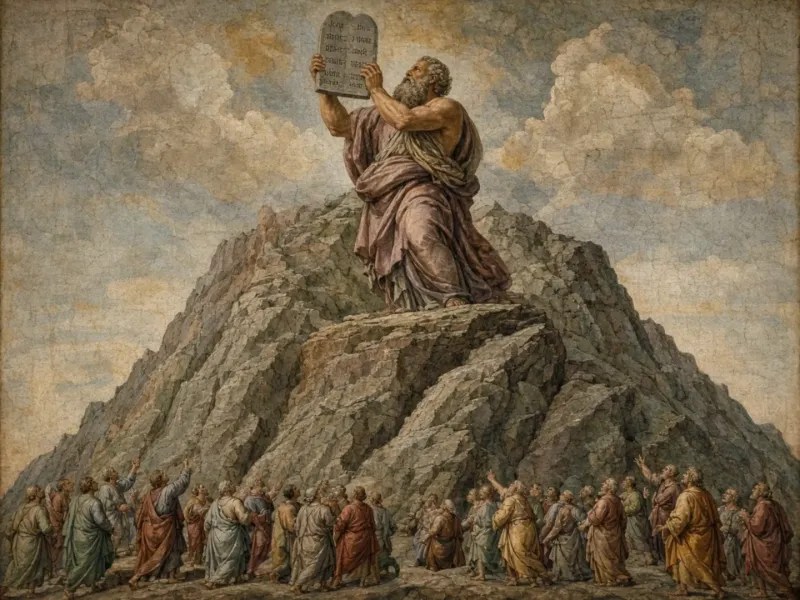
1 John 4:20
“Whoever claims to love God yet hates a brother or sister is a liar. For whoever does not love their brother and sister, whom they have seen, cannot love God, whom they have not seen.”
Reflection: John ties love of God to love of the brother or sister who can be seen. The argument runs from the visible to the invisible: someone who does not love the person in front of them cannot love God, whom they have not seen. The next verse turns it into a command: “Anyone who loves God must also love their brother and sister.”
When brothers fall out

Proverbs 18:19
“A brother wronged is more unyielding than a fortified city; disputes are like the barred gates of a citadel.”
Reflection: A wronged brother is compared to a fortified city, and the quarrel to the bars on a citadel’s gates. The proverb describes how hard a rift between brothers is to heal; it gives no remedy.
Matthew 18:15
“If your brother or sister sins, go and point out their fault, just between the two of you. If they listen to you, you have won them over.”
Reflection: Jesus sets out steps for a sin between believers, beginning in private. If the brother or sister will not listen, the next step is to bring “one or two others along,” and after that to “tell it to the church” (Matthew 18:16-17). The ESV gives the aim of the first step as “you have gained your brother.”
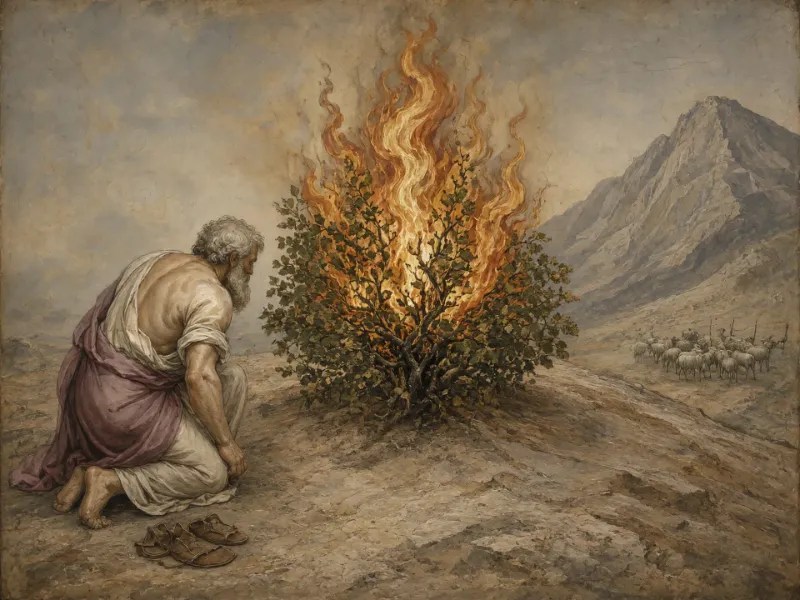
Galatians 6:2
“Carry each other’s burdens, and in this way you will fulfill the law of Christ.”
Reflection: The verse before addresses “brothers and sisters” and tells those who live by the Spirit to restore anyone caught in a sin “gently,” while watching themselves. The next instruction, to carry each other’s burdens, stands beside it, and Paul calls that fulfilling “the law of Christ.”


Leave a Reply