
 English
 Chinese
 Dutch
 Arabic
 Spanish
 Portuguese
 Russian
 French
 Italian
 German
 Japanese
The Bible treats loyalty as keeping faith with a person when it costs something, and two stories show it. Ruth refuses to leave Naomi (Ruth 1:16-17), and Jonathan makes a covenant with David (1 Samuel 18:3) that David later keeps for Jonathan’s son (2 Samuel 9:1).
Proverbs adds the friend who “loves at all times” (Proverbs 17:17), Malachi 2:16 charges husbands not to be unfaithful to their wives, and Joshua 24:15 and Matthew 6:24 ask for a loyalty to God that is not divided. Several of these passages turn on the Hebrew word hesed, which Strong’s glosses as steadfast love, loyalty and faithfulness. The NIV translates it “kindness” in Ruth 1:8 and 2 Samuel 9:1, and “unfailing love” in Proverbs 20:6.
Loyalty in the stories of Ruth and David

Ruth 1:16-17
“But Ruth replied, ‘Don’t urge me to leave you or to turn back from you. Where you go I will go, and where you stay I will stay. Your people will be my people and your God my God. Where you die I will die, and there I will be buried. May the Lord deal with me, be it ever so severely, if even death separates you and me.’”
Reflection: Ruth is a Moabite widow (Ruth 1:4), and Naomi has just told her to follow her sister-in-law Orpah, who has gone “back to her people and her gods” (1:15). Verse 14 says Ruth “clung to her”, using dabaq, the verb Genesis 2:24 uses for a husband united to his wife. Ruth’s promise takes in Naomi’s people, her God and her burial place, and the oath in verse 17 binds her even past death.

1 Samuel 18:3
“And Jonathan made a covenant with David because he loved him as himself.”
Reflection: Jonathan is Saul’s son, and the chapter opens by saying he “became one in spirit with David” (18:1). He seals the covenant by giving David his robe, tunic, sword, bow and belt (18:4). In 1 Samuel 20:14-15 Jonathan asks David to show “unfailing kindness” to him and never to cut it off from his family.
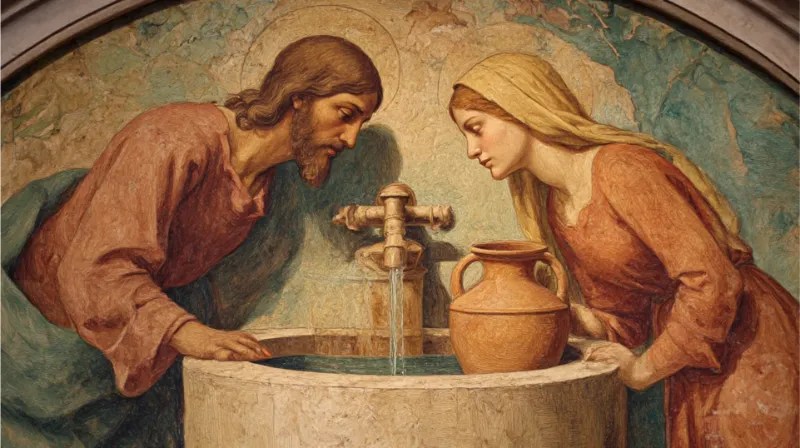
2 Samuel 9:1
“David asked, ‘Is there anyone still left of the house of Saul to whom I can show kindness for Jonathan’s sake?’”
Reflection: David, now king, looks for a way to keep the promise of 1 Samuel 20:14-15. The word for kindness is hesed, the word Jonathan used when he asked for it. Ziba points him to Jonathan’s son Mephibosheth, “lame in both feet” (9:3), and David restores Saul’s land to him and tells him, “you will always eat at my table” (9:7).
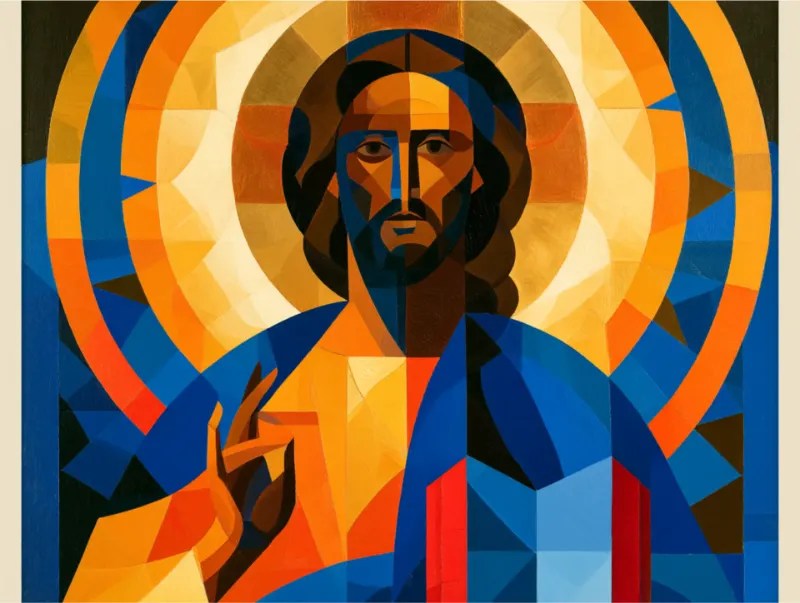
1 Samuel 22:14
“Ahimelek answered the king, ‘Who of all your servants is as loyal as David, the king’s son-in-law, captain of your bodyguard and highly respected in your household?’”
Reflection: Saul has accused the priest Ahimelek of conspiring with David because he gave David bread and the sword of Goliath (22:9-13). Ahimelek answers by vouching for David’s loyalty to Saul. Saul orders the priests killed; his own officials refuse, and Doeg the Edomite kills eighty-five of them (22:17-18).
What Proverbs and Jesus say about friends
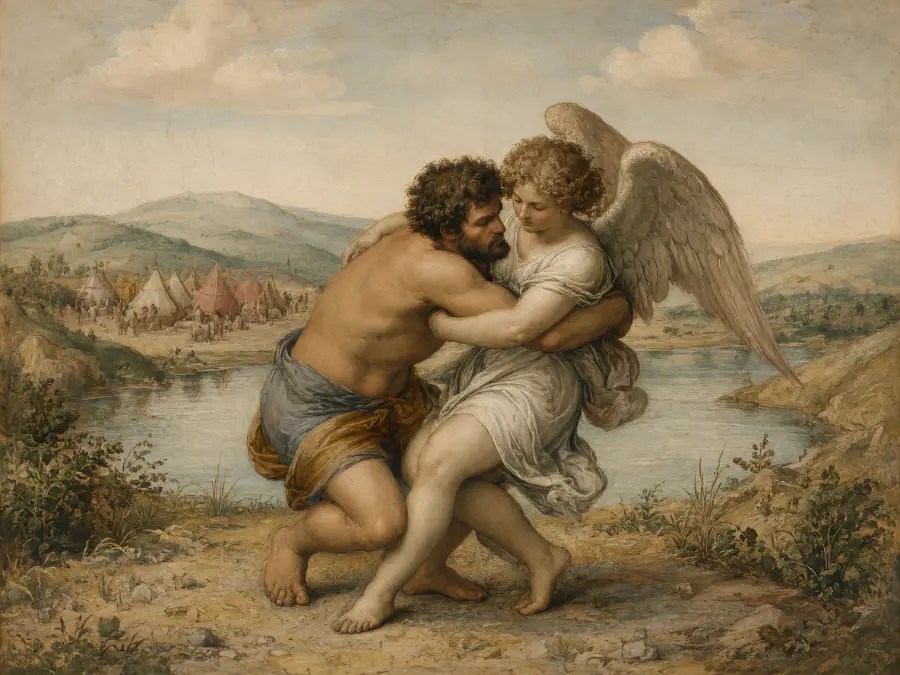
Proverbs 17:17
“A friend loves at all times, and a brother is born for a time of adversity.”
Reflection: The first line says a friend’s love holds at all times; the second says a brother proves himself in adversity.

Proverbs 18:24
“One who has unreliable friends soon comes to ruin, but there is a friend who sticks closer than a brother.”
Reflection: The NIV sets a person with unreliable friends, who “soon comes to ruin”, against one friend who stays closer than family. The contrast is between many friends who cannot be relied on and one who can.

Proverbs 20:6
“Many claim to have unfailing love, but a faithful person who can find?”
Reflection: “Unfailing love” translates hesed. The proverb sets claiming loyalty against finding someone who keeps it, and it asks the question without answering it.

John 15:13
“Greater love has no one than this: to lay down one’s life for one’s friends.”
Reflection: Jesus says this to his disciples between “Love each other as I have loved you” (15:12) and “You are my friends if you do what I command” (15:14). In verse 15 he says he no longer calls them servants but friends, because he has made known to them everything he learned from his Father.

Romans 12:10
“Be devoted to one another in love. Honor one another above yourselves.”
Reflection: The verse sits in Paul’s list of what sincere love does, which opens “Love must be sincere” (12:9). Devotion is paired with honouring others above oneself, and the list goes on to practical ways of loving others: sharing with believers in need and practising hospitality (12:13).
Faithfulness in marriage
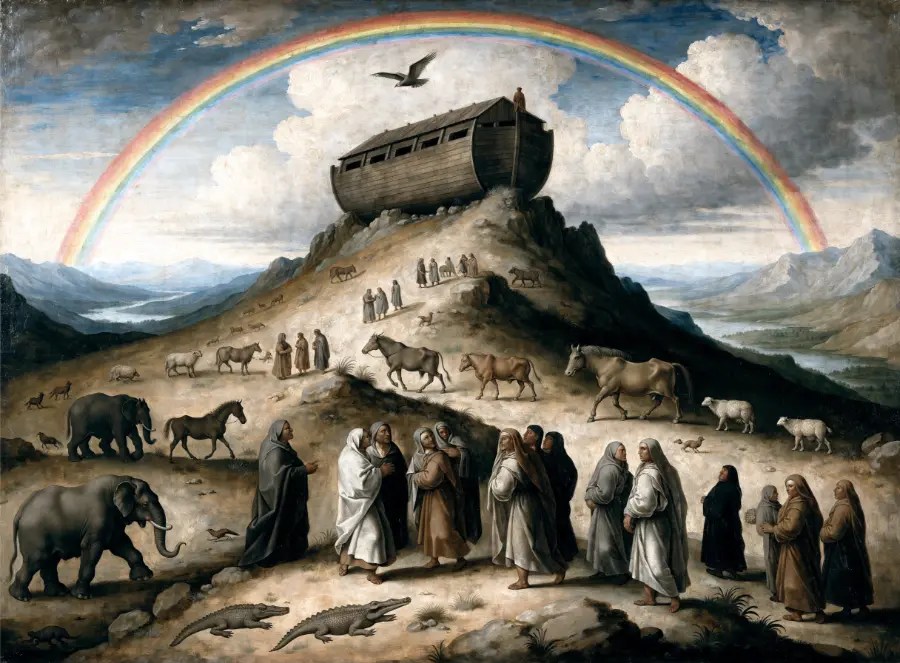
Genesis 2:24
“That is why a man leaves his father and mother and is united to his wife, and they become one flesh.”
Reflection: The man has just said of the woman, “This is now bone of my bones and flesh of my flesh” (2:23), and “That is why” ties marriage to that first meeting. “United” translates dabaq, to cling or hold fast, the verb Ruth 1:14 uses for Ruth clinging to Naomi. Paul quotes this verse in Ephesians 5:31.
Proverbs 5:18-19
“May your fountain be blessed, and may you rejoice in the wife of your youth. A loving doe, a graceful deer—may her breasts satisfy you always, may you ever be intoxicated with her love.”
Reflection: A father speaks to his son (5:20), setting delight in “the wife of your youth” against being “intoxicated with another man’s wife”. Verse 15 makes the same point with water: “Drink water from your own cistern.” Verse 21 adds that “your ways are in full view of the Lord.”

Malachi 2:16
“‘The man who hates and divorces his wife,’ says the Lord, the God of Israel, ‘does violence to the one he should protect,’ says the Lord Almighty. So be on your guard, and do not be unfaithful.”
Reflection: Two verses earlier Malachi says the Lord is “the witness between you and the wife of your youth” and calls her “your partner, the wife of your marriage covenant” (2:14). “Do not be unfaithful” is repeated in verses 15 and 16. Translations differ on the start of verse 16: the NASB reads “For I hate divorce,” while the NIV and ESV make the husband who divorces the subject.
Ephesians 5:25
“Husbands, love your wives, just as Christ loved the church and gave himself up for her.”
Reflection: The measure Paul gives husbands is Christ, who “gave himself up” for the church. A few verses later he quotes Genesis 2:24 and sums up: “each one of you also must love his wife as he loves himself, and the wife must respect her husband” (5:33).
Loyalty to God, and his to us

Joshua 24:15
“But if serving the Lord seems undesirable to you, then choose for yourselves this day whom you will serve, whether the gods your ancestors served beyond the Euphrates, or the gods of the Amorites, in whose land you are living. But as for me and my household, we will serve the Lord.”
Reflection: Joshua has gathered all the tribes of Israel at Shechem (24:1) and told them to “serve him with all faithfulness” and throw away the gods their ancestors worshiped (24:14). He states his own household’s choice first, and the people answer, “Far be it from us to forsake the Lord to serve other gods!” (24:16).
Matthew 6:24
“No one can serve two masters. Either you will hate the one and love the other, or you will be devoted to the one and despise the other. You cannot serve both God and money.”
Reflection: Three verses earlier Jesus said, “where your treasure is, there your heart will be also” (6:21). The saying about two masters applies that to money: devotion to one master means despising the other, and loyalty to God cannot be shared with wealth.

Daniel 3:17-18
“If we are thrown into the blazing furnace, the God we serve is able to deliver us from it, and he will deliver us from Your Majesty’s hand. But even if he does not, we want you to know, Your Majesty, that we will not serve your gods or worship the image of gold you have set up.”
Reflection: Nebuchadnezzar has threatened Shadrach, Meshach and Abednego with the furnace and asked, “what god will be able to rescue you from my hand?” (3:15). They answer that God is able to deliver them, and then say that if he does not, they will still not serve the king’s gods or worship his gold image.
Revelation 2:10
“Do not be afraid of what you are about to suffer. I tell you, the devil will put some of you in prison to test you, and you will suffer persecution for ten days. Be faithful, even to the point of death, and I will give you life as your victor’s crown.”
Reflection: These are words to the church in Smyrna from “him who is the First and the Last, who died and came to life again” (2:8). The church is told it will face prison and persecution “for ten days”, and the promise for staying faithful to death is “life as your victor’s crown”.

2 Timothy 2:13
“if we are faithless, he remains faithful, for he cannot disown himself.”
Reflection: This closes a “trustworthy saying” (2:11) that Paul writes while “chained like a criminal” (2:9). The line before it warns, “If we disown him, he will also disown us” (2:12); this line then says Christ’s faithfulness does not depend on ours, “for he cannot disown himself”.


Leave a Reply