
 English
 Chinese
 Dutch
 Arabic
 Spanish
 Portuguese
 Russian
 French
 Italian
 German
 Japanese
The Bible commands love for others as the second great commandment: “You shall love your neighbor as yourself” (Matthew 22:39). At supper with his disciples Jesus gives the measure, “just as I have loved you” (John 13:34).
Jesus answers “And who is my neighbor?” with the story of a Samaritan (Luke 10:33-34) and extends the command to enemies (Luke 6:35). John 15:13 and 1 John 3:16-18 describe love as laying down one’s life, and 1 Corinthians 13:4 describes it at work: patient and kind.
The command to love a neighbour
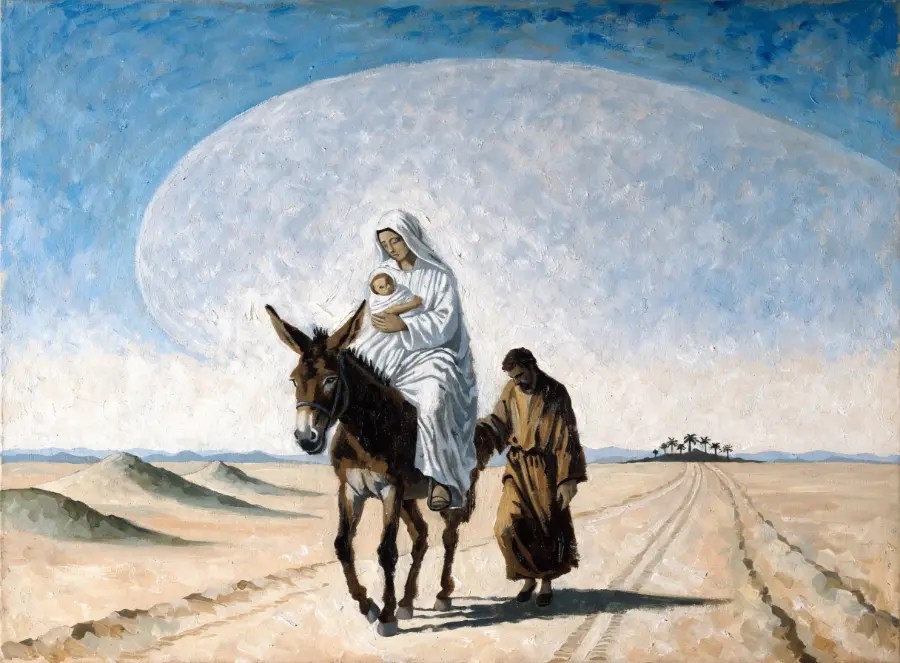
Matthew 22:39-40
“And a second is like it: You shall love your neighbor as yourself. On these two commandments depend all the Law and the Prophets.”
Reflection: A lawyer from among the Pharisees asked Jesus which commandment in the Law is the great one (Matthew 22:35-36). Jesus answered with two: love for God, then this second one, “like it,” taken from Leviticus 19:18. In Leviticus 19:18 the neighbour is one of “the sons of your own people”, and the same verse forbids taking vengeance or bearing a grudge; verse 34 of the same chapter tells Israel to love the stranger who lives among them “as yourself.”

Romans 13:8
“Owe no one anything, except to love each other, for the one who loves another has fulfilled the law.”
Reflection: The verse before tells the Roman Christians to pay what they owe, taxes included. Paul then names one debt that stays open. He lists four of the Ten Commandments and says they and “any other commandment” are summed up in “You shall love your neighbor as yourself,” because “love does no wrong to a neighbor” (Romans 13:9-10).
Galatians 5:13
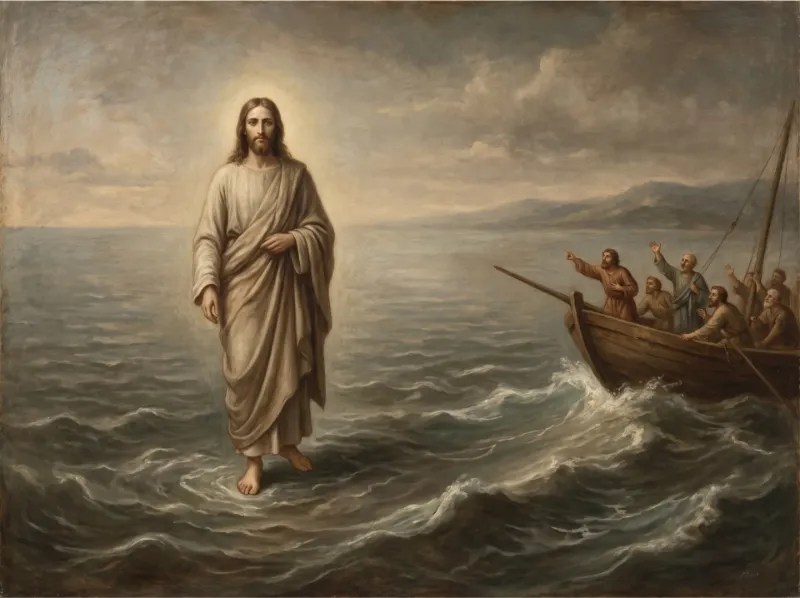
“For you were called to freedom, brothers. Only do not use your freedom as an opportunity for the flesh, but through love serve one another.”
Reflection: Paul has just told the Galatians, “For freedom Christ has set us free” (5:1). Here he limits that freedom: it is not an opening for “the flesh” but a call to serve one another in love. The next verse makes the point Romans 13 makes: “the whole law is fulfilled in one word,” love of neighbour, and verse 15 warns what happens otherwise: “if you bite and devour one another, watch out that you are not consumed by one another.”

John 13:34
“A new commandment I give to you, that you love one another: just as I have loved you, you also are to love one another.”
Reflection: Jesus gives this command at supper, after washing the disciples’ feet and after Judas has gone out into the night. Love of neighbour was already written in Leviticus; the measure here is “just as I have loved you.” First John 2:7-8 calls the same commandment both old and new.

John 13:35
“By this all people will know that you are my disciples, if you have love for one another.”
Reflection: The verse finishes what Jesus began in verse 34. The evidence that someone belongs to him is love among his followers, and he says “all people” will know them by it.
Love measured by Christ’s own

John 15:13
“Greater love has no one than this, that someone lay down his life for his friends.”
Reflection: Two chapters later Jesus repeats the command, “love one another as I have loved you” (John 15:12), and this verse follows as its measure. He goes on to call the disciples his friends (15:14-15).
1 John 3:16-18
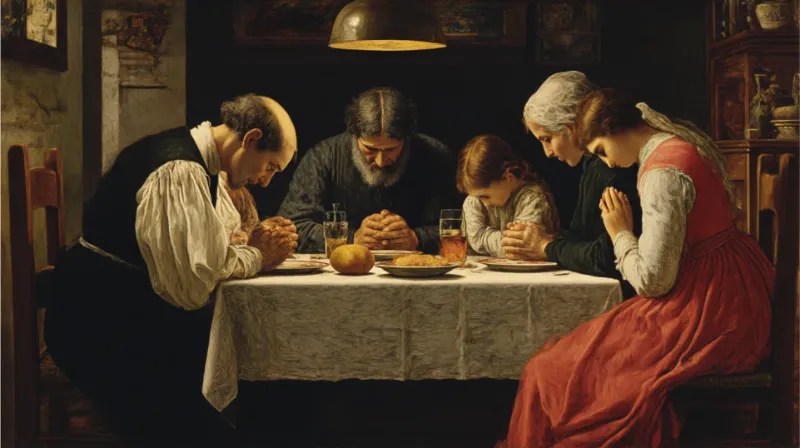
“By this we know love, that he laid down his life for us, and we ought to lay down our lives for the brothers. But if anyone has the world’s goods and sees his brother in need, yet closes his heart against him, how does God’s love abide in him? Little children, let us not love in word or talk but in deed and in truth.”
Reflection: John defines love by the cross: Christ laid down his life, so “we ought to lay down our lives for the brothers.” He then brings the point down to money: someone with “the world’s goods” who sees a brother in need and closes his heart does not have God’s love in him. Verse 18 asks for love “in deed and in truth” rather than in talk. Earlier in the chapter Cain, who murdered his brother, is the opposite example (3:12).
1 John 4:12
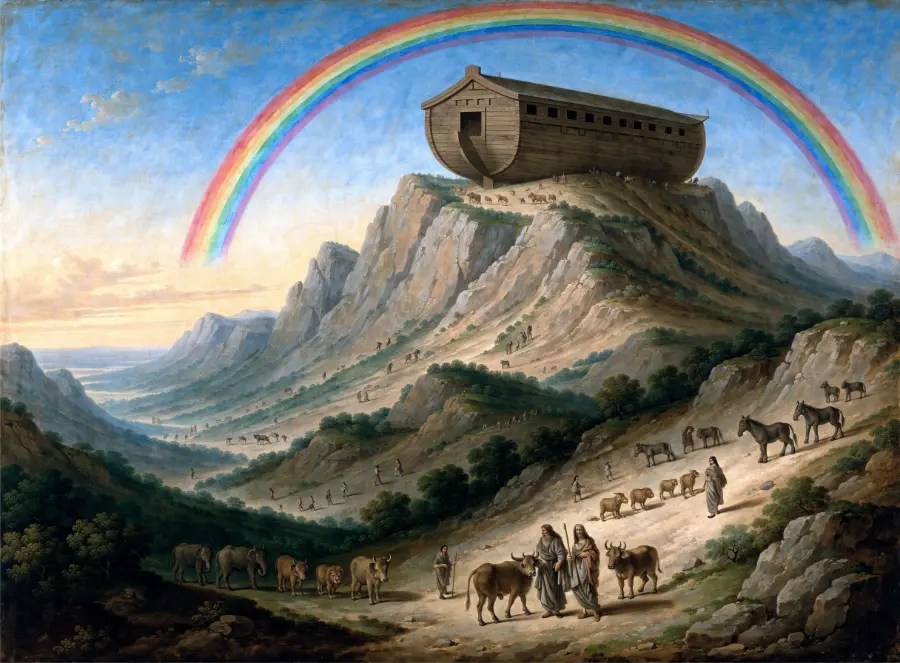
“No one has ever seen God; if we love one another, God abides in us and his love is perfected in us.”
Reflection: The verses before say that God showed his love by sending his Son and that “if God so loved us, we also ought to love one another” (4:11). No one can see God, John says, but when believers love one another, God abides in them and his love is “perfected,” brought to its intended end, in them.

1 John 4:21
“And this commandment we have from him: whoever loves God must also love his brother.”
Reflection: John closes the chapter with a test. Anyone who says “I love God” and hates his brother is called a liar, “for he who does not love his brother whom he has seen cannot love God whom he has not seen” (4:20). This verse states the rule behind that test: the two loves come as one commandment.
Who counts as the other

Luke 10:33-34
“But a Samaritan, as he journeyed, came to where he was, and when he saw him, he had compassion. He went to him and bound up his wounds, pouring on oil and wine. Then he set him on his own animal and brought him to an inn and took care of him.”
Reflection: A lawyer, having quoted the command to love his neighbour as himself, asked Jesus, “And who is my neighbor?” (Luke 10:29). In the story Jesus tells, a priest and a Levite pass by a man left half dead, and a Samaritan stops, treats his wounds, takes him to an inn and pays for his care. John 4:9 notes that “Jews have no dealings with Samaritans.” Jesus ends by turning the question around, asking which of the three “proved to be a neighbor,” and tells the lawyer, “You go, and do likewise.”
Luke 6:35
“But love your enemies, and do good, and lend, expecting nothing in return, and your reward will be great, and you will be sons of the Most High, for he is kind to the ungrateful and the evil.”
Reflection: The section opens with “Love your enemies, do good to those who hate you” (Luke 6:27). Jesus points out that even sinners love those who love them and lend when they expect repayment. The difference he asks for is giving with no return in view, and the reason he gives is God’s own character: he “is kind to the ungrateful and the evil.” Verse 36 follows: “Be merciful, even as your Father is merciful.”
Love that gives and forgives
James 2:15-16
“If a brother or sister is poorly clothed and lacking in daily food, and one of you says to them, ‘Go in peace, be warmed and filled,’ without giving them the things needed for the body, what good is that?”
Reflection: James pictures a brother or sister without clothes or food who is sent off with a blessing and nothing else. He ends the example with “what good is that?”, the question he also asked about faith without works in verse 14, and verse 17 applies the picture to faith: faith without works “is dead.” The example matches 1 John 3:17, where love that sees a need and closes its heart is not love at all.

Ephesians 4:32
“Be kind to one another, tenderhearted, forgiving one another, as God in Christ forgave you.”
Reflection: The verse before lists what has to go: “bitterness and wrath and anger and clamor and slander” and “all malice.” Kindness, tenderness and forgiveness replace them, and the pattern for forgiving is the forgiveness believers have received from God in Christ. Ephesians 5:2 continues, “walk in love, as Christ loved us and gave himself up for us.”

Colossians 3:14
“And above all these put on love, which binds everything together in perfect harmony.”
Reflection: Paul has told the Colossians to “put on” compassion, kindness, humility, meekness and patience, bearing with one another and forgiving as the Lord forgave them (3:12-13). Love is put on over all of these, and he calls it the thing that “binds everything together in perfect harmony.”

1 Peter 4:8
“Above all, keep loving one another earnestly, since love covers a multitude of sins.”
Reflection: Peter writes that “the end of all things is at hand” (4:7) and puts love for one another “above all” in what follows, before hospitality and serving with one’s gifts (4:9-10). Proverbs 10:12 has a similar line: “Hatred stirs up strife, but love covers all offenses.”
Love among people who live together

Philippians 2:3-4
“Do nothing from selfish ambition or conceit, but in humility count others more significant than yourselves. Let each of you look not only to his own interests, but also to the interests of others.”
Reflection: Paul asks the Philippians to be “of the same mind, having the same love” (2:2) and then describes what that looks like: no selfish ambition or conceit, others counted more significant, their interests looked after as well as one’s own. The verses that follow give Christ as the example, who “emptied himself” and “humbled himself” to the point of death on a cross (2:7-8).

Romans 12:16
“Live in harmony with one another. Do not be haughty, but associate with the lowly. Never be wise in your own sight.”
Reflection: This instruction belongs to a passage that begins, “Let love be genuine” (Romans 12:9), and includes loving one another “with brotherly affection” and blessing persecutors. Here love takes the form of harmony, of associating with the lowly, and of not being wise in one’s own sight.
1 Thessalonians 5:14
“And we urge you, brothers, admonish the idle, encourage the fainthearted, help the weak, be patient with them all.”
Reflection: Paul names different people in the church and what each needs: the idle need warning, the fainthearted need encouragement, the weak need help, and all of them need patience. The next verse reaches past the church: “always seek to do good to one another and to everyone” (5:15).
1 Corinthians 13:4
“Love is patient and kind; love does not envy or boast; it is not arrogant.”
Reflection: Chapter 13 sits between two chapters on spiritual gifts in the Corinthian church, and its opening verses say that tongues, prophecy, faith and even giving away everything are worth nothing without love (13:1-3). The description that starts here is of love in action among people: patient, kind, not envious, boastful or arrogant, and in the verses after, not rude or resentful.

1 Corinthians 13:13
“So now faith, hope, and love abide, these three; but the greatest of these is love.”
Reflection: Paul ends the chapter by comparing love with the gifts the Corinthians prized. Prophecy and knowledge “will pass away” and tongues “will cease” (13:8), while faith, hope and love remain, and love is the greatest of the three. The next chapter opens, “Pursue love” (14:1).


Leave a Reply