
 English
 Chinese
 Dutch
 Arabic
 Spanish
 Portuguese
 Russian
 French
 Italian
 German
 Japanese
Category 1: The Consequences of Sloth
These verses paint a stark picture of the decay and ruin that follow a life of inaction. They speak to the sorrowful truth that passivity is not neutral; it is a force of slow destruction.
Proverbs 24:30-34
“I went past the field of a sluggard, past the vineyard of someone who has no sense; thorns had come up everywhere, the ground was covered with weeds, and the stone wall was in ruins. I applied my heart to what I observed and learned a lesson from what I saw: A little sleep, a little slumber, a little folding of the hands to rest—and poverty will come on you like a thief and scarcity like an armed man.”
Reflection: This is a heartbreaking portrait of neglect’s harvest. Sloth is rarely a dramatic, sudden collapse; it is a slow, quiet surrender. The soul, like this field, becomes overgrown with the thorns of unattended wounds and the weeds of unfulfilled purpose. This passage mourns the tragedy of potential left to decay, reminding us that inaction creates a desolation in our lives and spirits that eventually robs us of peace and provision.
Proverbs 10:4
“Lazy hands make for poverty, but diligent hands bring wealth.”
Reflection: This verse speaks to a deep, integrated reality of our being. “Lazy hands” are the expression of a languid heart, a spirit that has lost its vitality and drive. The resulting “poverty” is not merely financial; it’s a poverty of spirit, of experience, and of relationship. Conversely, “diligent hands” flow from a heart engaged with life, and the “wealth” they bring is a richness of character, satisfaction, and the deep joy of co-creating goodness in the world.
Proverbs 19:15
“Laziness brings on deep sleep, and the shiftless go hungry.”
Reflection: The “deep sleep” of laziness is a spiritual and emotional stupor. It’s a retreat from the challenges and vibrancy of life into a dull, unfeeling state. This numbness is a defense mechanism against the pain of unfulfilled potential, but it starves the soul. This verse is a mournful diagnosis of the person who, in avoiding the effort of living, finds themself hungry for the very meaning and substance they sought to escape.
Proverbs 21:25
“The craving of a sluggard will be the death of him, because his hands refuse to work.”
Reflection: Here we see the tormented inner world of the slothful. They are not without desire; in fact, they are consumed by it (“craving”). Yet, a profound paralysis exists between their desires and their will to act. This internal conflict is a source of immense anguish. The “death” spoken of is a spiritual and psychological one, where the self is slowly consumed by the acid of unfulfilled longing and the shame of inaction.

Ecclesiastes 10:18
“Through laziness, the rafters sag; because of idle hands, the house leaks.”
Reflection: This illustrates the principle of entropy in the moral and emotional spheres. A life, a family, or a soul requires constant, active maintenance. Sloth is the choice to let things fall apart. The “leaking house” is a powerful image of a spirit that can no longer protect itself from despair and external assault because its foundational structures of discipline and purpose have been allowed to rot.
Proverbs 12:27
“The lazy do not roast any game, but the diligent feed on the riches of the hunt.”
Reflection: This verse captures the tragedy of incomplete effort. The lazy person may have a good idea or even begin a task—they may “catch” the game—but they lack the follow-through to bring it to fruition. They cannot enjoy the fruits of their labor because their will falters. The diligent, however, experience the deep, nourishing satisfaction that comes from seeing a commitment through to its end. This is the difference between a life of fleeting fantasies and one of tangible, nourishing accomplishment.
Category 2: The Mind and Excuses of the Slothful
These verses explore the inner world of the slothful person, revealing the patterns of self-deception, fear, and rationalization that keep them trapped.

Proverbs 26:13
“A sluggard says, ‘There’s a lion in the road, a fierce lion roaming the streets!’”
Reflection: This is a masterful depiction of catastrophic thinking. The “lion” is the exaggerated, imagined obstacle the mind creates to justify its paralysis. It is the voice of anxiety masquerading as wisdom. This person feels their fear is a rational assessment of risk, but in reality, it is a cage built to protect them from the discomfort of effort and the possibility of failure.
Proverbs 22:13
“The sluggard says, ‘There is a lion outside!’ or, ‘I will be slain in the streets!’”
Reflection: Similar to the verse above, this highlights a heart governed by fear. The world outside the safety of inaction becomes a place of immense and lethal threat. This is the cry of a soul that has shrunk its world down to a single, motionless point. To venture out, to work, to engage, is to risk being “slain” by criticism, failure, or exhaustion. It’s a tragic self-imprisonment built on the foundation of distorted perception.

Proverbs 26:16
“The sluggard is wiser in his own eyes than seven people who answer discreetly.”
Reflection: Here we see the profound arrogance that often accompanies sloth. To justify chronic inaction, the sluggard must construct a narrative of superior insight. They dismiss the wisdom of the diligent as simple-minded or naive. This cynical detachment feels like wisdom, but it is a defense mechanism of the ego, protecting a fragile sense of self from the truth of its own fear and passivity.
Proverbs 20:4
“Sluggards do not plow in season; so at harvest time they look but find nothing.”
Reflection: This speaks to the pathology of procrastination. Sloth convinces us that the timing is never quite right. “The conditions aren’t perfect,” “I’ll feel more like it tomorrow.” It’s a denial of the reality of seasons and opportunities. The resulting emptiness at “harvest time” is met with a bewildered sense of injustice, a failure to connect the present lack with the past failure to act when the moment was ripe.

Proverbs 15:19
“The way of the sluggard is blocked with thorns, but the path of the upright is a highway.”
Reflection: This is about the power of perception. To the slothful heart, every task appears fraught with painful obstacles (“thorns”). Their own lack of momentum and negative mindset creates the very difficulty they perceive. For the “upright”—those whose hearts are aligned with purpose—the path clears. Their energy and positive orientation turn obstacles into challenges and the way forward becomes a “highway,” a clear road of progress.
Proverbs 26:14
“As a door turns on its hinges, so a sluggard turns on his bed.”
Reflection: This is a devastatingly accurate image of motion without progress. The sluggard is not always completely still; there can be much turning, shifting, and restless activity. But it leads nowhere. It’s the frantic scrolling, the channel surfing, the endless planning that never culminates in action. It is the illusion of engagement that serves only to keep one bound to a single, unproductive spot, full of motion but empty of meaning.
Category 3: The Call to Diligence and its Blessings
This set of verses provides the divine antidote to sloth, calling us to an active, zealous, and purposeful life that mirrors God’s own creative and sustaining nature.
Proverbs 6:6-8
“Go to the ant, you sluggard; consider its ways and be wise! It has no commander, no overseer or ruler, yet it stores its provisions in summer and gathers its food at harvest.”
Reflection: Here, wisdom calls us to observe the natural world to rediscover our own created purpose. The ant operates from an innate, internal drive. It doesn’t require external motivation to do what is necessary for life to flourish. This is a call to cultivate that same inner responsibility—a conscience so aligned with God’s rhythms of work and rest that we act wisely and productively, not out of compulsion, but from a well-formed character.
Proverbs 13:4
“A sluggard’s appetite is never filled, but the desires of the diligent are fully satisfied.”
Reflection: This verse draws a crucial distinction between want and satisfaction. The slothful person is trapped in a cycle of passive wanting—a hollow “appetite”—that is never filled because it is not met with action. The diligent, however, actively pursue their “desires,” and in the process, they find deep, soul-level satisfaction. True fulfillment is not a state we arrive at, but a feeling that accompanies us on the journey of purposeful effort.
Romans 12:11
“Never be lacking in zeal, but keep your spiritual fervor, serving the Lord.”
Reflection: Sloth is, at its root, a spiritual coldness. Paul counters this with a call for “zeal” and “spiritual fervor.” This is not a command to be a frantic workaholic, but to cultivate a passionate, heartfelt engagement in our life’s calling. When our work is reframed as “serving the Lord,” it is infused with a sacred purpose that combats the listlessness and despair of acedia, the spiritual term for sloth.

Hebrews 6:11-12
“We want each of you to show this same diligence to the very end, so that what you hope for may be fully realized. We do not want you to become lazy, but to imitate those who through faith and patience inherit what has been promised.”
Reflection: This connects diligence directly to the virtue of hope. Hope is not passive wishing; it’s an active, expectant faith that fuels our endurance. Becoming “lazy” or “sluggish” is a sign that our hope is faltering. We are called to look to the saints—those who finished the race—and draw strength from their example, knowing that “faith and patience” are the active ingredients that allow us to inherit God’s promises.
Proverbs 12:24
“Diligent hands will rule, but laziness ends in forced labor.”
Reflection: This verse is about sovereignty over one’s own life. The diligent person, through discipline and proactive effort, becomes the master of their circumstances. They “rule” their own time, resources, and destiny. The lazy, by abdicating this responsibility, eventually find themselves in “forced labor”—slaves to their debts, their neglected responsibilities, and the demands of others. They lose their freedom by refusing to exercise it.

Colossians 3:23
“Whatever you do, work at it with all your heart, as working for the Lord, not for human masters.”
Reflection: This is the ultimate reorientation of the human heart. It provides the “why” that fuels all our “what.” By seeing every task, no matter how mundane, as an act of worship for God, we are liberated from the need for human approval and the despair of meaningless labor. This perspective infuses our work with divine dignity and purpose, transforming it from a chore to be avoided into an offering to be given with love.
Category 4: Sloth as a Spiritual and Moral Failing
These verses elevate sloth from a bad habit to a serious spiritual condition—one that damages our witness, violates our created design, and dishonors God.
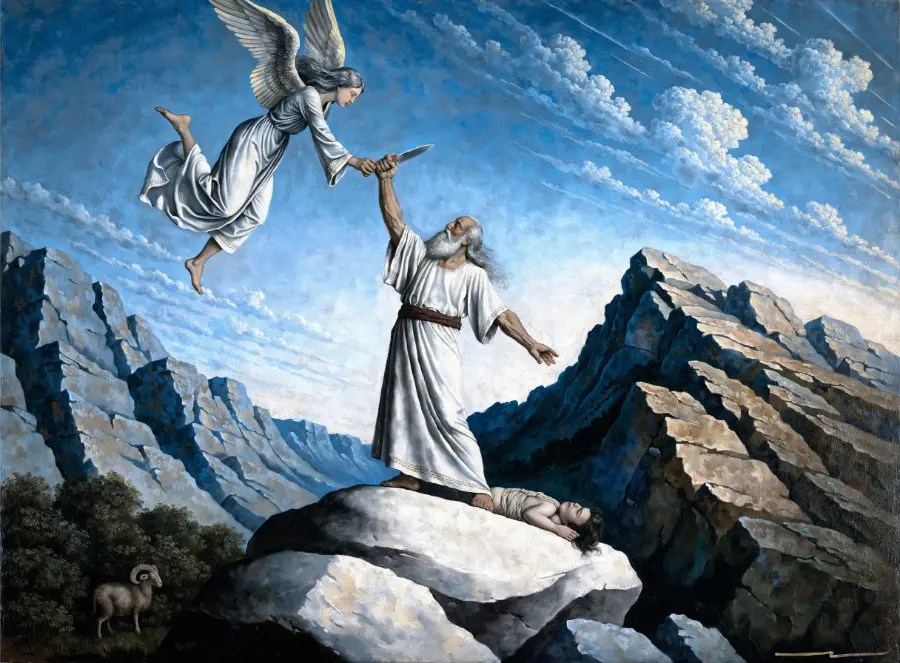
Proverbs 18:9
“One who is slack in his work is brother to one who destroys.”
Reflection: This is a profoundly convicting statement. It equates passivity with active destruction. Sloth is not a neutral state; it is a force of anti-creation. While the destroyer tears down the good that exists, the slack person allows it to crumble and decay. Both arrive at the same end: ruin. This verse forces us to see our neglect not as mere laziness, but as a participation in the forces of chaos and decay in God’s world.
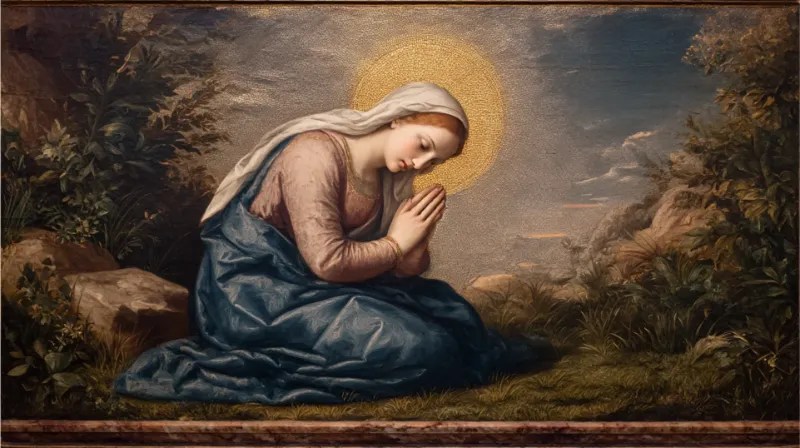
2 Thessalonians 3:10-11
“For even when we were with you, we gave you this rule: ‘The one who is unwilling to work shall not eat.’ We hear that some among you are idle and disruptive. They are not busy; they are busybodies.”
Reflection: This reveals the social and communal poison of idleness. An idle life rarely remains empty; it fills with the wrong things. Those who are “not busy” become “busybodies,” meddling in the lives of others because they have no meaningful projects of their own. Their unused energy curdles into disruption and gossip, harming the fabric of the community. Work, then, is not just for sustenance but is a vital part of healthy community life.

Ecclesiastes 9:10
“Whatever your hand finds to do, do it with all your might, for in the realm of the dead, where you are going, there is neither working nor planning nor knowledge nor wisdom.”
Reflection: This is a passionate cry to embrace the present moment with full-bodied vitality. It acknowledges the brevity of life not as a cause for despair, but as the ultimate motivation for engagement. Sloth is a denial of this precious, fleeting gift of life. The verse commands us to pour our whole selves (“all your might”) into our present tasks, for this moment of active, conscious existence is a sacred opportunity that will not last forever.
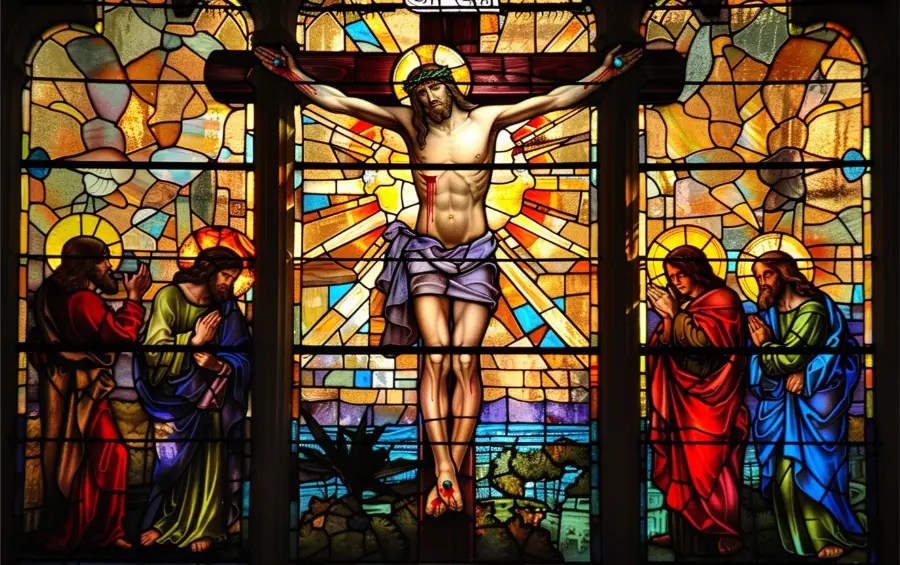
1 Timothy 5:8
“Anyone who does not provide for their relatives, and especially for their own household, has denied the faith and is worse than an unbeliever.”
Reflection: This passage frames diligence and provision not as a worldly concern, but as a core component of faith itself. To neglect the fundamental, loving duty of caring for one’s family is such a profound failure that it constitutes a “denial of the faith.” It reveals a heart so detached from the core Christian ethic of self-giving love that it falls short even of the common decency found outside the faith. This is a sobering reminder that our faith must have “hands and feet.”
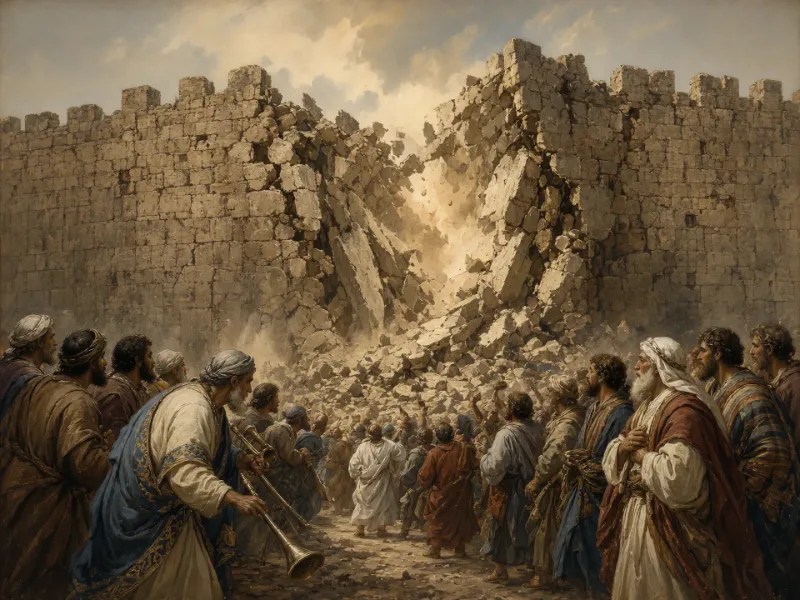
Ephesians 5:15-16
“Be very careful, then, how you live—not as unwise but as wise, making the most of every opportunity, because the days are evil.”
Reflection: This frames our use of time as a matter of spiritual warfare. “The days are evil” suggests that the default trajectory of the world is toward chaos, distraction, and meaninglessness. To be “wise” is to actively resist this drift by “making the most of every opportunity,” redeeming the time for God’s purposes. Sloth, in this context, is a foolish and dangerous surrender to the spirit of the age.
Matthew 25:26
“His master replied, ‘You wicked, lazy servant! So you knew that I harvest where I have not sown and gather where I have not scattered seed?’”
Reflection: In the Parable of the Talents, sloth is revealed in its most damning form: as a profound mischaracterization of God. The lazy servant’s inaction stemmed from a warped view of the master as a harsh, demanding tyrant. This fear-based theology paralyzed him. His sloth was not just laziness; it was a failure of relationship, a slander against the master’s character, and a refusal to participate in the joyful, productive work of his kingdom. It is a terrifying warning that how we view God directly impacts our willingness to live for Him.


Leave a Reply