
 English
 Chinese
 Dutch
 Arabic
 Spanish
 Portuguese
 Russian
 French
 Italian
 German
 Japanese
In the Bible, sweetness starts with the taste of honey and is used for God’s words, gracious speech, love and daylight. Psalm 19:10 and Psalm 119:103 call God’s words sweeter than honey, and Psalm 34:8 says, “taste and see that the Lord is good.”
In Ezekiel 3:3 and Revelation 10:9-10 a prophet eats a scroll that tastes like honey, and in Revelation it then turns his stomach bitter. Proverbs 20:17 and Isaiah 5:20 warn about sweetness that is false: bread gained by deceit, and those “who put bitter for sweet and sweet for bitter.”
God’s words compared with honey

Psalm 19:9-10
“the rules of the Lord are true, and righteous altogether. More to be desired are they than gold, even much fine gold; sweeter also than honey and drippings of the honeycomb.”
Reflection: The psalm calls the Lord’s law perfect, his testimony sure, his precepts right and his commandment pure, and then says the rules are more to be desired than fine gold and sweeter than honey. The next verse says what the rules do for the one who keeps them: “by them is your servant warned; in keeping them there is great reward.”

Psalm 119:103
“How sweet are your words to my taste, sweeter than honey to my mouth!”
Reflection: Here the psalmist speaks to God directly. The verses on either side tie the sweetness to obedience: “I do not turn aside from your rules, for you have taught me” comes before it, and “Through your precepts I get understanding; therefore I hate every false way” comes after.

Proverbs 24:13-14
“My son, eat honey, for it is good, and the drippings of the honeycomb are sweet to your taste. Know that wisdom is such to your soul; if you find it, there will be a future, and your hope will not be cut off.”
Reflection: A father tells his son to eat honey because it is good, and then turns the advice into a comparison: wisdom is to the soul what honey is to the tongue. The proverb attaches a promise to finding it, a future and a hope that “will not be cut off.”
Eating God’s words

Ezekiel 3:3
And he said to me, “Son of man, feed your belly with this scroll that I give you and fill your stomach with it.” Then I ate it, and it was in my mouth as sweet as honey.
Reflection: Ezekiel is handed a scroll written on front and back with “words of lamentation and mourning and woe” (Ezekiel 2:10) and told to eat it before he speaks to the house of Israel. The message is grim, yet it tastes as sweet as honey. When the Spirit lifts him up and takes him away, Ezekiel says, “I went in bitterness in the heat of my spirit” (Ezekiel 3:14): the bitterness is his own, and the text does not attribute it to the scroll.

Jeremiah 15:16
“Your words were found, and I ate them, and your words became to me a joy and the delight of my heart, for I am called by your name, O Lord, God of hosts.”
Reflection: Jeremiah uses the same picture of eating God’s words, and calls them “a joy and the delight of my heart.” The lines that follow belong to the same complaint: he sat alone, filled with indignation, and asks, “Why is my pain unceasing, my wound incurable?” The delight in the words and the pain of carrying them stand side by side in one prayer.

Revelation 10:9-10
“So I went to the angel and told him to give me the little scroll. And he said to me, ‘Take and eat it; it will make your stomach bitter, but in your mouth it will be sweet as honey.’ And I took the little scroll from the hand of the angel and ate it. It was sweet as honey in my mouth, but when I had eaten it my stomach was made bitter.”
Reflection: In John’s vision an angel gives him a little scroll with a warning in advance: sweet in the mouth, bitter in the stomach. Both happen as described. Then John is told, “You must again prophesy about many peoples and nations and languages and kings.” The scene follows Ezekiel 3 closely, from the scroll and the honey to the command to go and speak.
Tasting the Lord’s goodness

Psalm 34:8
“Oh, taste and see that the Lord is good! Blessed is the man who takes refuge in him!”
Reflection: Two verses earlier the psalmist reports his own rescue: “This poor man cried, and the Lord heard him and saved him out of all his troubles.” The verses after the invitation say what those who fear and seek the Lord receive: “those who seek the Lord lack no good thing.”

1 Peter 2:2-3
“Like newborn infants, long for the pure spiritual milk, that by it you may grow up into salvation— if indeed you have tasted that the Lord is good.”
Reflection: Peter borrows the words of Psalm 34:8 and treats the tasting as something his readers have already done. Having tasted, they are to want more, as a newborn wants milk. The verse before names what they must put away to do it: “all malice and all deceit and hypocrisy and envy and all slander.”

Exodus 15:25
“And he cried to the Lord, and the Lord showed him a log, and he threw it into the water, and the water became sweet.”
Reflection: At Marah the Israelites find water too bitter to drink and grumble against Moses. He cries to the Lord, a log is thrown into the water, and it becomes sweet. At the same place the Lord gives Israel a statute and tests them, promising to keep from them the diseases he put on the Egyptians if they listen to his voice, because “I am the Lord, your healer” (Exodus 15:26).
Sweet words and good friends

Proverbs 16:24
“Gracious words are like a honeycomb, sweetness to the soul and health to the body.”
Reflection: Three verses earlier the same chapter says that “sweetness of speech increases persuasiveness.” This proverb goes further and credits gracious words with doing good to the listener, sweetness to the soul and health to the body.

Proverbs 27:9
“Oil and perfume make the heart glad, and the sweetness of a friend comes from his earnest counsel.”
Reflection: The sweetness of a friend lies in his earnest counsel, and the chapter is clear that such counsel is not always pleasant to hear. Proverbs 27:5-6 reads: “Better is open rebuke than hidden love. Faithful are the wounds of a friend; profuse are the kisses of an enemy.”
Sweetness between lovers

Song of Solomon 2:3
“As an apple tree among the trees of the forest, so is my beloved among the young men. With great delight I sat in his shadow, and his fruit was sweet to my taste.”
Reflection: The woman speaks, and compares her beloved to an apple tree standing out among forest trees. She sits in his shade and finds his fruit sweet. The next line moves from the orchard to the banqueting house: “his banner over me was love.”

Song of Solomon 4:11
“Your lips drip nectar, my bride; honey and milk are under your tongue.”
Reflection: Now the man speaks to his bride. The verse before sets the scale: “How much better is your love than wine.” Taste is one sense among several in the passage, and he goes straight on to smell: “the fragrance of your garments is like the fragrance of Lebanon.”
Sweetness in ordinary life

Ecclesiastes 11:7
“Light is sweet, and it is pleasant for the eyes to see the sun.”
Reflection: The Preacher counts daylight itself as sweet. He follows it with a charge to rejoice in every year a person is given, and a reminder in the same verse “that the days of darkness will be many.”
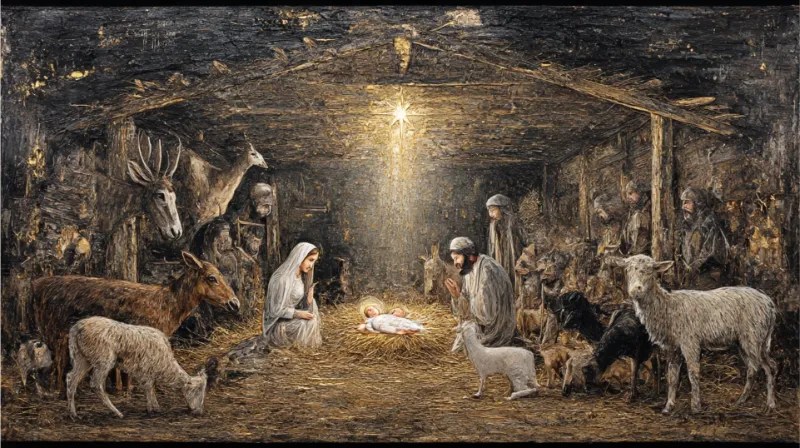
Proverbs 27:7
“One who is full loathes honey, but to one who is hungry, everything bitter is sweet.”
Reflection: Whether something tastes sweet depends on the one eating it. A full stomach turns away even honey, and hunger makes bitter food welcome.
When sweetness misleads
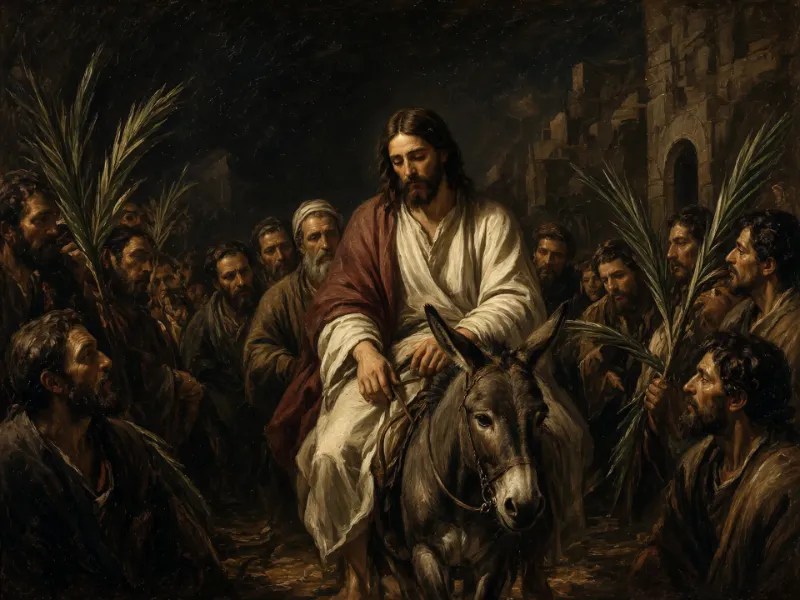
Proverbs 20:17
“Bread gained by deceit is sweet to a man, but afterward his mouth will be full of gravel.”
Reflection: Bread gained by deceit is sweet to the one who eats it at first. The proverb puts the cost later, when the mouth fills with gravel.

Isaiah 5:20
“Woe to those who call evil good and good evil, who put darkness for light and light for darkness, who put bitter for sweet and sweet for bitter!”
Reflection: This is one of a string of woes Isaiah pronounces in chapter 5. Swapping bitter and sweet stands beside calling evil good and darkness light, and the next woe falls on “those who are wise in their own eyes.”


Leave a Reply